We were all excited to go to Gozo. We had heard so many good things about the island. Catherine and her driver, Herbert,who hav e been showing us around the countryside all week, picked us up at the hotel and drove the short distance to the pier where we drove onto the ferry, left the car and went upstairs to watch.
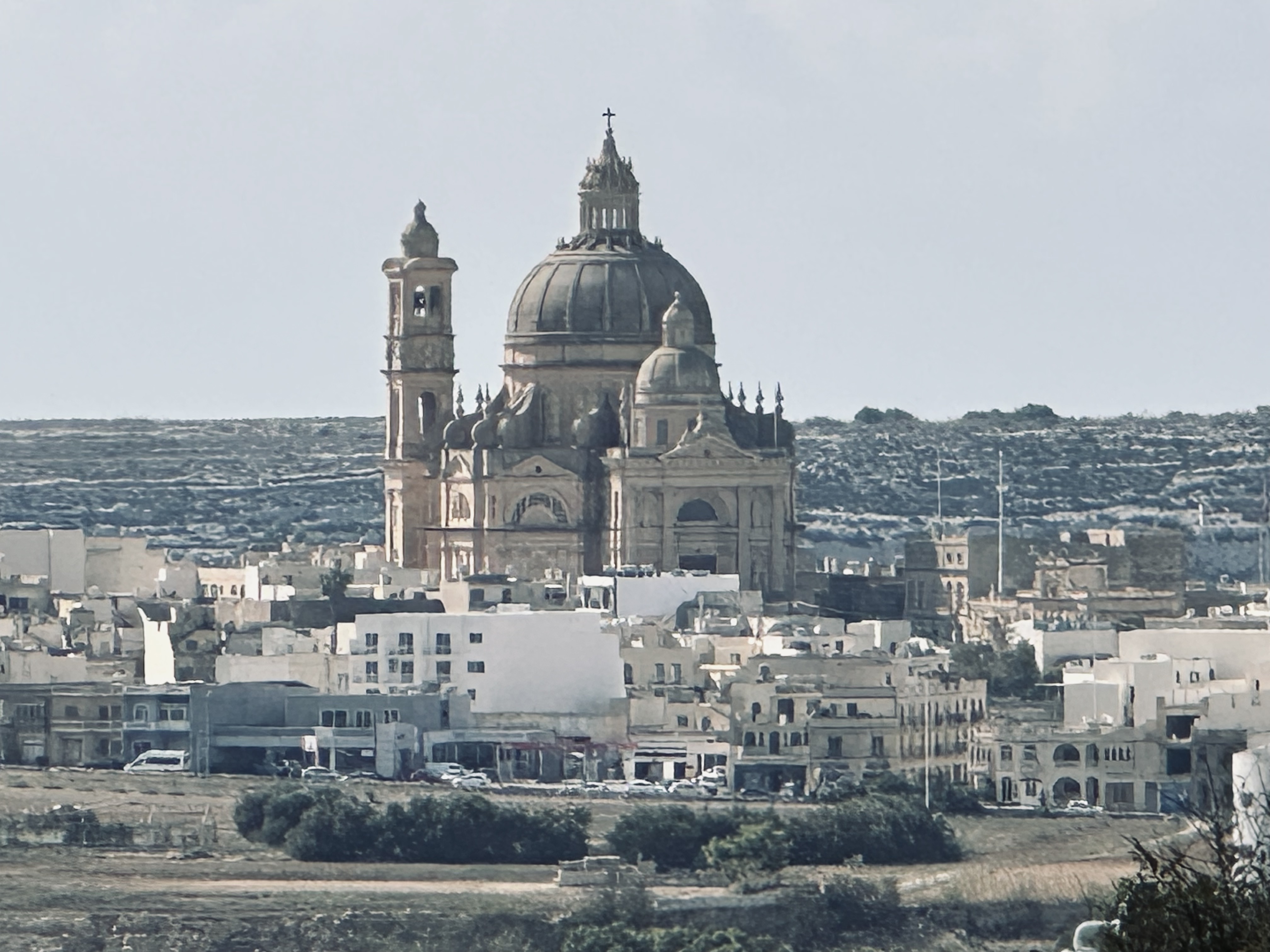
The ride to Gozo took only 20 minutes and was very smooth sailing, but not much to see. Back in the car, we were soon off the ferry and headed for the neolithic temples. The countryside was very similar to what we had seen on Malta with gentle rolling hills. However, the landscape was not as fertile or green and there are few villages. More desert like. On the way we passed an unexpected structure in a town called Xewkija. It is a church built by the knights of St John and it is called the Church of St John the Baptist. It is renowned for its majestic rotunda. We drove by, but did not stop.
Church of St John the Baptist in Xewkija, Goza
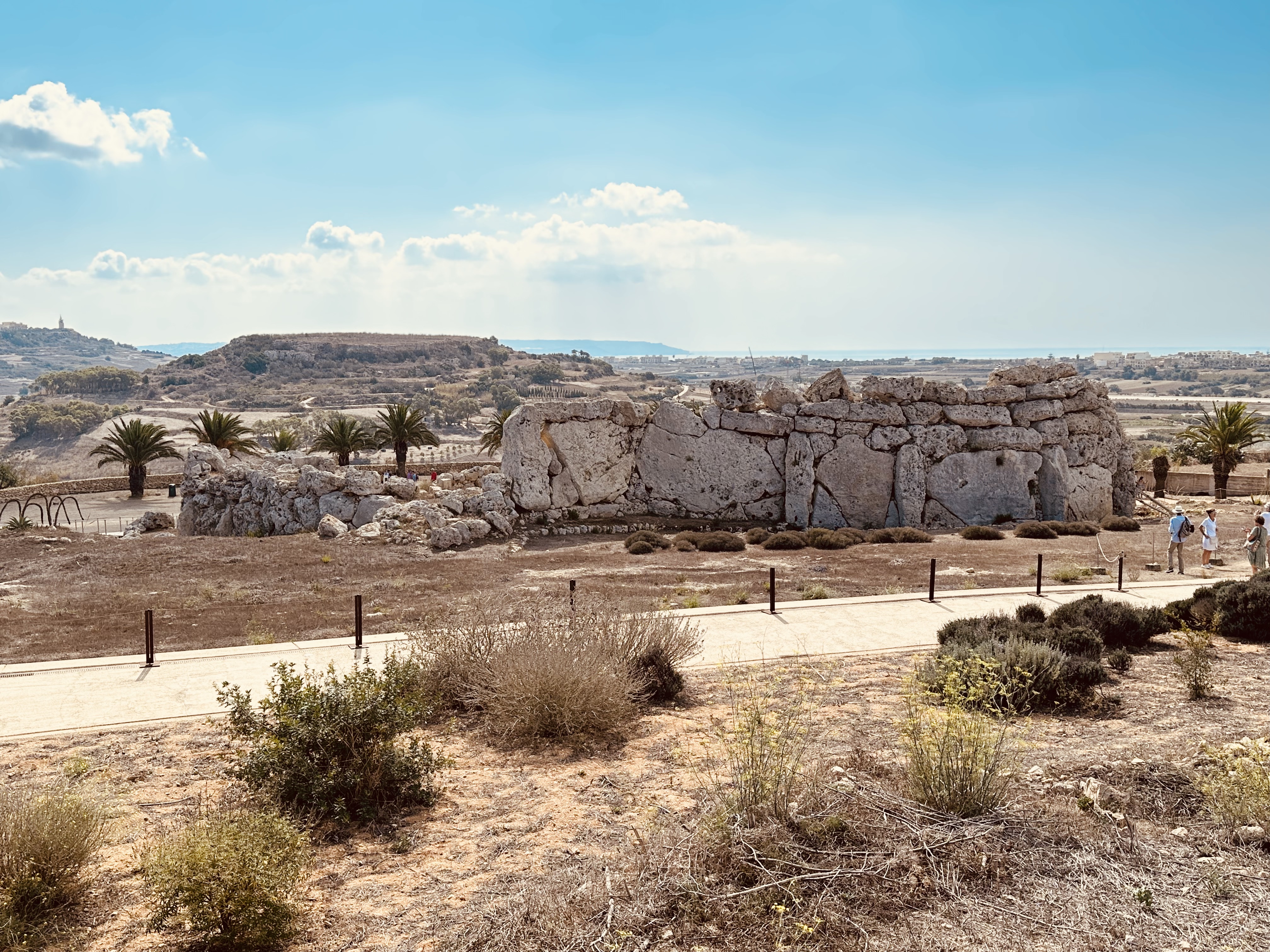
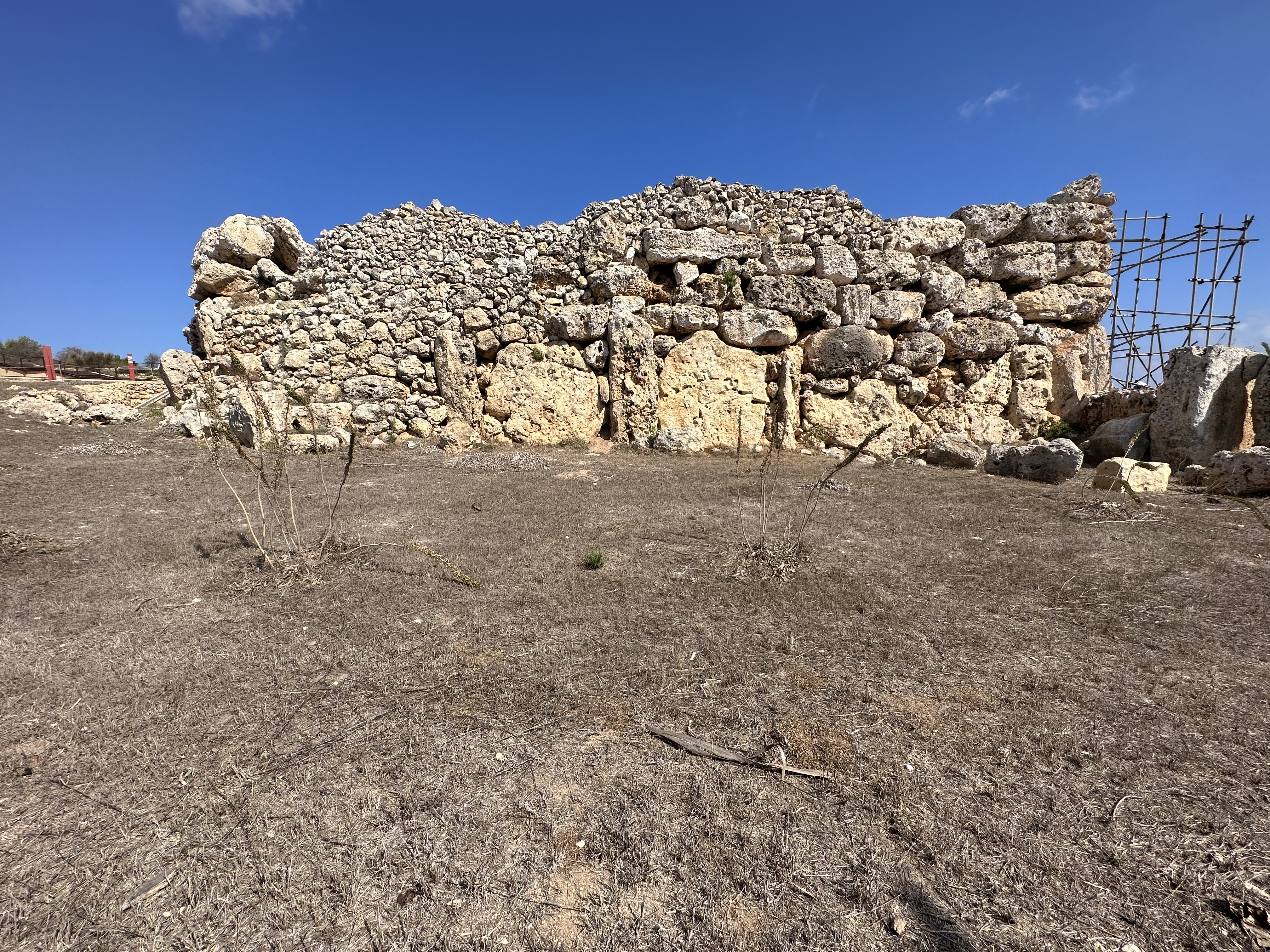
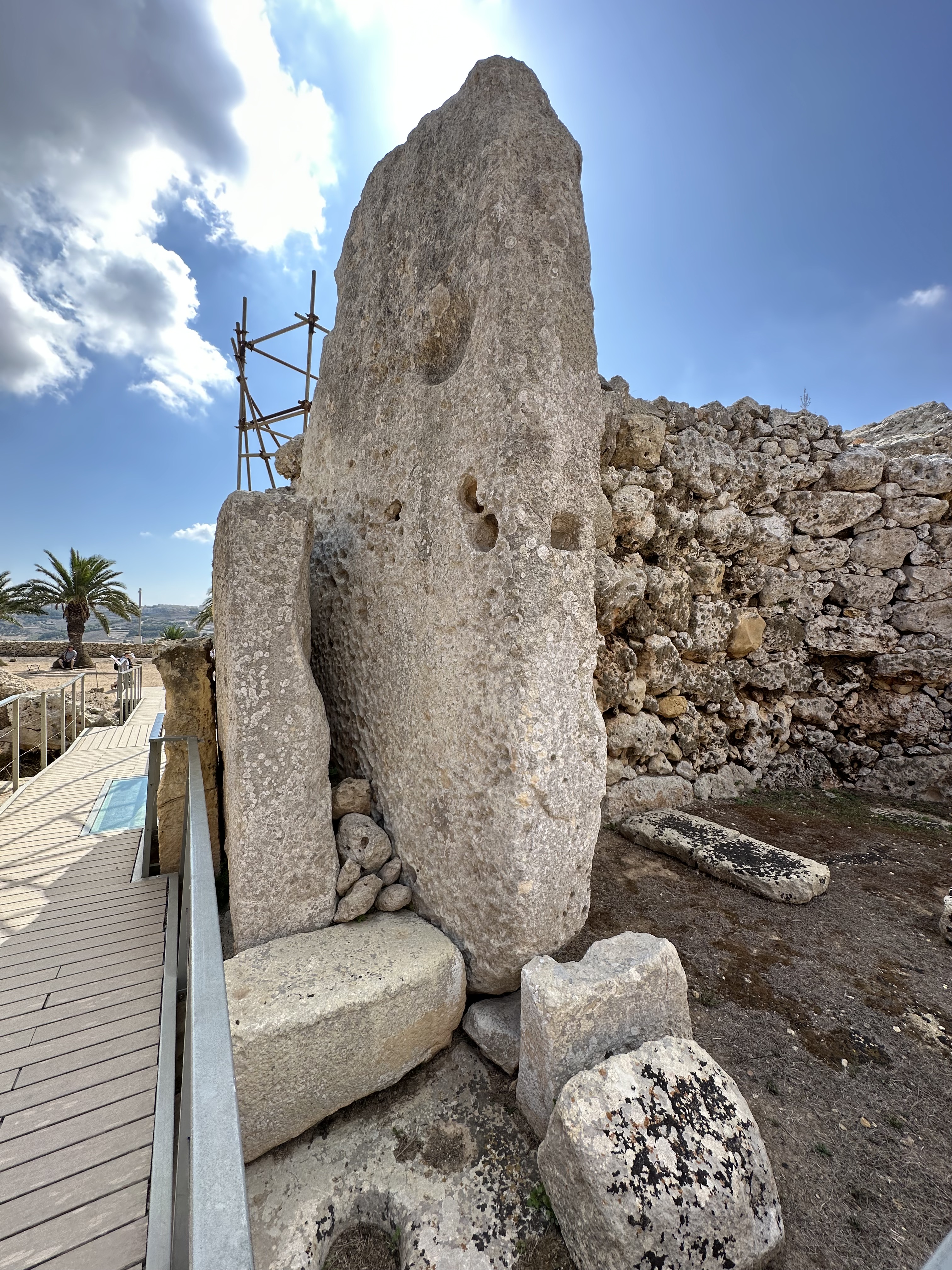
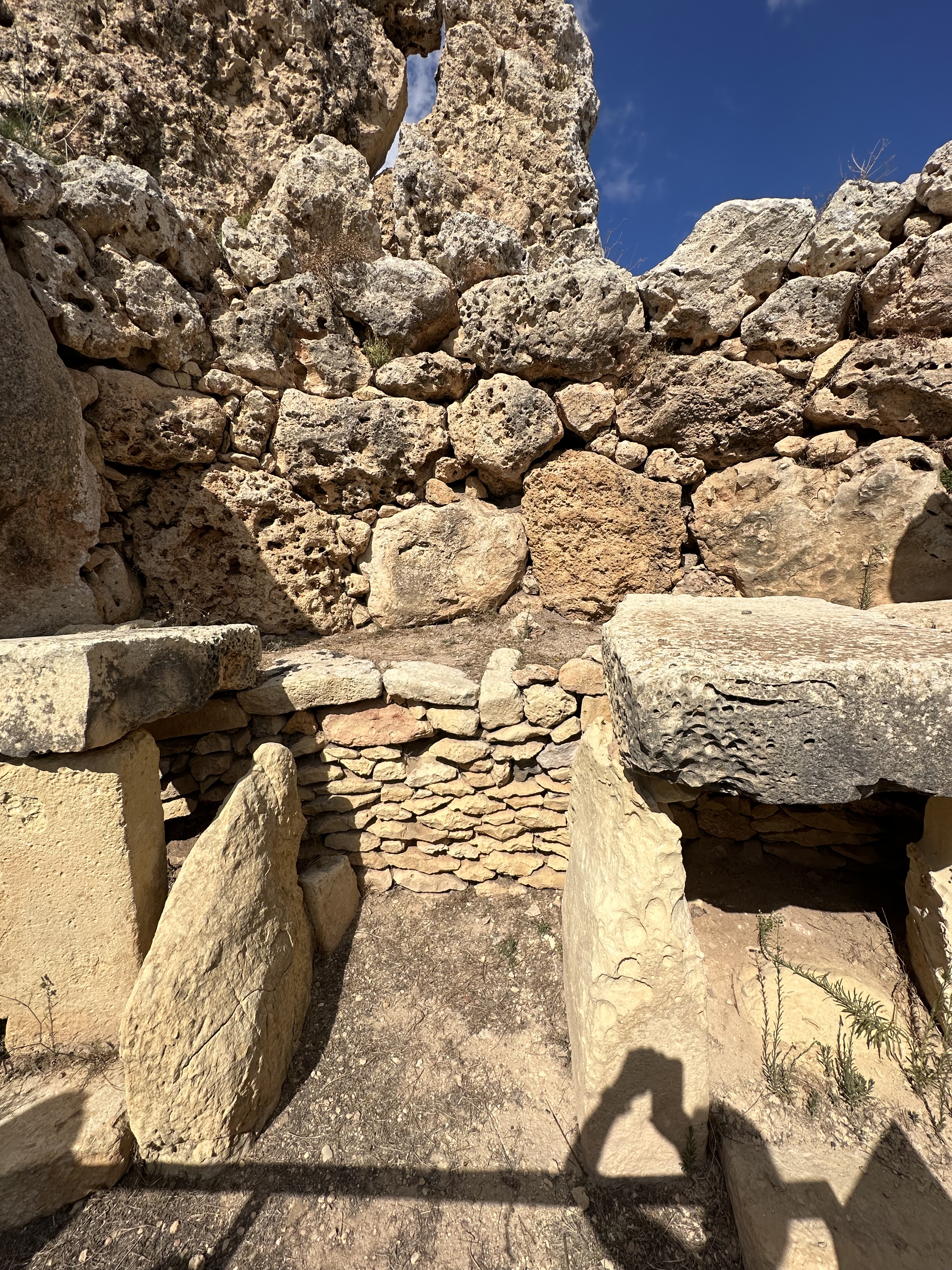
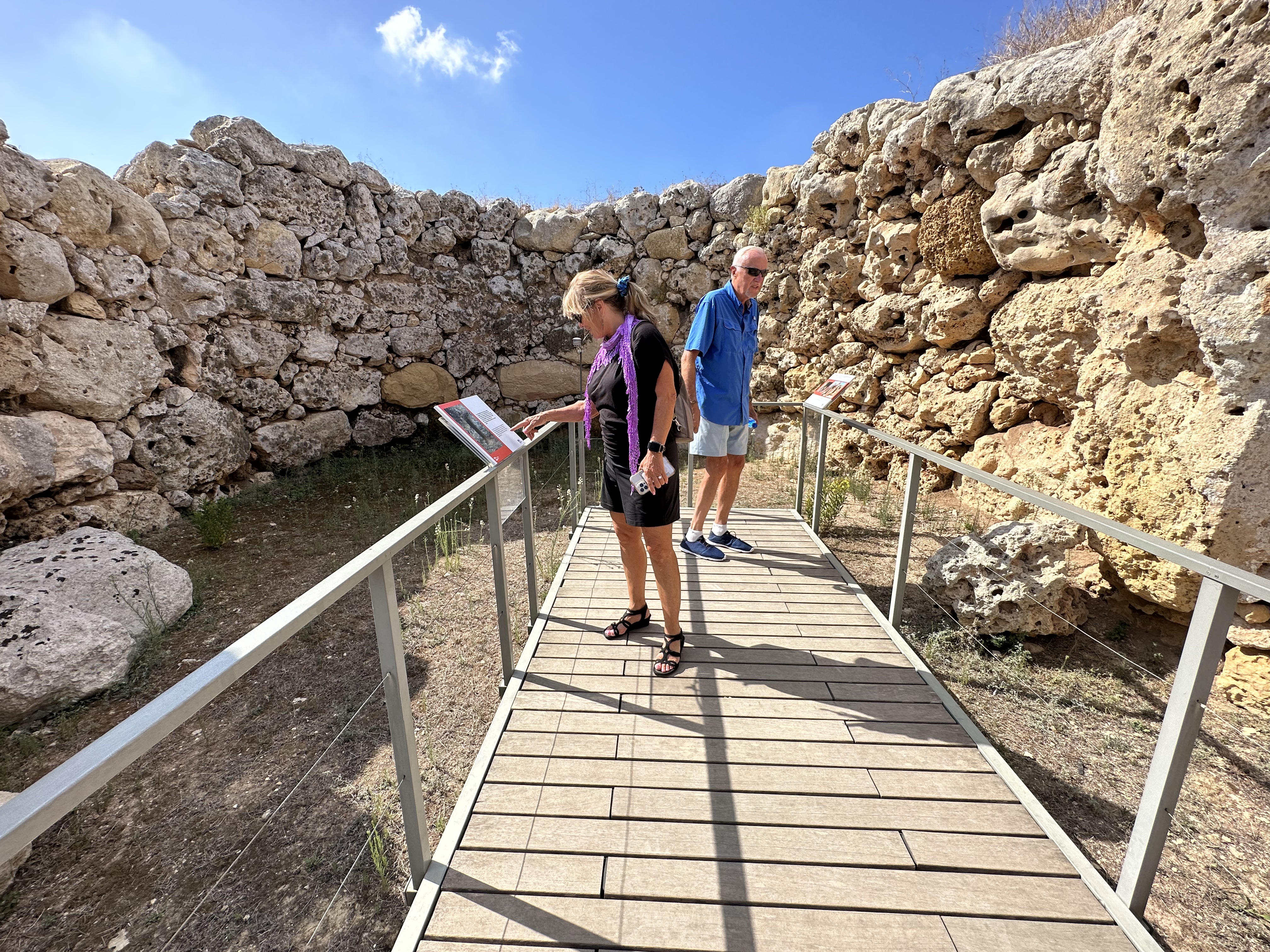
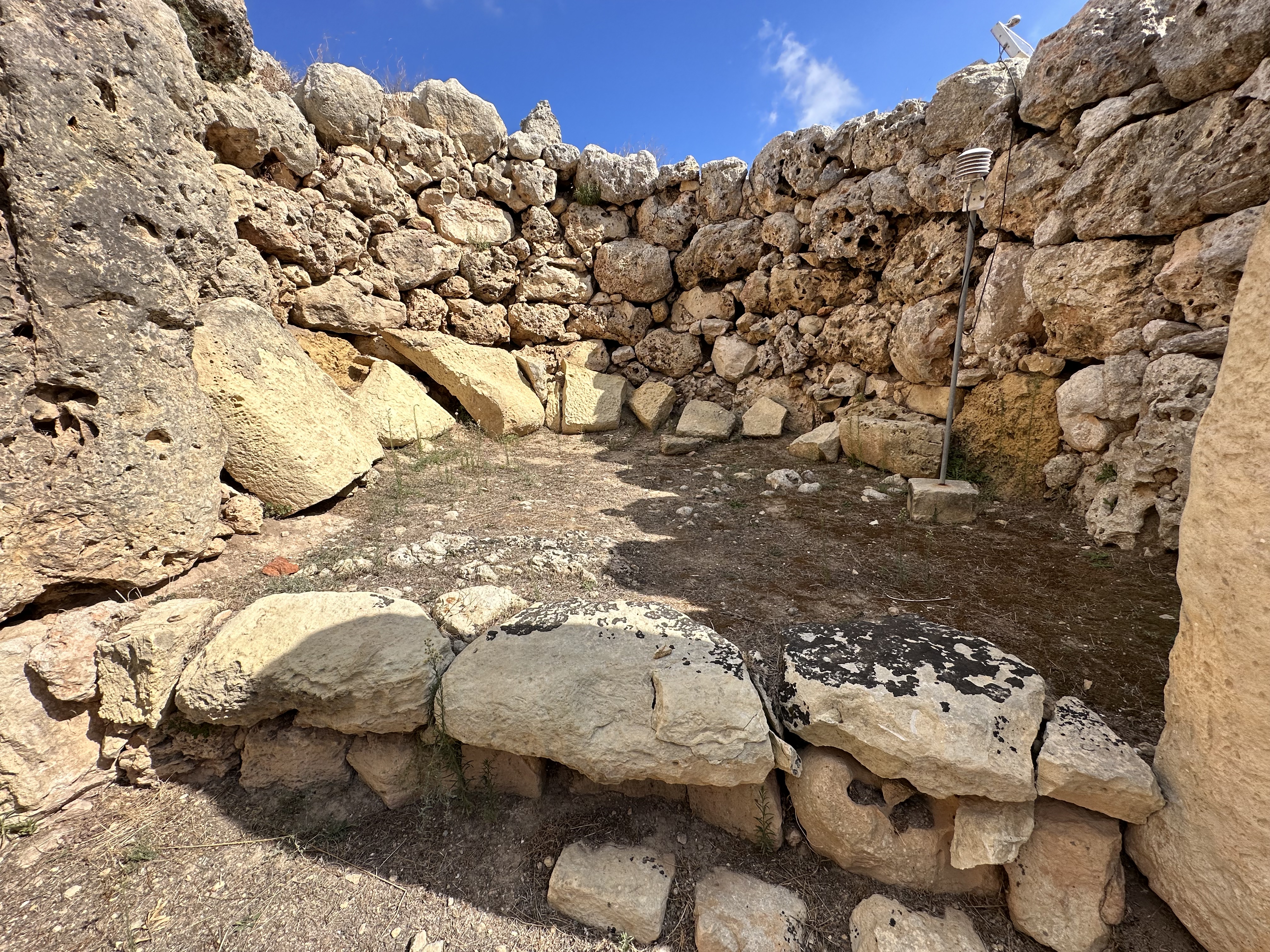
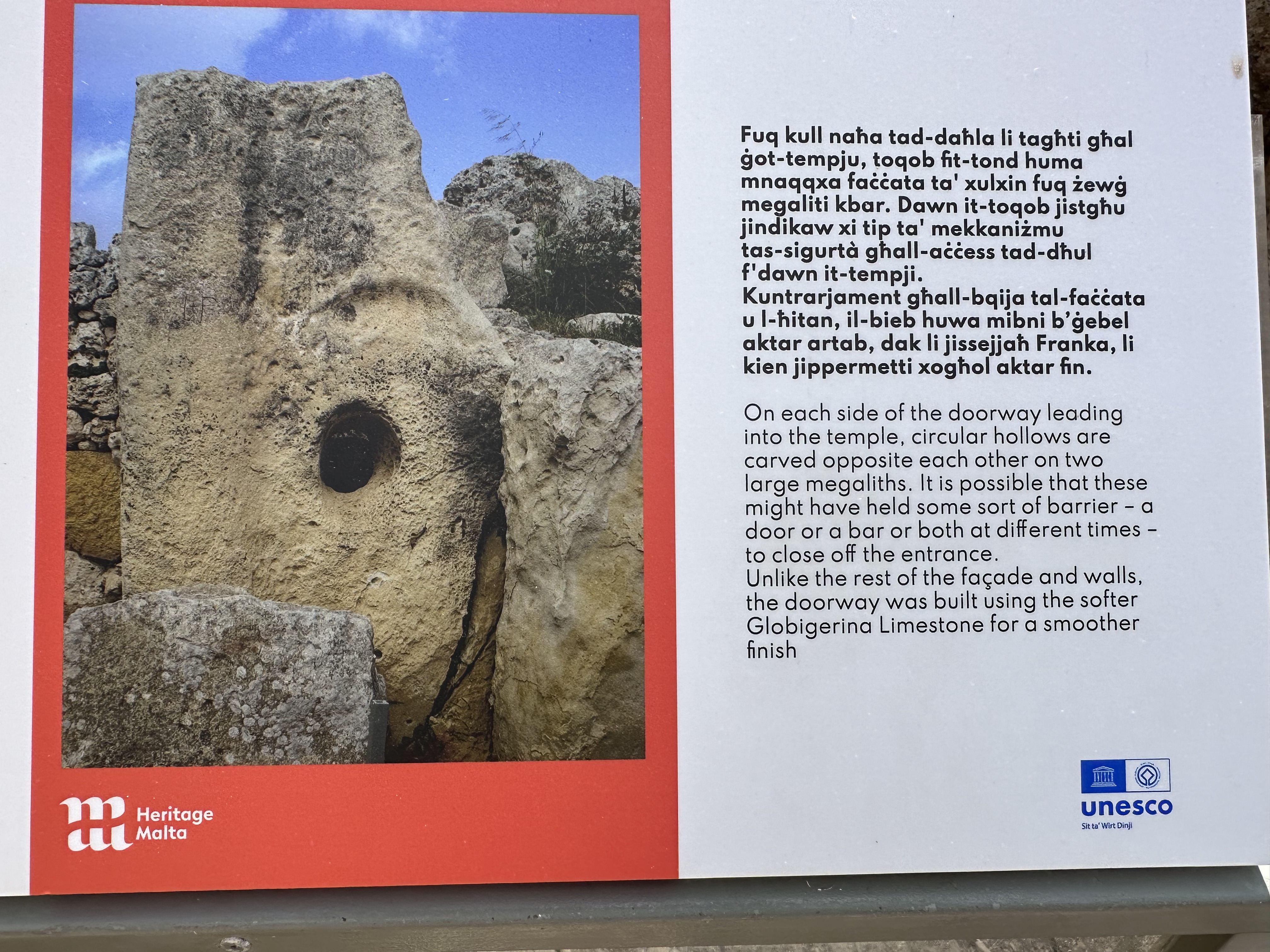
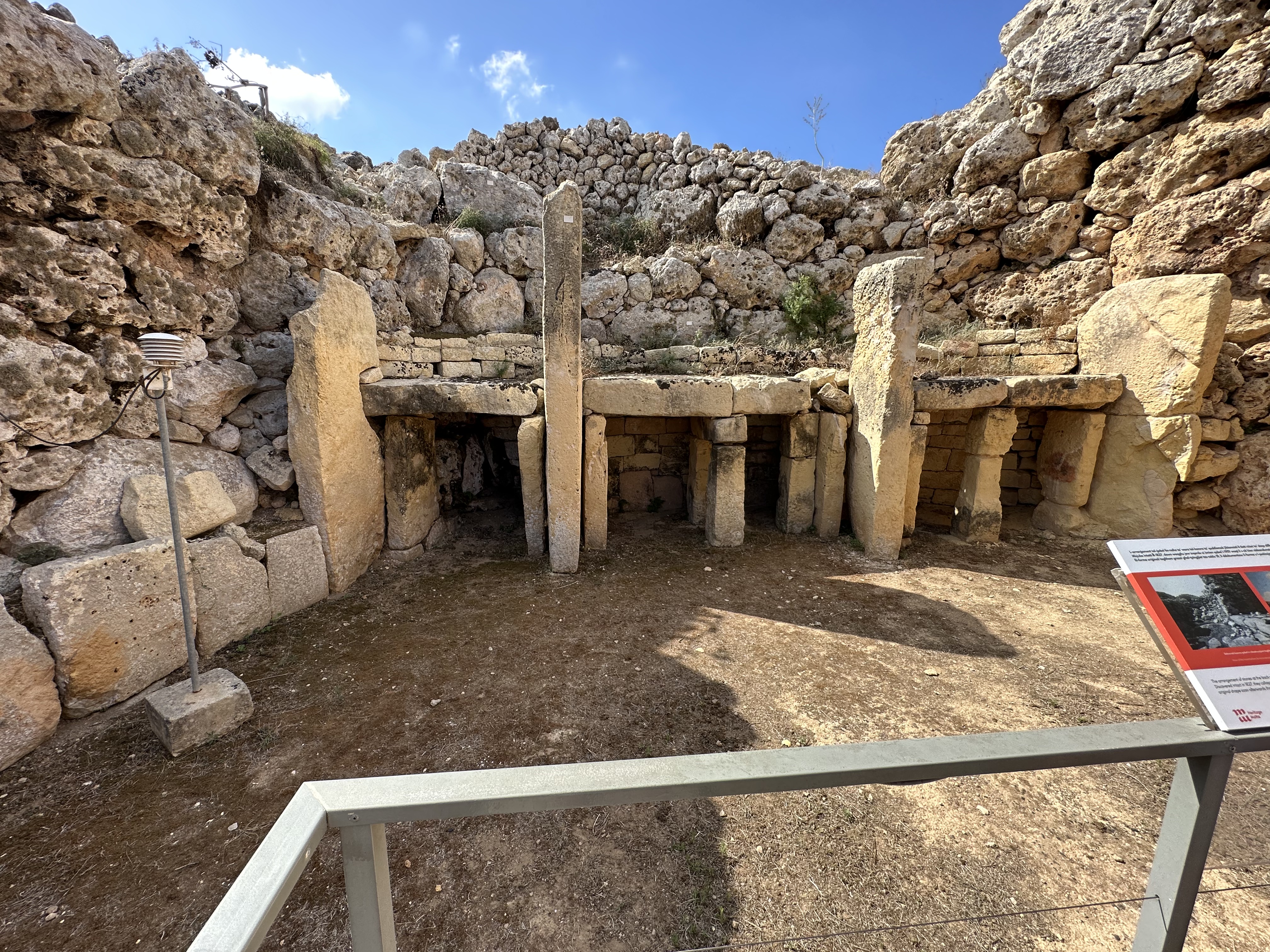
We drove on to Ggantija Temples near the middle of the island. At 3600 BC, they are the oldest free standing structure in the world. This UNESCO World Heritage site is 1000 years older than Stonehenge of the Pyramids at Giza. It was only after the site was excavated that the remains were dated to the Neolithic.
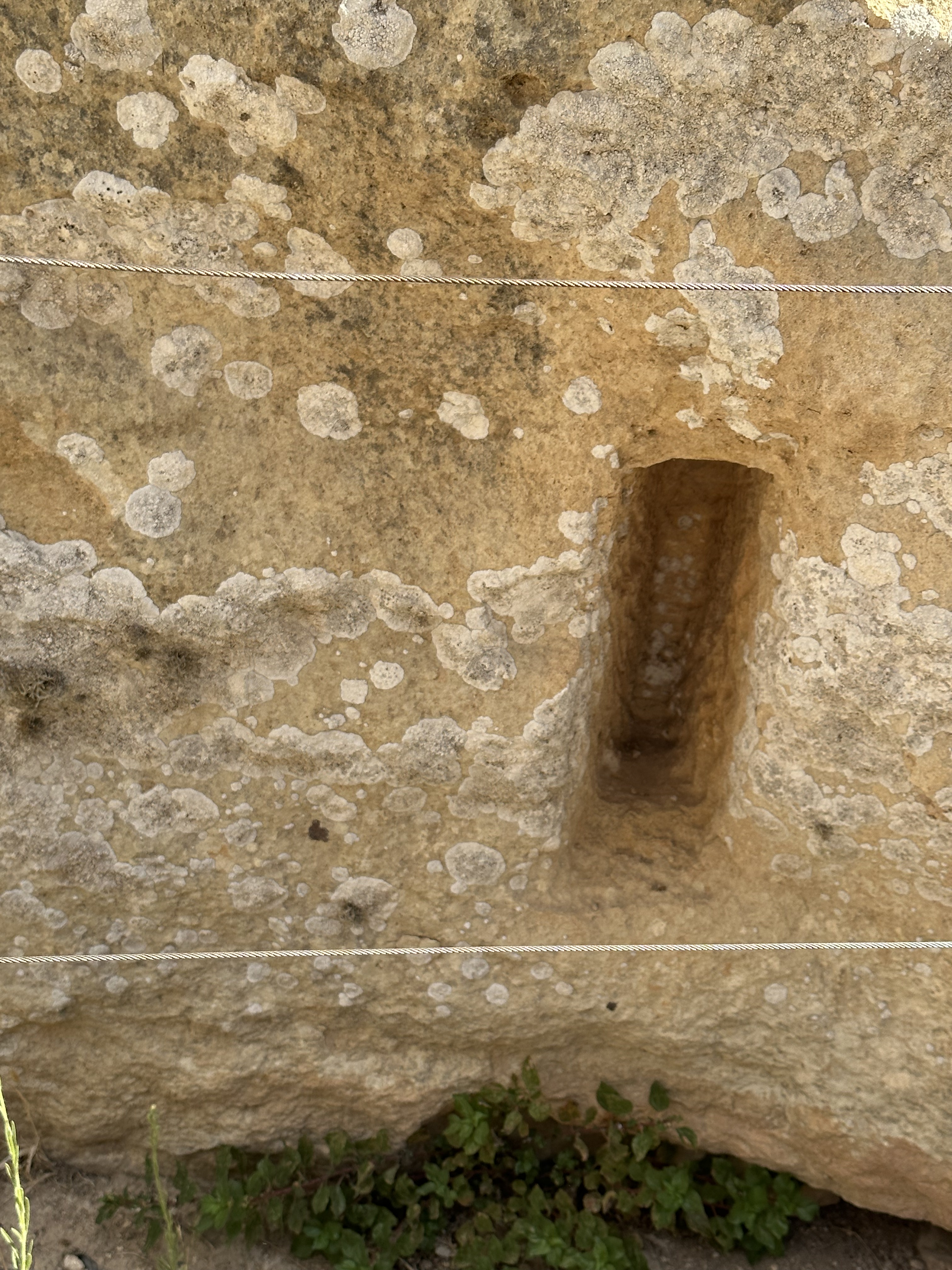
Approaching the Ggantija Temples by carThe back of the temple structureA side wall of the templeElevated walkways keep people from damaging the temples.An entrance to a roomMimi and Phil are captivatedAnother roomA door way. THe holes may have been used as a baracade.A rebuilt structure An entrance to a roomTHe hole here was made only with stone tools as no metal was yet available.
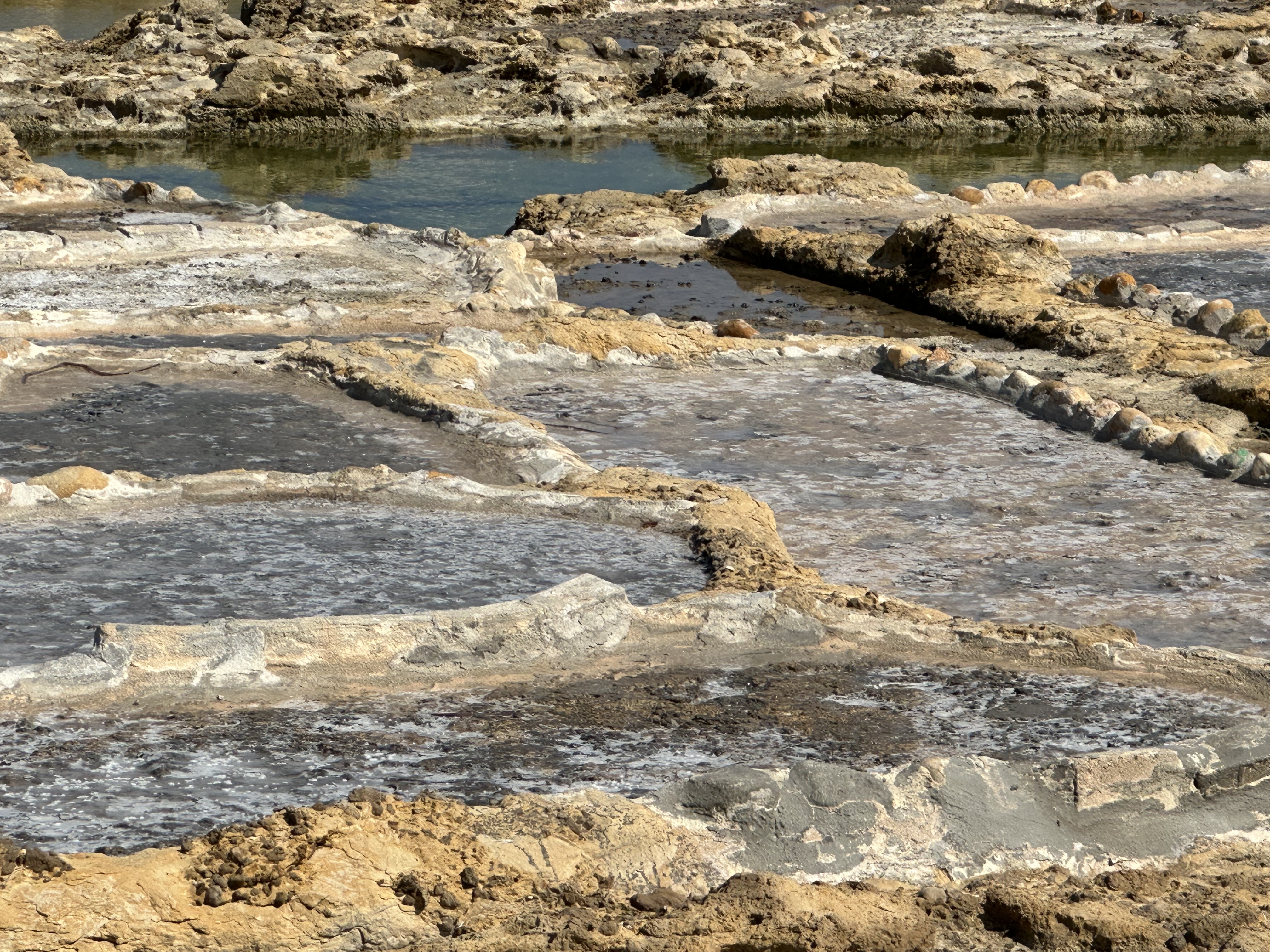
After having the temples we drove to the coast to see the Xwejni salt pans still in use.
Xwejni Salt Pans These Saltpans are still used today. Salt pans being used today
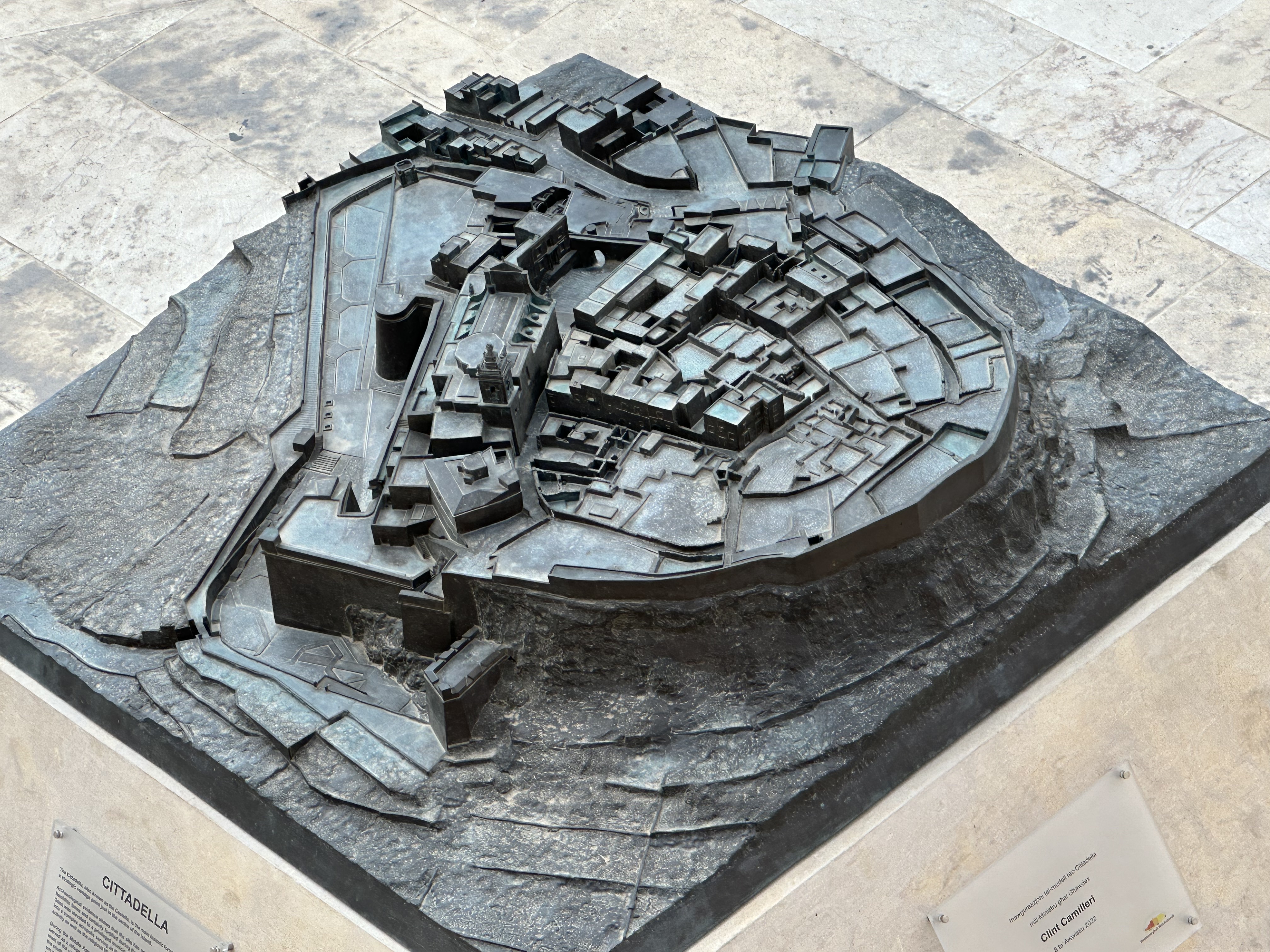
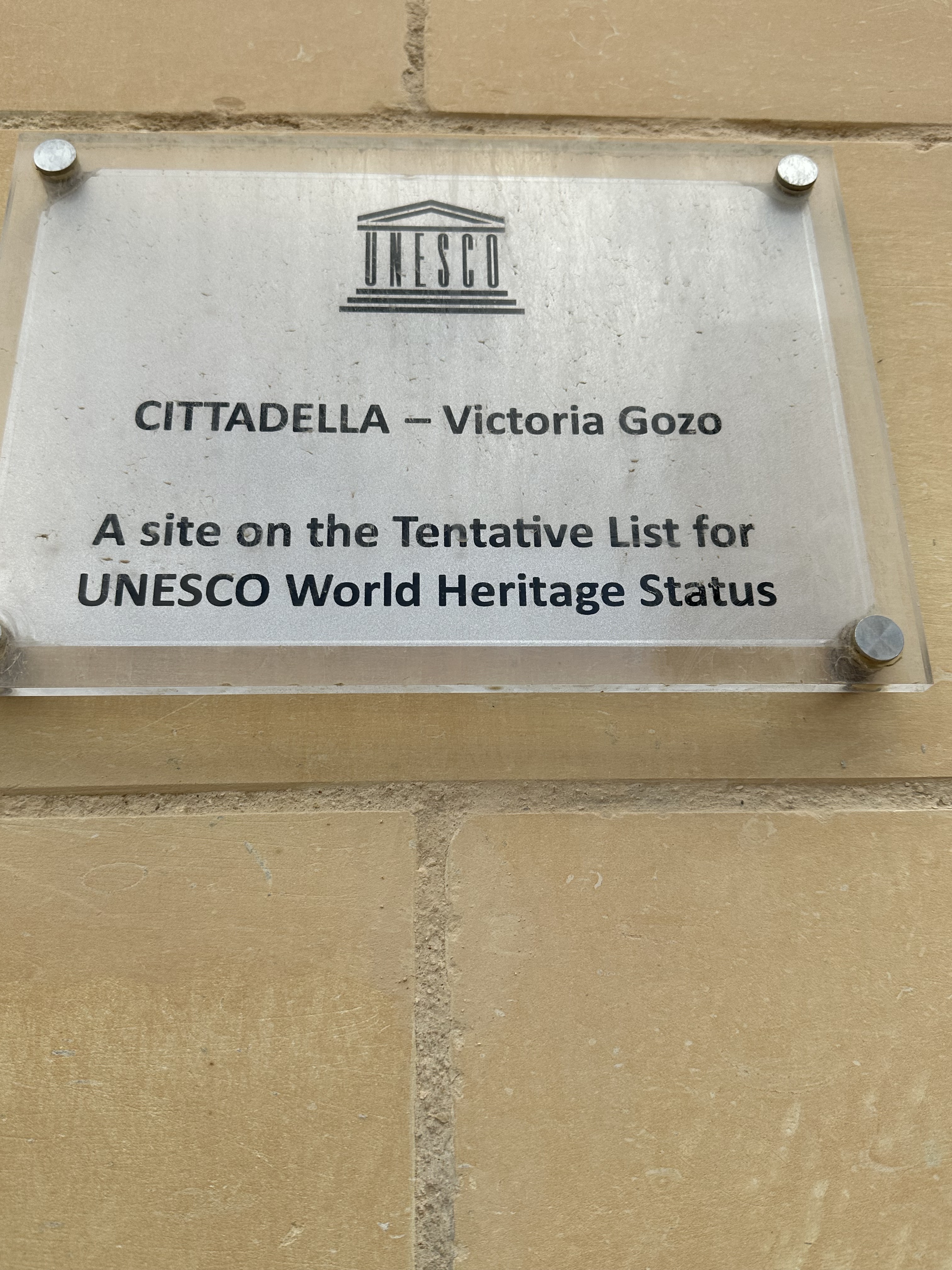
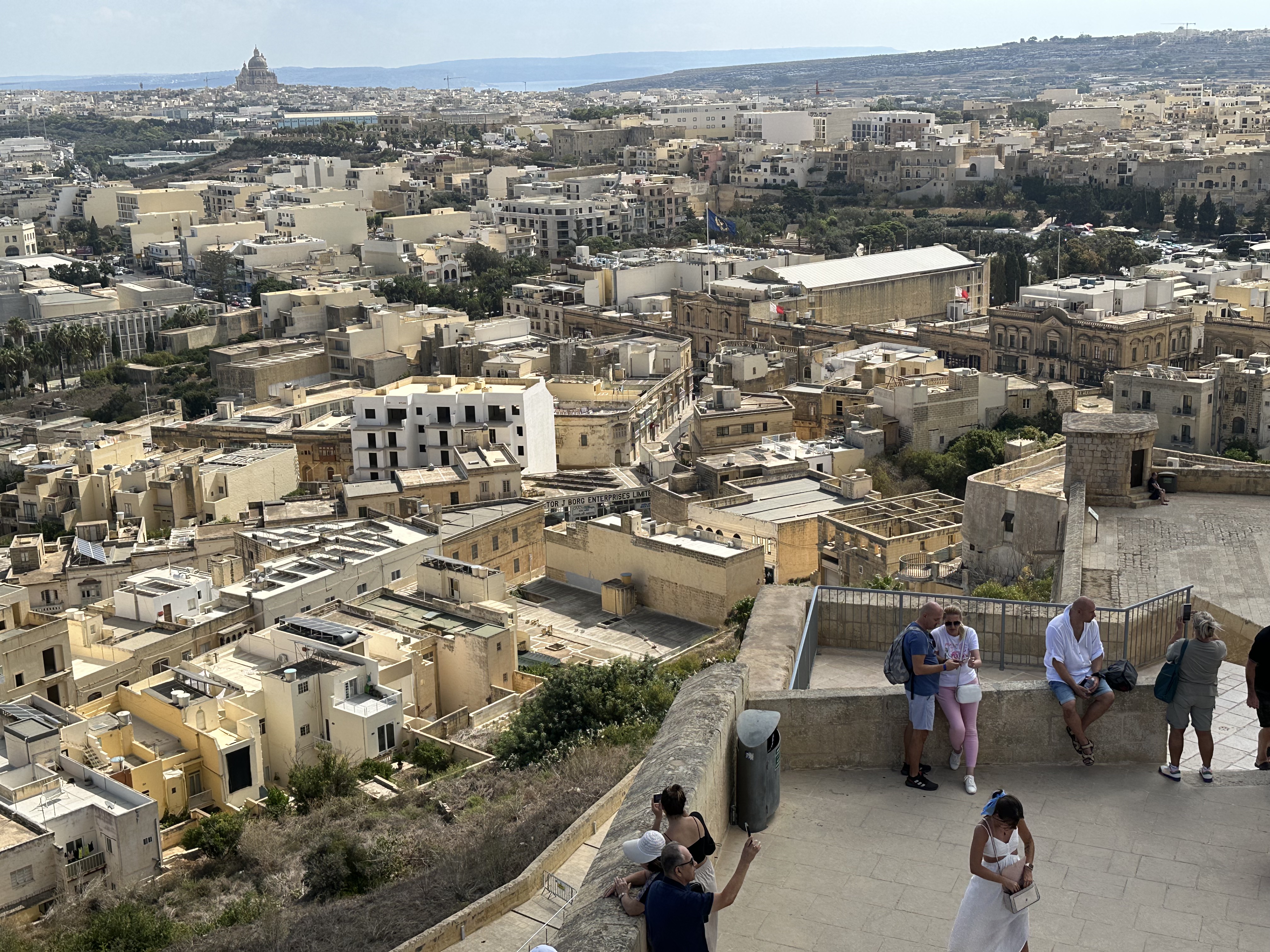
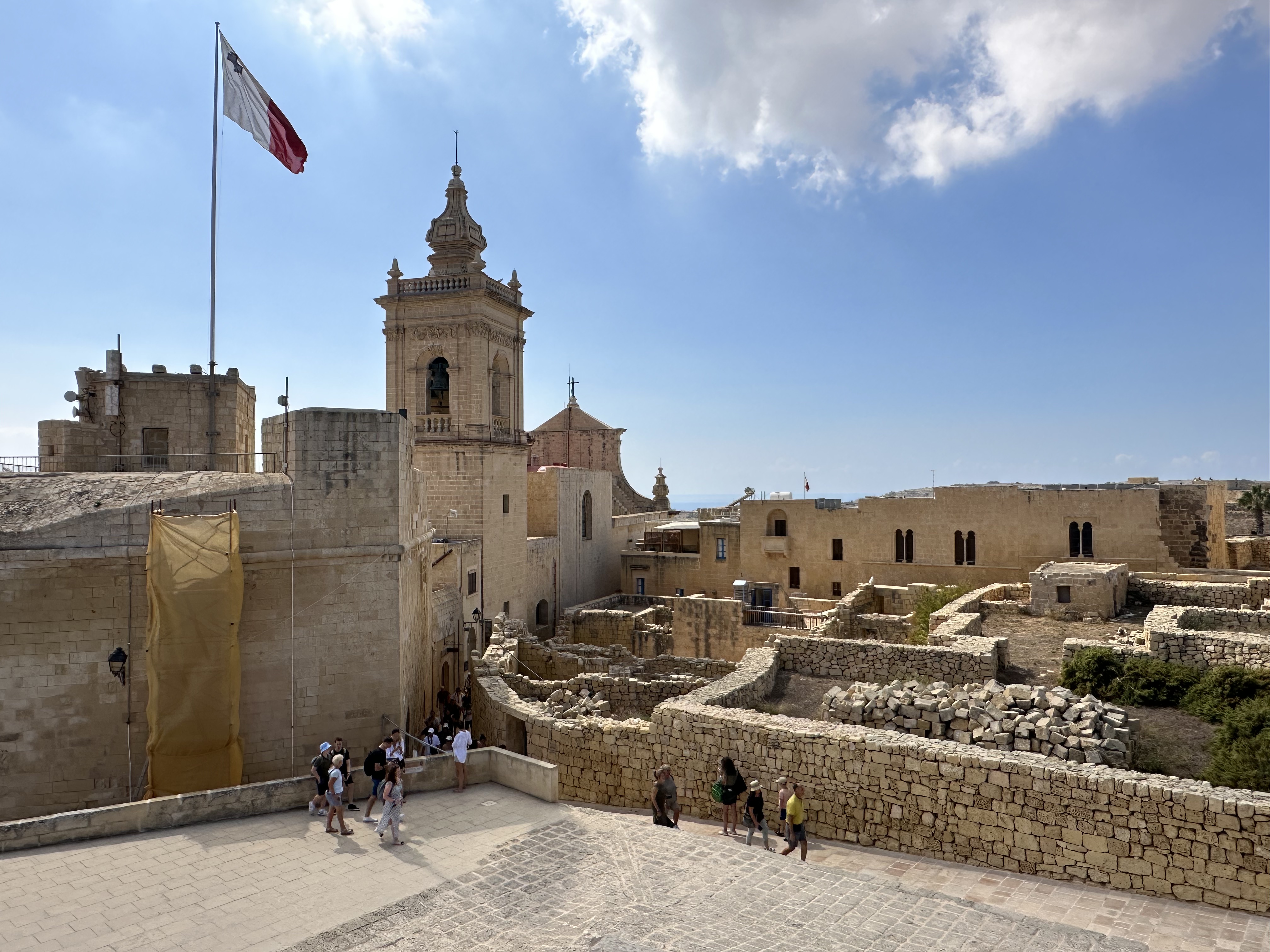
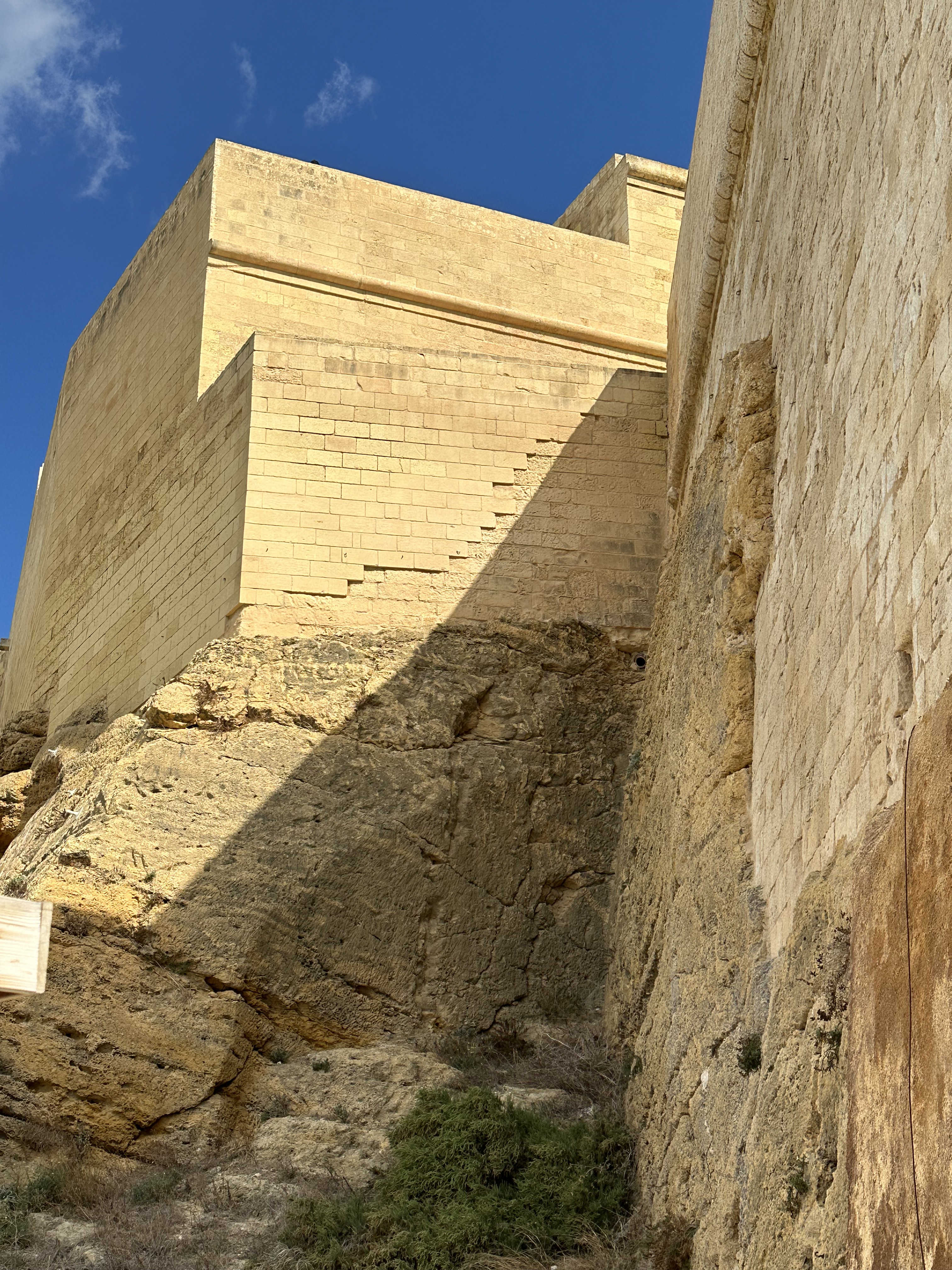
From there we drove back to the center of the island to visit the Citadel or Citedella as it is known. It was first fortified during the Bronze Age, and later by the Phoenicians and the Romans until it was a complex Acropolis. Up until the 18th century it was the onlyfortified refuge against attack for the inhabitants of the island.
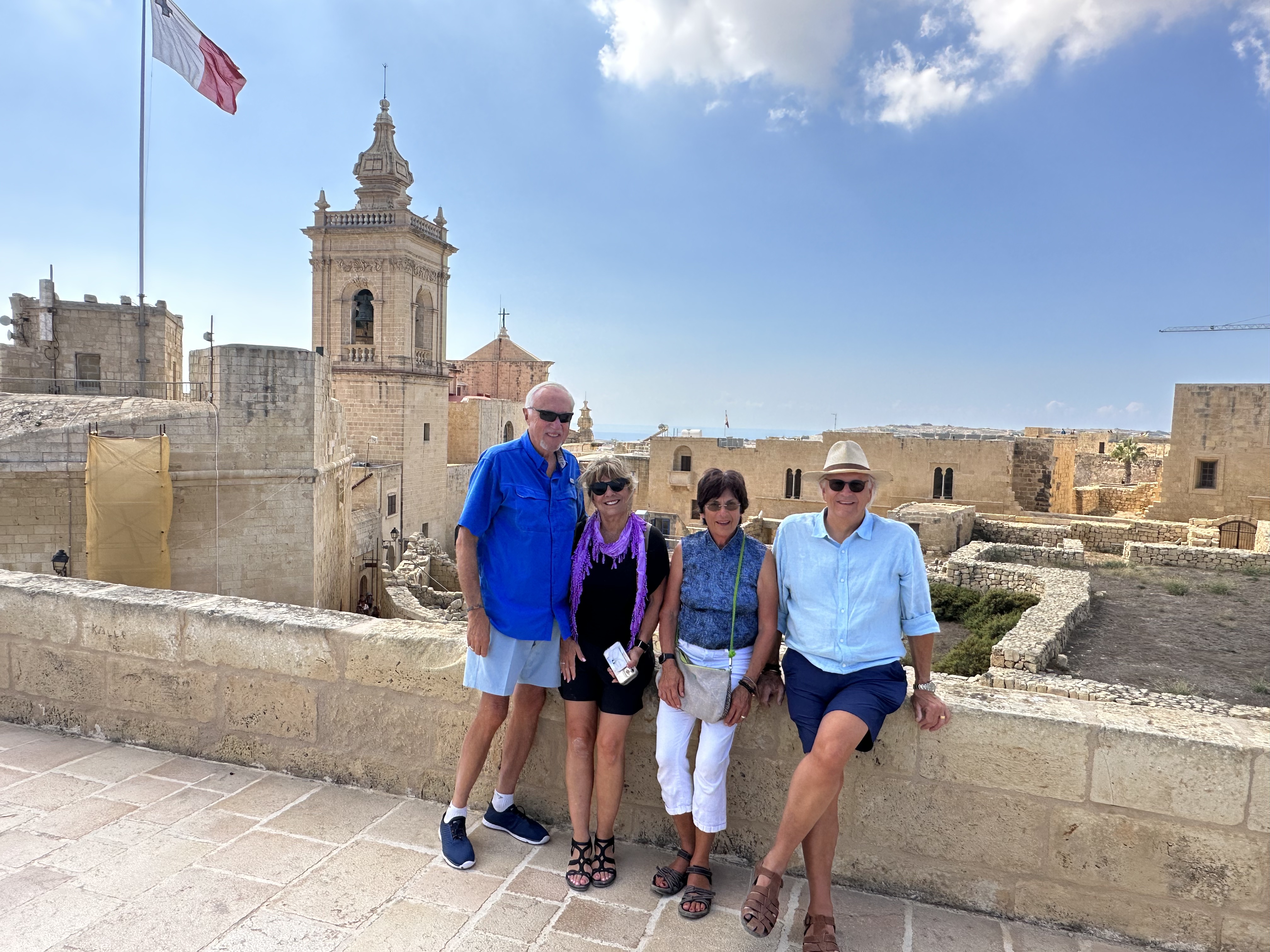
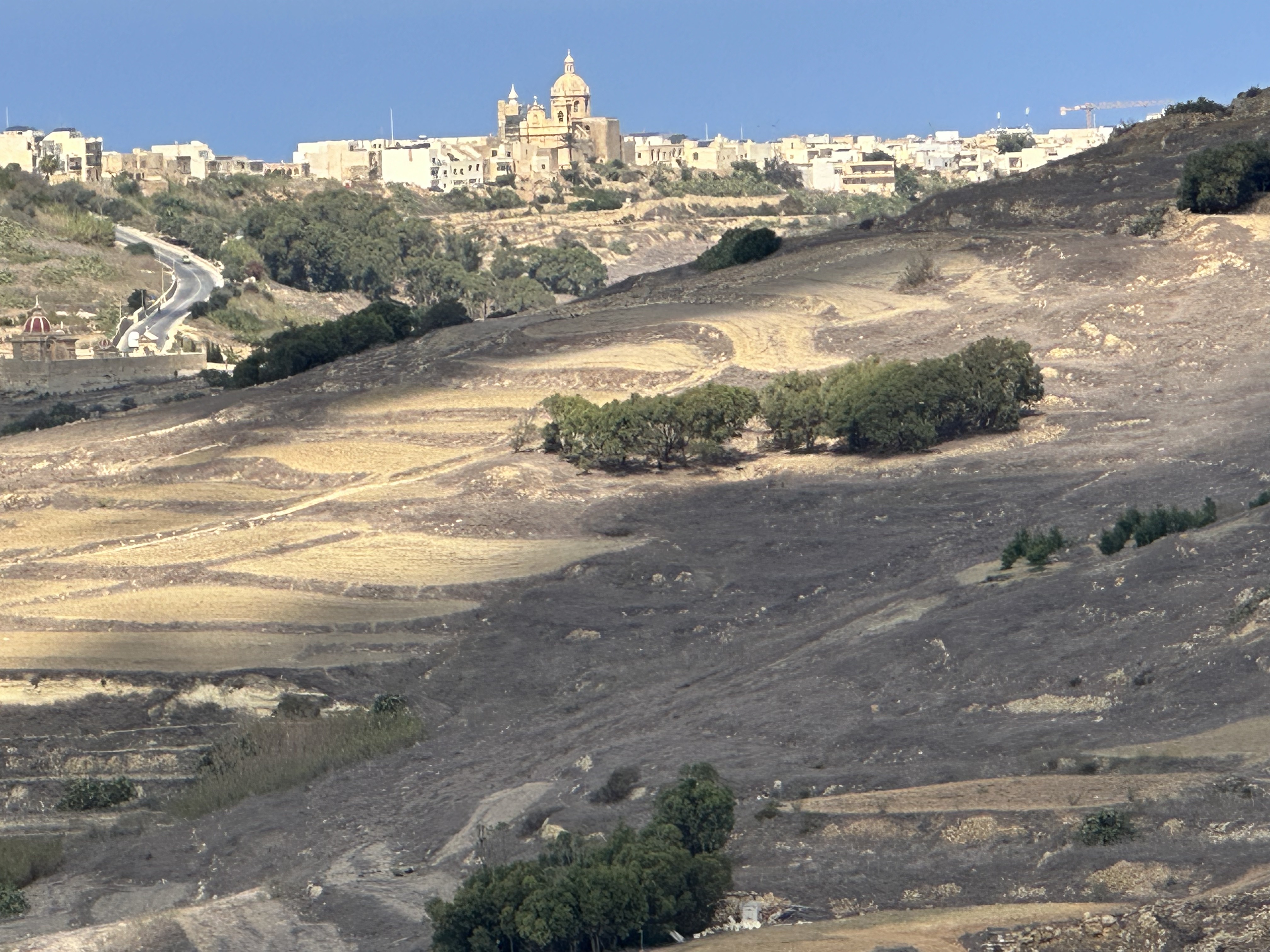
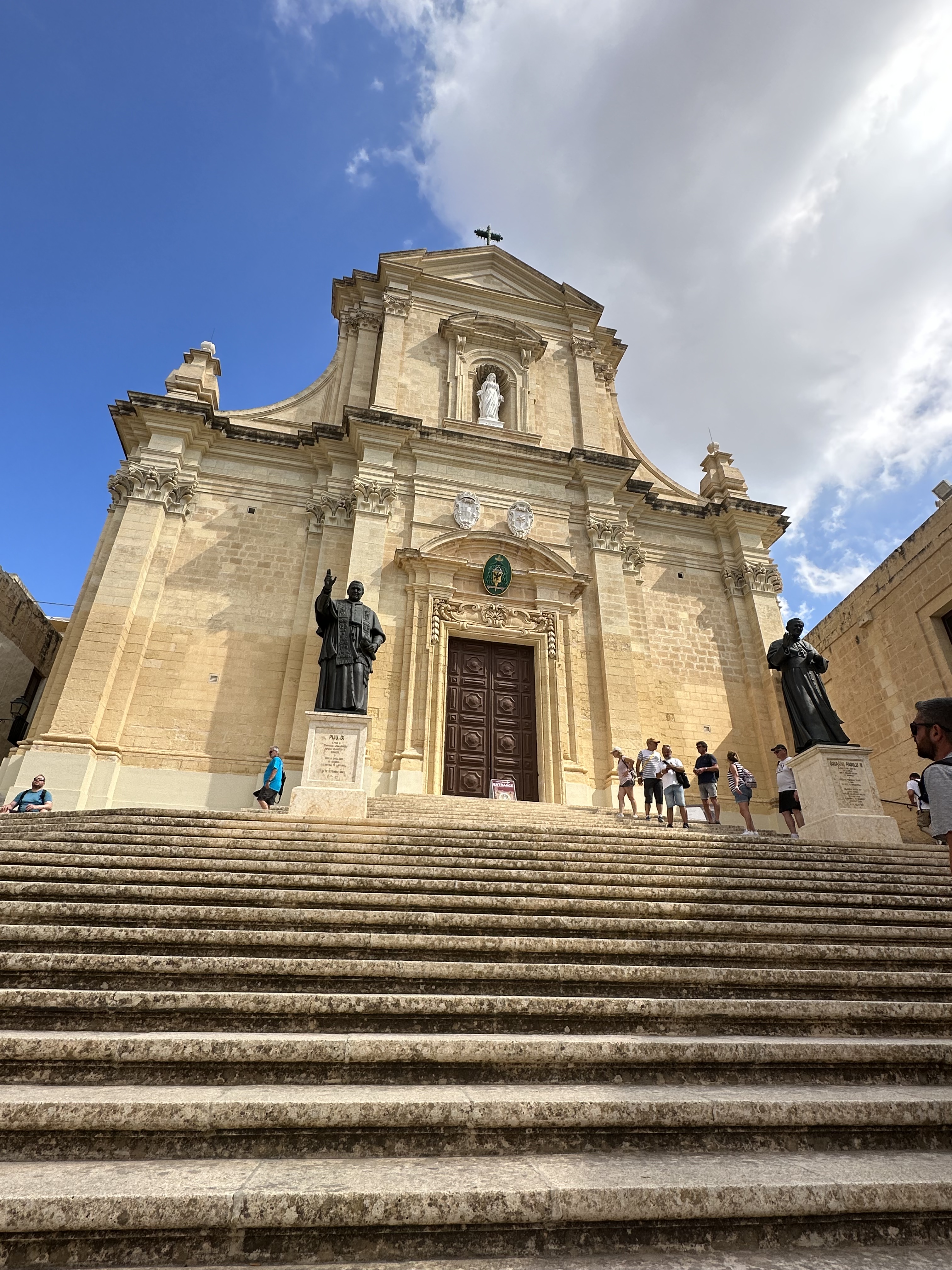
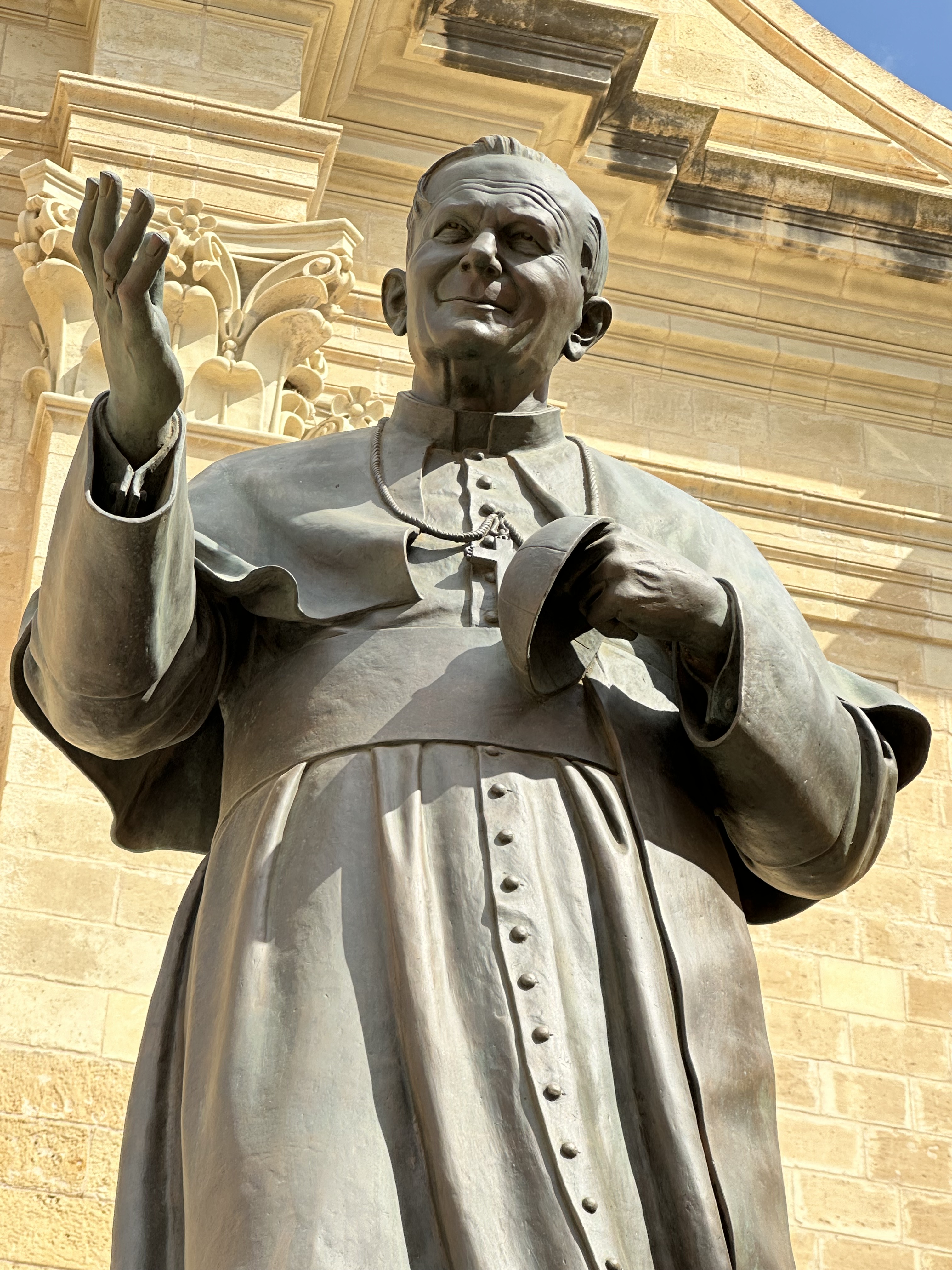
A bronz cast of the citadelA UNESCO World Heritage SiteEntering the CitadelView of the city from the bastionsA government building in the CitadelInterior of the CitadeThe 4 of us pose for a photoA view over the desert like plain to the town of Victoria. Another view toward Victoria.A Citadel wallSt George’s BasilicaPope John Paul II stands in front of the Citadel Basilica
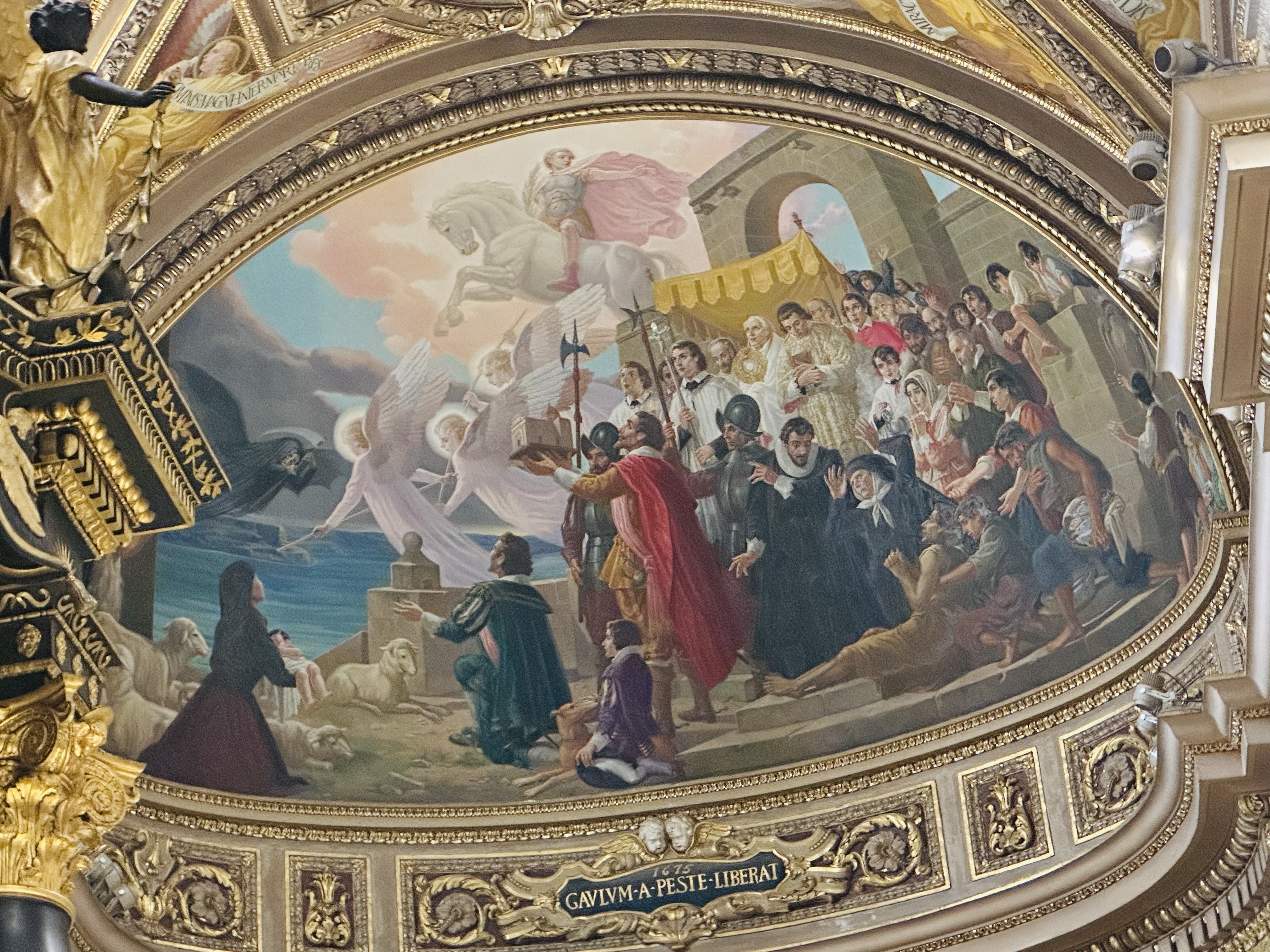
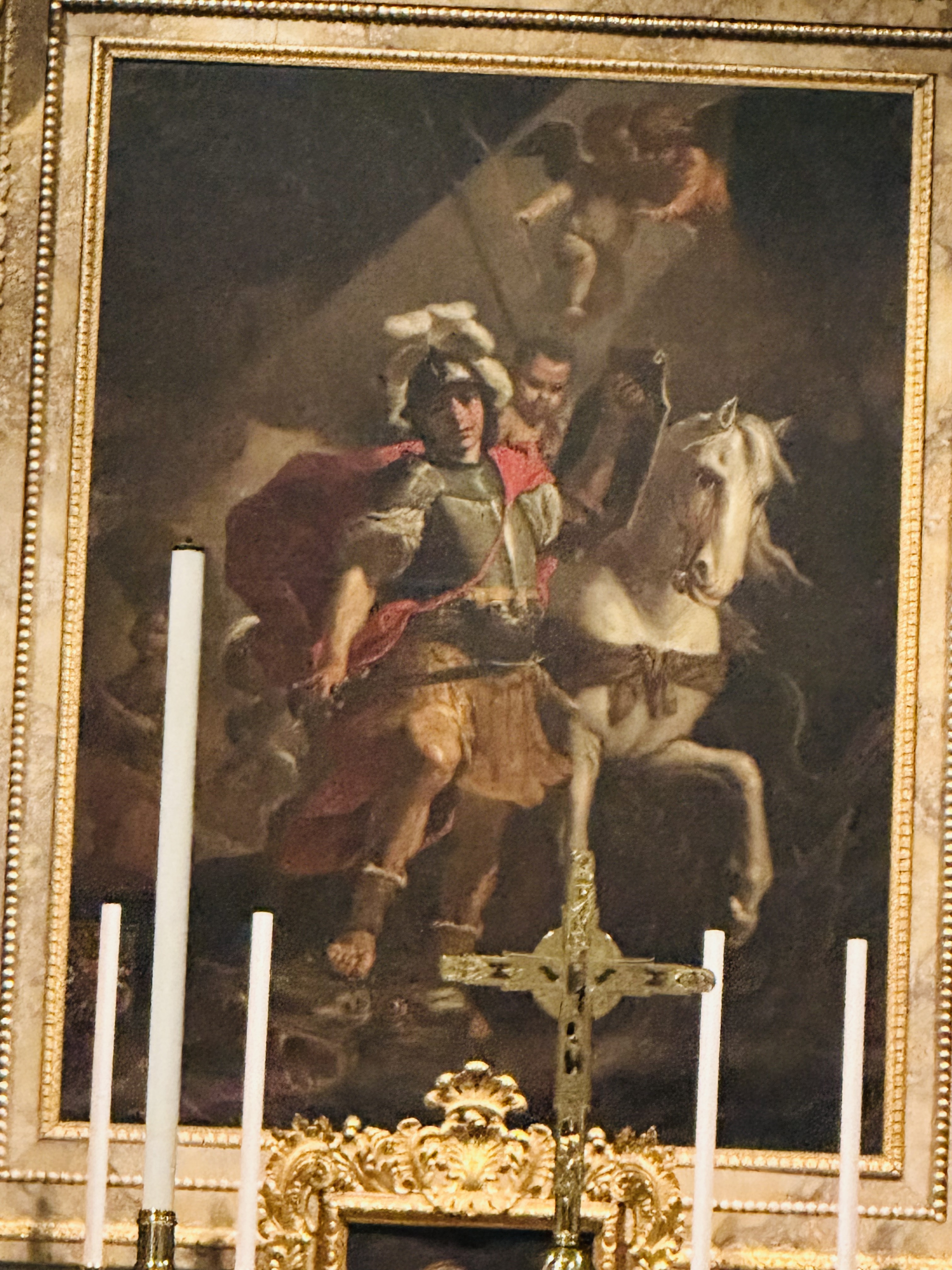
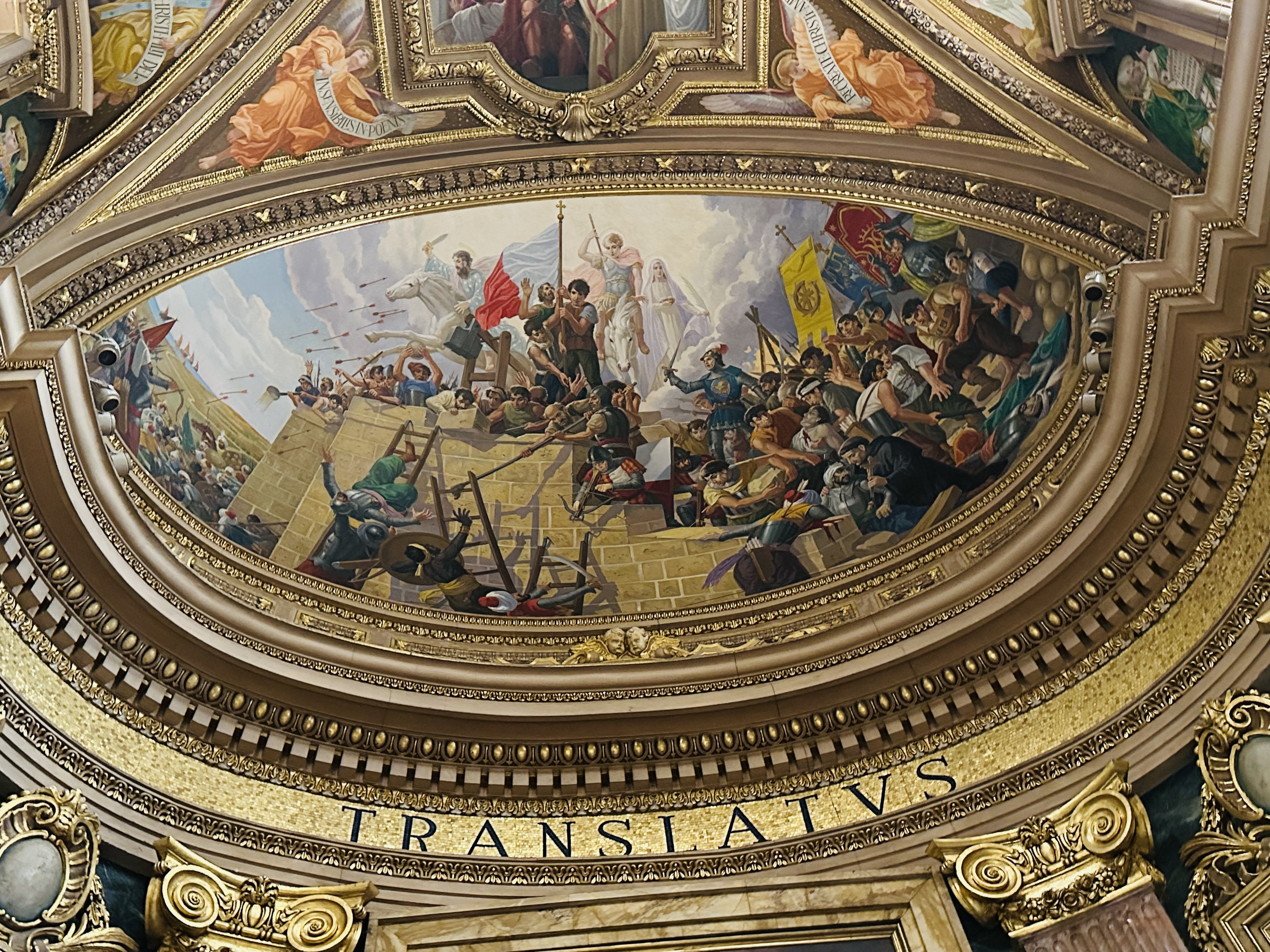
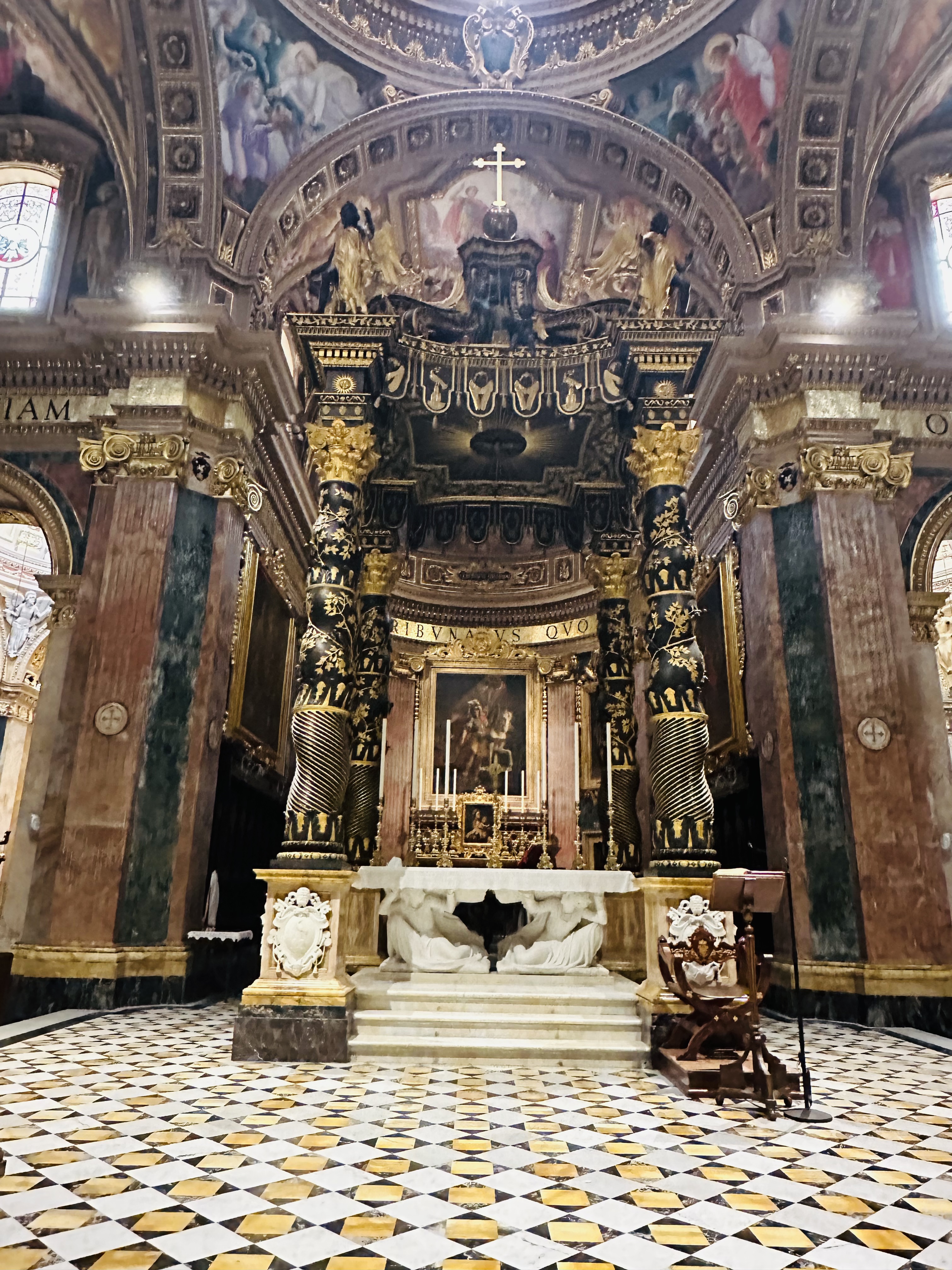
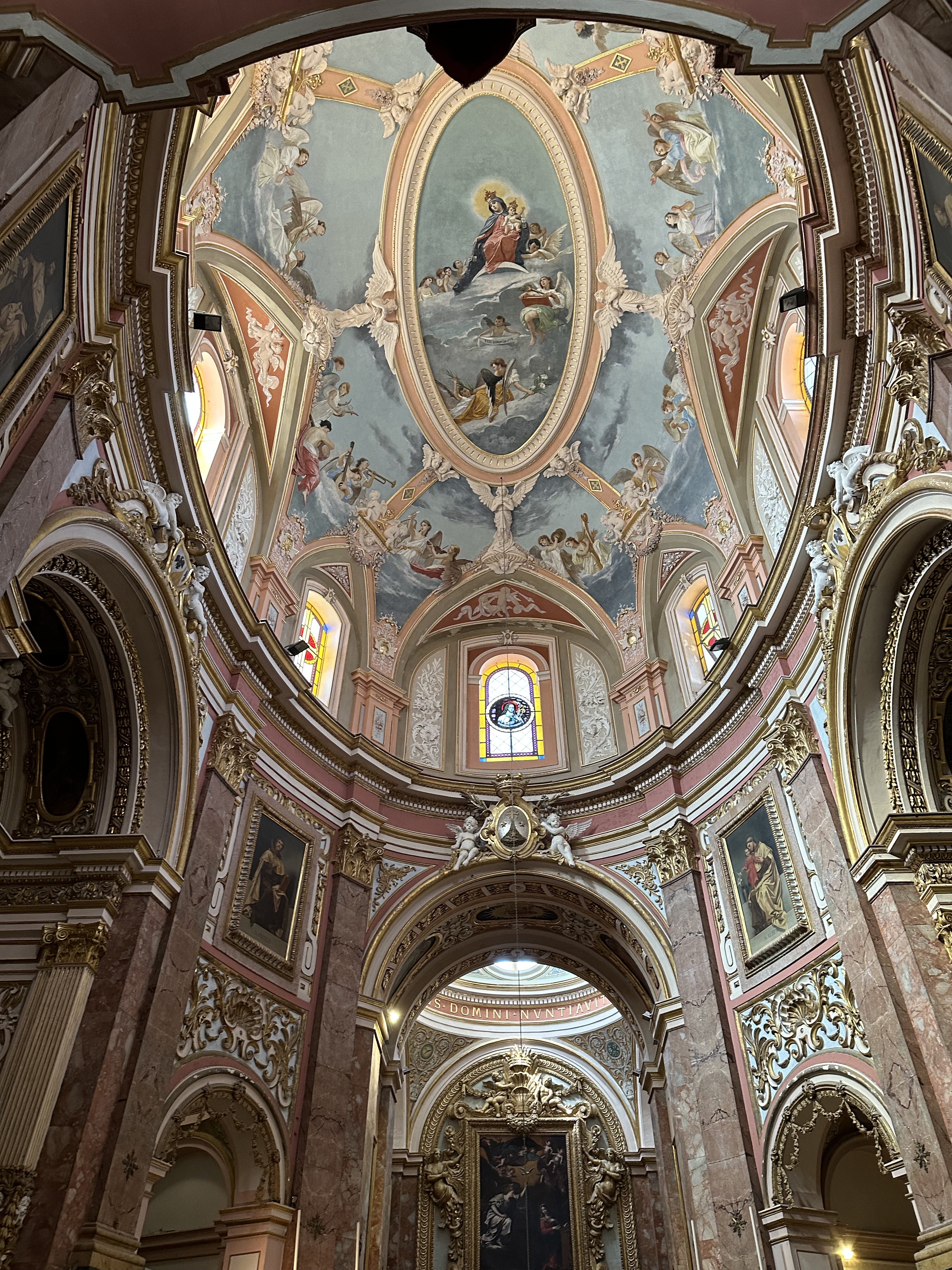
Inside the basilica the main alter looks a bit like St Peter’s in Rome. The church is very decorated and painted.
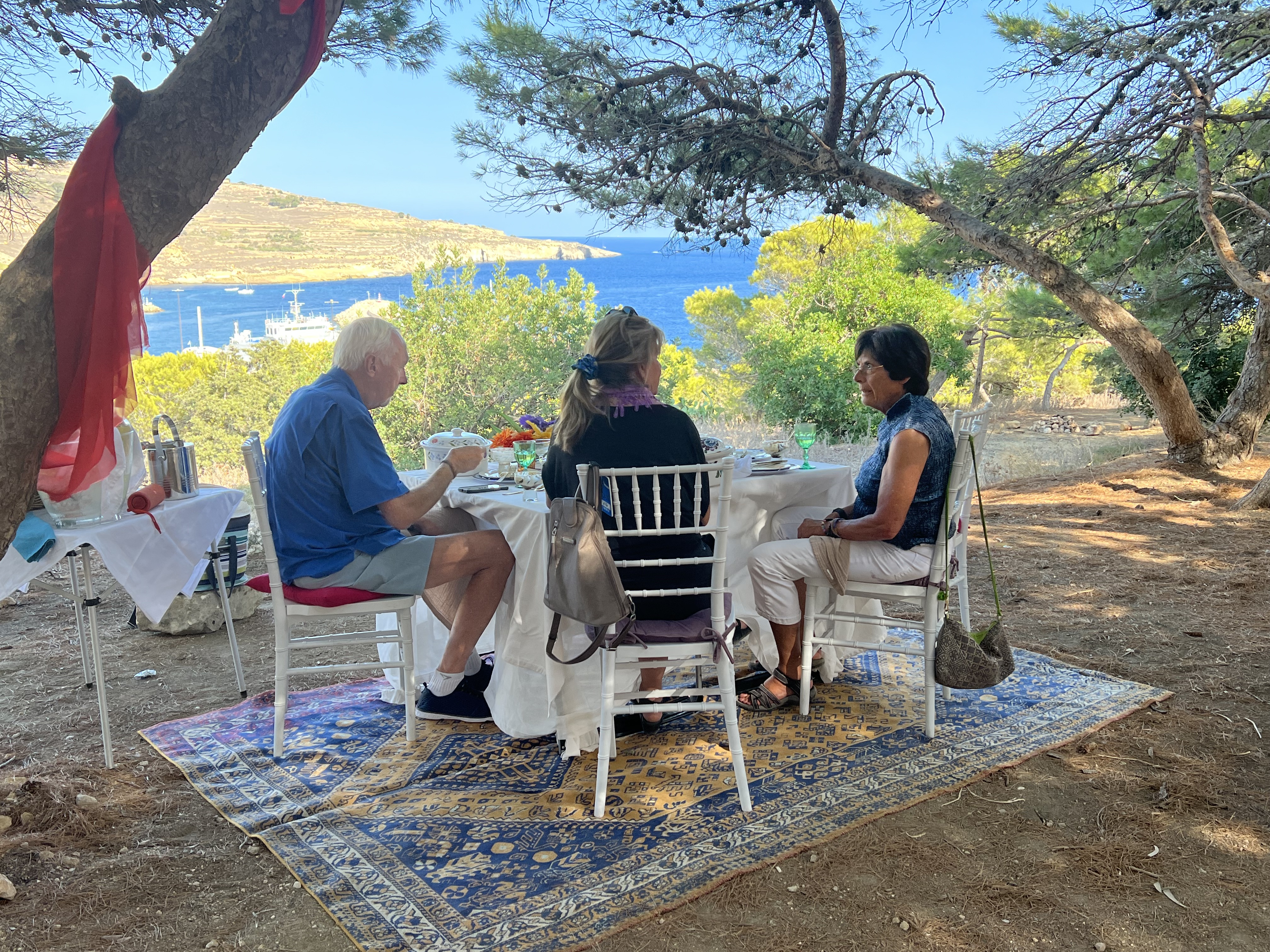
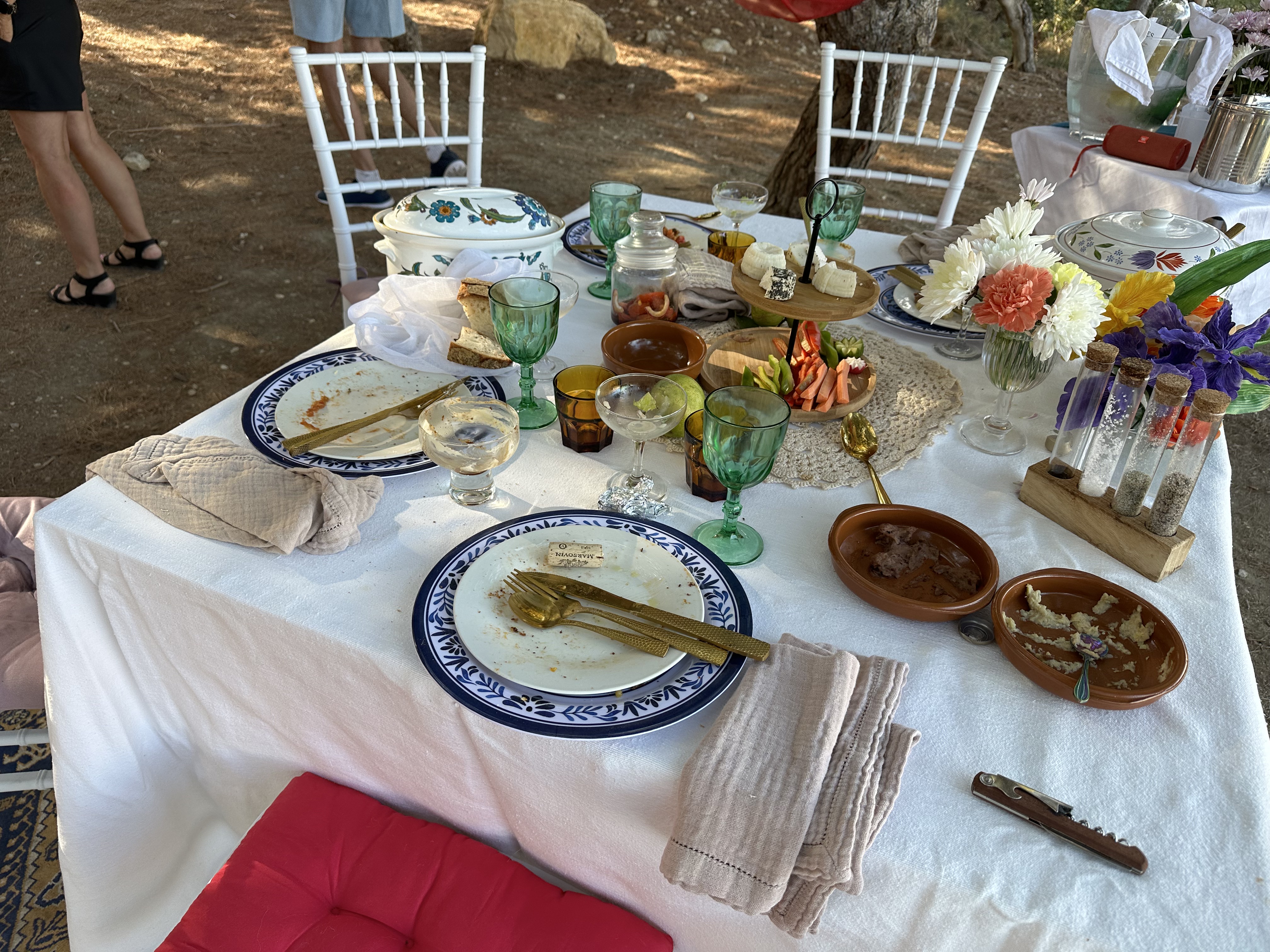
We left the Citadel and were happy to get out into the countryside for a picnic provided by a local lady. She presented the food and left us alone for over an hour. It was delicious and welcome.
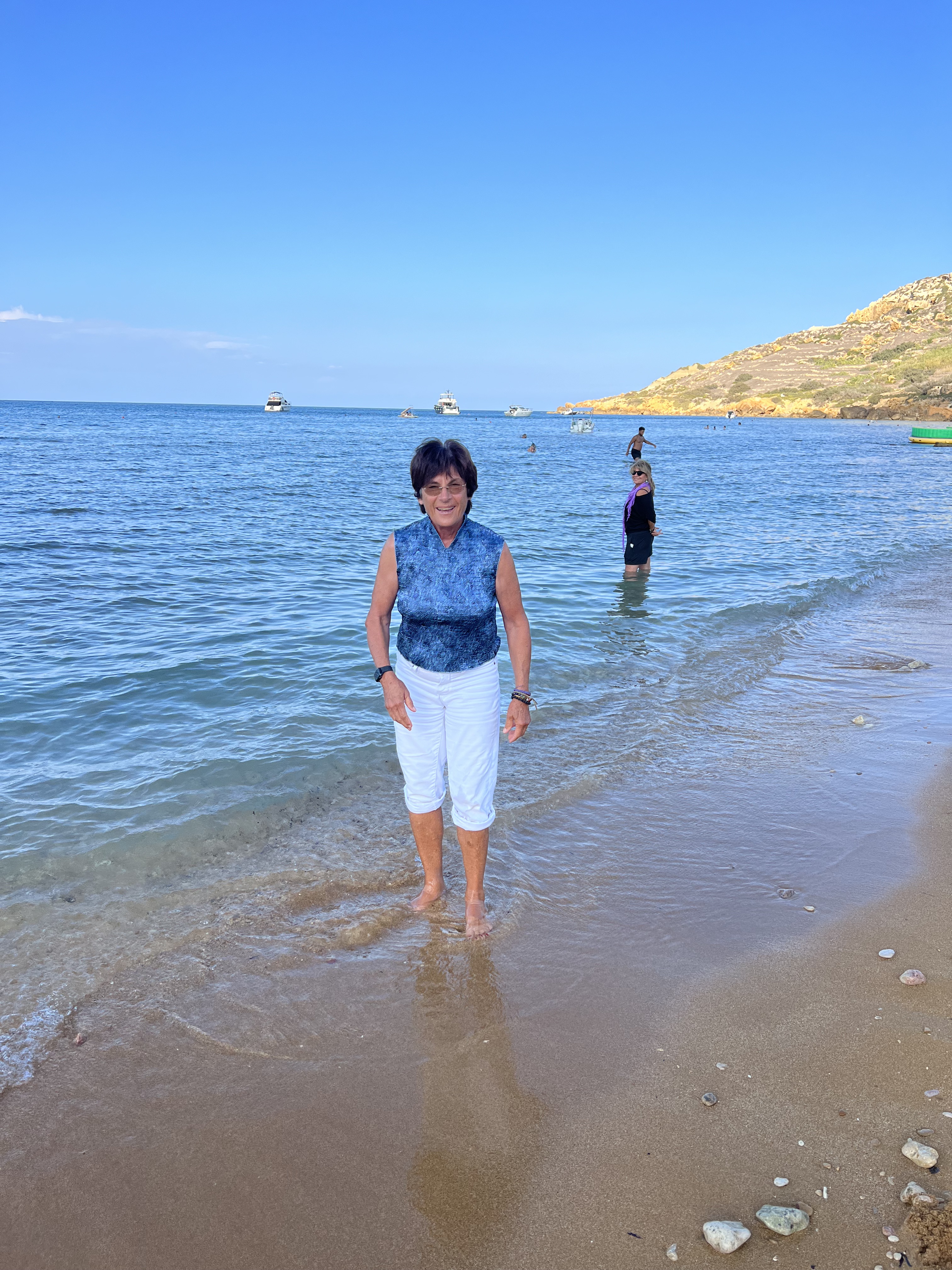
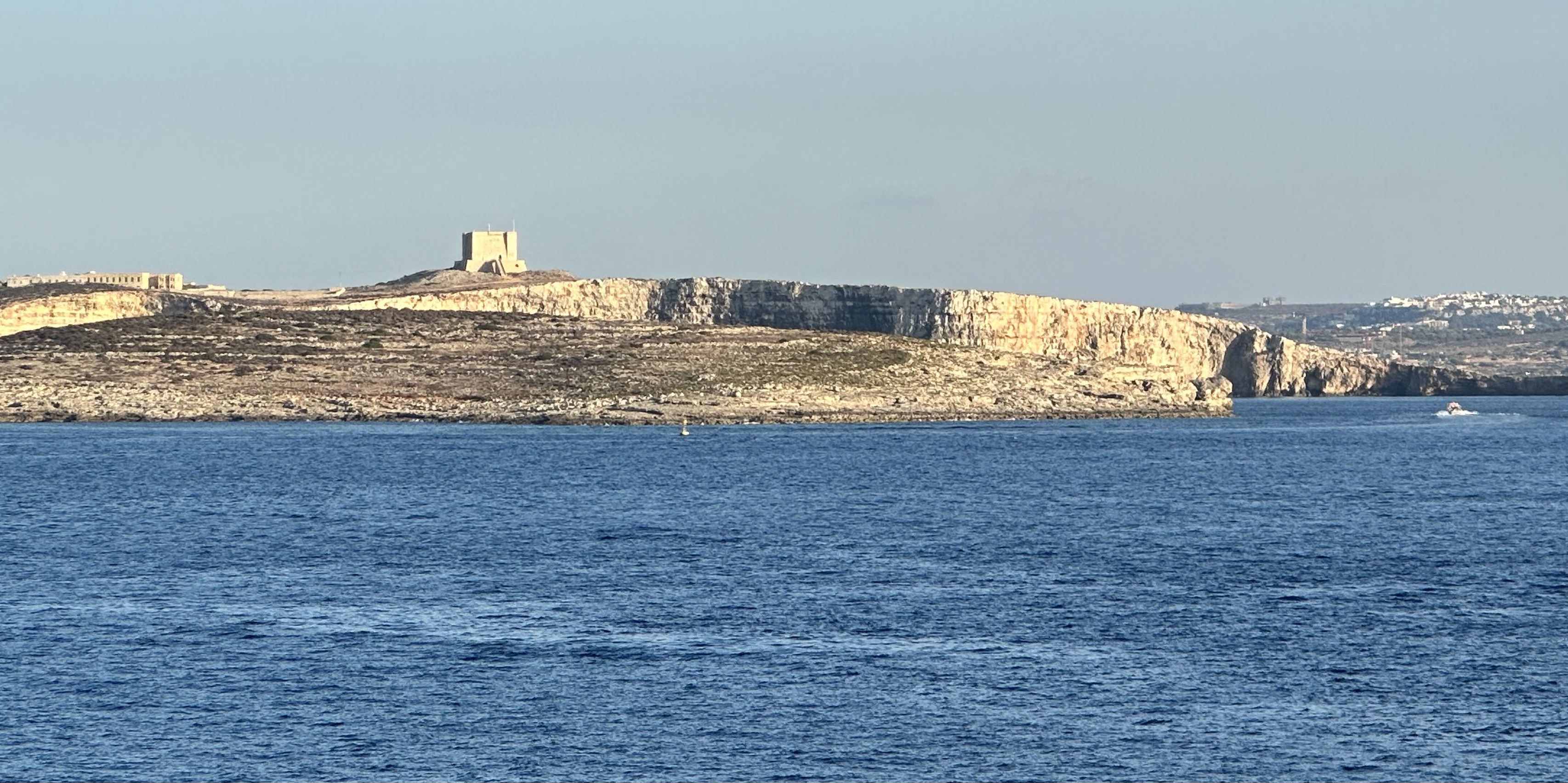
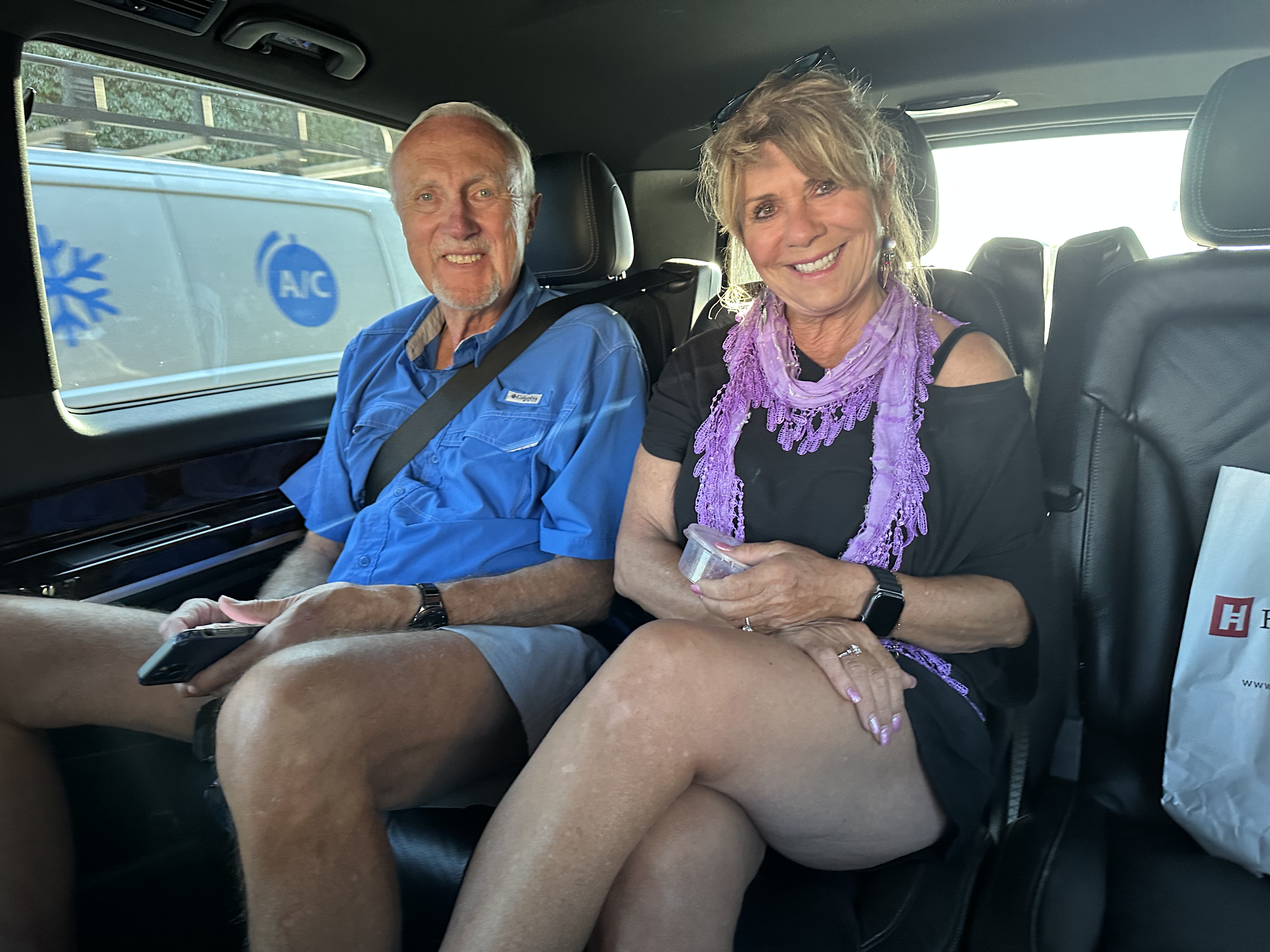
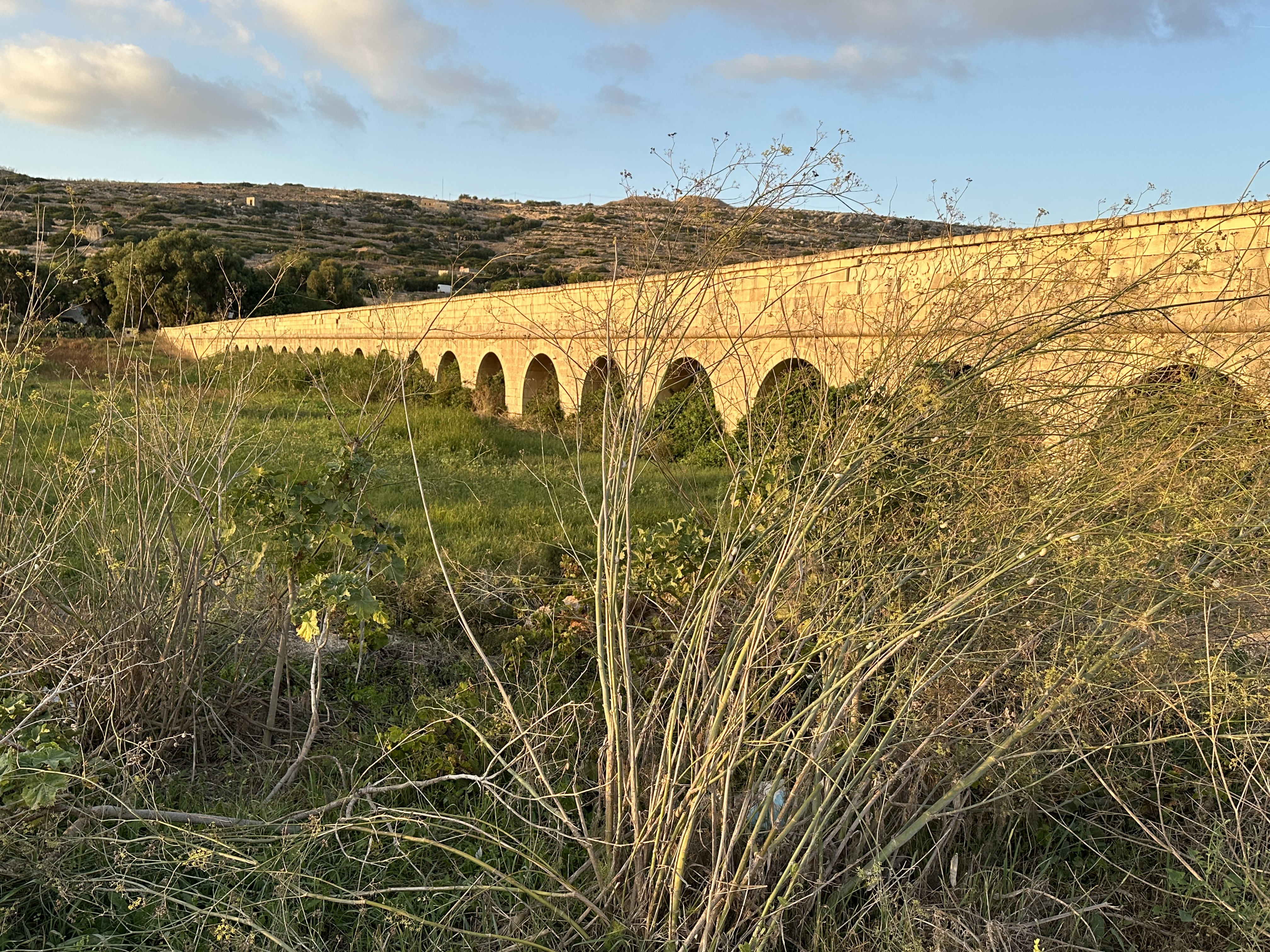
The table was setWe thoroughly enjoyed the mealAnd happily left the dregs.We stoped at the beach in Victoria for a foot in the Mediterranean A shot from the ferry as we passed by Phil and MIM riding in the vanAn ancient aqueduct at sunset in Malta.
Back at the Iniala Harbour House we enjoyed our last night in the room and said good bye to Mimi and Phil, who were leaving at 4 in the morning. Our departure was not until the afternoon of the 9th so we were able to relax before heading to Florence for our last 4 nights.
We could see the canon go off from our room at the Iniala. Nice parting touch.
At 9am the 4 of us met our guide for the day and got into a van for a drive through the countryside. We learned that the country was first formed 7000 years ago due to the existence of a land bridge at that time.
Drive to MdinaCountrywide near MdinaMore mid-Malta countryside
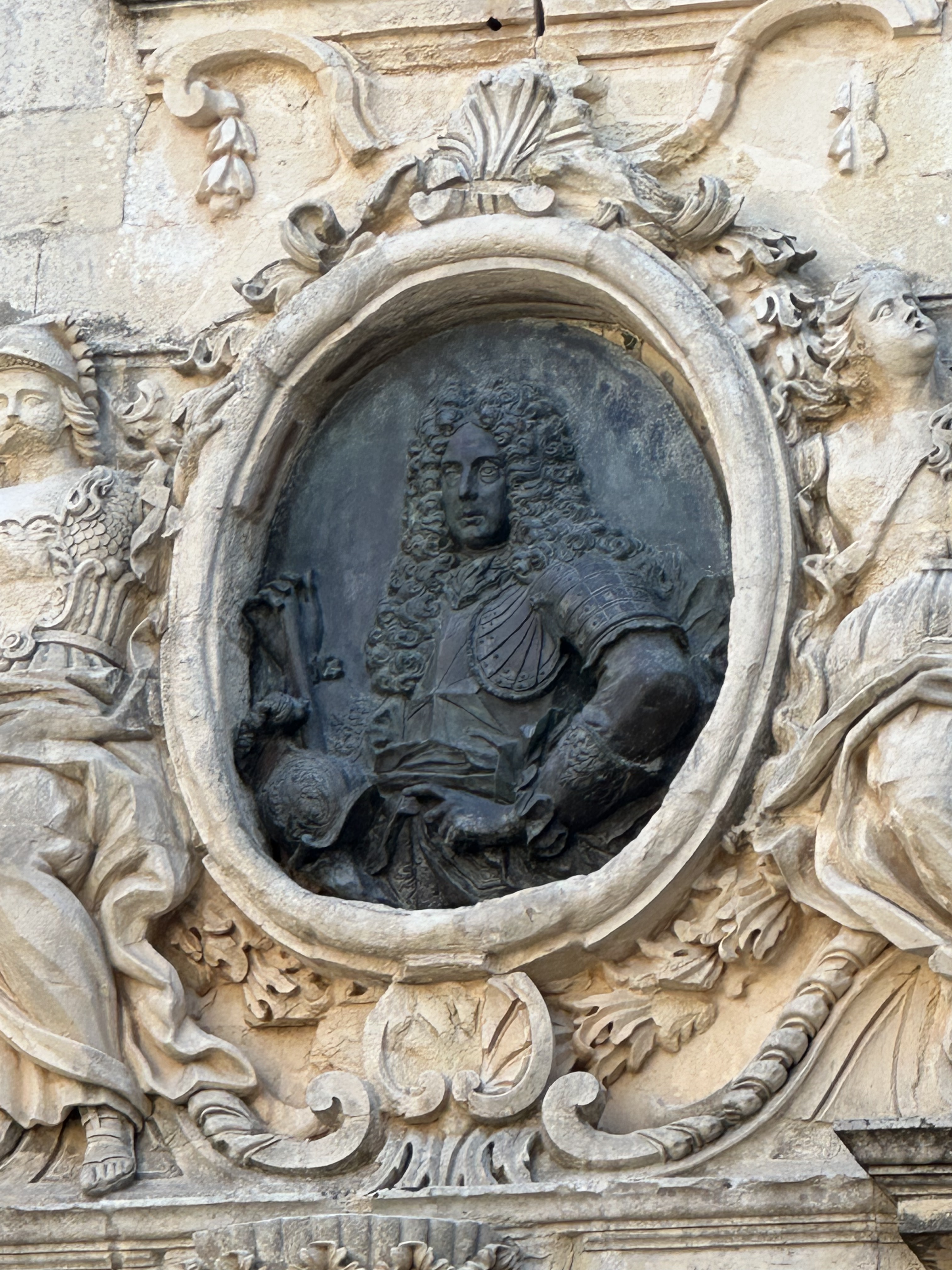
By about 2000 BC man arrived, as evidenced by pottery shards found. Today the population is only half a million. It feels like many more due to the tourists, who arrive on huge ships on a frequent basis. In 218 BC Malta became part of the Roman Empire and remained connected to Rome until 500 AD when the Empire collapsed. We drove to Mdina in the middle of the island to see the original capital of Malta. It is the high point on the island and was a thriving community. The story is that the country became christianized in 69 AD when St Paul survived a ship wreck on the shores of Malta. By the time the Arabs arrived in 890 AD, the island had been thoroughly christianized. They demolished Roman buildings, killed or enslaved the citizens and abandoned the islands. Very few people remained. By 940 AD the islands had been repopulated by muslim Sicilians. By 1121 the Muslim Arabs were told to convert to christianity or leave. The Arabs made Mdina the small, fortified and noble town that it is today. In 1530 the Knights of St John arrived and took over the town. The earthquake in 1693 destroyed the city. The then current Grand master of the knights, Manoel de Vinhena, paid to restore the area and build a castle for himself in 1724. He was long lived and did many good deeds for the community.
THe government building with the crest of the great Grand MasterGrand Master Manuel de Vinhena
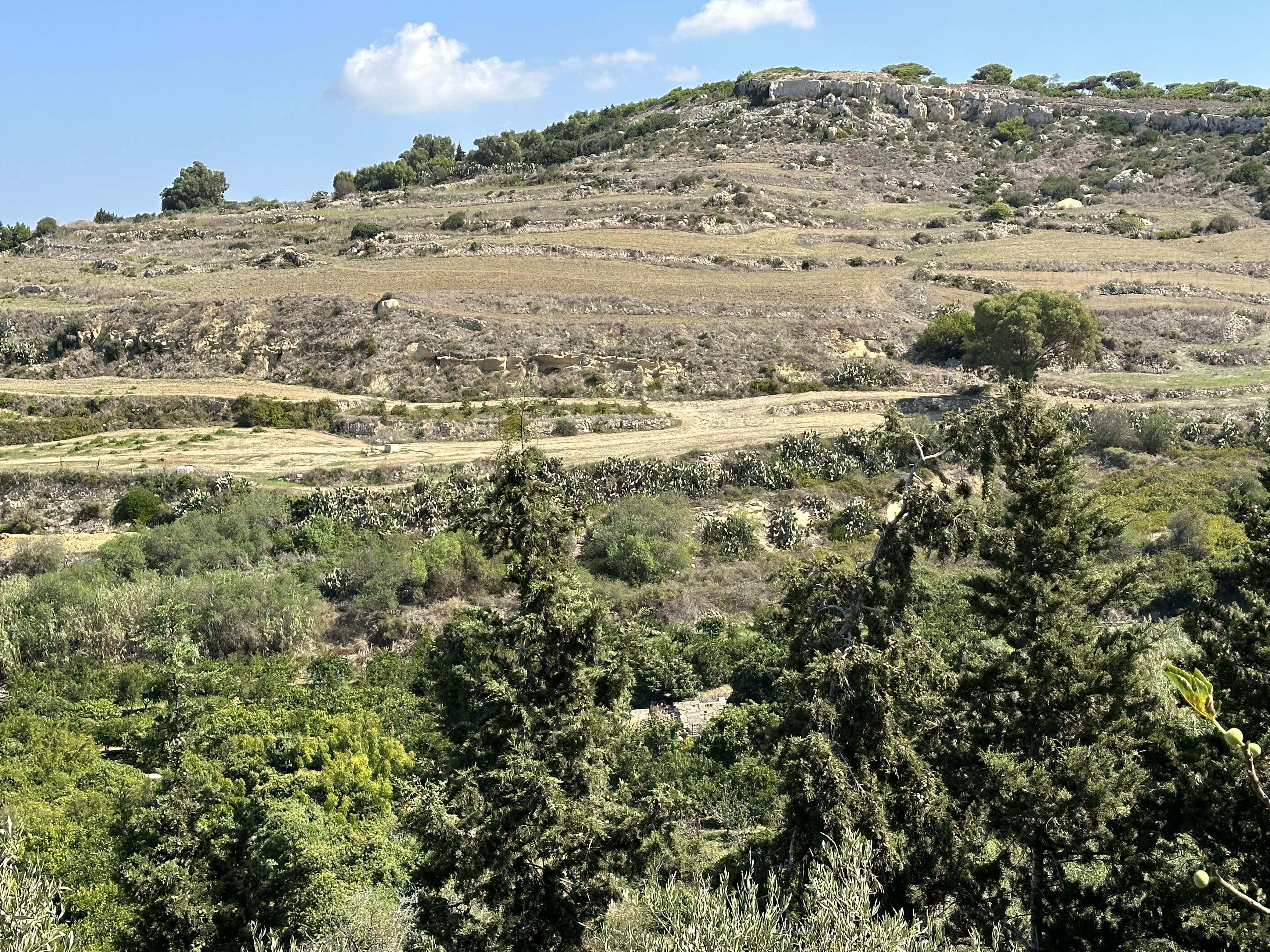
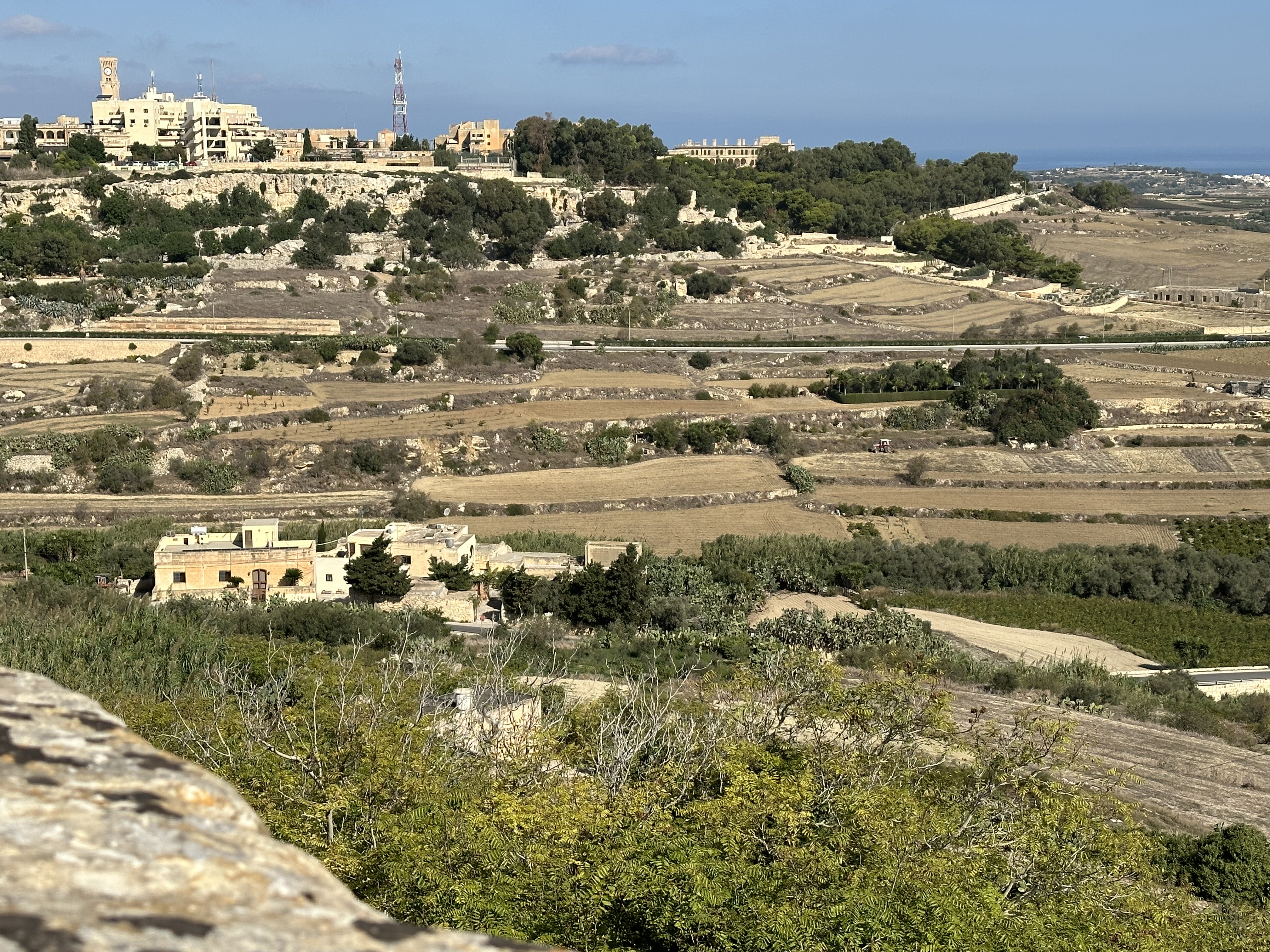
Driving through the countryside, we saw many fewer people, and the scenery was lovely with gentle rolling hills covered with fruit trees, fields of vegetables and conifer trees, interspersed with small, charming, old villages.
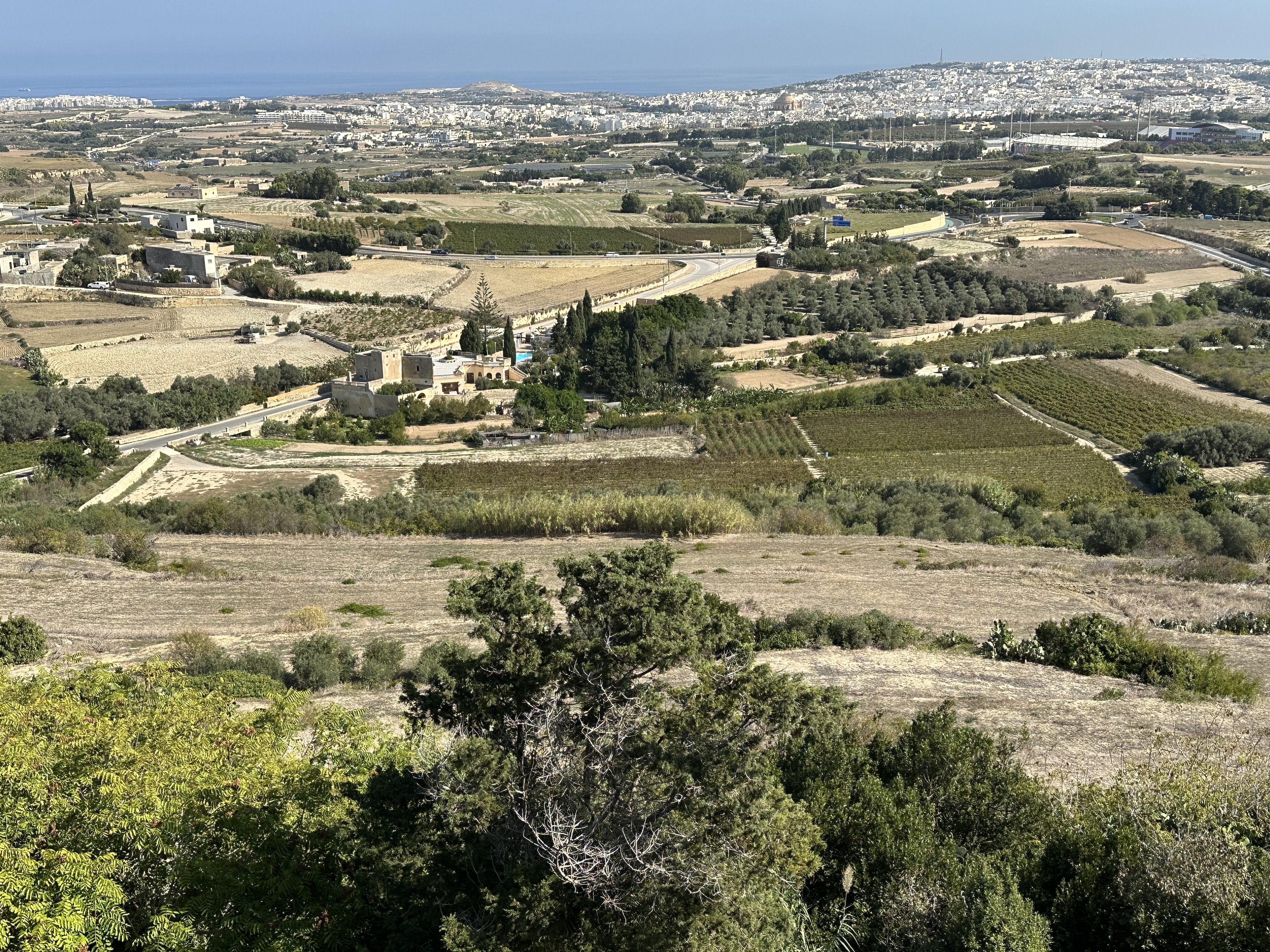
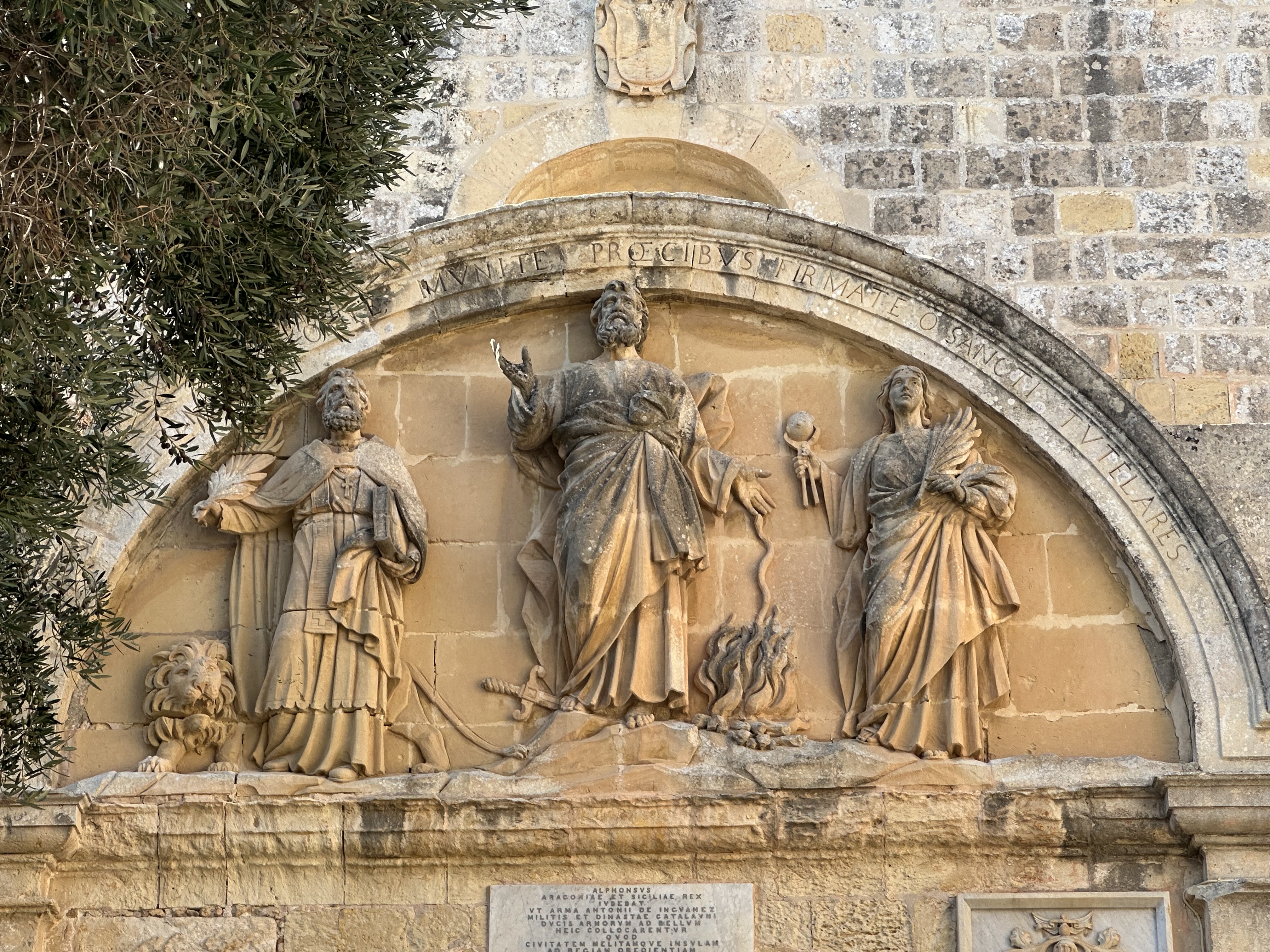
Phil and Mimi in the vanScenery on way to MdinaMore scenery from the top of the hillThe fortified entrance to MdinaThe square and St Paul’s Church in Mdina. Art through an entry gate in Mdina
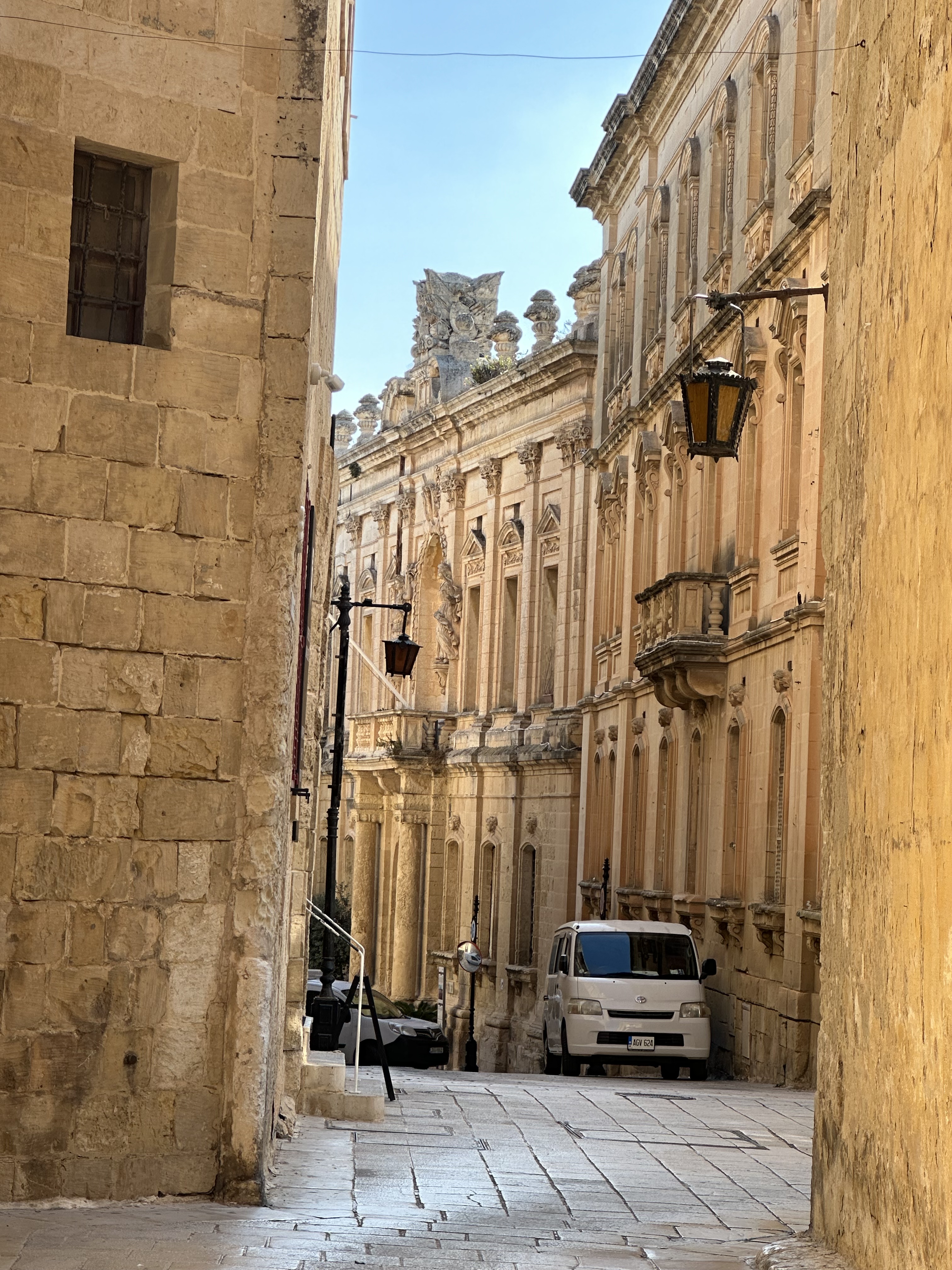
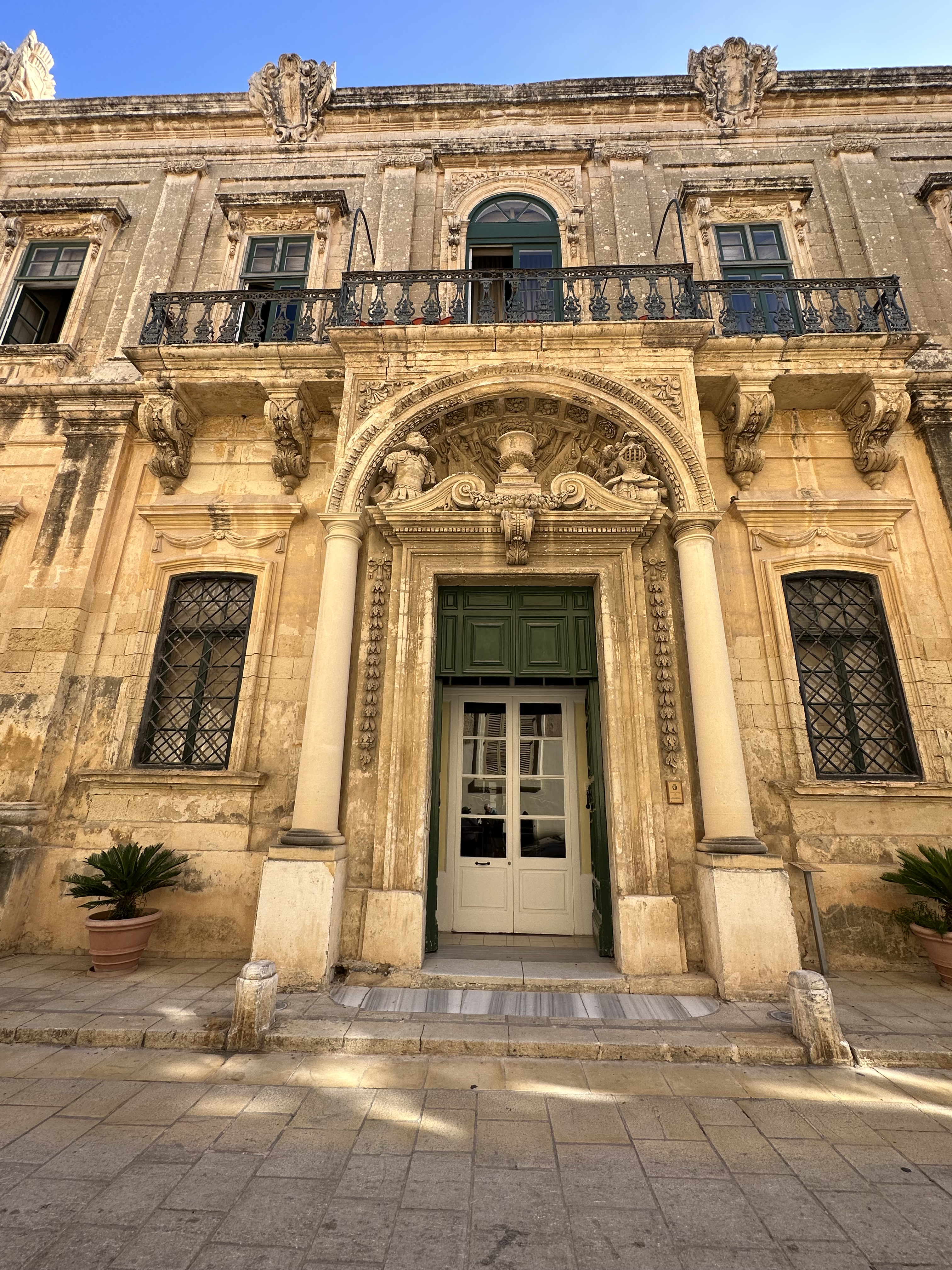
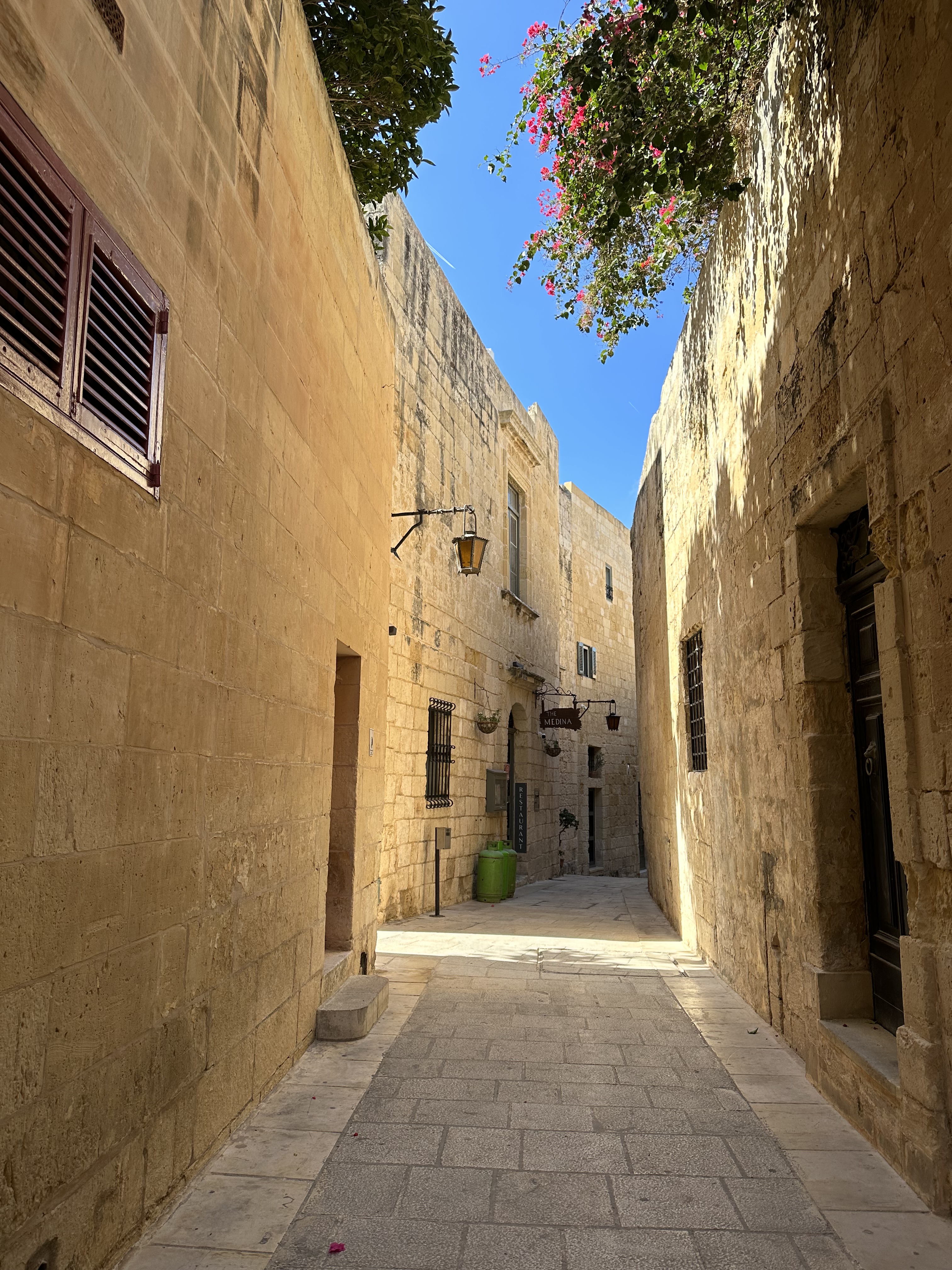
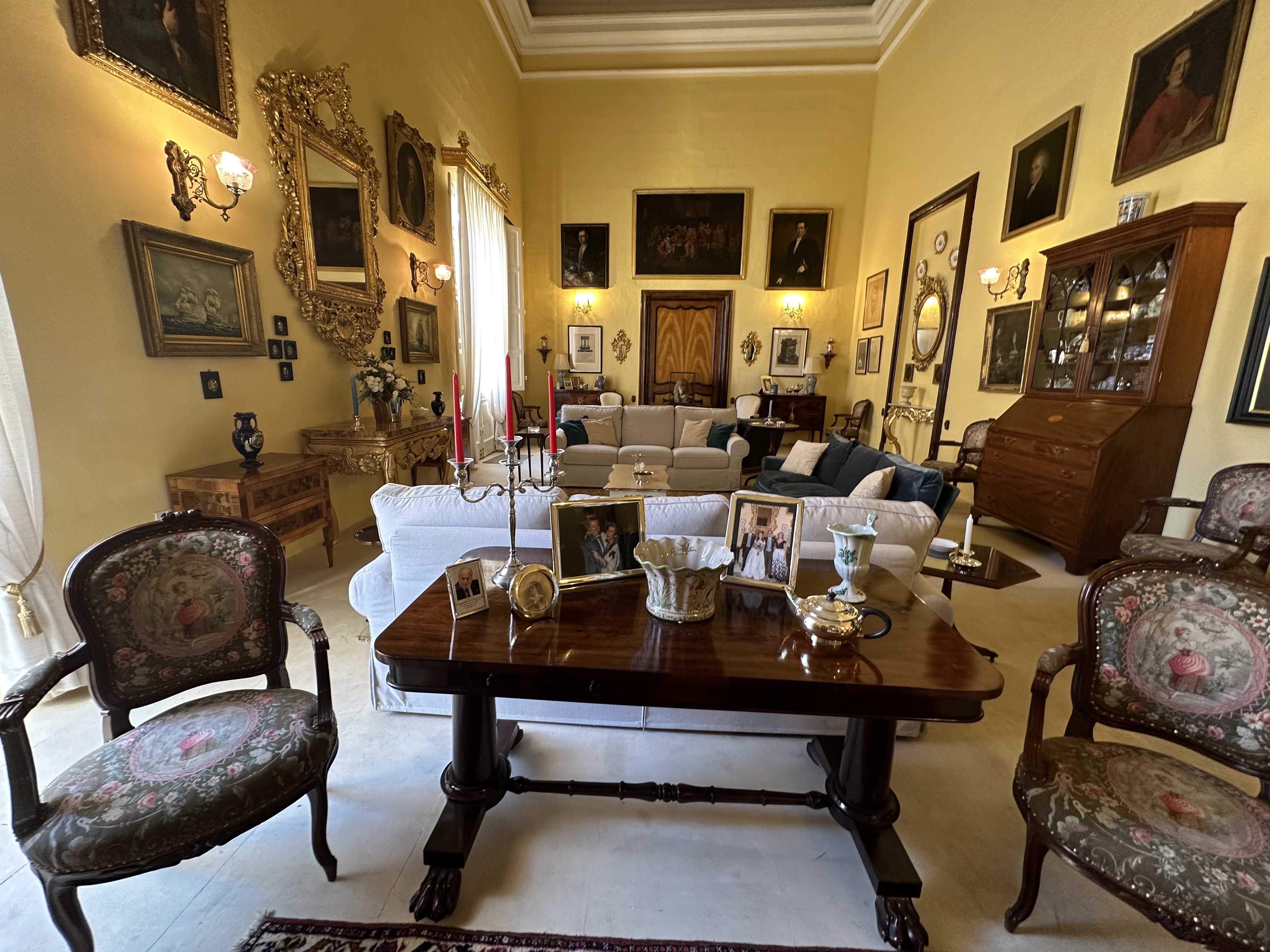
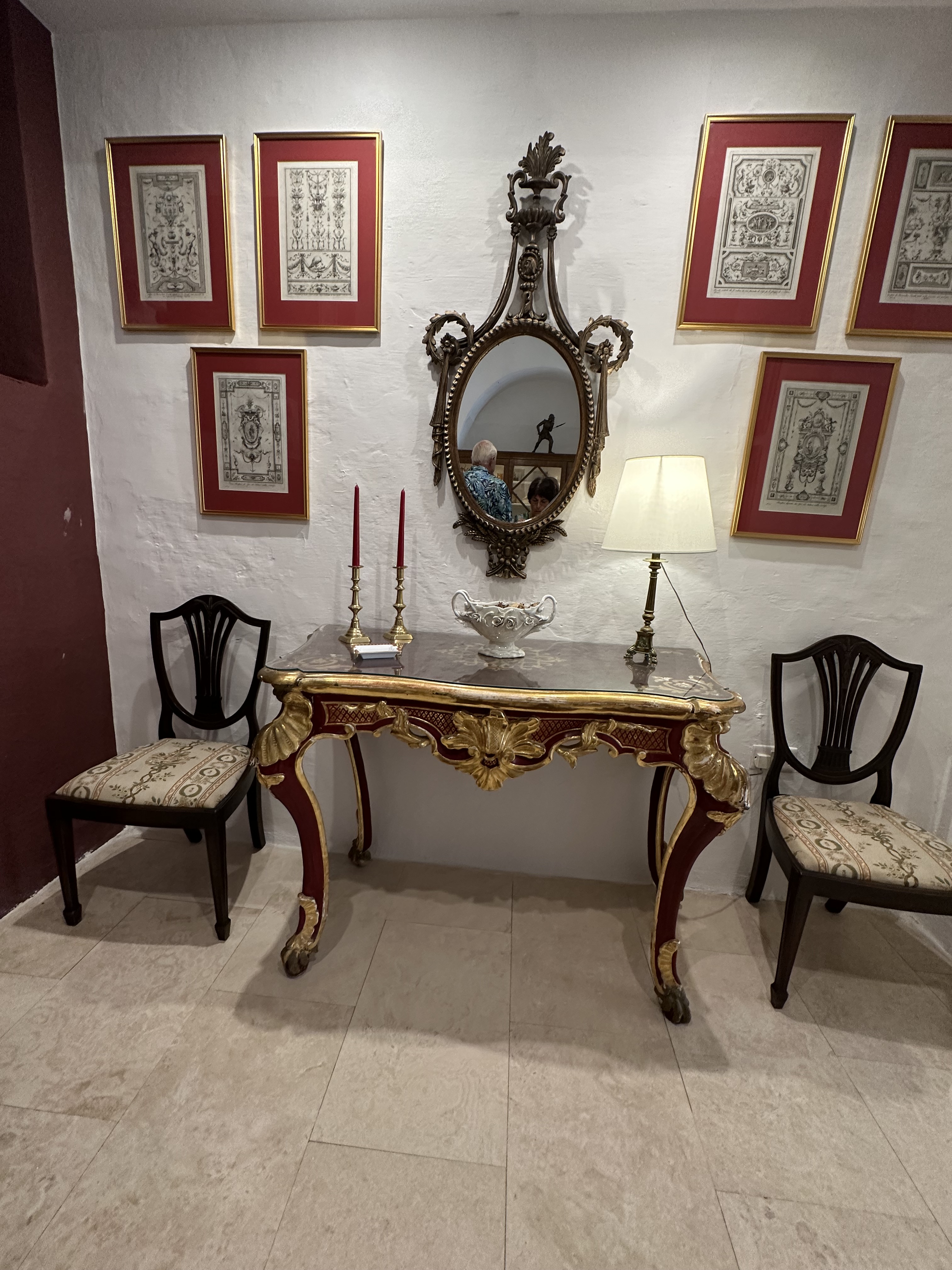
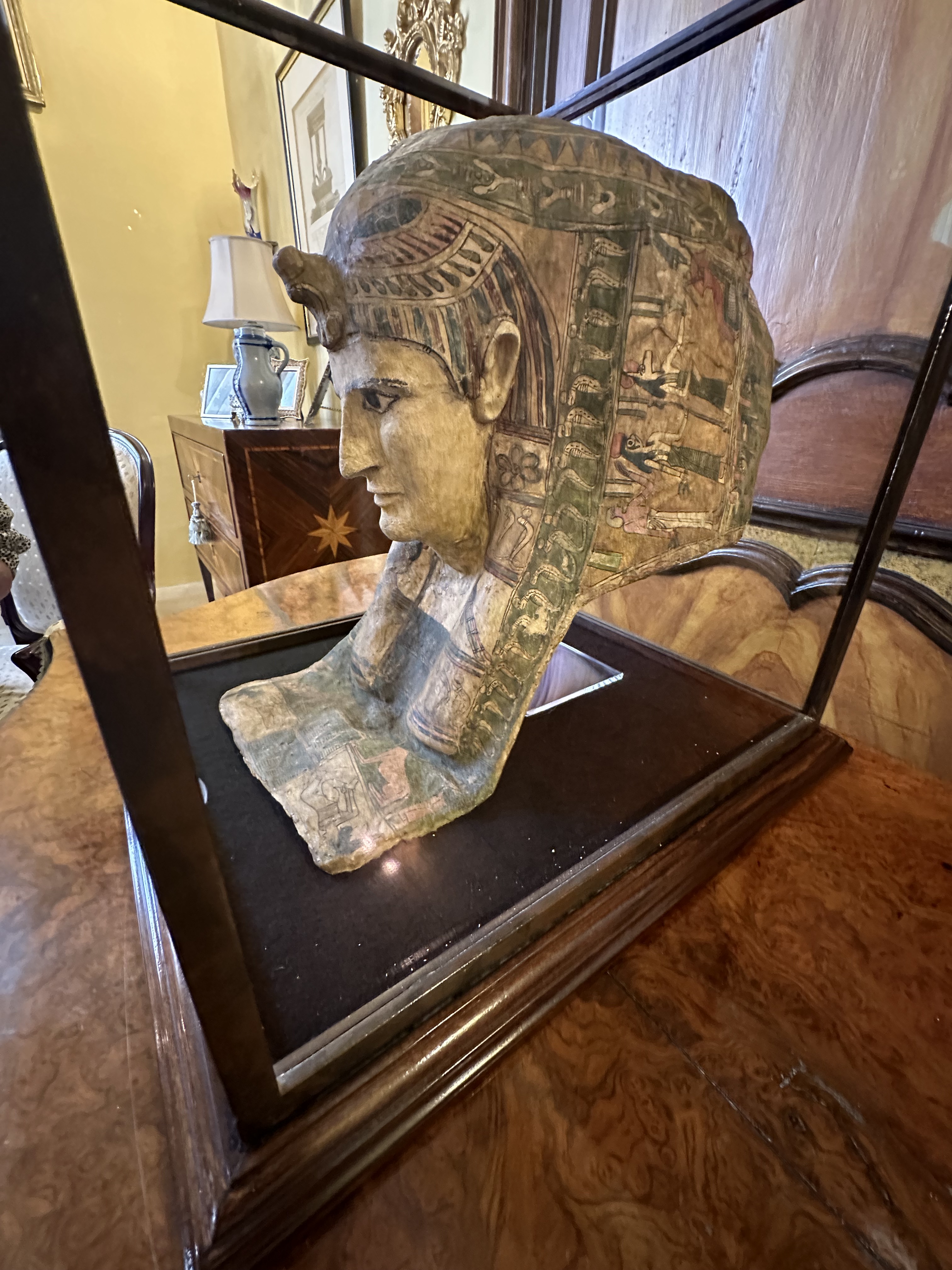
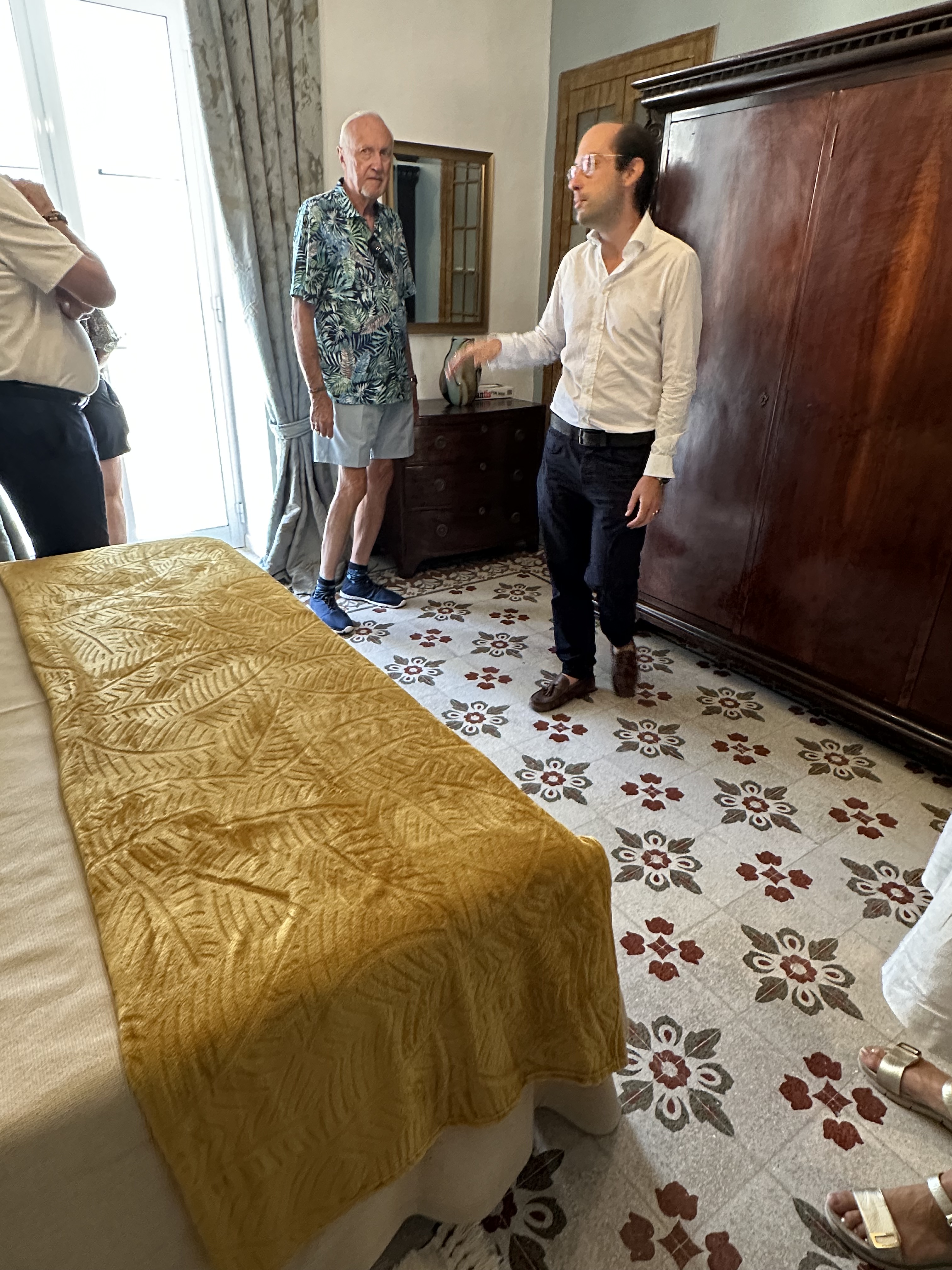
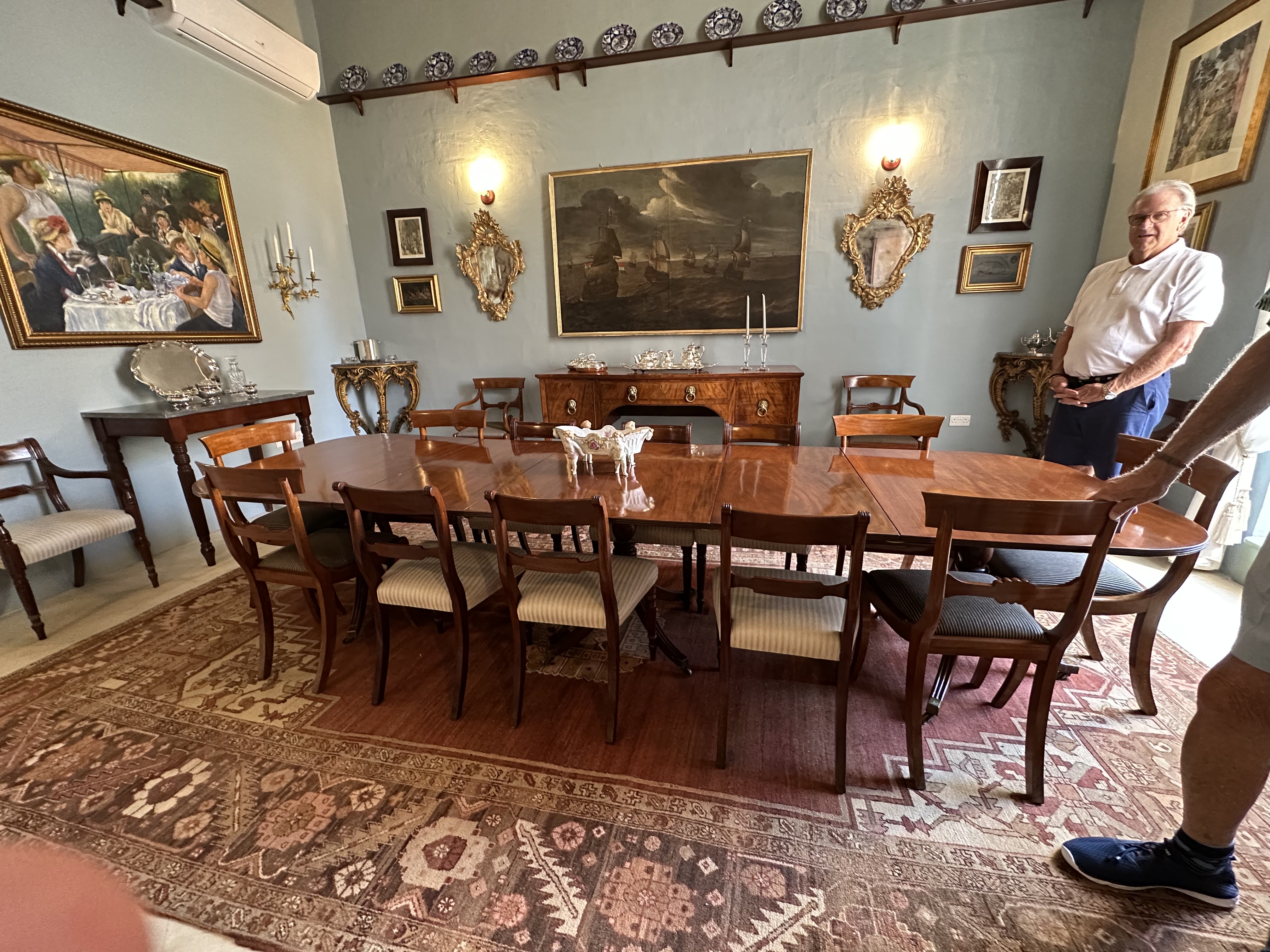
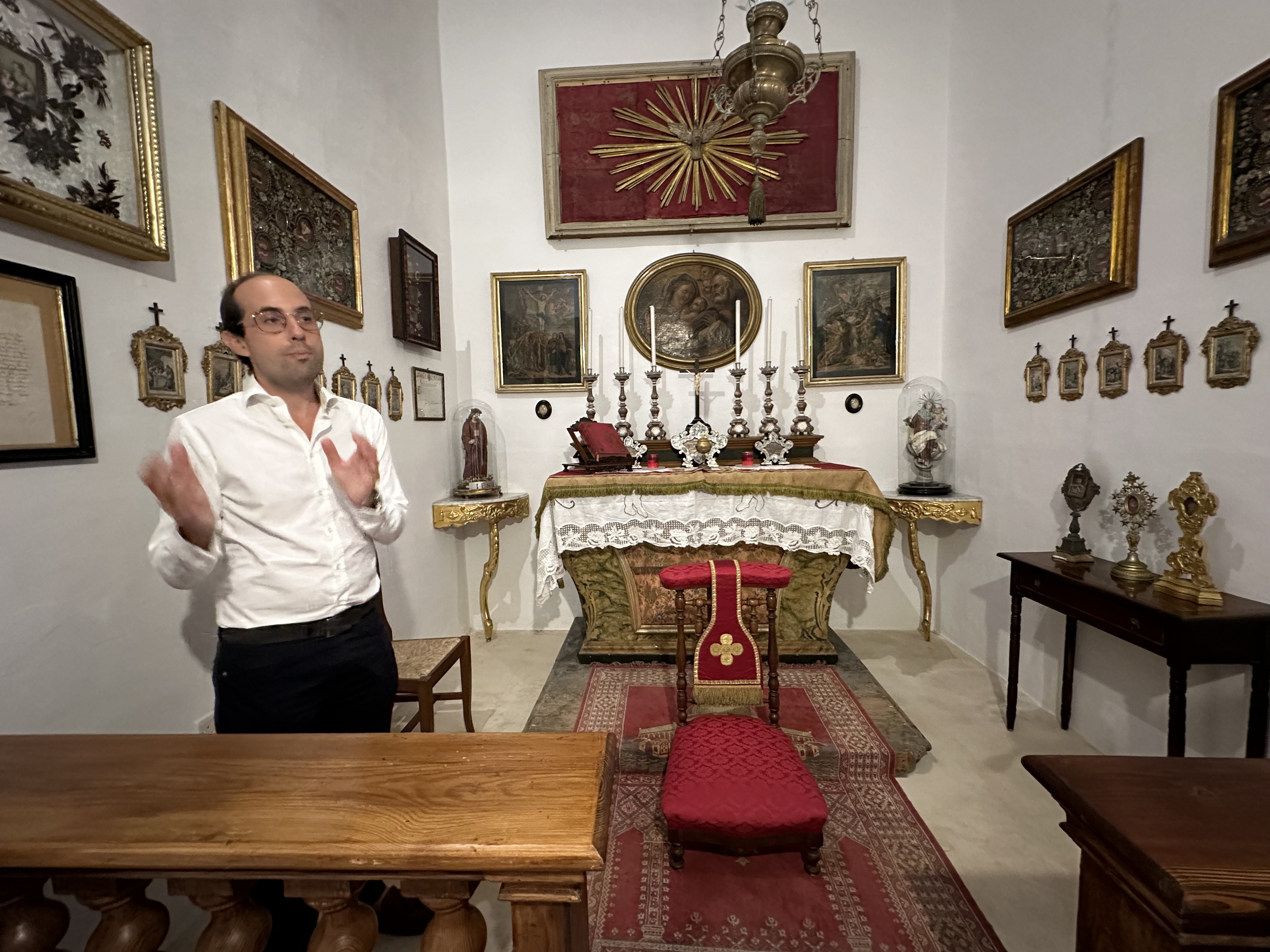
Once on foot, we entered through the gates of the Old fortified city of Mdina (which means fortified) and wandered through the streets admiring the Baroque, Norman and Arabic touches on many of the old buildings. The streets, meant for horses, were very narrow and winding . The town was very small, with only 250+ residents. There were few shops and cafe’s, which added to the charm for me. We were invited into the home, Palazzo del Prelato, of a Noble family that had occupied the property for over 200 years. A young, well dressed, family member, Michael Lanfranco, showed us the house, and told us about the furnishings and the art as well as the the faces hanging on the walls, all of whom were his relatives. He took us up to the roof for a good city view. The place was obviously lived in as we saw a BBQ grill sitting on the roof. He did not, however, serve us any food.
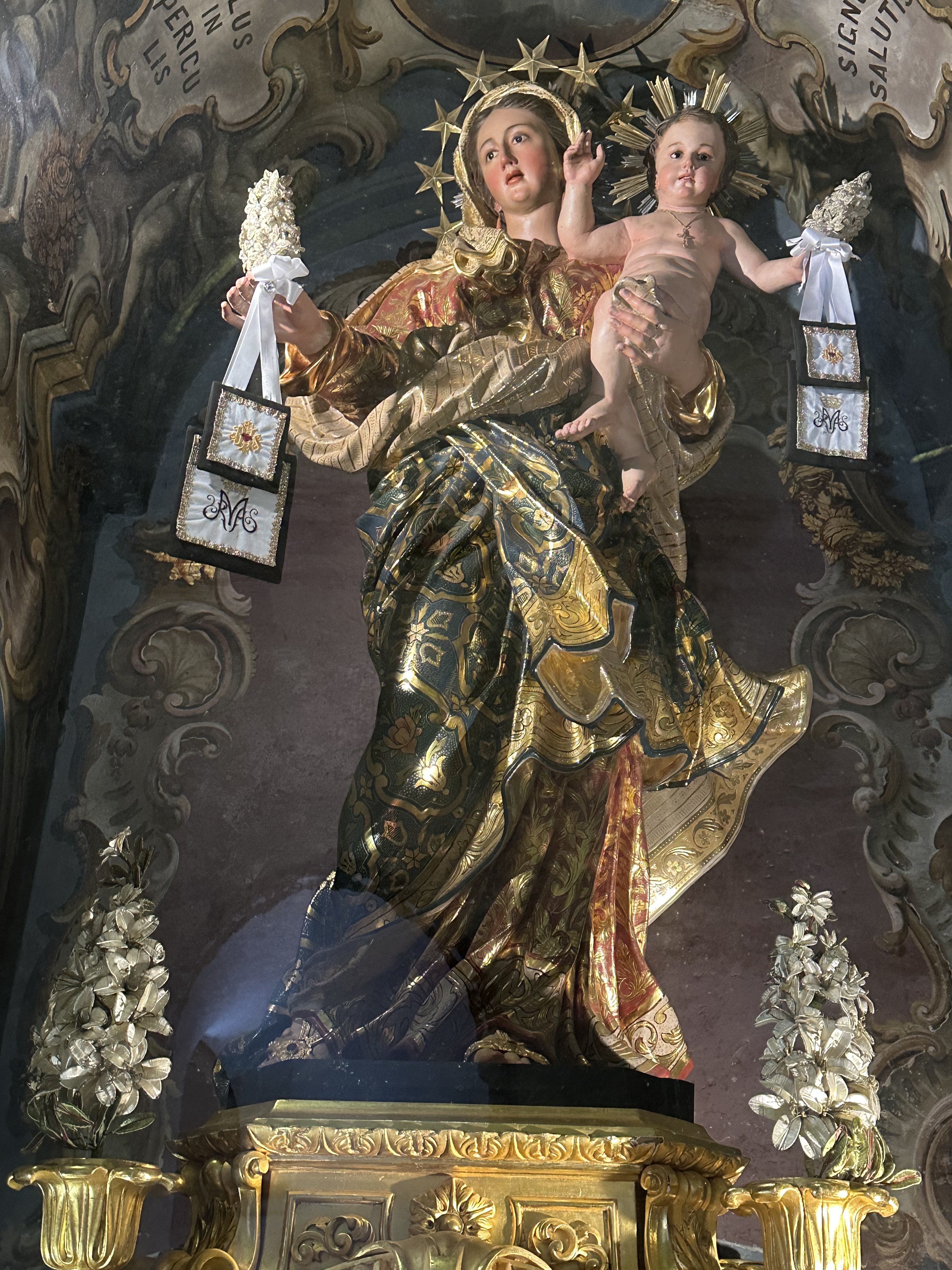
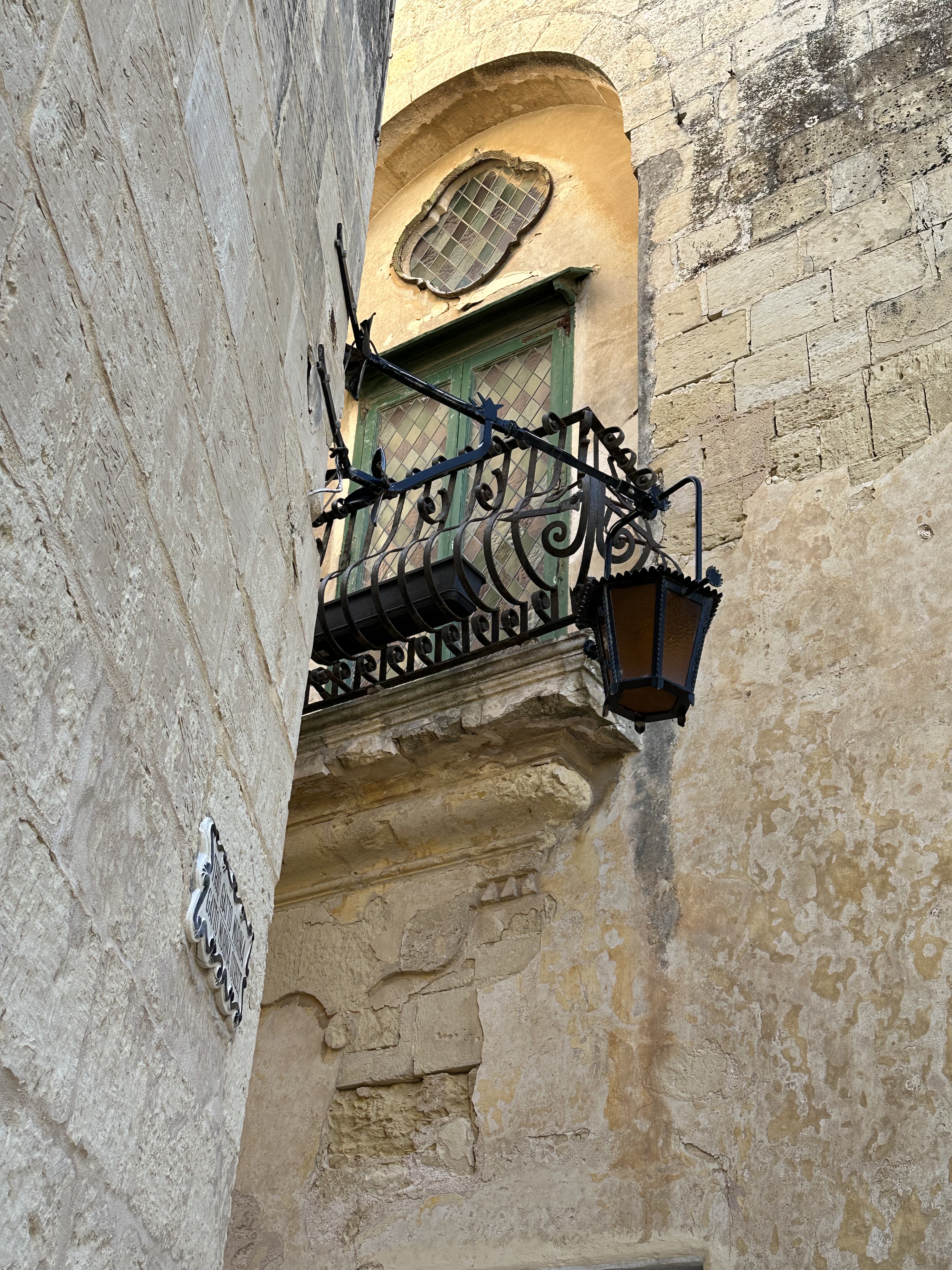
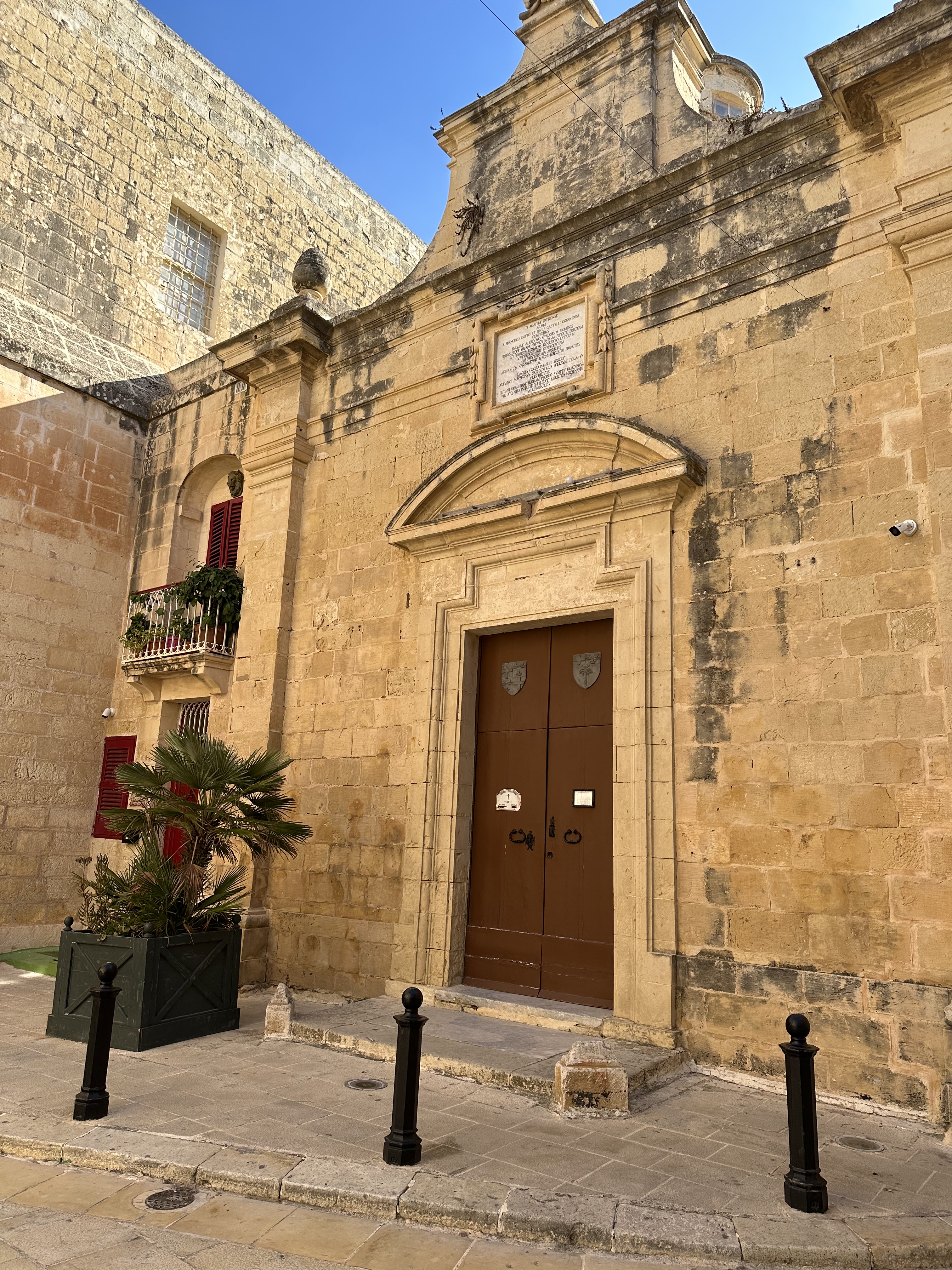
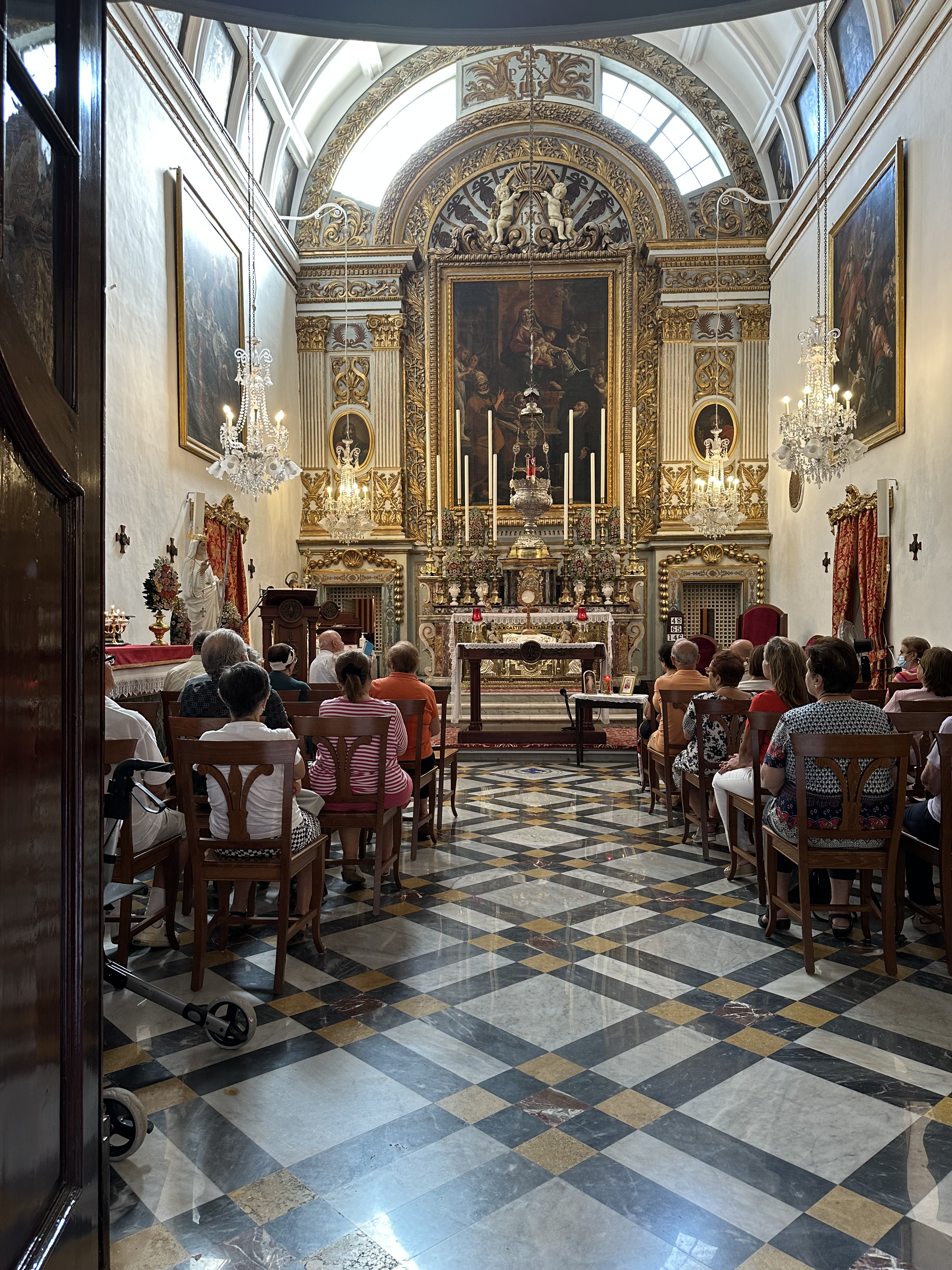
A curvy Mdina streetA lovely house entranceOne of several churchesArt work on a wall. A snake bites St Paul with no effect.ILooking at the ceiling in St Paul’s ChurchA painted statue of Mary and Jesus narrow Mdina street A bastion wallEntrance to St Agatha ChapelSt Agatha’s ChapelEntering the private noble residence An antique side tableEgyptian statue from ancient times. An owner of the house, Michael Lanfranco, showing us the master bedroom and mahogany cabinetThe dining room setMichael’s family alter was full of icons received during many generations
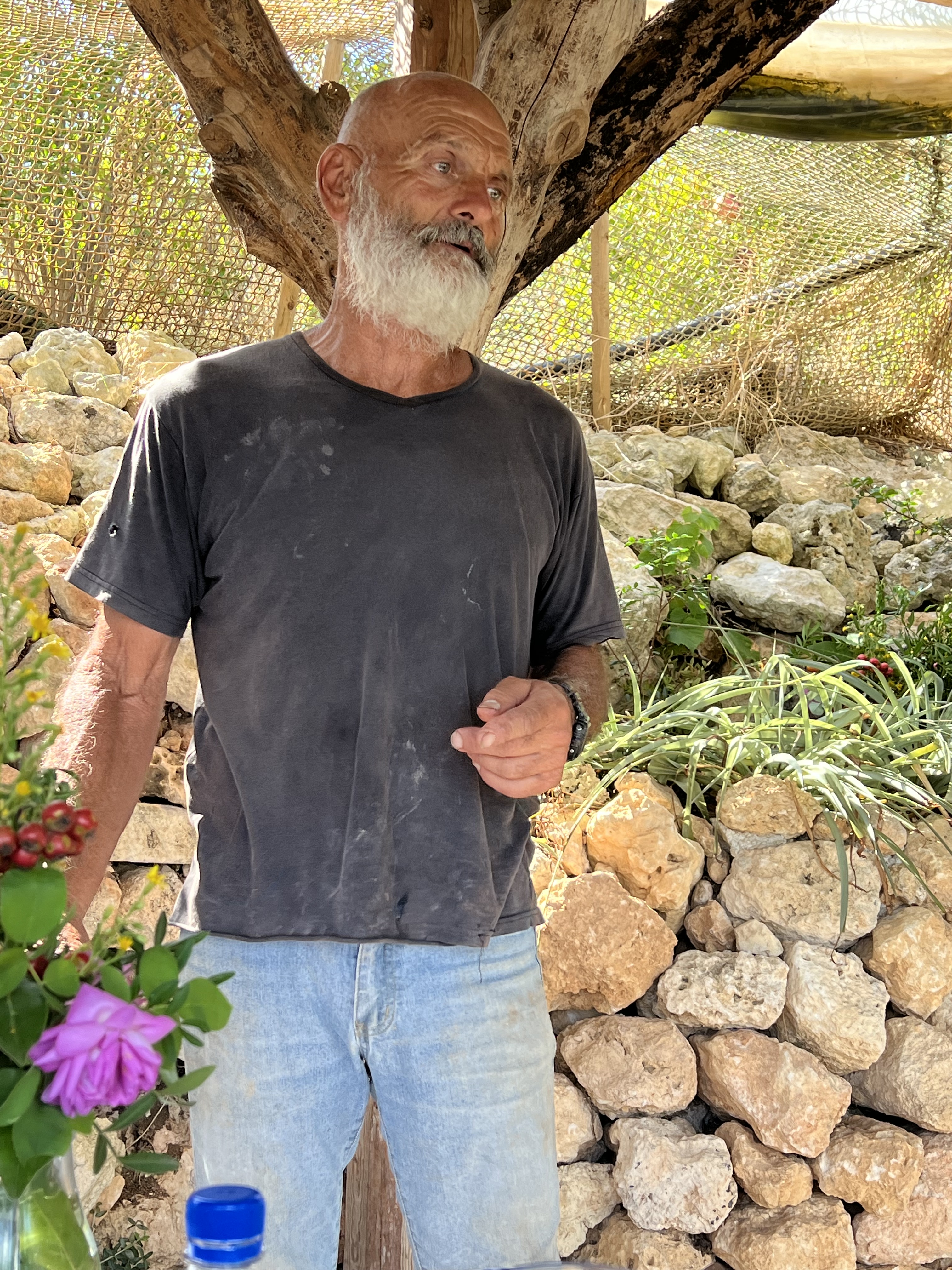
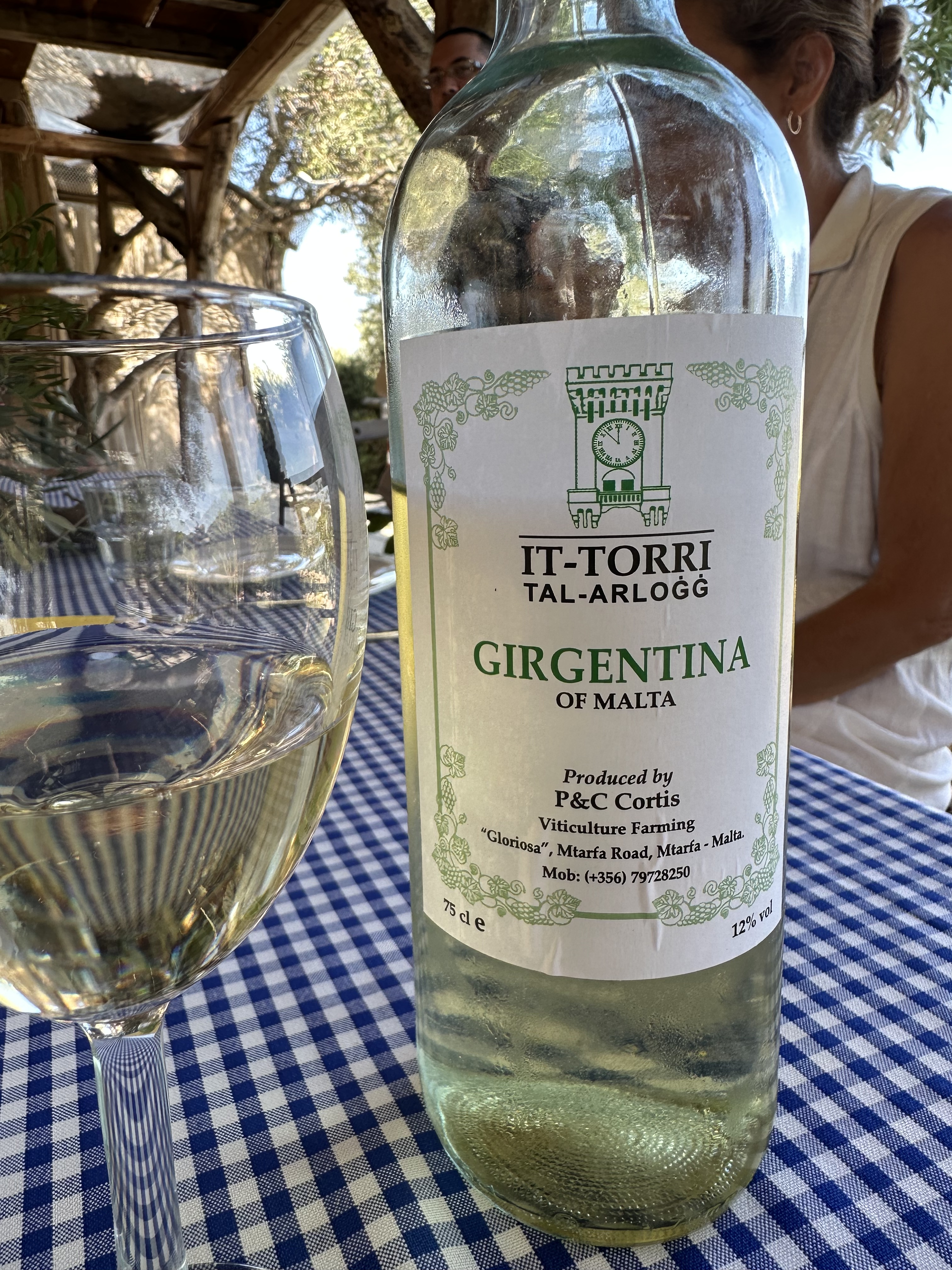
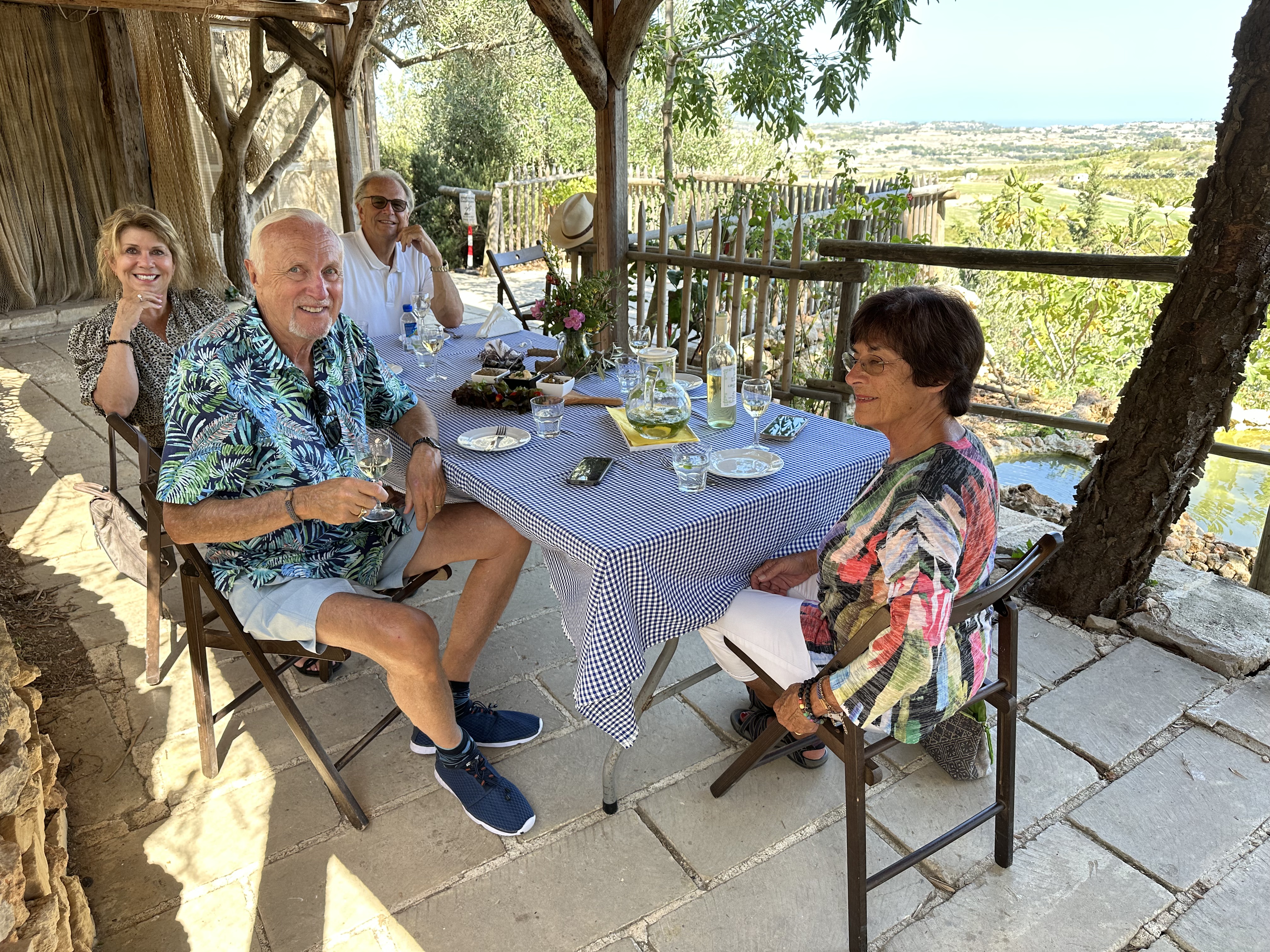
After wandering around Mdina awhile, we drove into the very pretty countryside to a co-op farm that makes its own wine and oil and raises animals as well as fruits and vegetables. It was a charming, jumbled place on 5 acres of hillside. The owner, Charles and his wife, Belle, welcomed us with open arms. They bought the property in 2000 and have been working it every day ever since. They eventually developed a co-op of 27 farmers like themselves. They agree it is hard work, but they love what they do. Bringing in some tourism has helped with expenses. Then they layed out a very nice spread of all the fruits of their labor. We ate and drank vey well. Finally, it was time to go. They bid us a fond god bye.
The owner of the farm, CharlesThe local wine we were served. It was ok, not great.The 4 of us wait for lunch
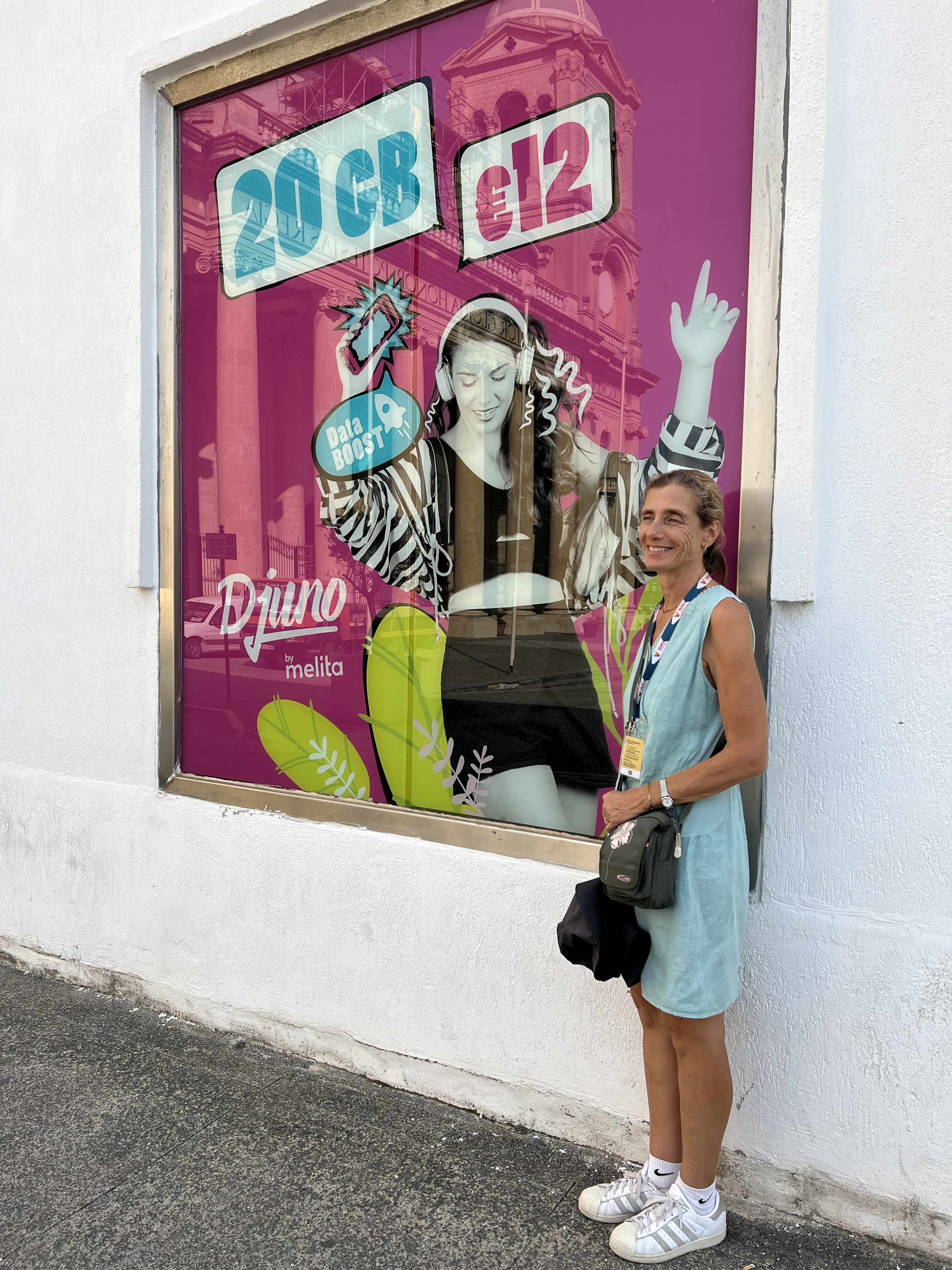
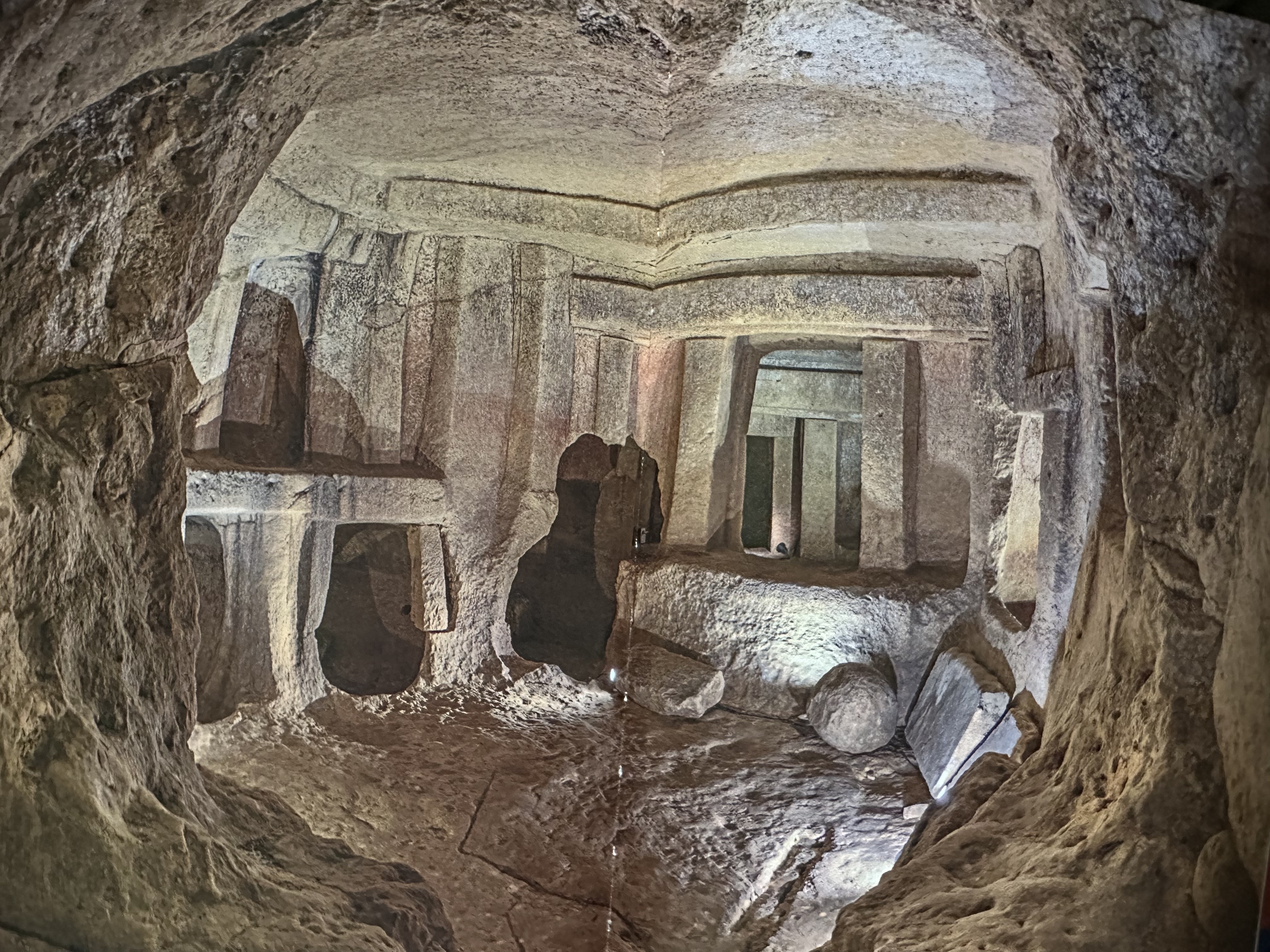
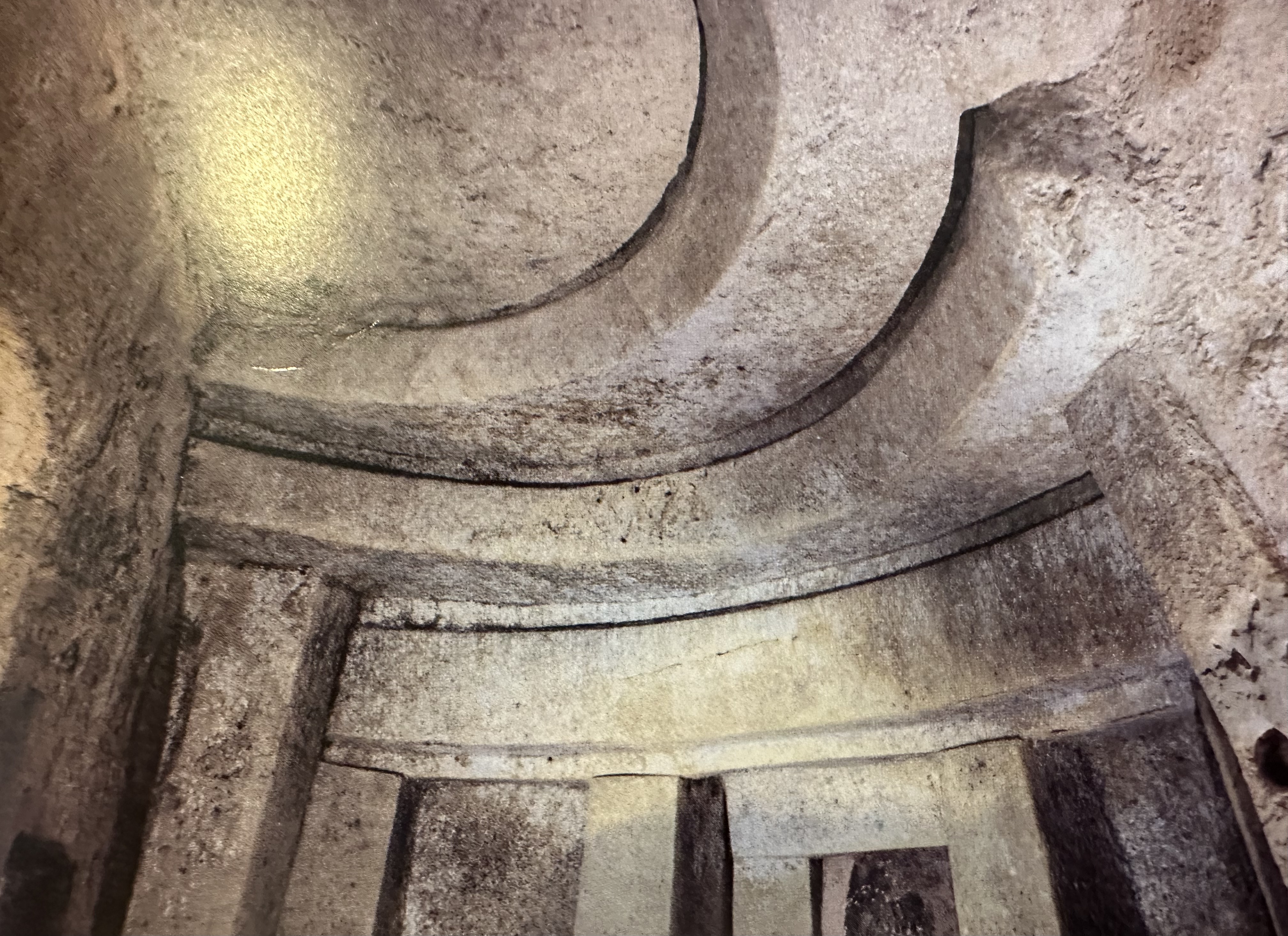
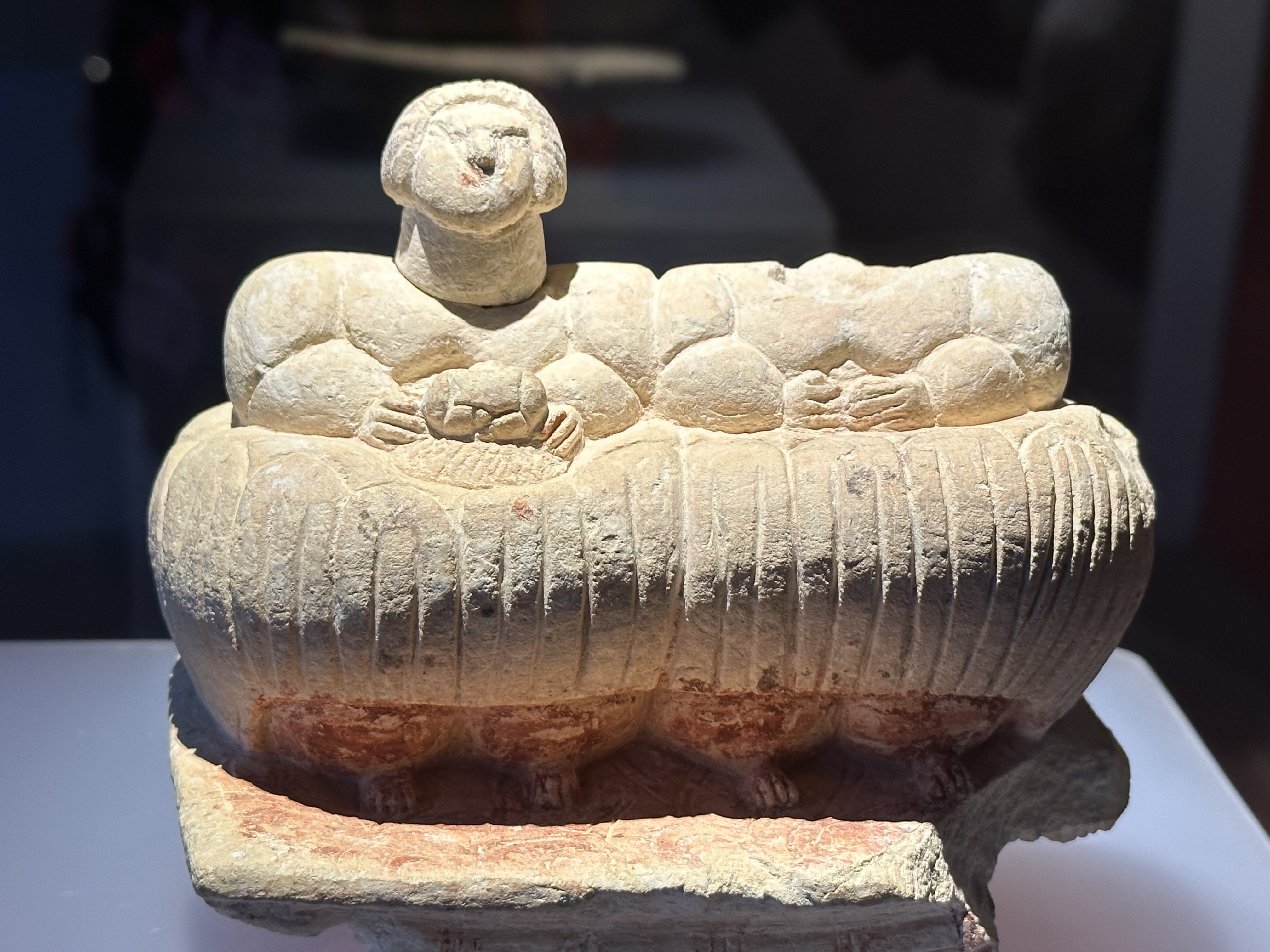
After lunch we went to the Hypogeum to see the underground temples. Unfortunately we were not allowed to take any photos, so I bought a book and took photos of some of the pages. Will have to do. While waiting to get into the Hypogeum we saw a large poster that Catherine told us was of her daughter. What a surprise. They do look alike.
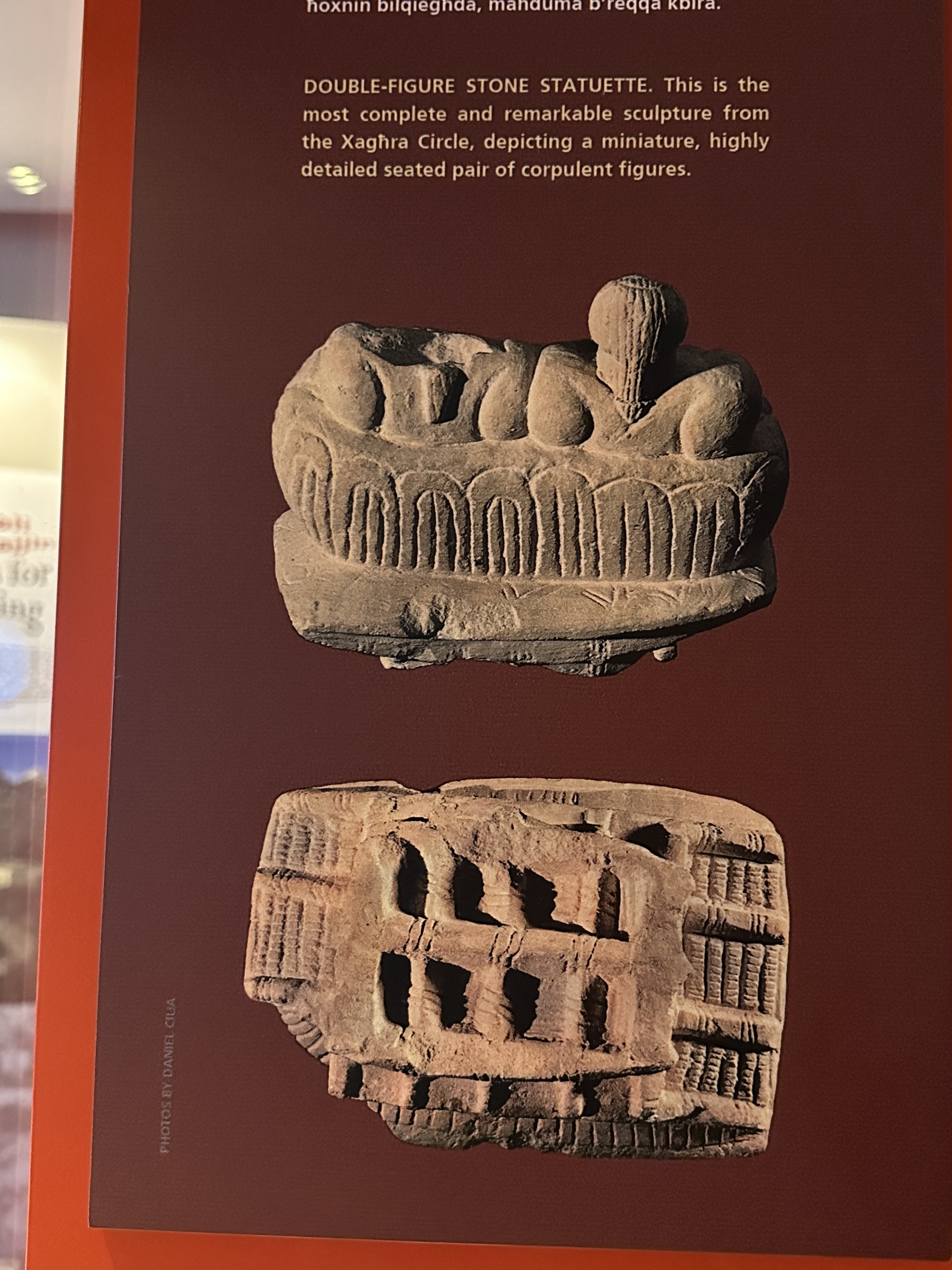
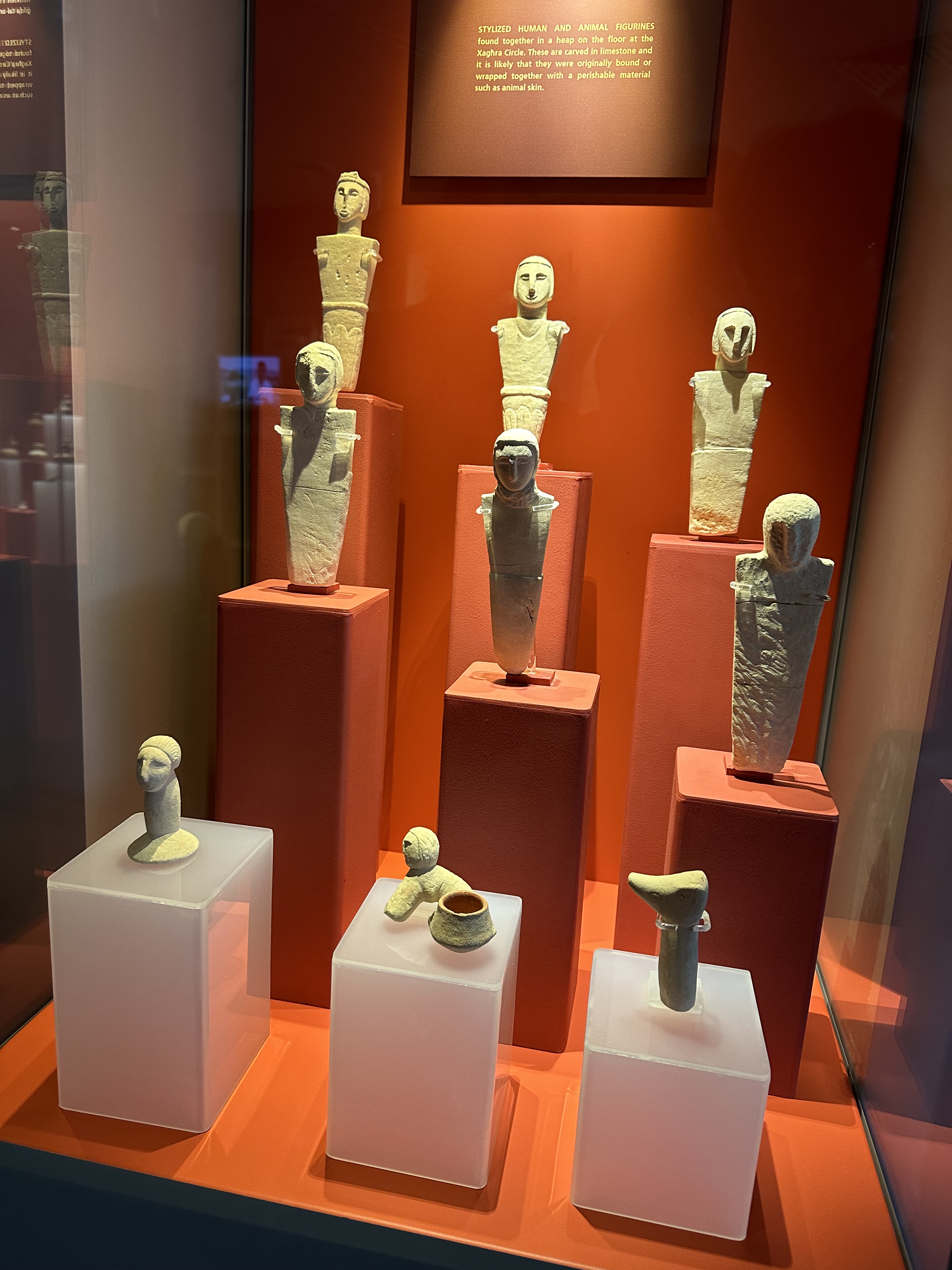
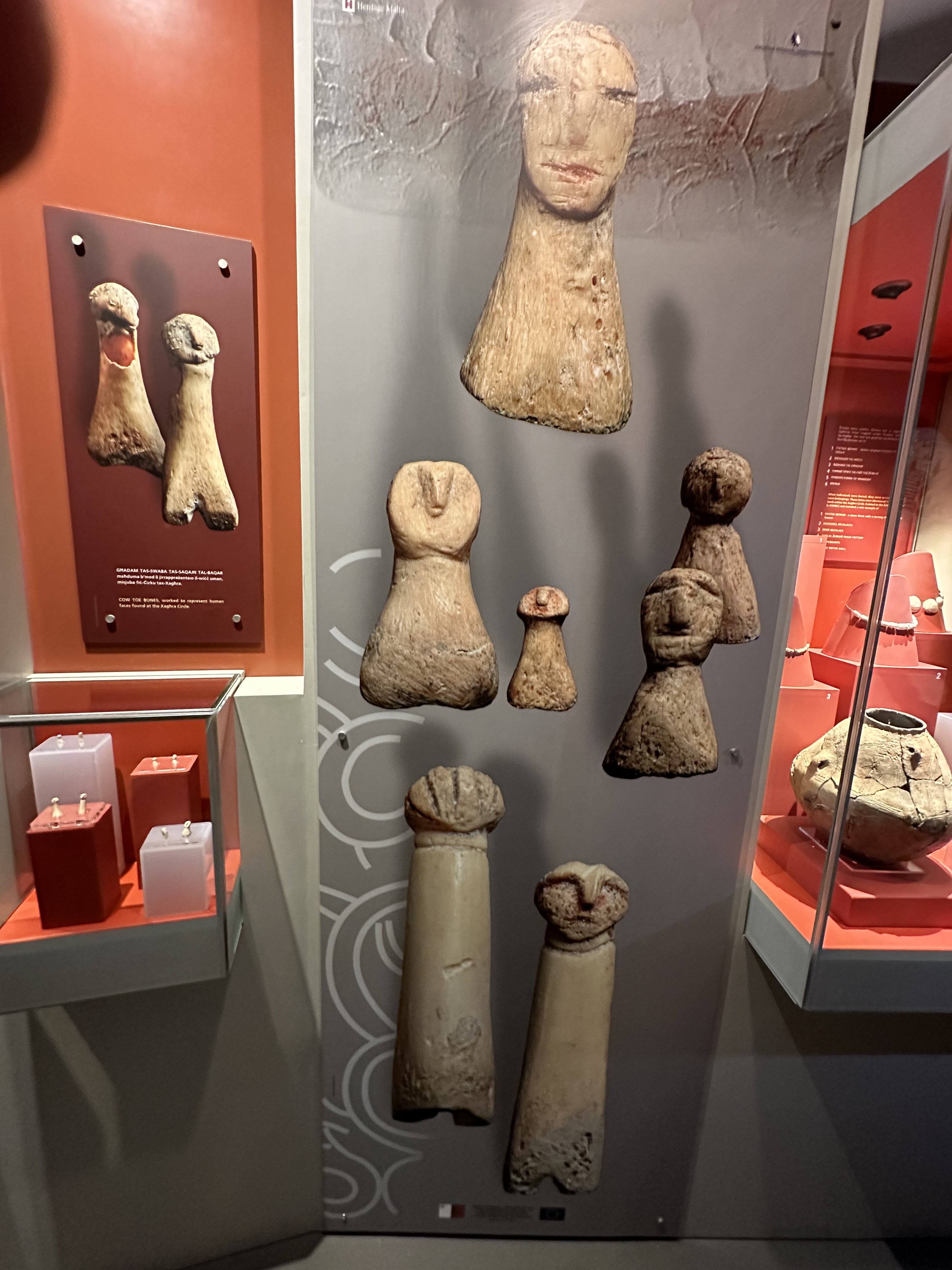
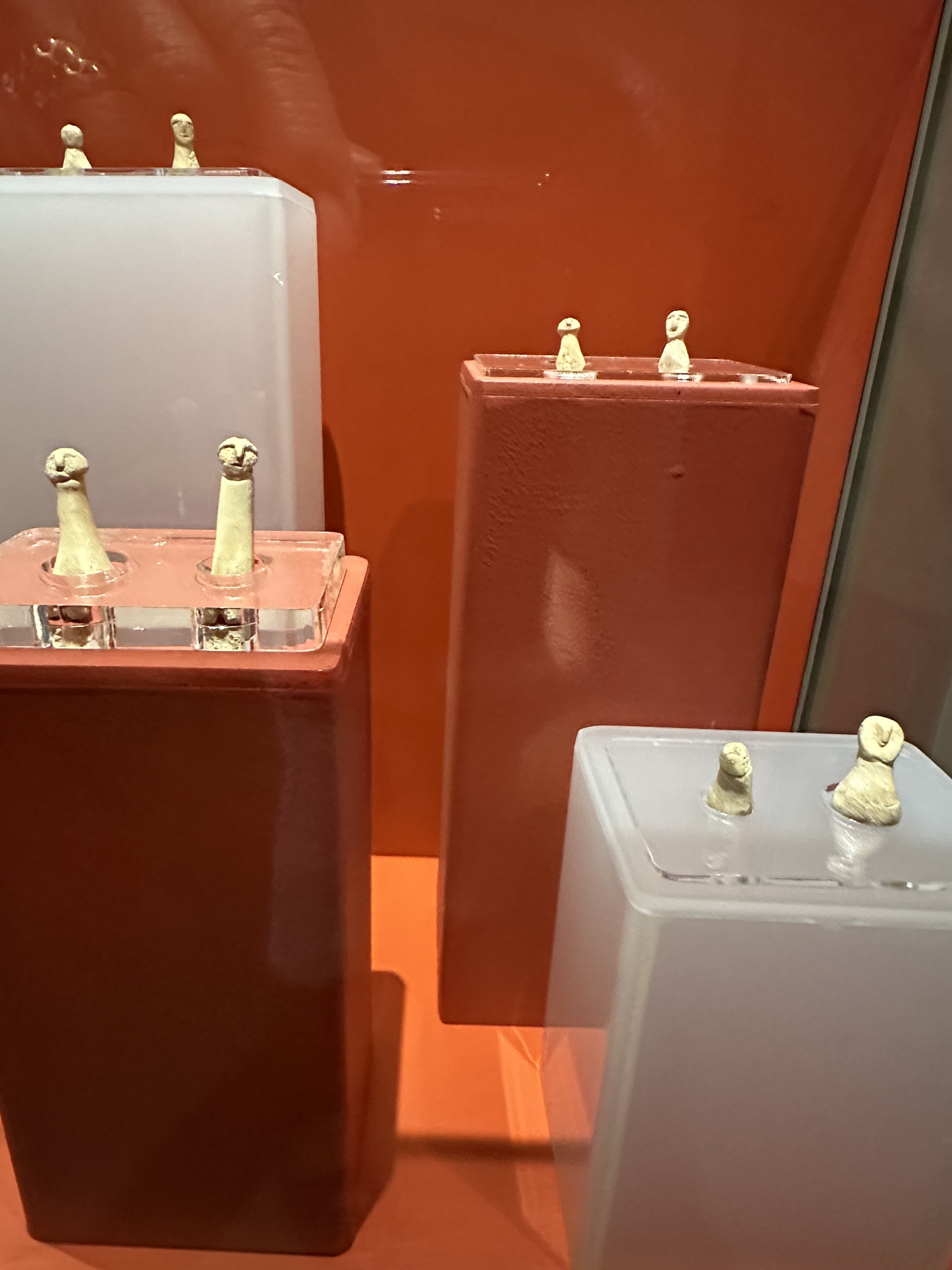
Catherine and her daughter posing in the advertisementThe largest room in the underground Hypogeum. A spectacular room in the HypogeumA small statuete of 2 people sitting on a sofa like piece of furnitureA wooden reconstruction shows how the furniture may have been made. Small statues that may have been bundled together More bone statues. These sculptures were made from cow toe bones
After we left the very impressive Hypogeum, we went directly back to the hotel. I was sorry we could not take photos in the Hypogeum, but understand the need to protect the underground system from too much humidity . The belief is that the rooms were mostly used for burial of decomposed remains. It is believed that over 7000 people were buried in the pits of the various rooms after partially decomposing. Unfortunately, houses were built on top of the hypogeum and structural elements were driven through walls and roofs resulting in much damage.
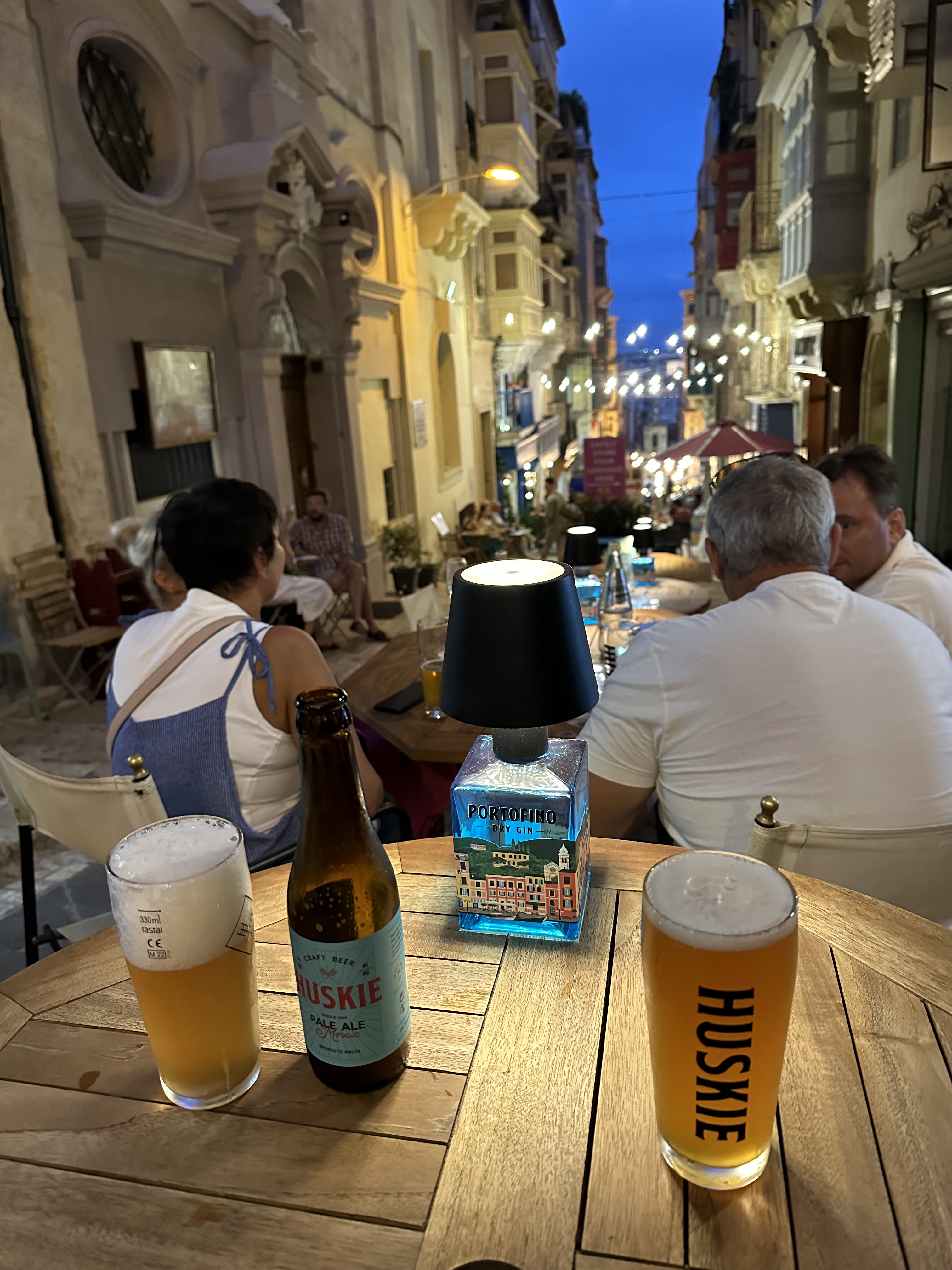
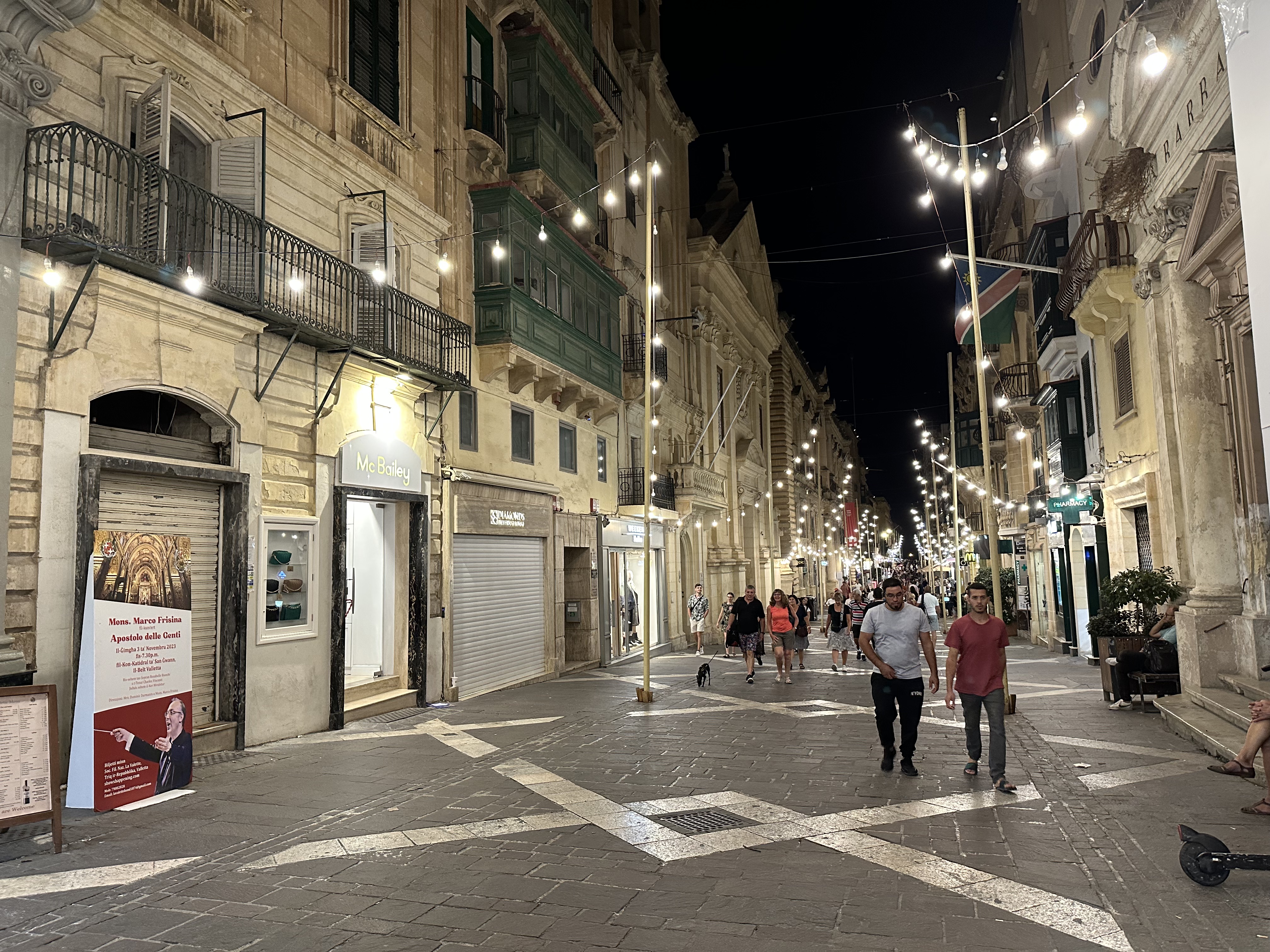
We catch a beer on a downhill street cafe.There are still crowds of peopleThe streets are lit and crowded
Mark and I walked up into the city to see it by night and found ourselves drinking beer on a steep downhill street cafe. Then we walked around absorbing the boisterous, youthful atmosphere. In short order we turned down hill to our quiet, cozy hotel and bed.
Friday , October 6, 2023
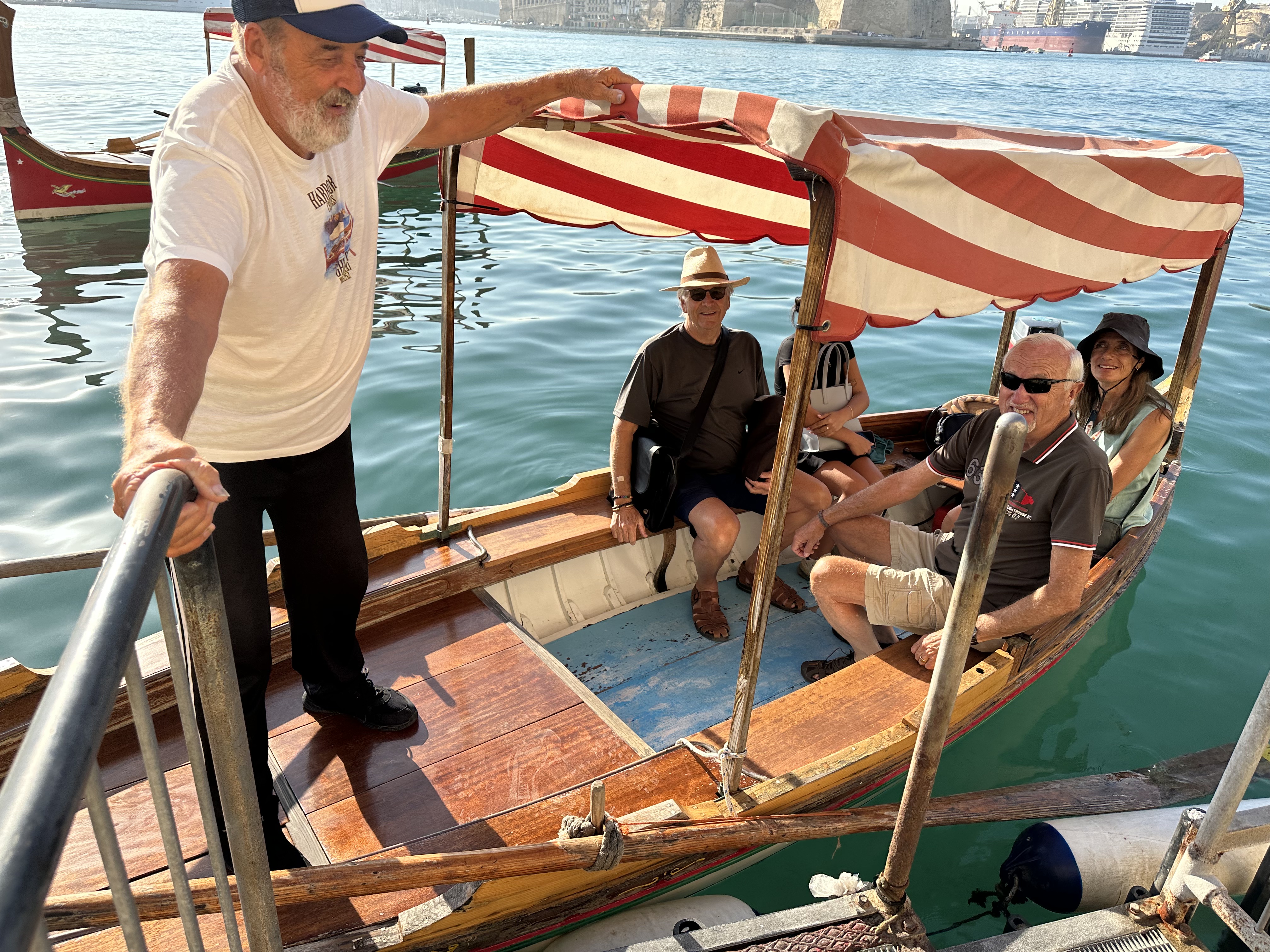
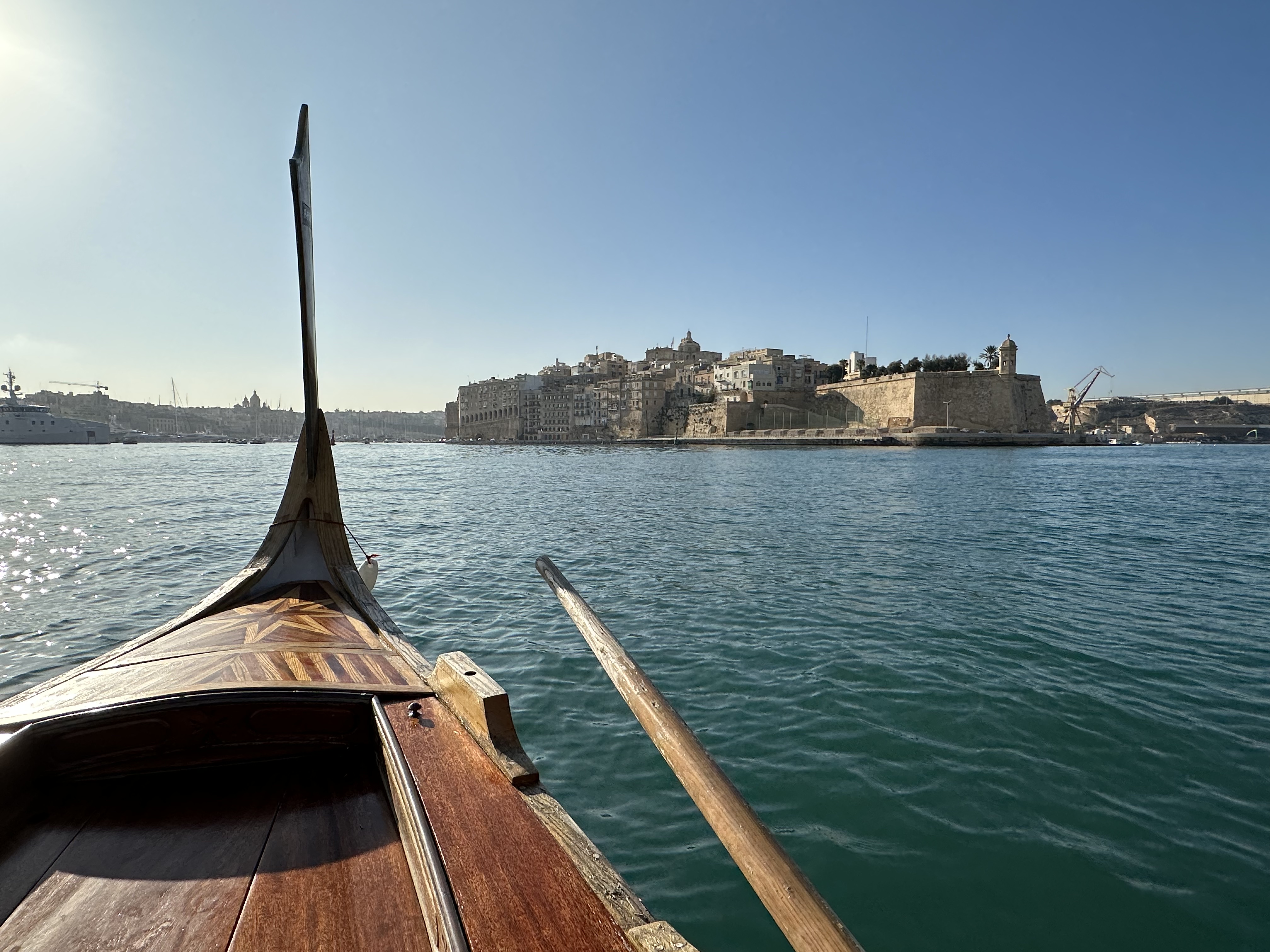
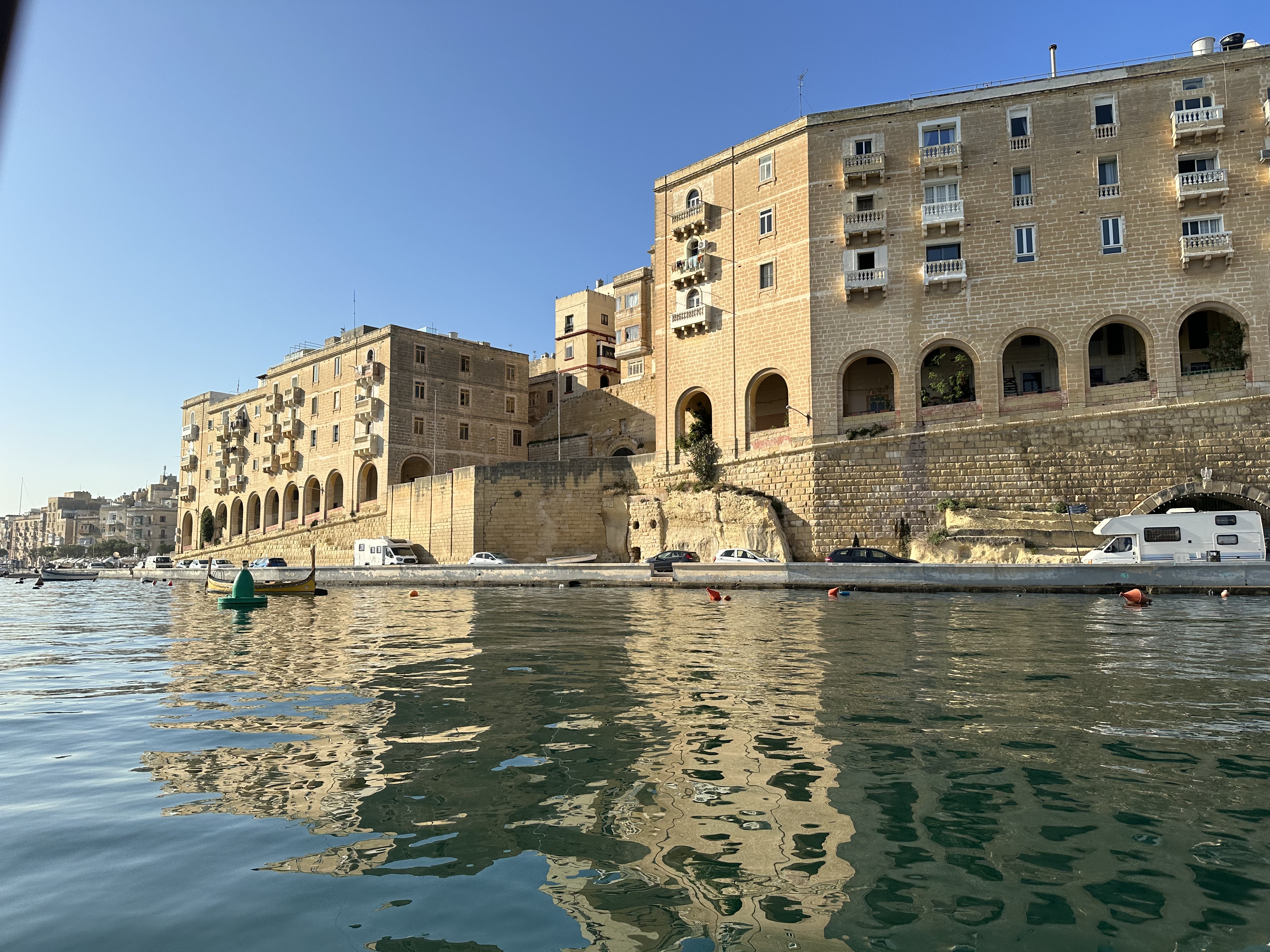
We took a traditional Maltese boat (called a Dghajsa) ride across the bay to the 3 Sisters side of the harbour to visit Birgu. The bastions were very well fortified on this side. We had to cross under 3 gates to enter the city. The bastions and walls are quite high. Birge’s position in the Grand Harbour was of great importance and several military leaders wanted to take over the city to get it. Yet no one did more for the city than the Knights of St John, who arrived in Malta in 1530 and made Birgu the capital of Malta. The Grand Master LaValletta was the leader during the siege.
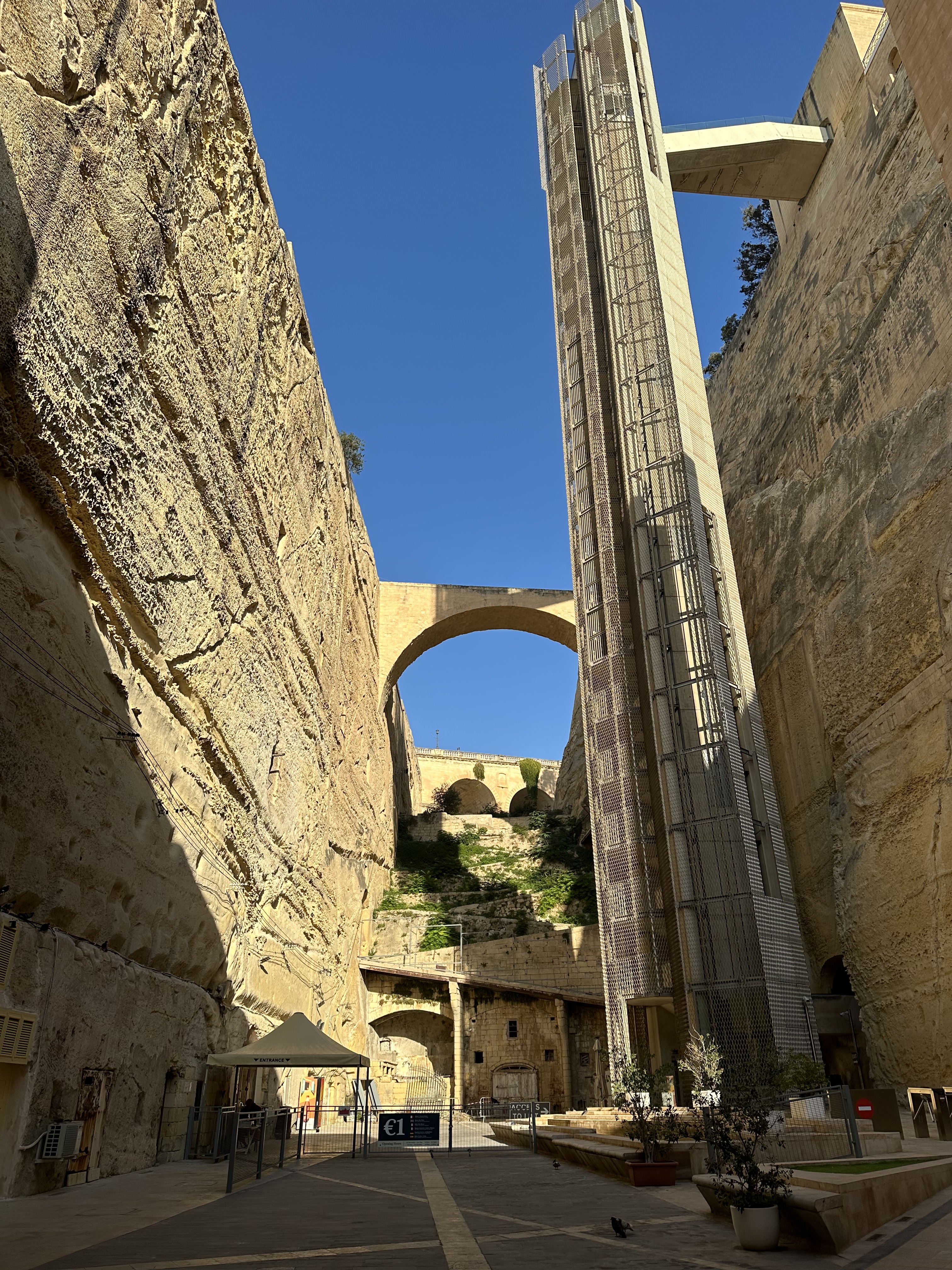
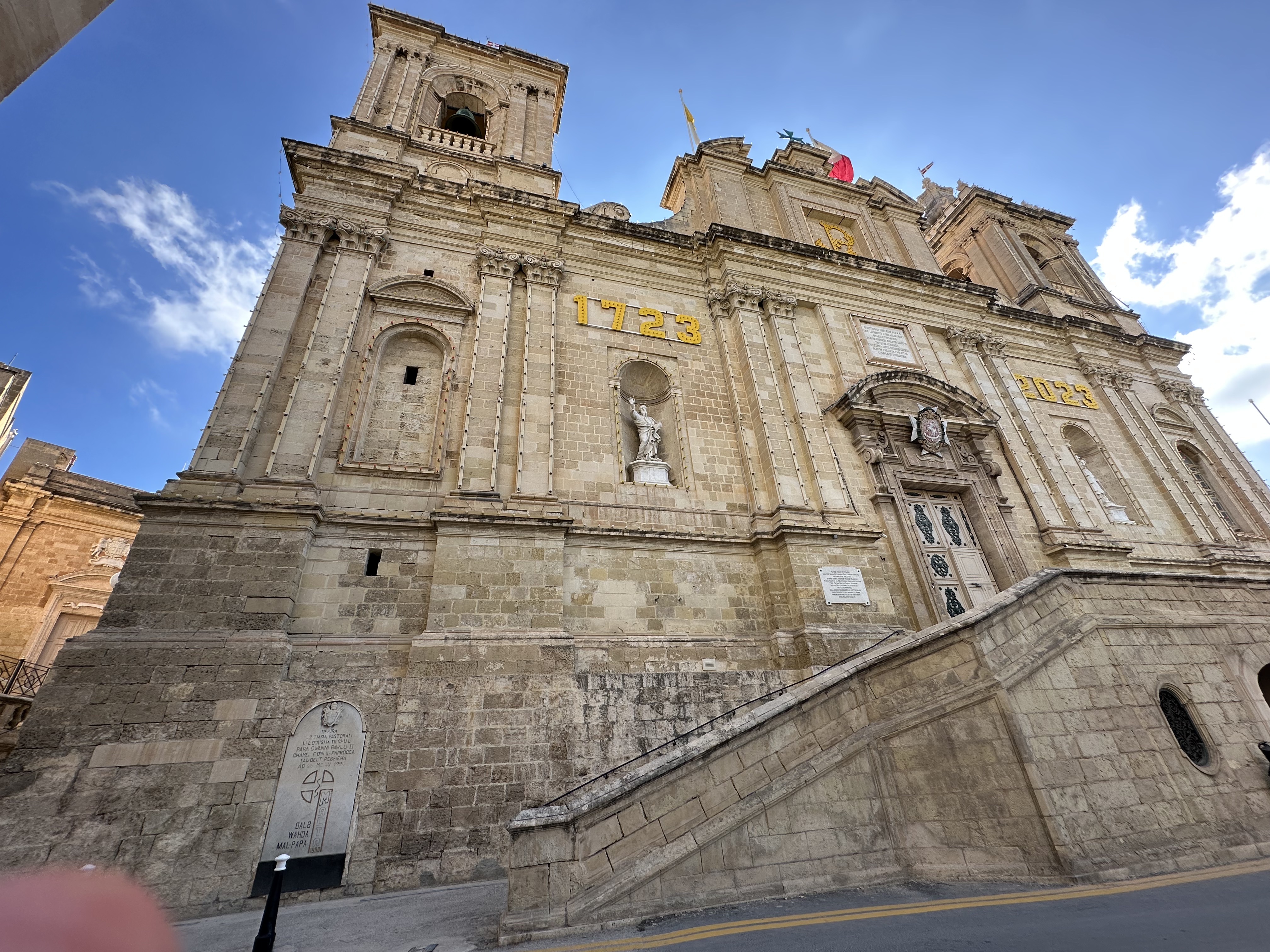
The 10 story elevator to get from the harbor to the city center without climbingA traditional Dghajsa boat ride across the bay.Crossing toward BitguBirgu water housesBirgu cityA British postal boxThe Cathedral in Birgu
We learned some things about the Inquisitions. The Roman Inquisition from 1574-1798 was abolished by Napoleon when he was in Malta for only 6 days. It was not as bad as the Spanish Inquisition, wherein a man could be tortured for eating sweets or meat during lent, for gambling, or other light crimes. The 3 judges were an inquisitor, a Grand Master and a bishop. Napoleon also abolished slavery and nobility. We also learned that the Maltese were gamblers, but not in casinos. The Maltese cross, with 8 points, is a symbol of the Order of St John. The 8 points refer to the 8 Beatitudes. Sorry I cannot remember them. Maybe one of you will look them up and tell me.
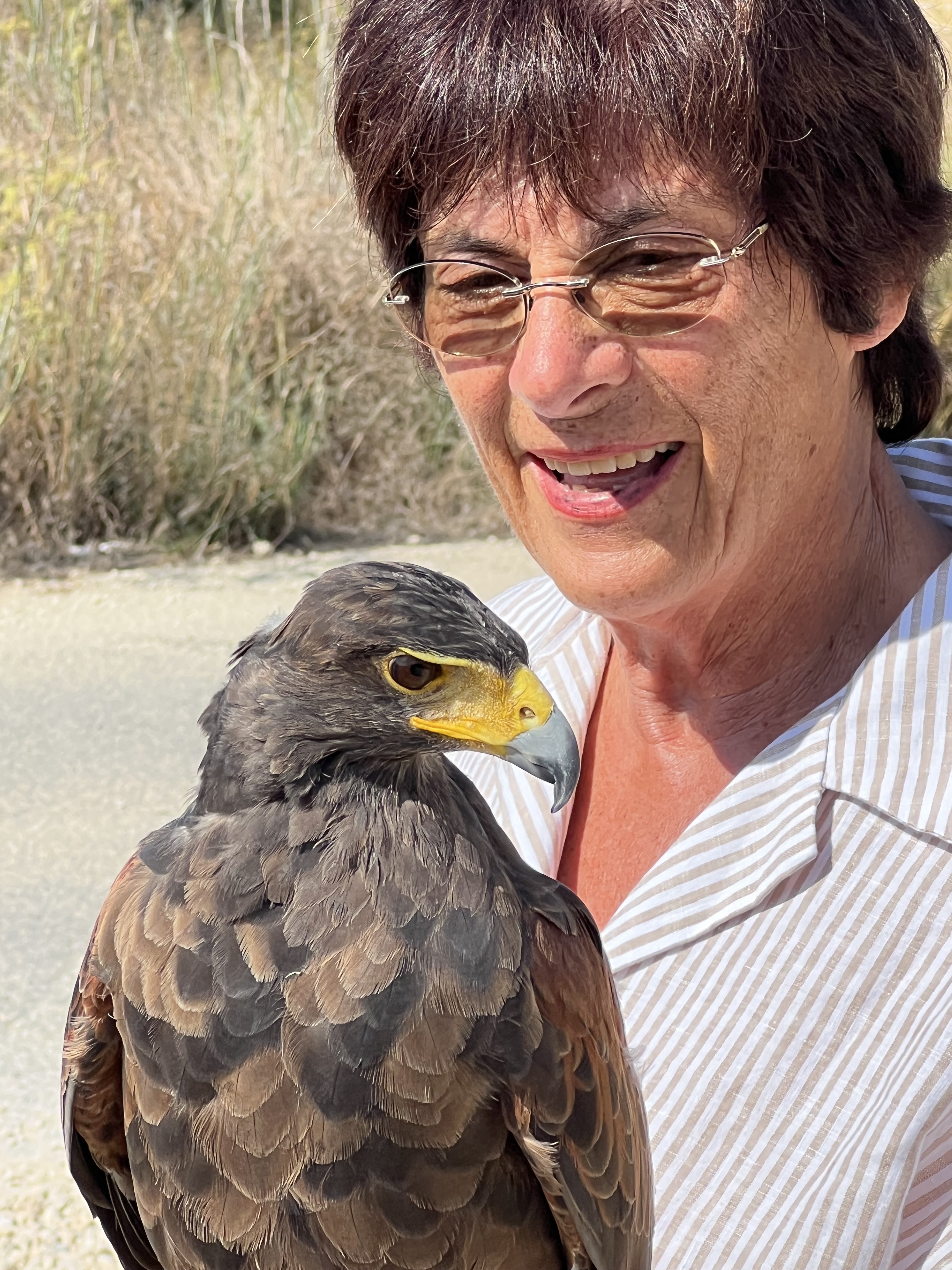
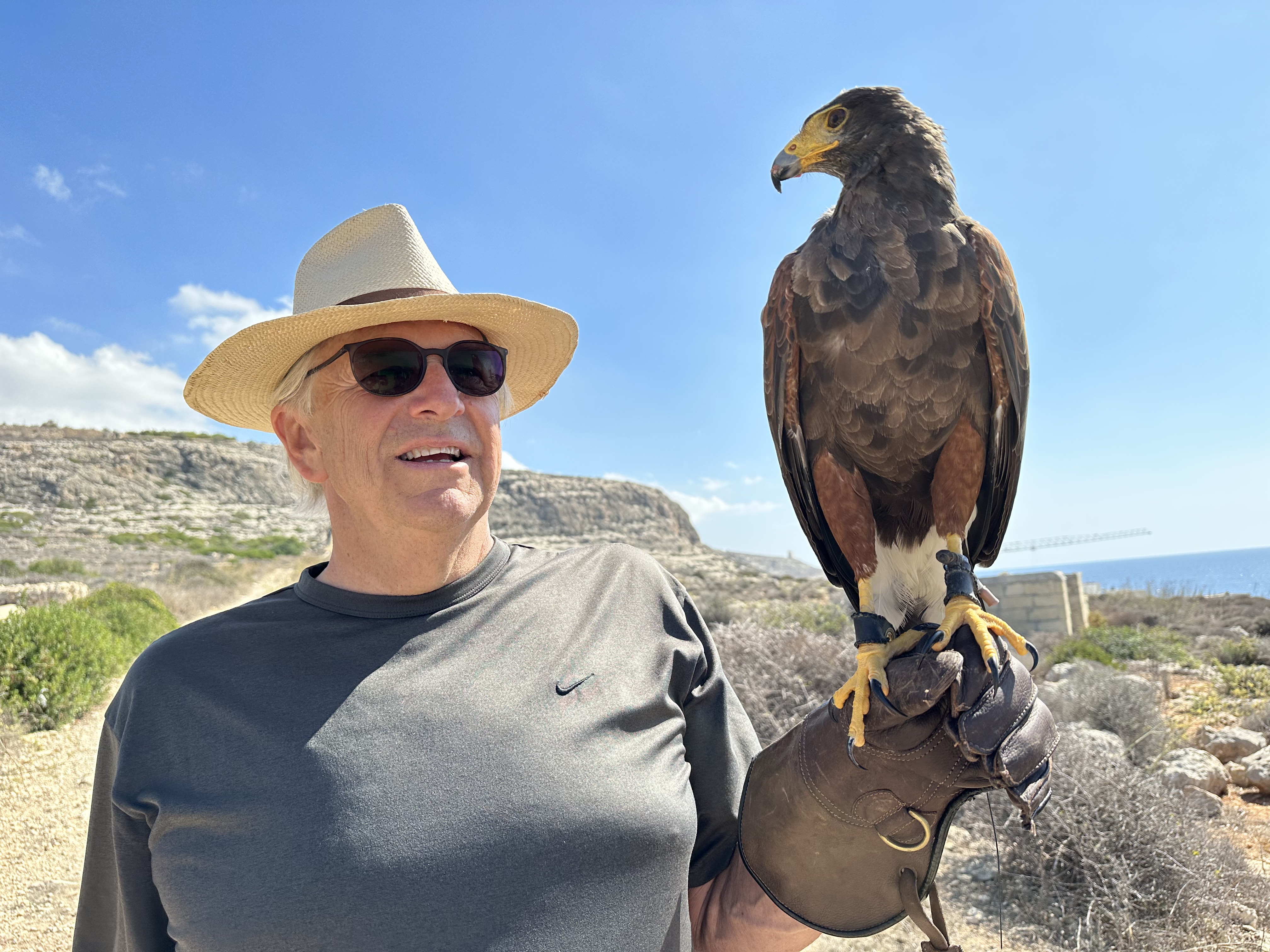
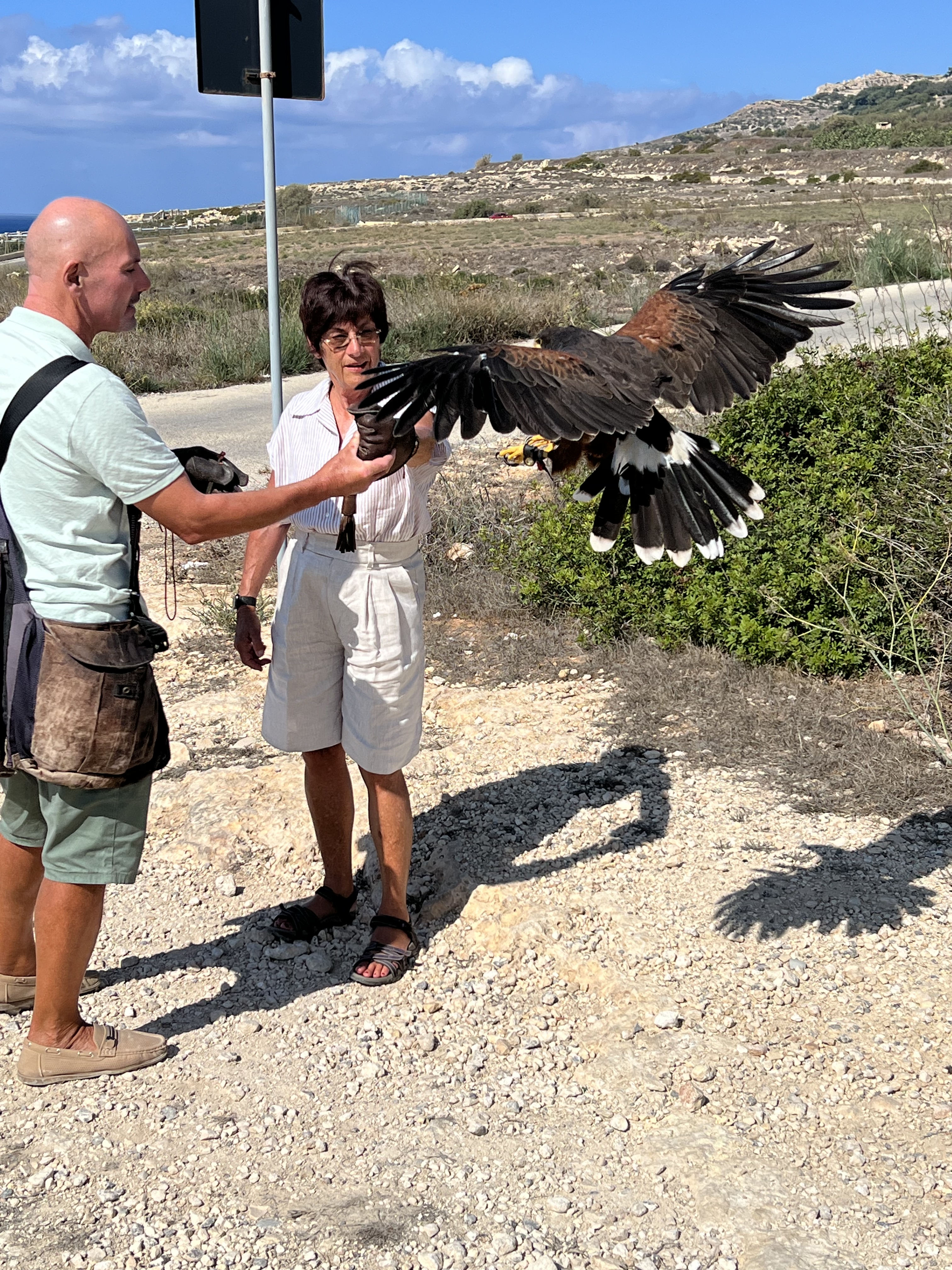
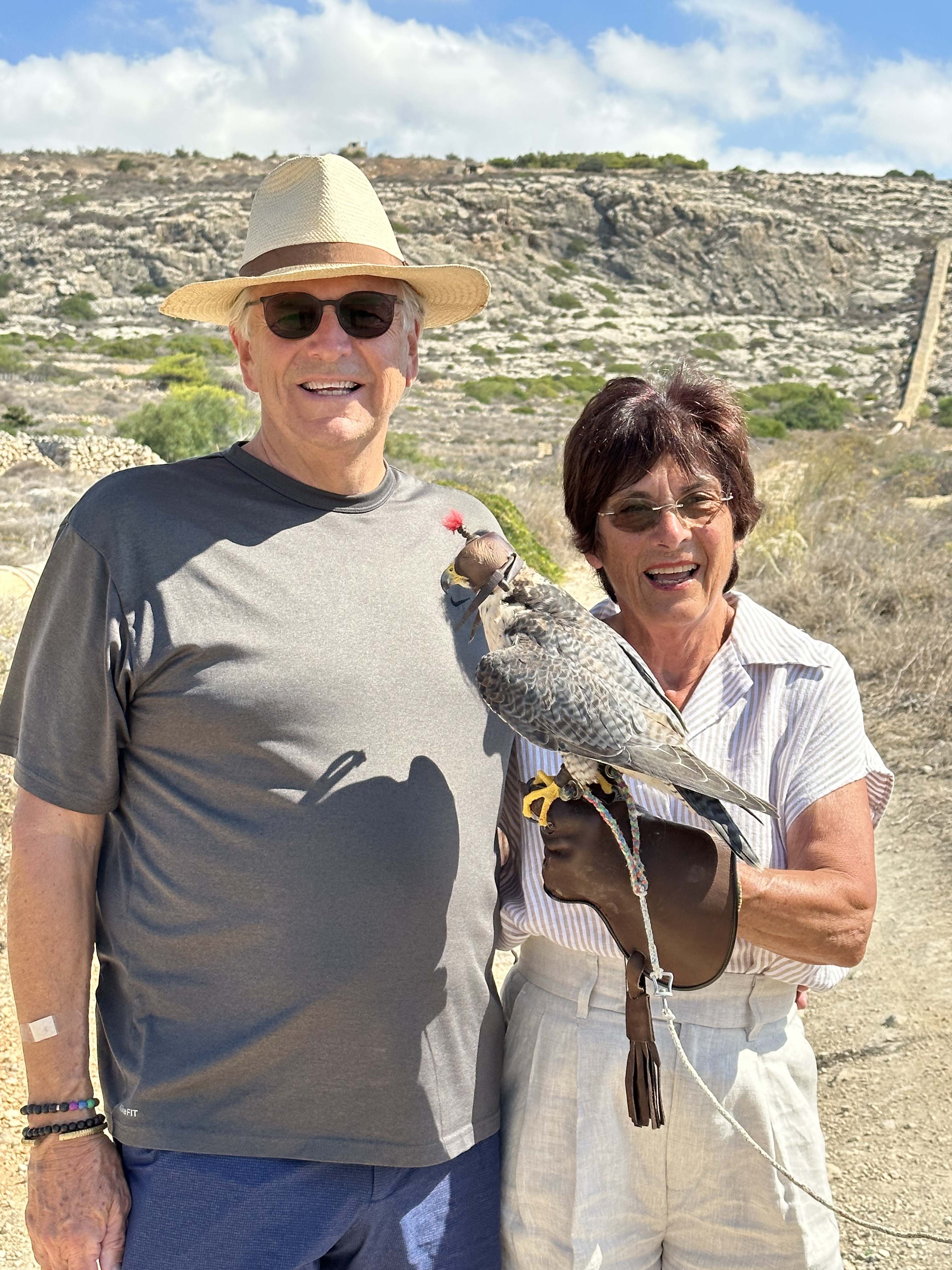
From BIrgu we drove north through more countryside to a desertlike place where we met up with Lawrence, the Maltese Falconer. He has been caring for birds for 43 years. Currently he has 13 birds and brought 2 of them to show us. They are a girl named Jessie, who is the tamest of his birds and Gustof, a less tame boy. Mostly we spent time with Jessie. We took turns holding her while Lawrence instructed the bird to fly where he wanted her to fly, which was usually over one of our heads and onto his hand. We all took turns holding the bird and having her fly over our head, It could make for a good video, if we could master the skill. We each got to hold Gustof. But did not get much action.
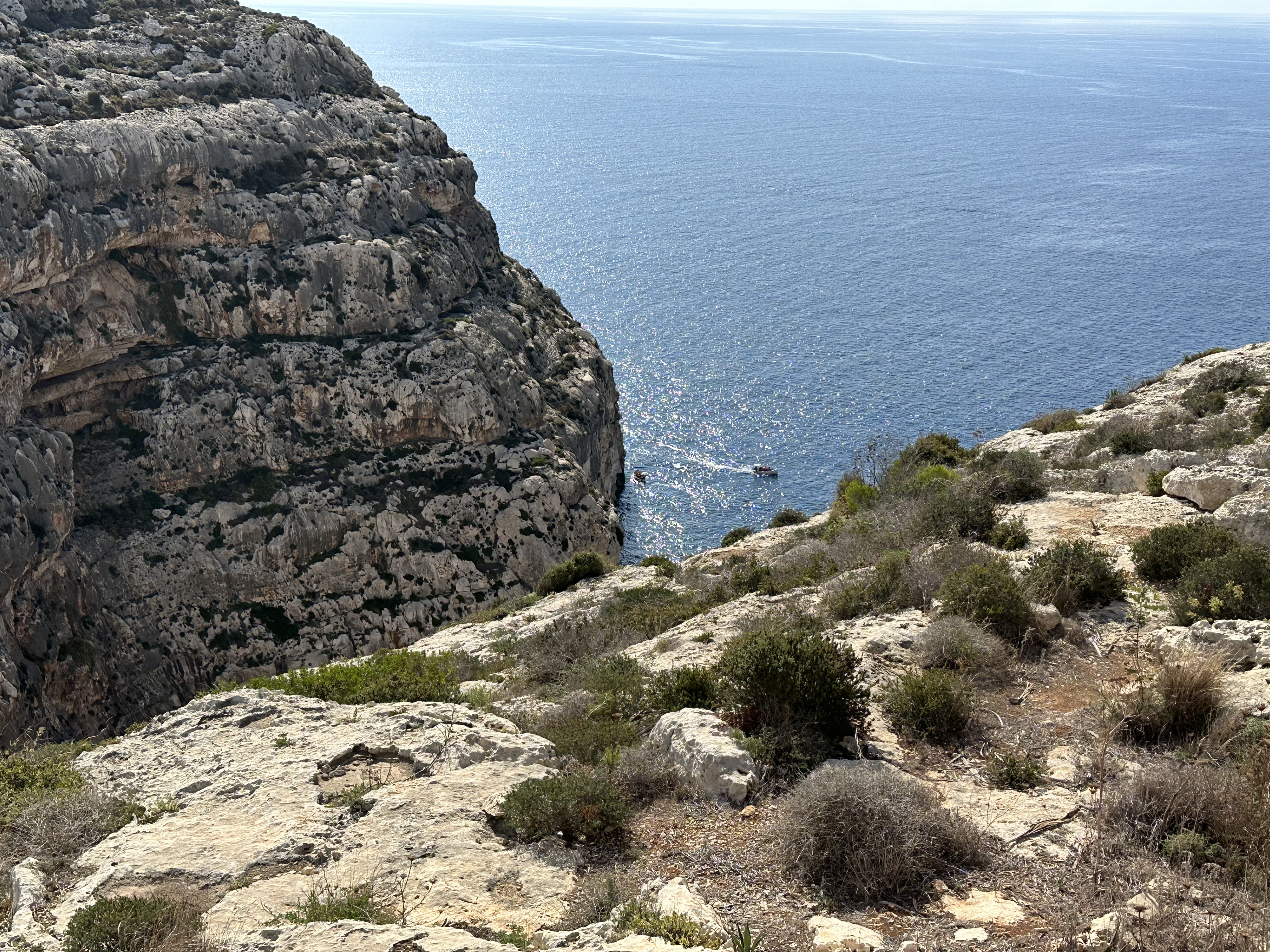
Passing the Blue Hole to get to the FalconerJessieJessieJessie flys inGustof
From our visit with the falcons, we continued driving inland to visit ancient temples from 3600 BC.
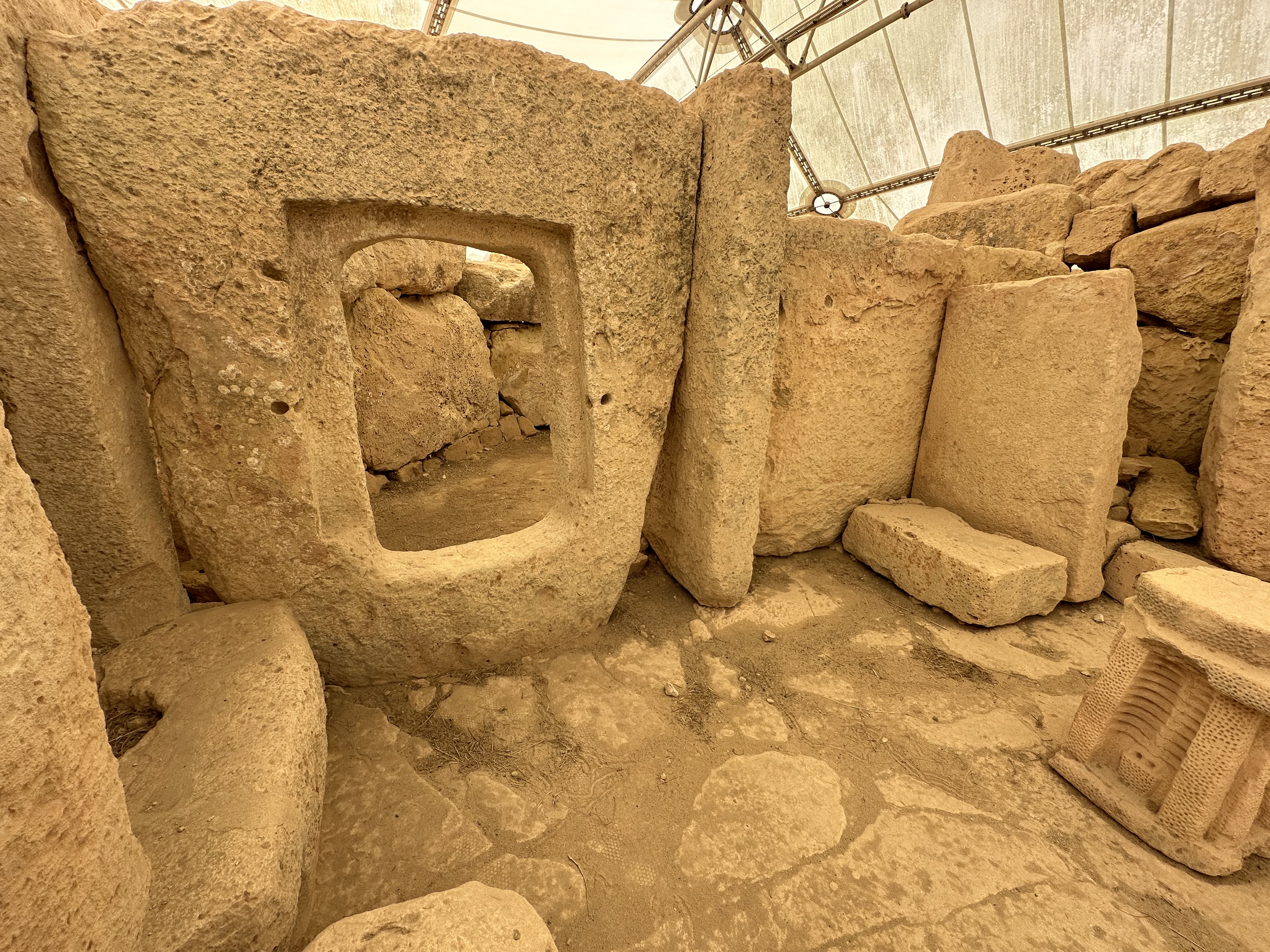
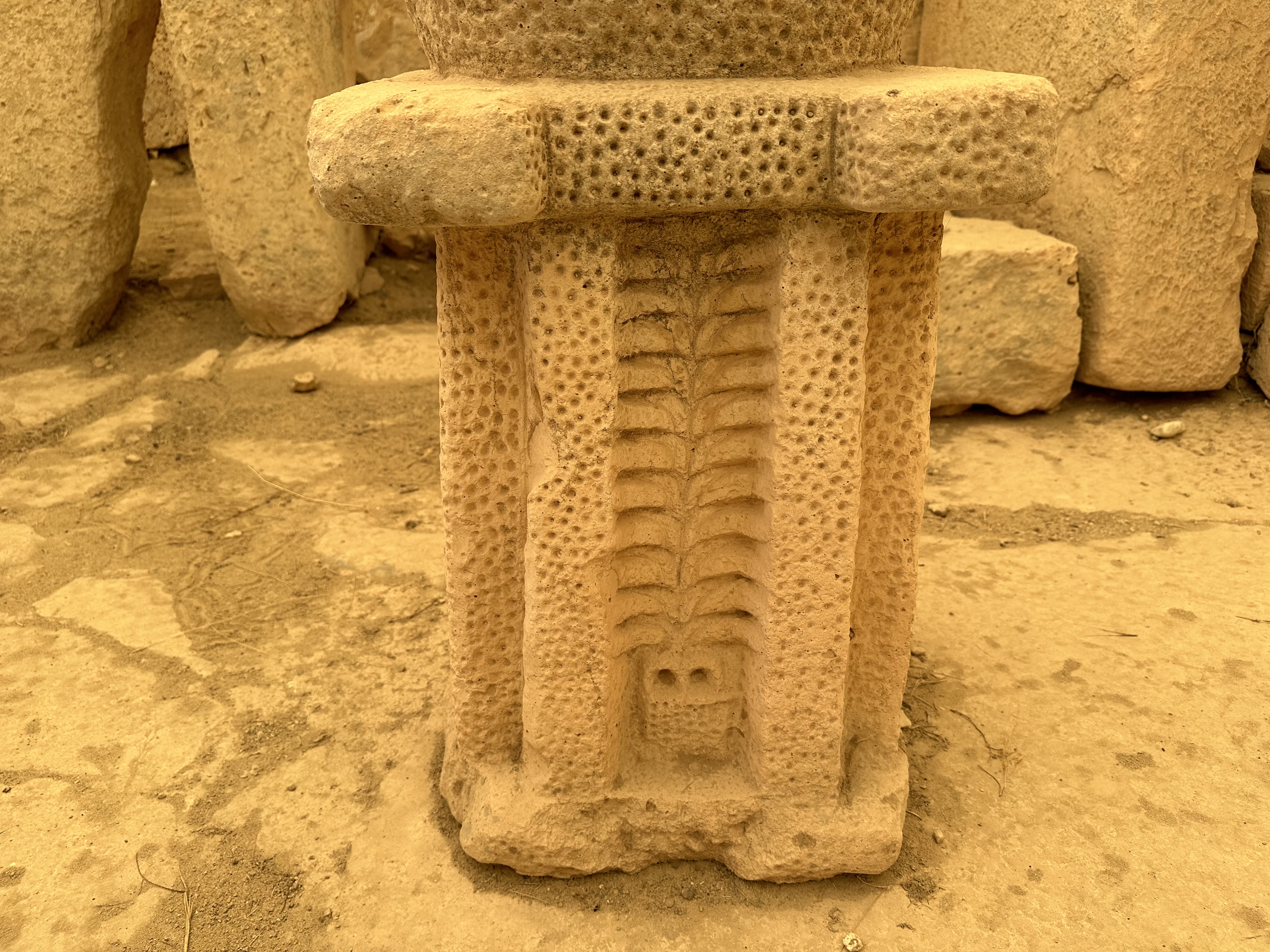
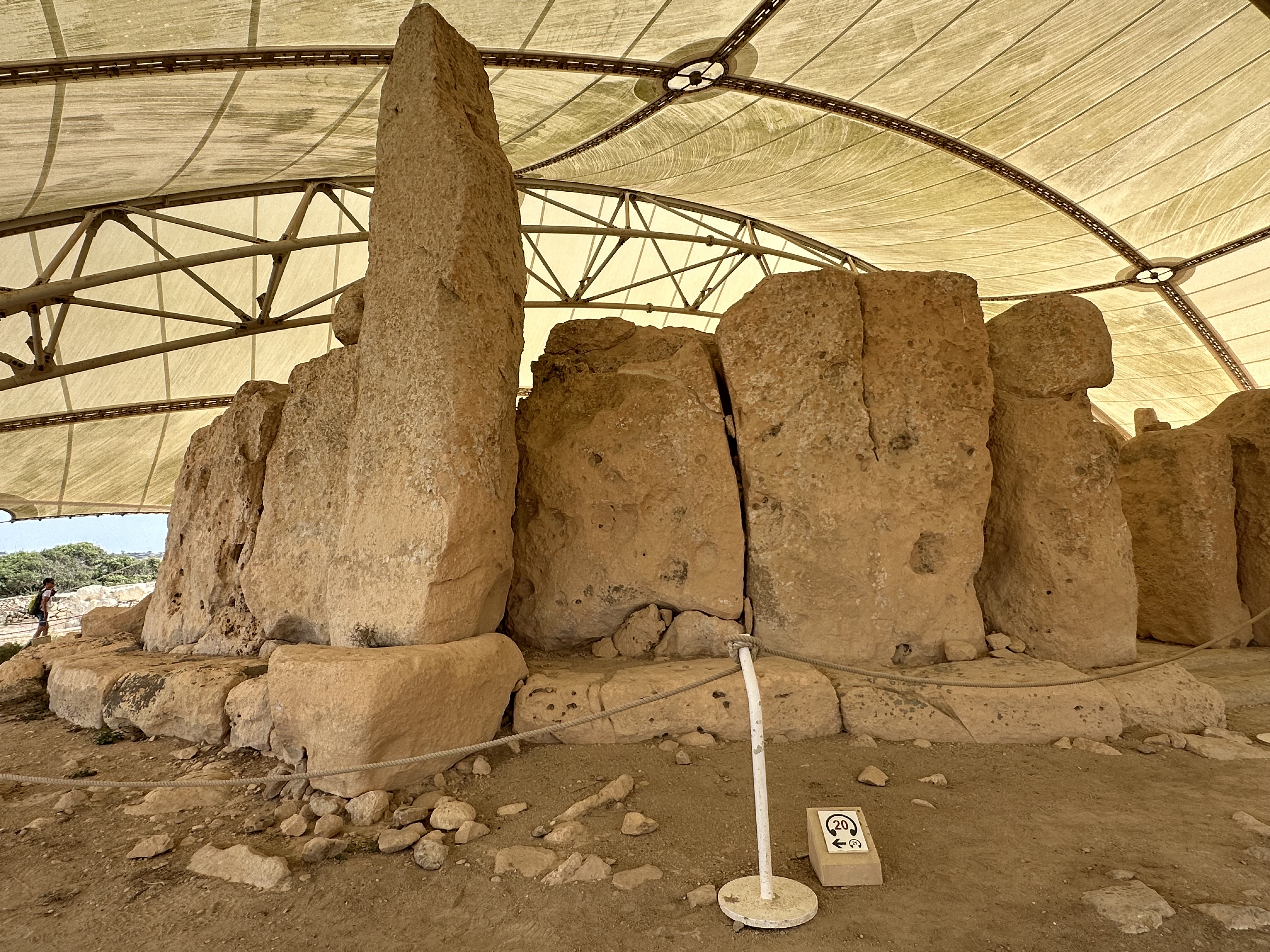
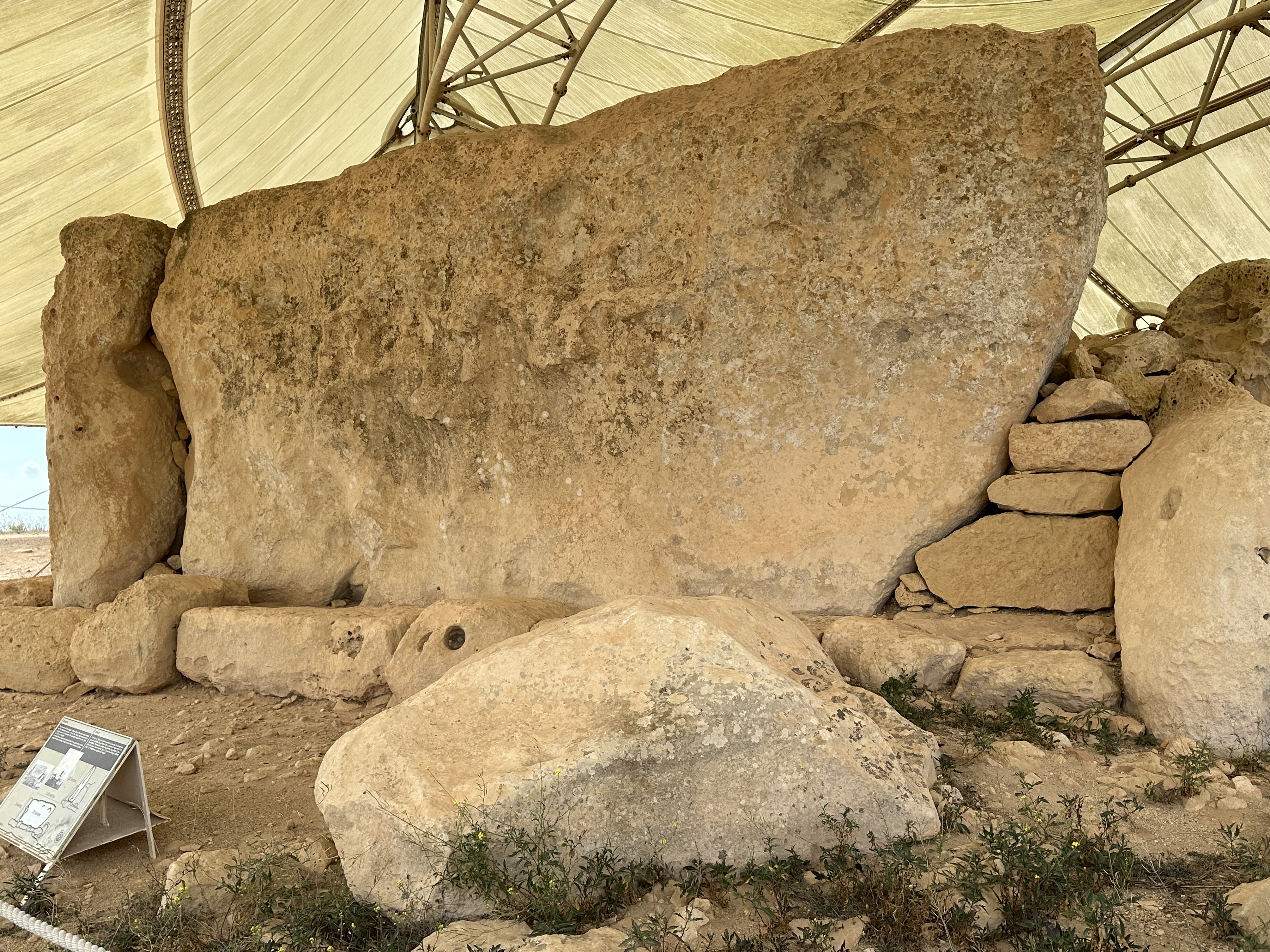
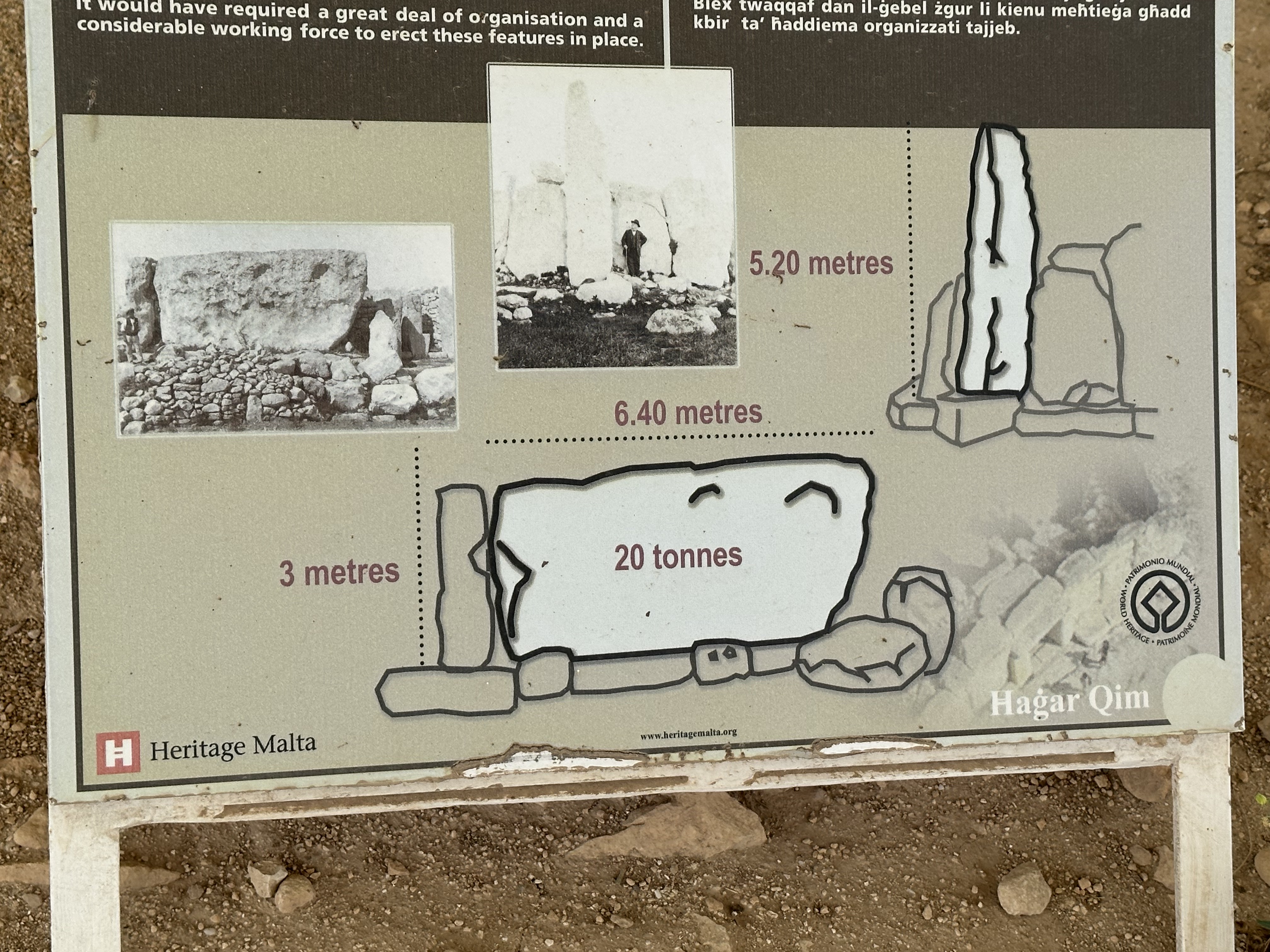
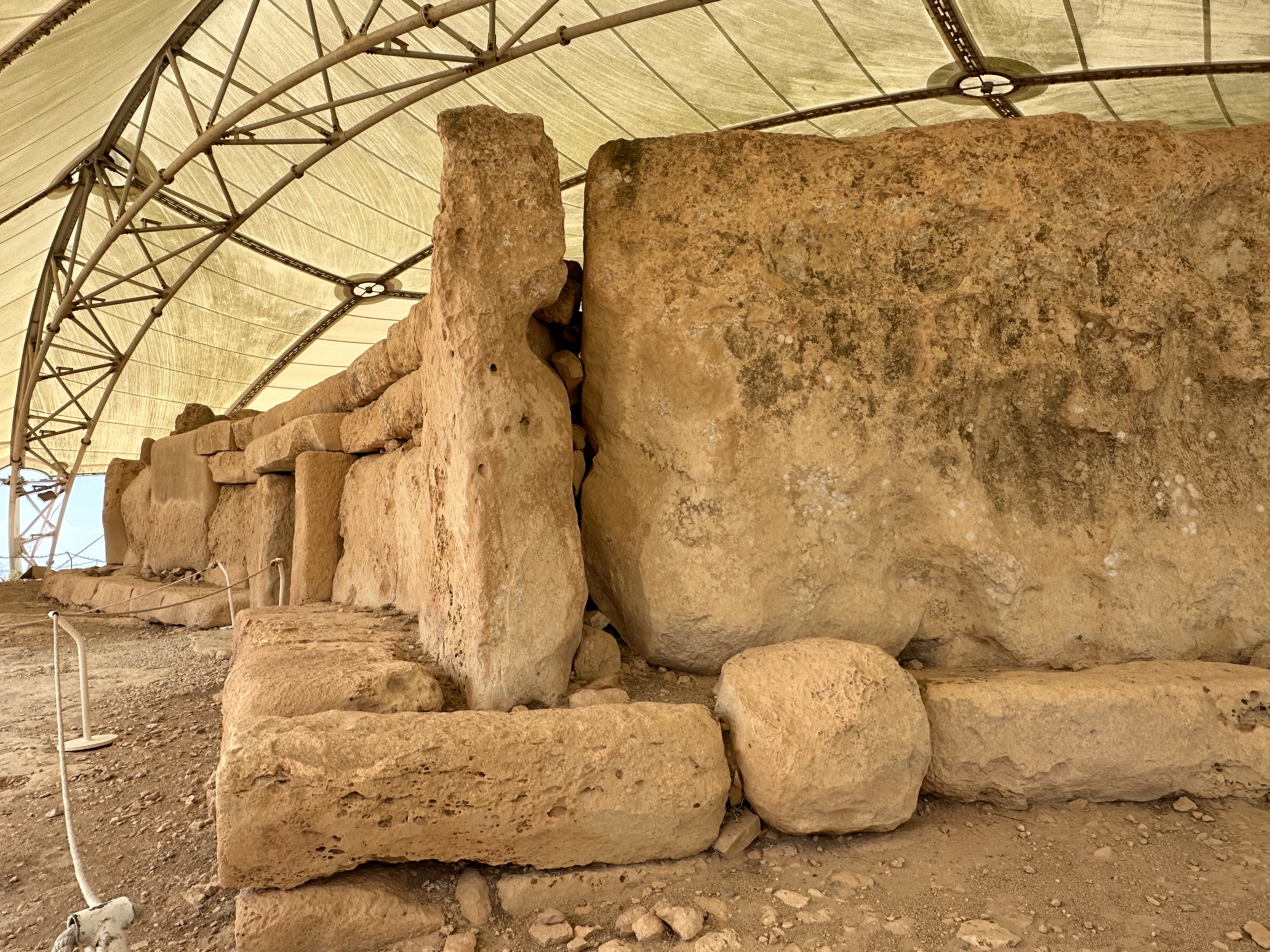
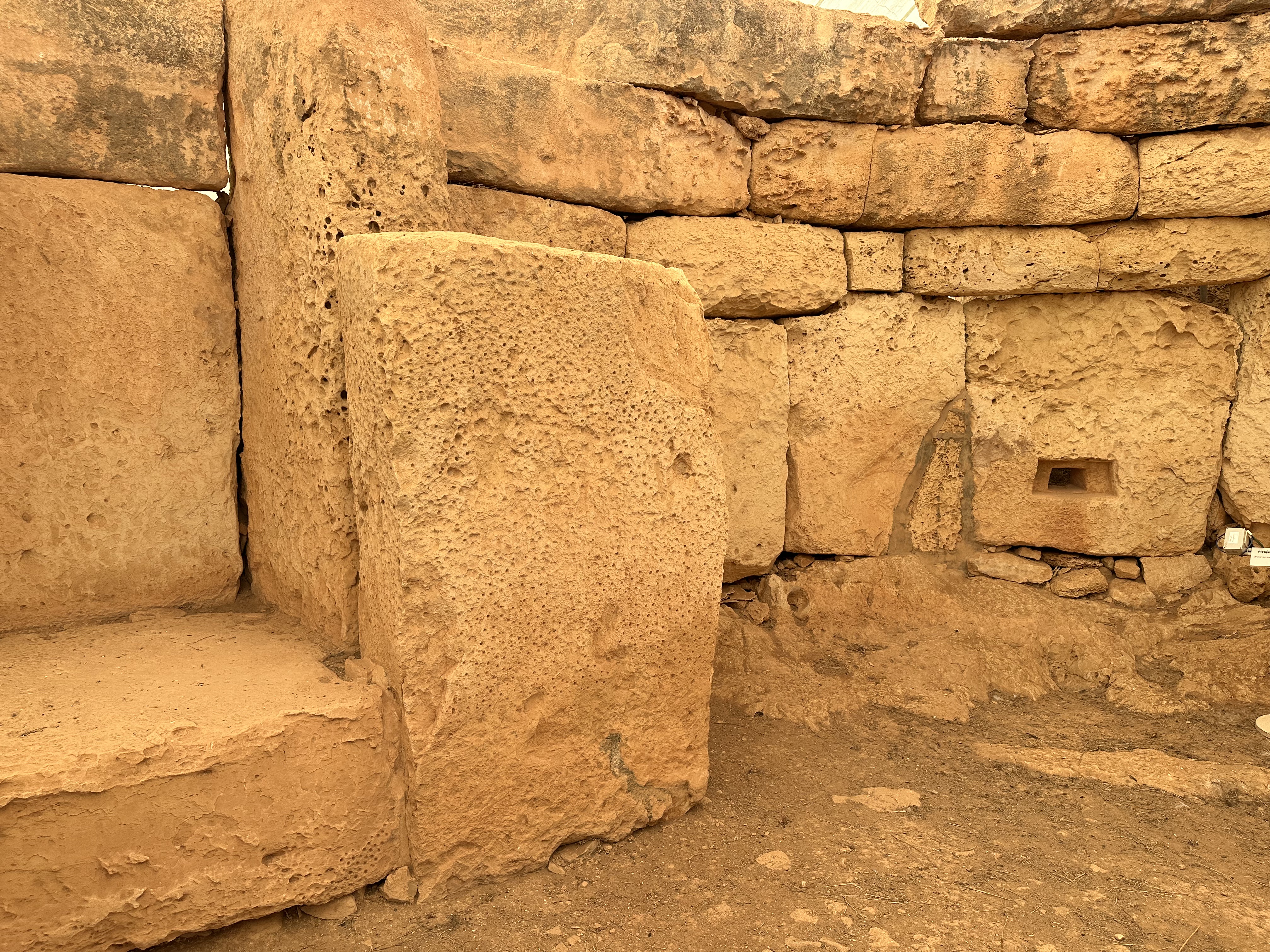
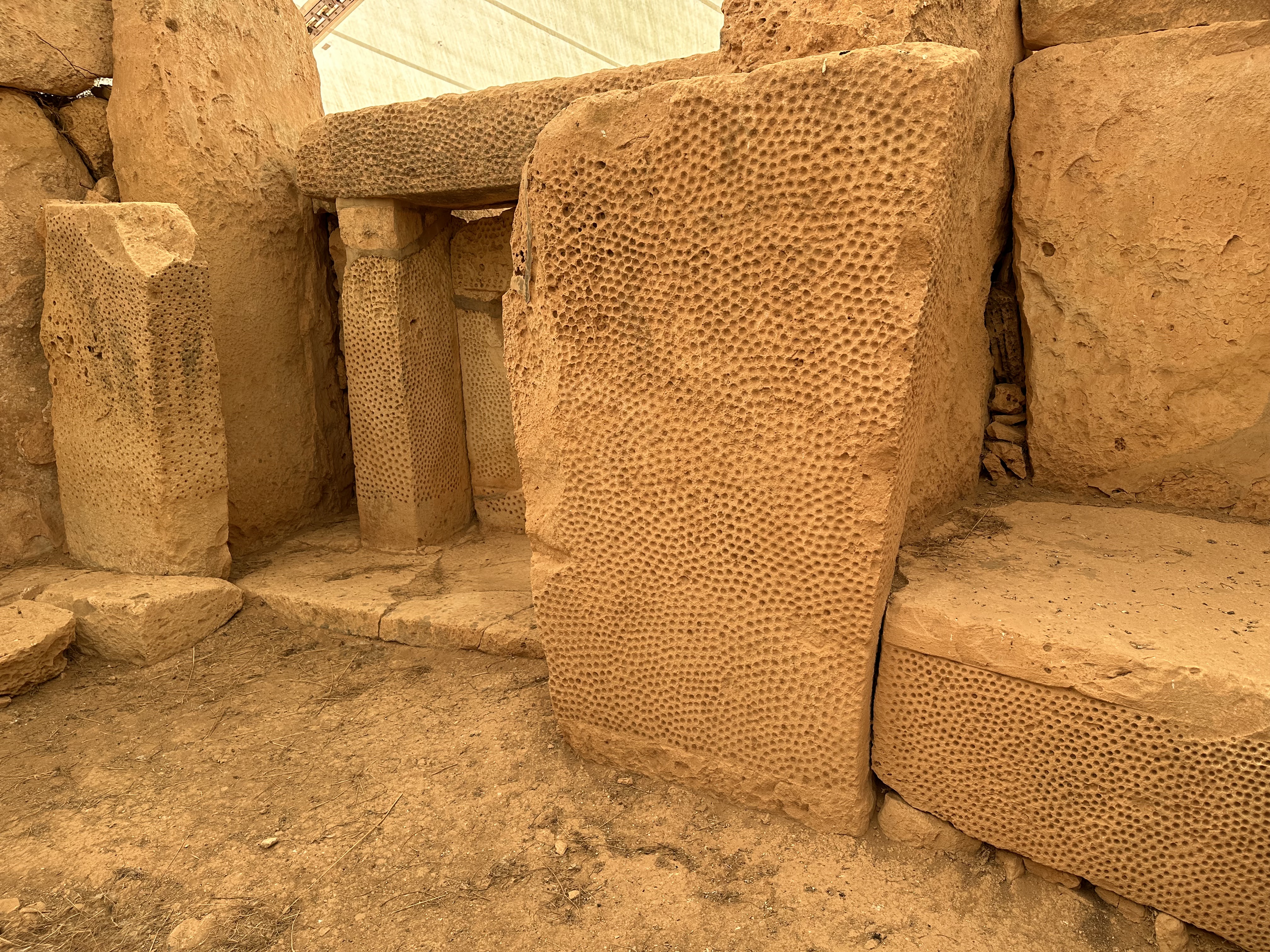
First we learned that there are two kinds of limestone on the island. One is called clobigerina. It is soft for easy carving. The other is Caroline limestone and it is harder. These temples were excavated in 1839 and are thought to have been built to worship a type of fertility goddess. They are about 1000 years older than the pyramids at Giza and Stonehenge.
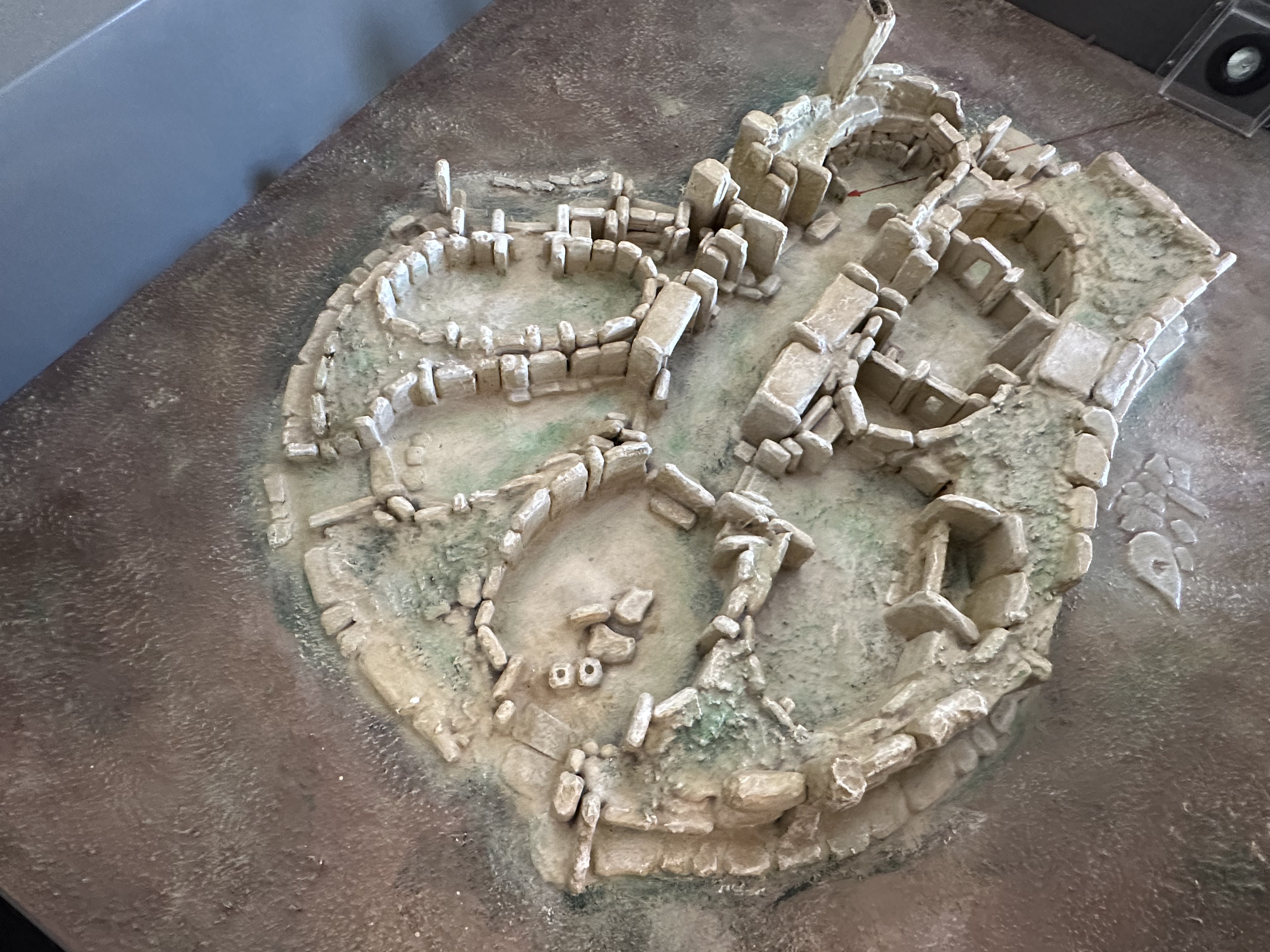
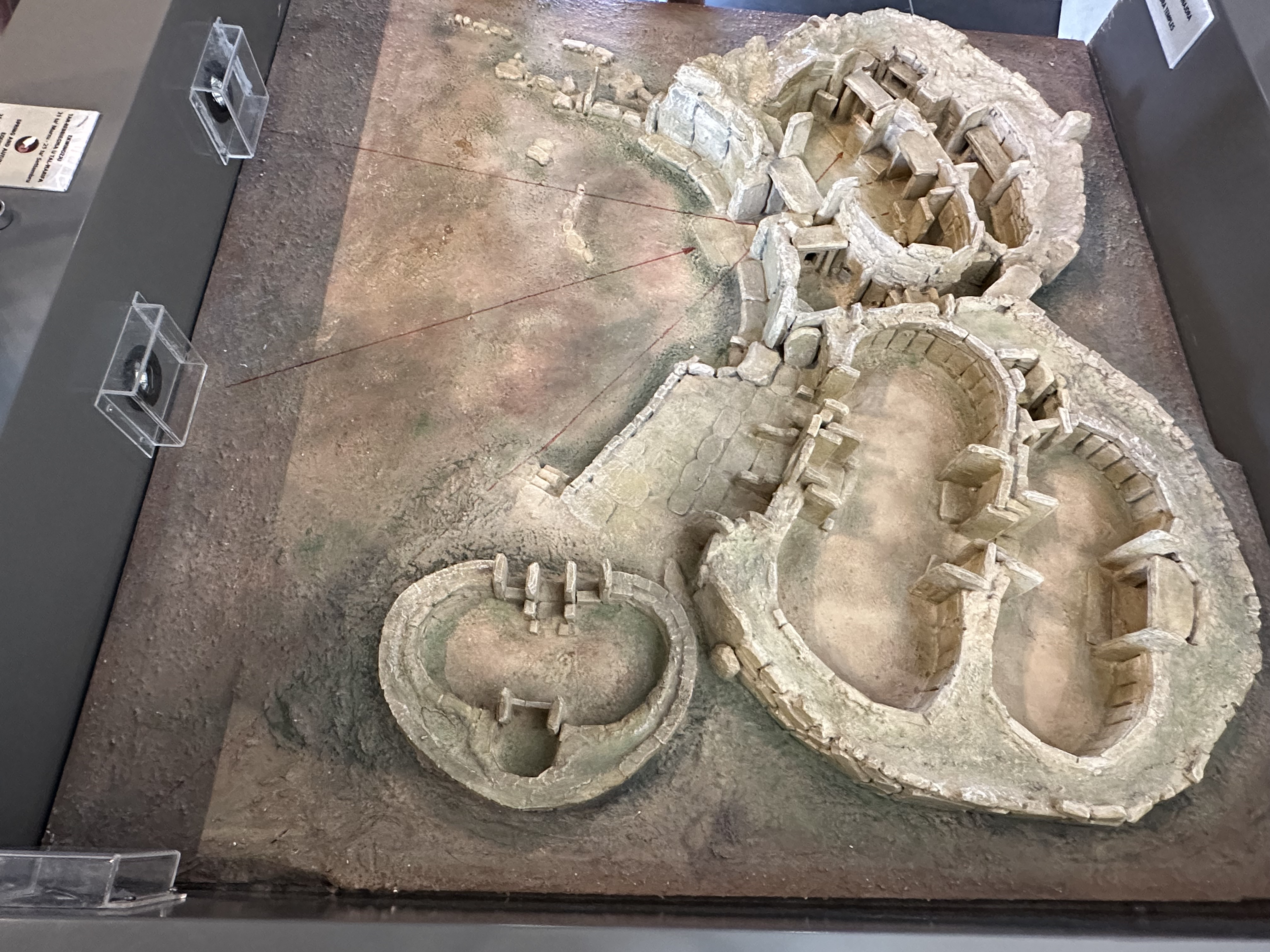
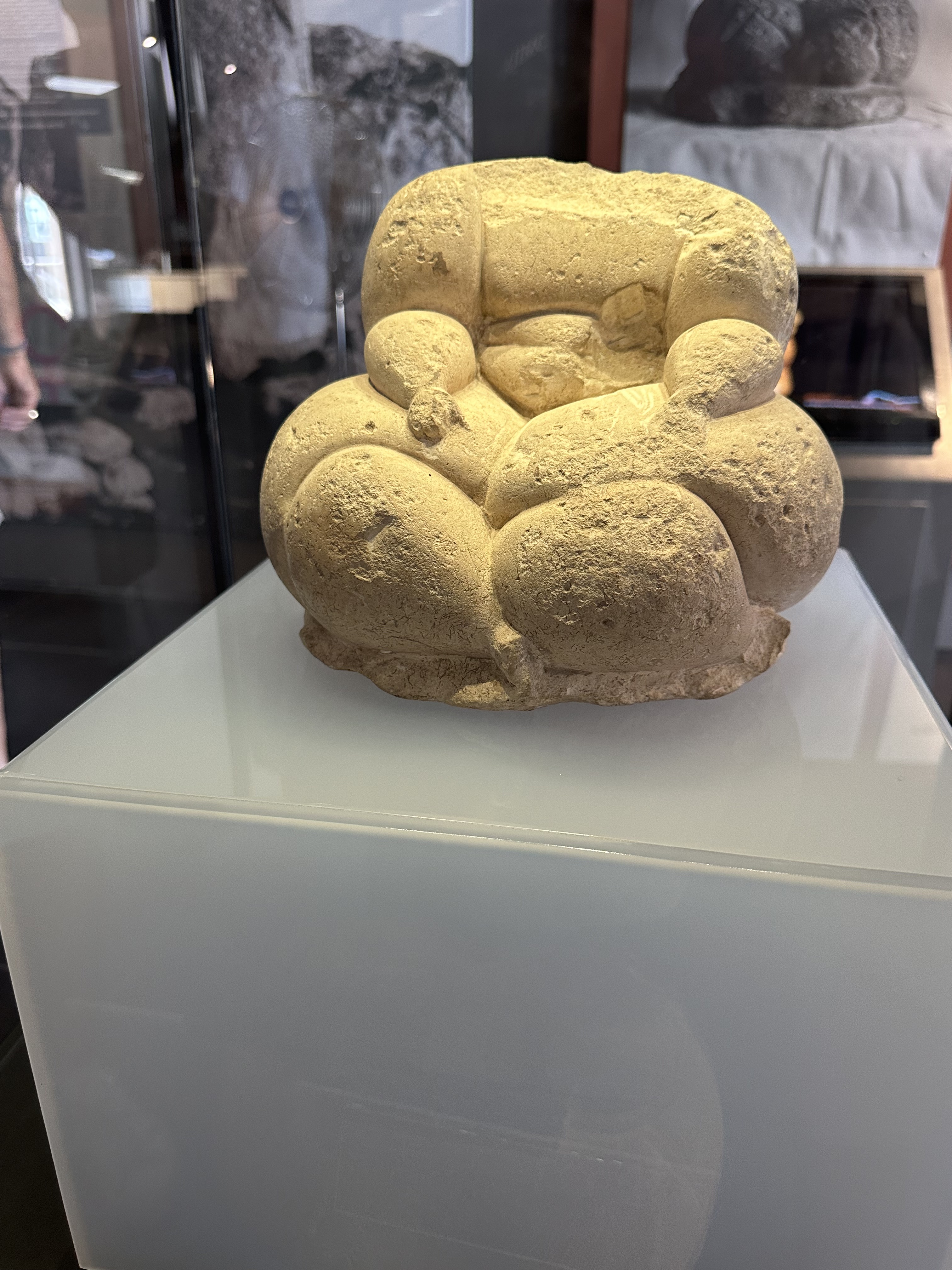
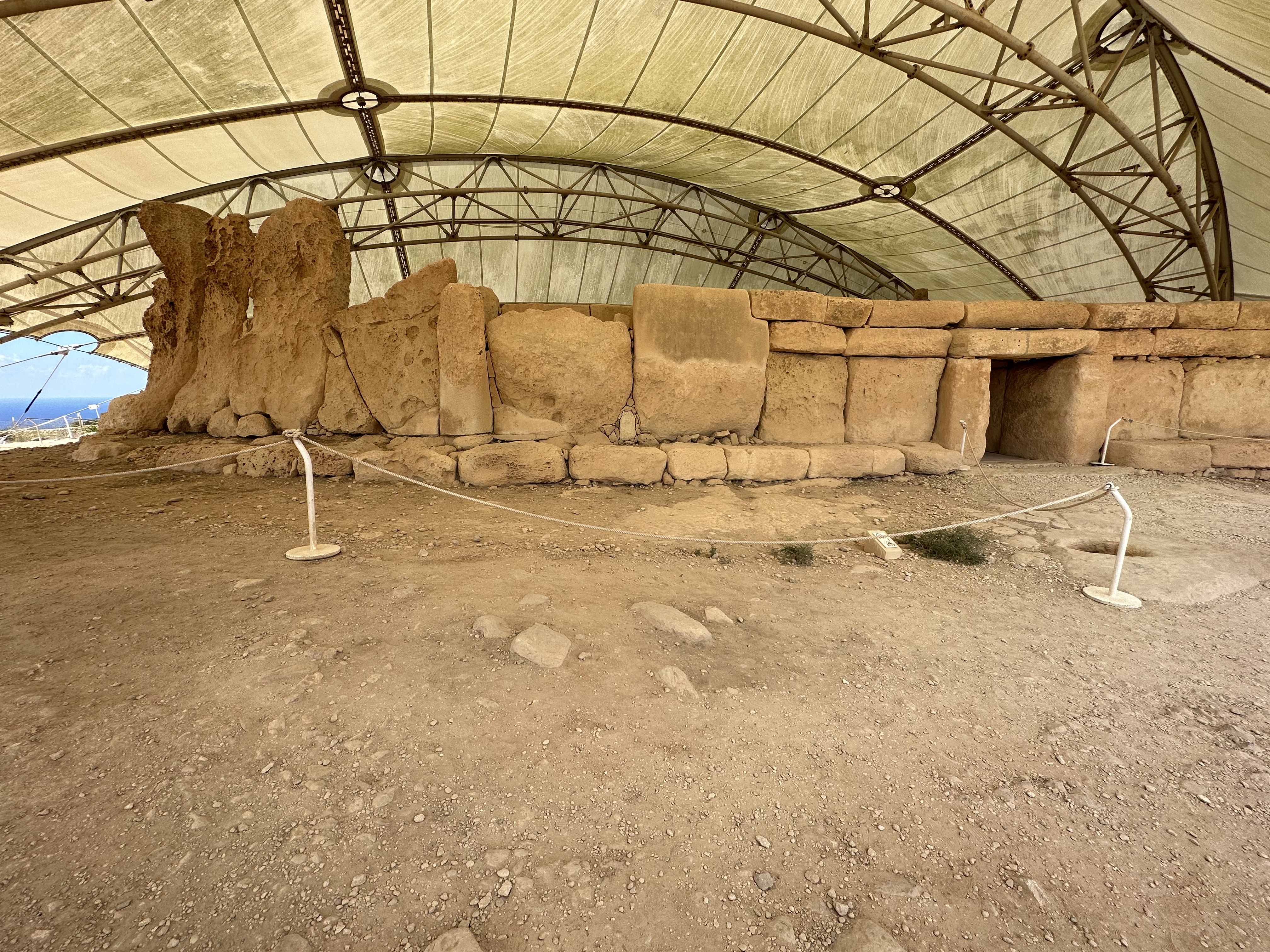
Layout of Hagar Qim TemplesAnother layout of Hagar QimA statute found in Hagar Qim.Hagar Qim under fabric cover.Hagar Qim doorwayAncient Hagar Qim craft workArt from Hagar QimA large room in Hagar QimSome of Hagar Qim extended above the previously unexcavated surface. 20 ton Hagar QIm blockdescription of size. A huge wall at Hagar QimAn entrance to the templeArchitectural drawing from the time Saga Sim was built
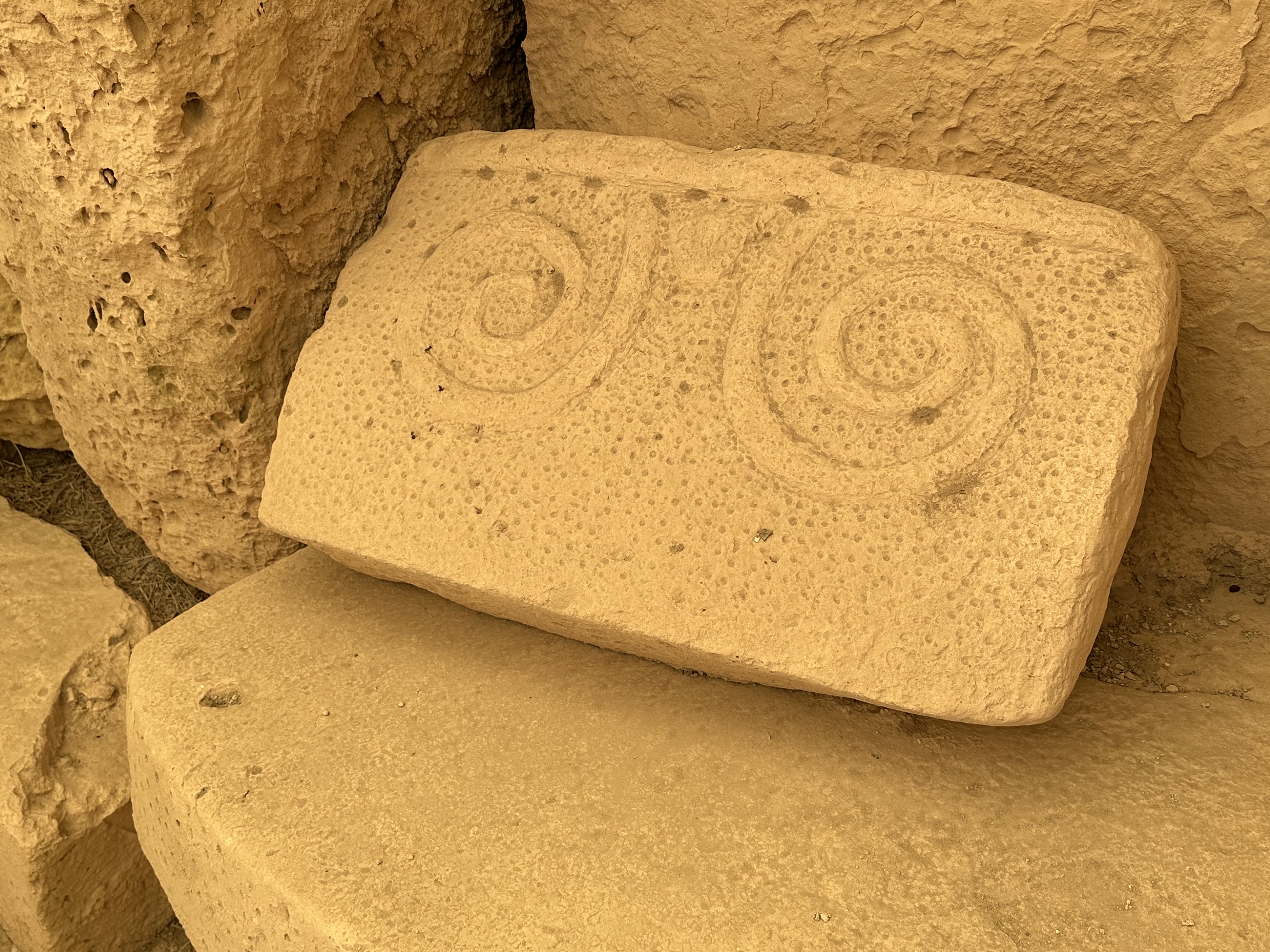
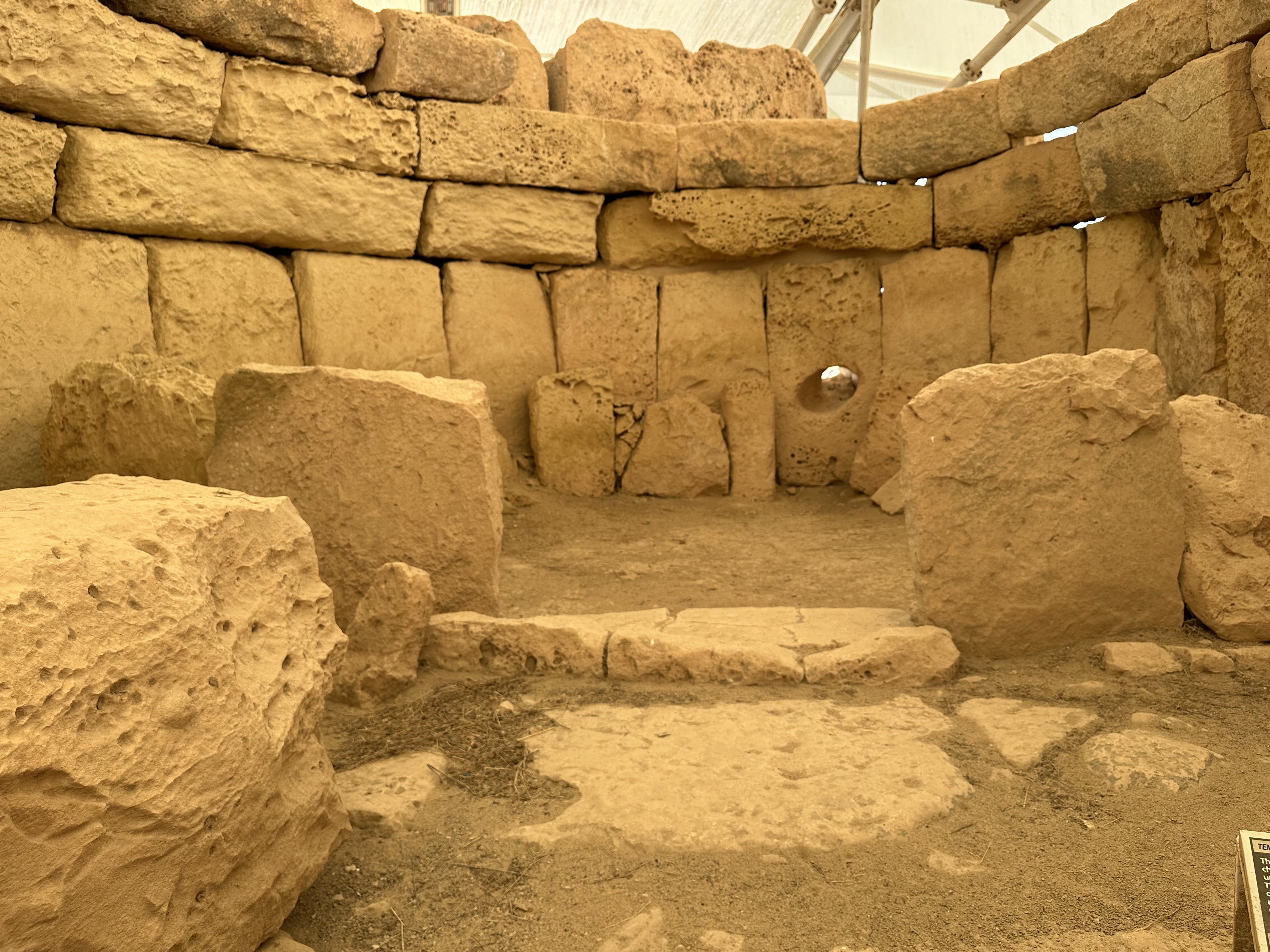
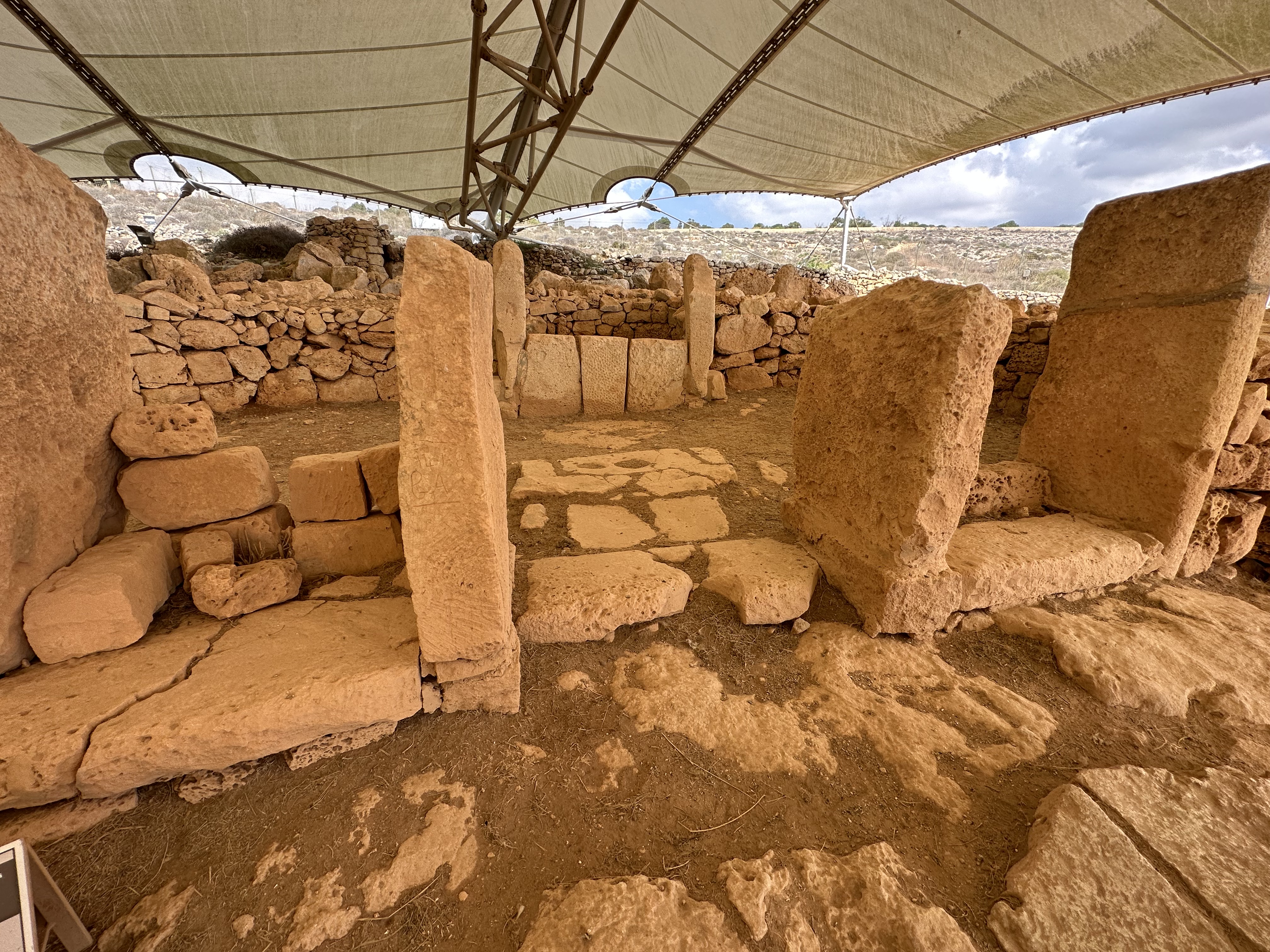
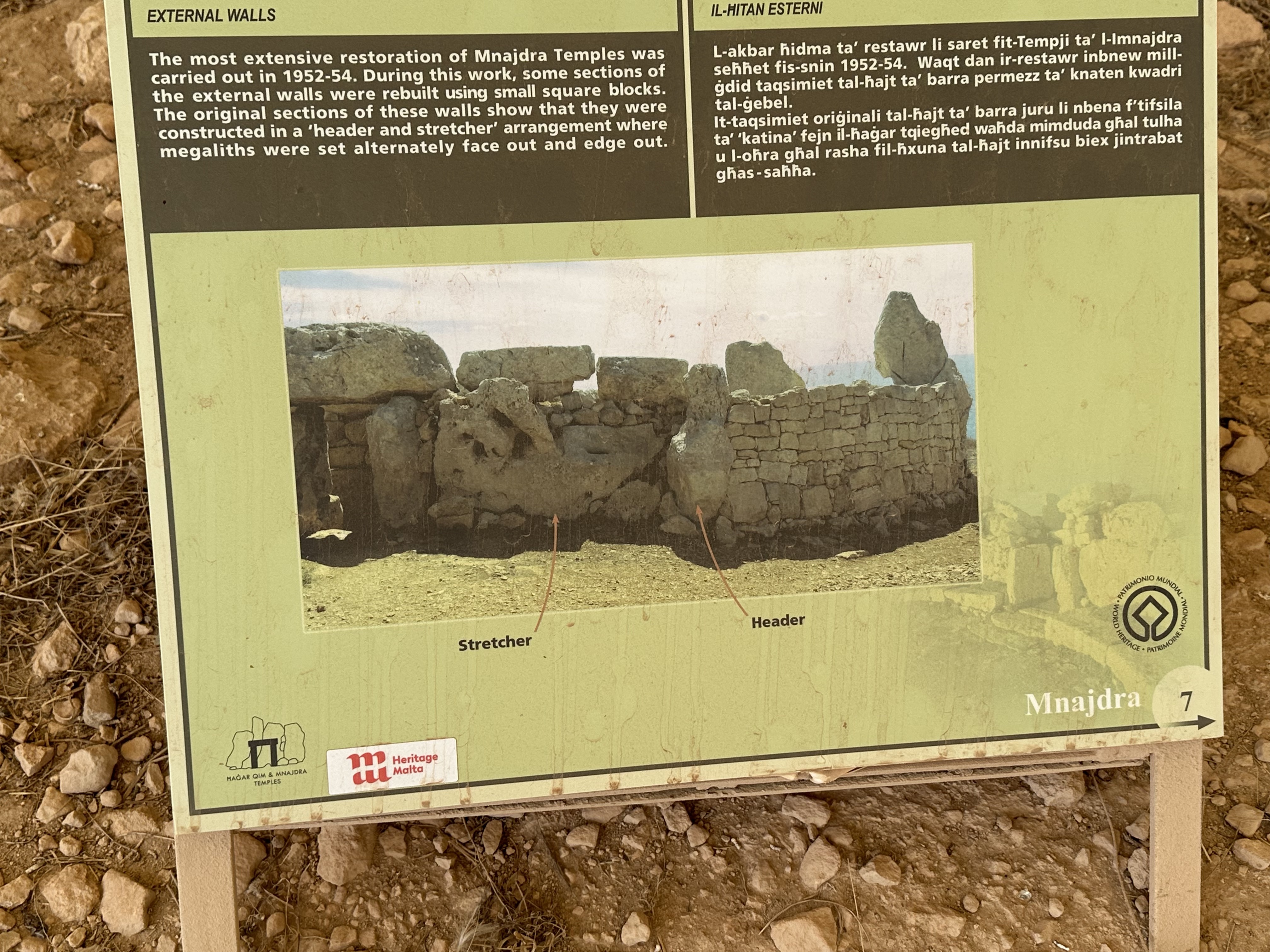
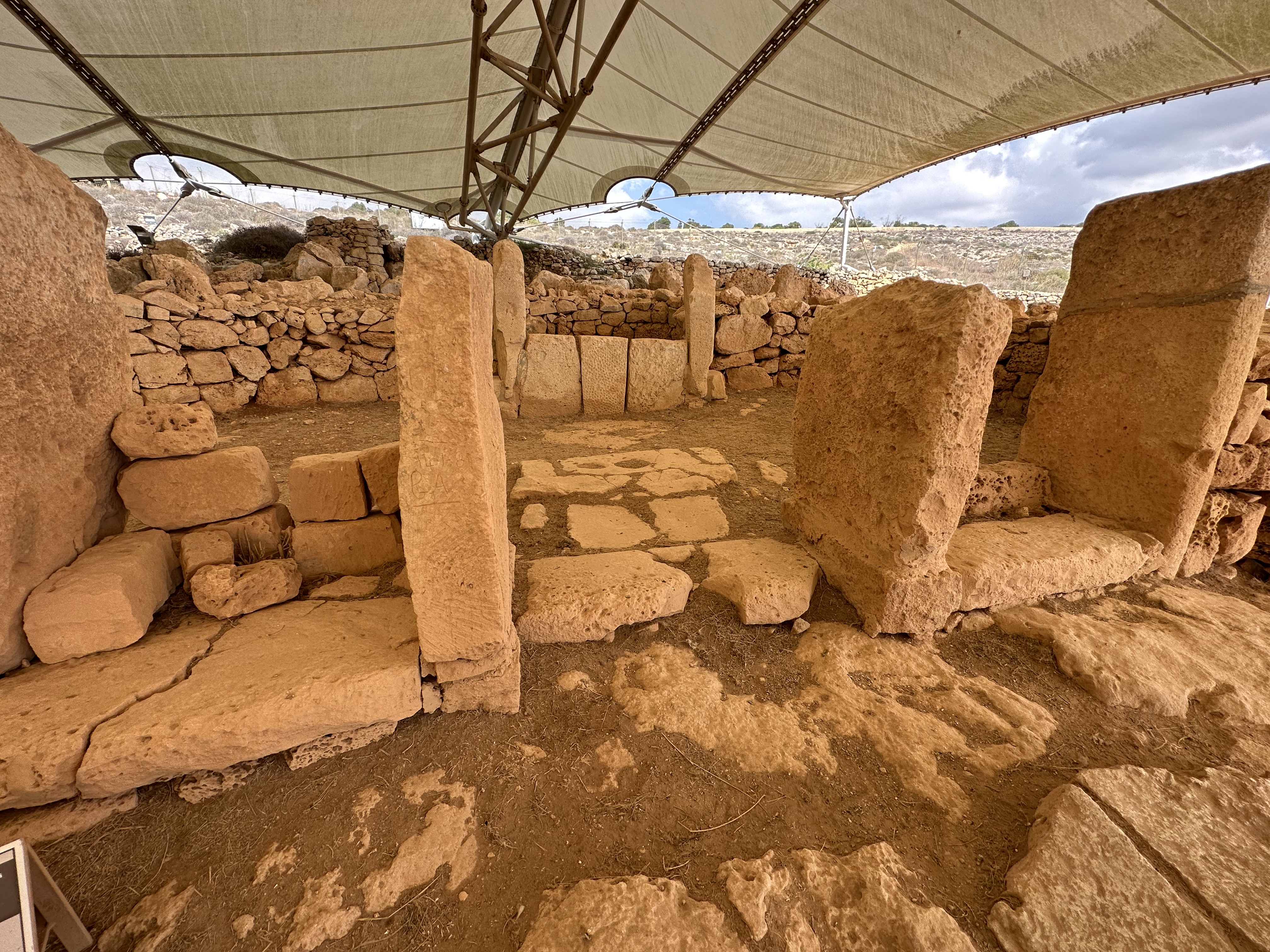
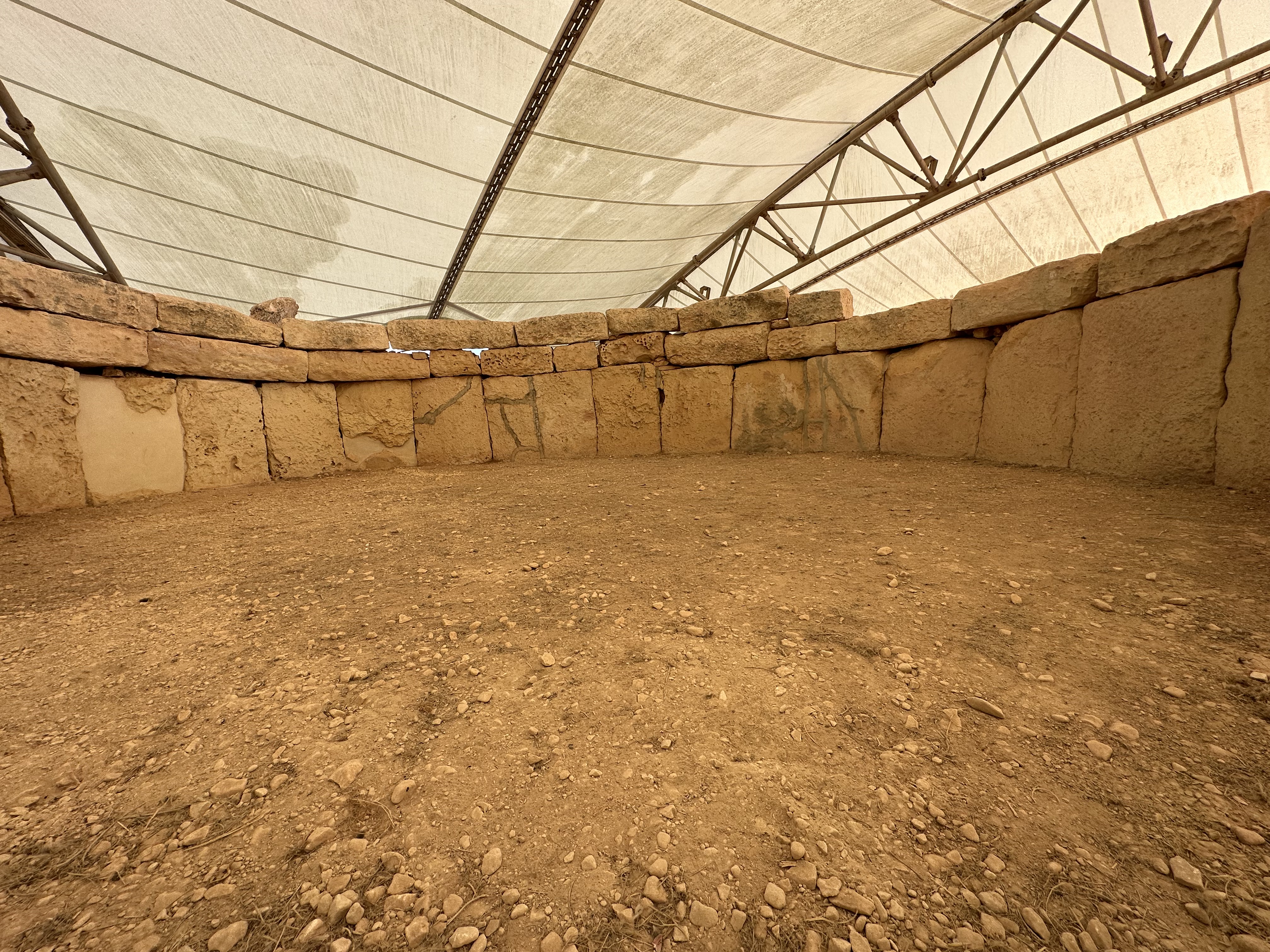
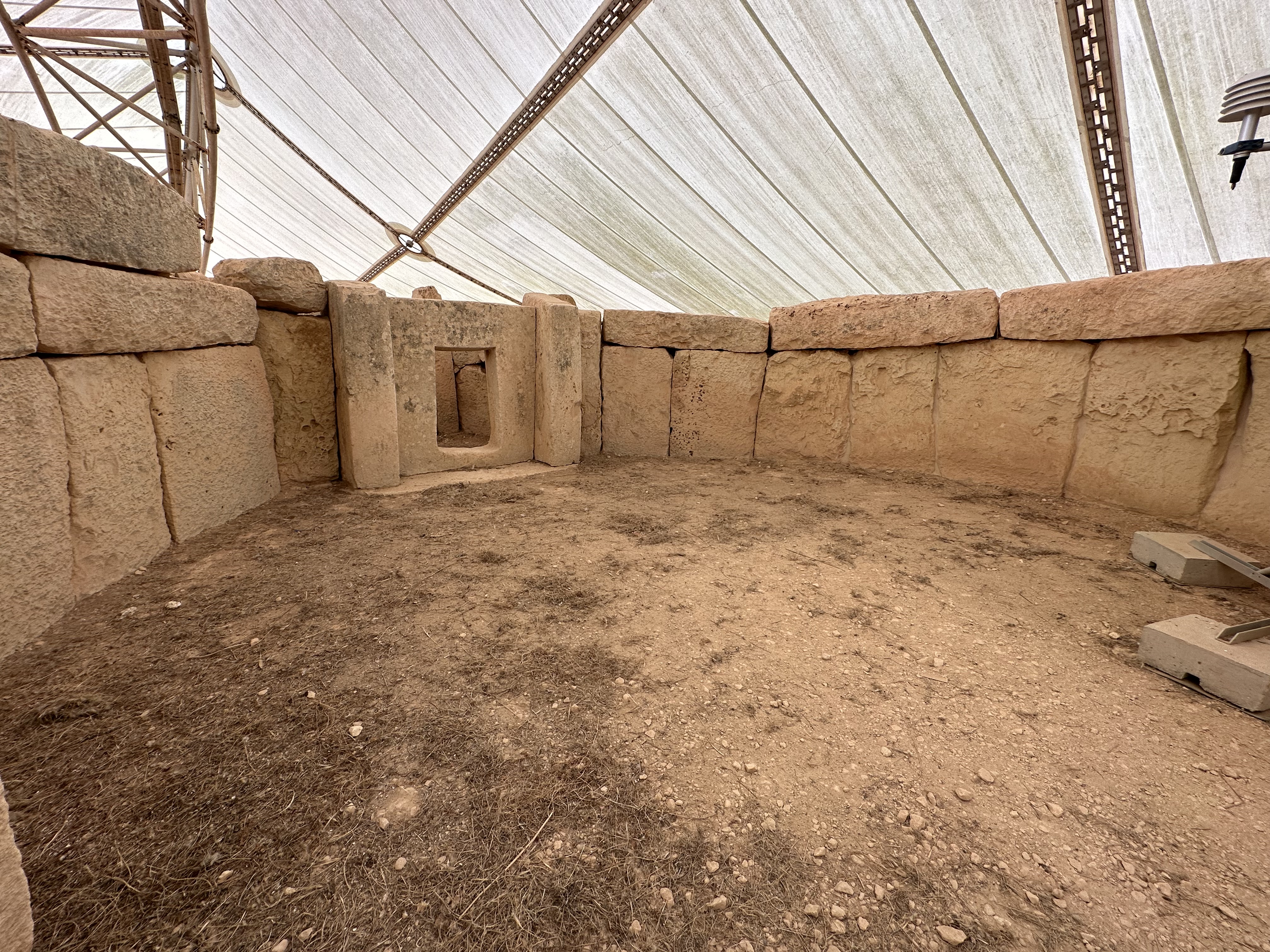
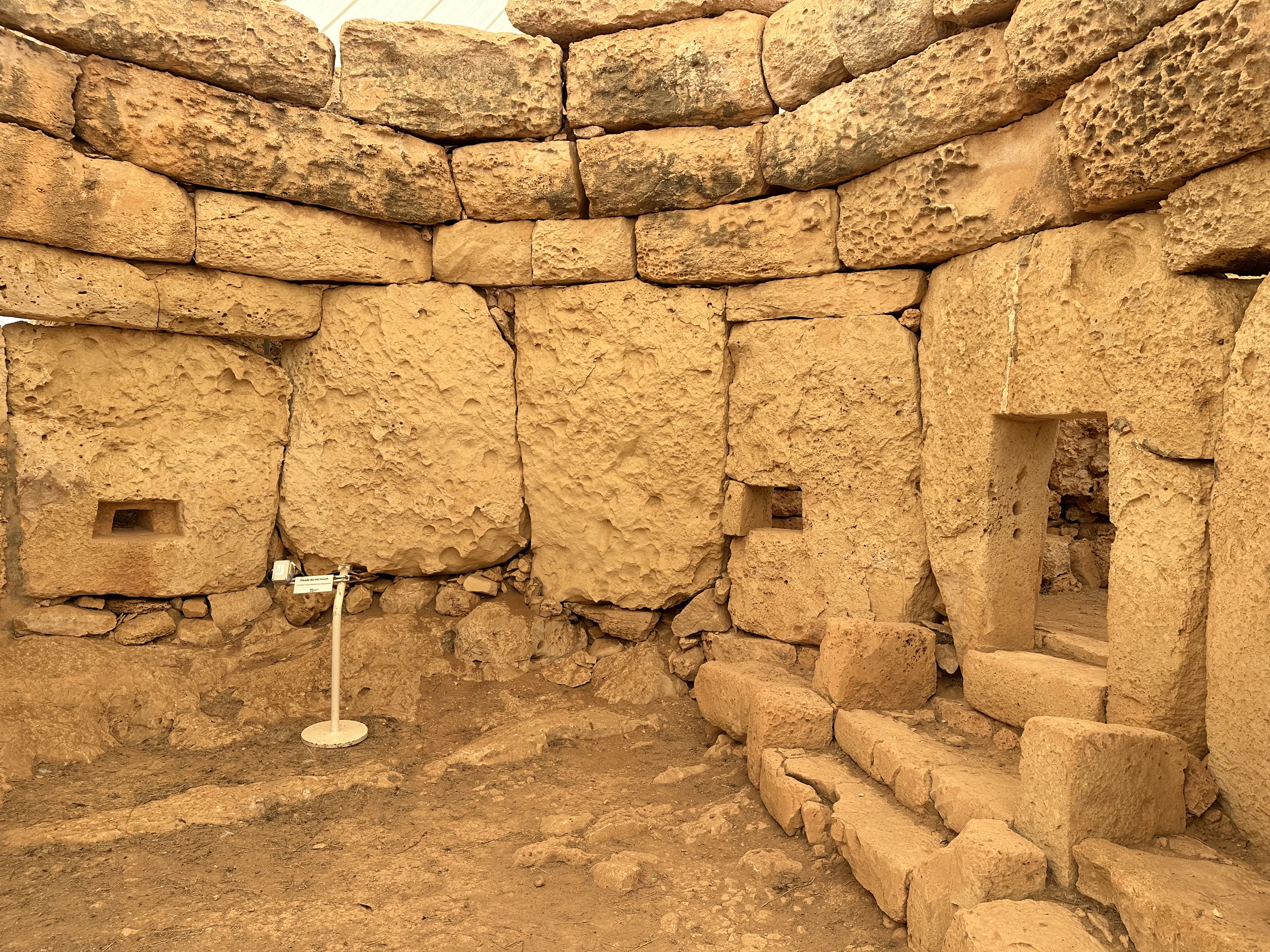
From the Hagar Qim Temple construction we went a short distance to the Minajdra Temples. Very similar in construction and time period. Excavations began in 1952-54
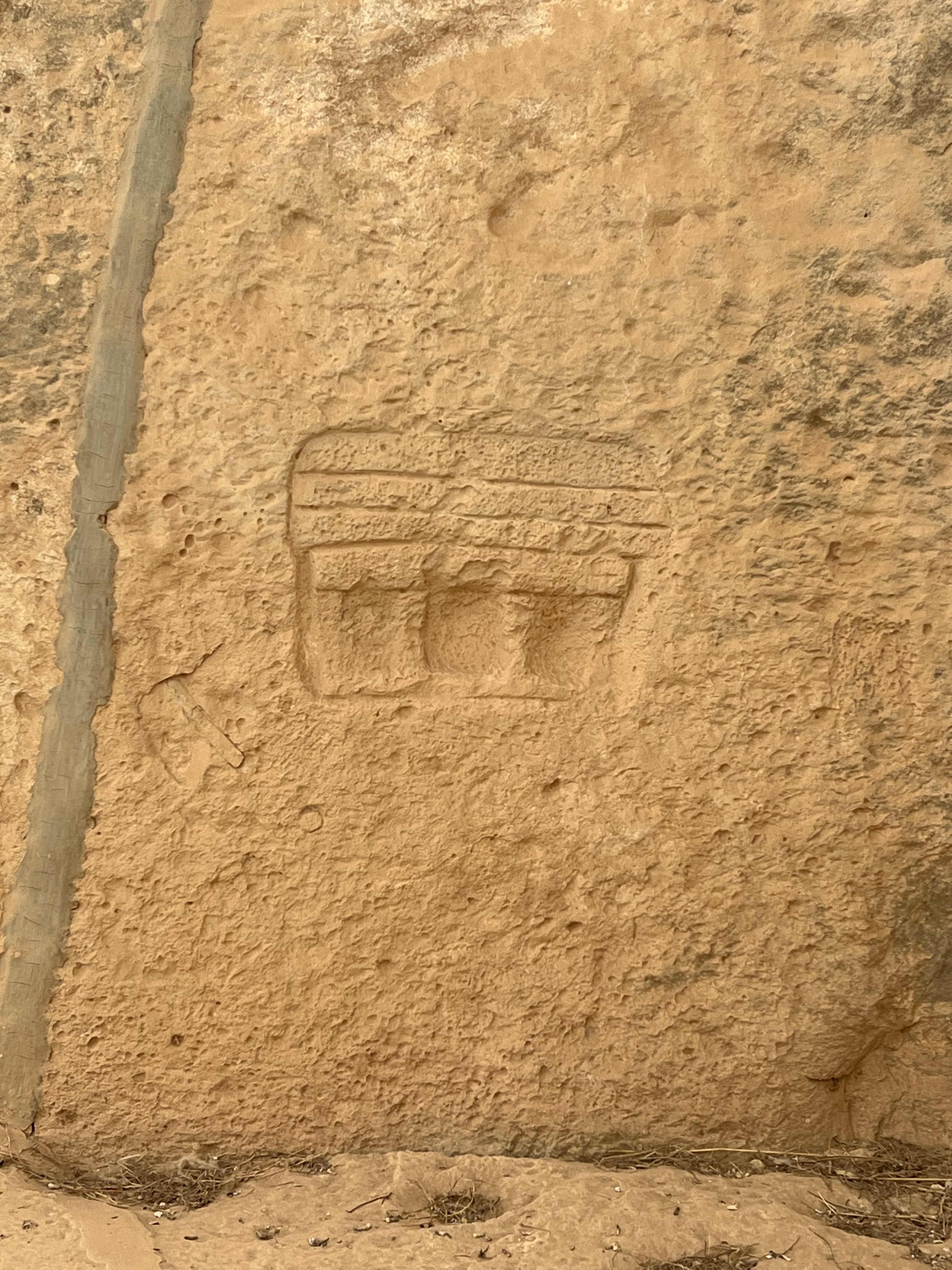
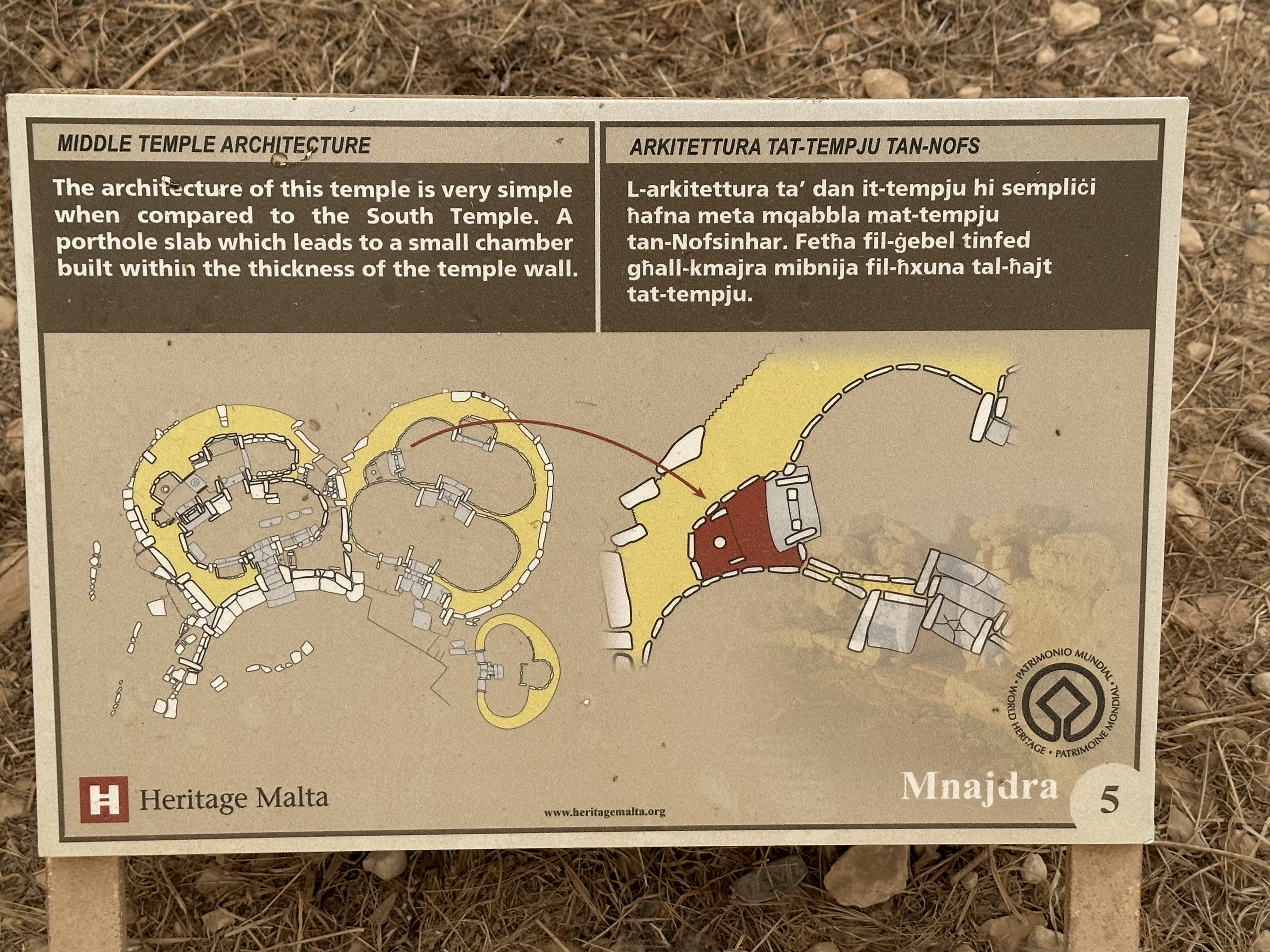
Inside Mnajdra TempleA carved stone in MnajdraA large room in the templeAnother large room with a door in the backAn entrance that has been broken.Layout of the Mnajdra temple.This image shows the architecture of the temples More architectural elementsArt on a large stone in the temple.
For neolithic cultures without a written language and so many centuries ago, the work is remarkable. I wonder what they must have been like, how they lived and where did they go? Archeologists seem to have learned all they can with so little remains to study. Will more details come to light? Who knows?
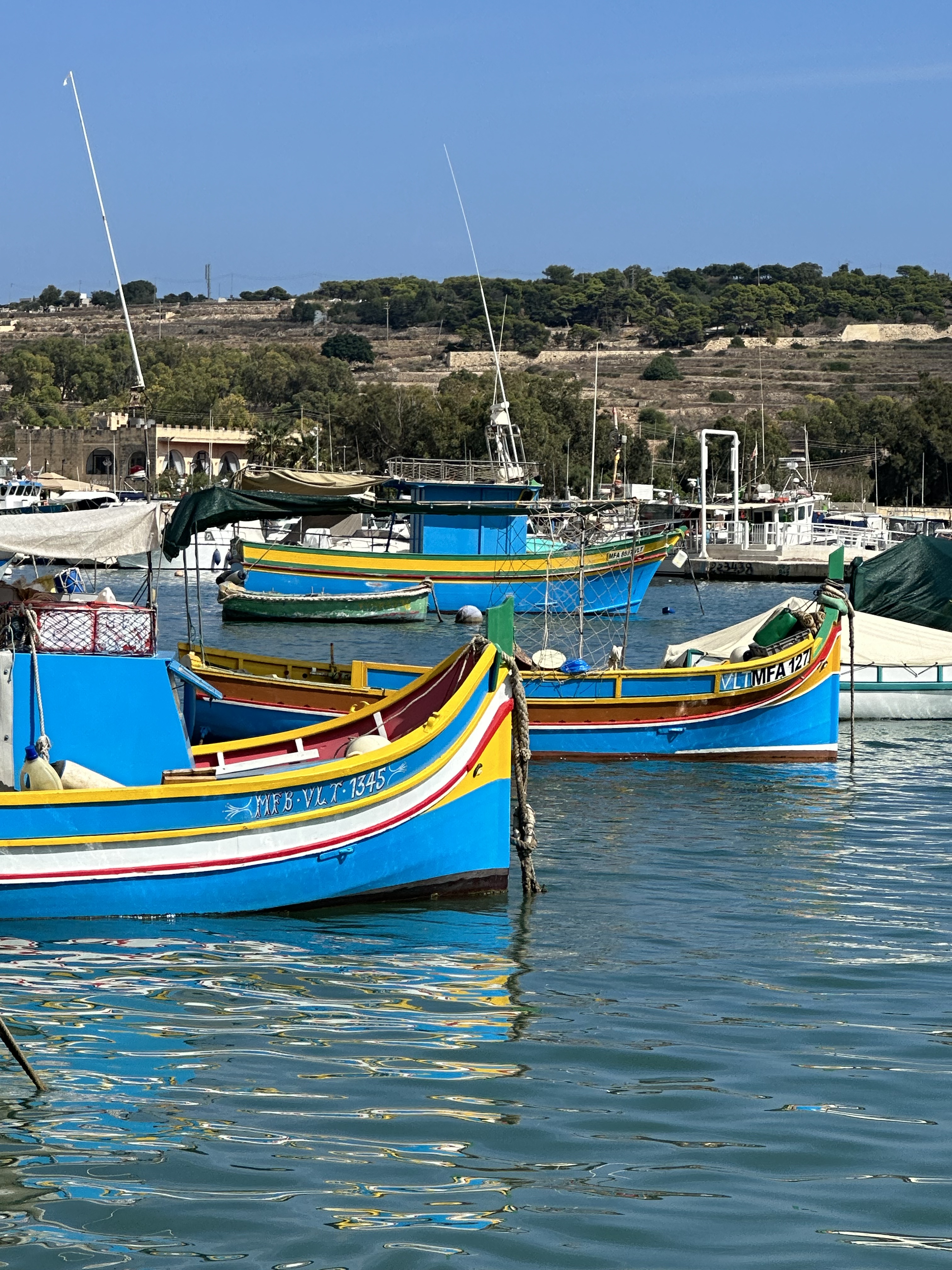
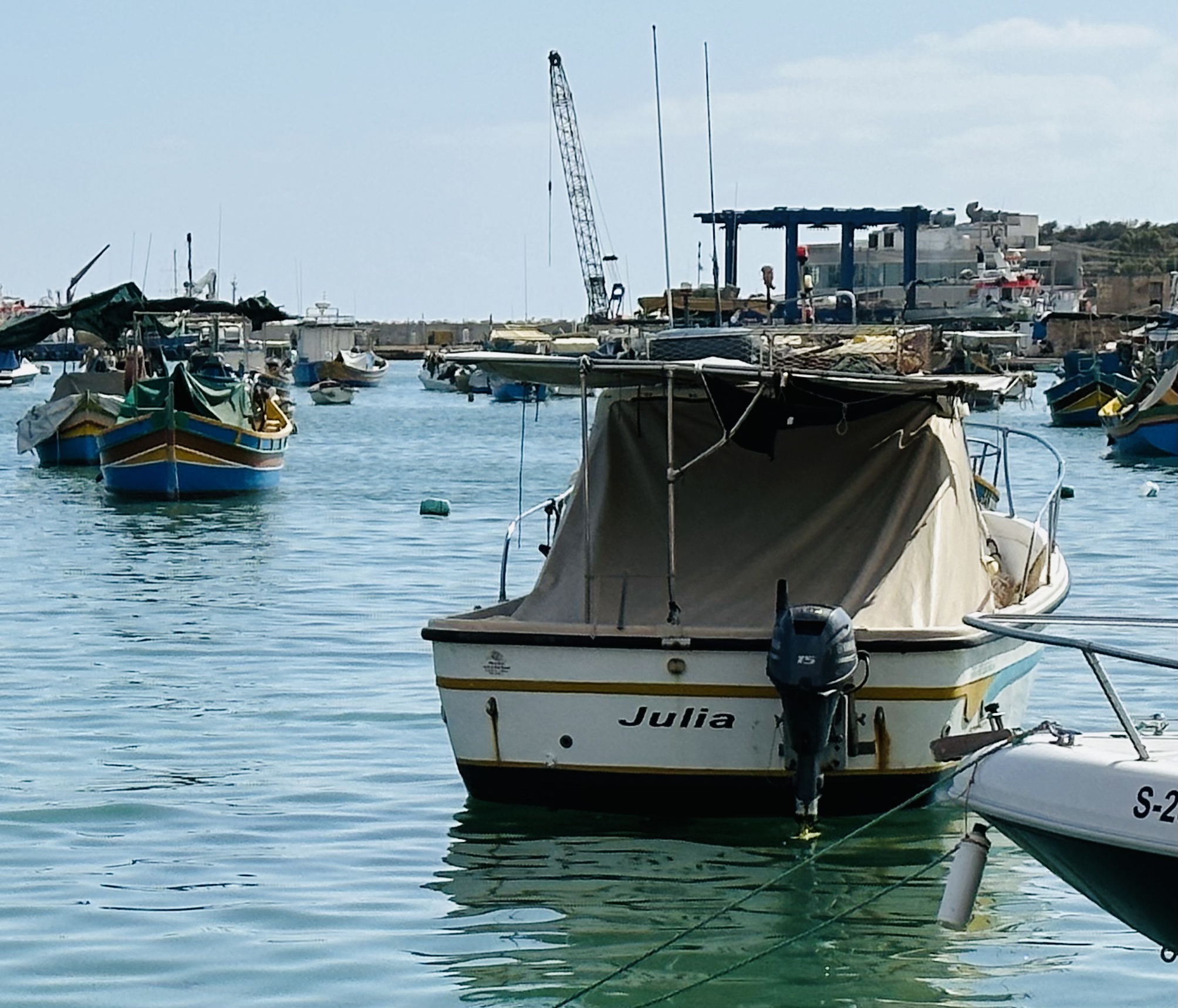
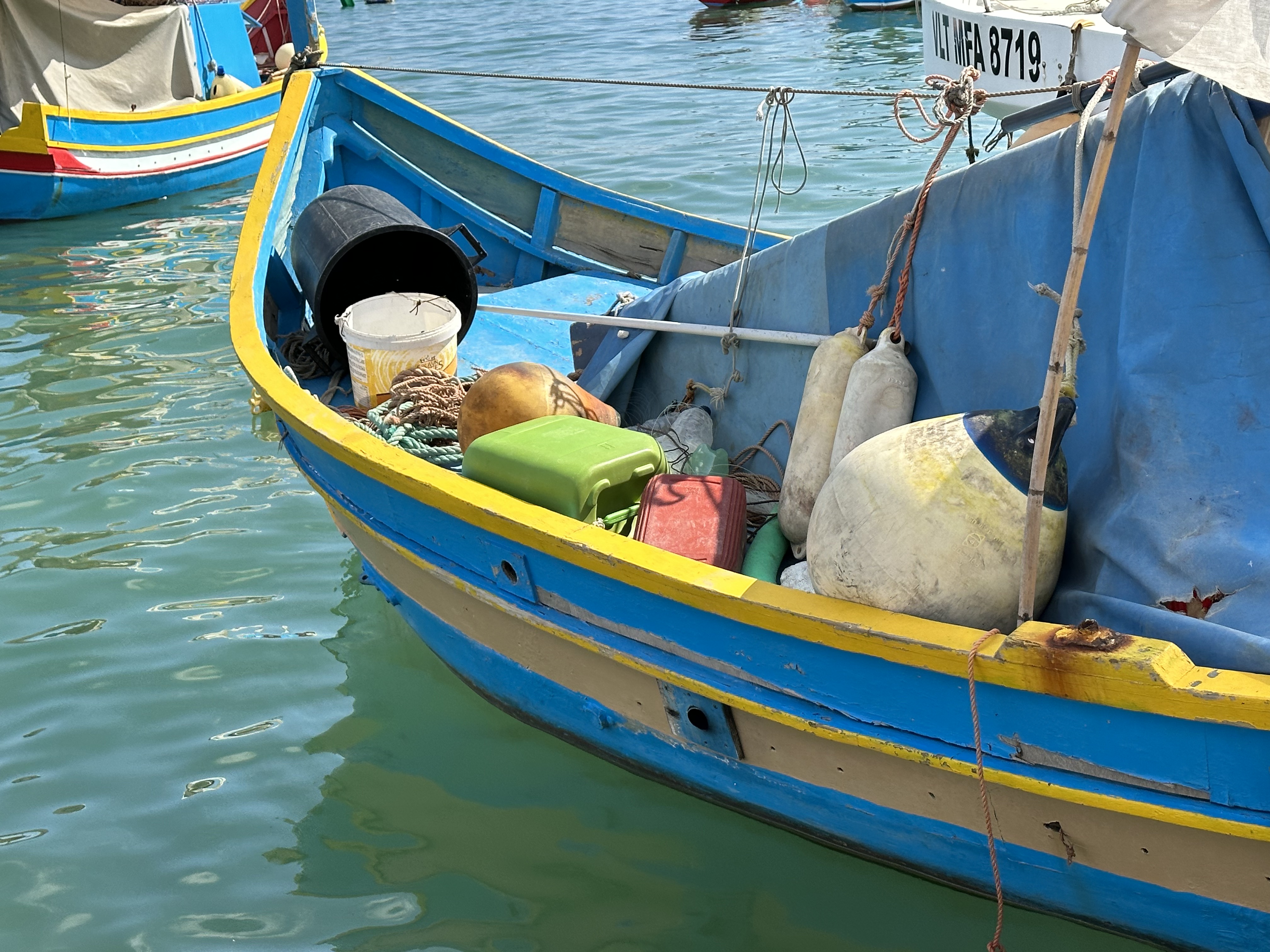
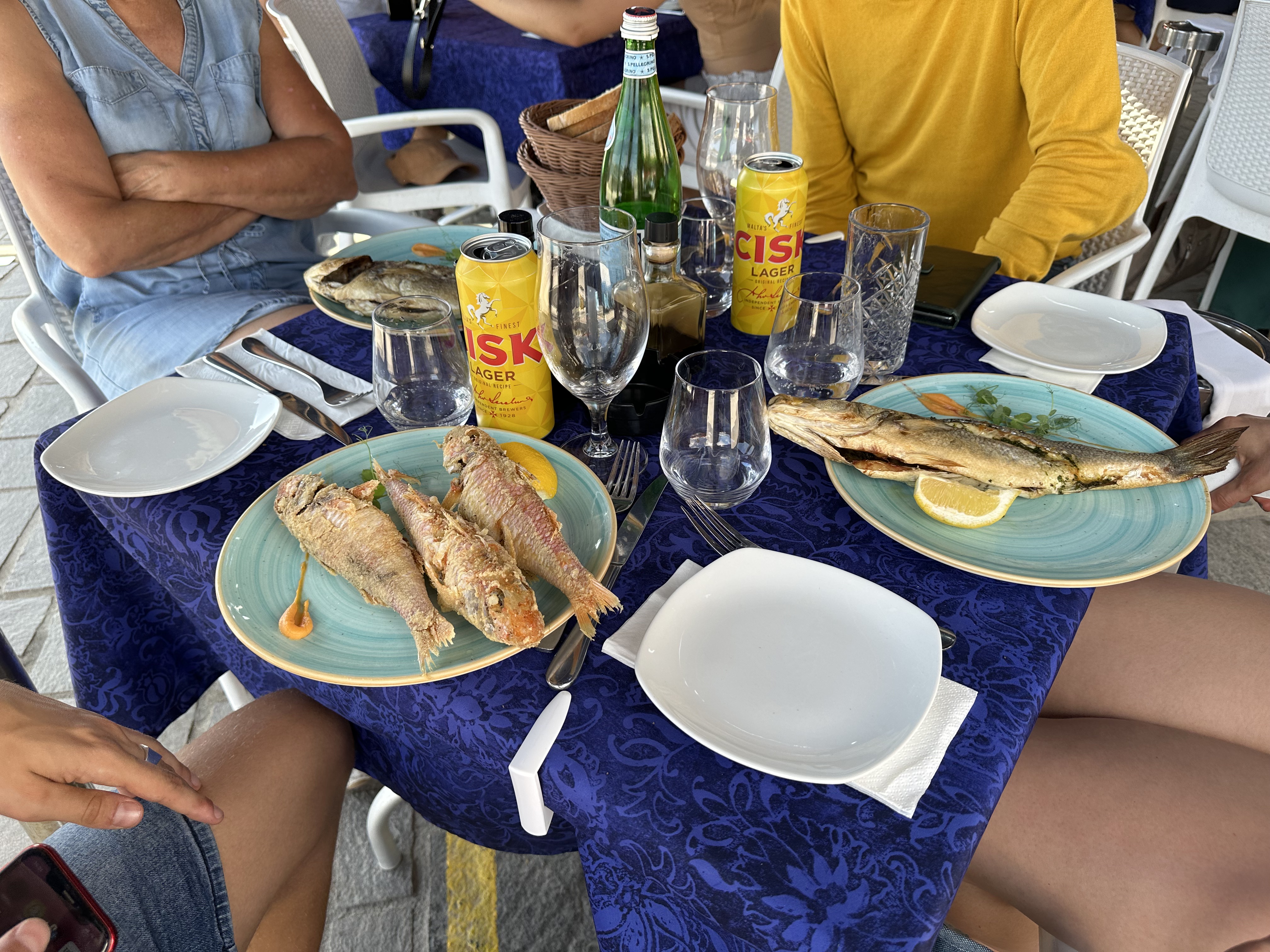
On our way back to Valletta, we stopped at the largest fishing village in Malta, called Marsaxlokk, to have some fresh fish. The colored boats in the port are called “Luzzu” and are Maltese traditional boats. They have small eyes painted on their bow that are supposed to protect the fishermen and bring them good luck. We acth ordered a different fish and enjoyed a fine repast.
Back at the hotel, we were all done in. We had seen and learned so much. Tomorrow we take the ferry to Gozo . More to see there.
My travel experience began at 19 when I was an exchange student to Germany. After college I wanted to travel, but had no money so the natural choice was to become a stewardess. I was hired by World Airways and traveled all over the world on the non-scheduled carrier. It was exciting and wonderful and made me want to keep traveling even after I quit the airborne waitress business. At one point I realized that I liked flying as much as I liked traveling and earned my pilot's license at the age of 30. Since then I fly and travel as much and as often as possible. I used to write about my early travels in long hand but they were not legible. Now, with the aid of this computer, I am able to share my experiences. I hope you enjoy them.






















 Adventures with Julia