
Tuesday, July 9, 2024
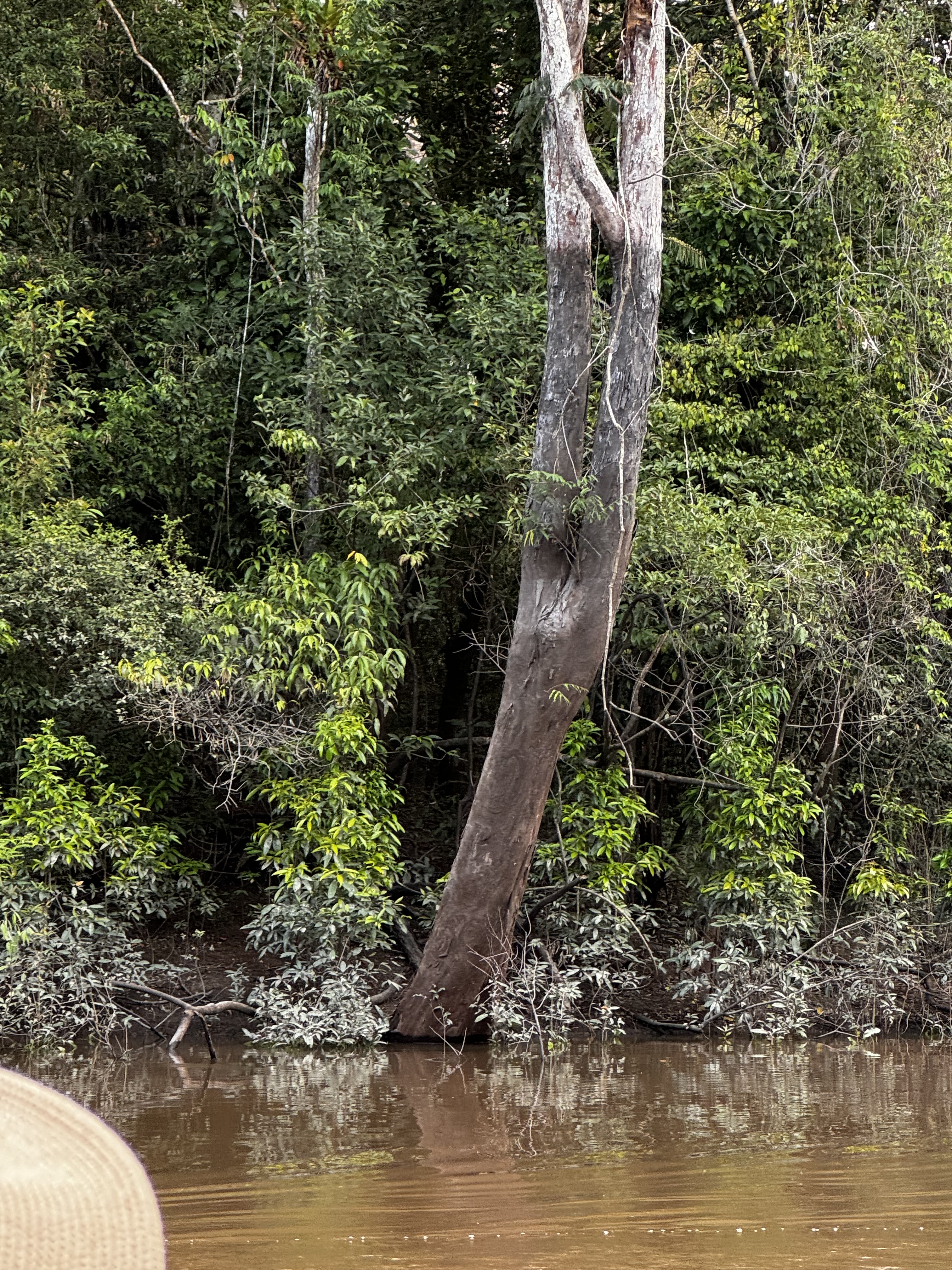
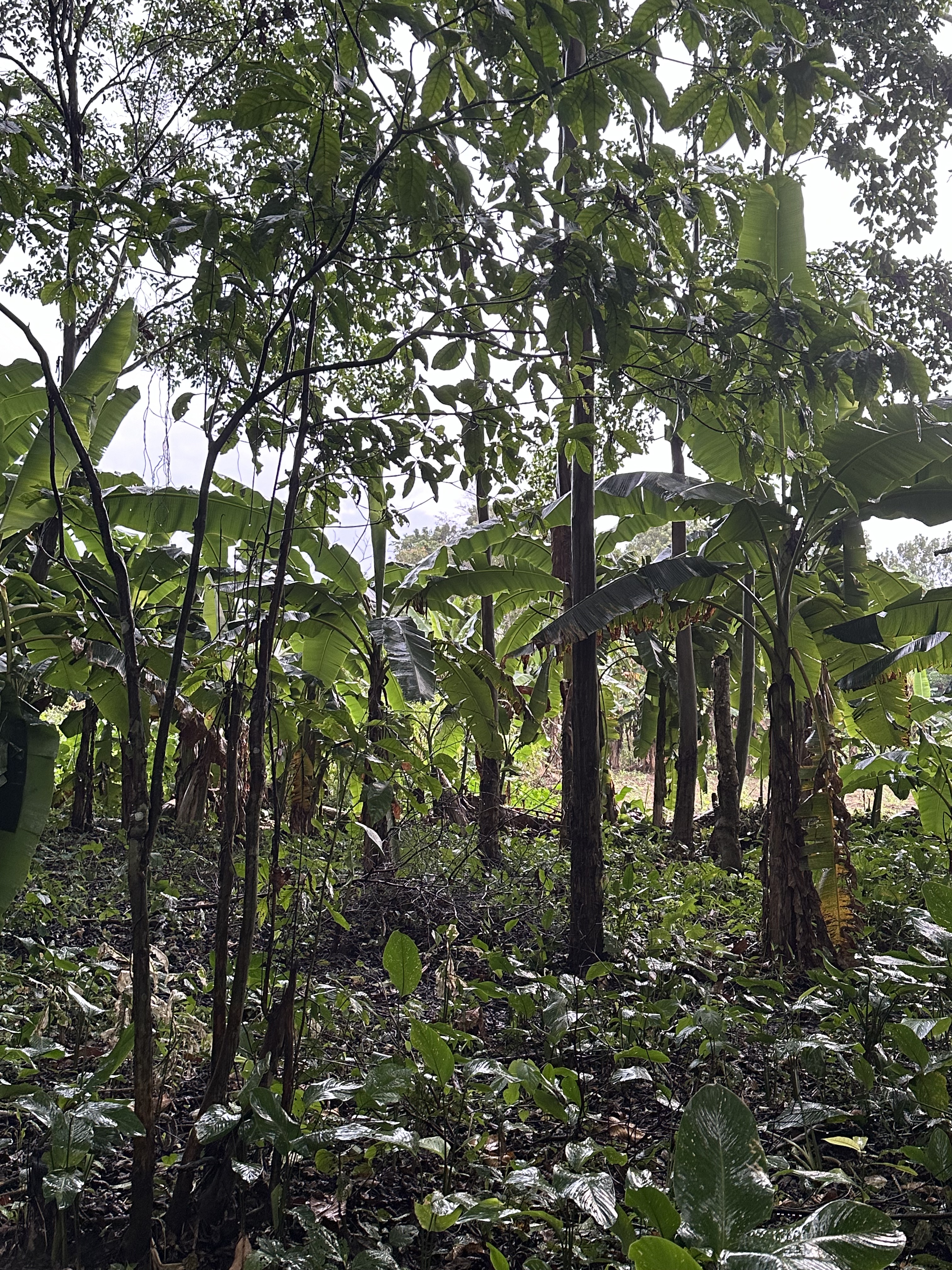
Yesterday afternoon at about 4pm, the whole group went for a jungle walk near where the boat was parked. We were required to wear knee high rubber boots, which were provided. Long sleeved shirts and long pants were strongly suggested as well as mosquito repellent. Mark and I did not comply with the clothing, although we did use the rubber boots. We lucked out. There were no bugs and the forest was not hot.
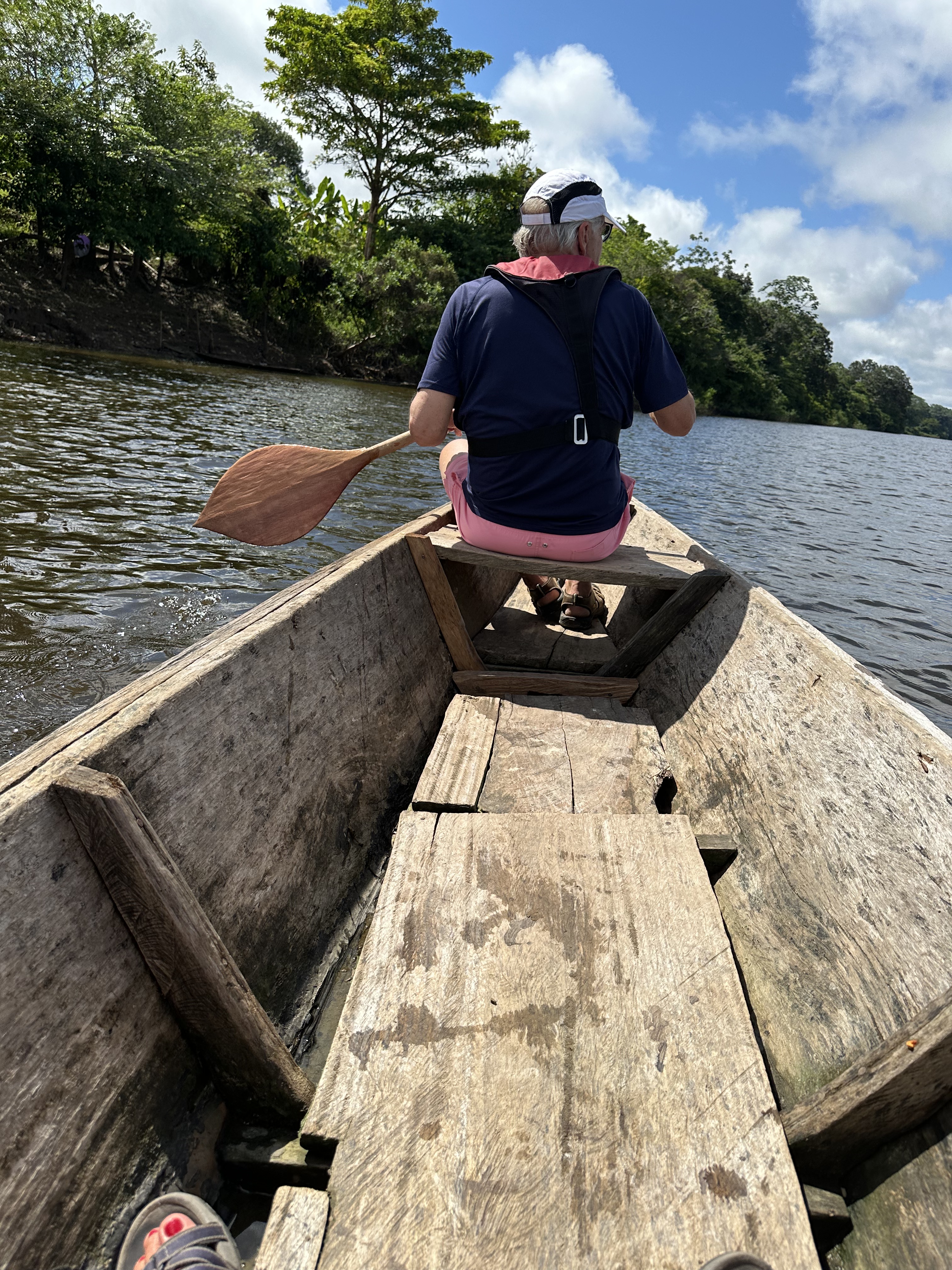
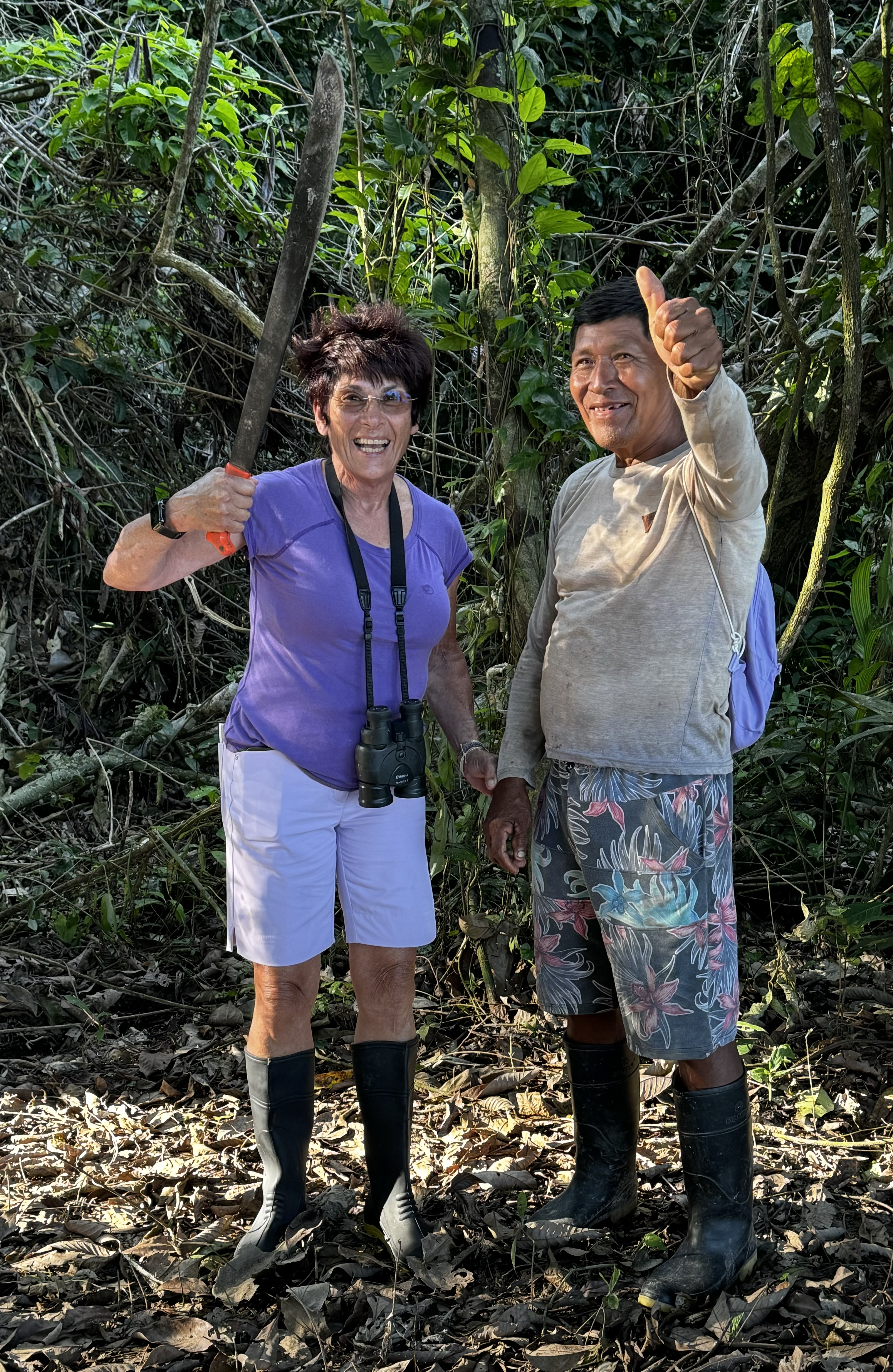
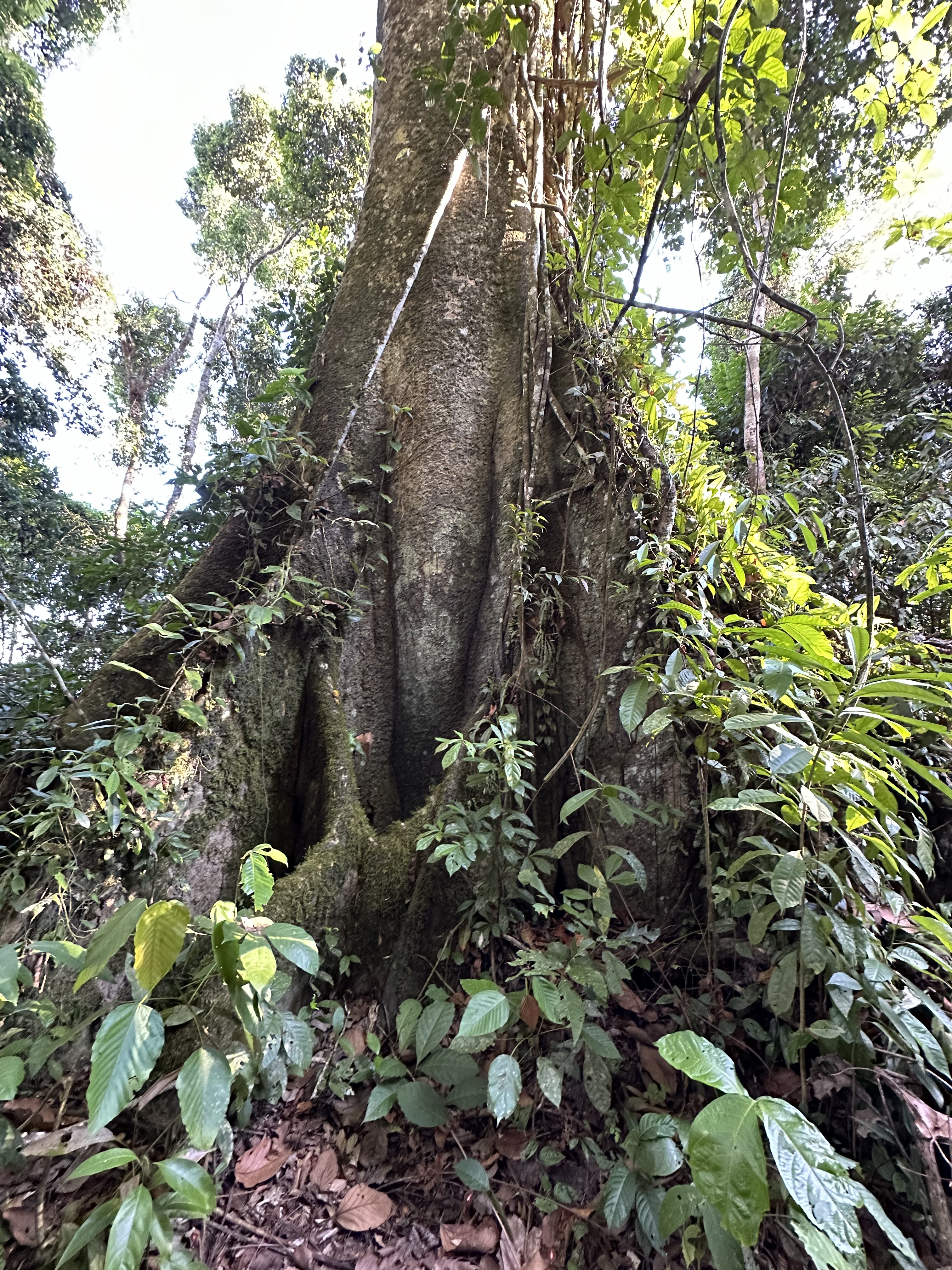
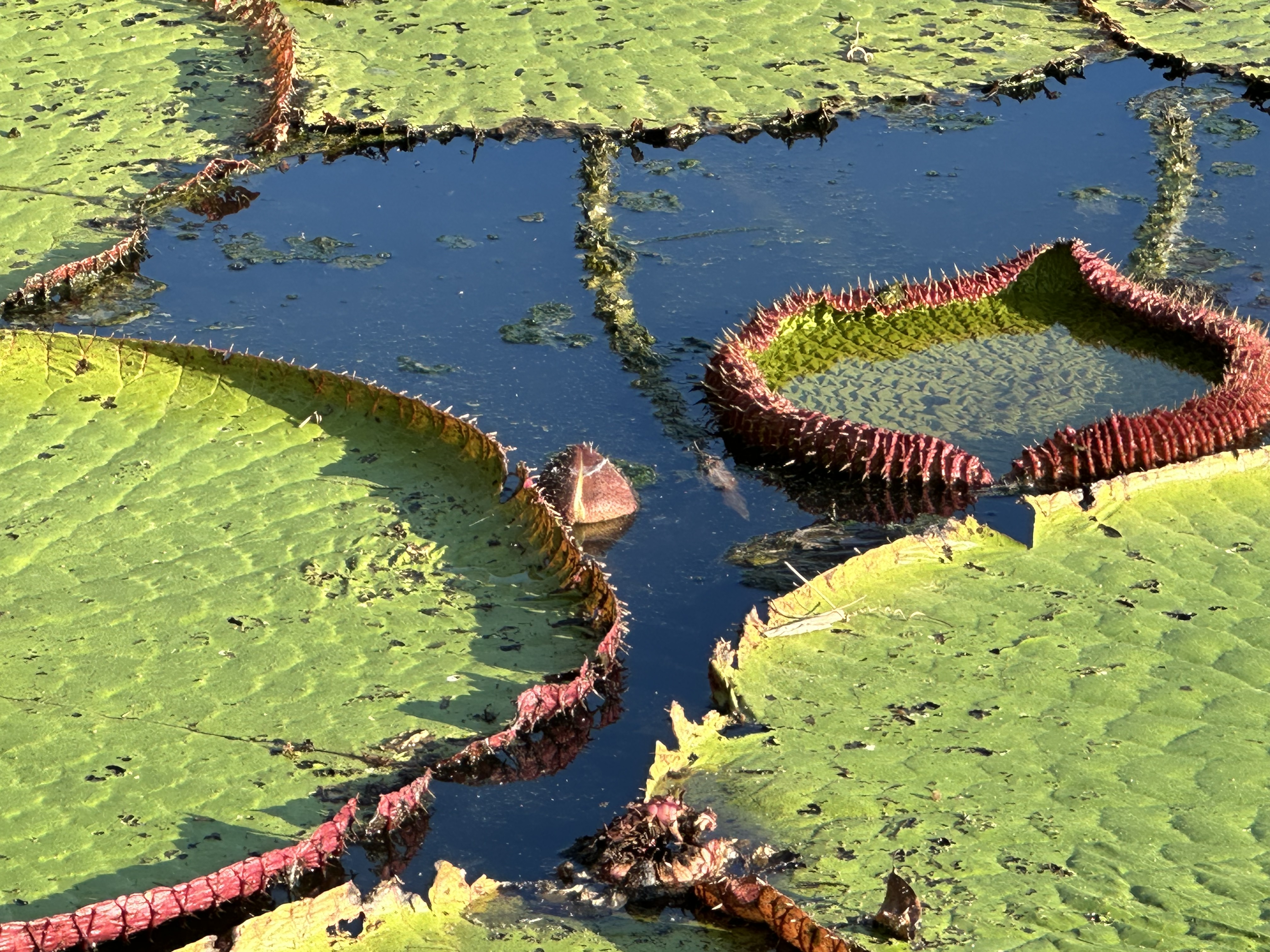
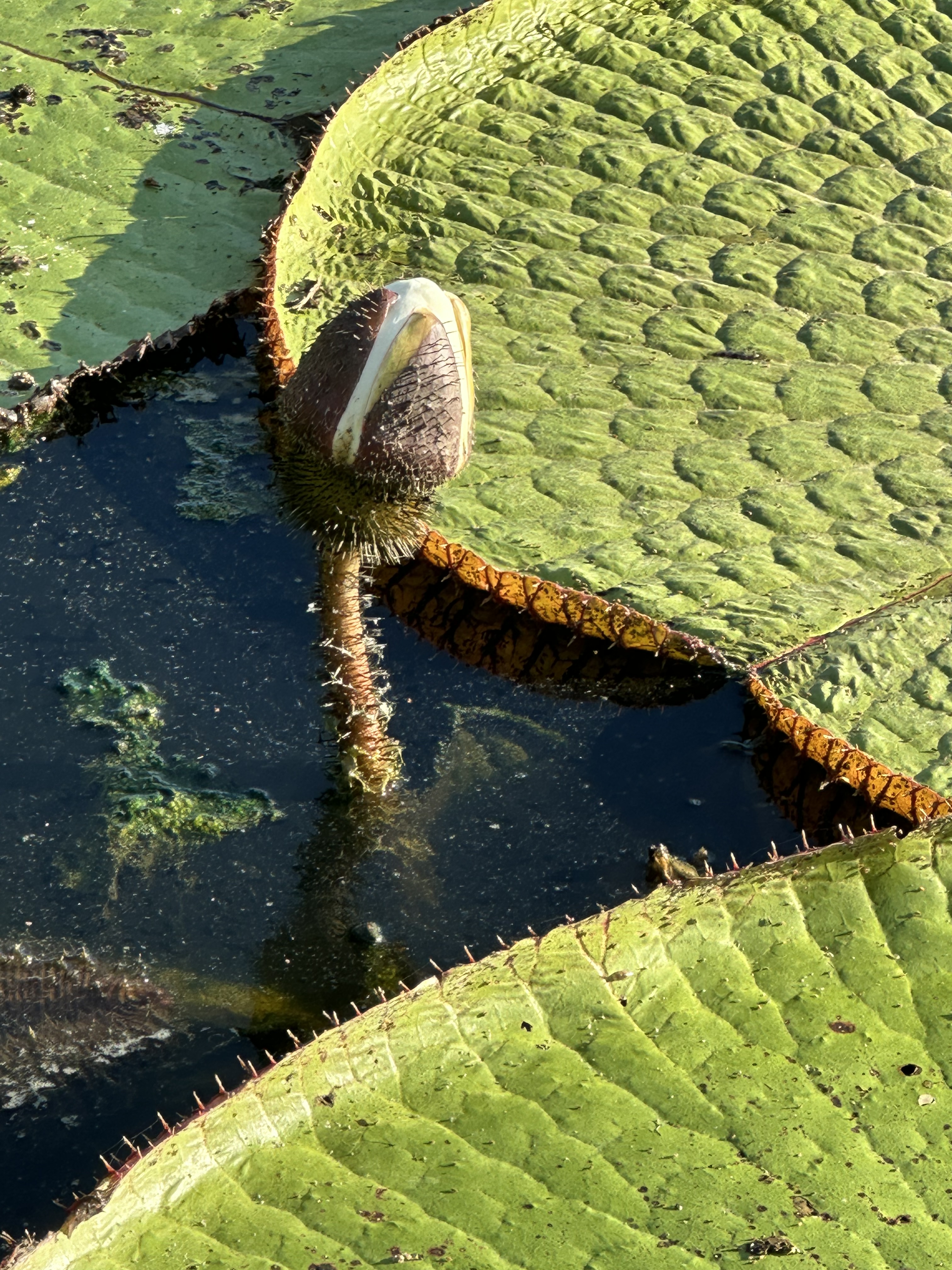
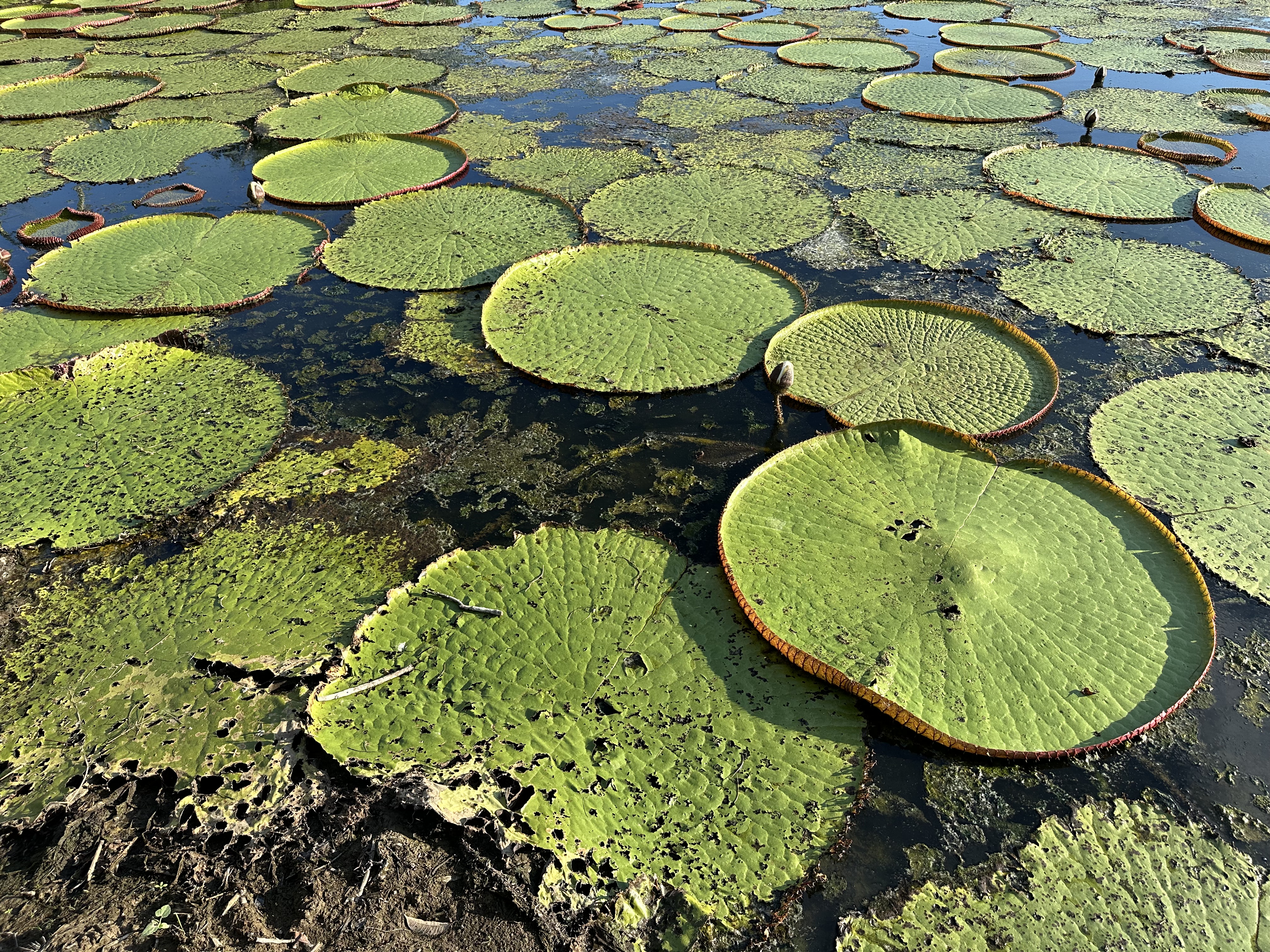
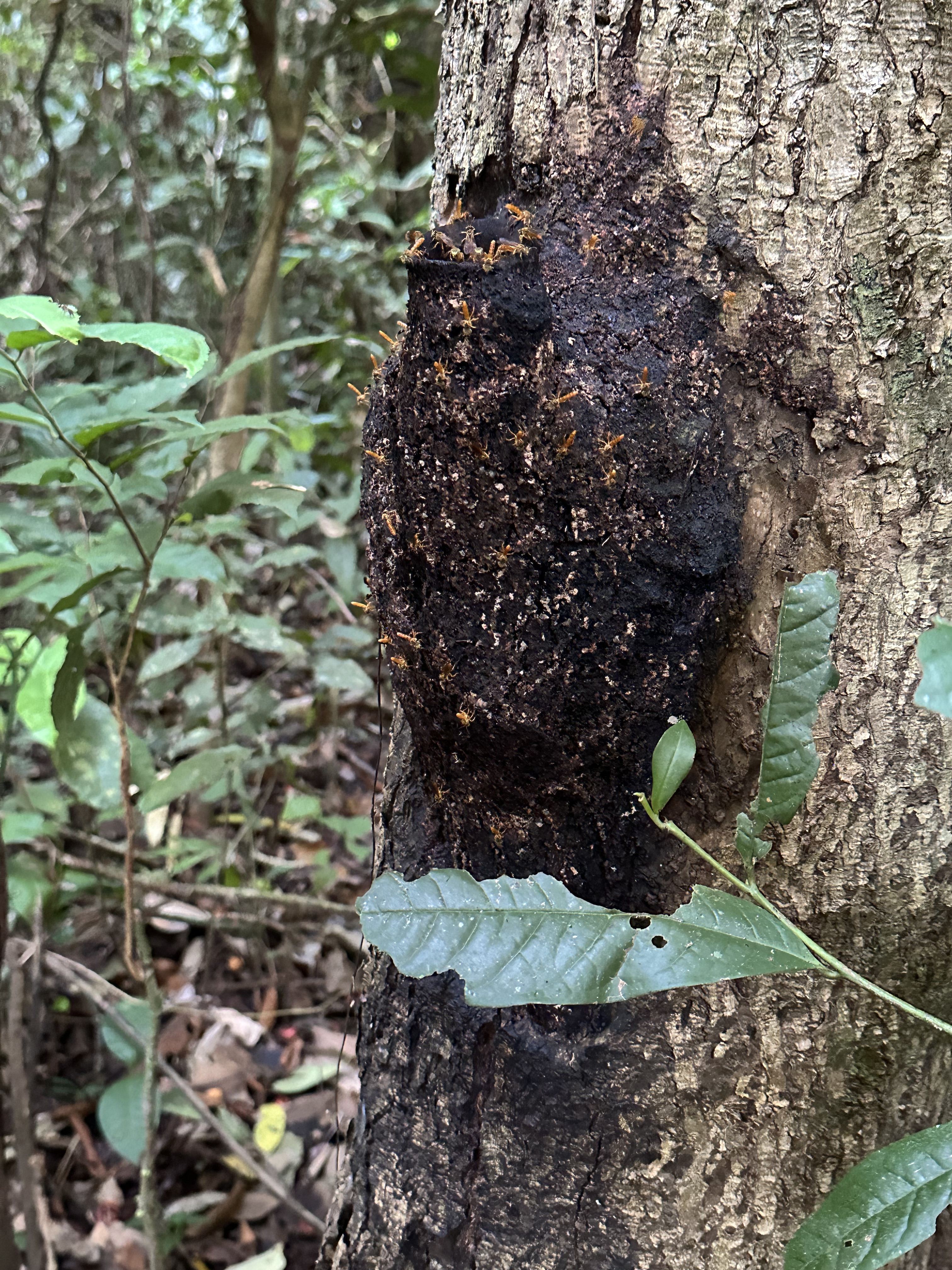
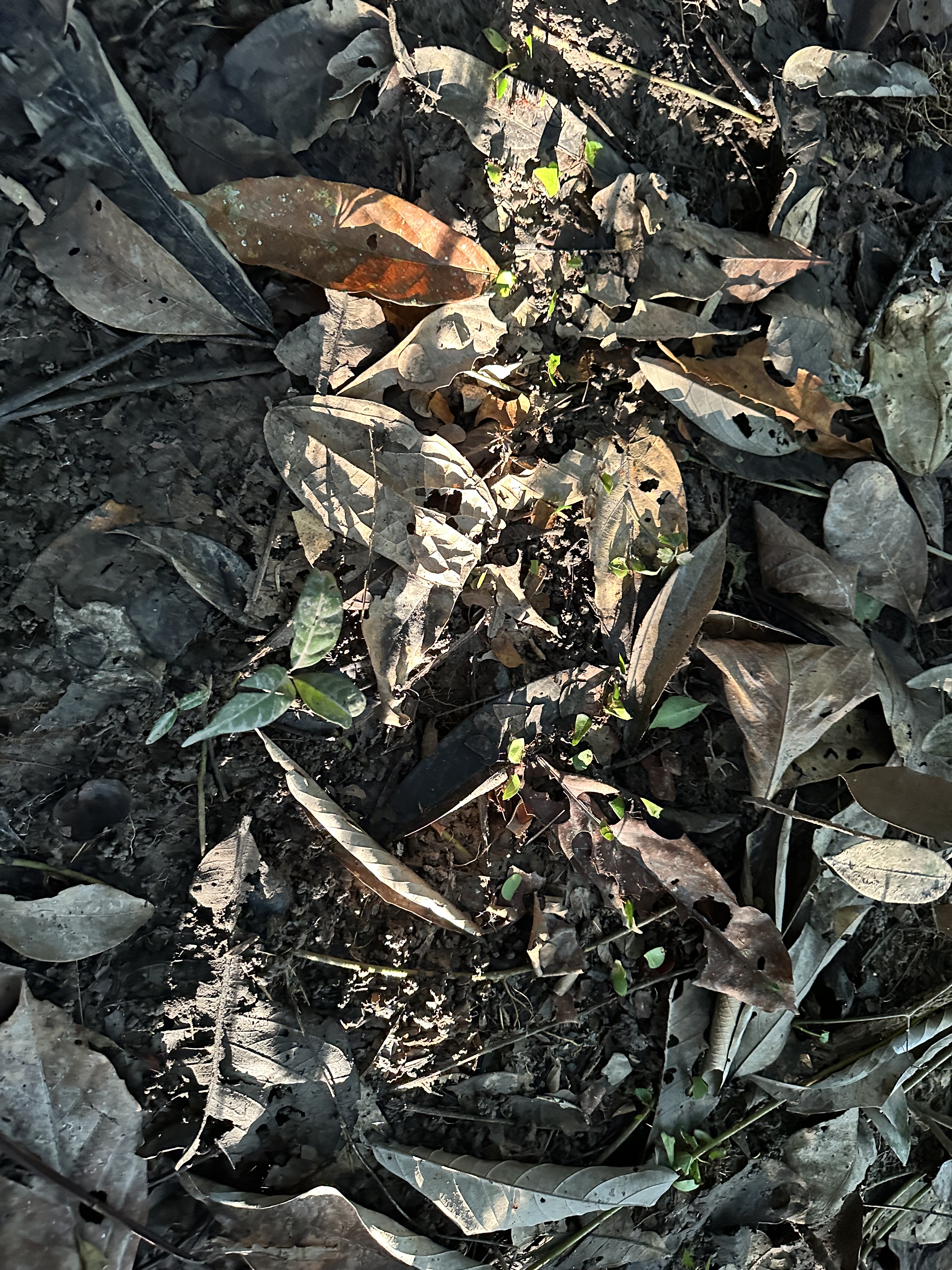
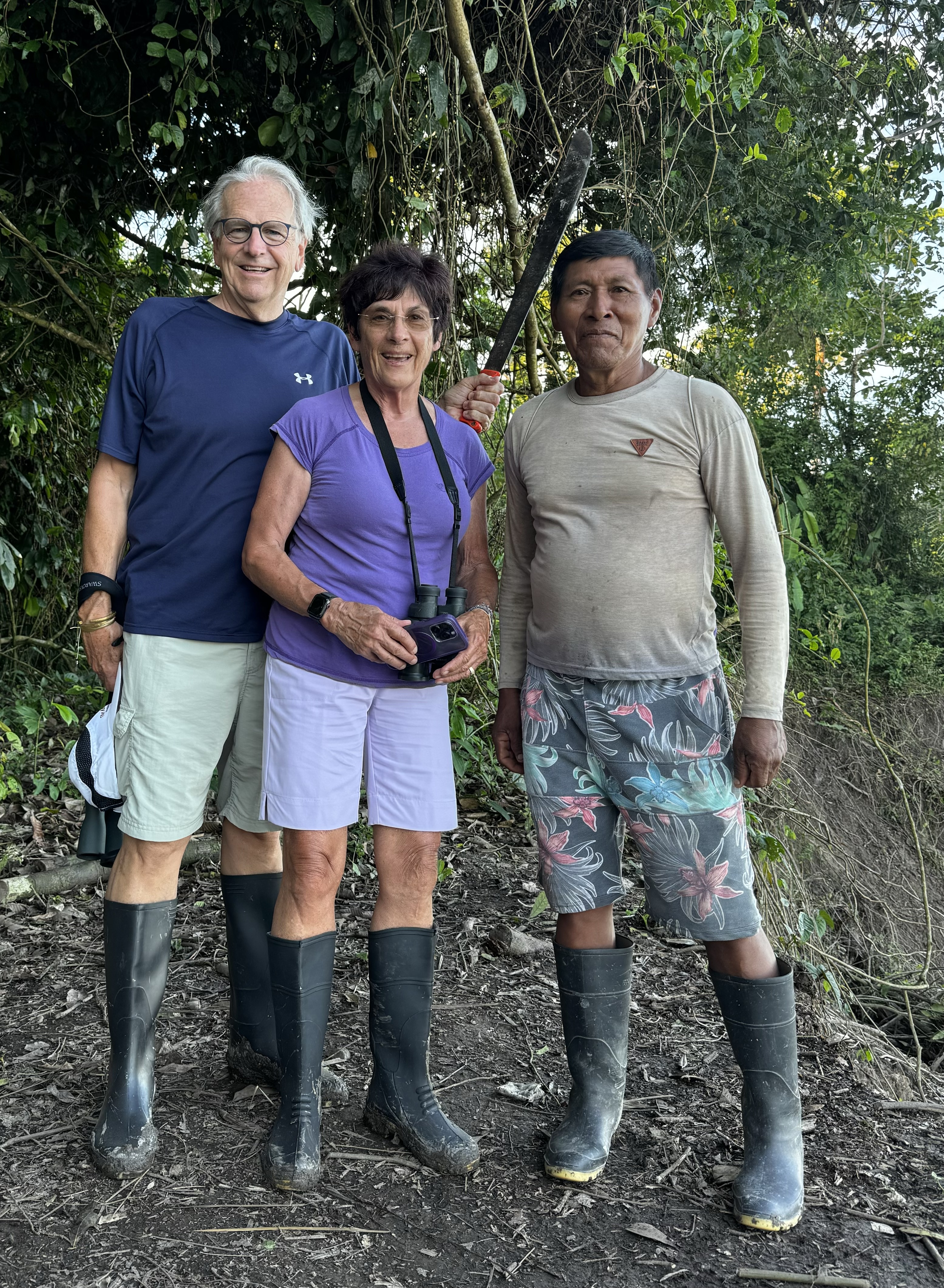
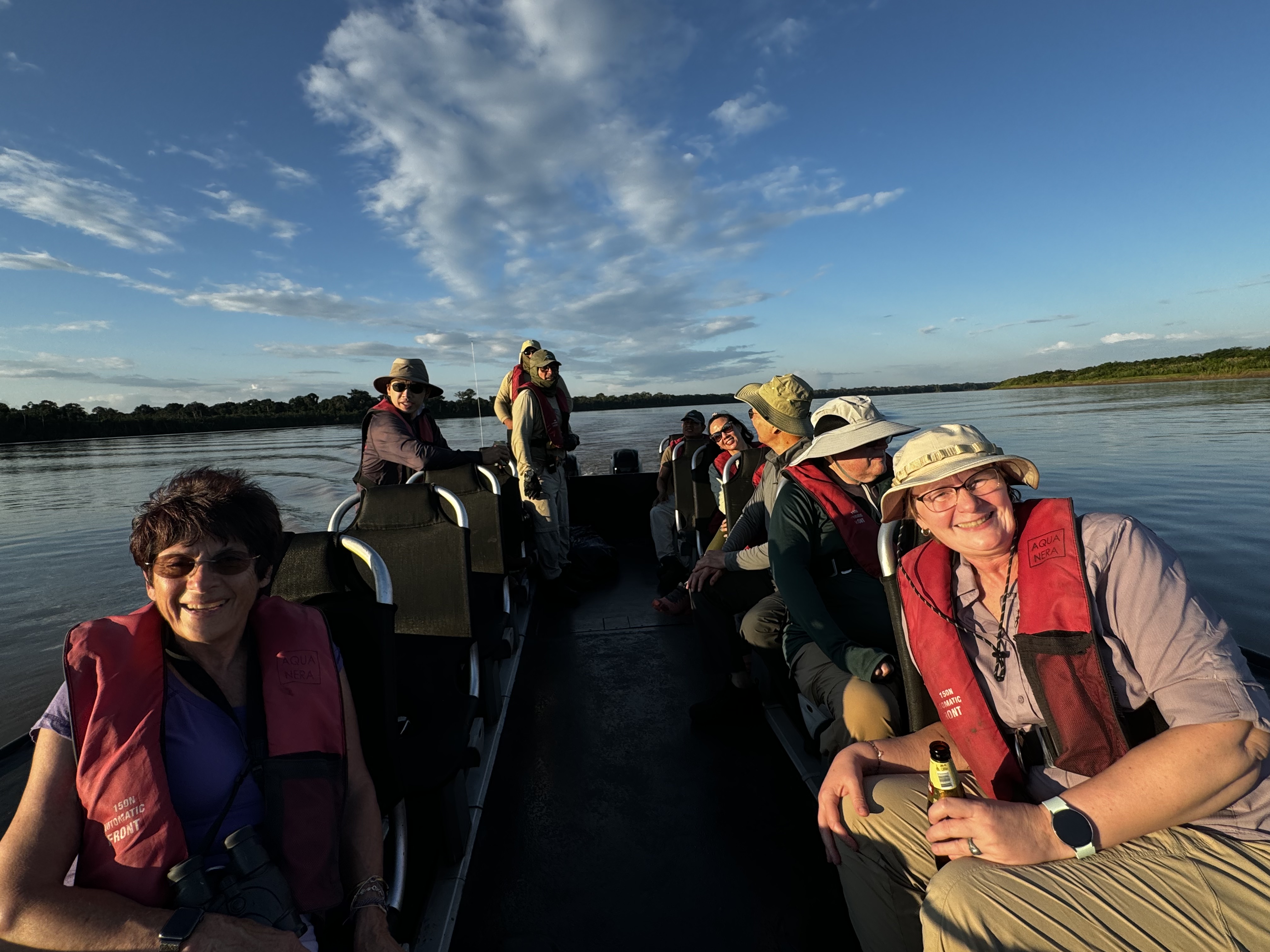

My favorite sighting was a field of lilly pads, even though none were in bloom at the moment. As we slid through the muddy undergrowth, we stepped carefully to avoid walking on army ants carrying leaf pieces. We also avoided many huge 1.2 inch long bullet ants racing up and down certain trees, and packing a powerful sting, if bitten. Mark learned it was the worst sting in the world according to the Schmidt Pain Index. We also saw a nasty bee’s nest, two tarantulas on the ground and a millepede. We walked by a couple of huge Kapoc trees and saw flowering vines everywhere. The whole walk was only 45 minutes and was mildly interesting. Back on the tender, after removing and bagging our rubber boots, we motored into the middle of the river and joined up with the cocktail tender for sundowners. Everyone was treated to an Amazon Mule cocktail. Then back to the boat. Once cleaned up and in the bar lounge, we were introduced to the entire staff and entertained by a handful of them playing instruments and clapping. As time passed everyone loosened up and we got friendly with some our fellow ship mates. I even danced.
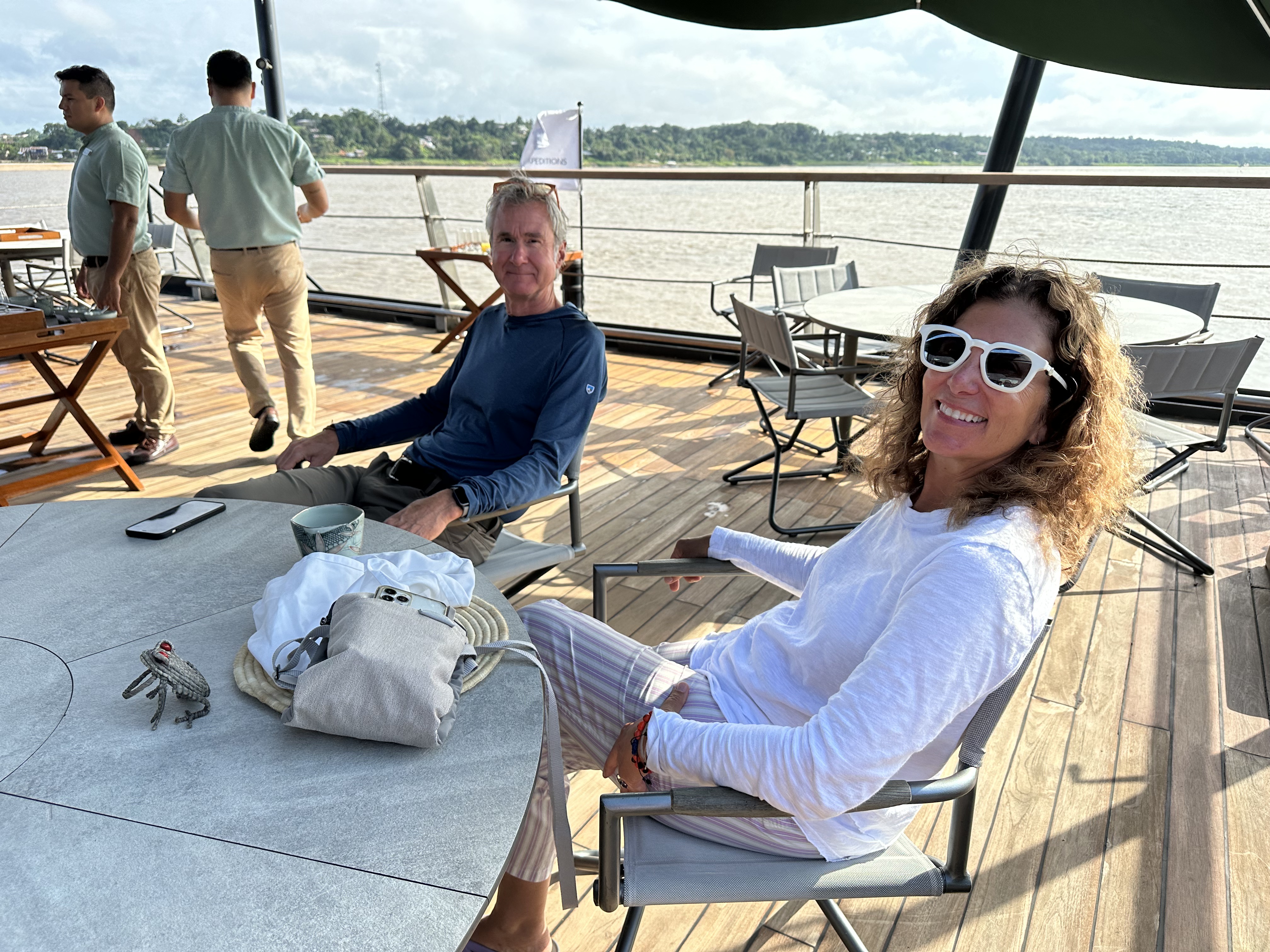
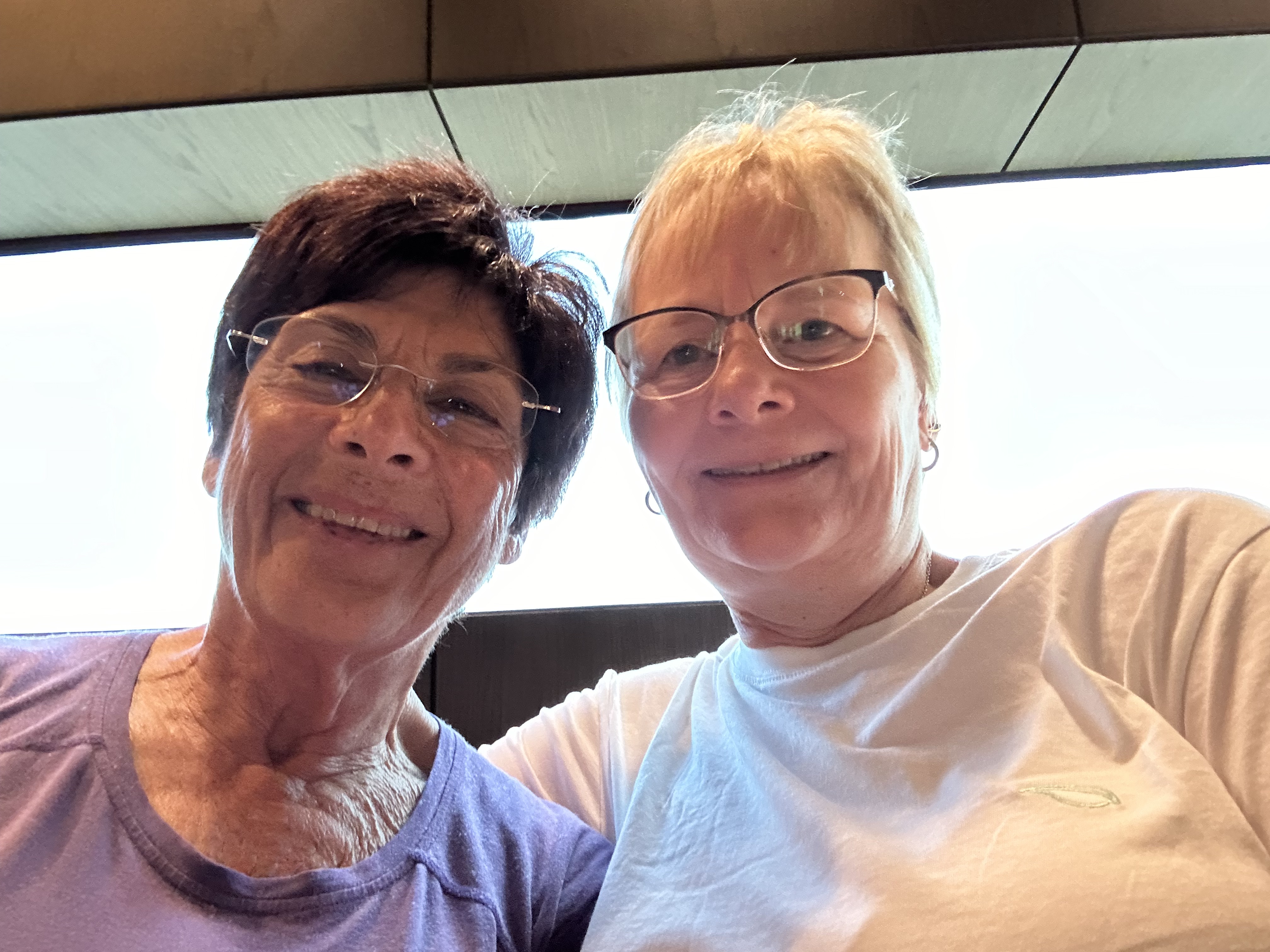
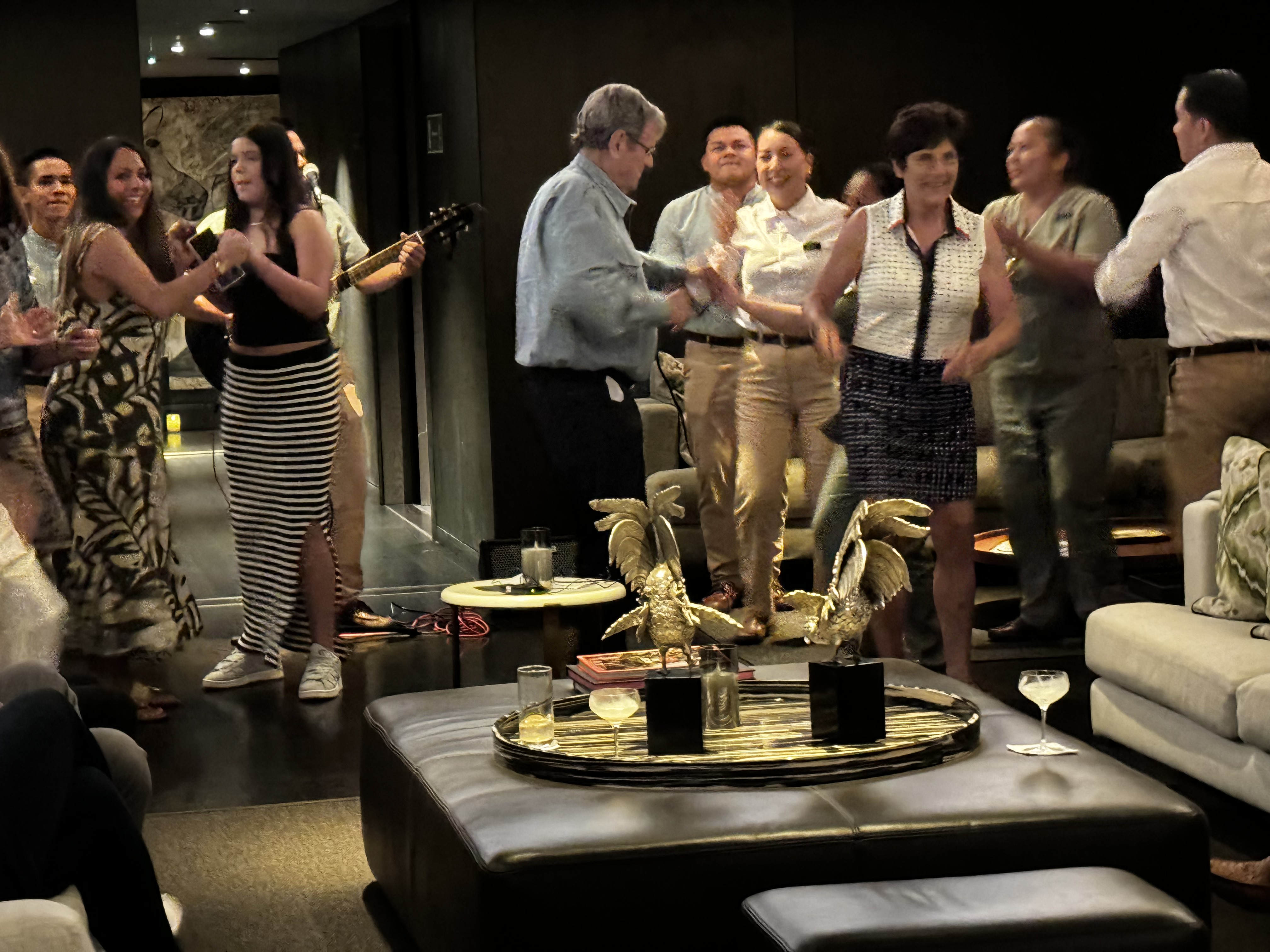
Eventually many of us were up and dancing to the lively sounds. At 8pm the music stopped and we all trouped into the dining room for dinner. It turns out that the boat was only half full and there are more staff than there are travelers. We sat with a couple named Bill and Nancy and passed a pleasant evening getting to know them. After the unremarkable meal, we happily went to our room and bed.
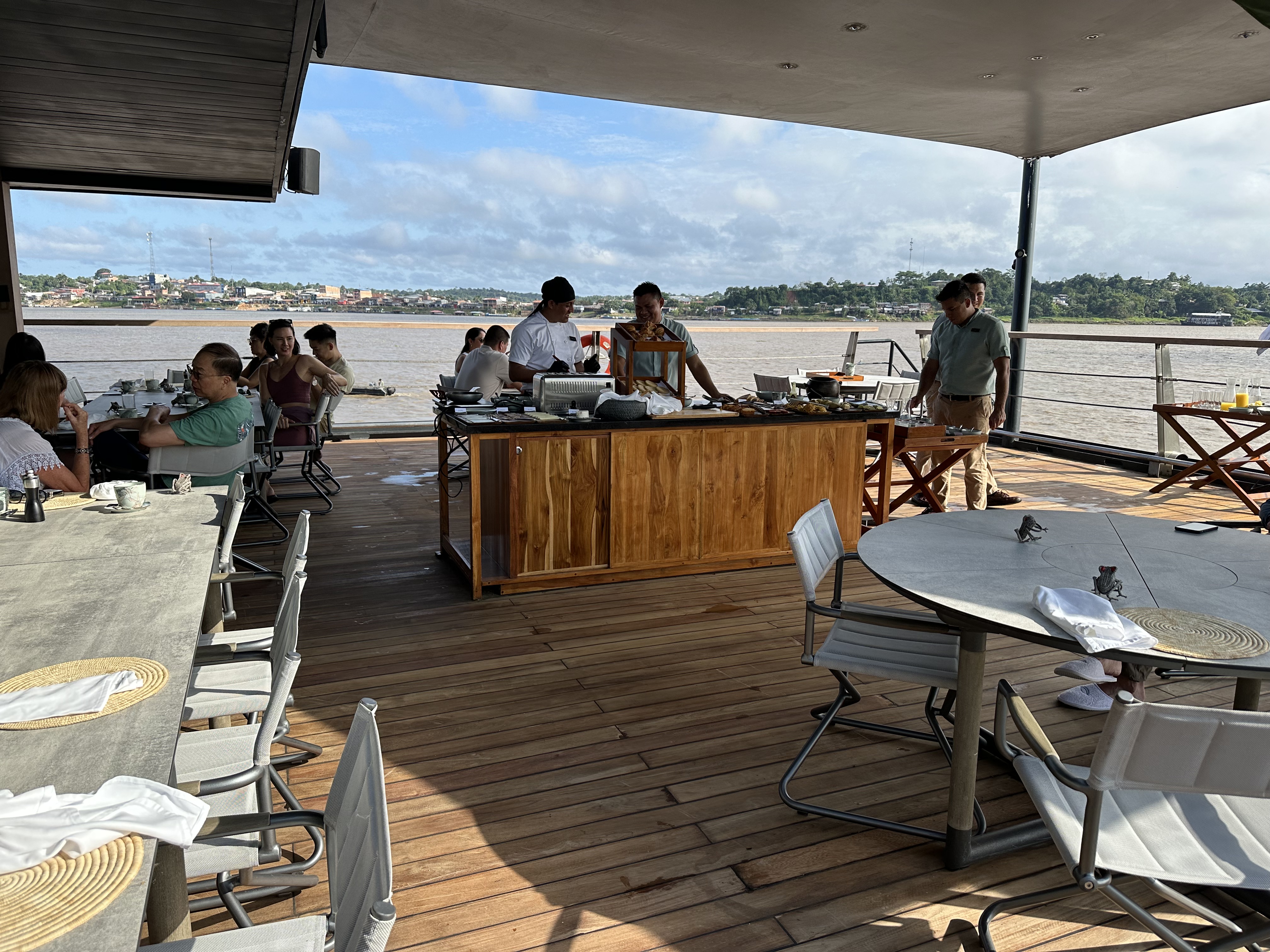
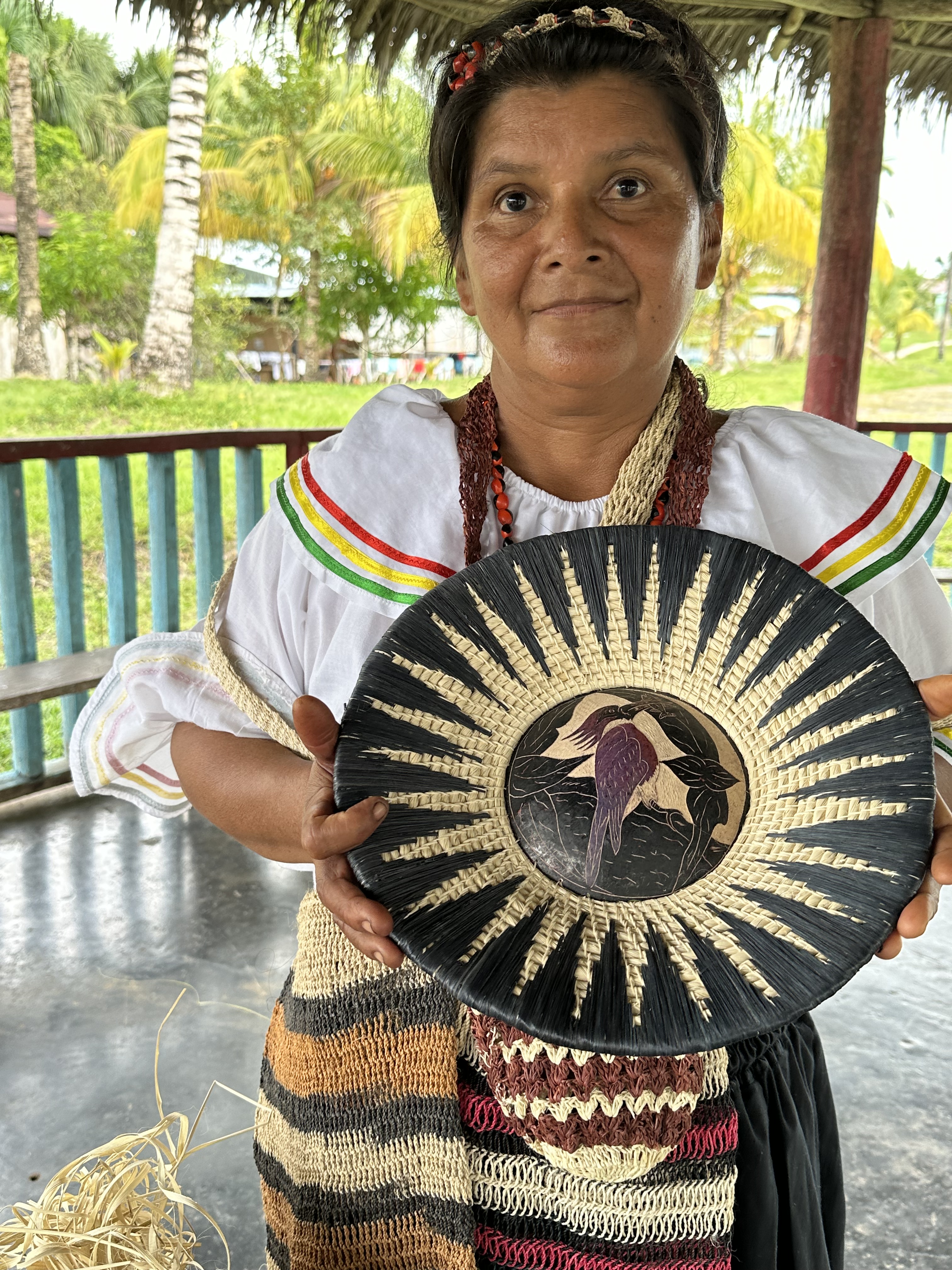
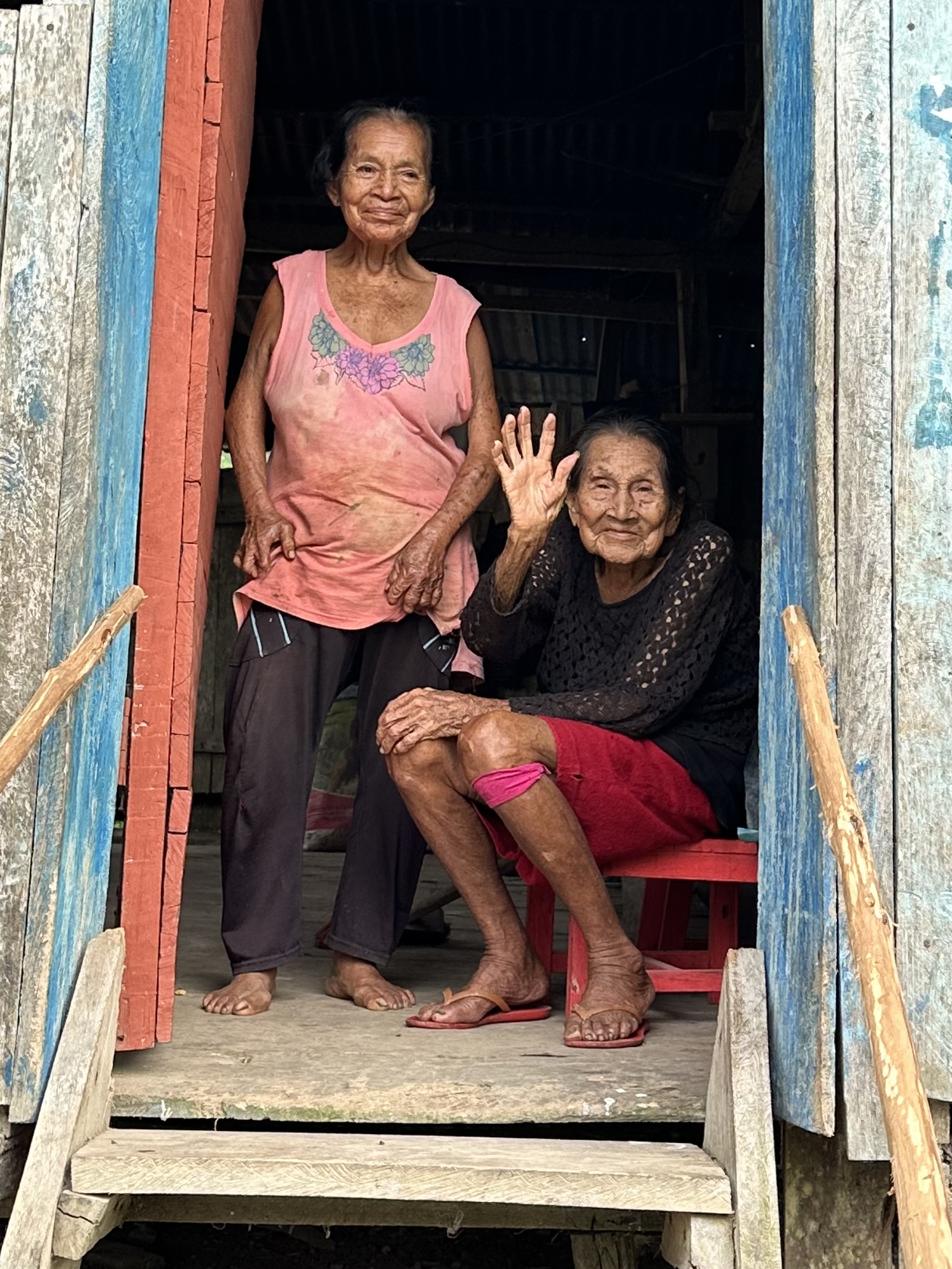
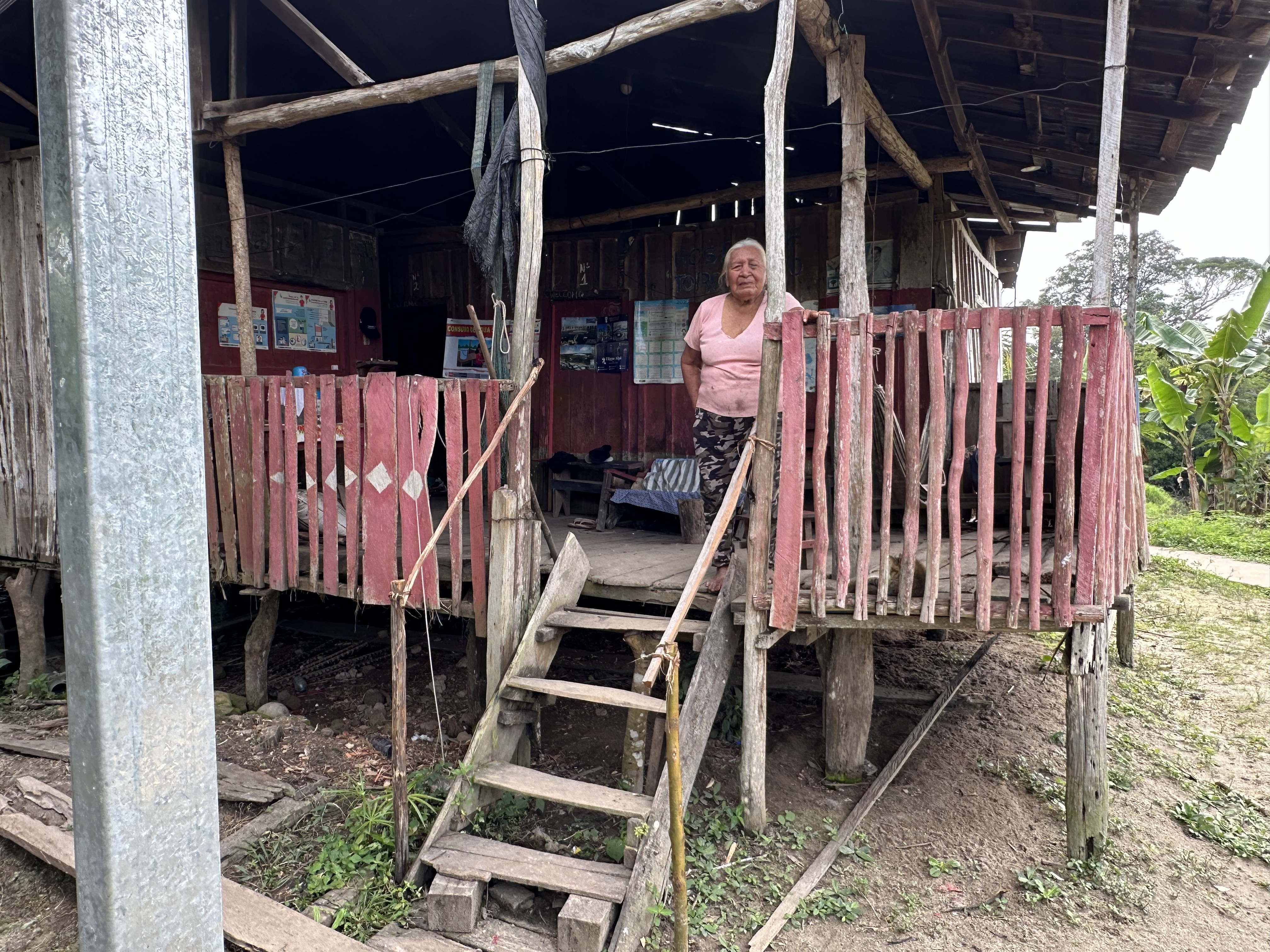
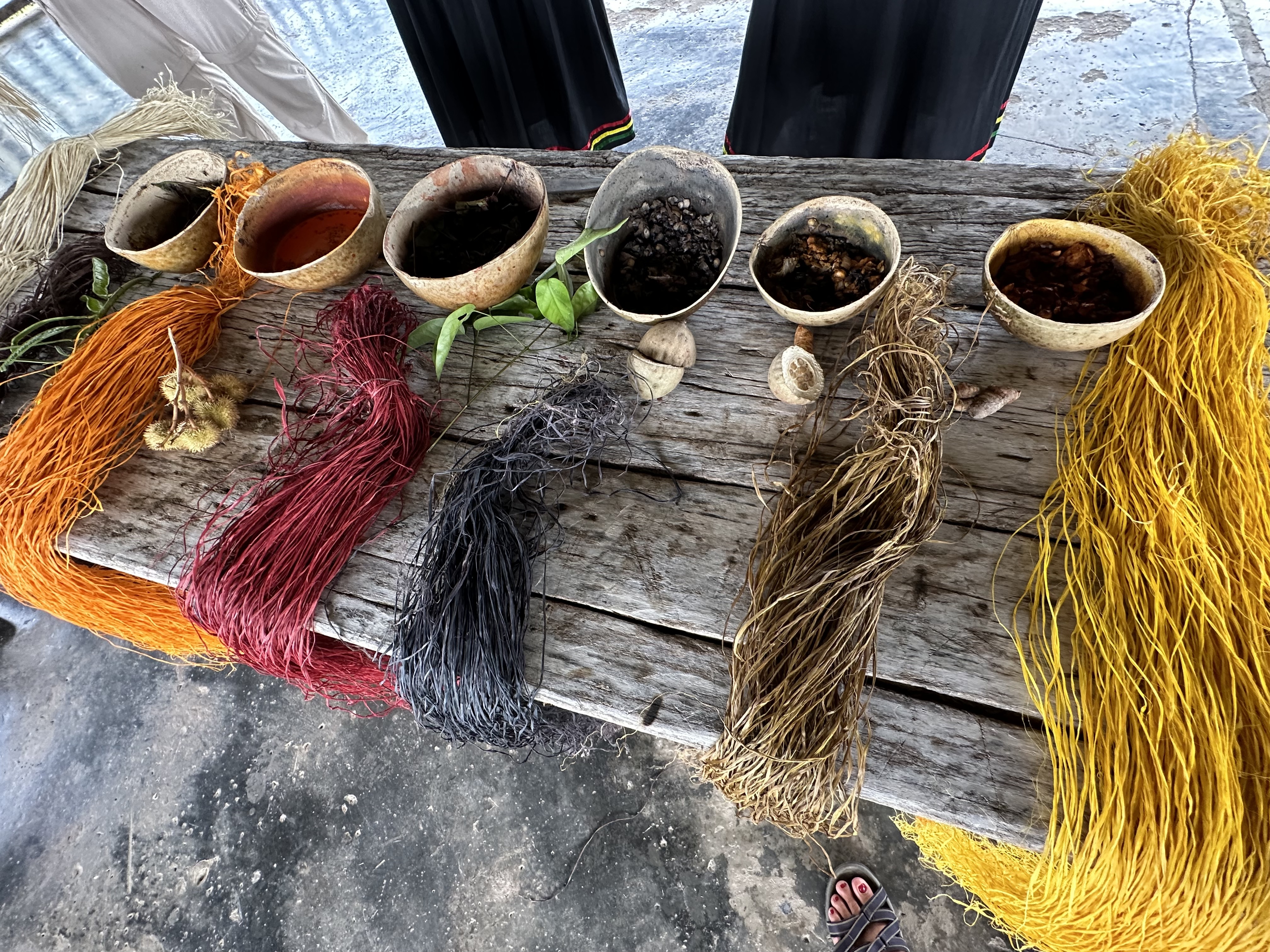
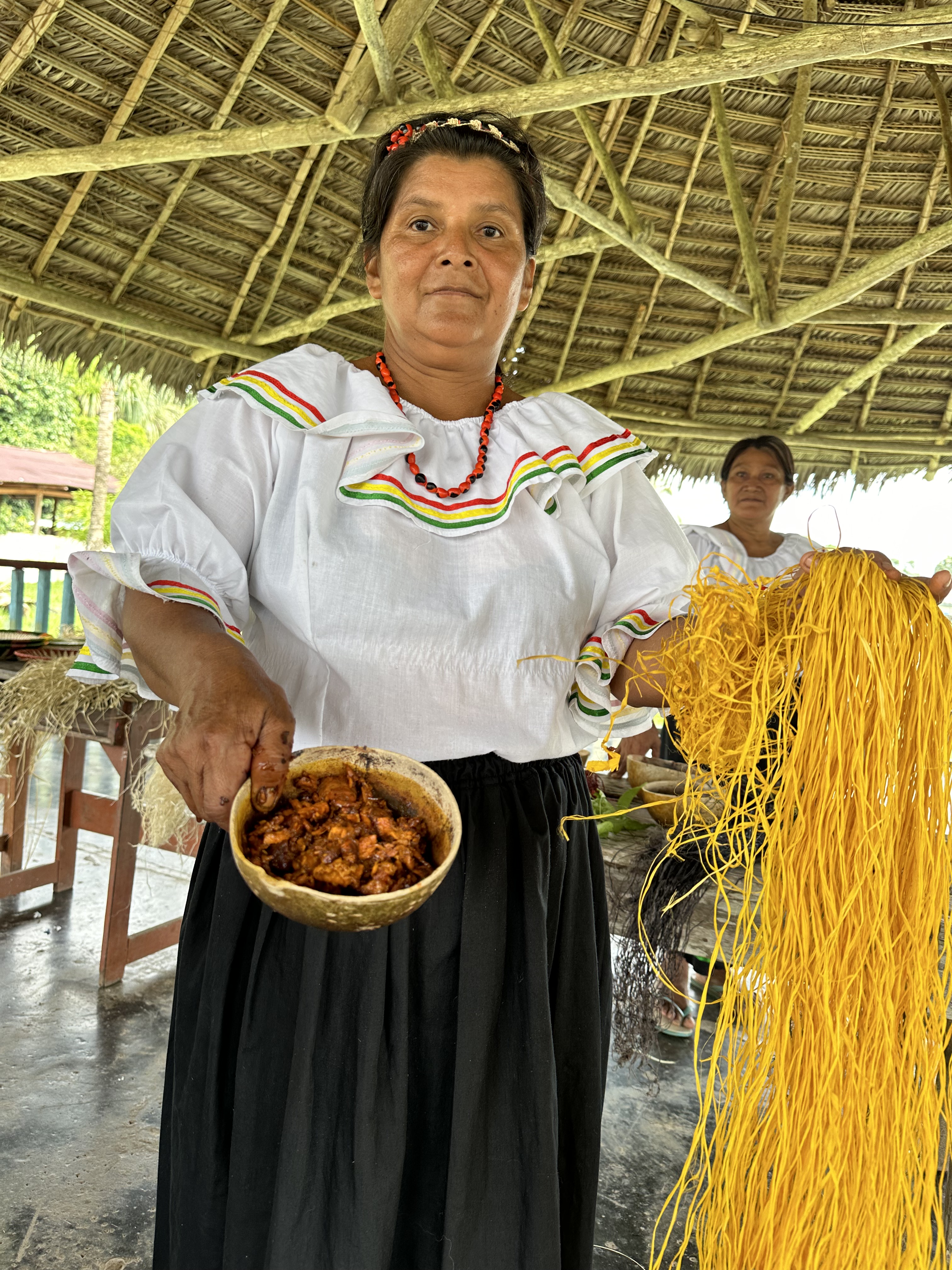
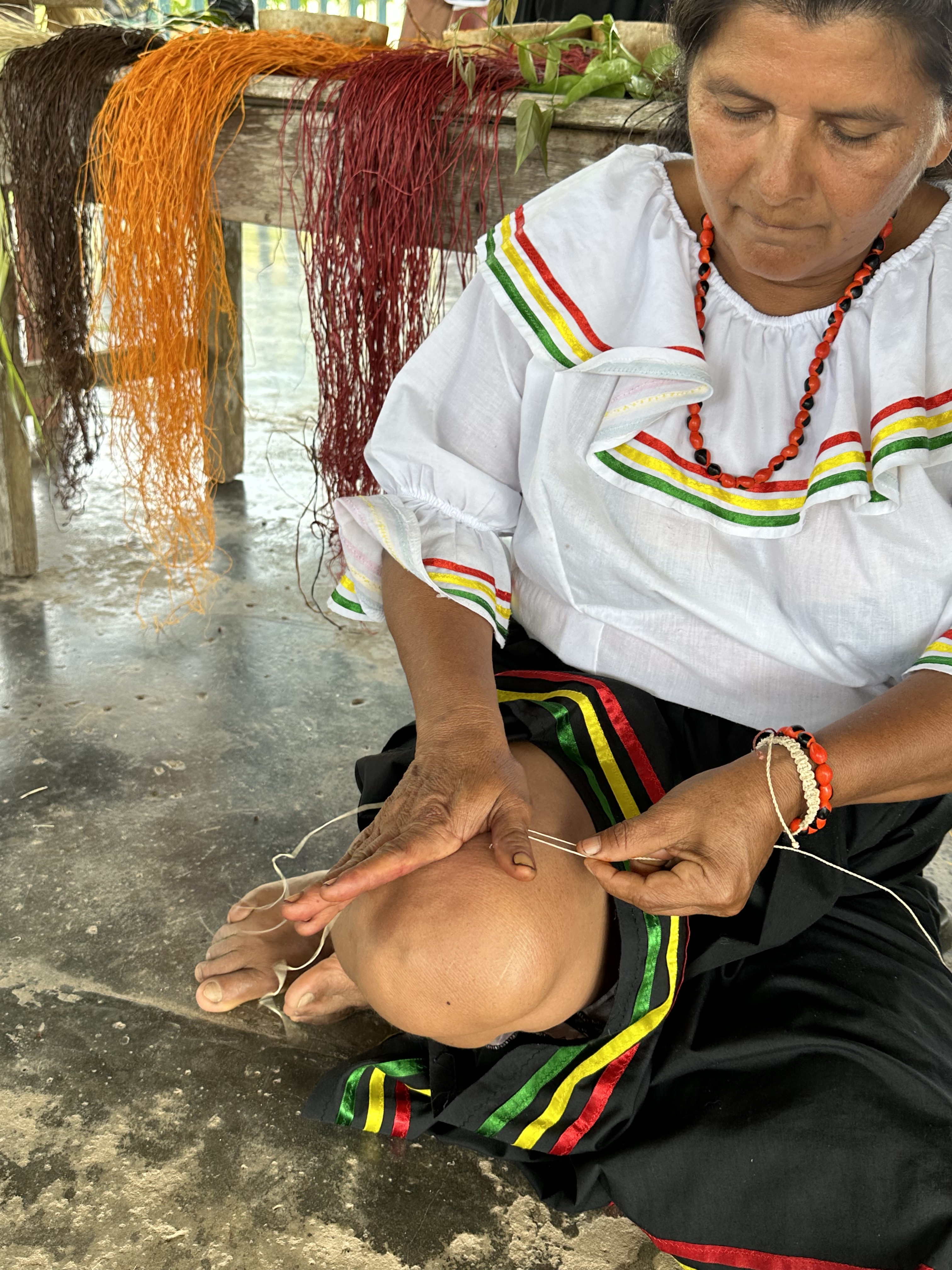
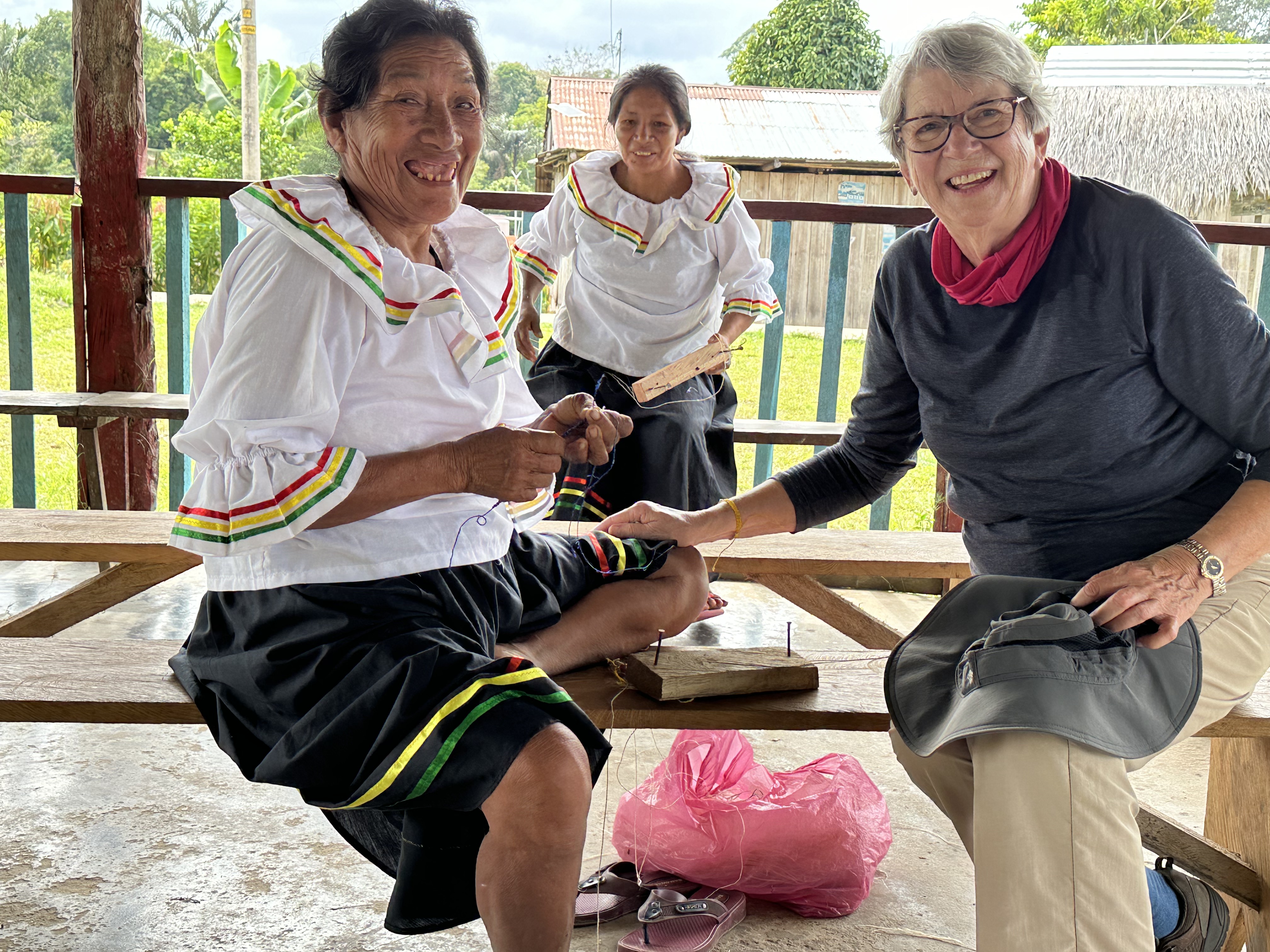
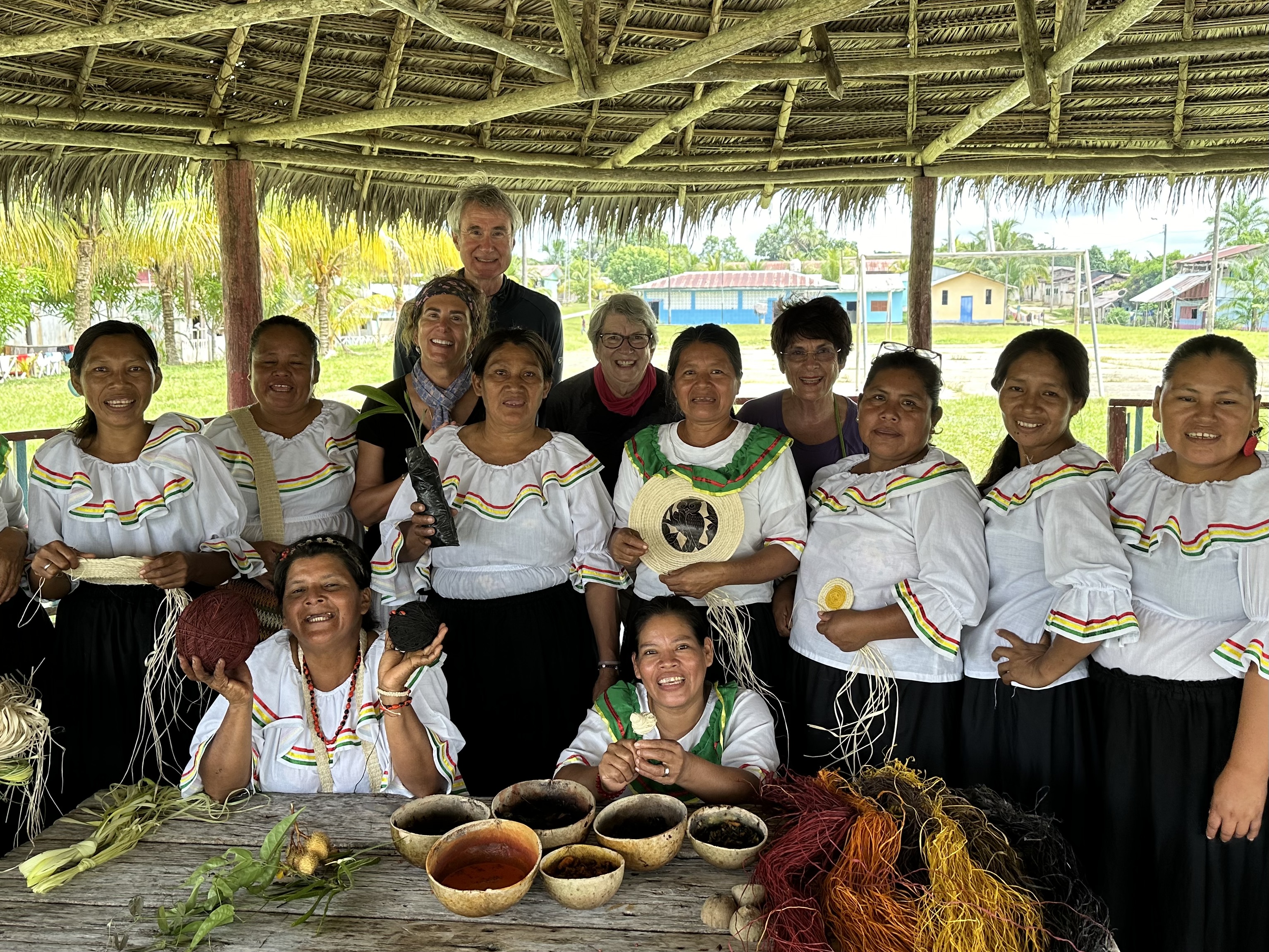
This morning we had breakfast at 8am on the aft deck and said good bye to the short term folks who were departing for Nauta on the other side of the river and a 90 minute drive from there to Iquitos. At 9:15 we broke up into groups. I went with a group headed for a village where handcrafts are being made and demonstrated, Mark went with a group on a boat trip along the river banks to spot birds. My group learned about converting palm fibers into colorful artifacts like bracelets, baskets and ornaments. The village is called Amazona and the people speak two languages: their native Kukama and Spanish. There are 300 residents whose primary occupation is fishing. Since 2016, the ladies do craft work in addition to fishing to make money . They use palm fronds to make their products. They wash the fibers, dry them and then twist them by rolling two or three together on their leg to make them strong . Color is added by boiling the fibers in different dyes for different lengths of time. Then the various products are made.
The village was the tidiest and nicest I have ever seen and the ladies were friendly and artistic. I had not intended to buy anything, but ended up buying a woven plate and bracelet anyway.
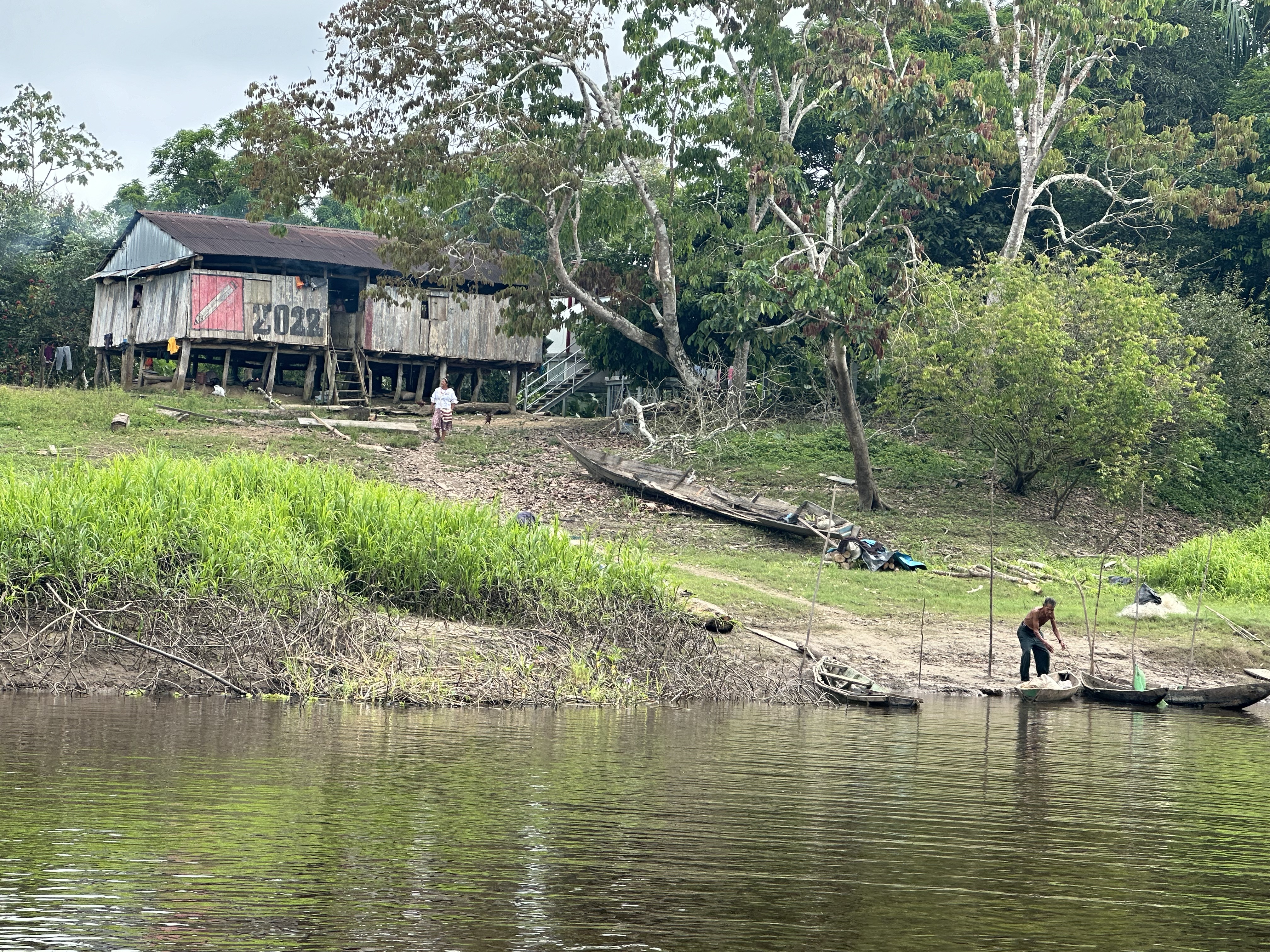
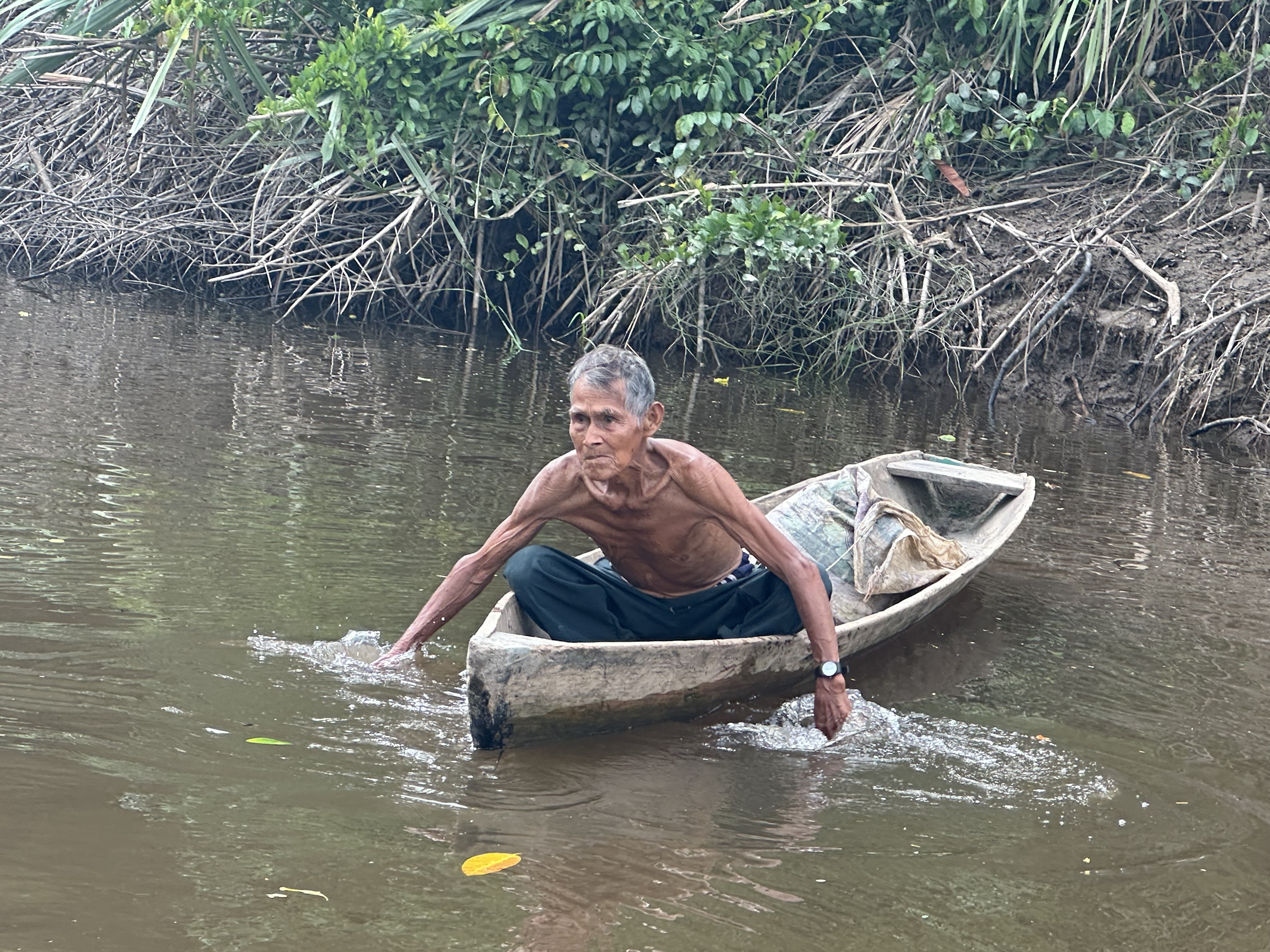
I learned there are 70 families in this village. The community house where they demonstrated their craft is called a Malloca, like a banda in Uganda . The river gets to about 180 feet deep and is expected to drop another 20 feet during the dry season.

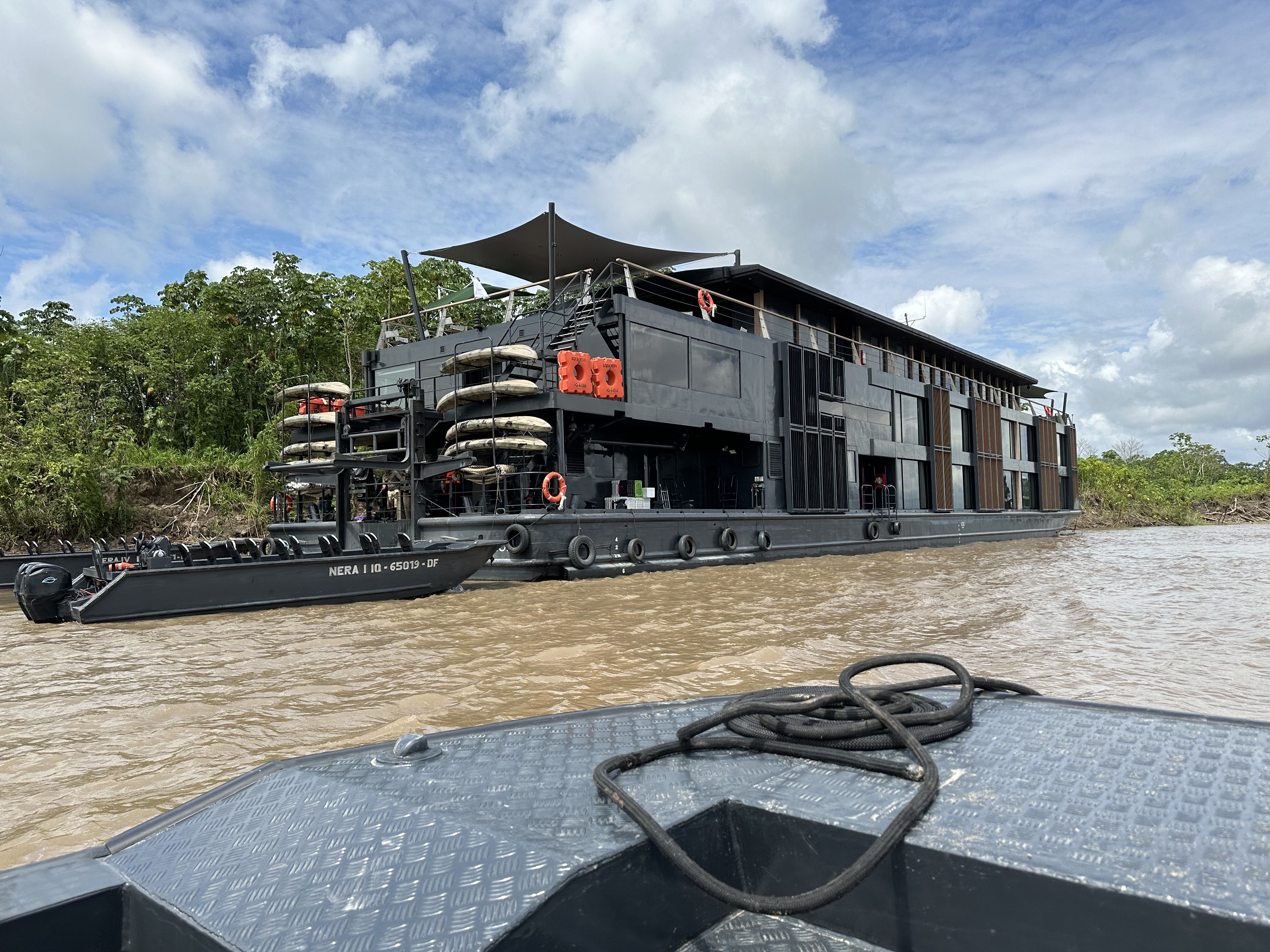
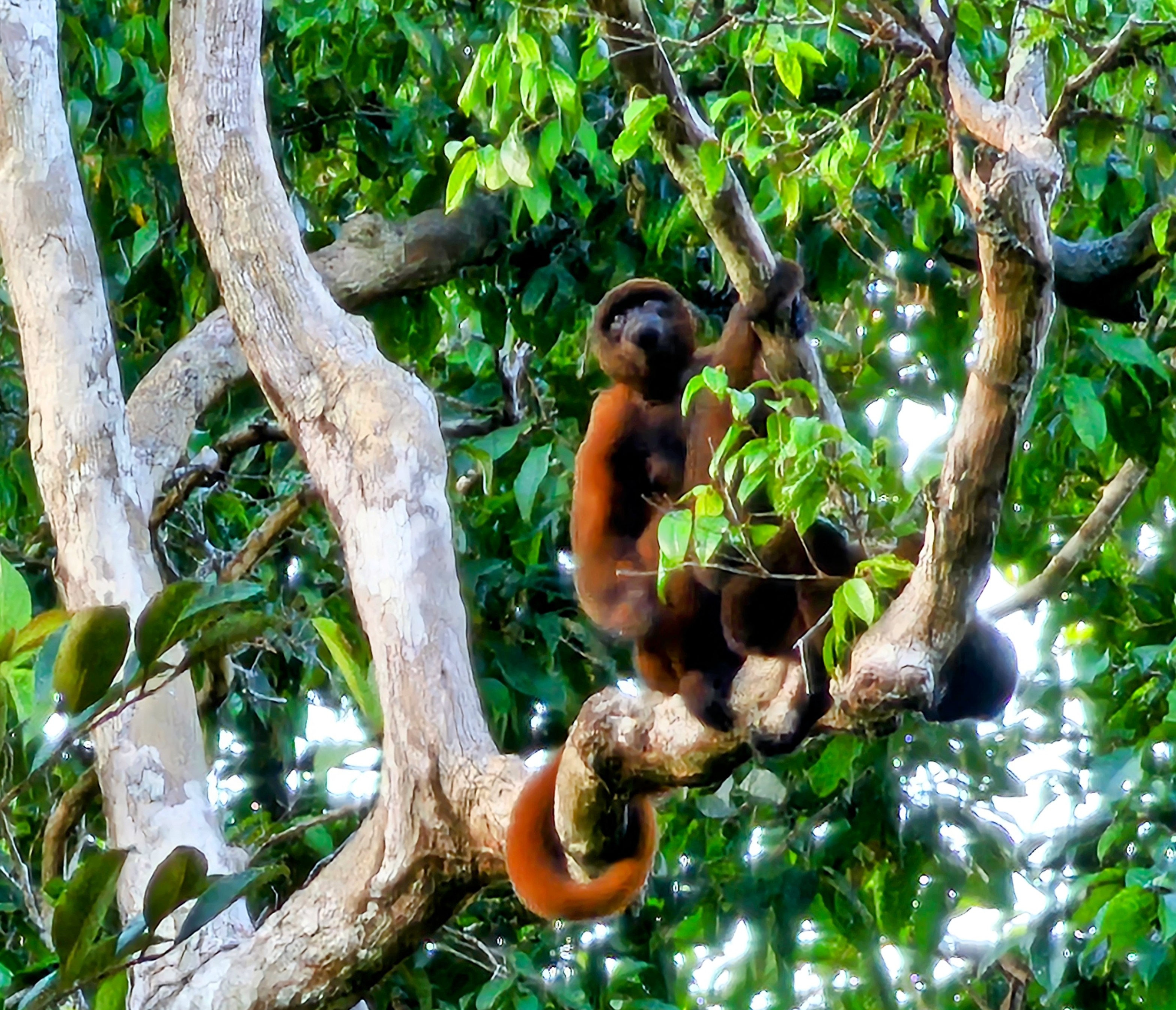
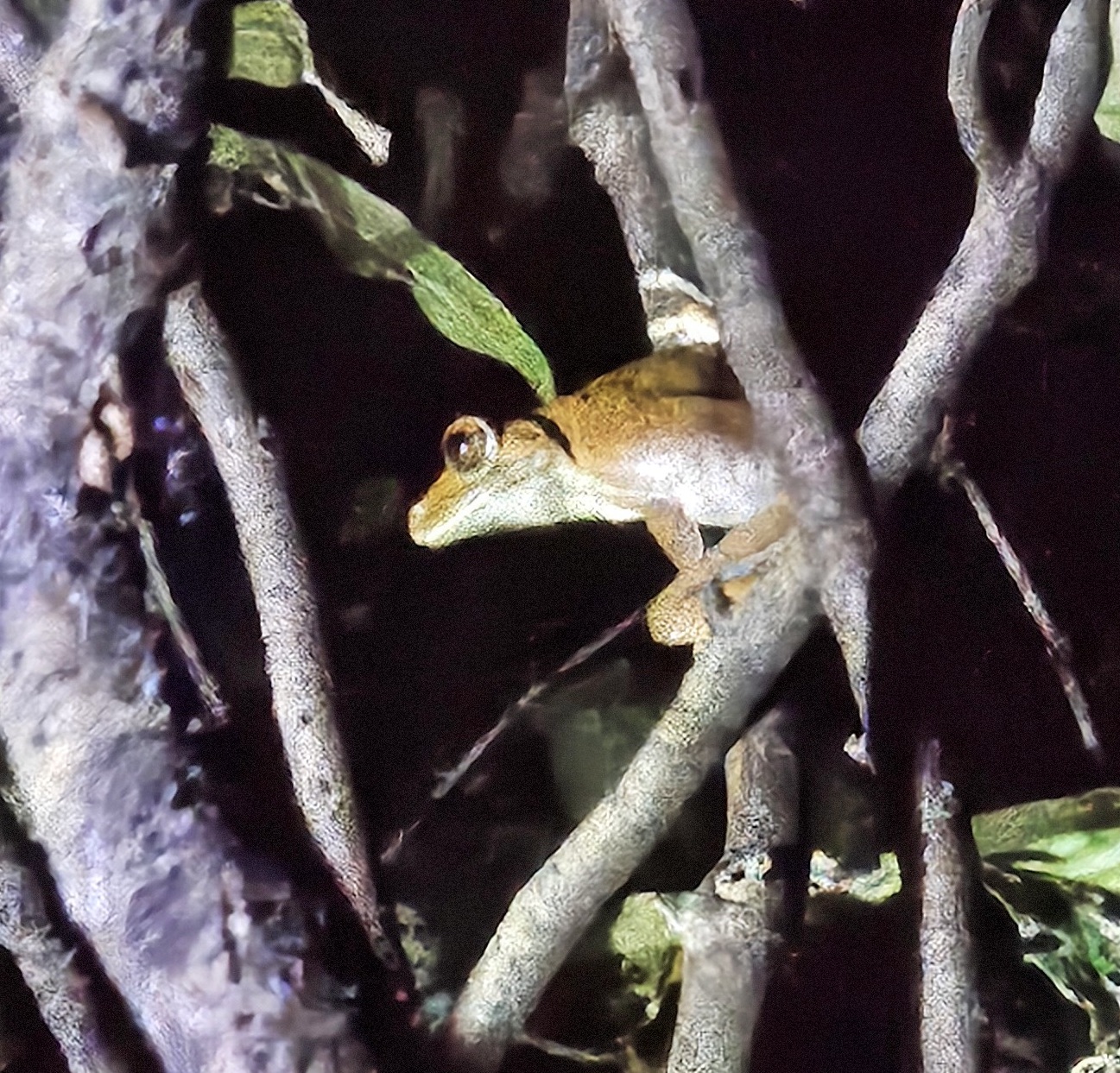
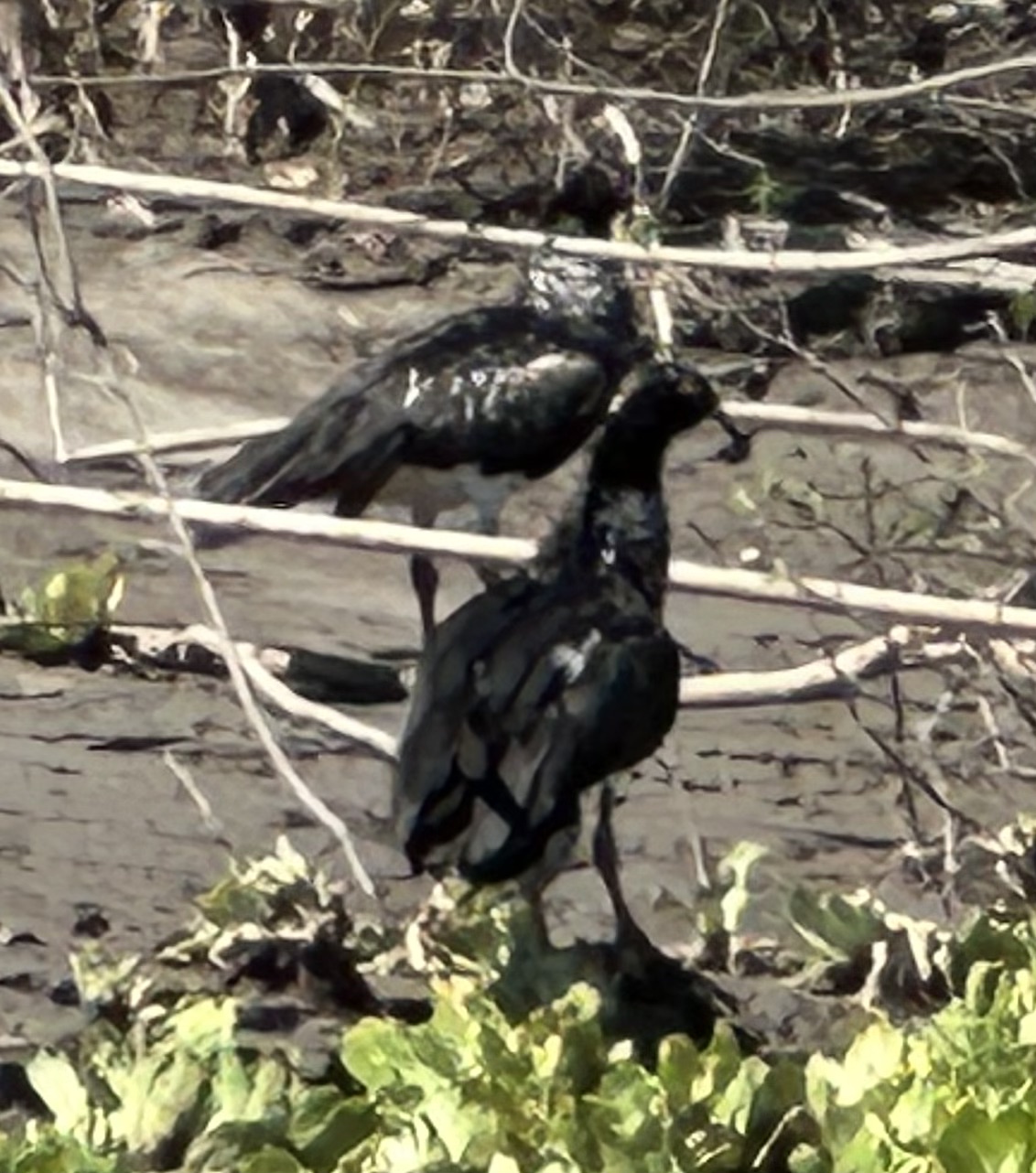
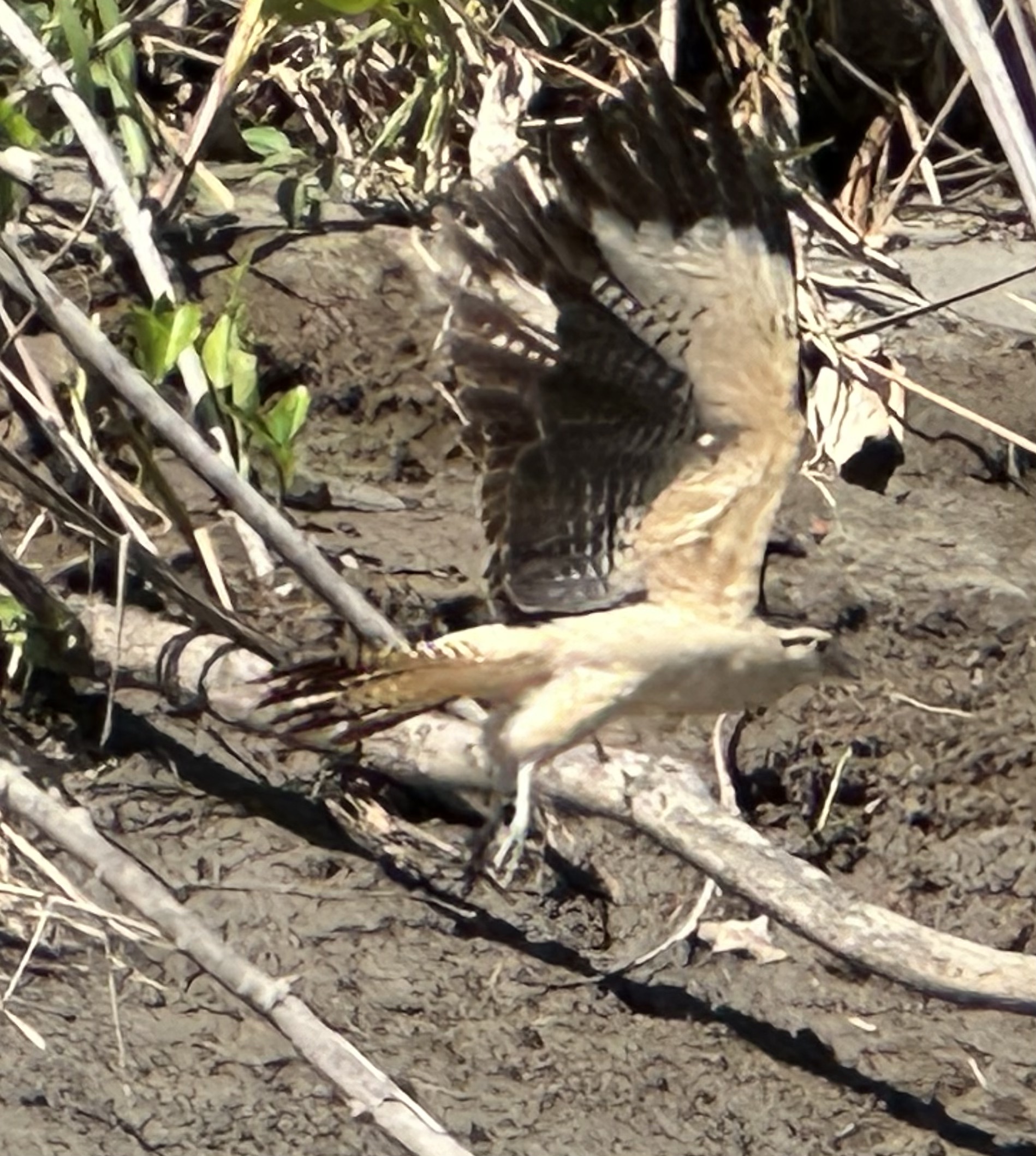
Meanwhile Mark’s group saw a few birds and other creatures. I borrowed three images taken by another guest named Terry. I had seen the animals but not managed to get decent photos. We were all back for lunch at noon. We had planned to eat only salad, but the chicken course was so juicy and tasty that we ate the whole meal. After lunch I took photos of the various rooms on the ship. It. is a pleasant boat for 40 guests. Even has a small pool. There were only 27 people during the week we were on board.
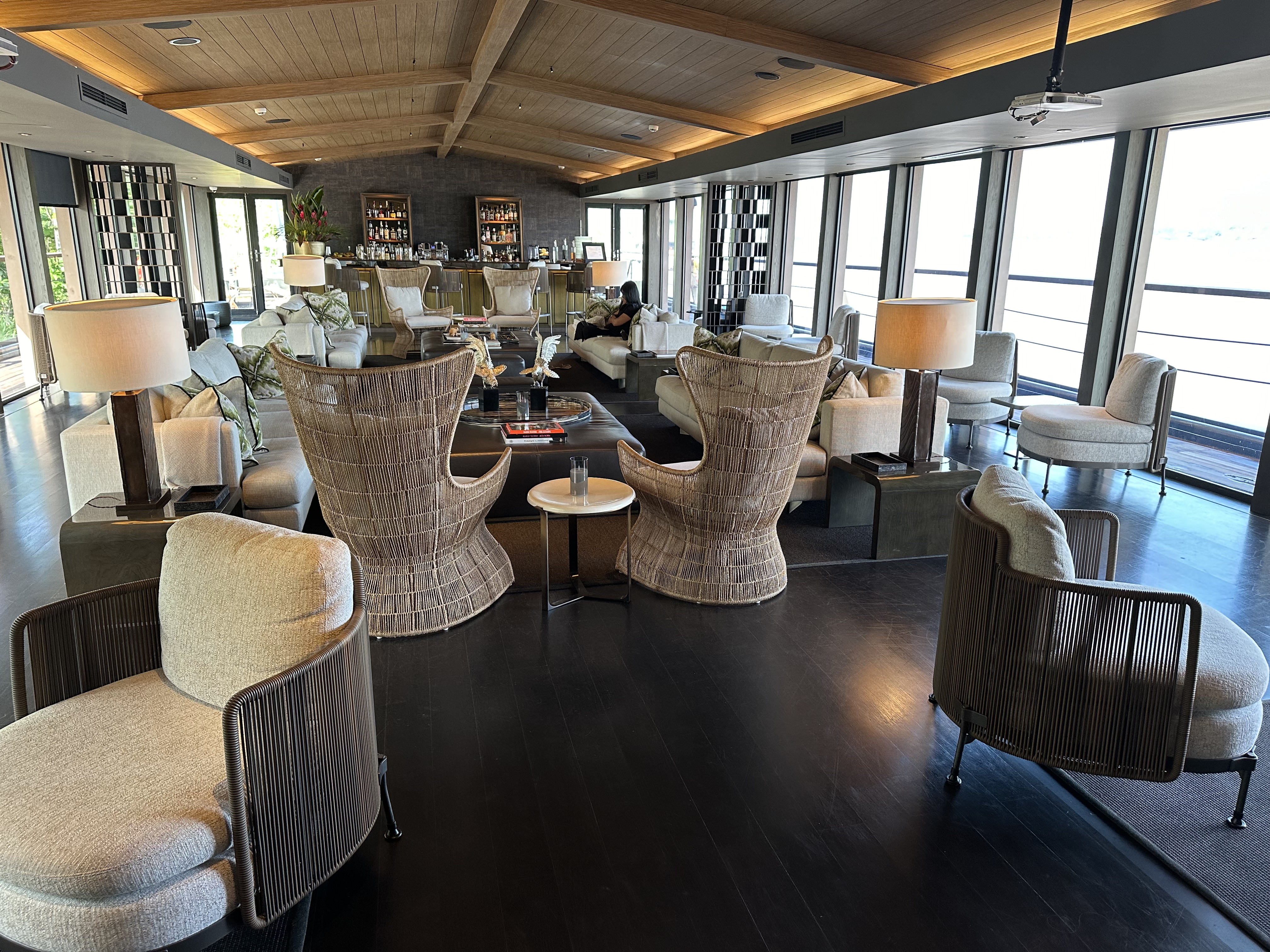
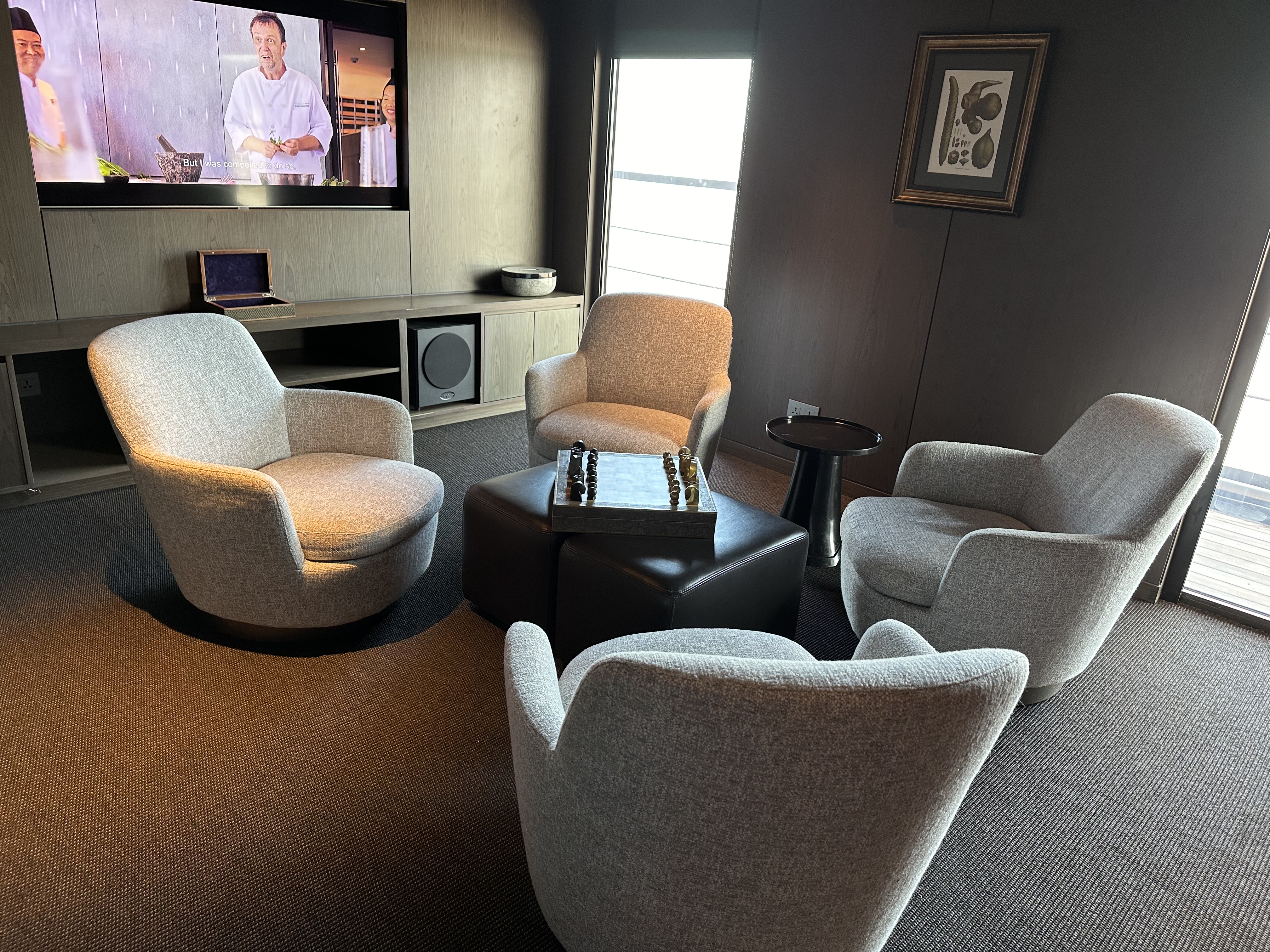
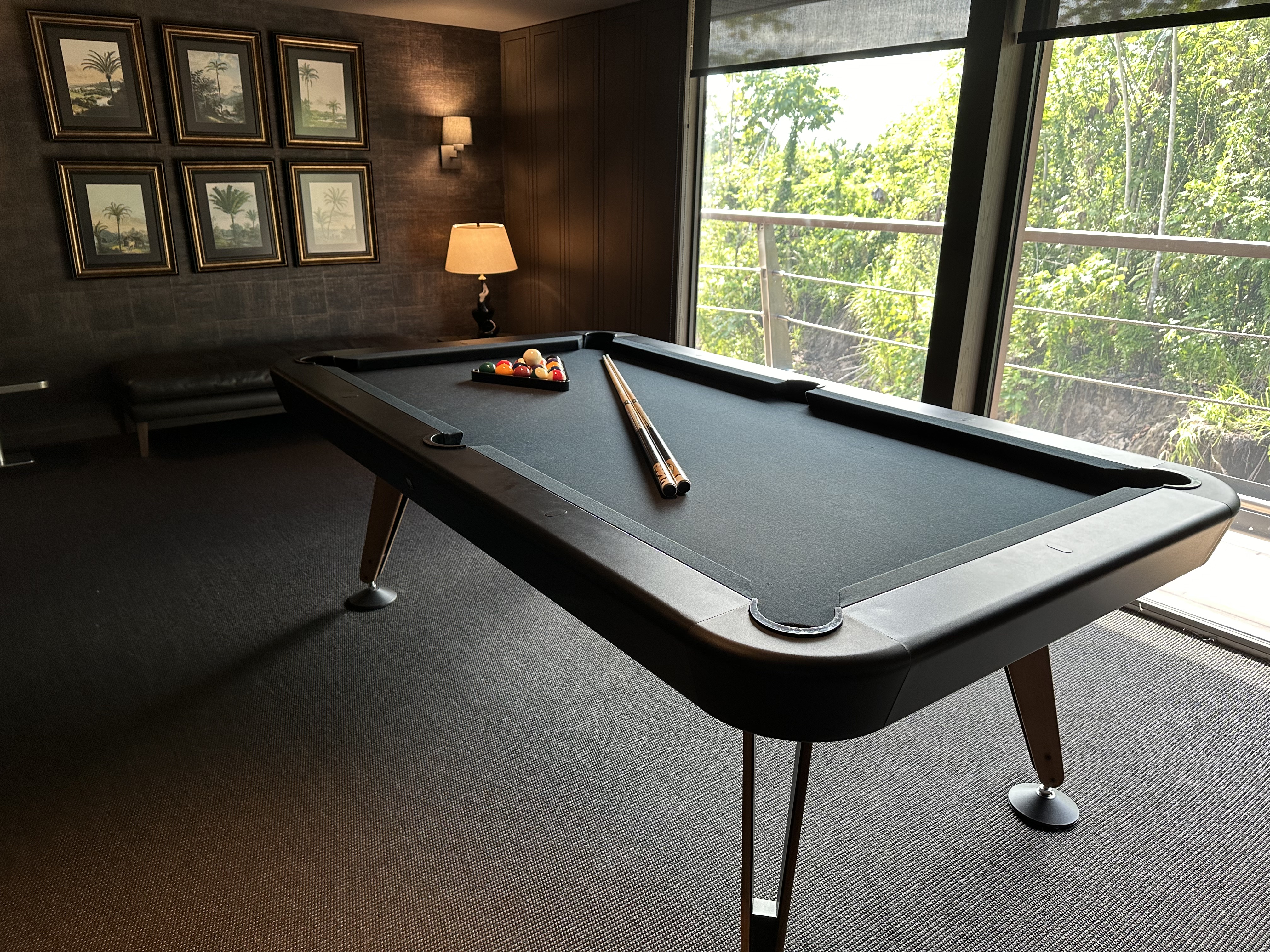
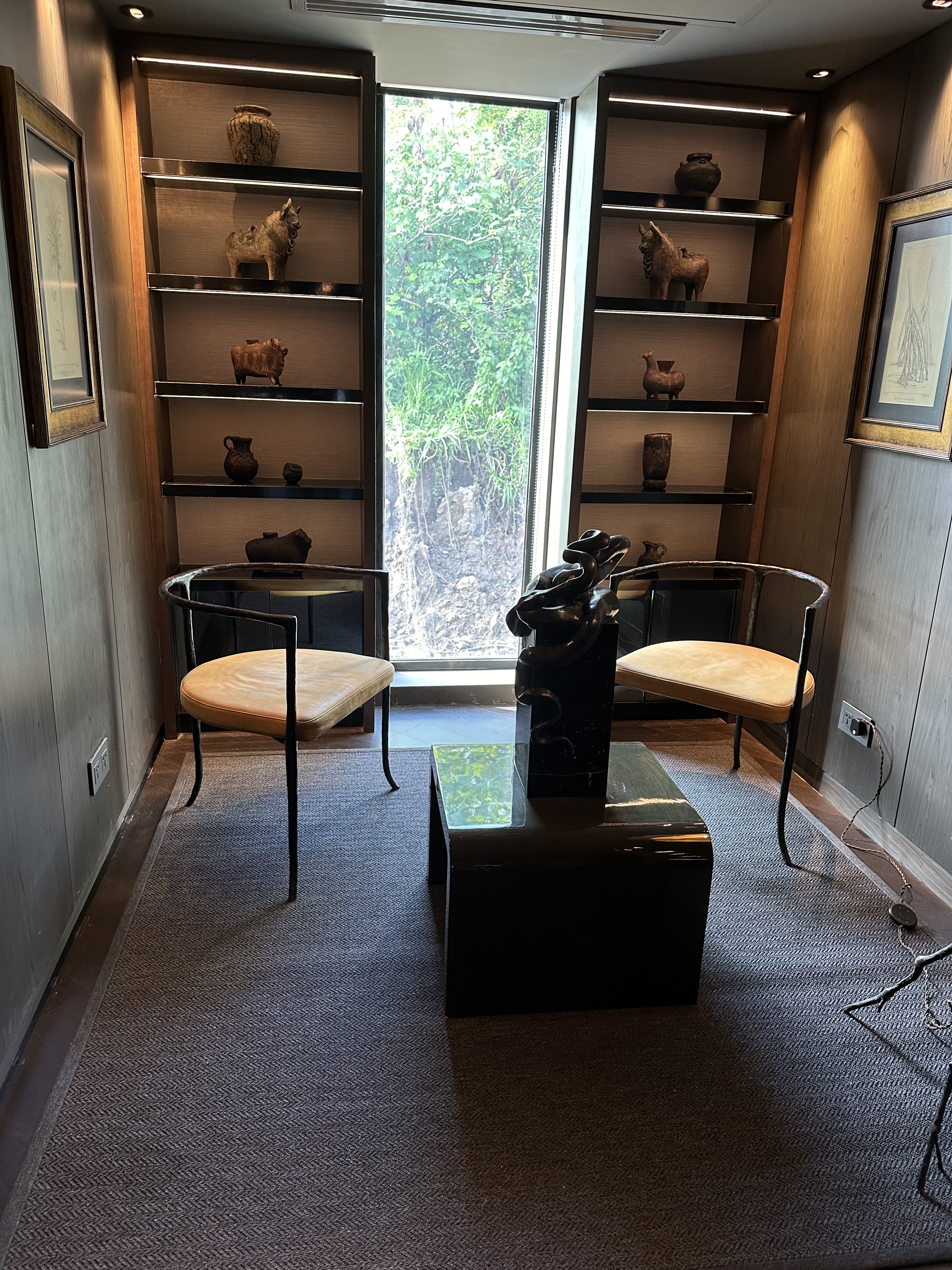
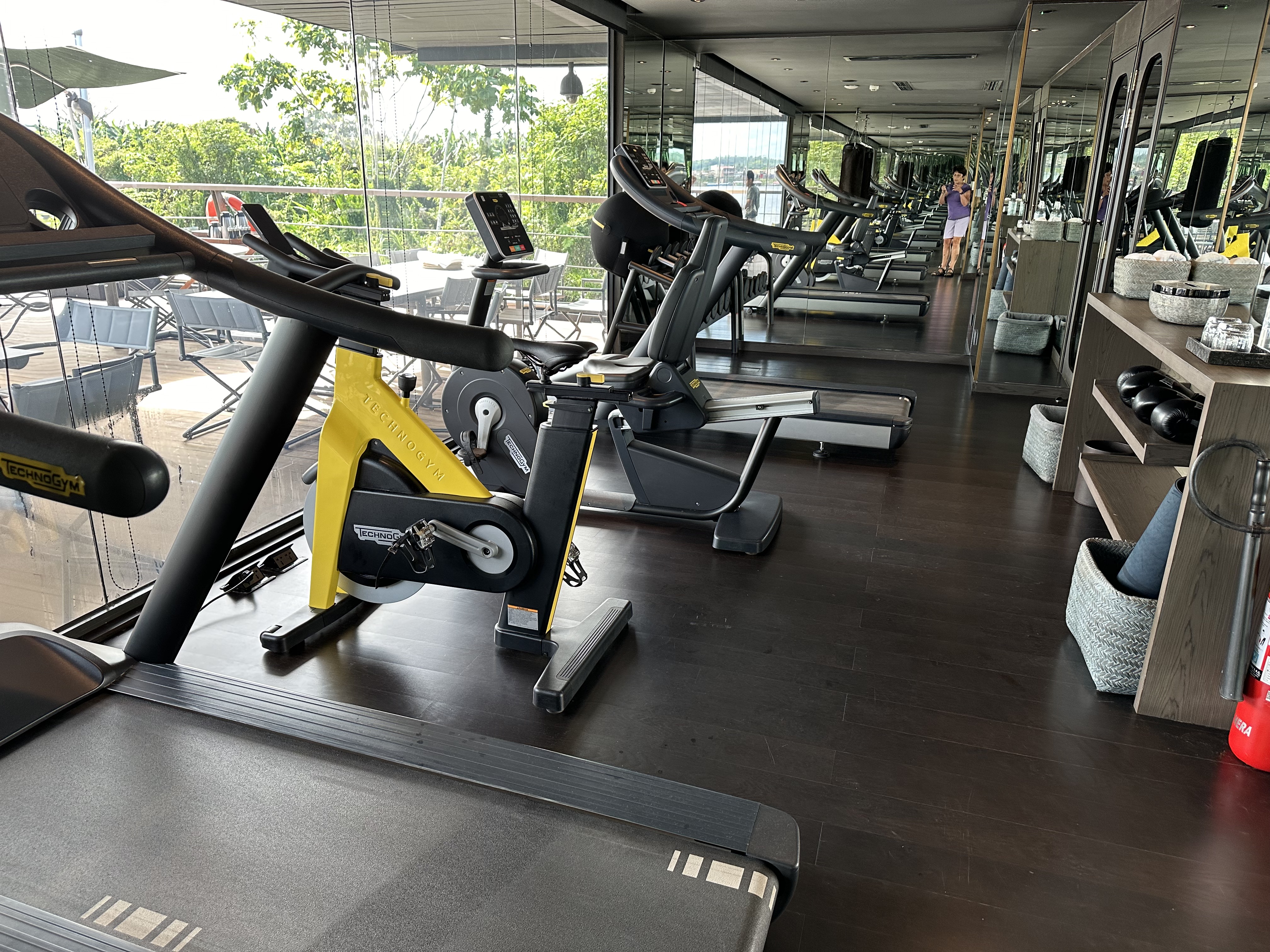

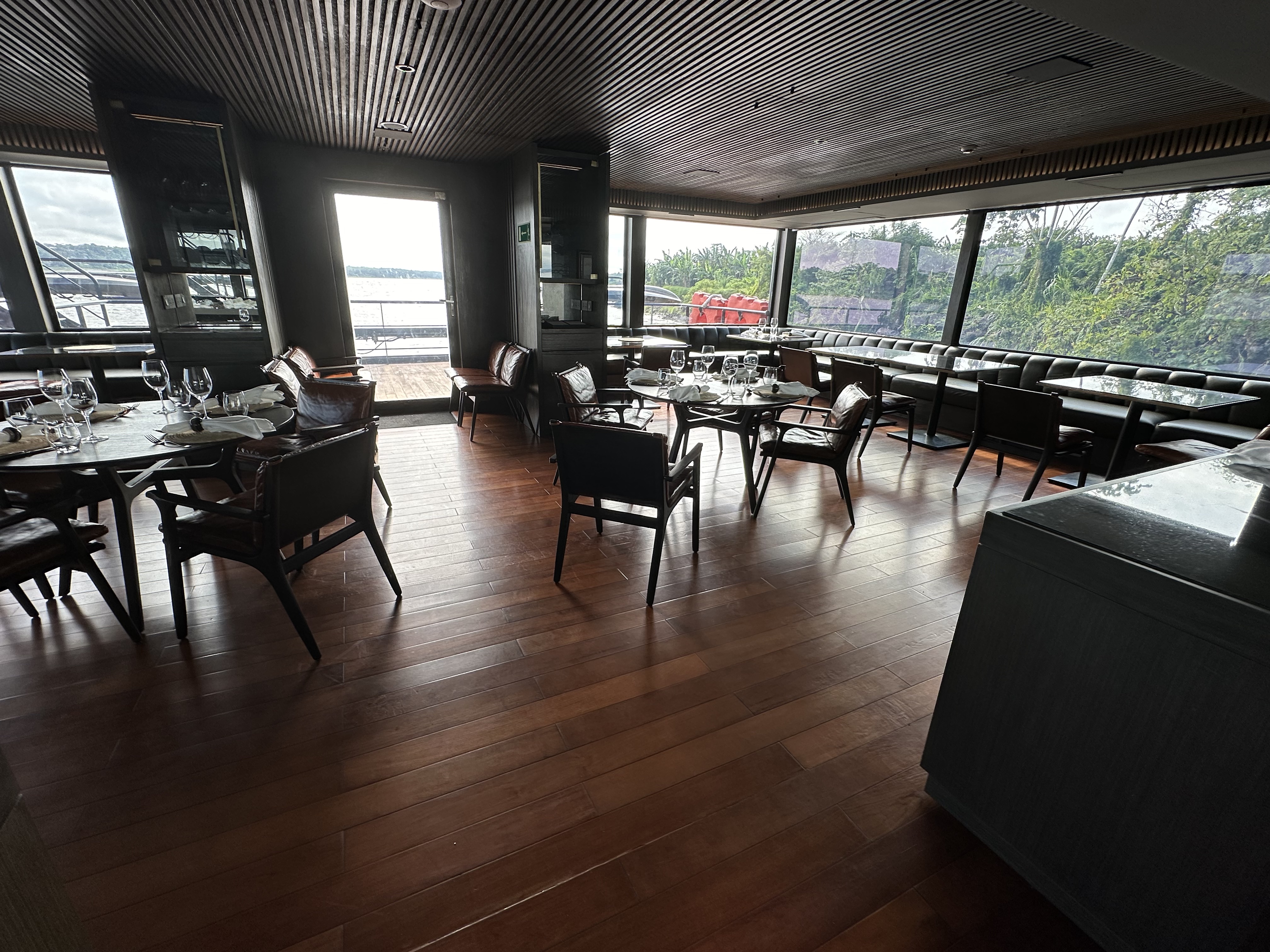
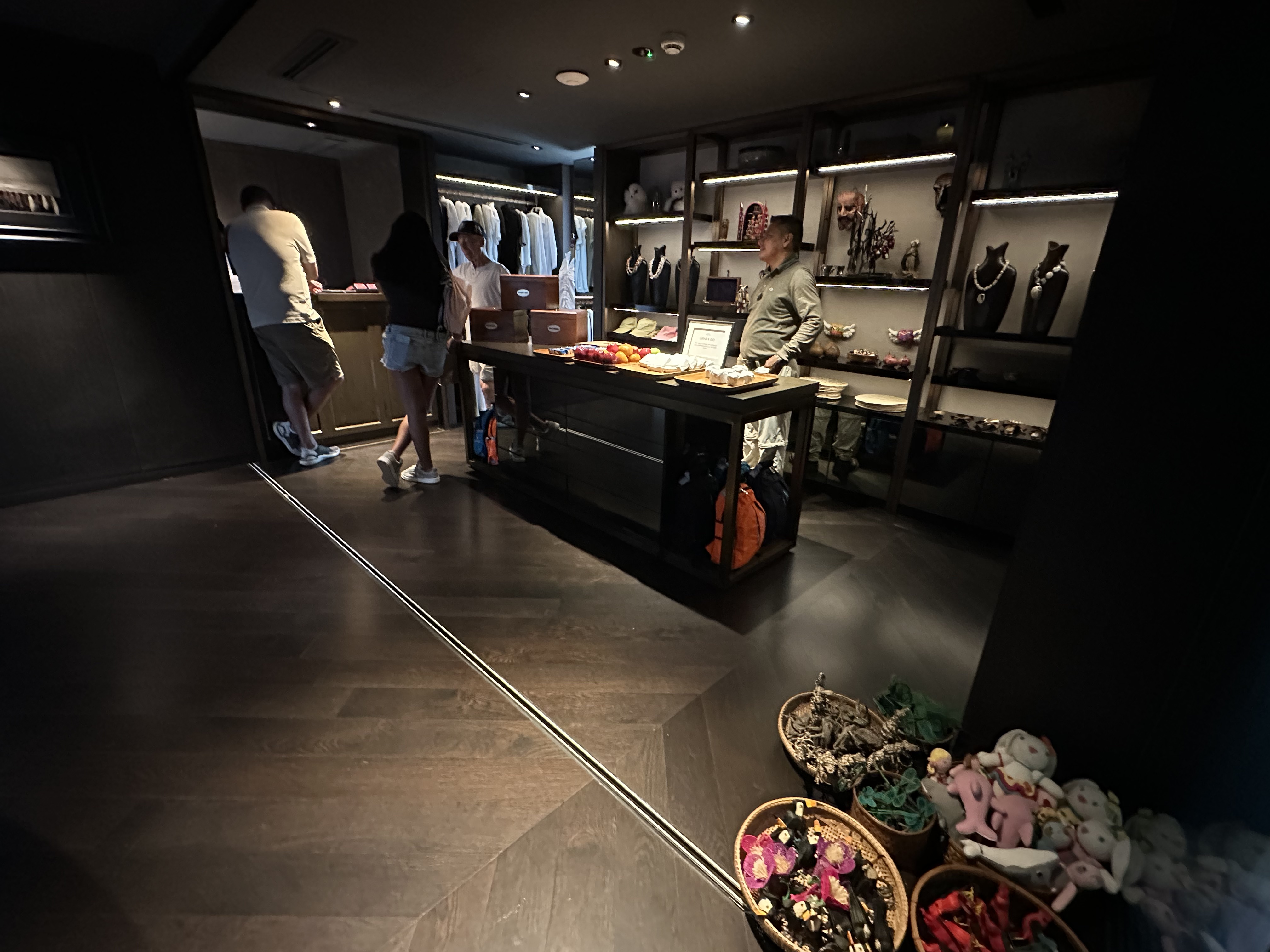
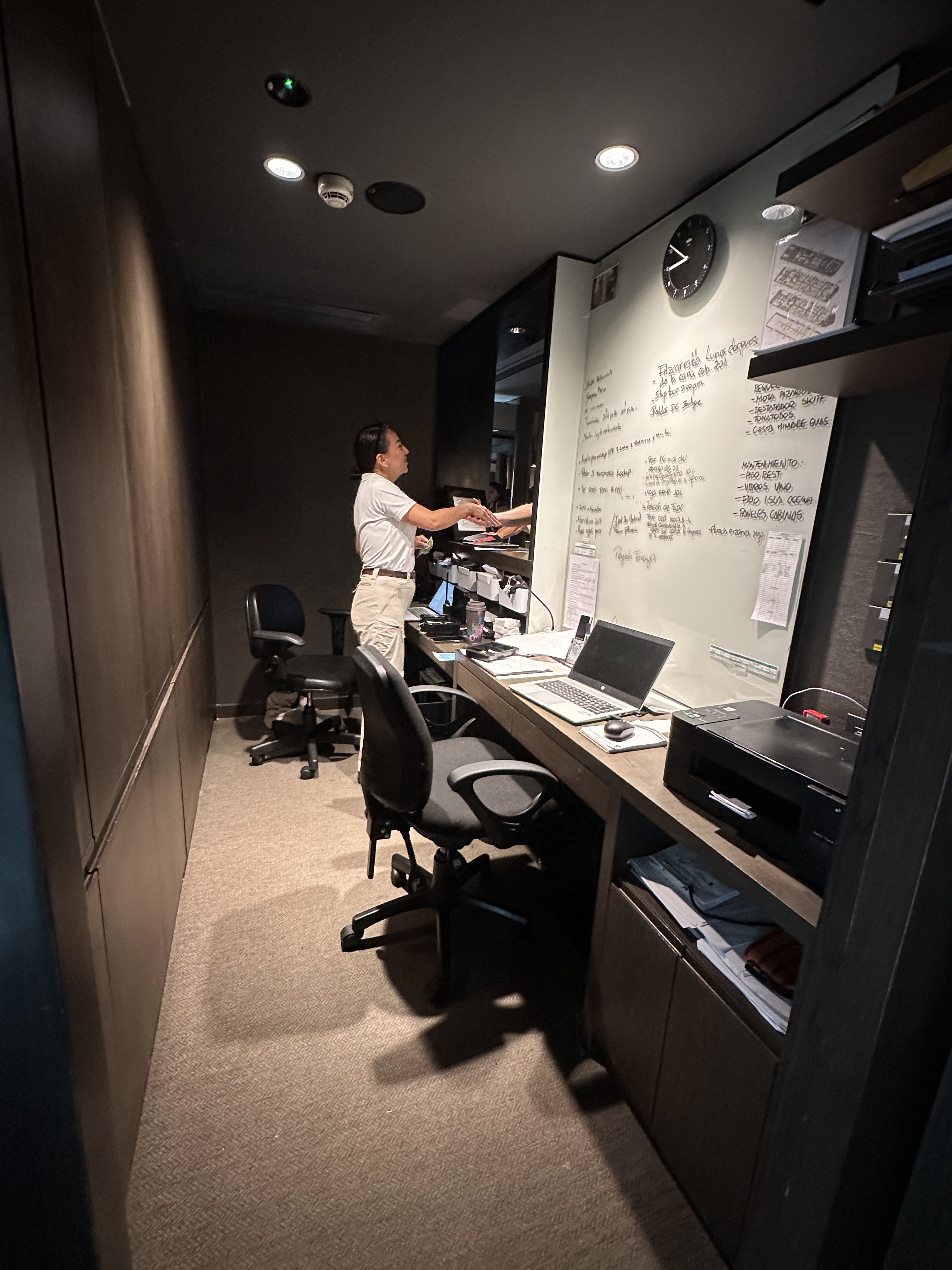
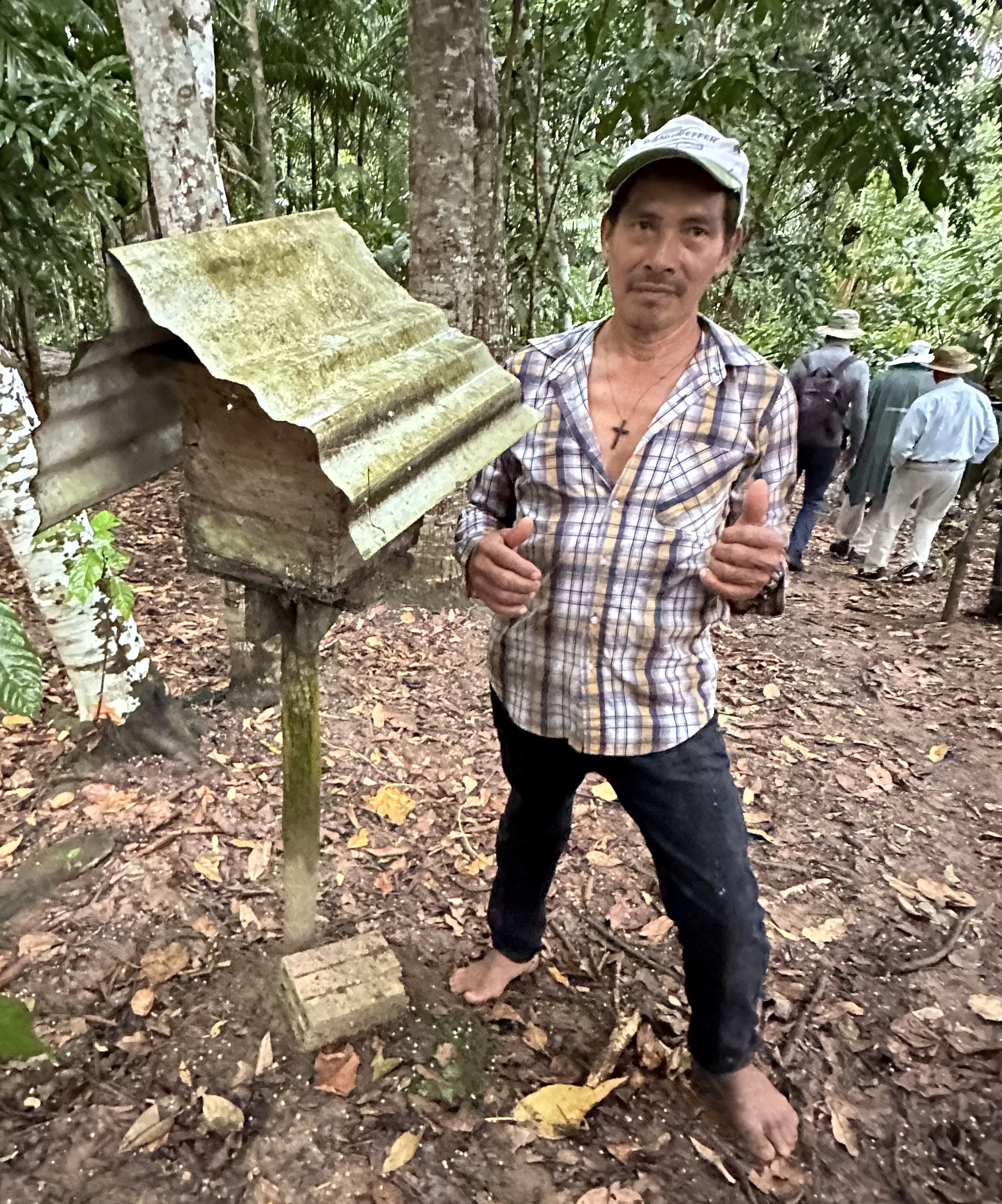
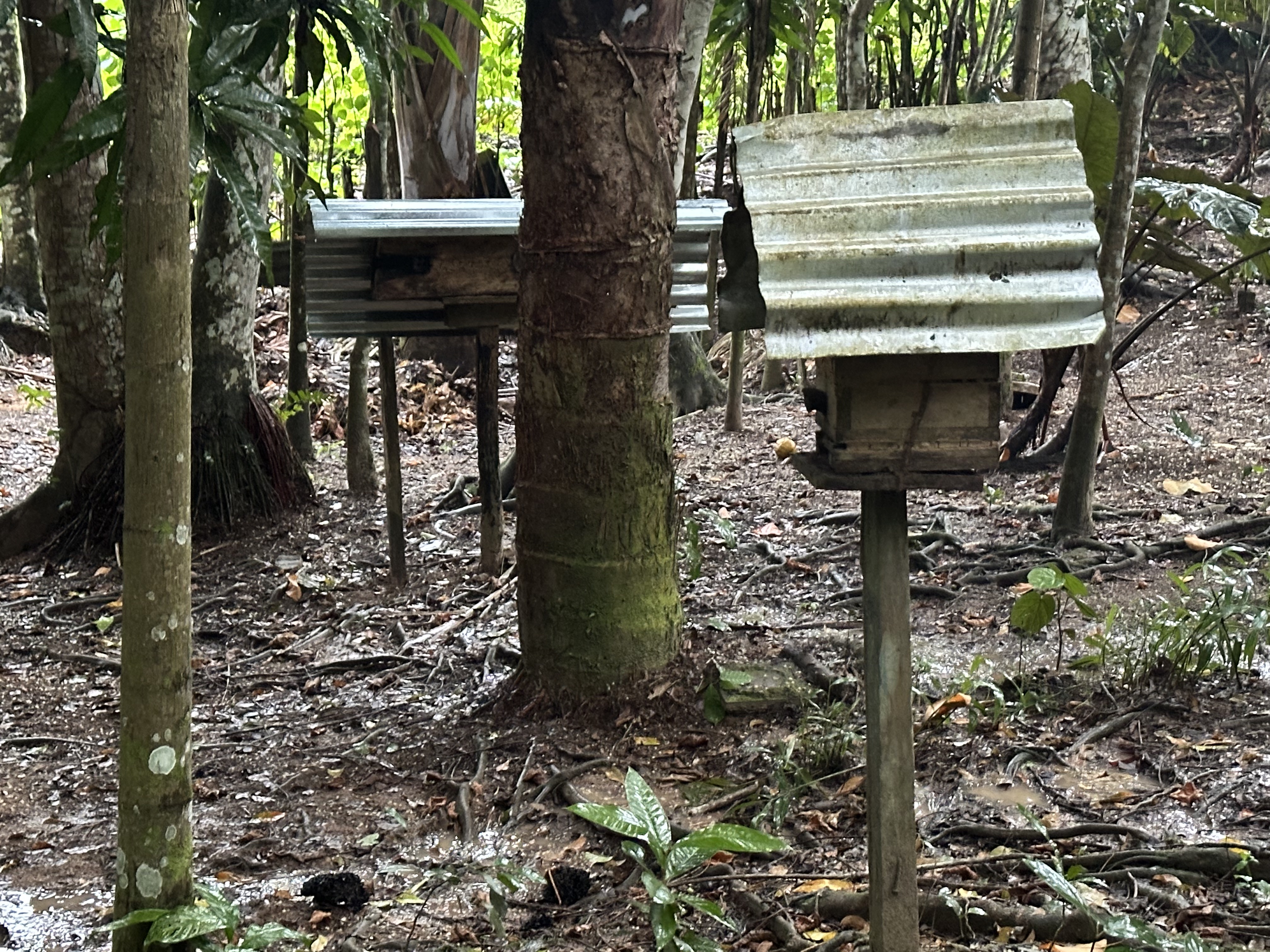
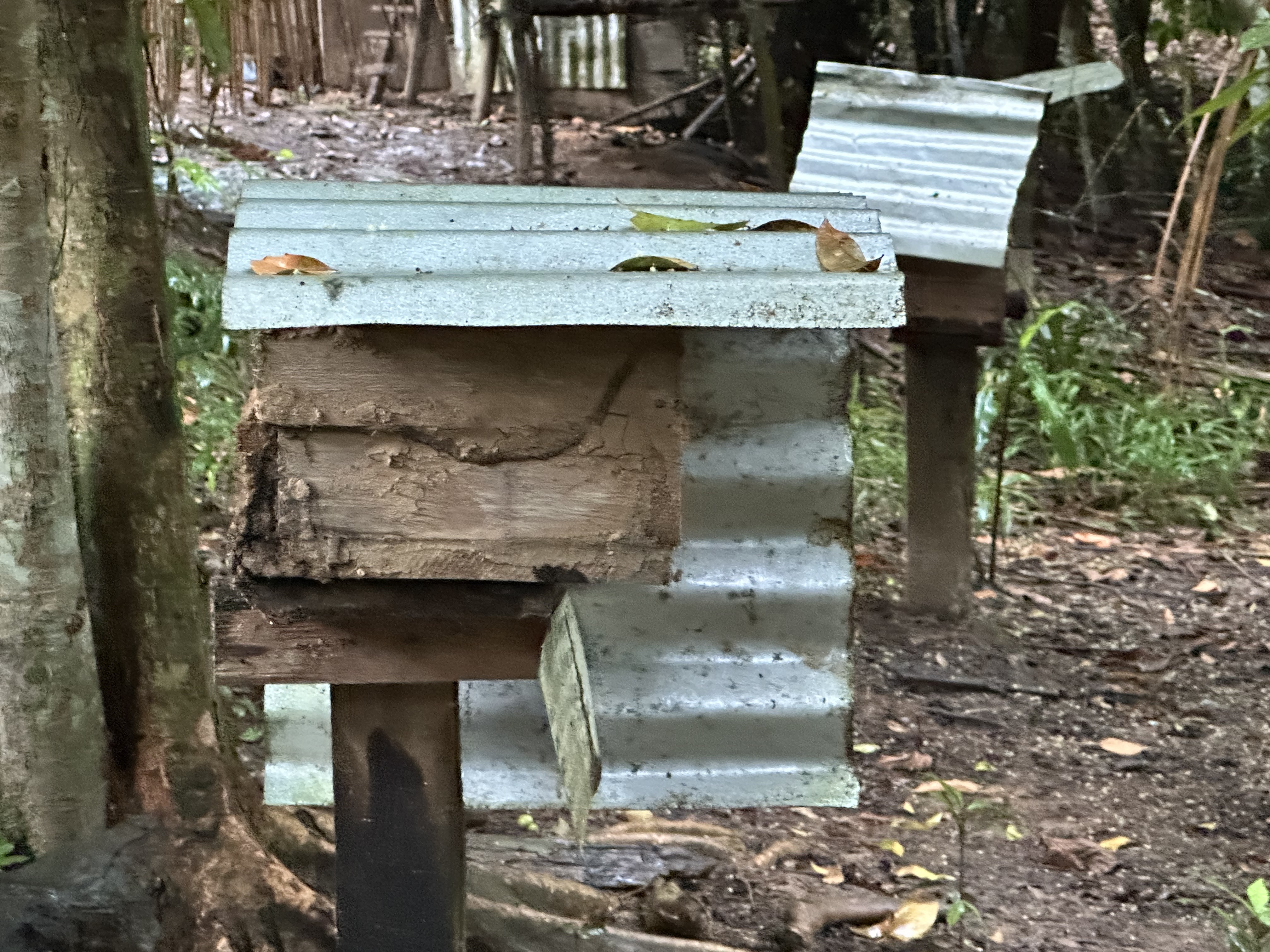
In the late afternoon two tenders full of us motored to the home of a bee keeper, with all of us thinking we would get to see bees in action. However, just as we arrived inside the beekeeper’s work room, we received our first rainfall. It lasted about half an hour but was enough for him to refuse to show us any bees. Instead we received a translated lecture on his method of keeping bees, and stingless ones at that. The beekeeper’s family started raising bees 7 years ago. After learning himself, he is now teaching children how to care for and raise bees. He uses a variety of bees that are stingless. None of us had heard of such bees and were surprised to learn they existed. He currently manages 68 boxes of hives, and harvests the honey every 3 months, getting 1-2 liters per hive. W paid 20 Sols for a small jelly jar size of honey. That amounted to about $5. The honey was surprisingly runny and tart, as though it was mixed with lemon. The rain let up about the time we were ready to depart, but it was too late for seeing bees.
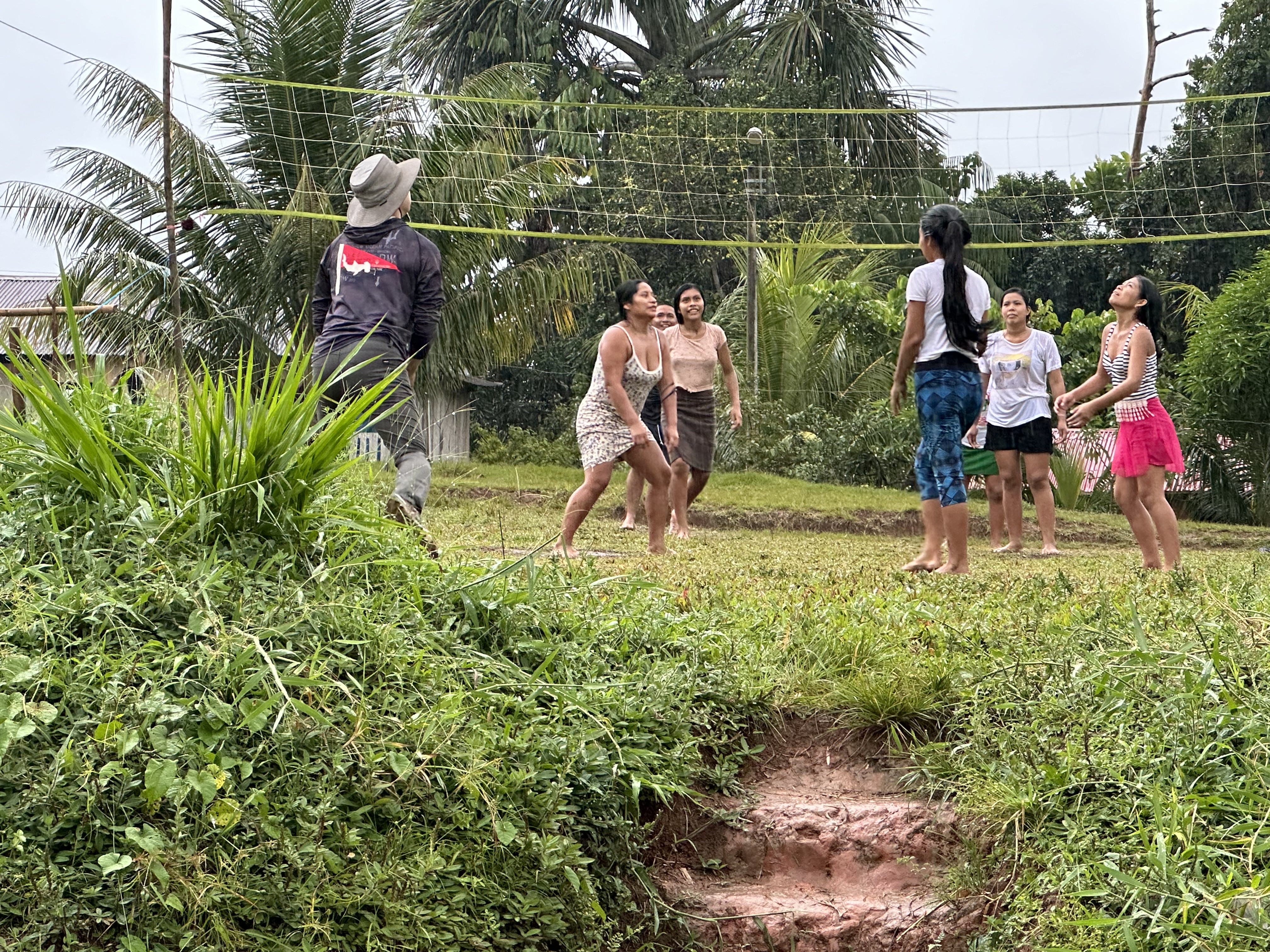
When we arrived I noticed a group of children playing ball in the local field and they seemed totally undeterred by the rain. They were fun to watch.
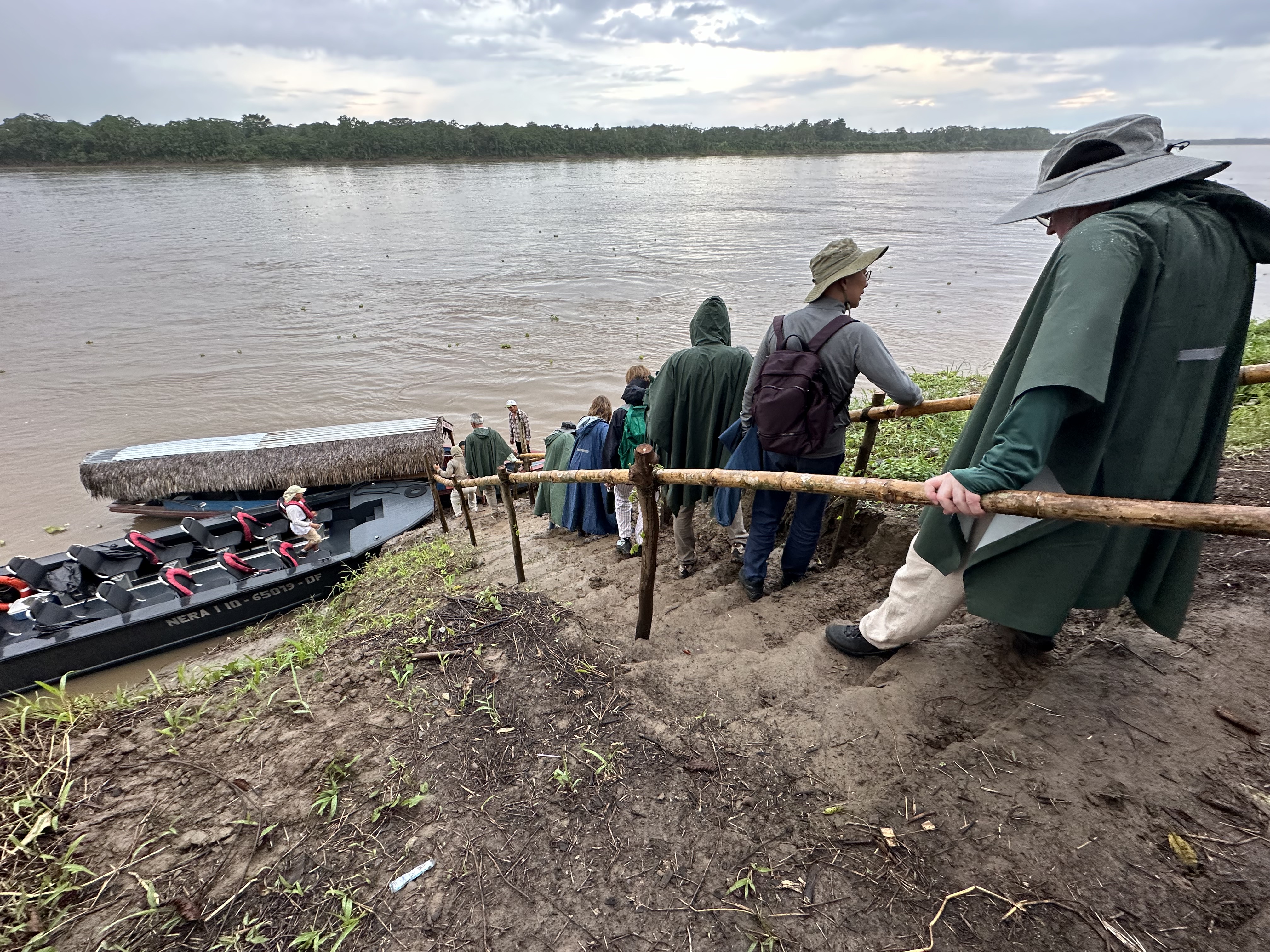
Back at the ship, we cleaned up, went to the bar for a cocktail and then had dinner with Nancy and Bill. We were happy to turn in early.
Wednesday, July 10, 2024
This morning we departed the ship at 9:30am for another village. This one is called Solterito and the residents were not expecting us. However, the village chief showed up to welcome us and show us around. He said there were 45 families in the village of about 200 people.
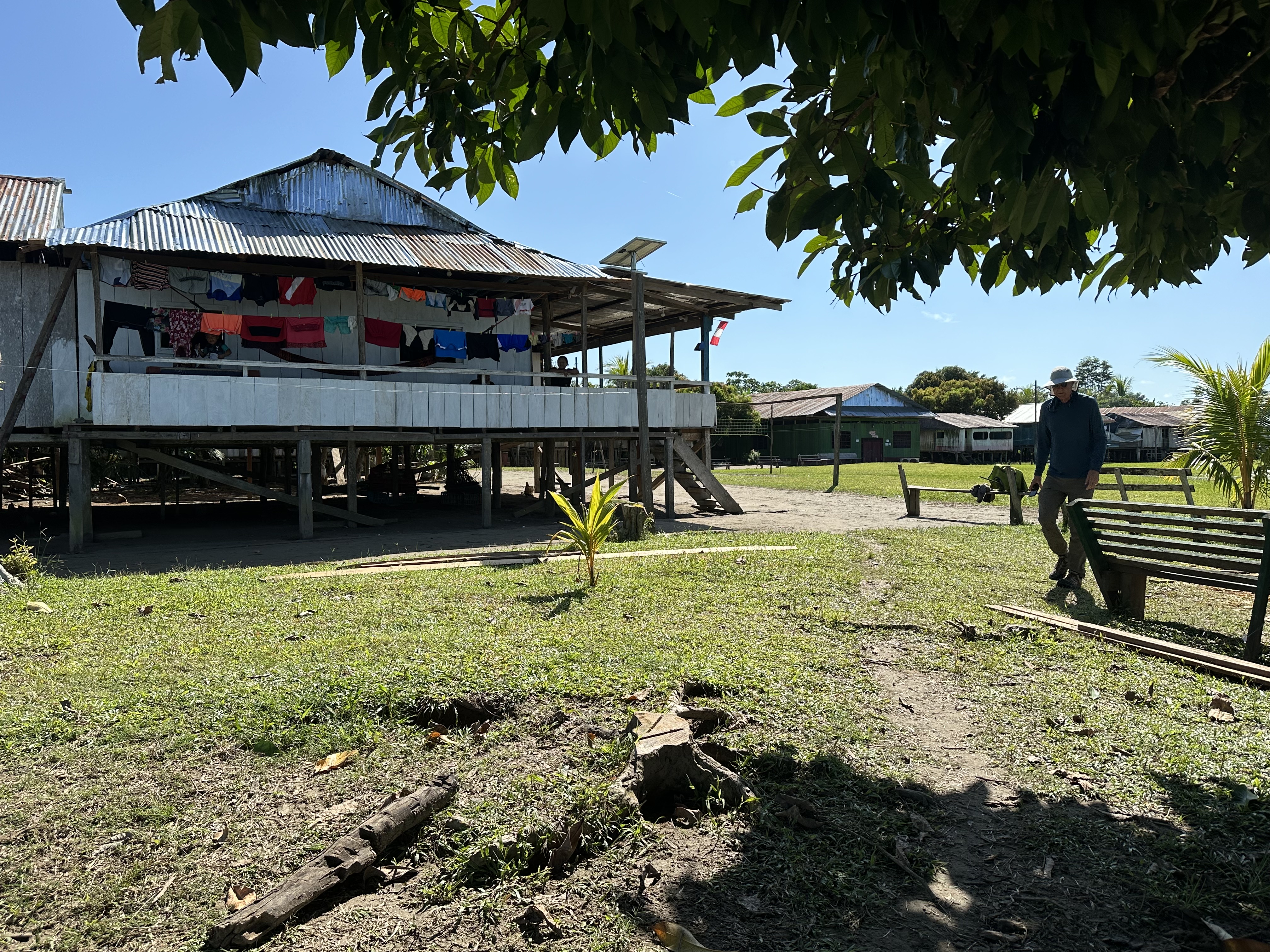
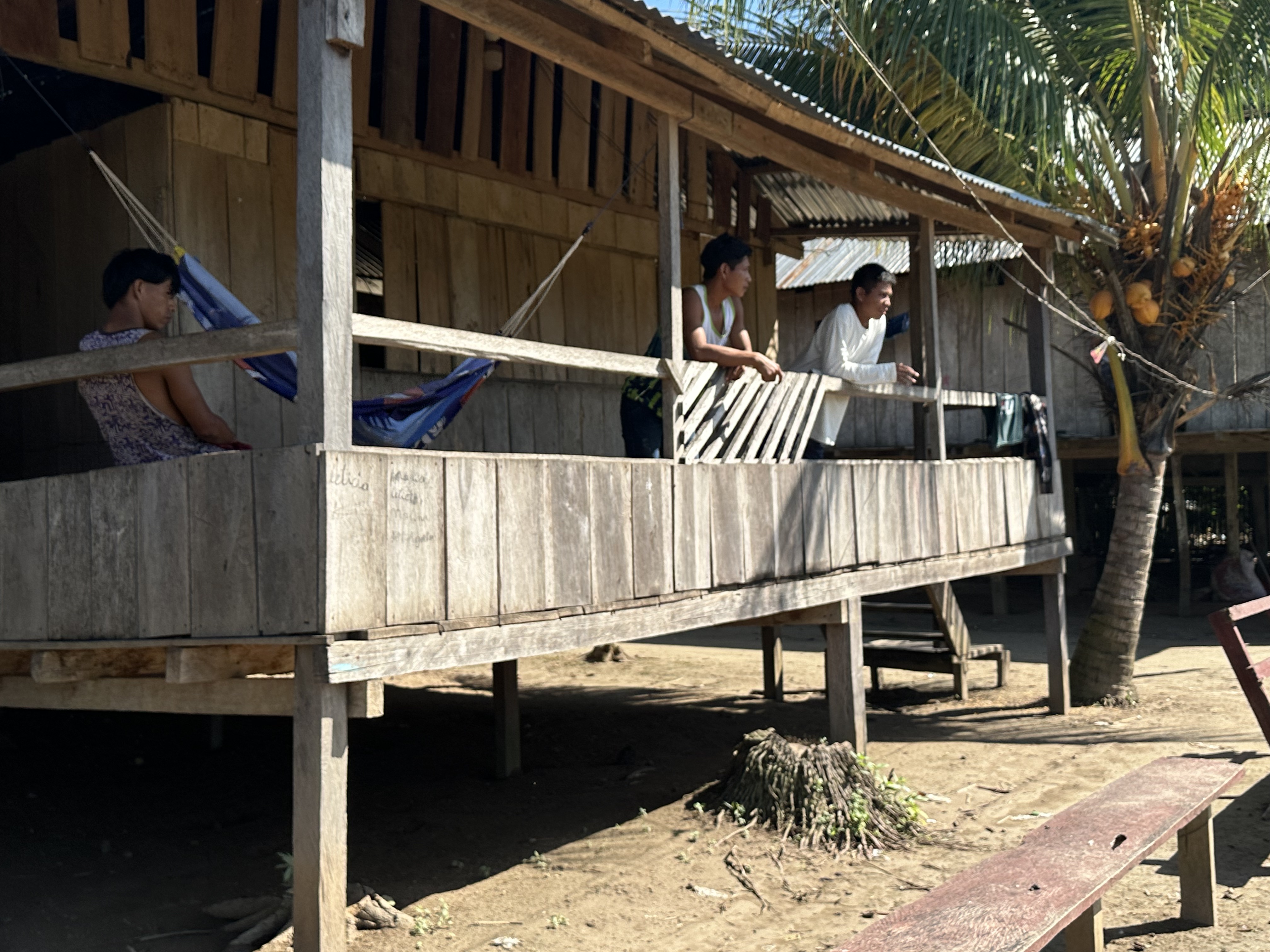
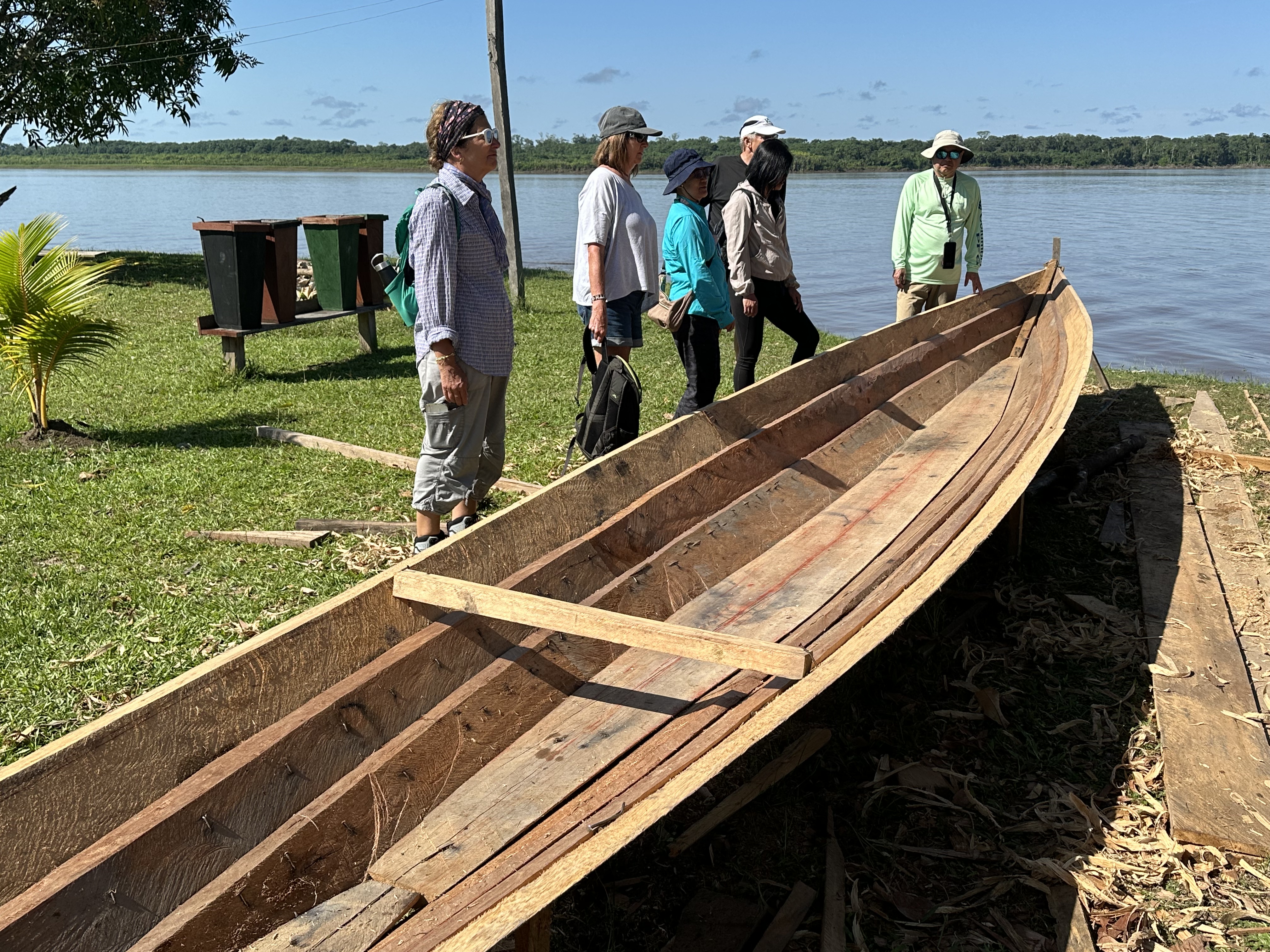
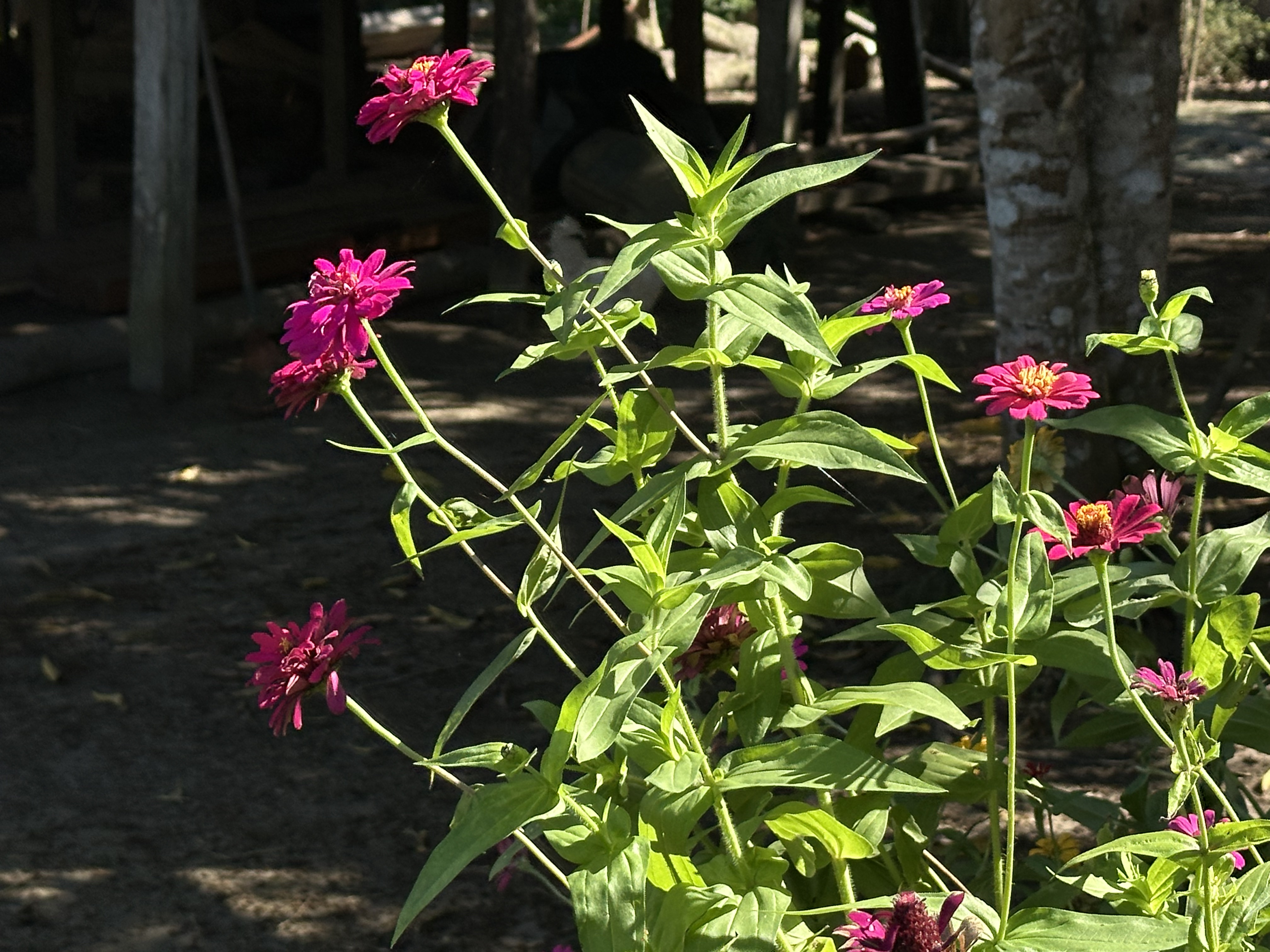
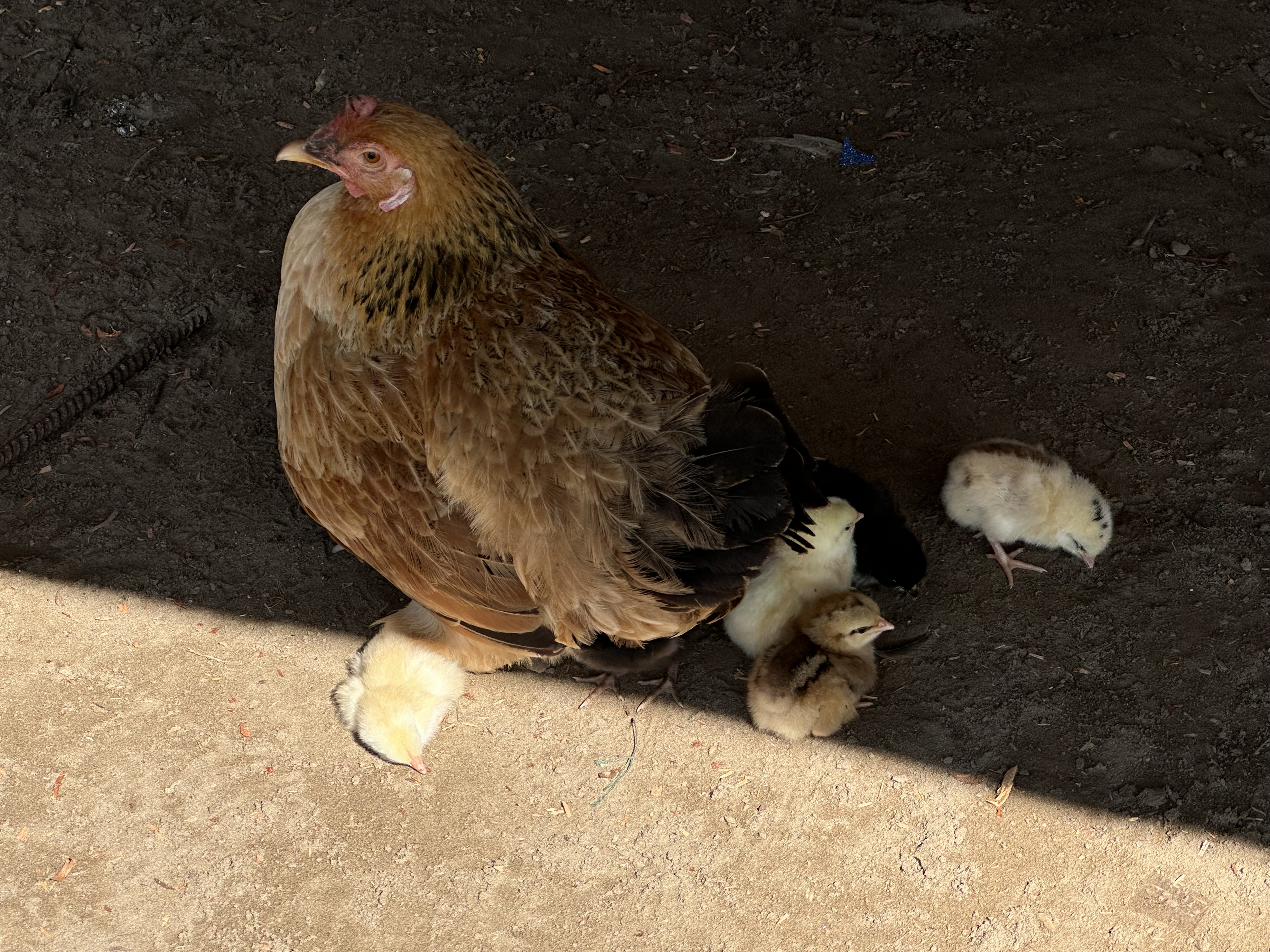
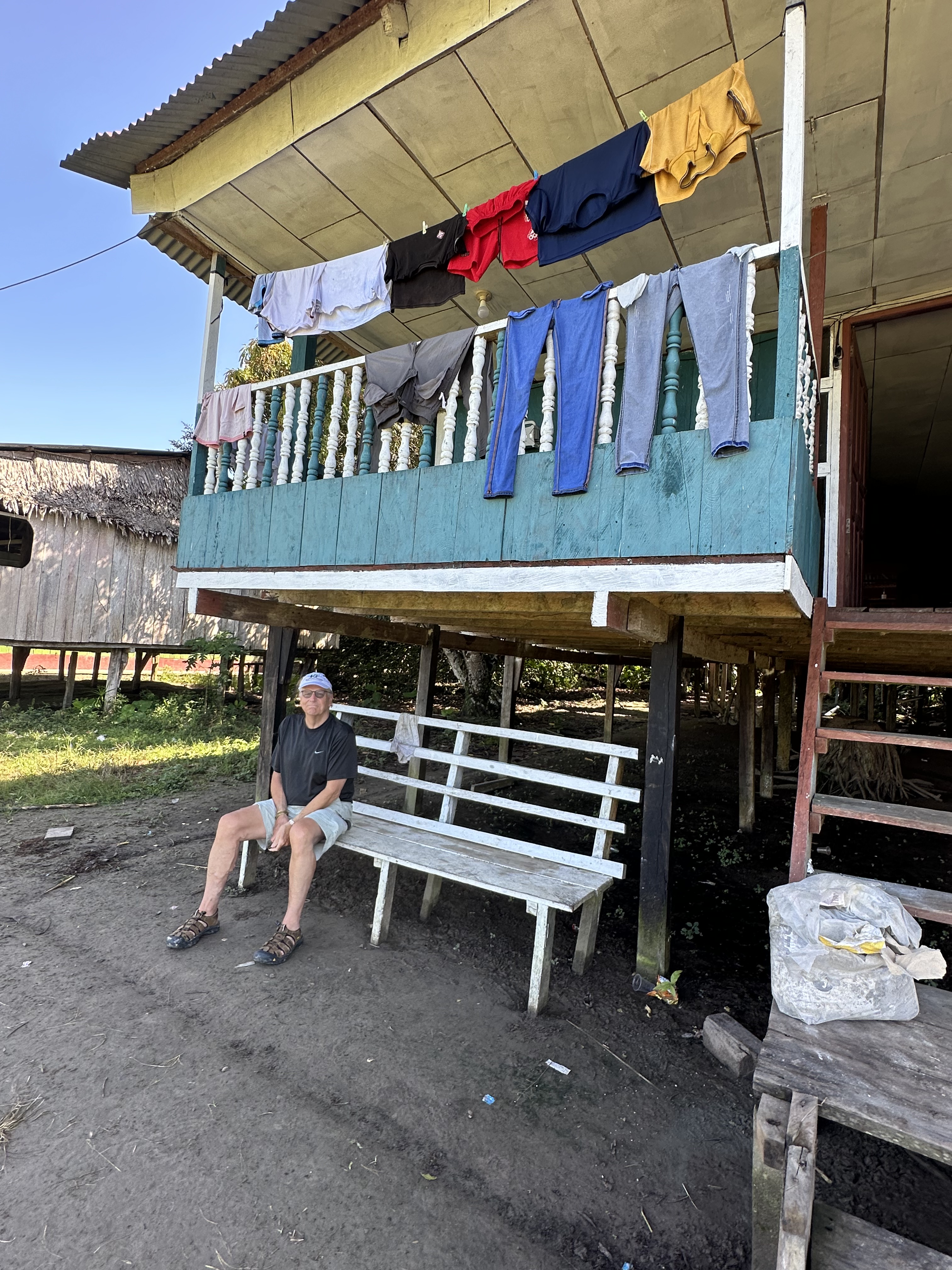
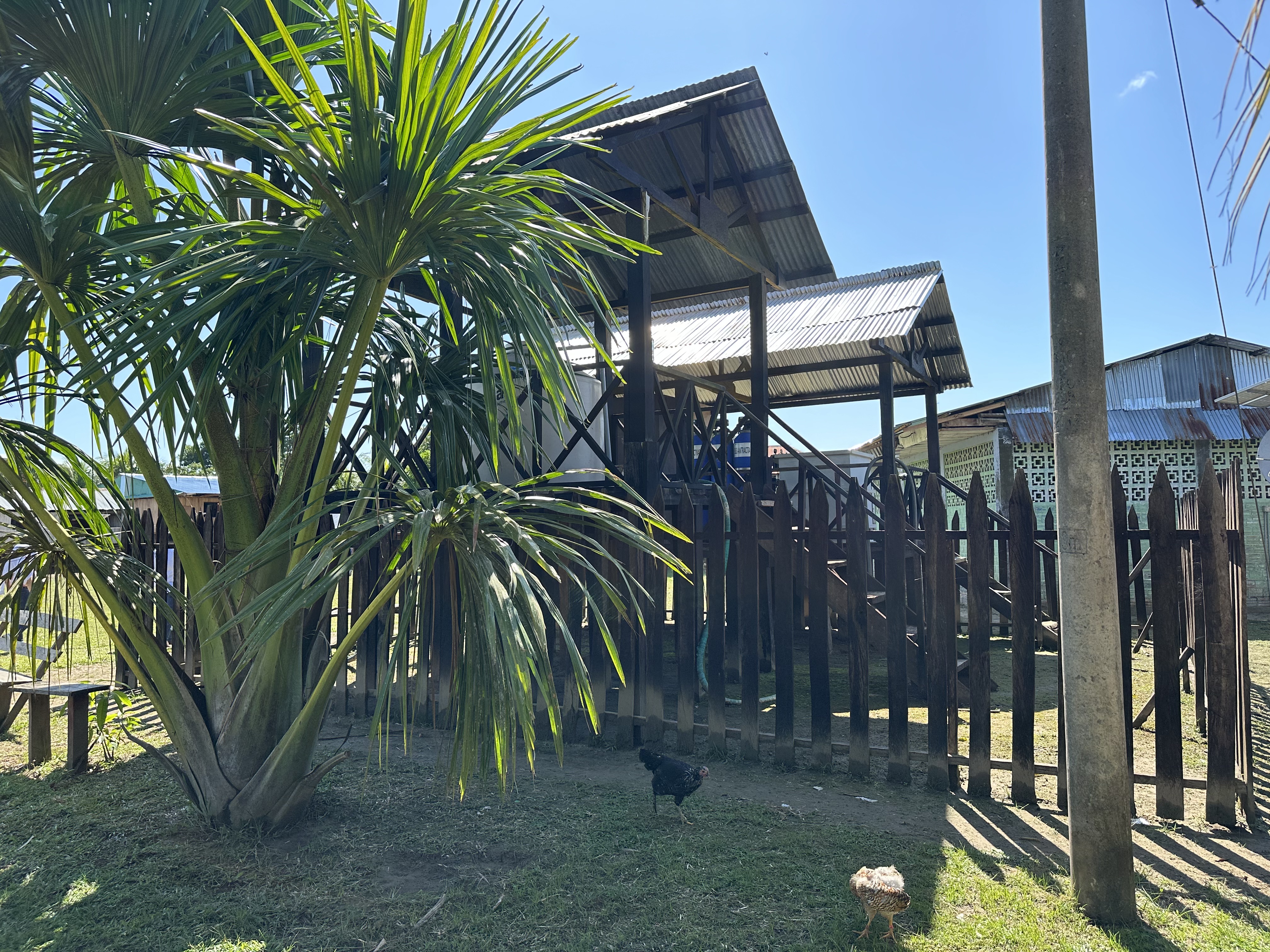
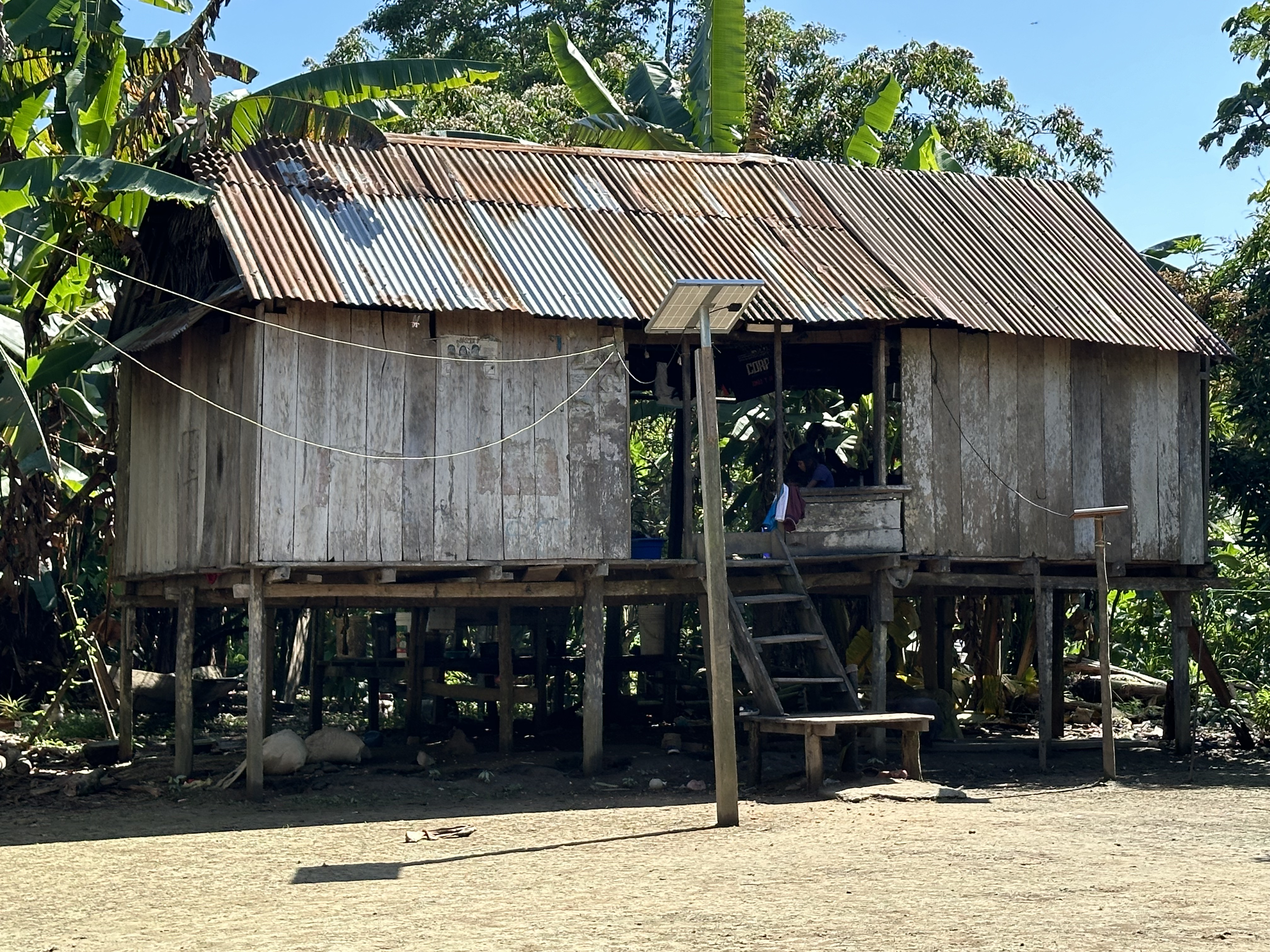
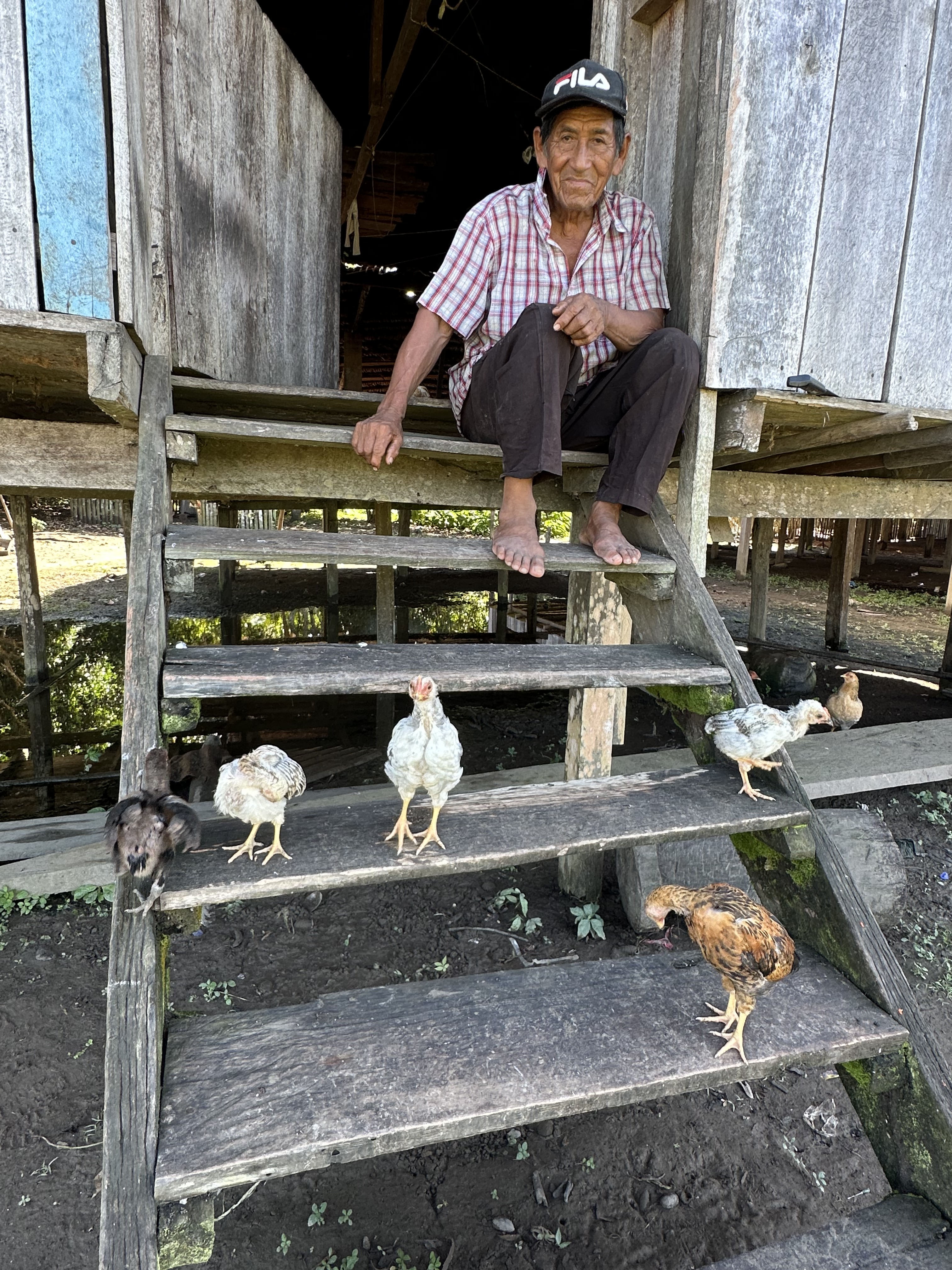
They all speak the local Kukama language and Spanish. The place looked very similar to the village we had seen the day before, with one exception. There was a building that housed a kindergarten classroom with about 14 students. Our guide engaged the kids in a game and a song and everyone was full of smiles. One lady in our group had brought pens and booklets for the kids and she presented the materials to the teacher.
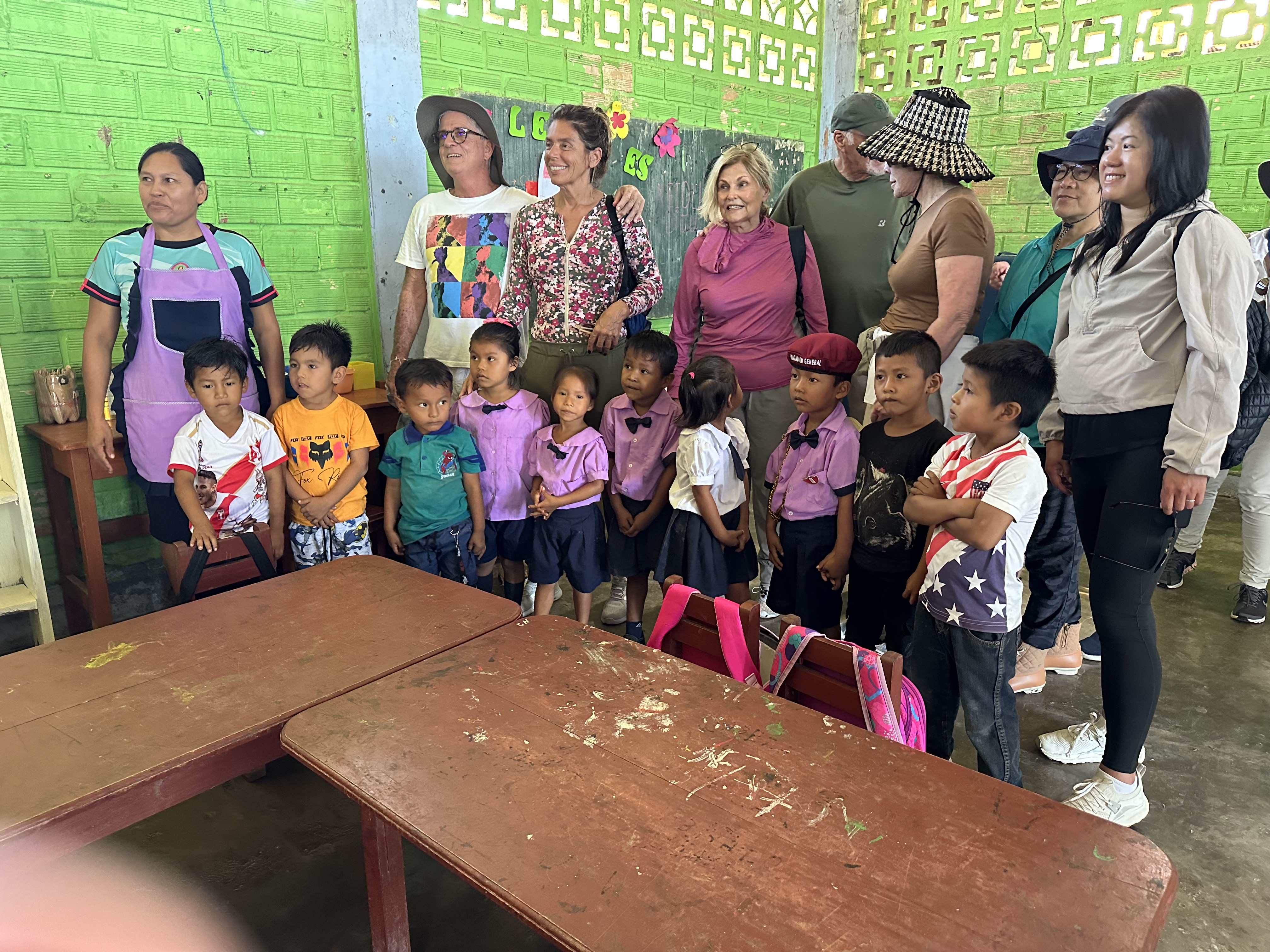
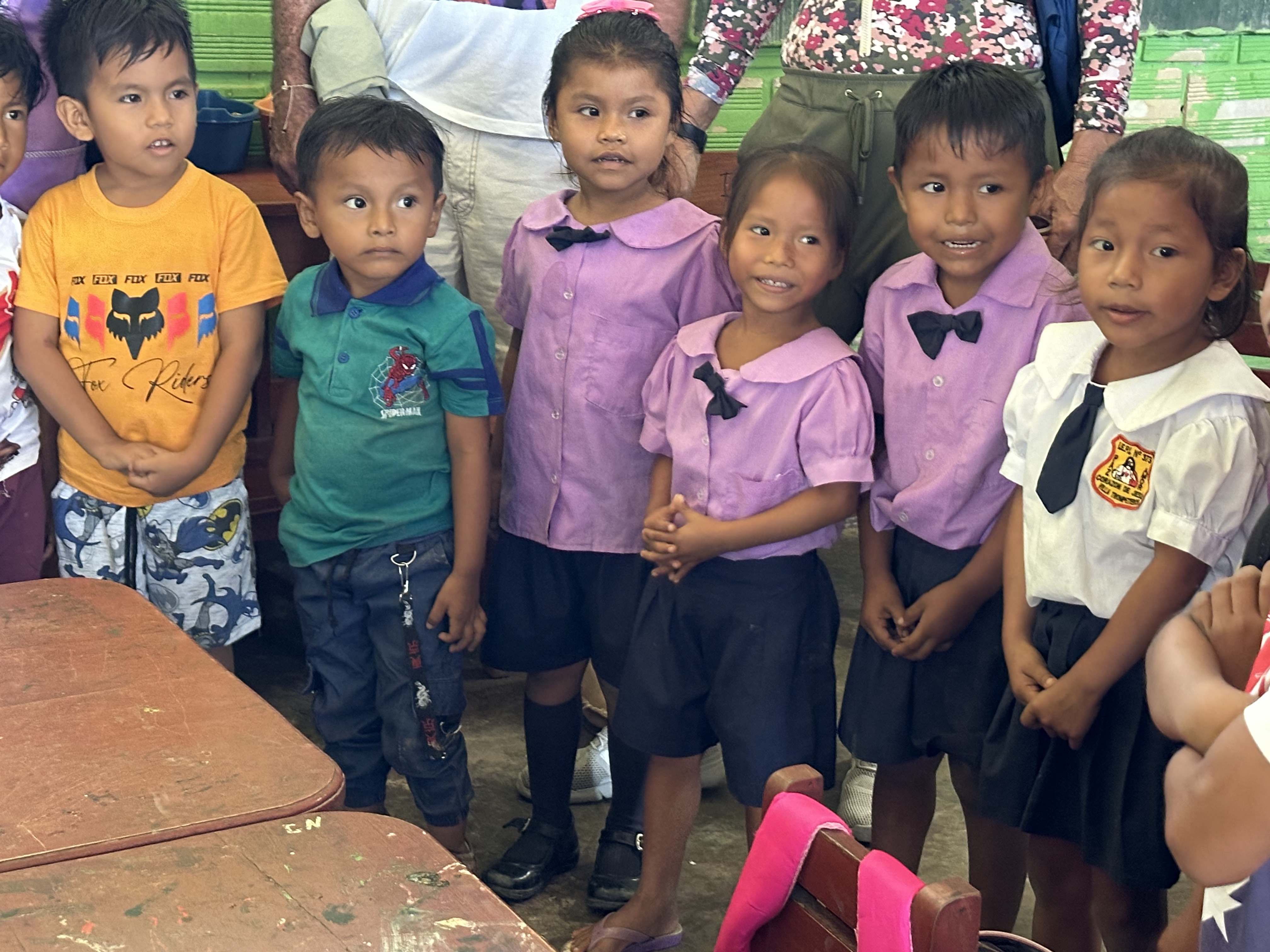
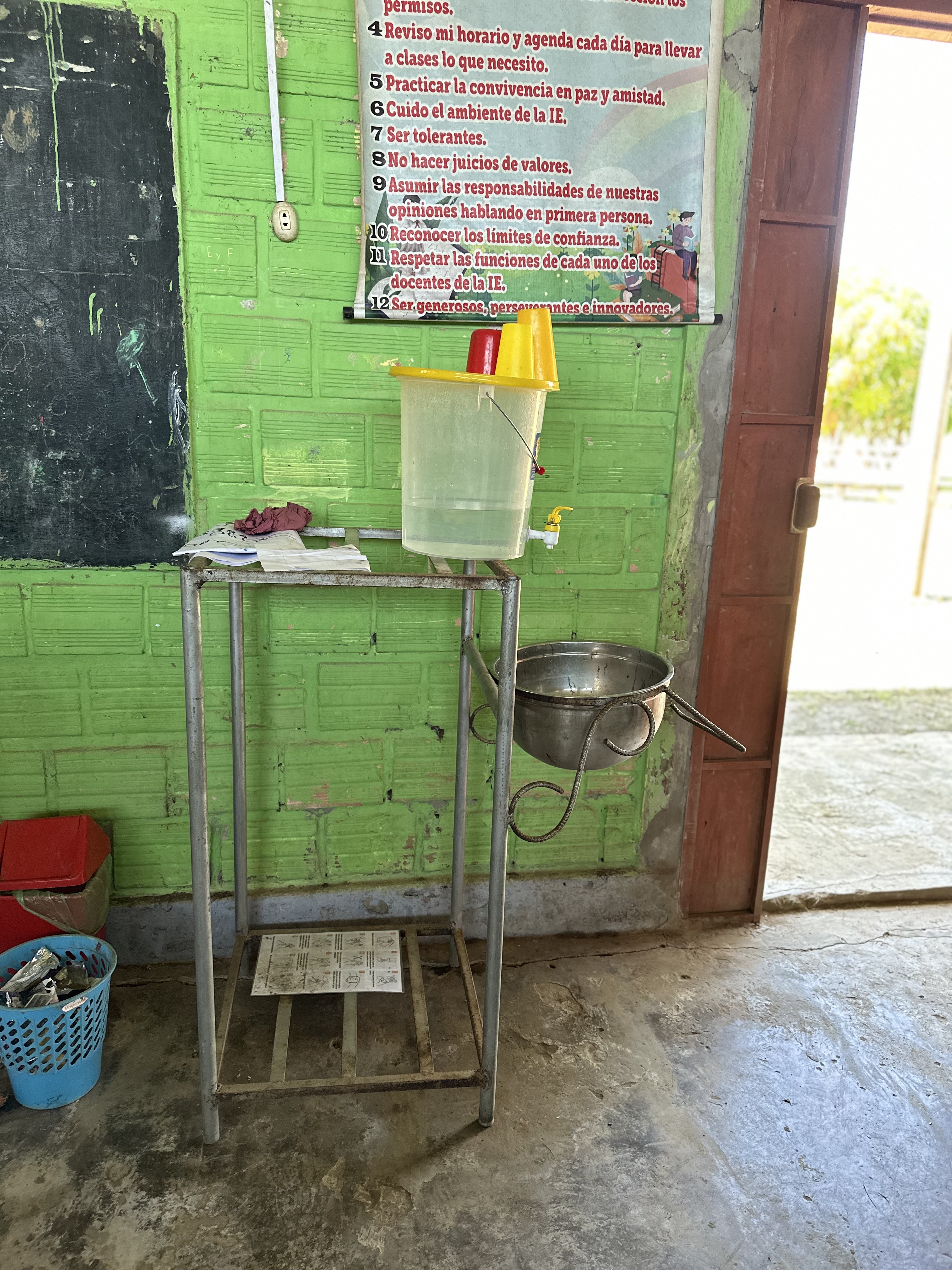
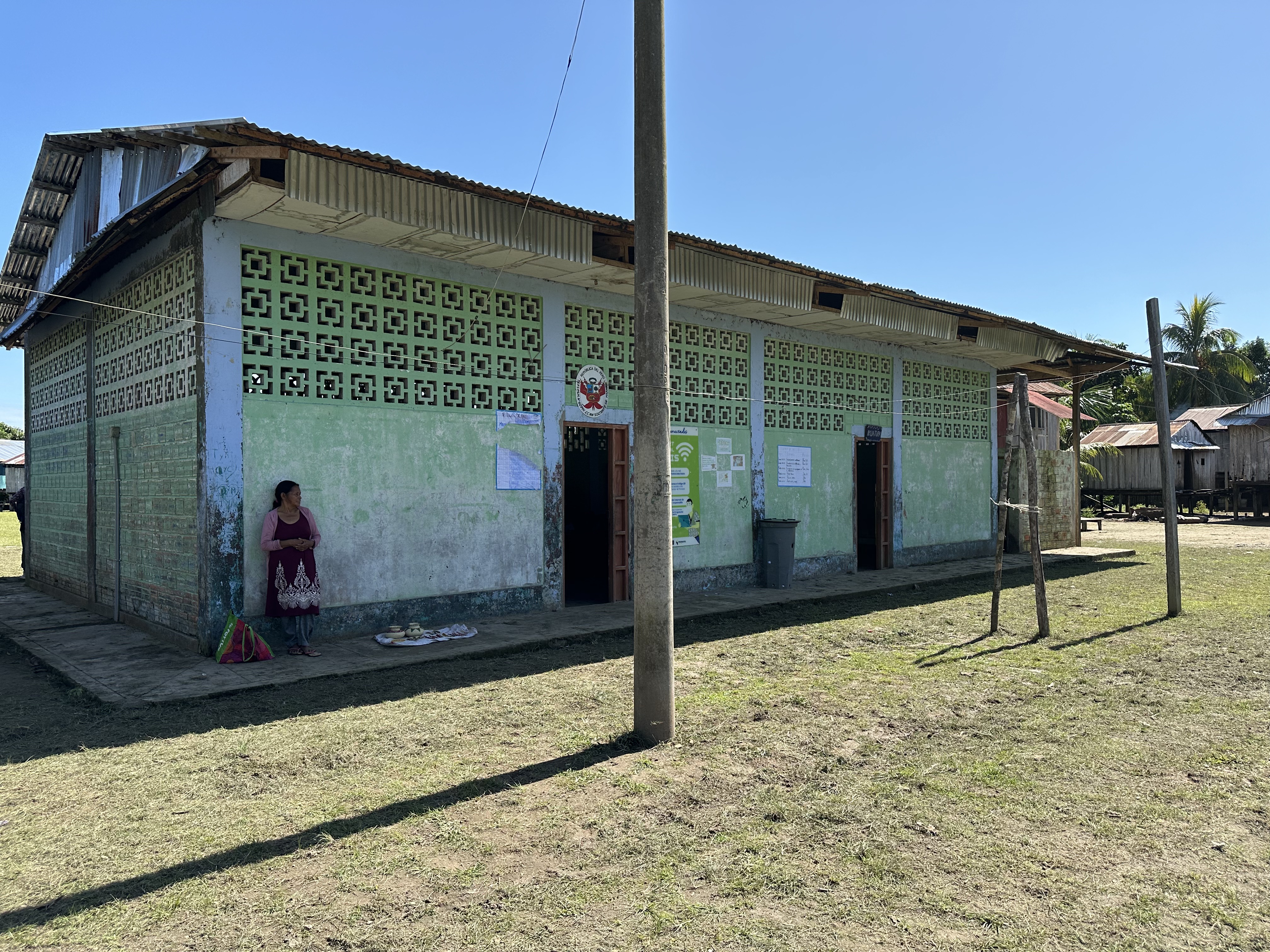
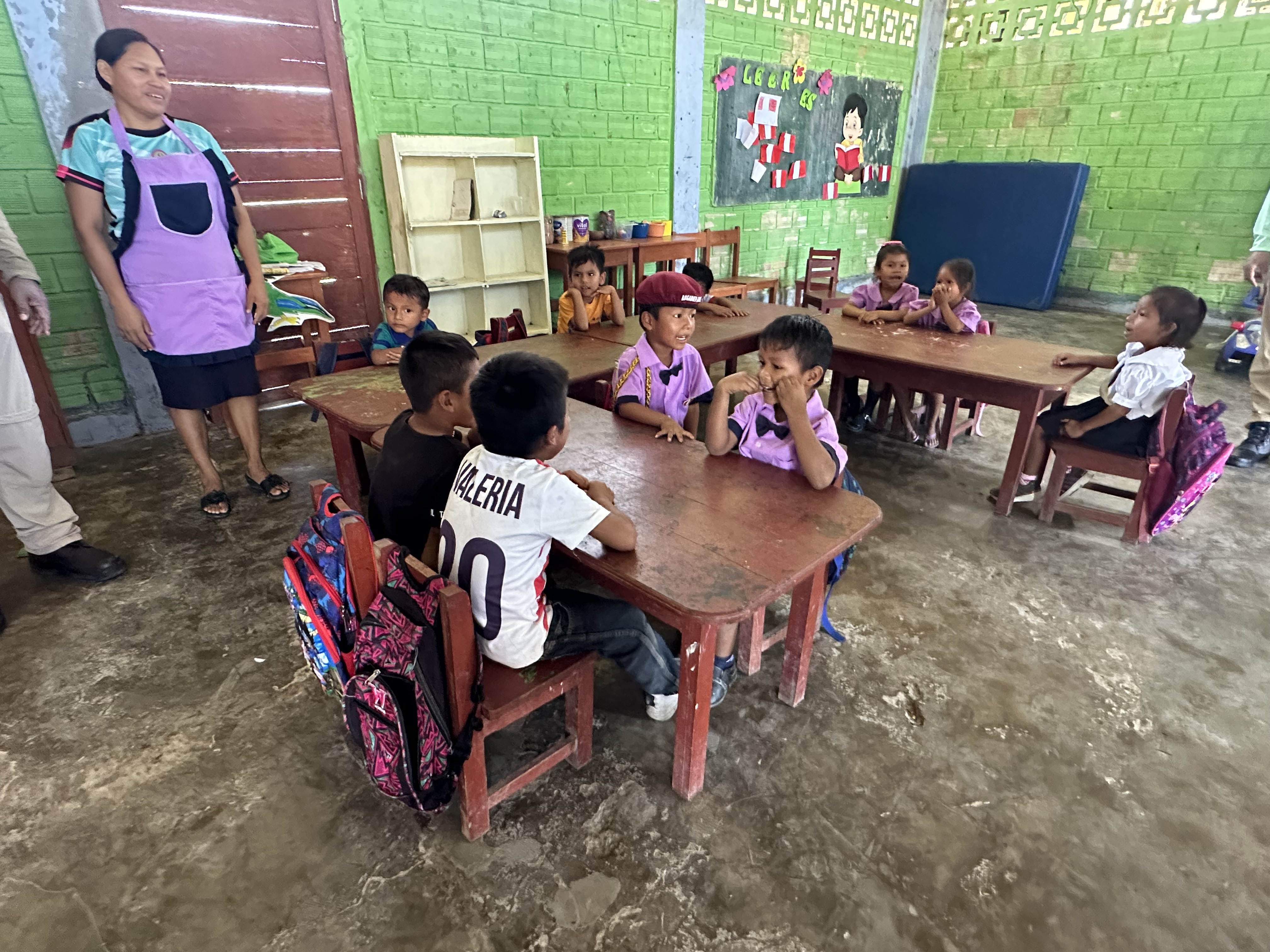
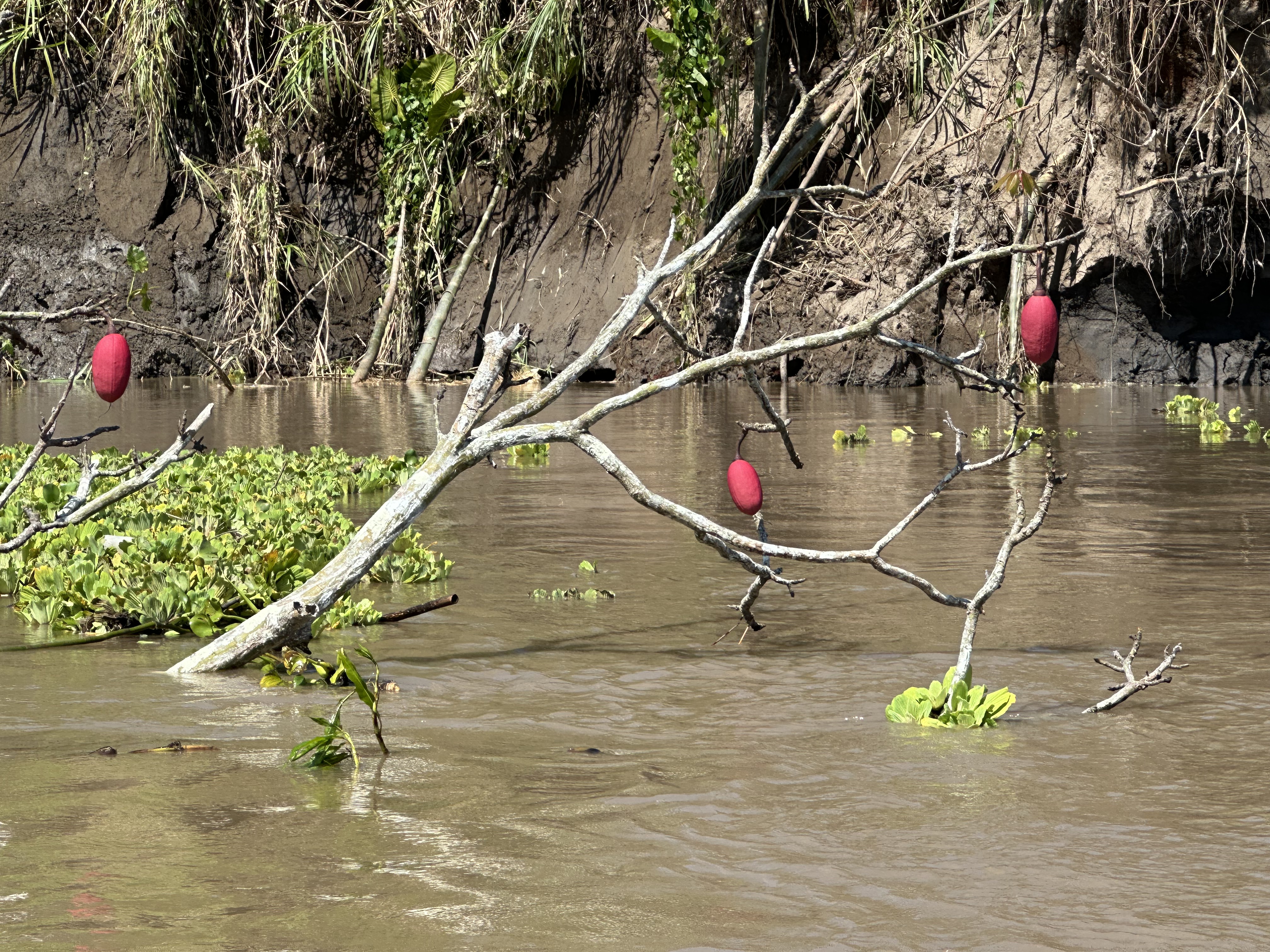
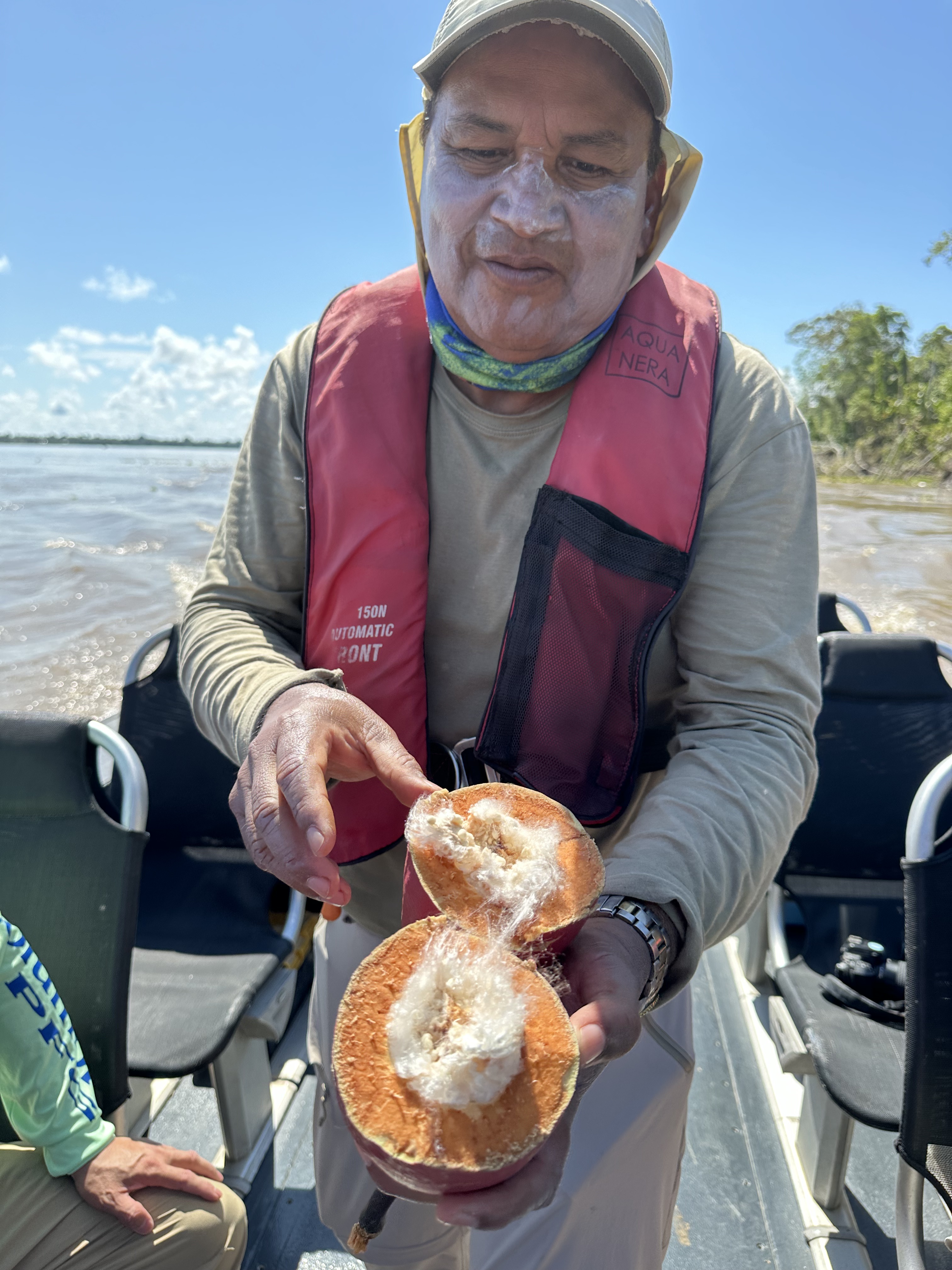
There were no other grades being taught. After awhile we headed back to the tenders and motored across the channel to look for wildlife. Our guide, Juan, spotted a pair of Horned Screamers that are nicknamed Donkey Birds because, according to him, “they walk like a duck, fly like a vulture, sound like a donkey and taste like a chicken”. I got a poor shot of them, but then captured a nice image of a Yellow-headed Cara Cara bird taking off. Near this scene was a downed Kapok tree with some fruit still attached to a limb. Juan ripped one off the limb, cut it open and showed it with is. It had a cotton like substance in the middle as well as some seeds that parakeets eat and a very hard, thick reddish core. The cotton is used on the darts of a blow gun.
Back at the ship we were treated to a Pisco Sour demonstration by the bar tender as well as a ceviche creation by the chef. Then lunch was served. One ceviche was more than enough lunch for me.
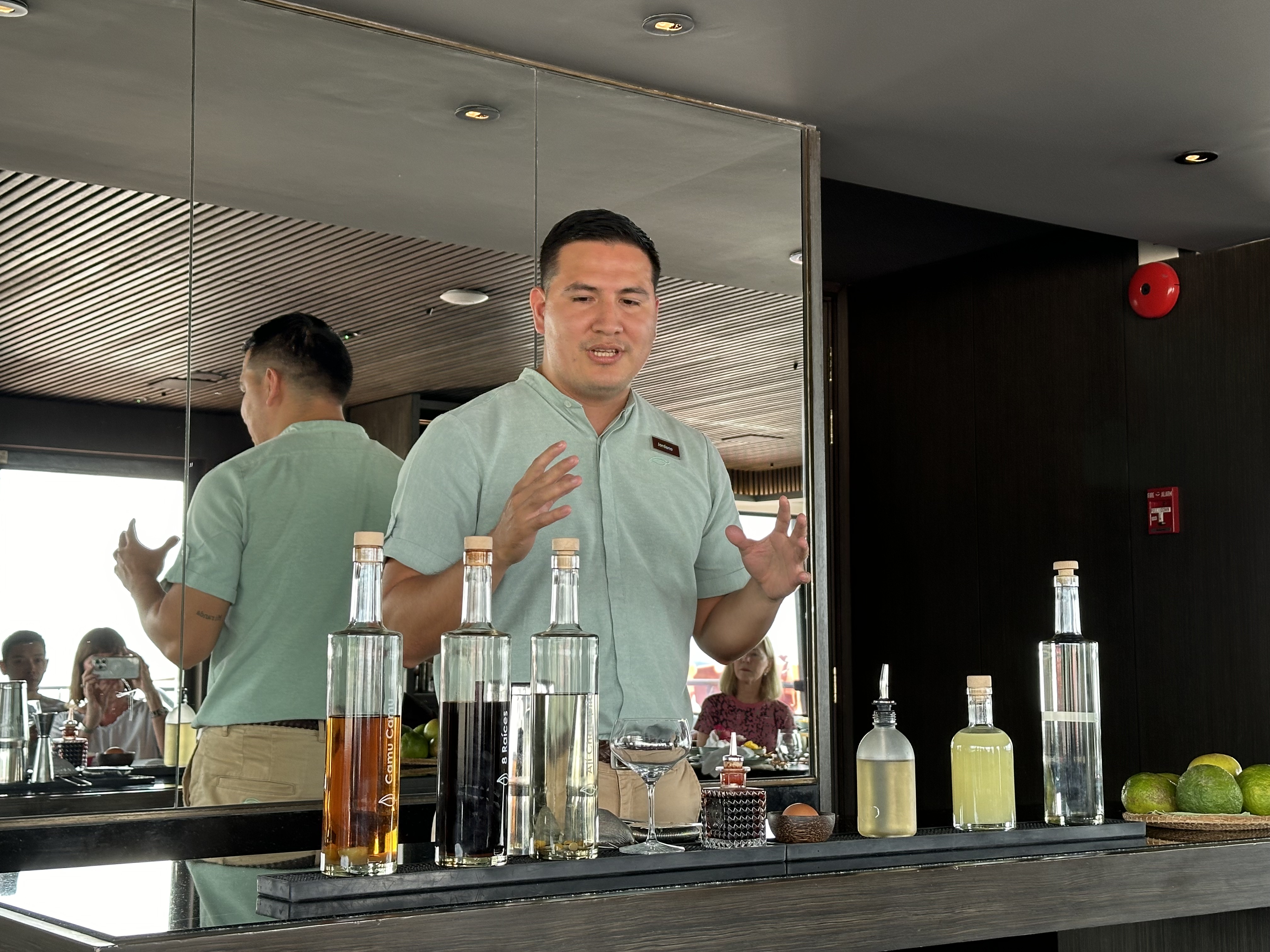
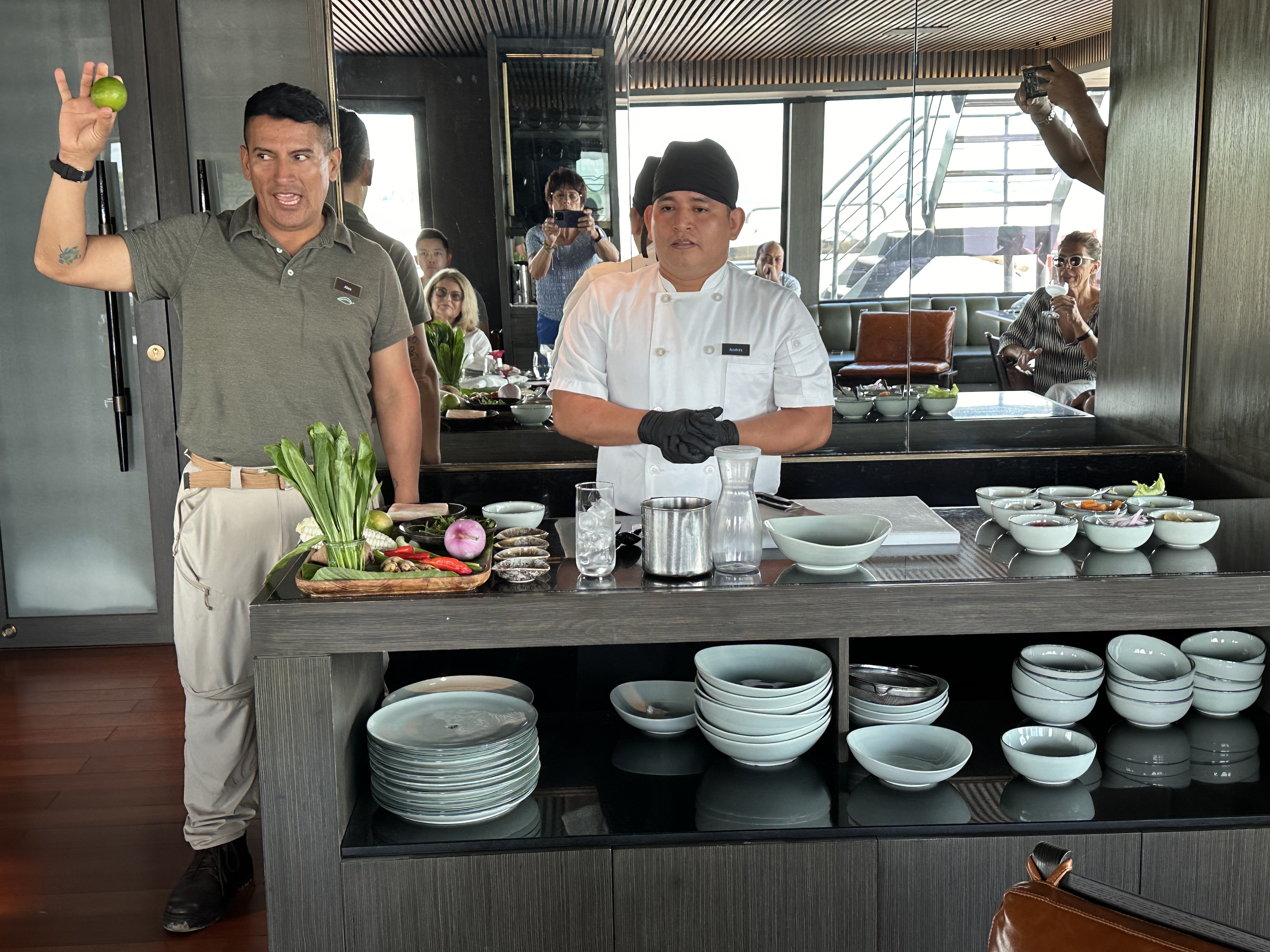
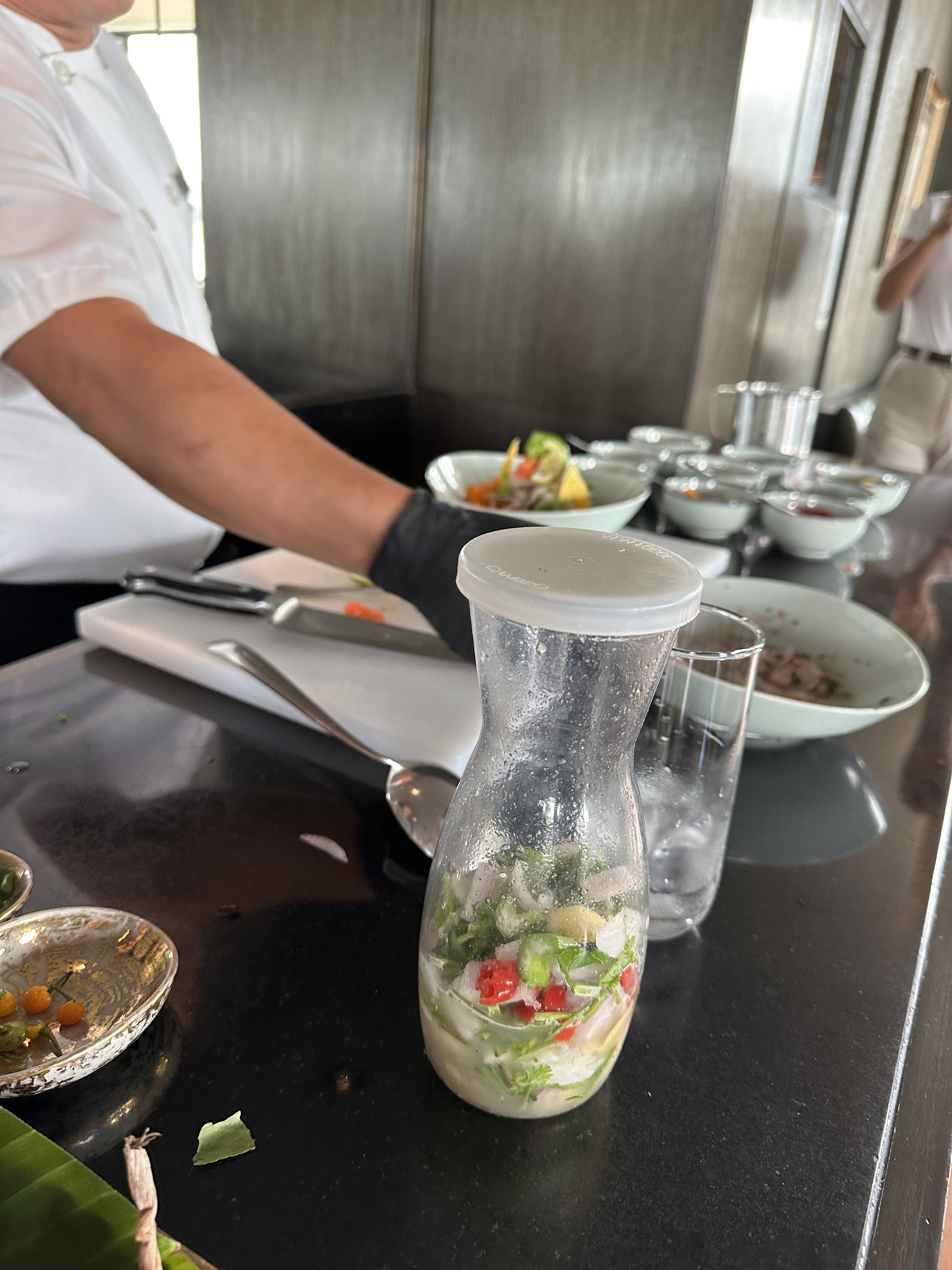
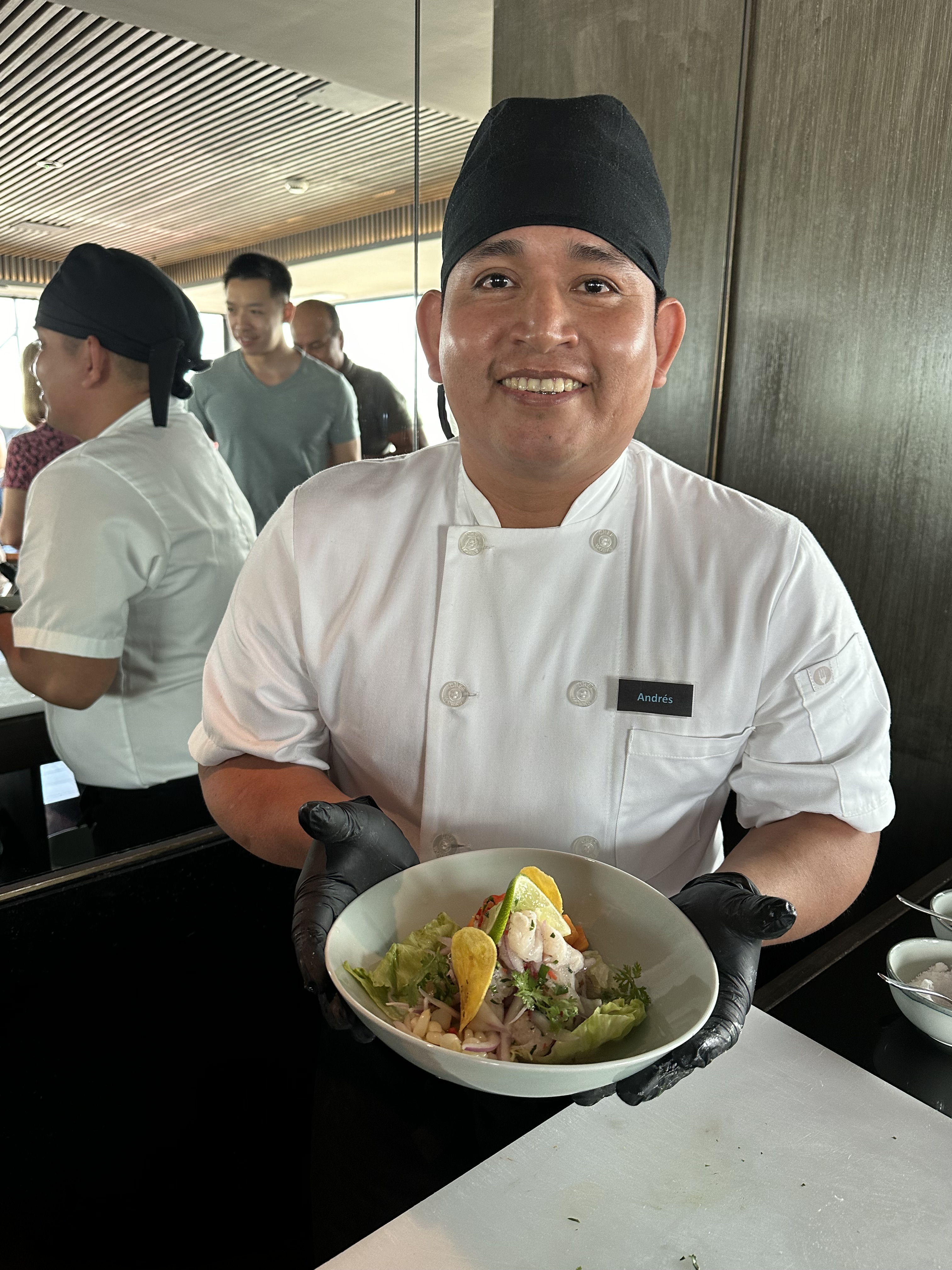
Panache is the world’s largest edible white fish. It was reasonably tasty.
After lunch we relaxed until 3:30. A few of us went out in the skiff again, to look for Macaw birds. I saw a few sitting in holes in dead palm trees, but nothing I could photograph well. I did learn that the plants floating on the water are water lettuce and that they are liked by the large bird called a Horned Screamer.
Juan cracked open a Kapok seed for us to see its insides. The fluffy white stuff was like cotton and there were seeds inside that some birds eat.
Back at the boat we joined a group for cocktails and 8 of us sat together for dinner. It was a pleasant evening with good food and lots of laughter.
 Adventures with Julia