
Monday, September 16, 2024
It is believed that humans arrived in what is now the Northern Territory about 65,000 years ago via land bridges and short sea crossings from Southeast Asia, during a period of glaciation when New Guinea and Tasmania were joined to the continent of Australia. Knowledge of this period comes from oral tradition prior to the arrival of the first Europeans. The oldest site showing the presence of humans is a rock shelter in Arnhem Land, near Darwin.
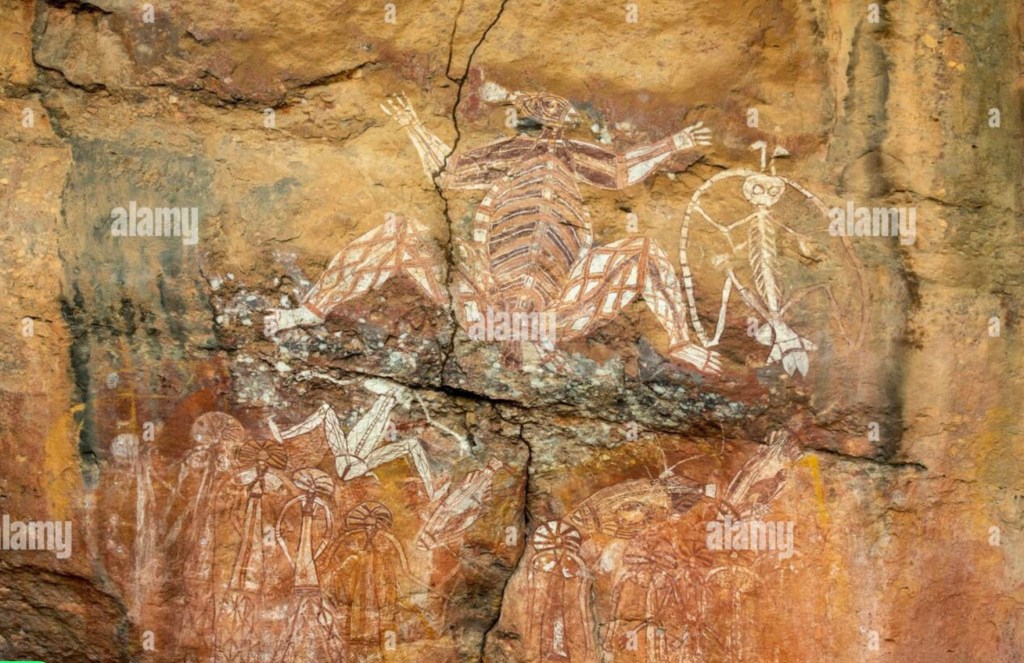
At the time of European contact, it is estimated the Aboriginal, “original inhabitants”, population ranged from 300,000 to one million. There were about 600 tribes speaking 250 languages. They were complex hunter-gatherers, who had diverse economies and societies. Some groups engaged in “fire-stick” farming or controlled burning. Some engaged in fish farming. Semi-permanent shelters were built. It is unclear if any groups engaged in agriculture.
We are headed to the Northern Territory to see where and how the first people lived and to see their art. They may have landed in Western Australia about 60,000 years ago and settled across the continent within 6,000 years
Enroute to Darwin, we stopped in Singapore for a day and two nights to get acclimated after the 15.5 hour flight from SFO on Singapore Airlines. The flight was not so bad as we both took sleeping pills and were out for several hours each. The bed was the flattest, roomiest and most comfortable we have had on an airplane. An escort was at the gate to meet us and walked us through the arrival process and to our transport with no stress or fuss. The ride to the hotel was an easy 25 minutes as it was very early morning. We were wide awake so we stayed up, had a light breakfast in the hotel and then went for a long walk around the area.
We reminisced about our first time in Singapore in 1993. It was the first stop on our honeymoon. Our big activity was afternoon tea at Raffles Hotel. It was quite a do at the time. Today, Raffles seems small and old compared to the dozens of sky scrapers we see today. Our hotel, not Raffles, is the small building in the center foreground of the image (left of the low white & red pitched roof.)
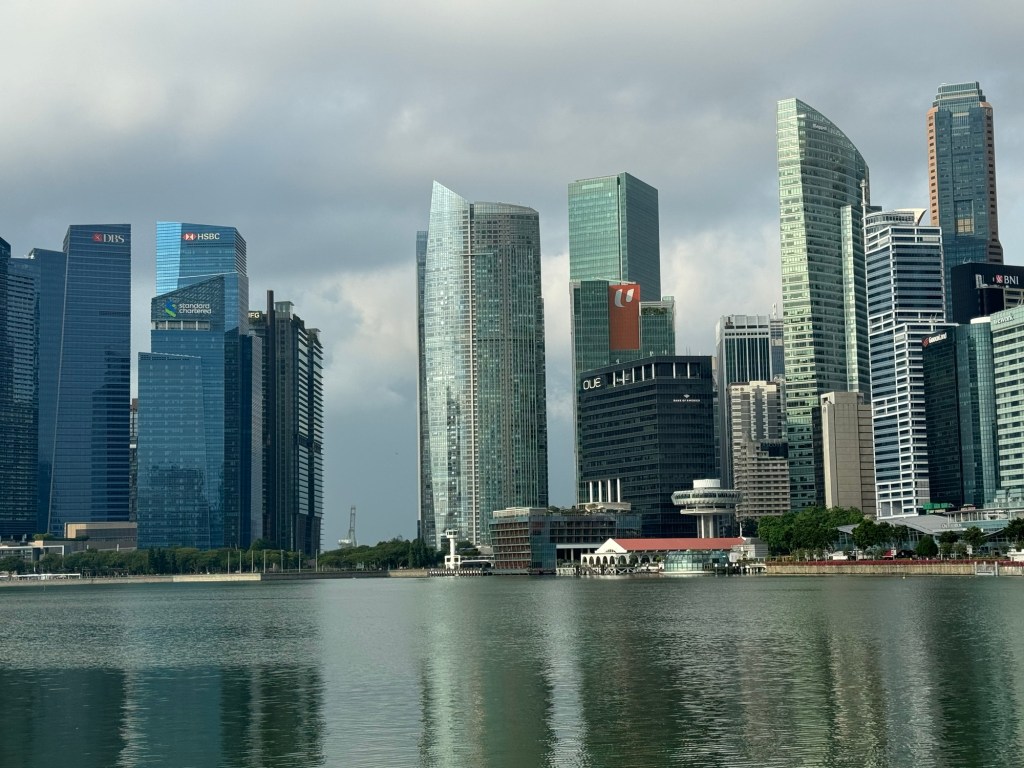
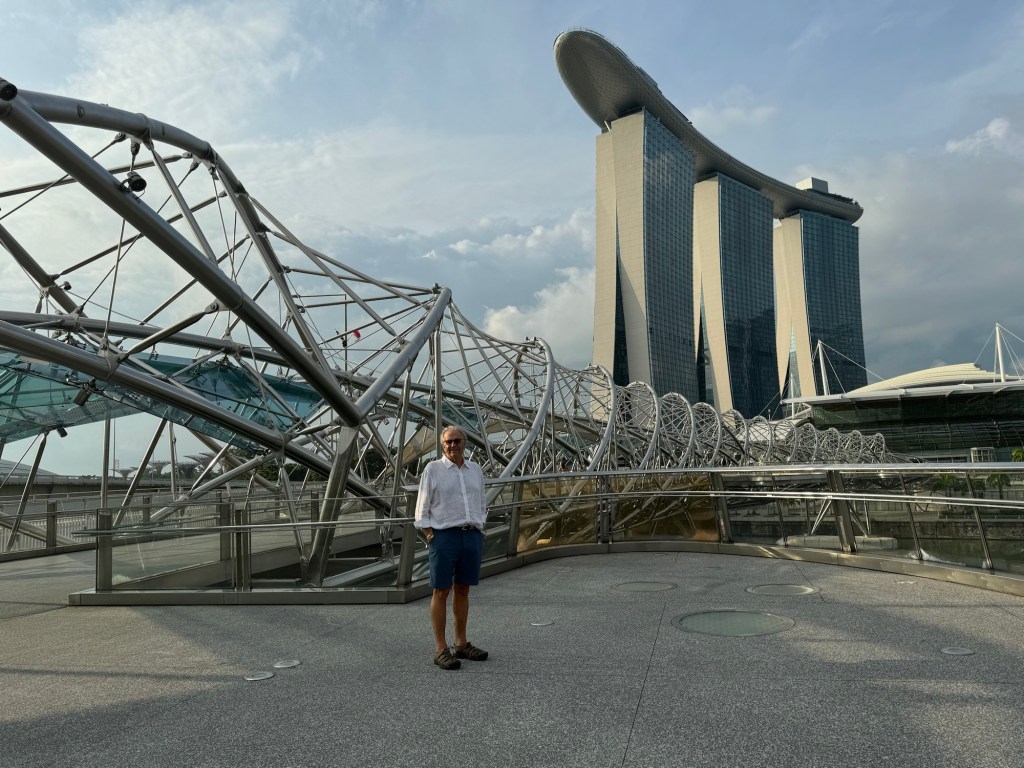
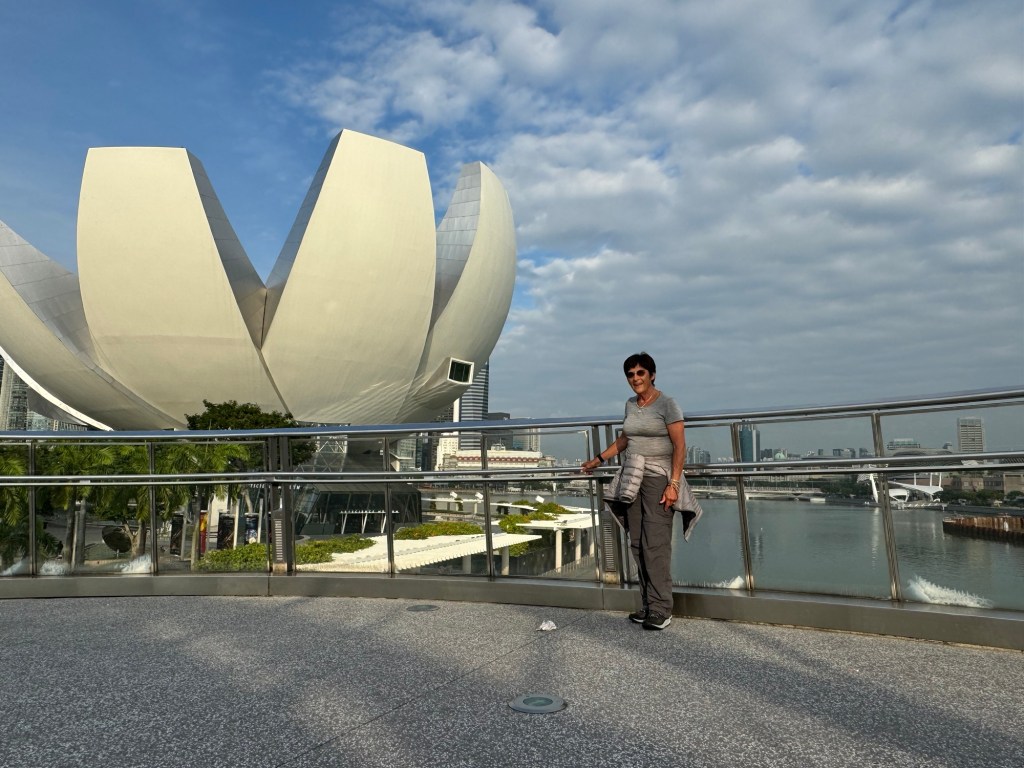
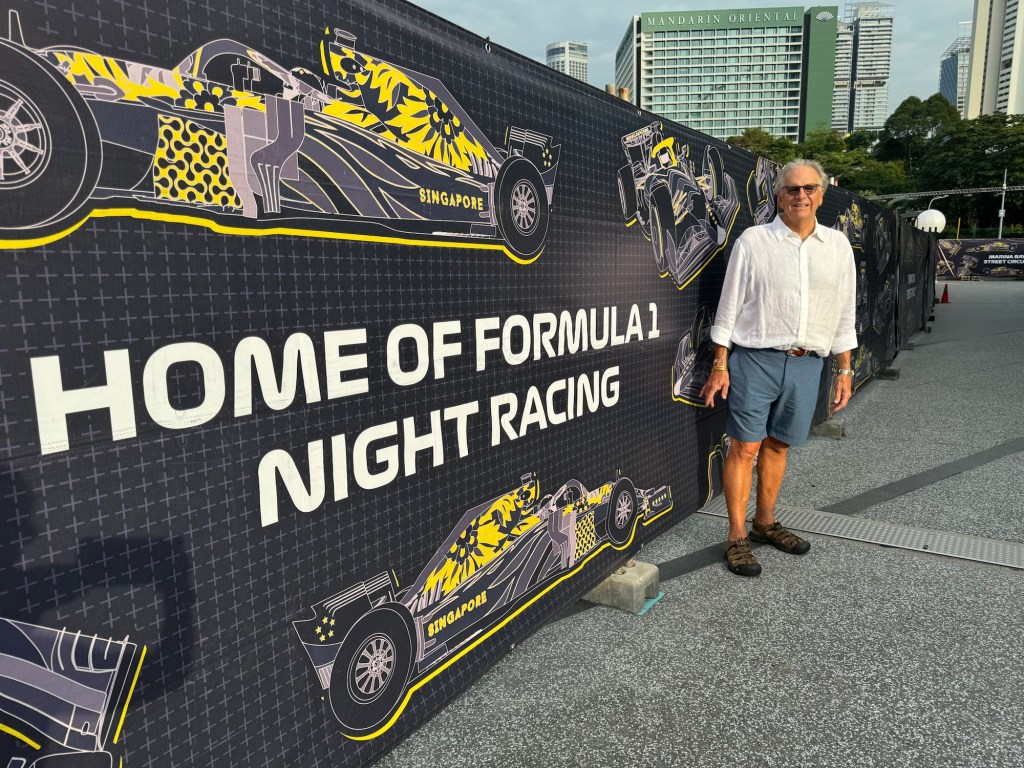
After a 2.7 mile walk we returned to the hotel just in time to miss a down pour. Our room was quite pleasant with a porch and a good view, so we hung out until our 2:30 food tour with a lady named Charlotte. She gave us some info about Singapore and told us we would be spending time in Chinatown and Little India eating foods from those cultures.
Chinese and Indians arrived in the area 800 years ago to develop trade. Europeans arrived in the 1800’s. The first one was a fellow named Raffle, an employee of the East India Company. British rule reigned from 1924-1963, when the area merged with Malaysia for 2 years. In 1965 Singapore became free and independent.
The current population is 5.6 million, with 4 million being citizens. 75% of the population is Chinese; 14% are Malay; 9% are Indian. 1.4 million residents are people with work passes, who come mostly from Bangladesh and the Philippines.
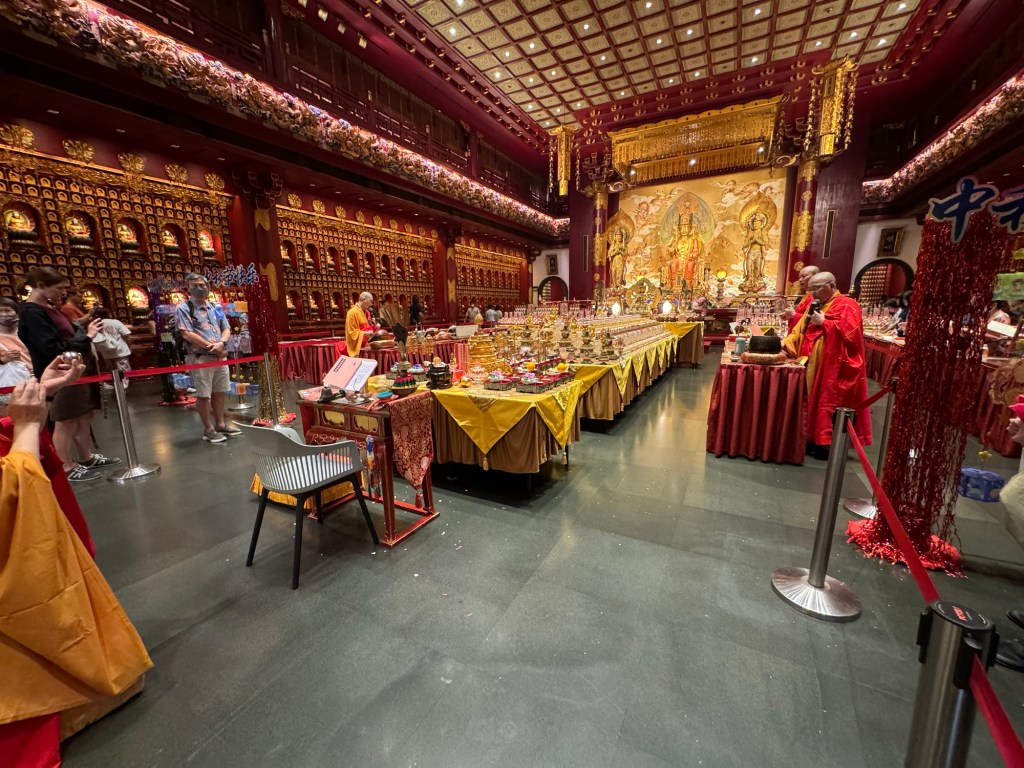
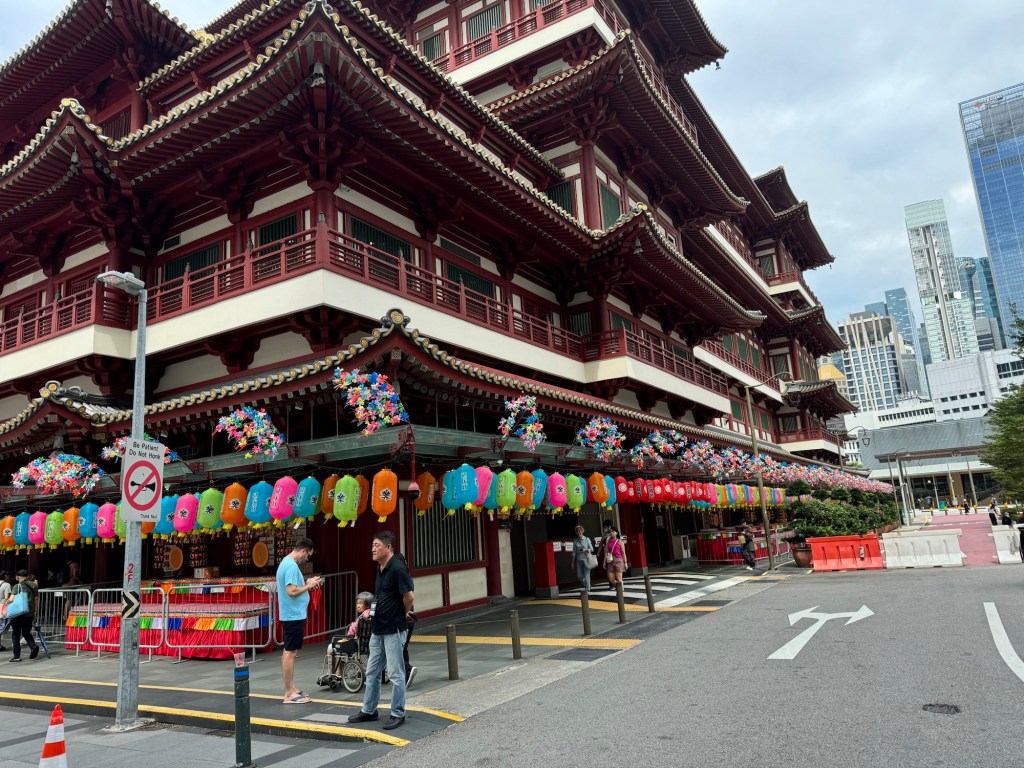
According to Charlotte, Singapore has the busiest transportation port in the world. It is certainly huge. She pointed out a government housing project that provides 99 year leases, A pedestrian street full of restaurants where the upstairs used to be a red light district and a Taoist Temple that housed a relic of Buddha’s tooth, brought from Sri Lanka. We had to smile as we remembered being in the Taoist Temple in Sri Lanka and seeing the same, or similar, tooth.
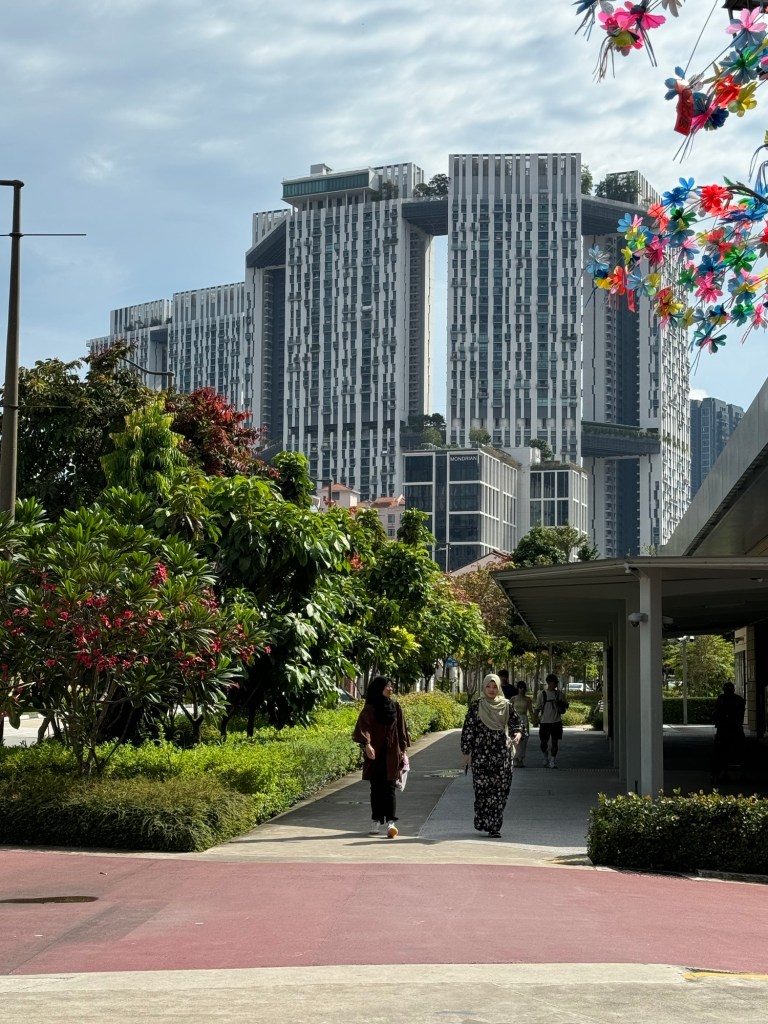
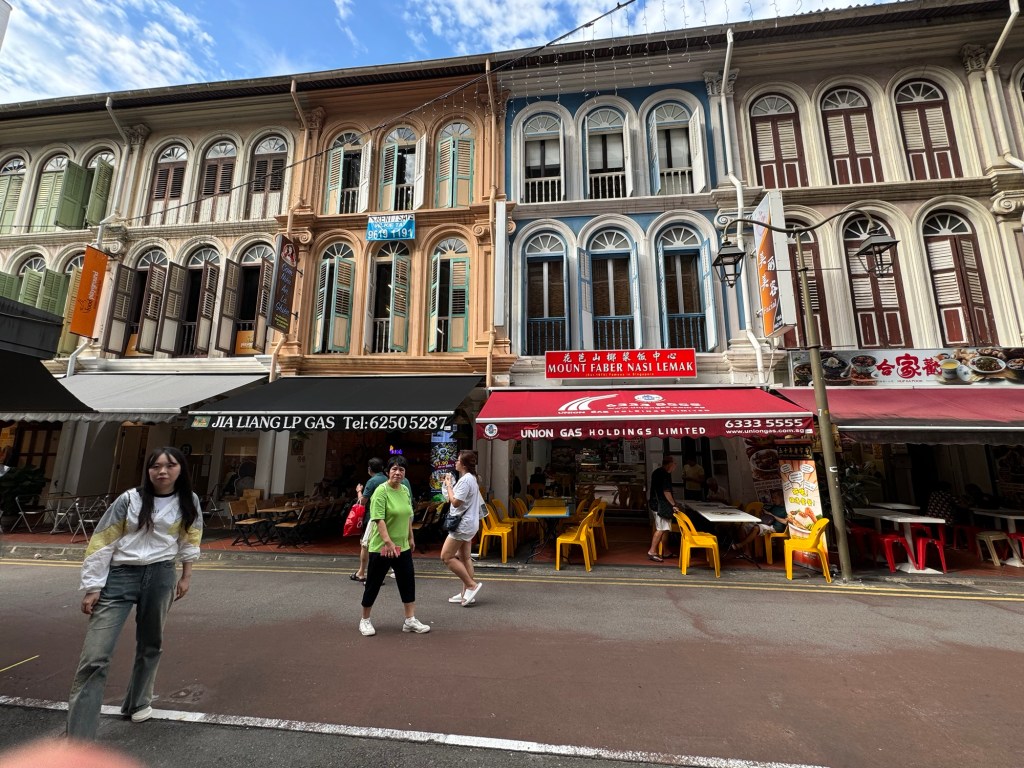
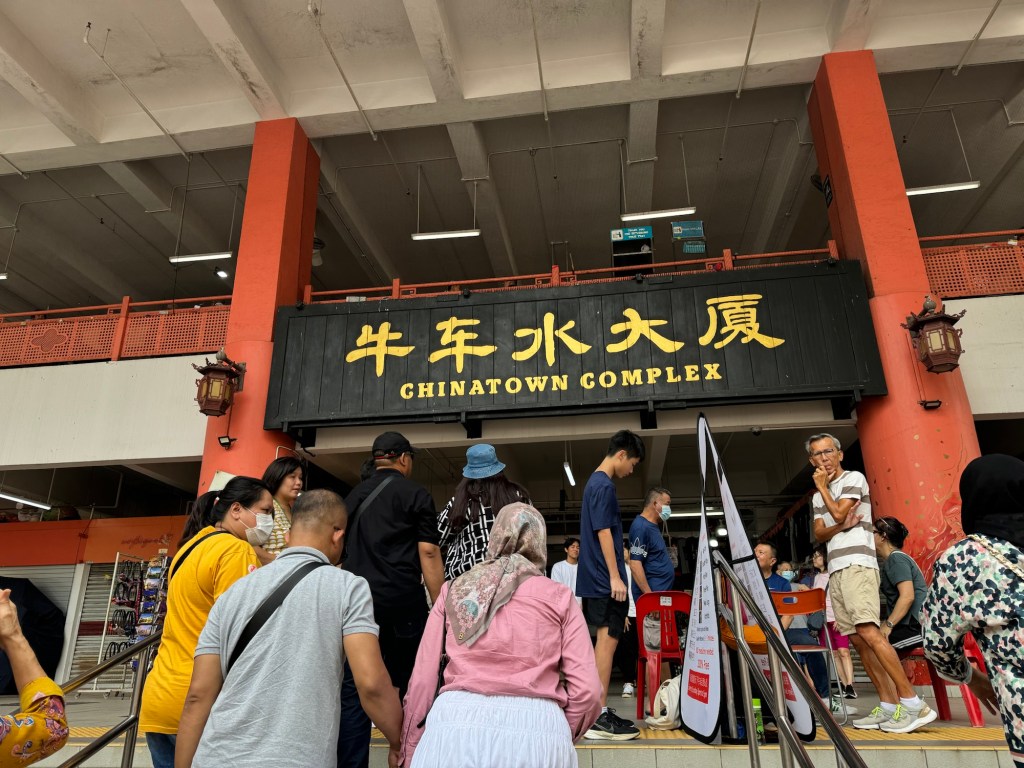
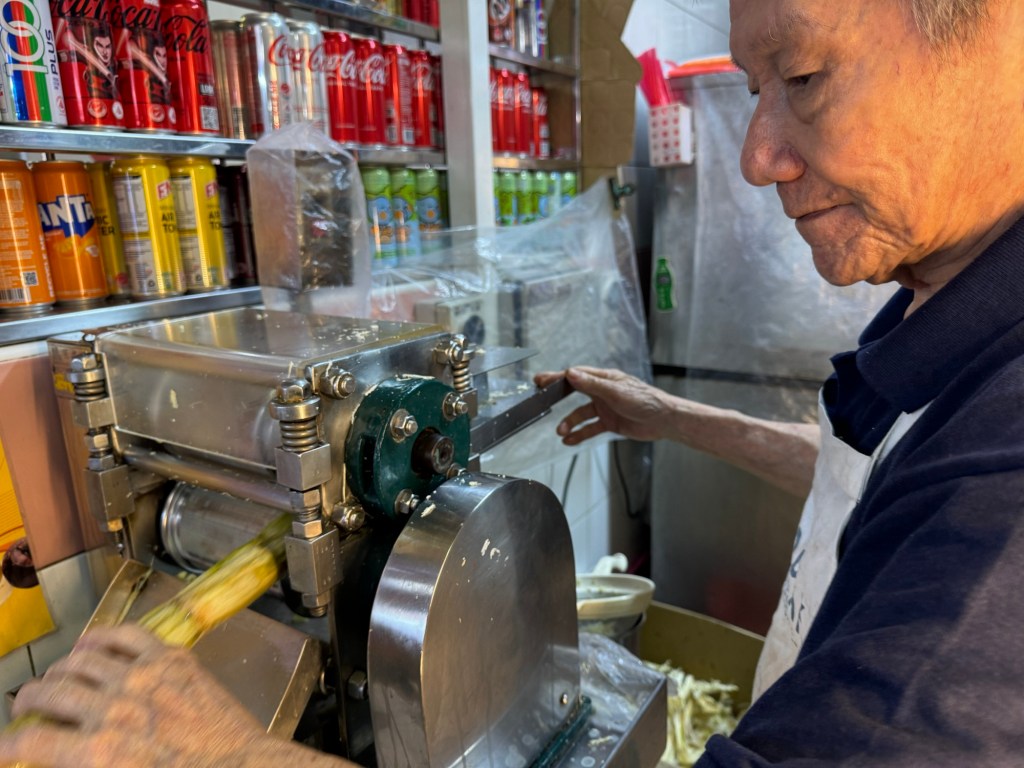
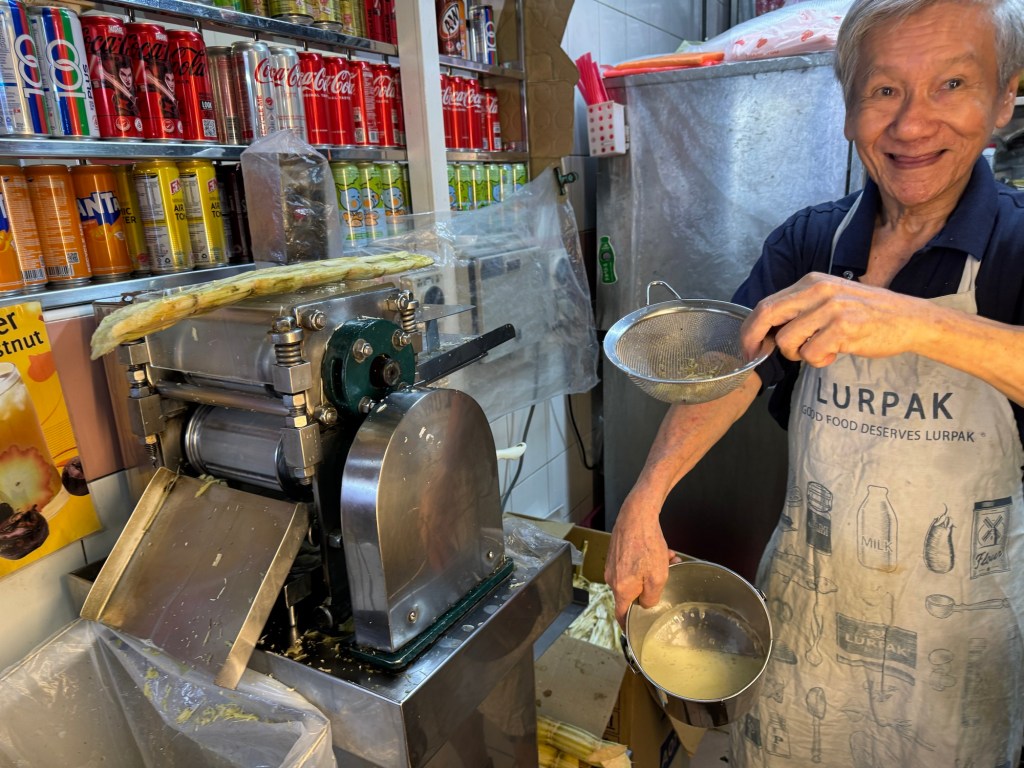
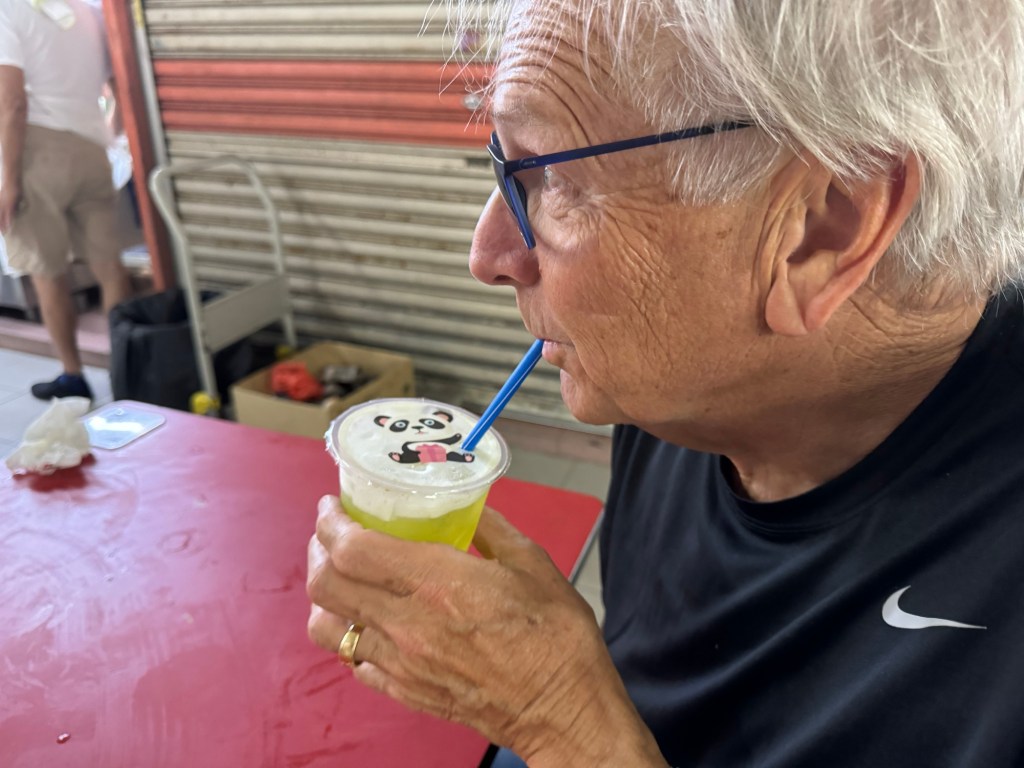
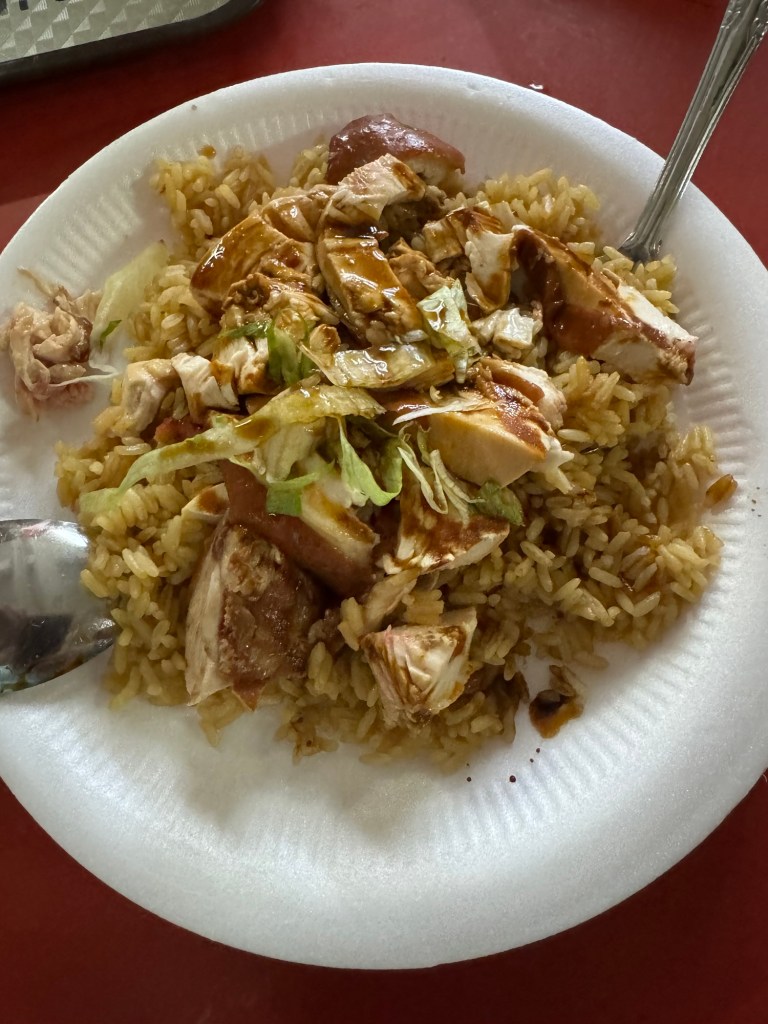
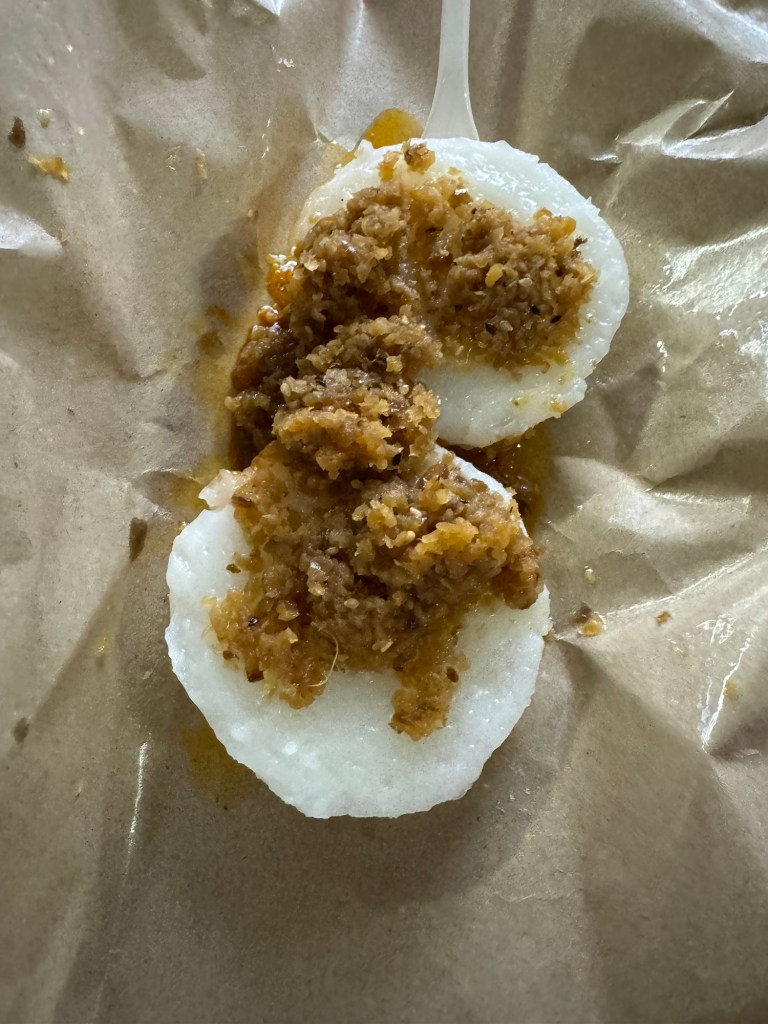
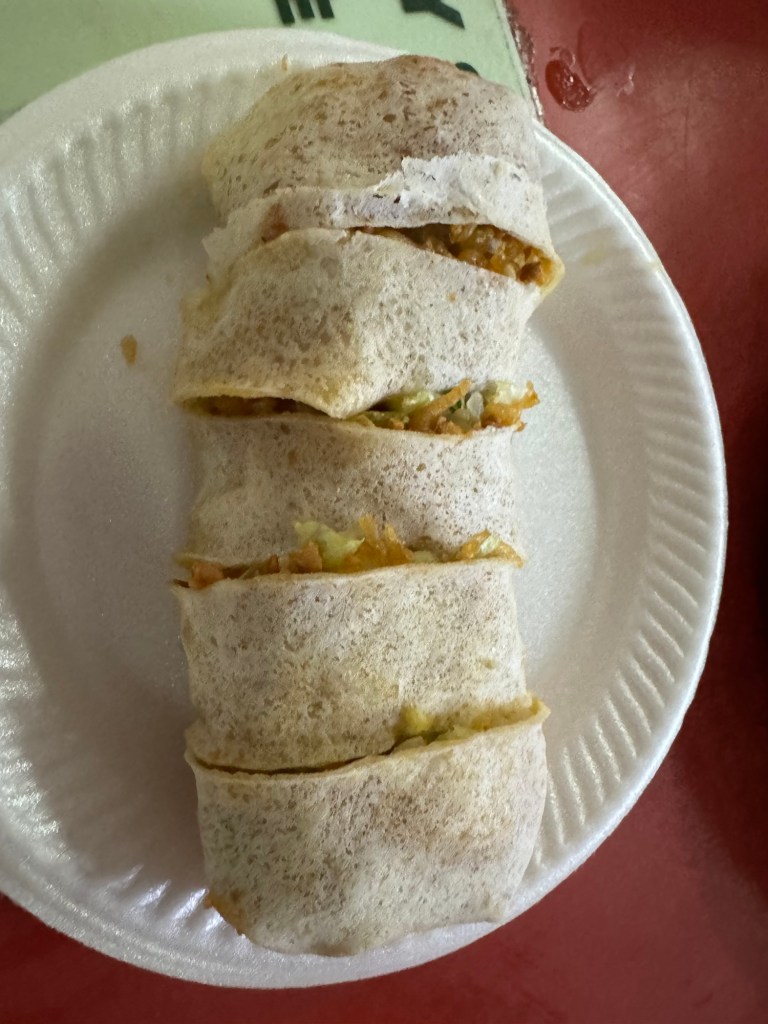
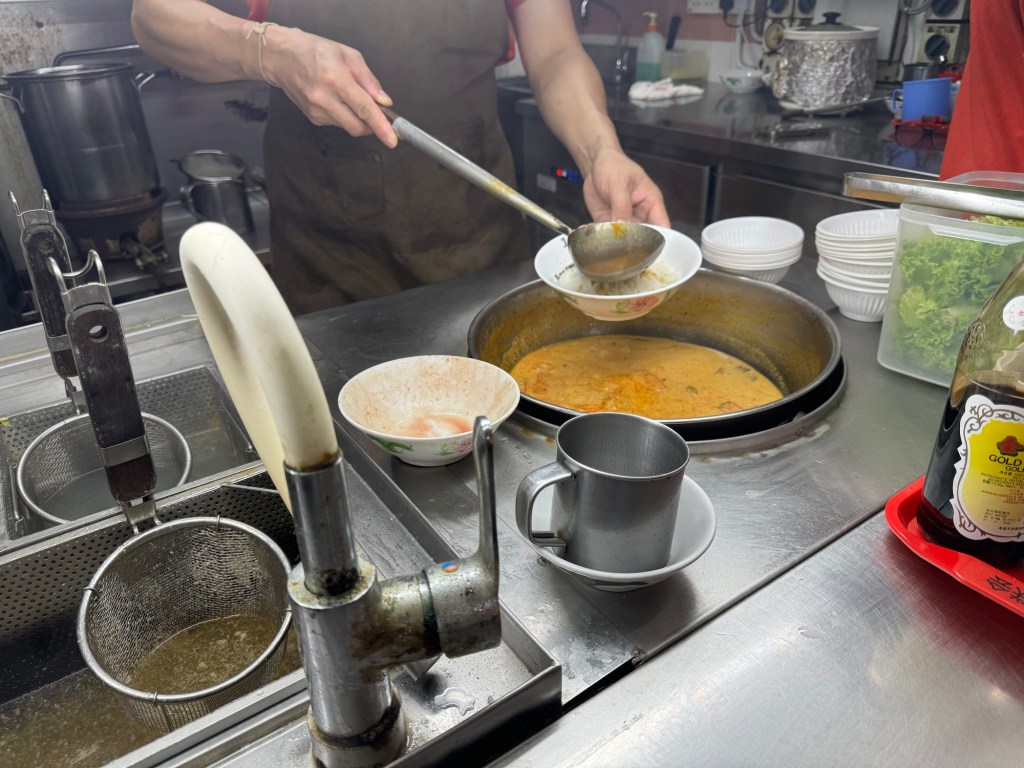
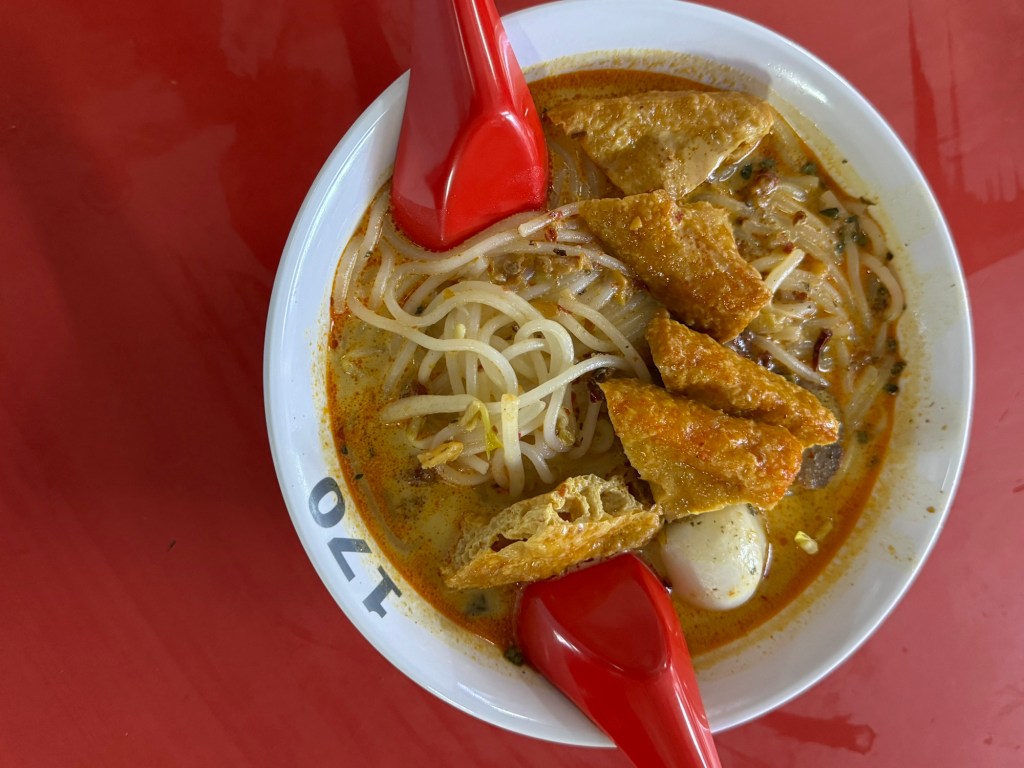
We took a taxi to Chinatown and went into a huge food vendor court. The place was packed with vendors, tables and people buying and eating various food items. Charlotte sat us down at a dirty table, which we cleaned ourselves, while she shopped for 3 different food items starting with a drink of freshly squeezed sugar cane juice. The first items she brought were a plate of Braised chicken and rice; Water cake made with rice flour and a spicy condiment; carrot cake made with daikon. Her next trip produced a dish called Popiah, made with a large, thin biscuit and Jicama; and Laksa, a soup bowl with rice noodles, soy beans, mushrooms and fish. That was enough already. My favorite was the Laksa. We wandered around the court looking at other food offerings, which we were too full to sample.
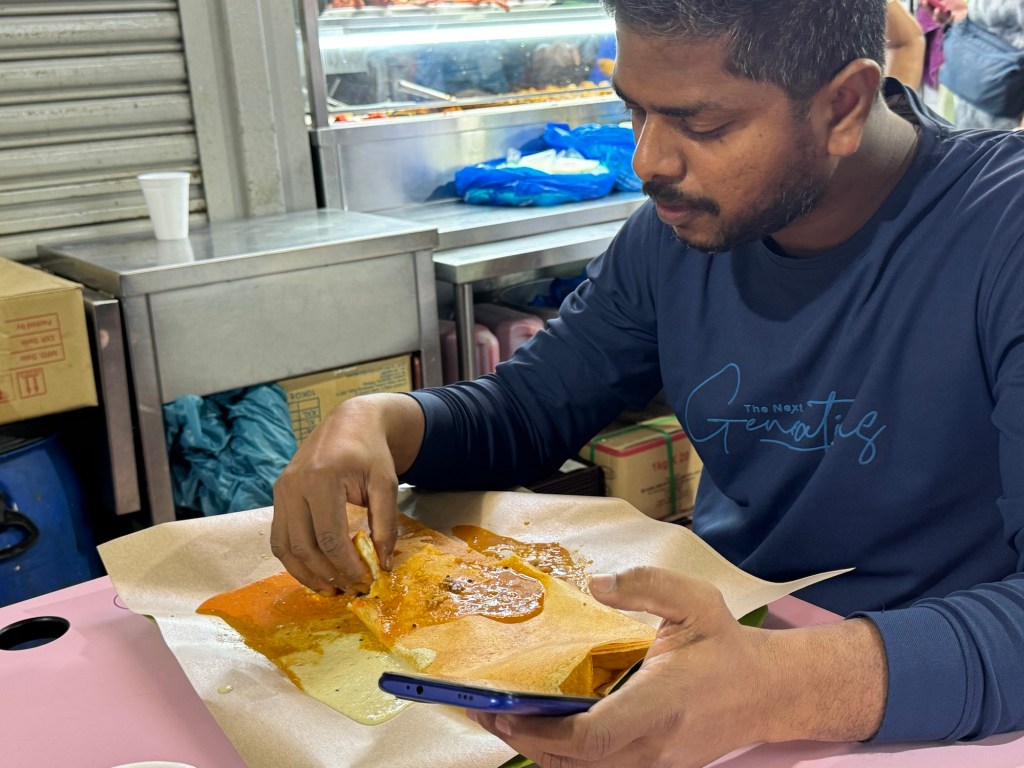
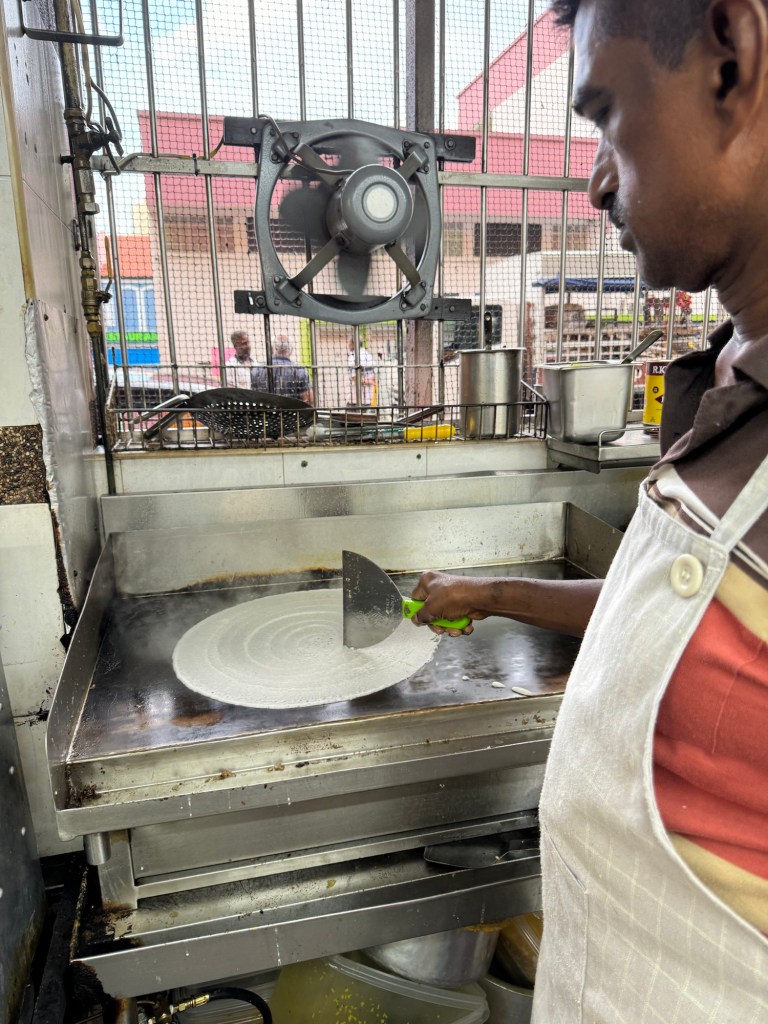
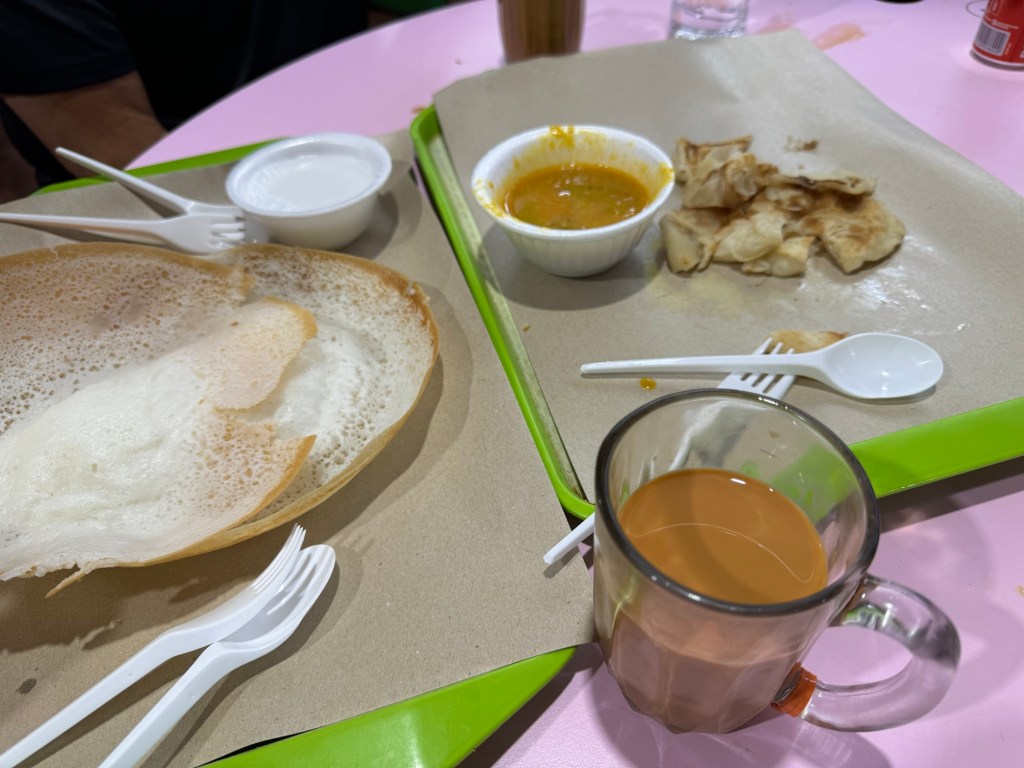
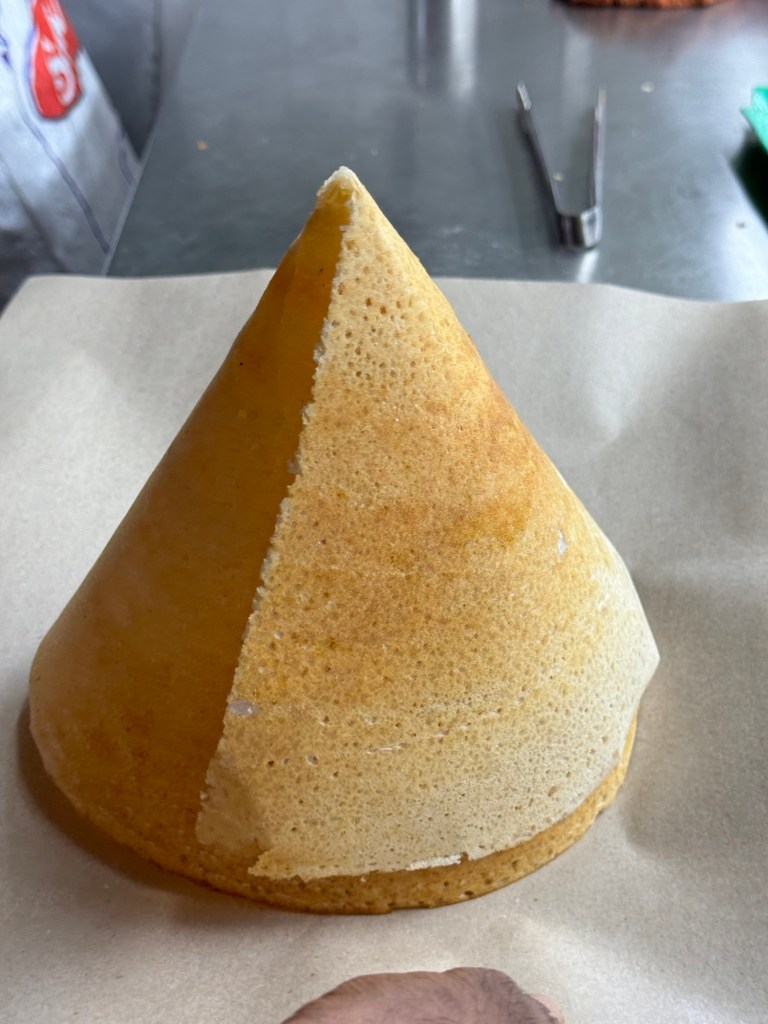
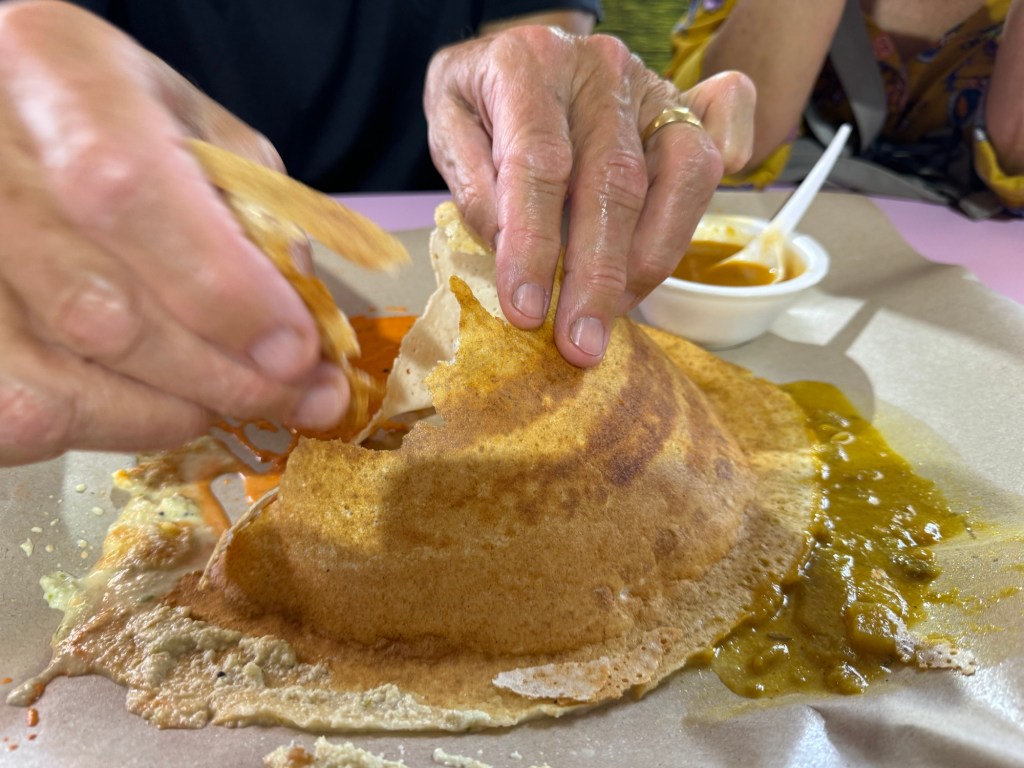
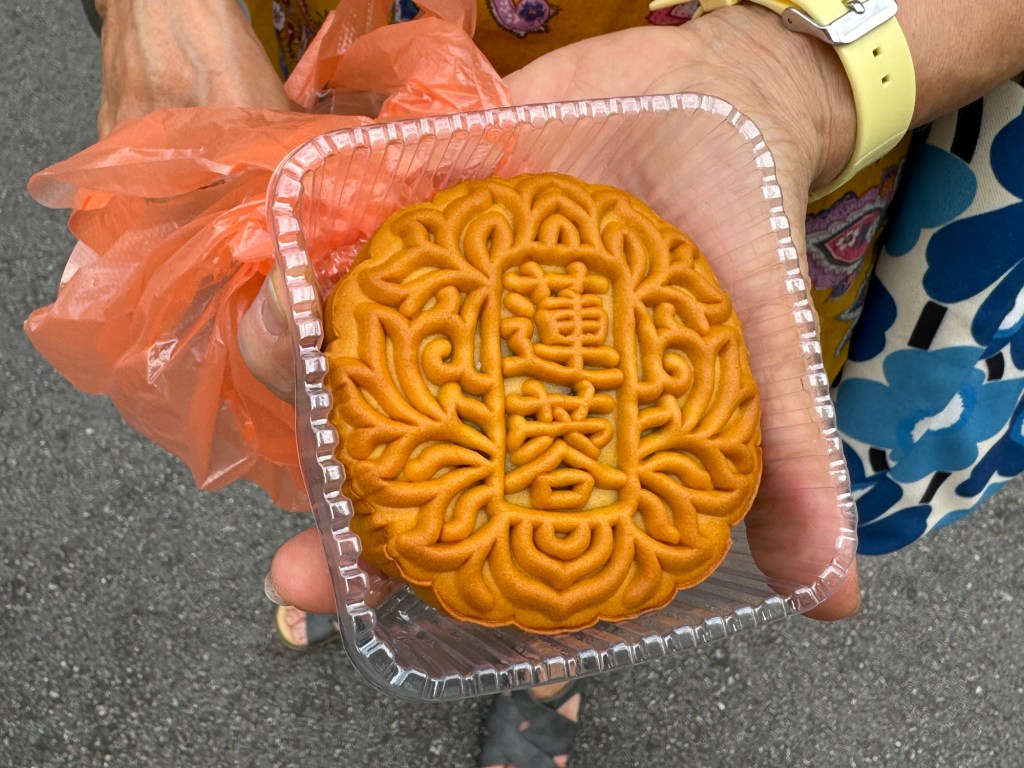
Then we took the subway to Little India where we sampled a version of hot Chai; a dish called Prata, a flat bread made with wheat flour, accompanied by a curry and lentil sauce; Appan, a large crepe made with coconut milk and rice with a dipping sauce of warm, sweetened coconut milk; and finally Thosai, another crepe made with fermented black dough and rice with a dipping sauce. Prata was Mark’s favorite food. For dessert, Charlotte gave us a moon cake to split. It was filled with lotus paste.
Here are some photos of what we ate in Chinatown. First there is a photo of a Chinese building near the entrance to the Chinatown Complex. The next three photos are of the suger cane juice vendor making juice and serving Mark. The first food dish is Braised chicken and rice, followed by Water cake and Carrot cake. The last dish was Laksa, a noodle soup with several condiments
The Little India food dishes we tasted included: hot chai; Prata; Appan; Thosai; and Moon cake.
We were so stuffed we did not want another thing. We said our good bye’s to Charlotte and took a taxi back to the hotel, where we went straight to bed at 8pm.
 Adventures with Julia
Comments
Hi Julia,
I just wanted to say how much I enjoyed your latest post! Your writing always draws me in, especially the way you weave history with artistic descriptions, engaging all my senses. Thank you for sharing such inspiring content—I look forward to learning more on the next leg of your journey!
Hugs to you and Mark.
Love, Valarie