
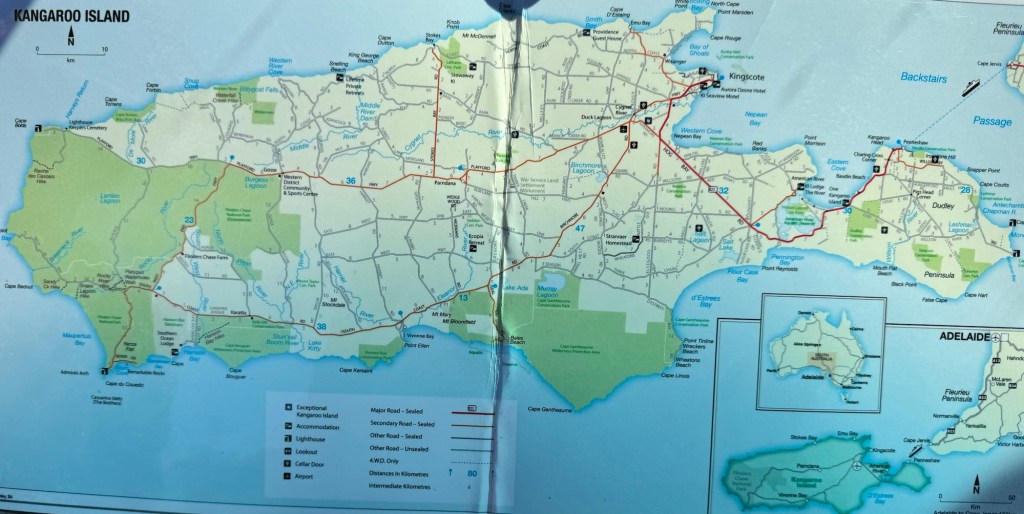
Monday, October 14, 2024
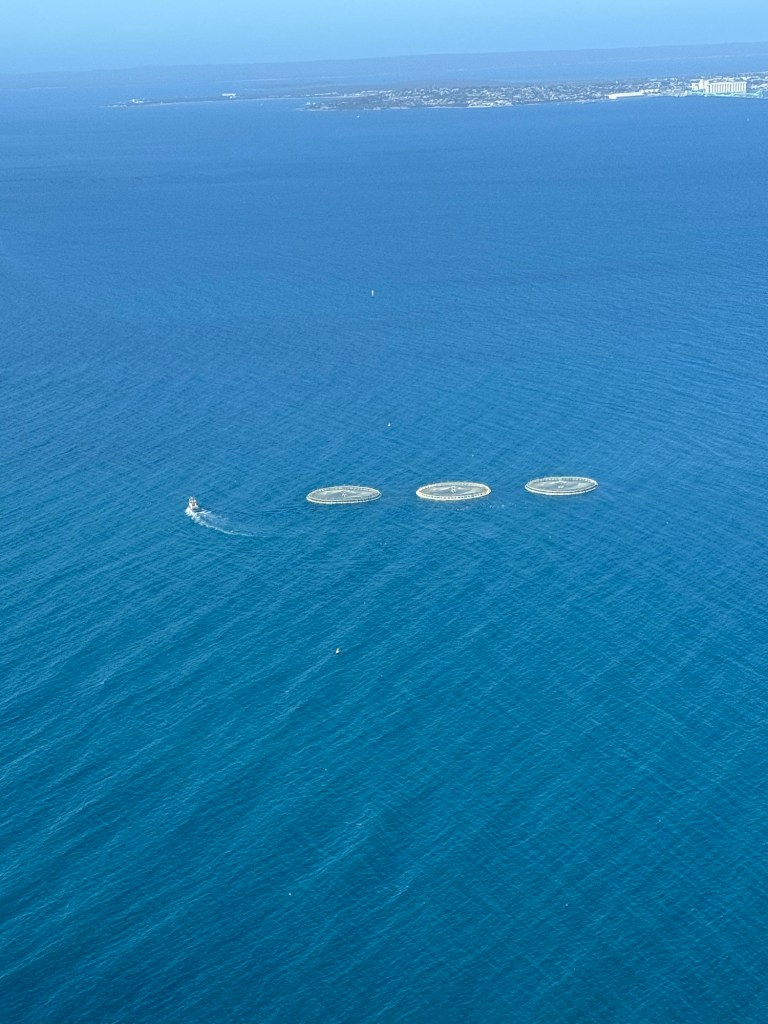
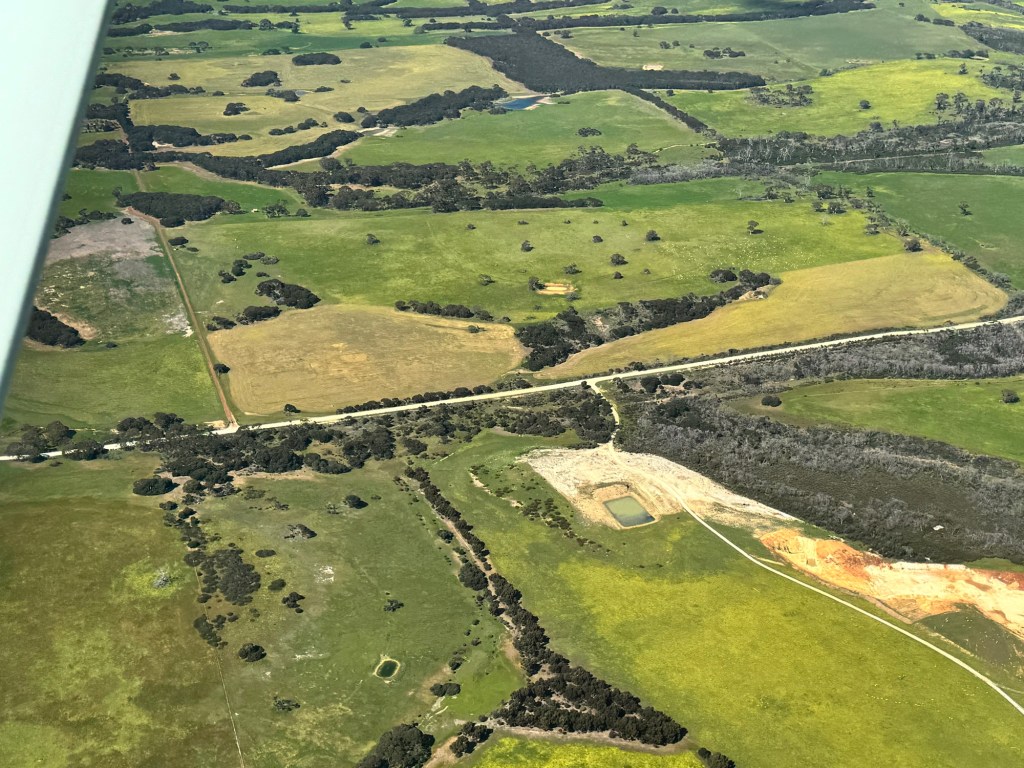
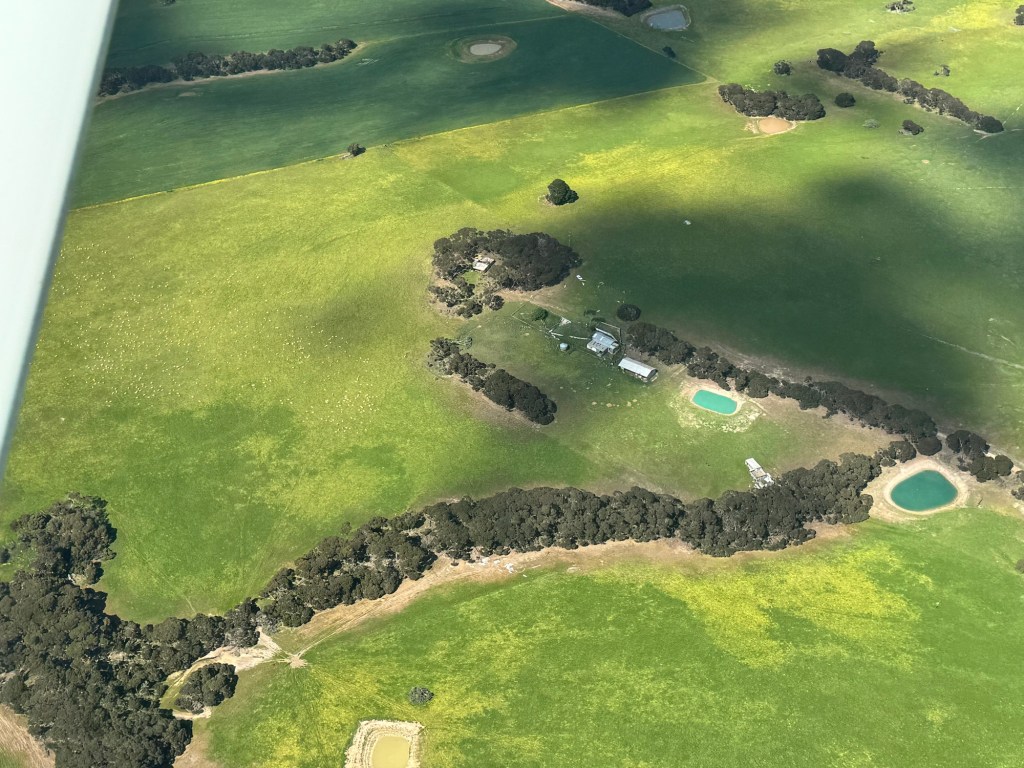
The flight from Port Lincoln to Kangaroo Island was itself interesting. Shortly after take off, we flew over the large rings where Blue fin Tuna are being fattened and Kingfish are being raised along with mussles, abalone, prawns, crabs and flounder. Port Lincoln, I learned, is the seafood capital of Australia. We also got a good shot of the grain loading conveyor belts in Boston Bay. The biggest problem for the small city of 14.500 people is lack of water. The town is considering building a desalination plant. After 40 minutes over the Southern Ocean we were over Kangaraoo Island with green fields and many rain water catchment basins.

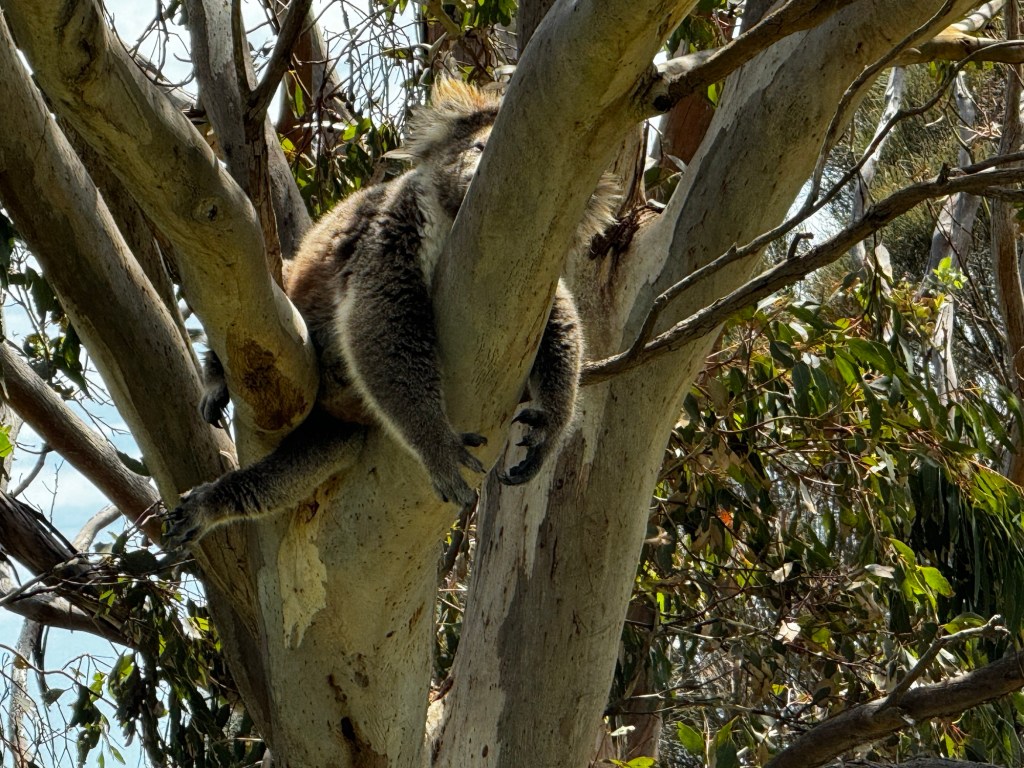
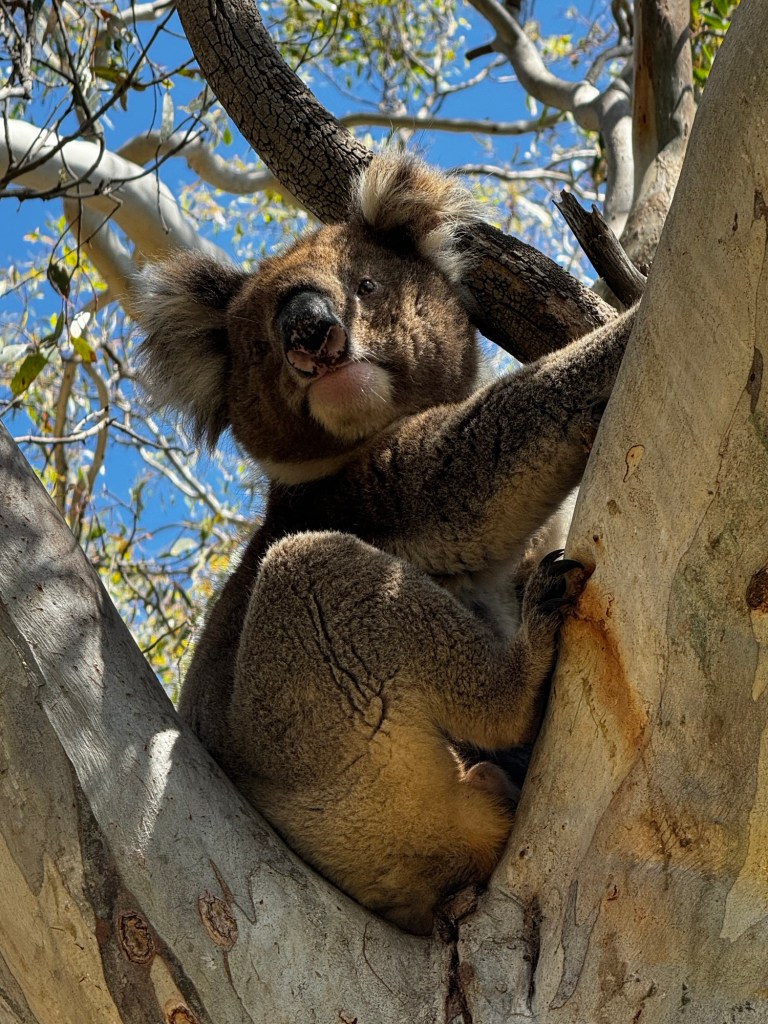
We landed near Kingscote on Kangaroo Island and were met by our next driver guide, Lee. He wasted no time getting our program started by driving us to a place called Duck Lagoon, where we had tea and coffee and saw lots of birds including: black swans with several cygnet (baby swans), ibis, pied cormorant, galah, crimson rosella and several koala asleep in the trees. Lee told us there are 273 endemic birds in all of Australia, but too many koalas on Kangaroo Island. Meanwhile, there are only 4,500 people. The island is approximately 100 miles long and 50 miles wide and has 335 miles of coastline with a lot of it being white sand and wild seas.
A fire in 2020 wiped out half the island. The 60K koala were reduced to 30K. Eucalyptus oil is made on the island and exported for use as cleaning products. While Lee waxed long about eucalyptus, we were more interested in the birds, especially the three below.
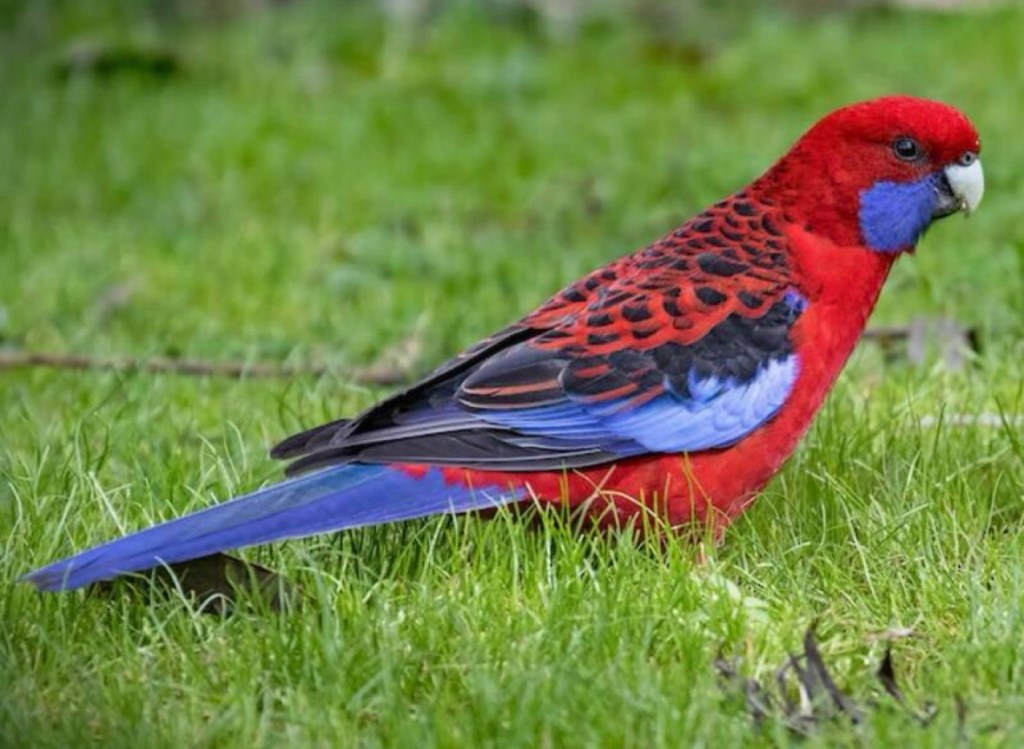
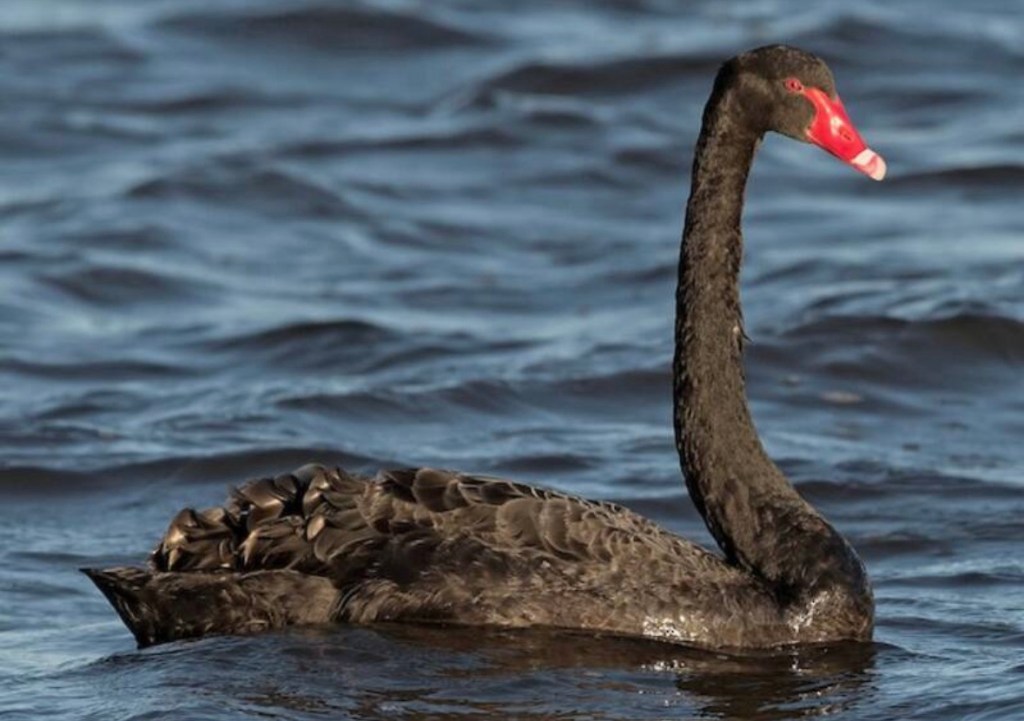
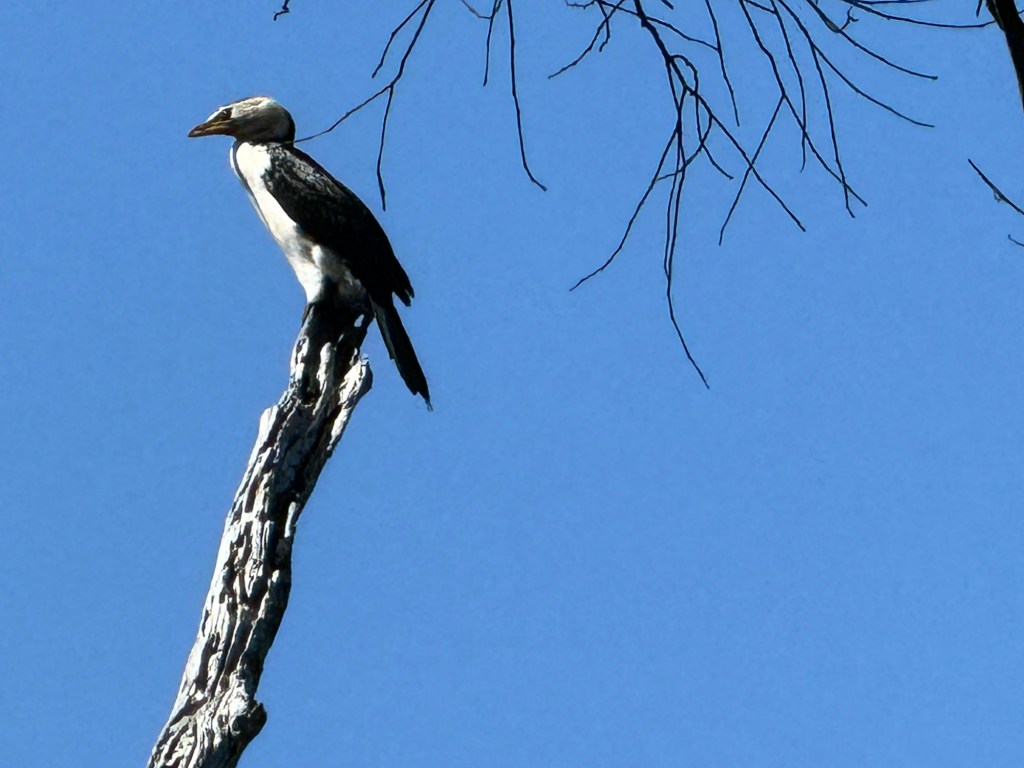
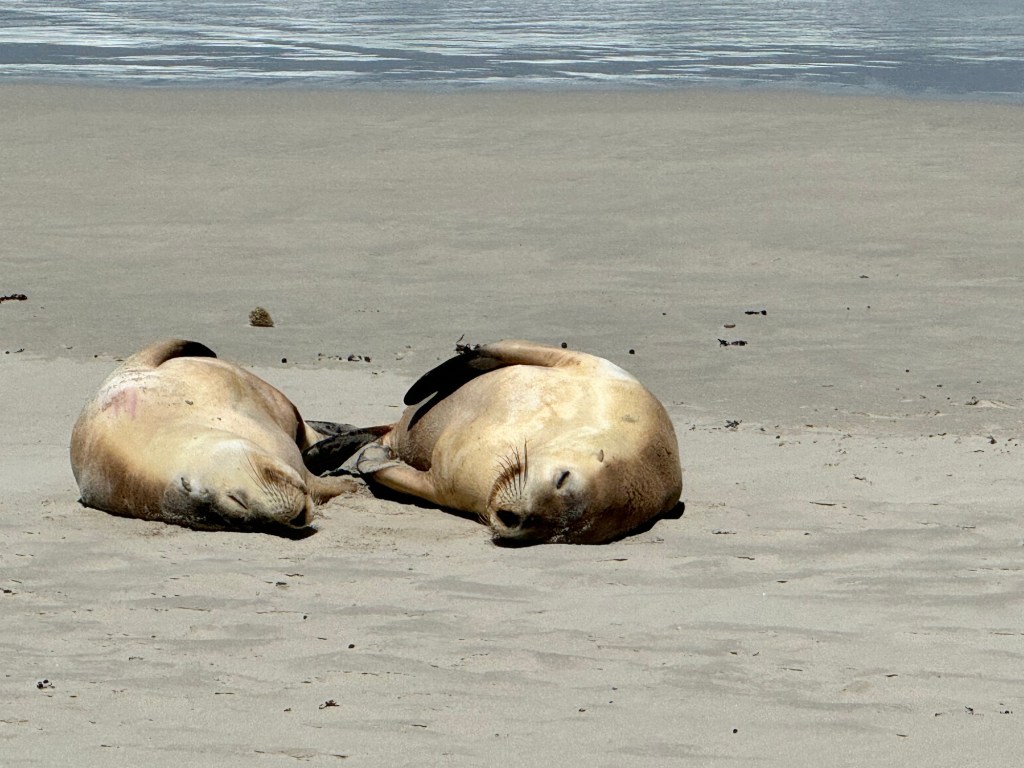
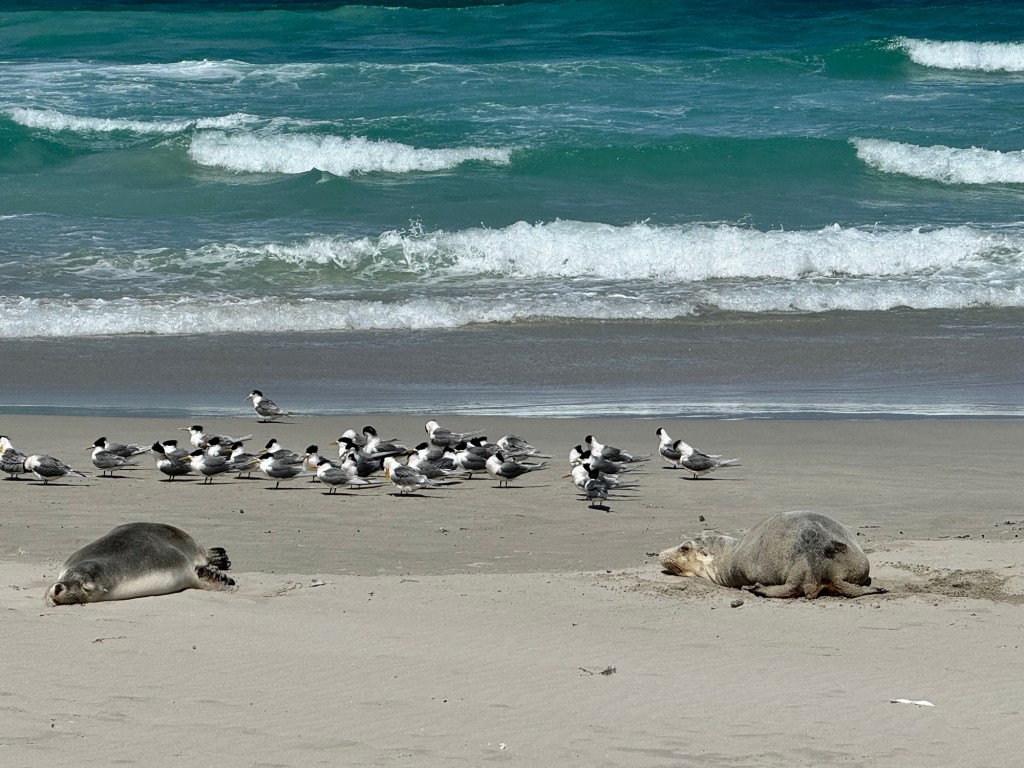
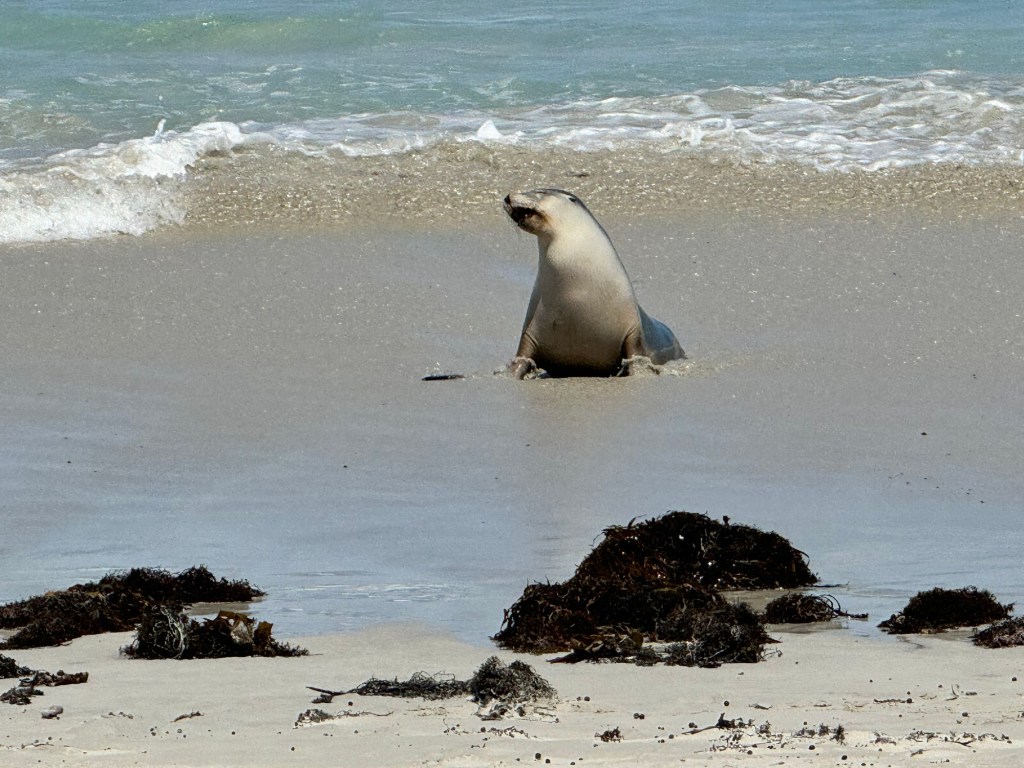
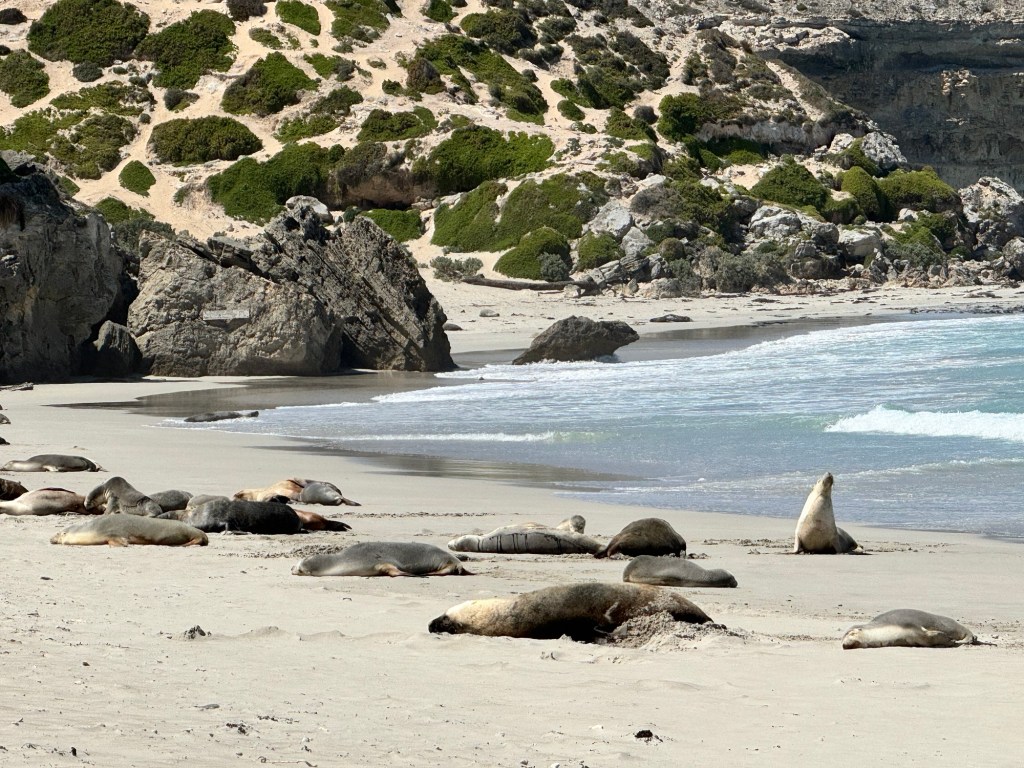
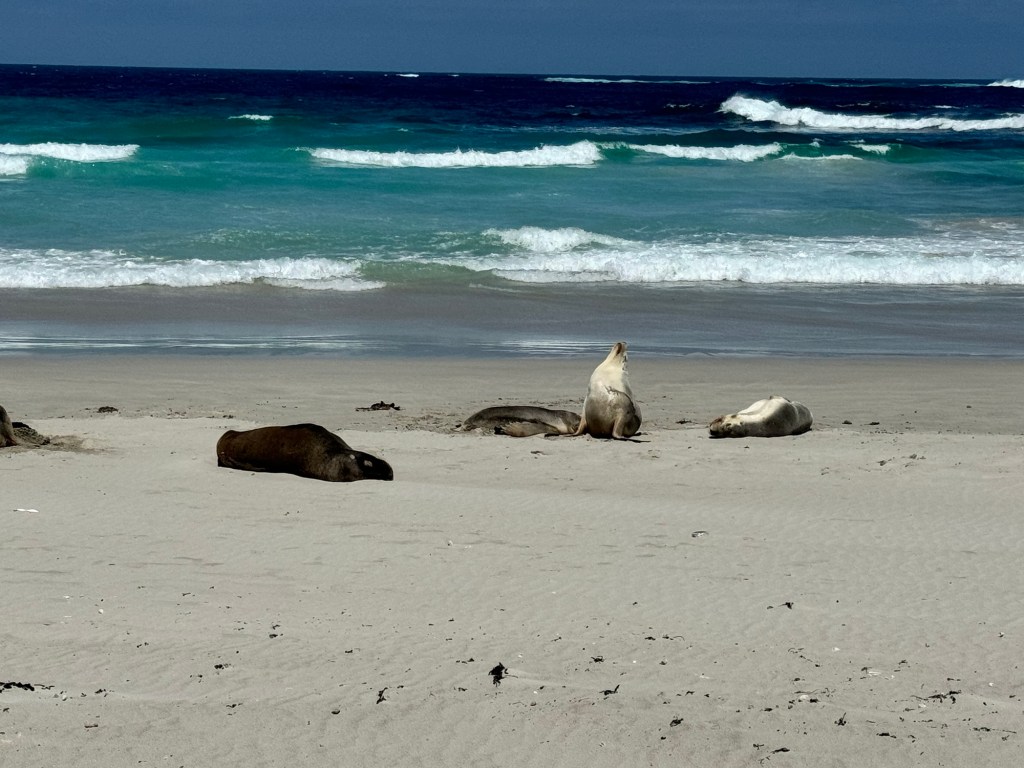
From there we went to Seal Bay where we saw many sea lions warming up on the beach and a flock of Great Crested Terns.

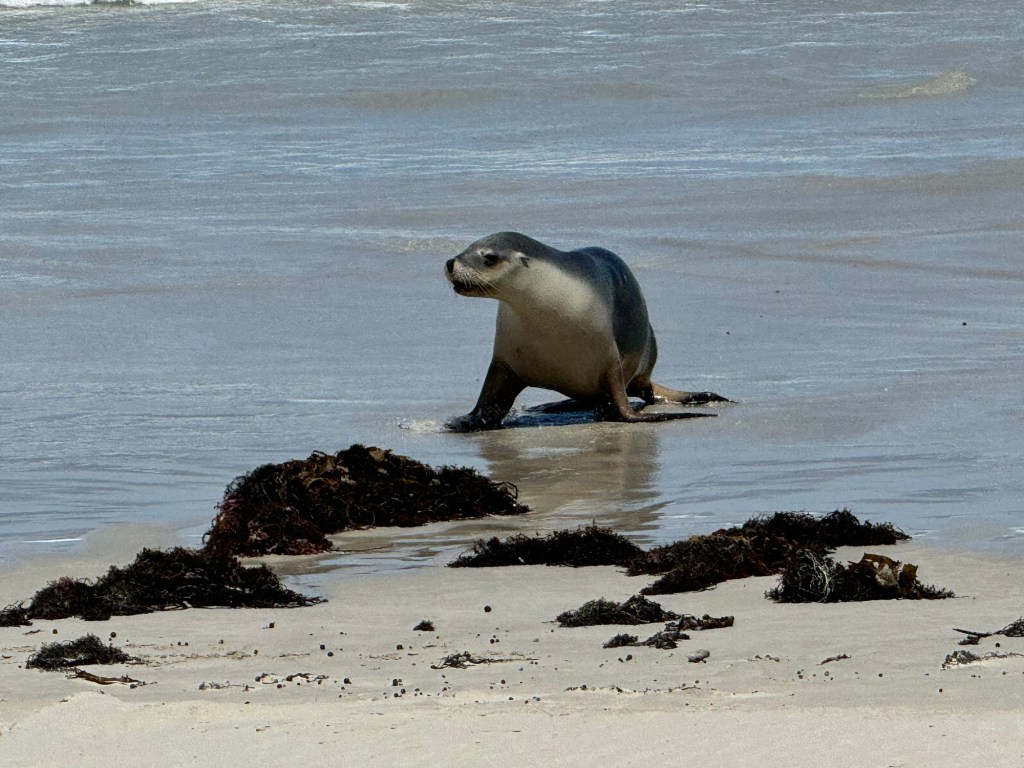
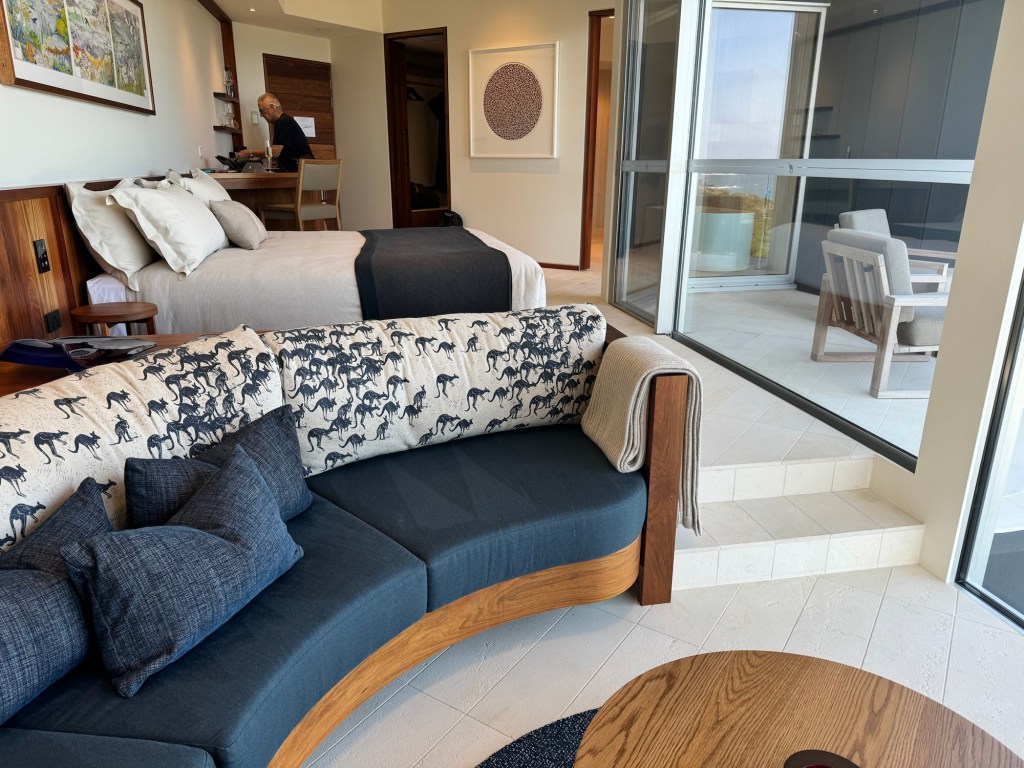
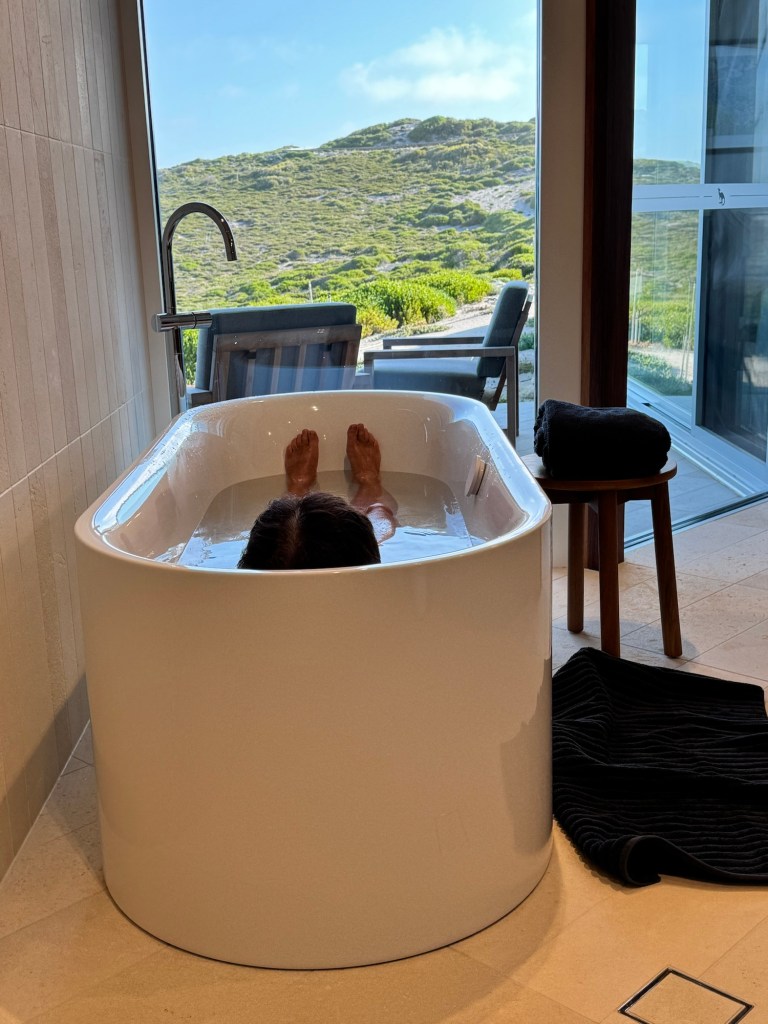
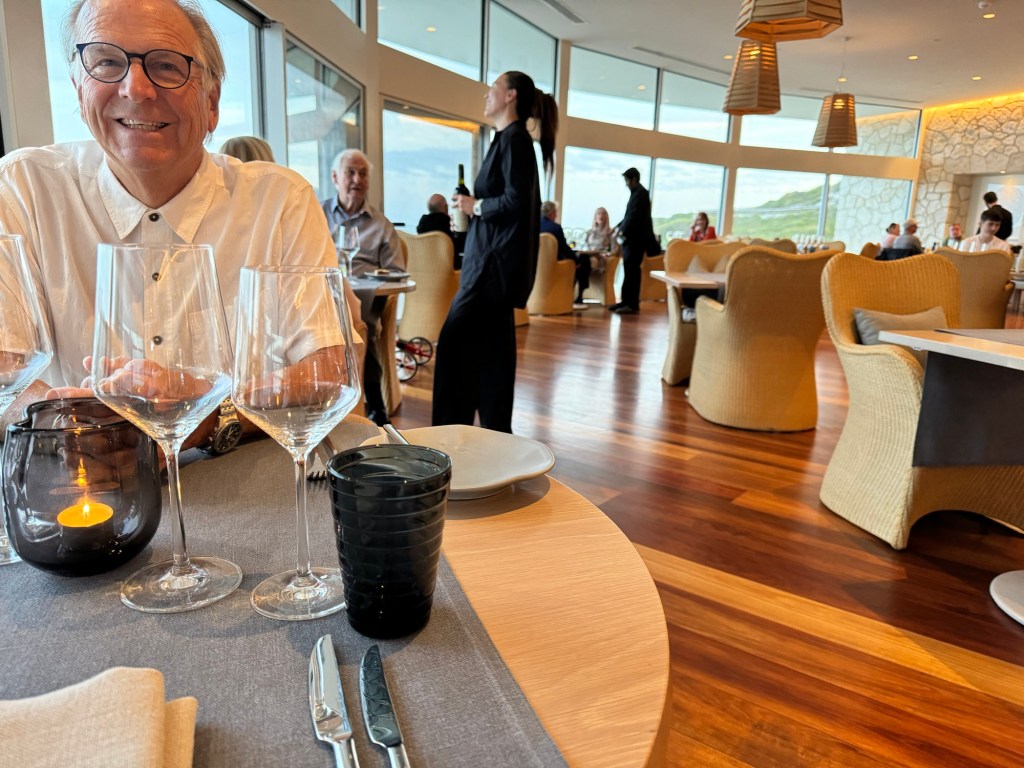
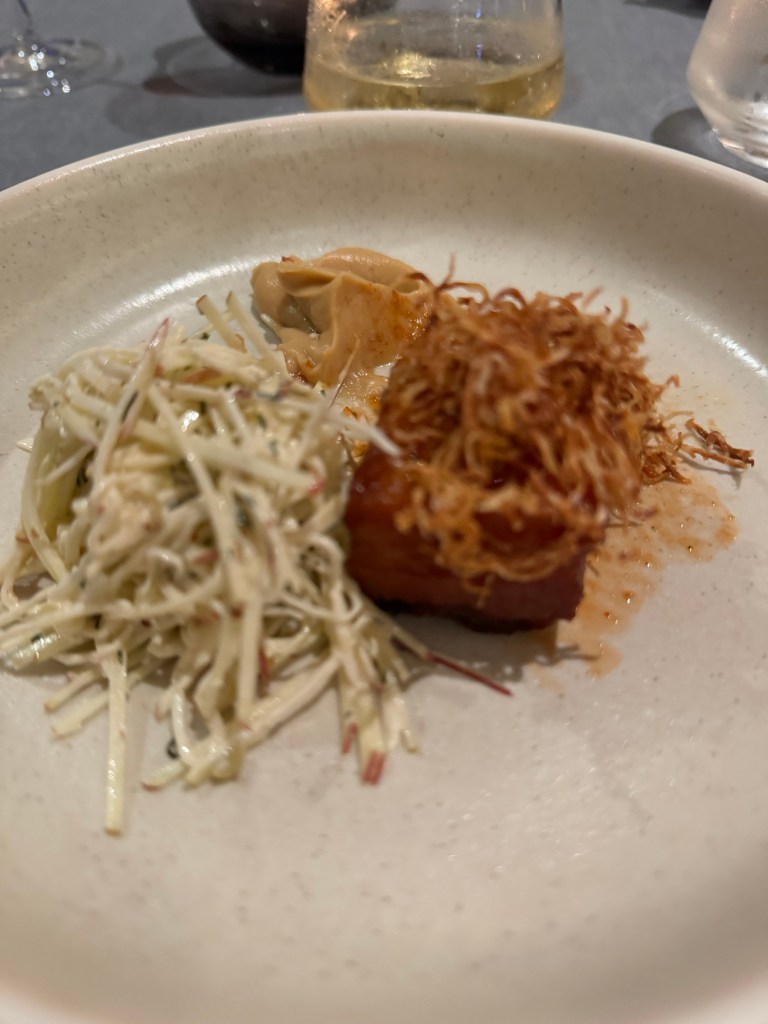
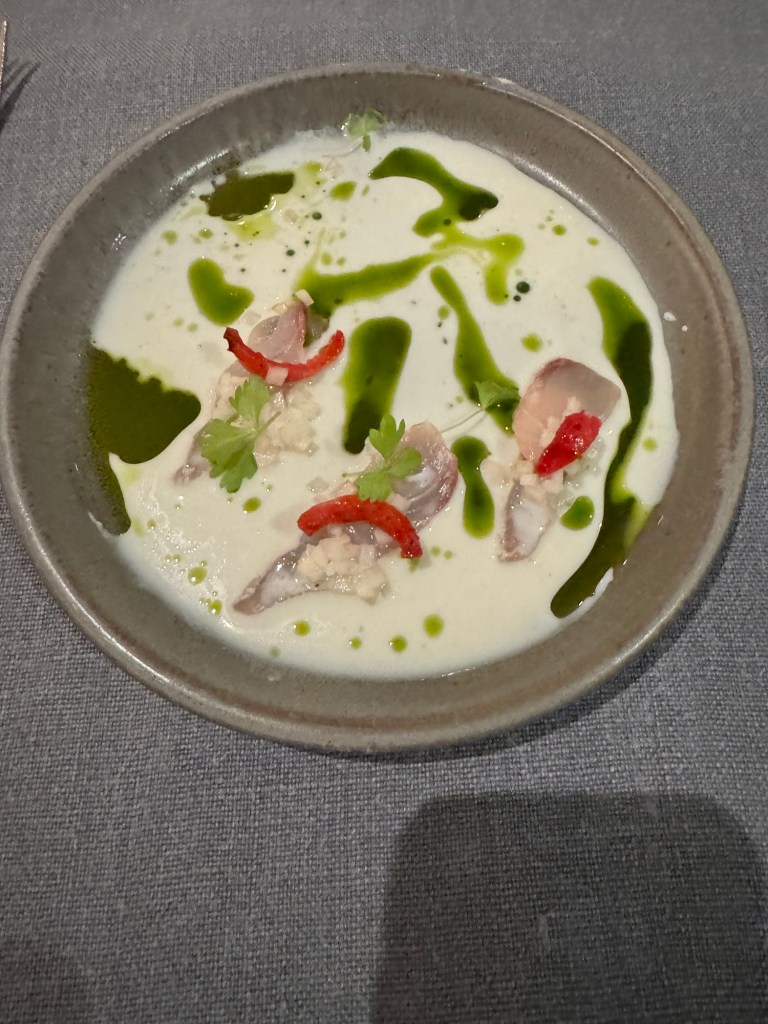
Finally, we arrived at our hotel, the Southern Ocean Lodge. We were glad to stop moving and settle into our rooms with a Southern Ocean view.

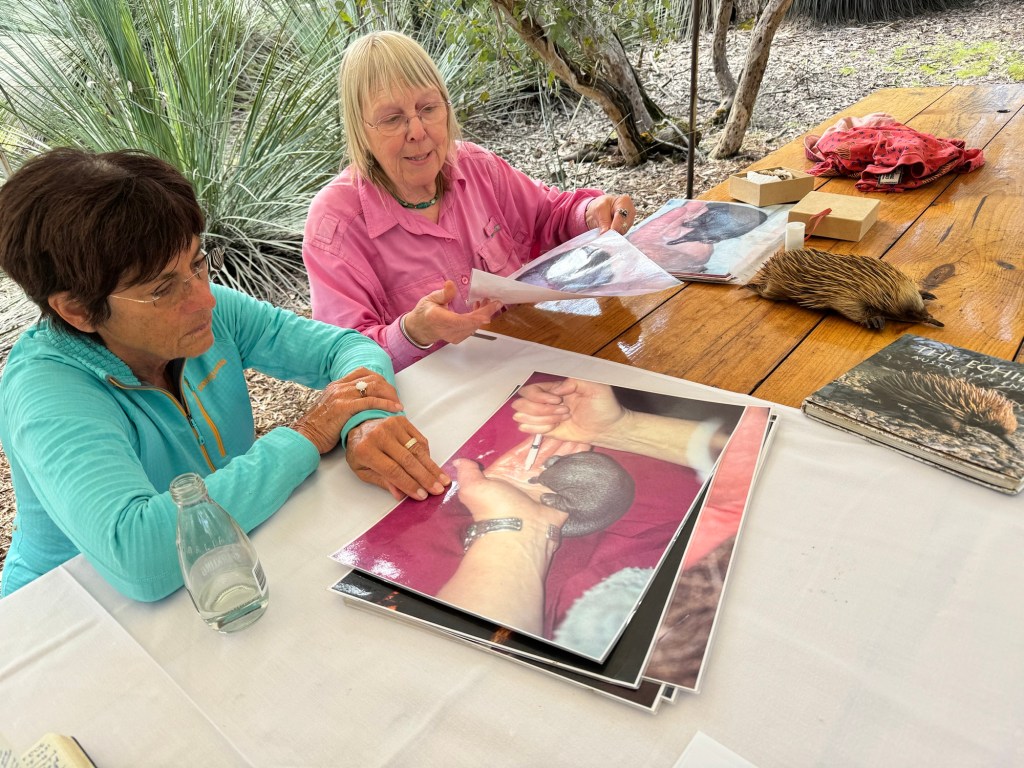
Tuesday, October 15, 2024


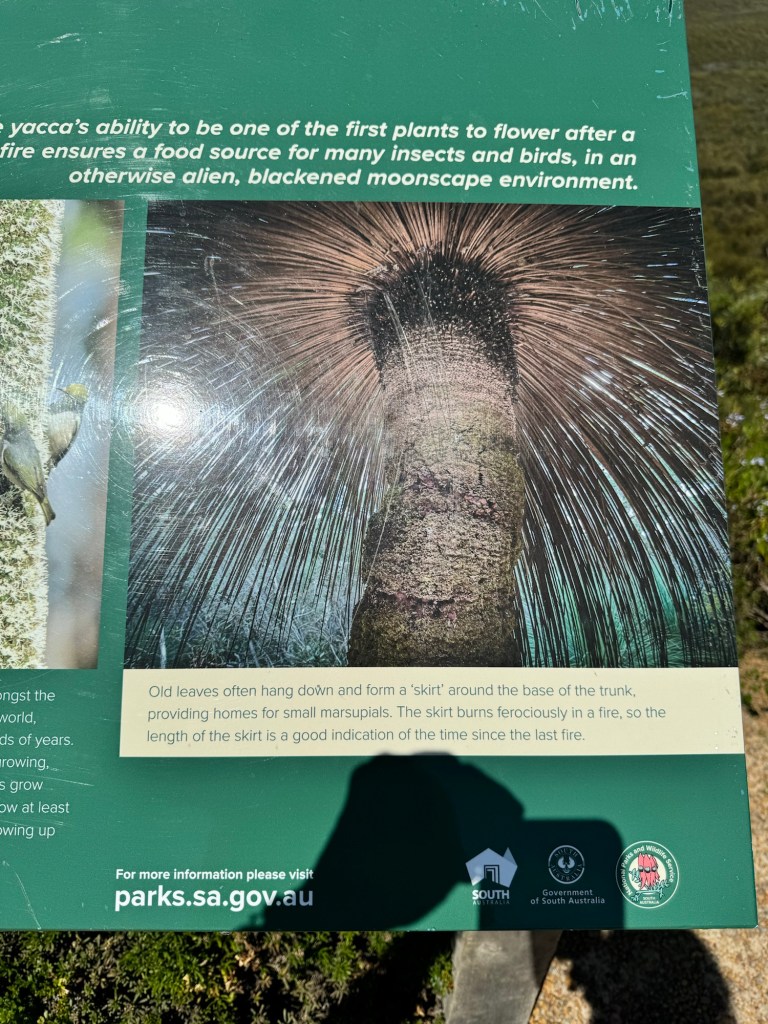
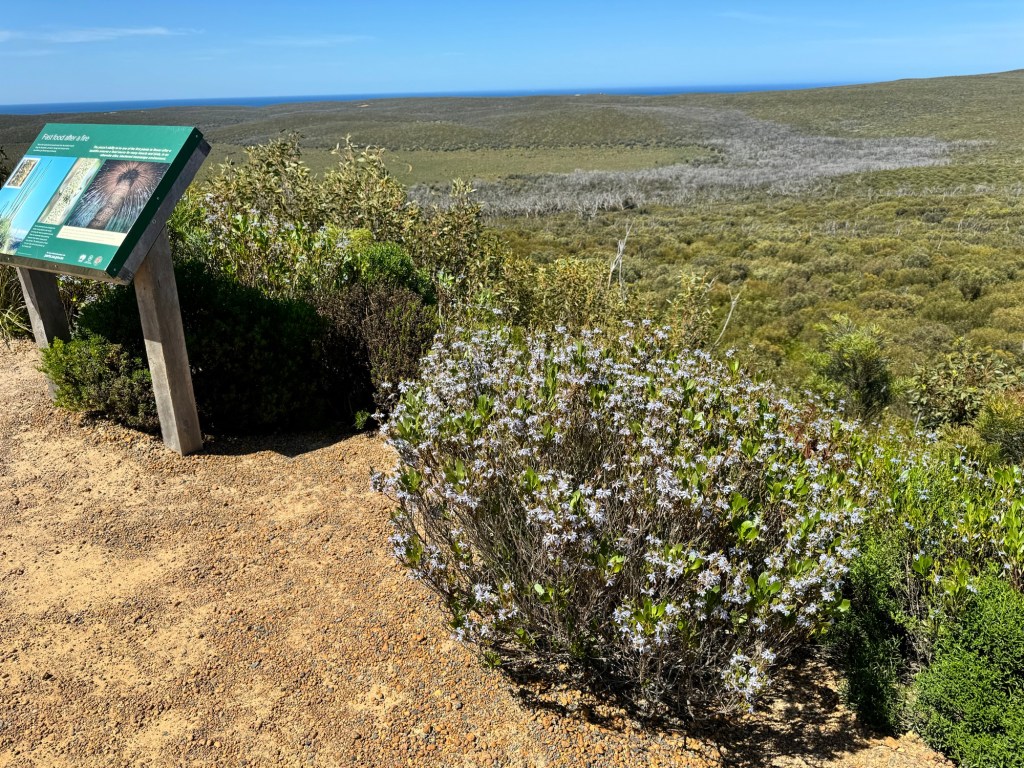
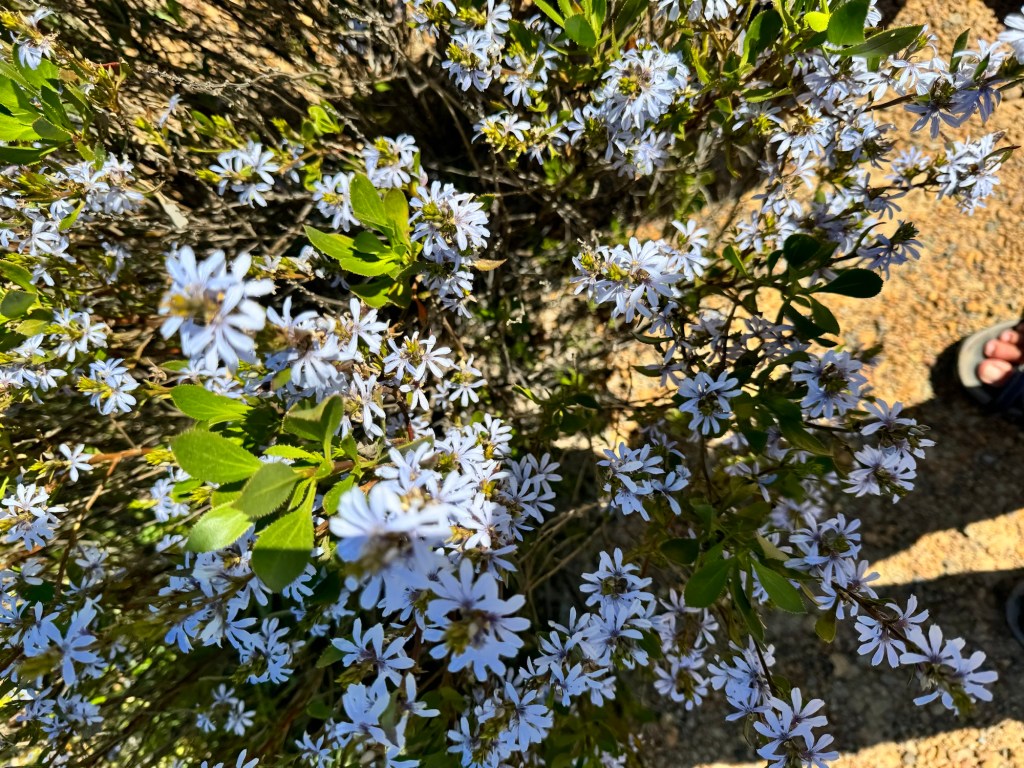

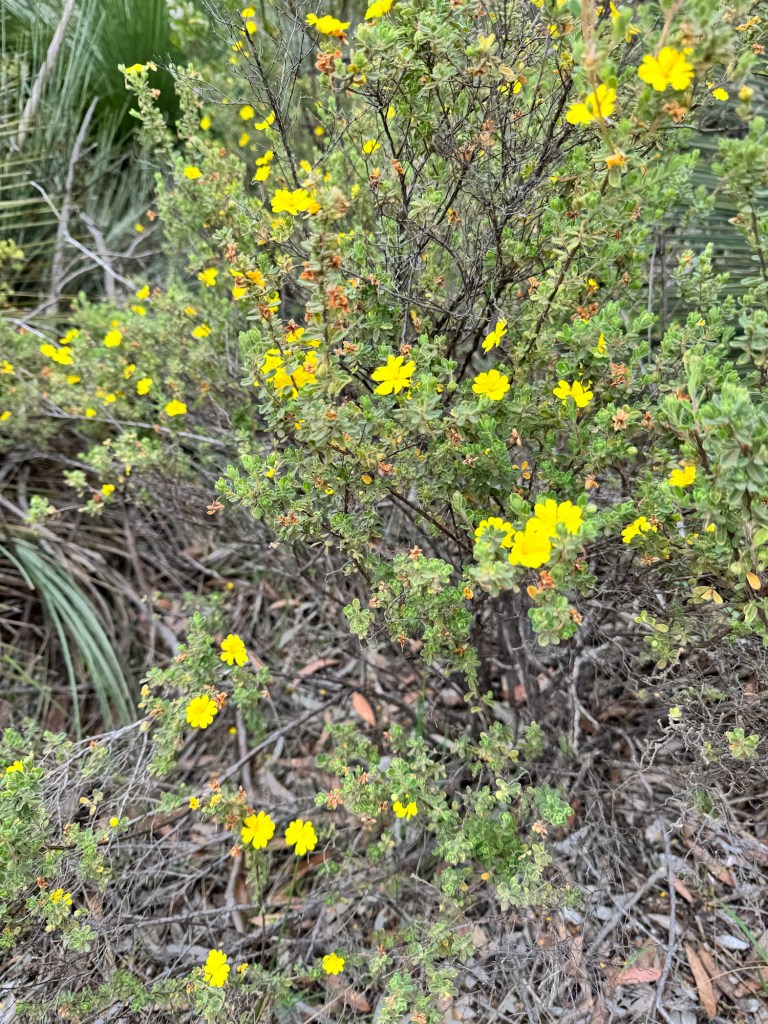
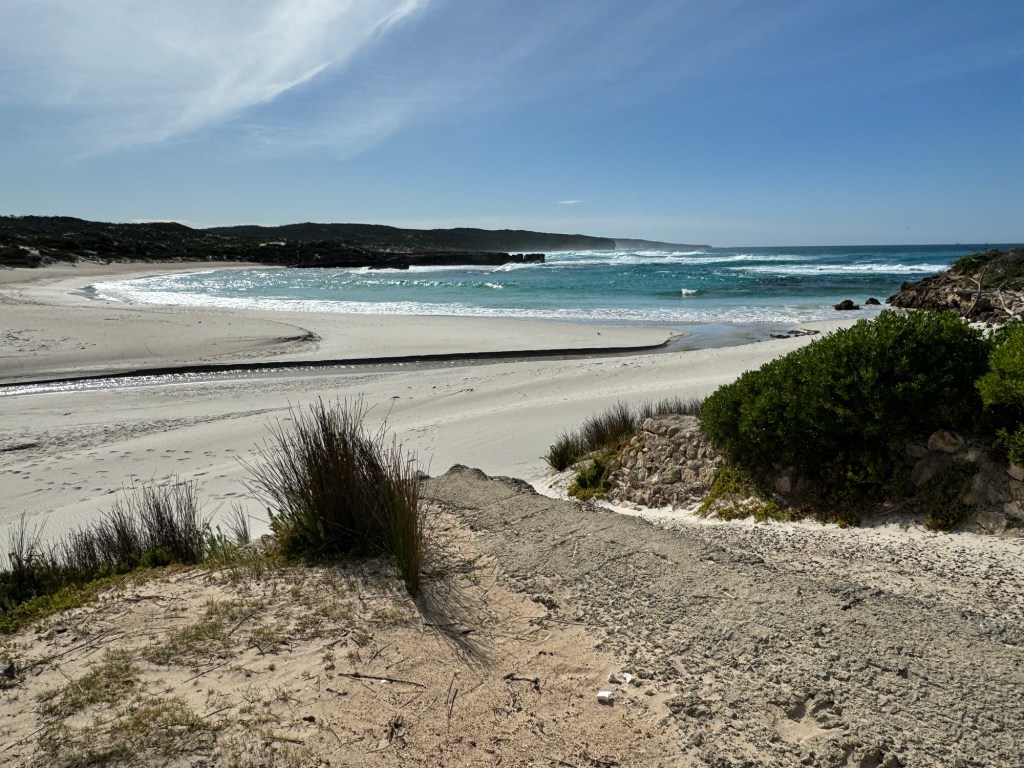
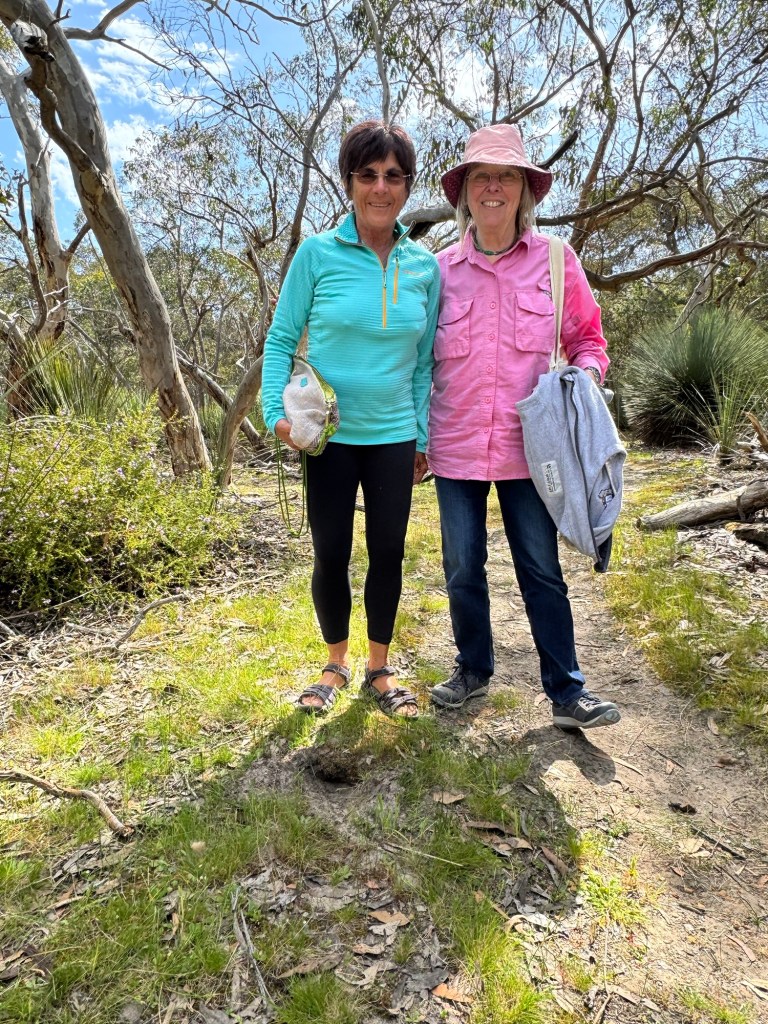
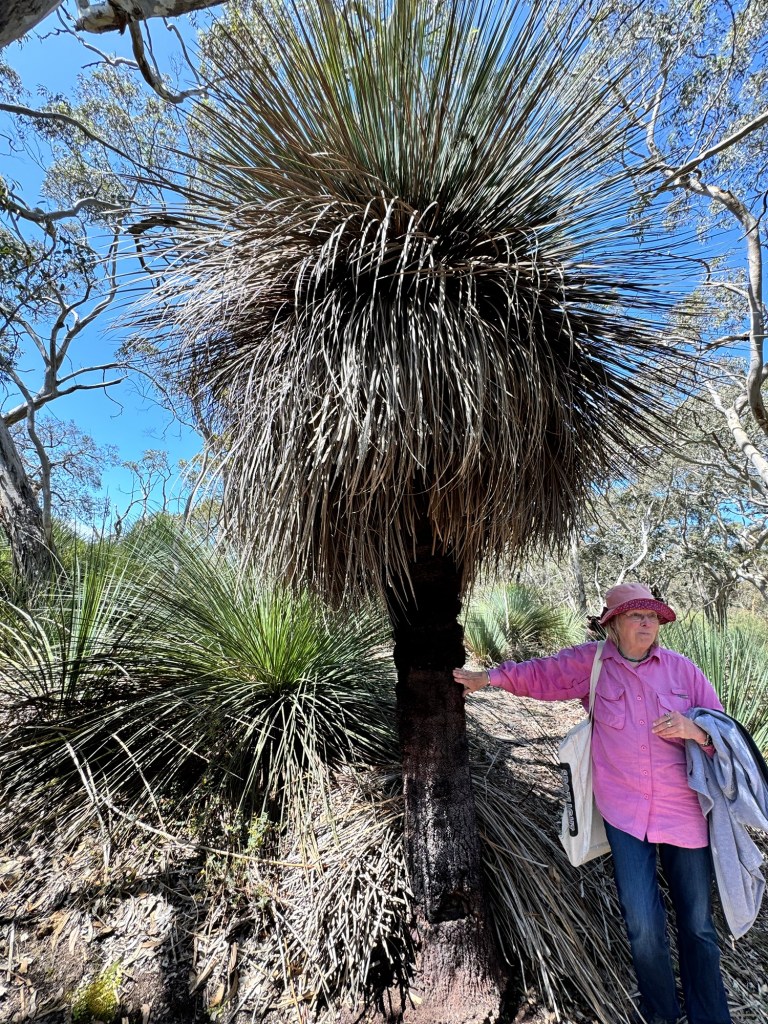
Lee picked us up at 9:30 and off we went to the nearby Hansons Bay to get a look. Then we continued to a rendezvous place to meet Heidi Griffey, a Dutch conservator whose goal is to eradicate feral cats on the island. She owns 200 acres of her own and works with other small land owners to capture and eradicate the unwanted animals.
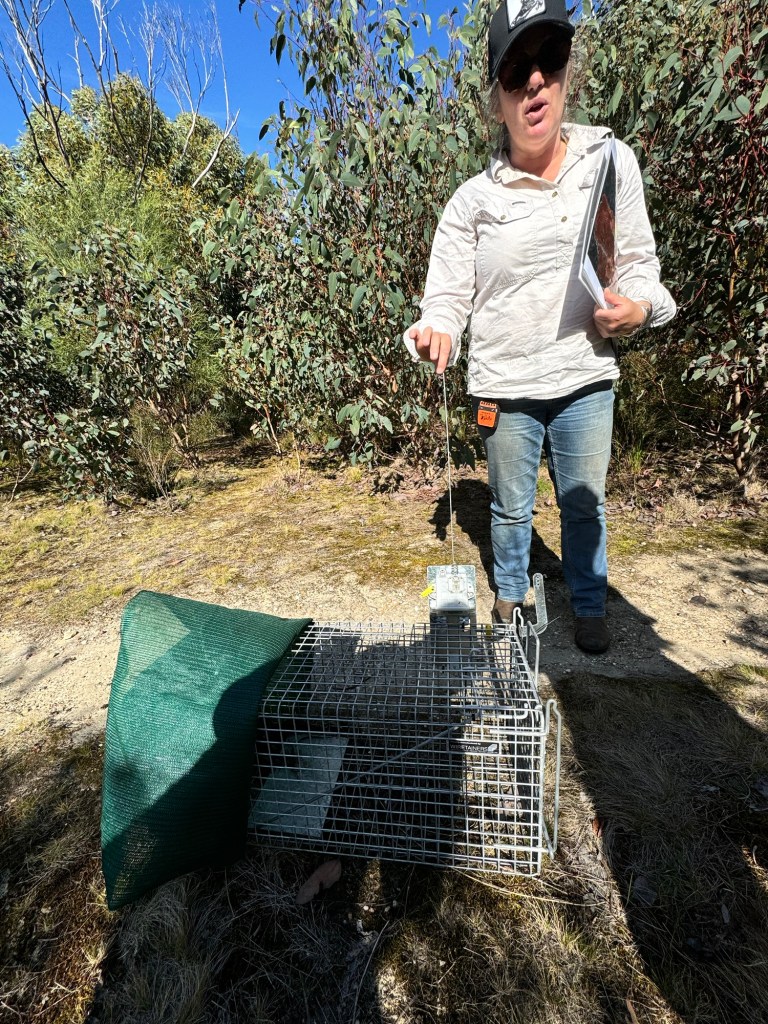


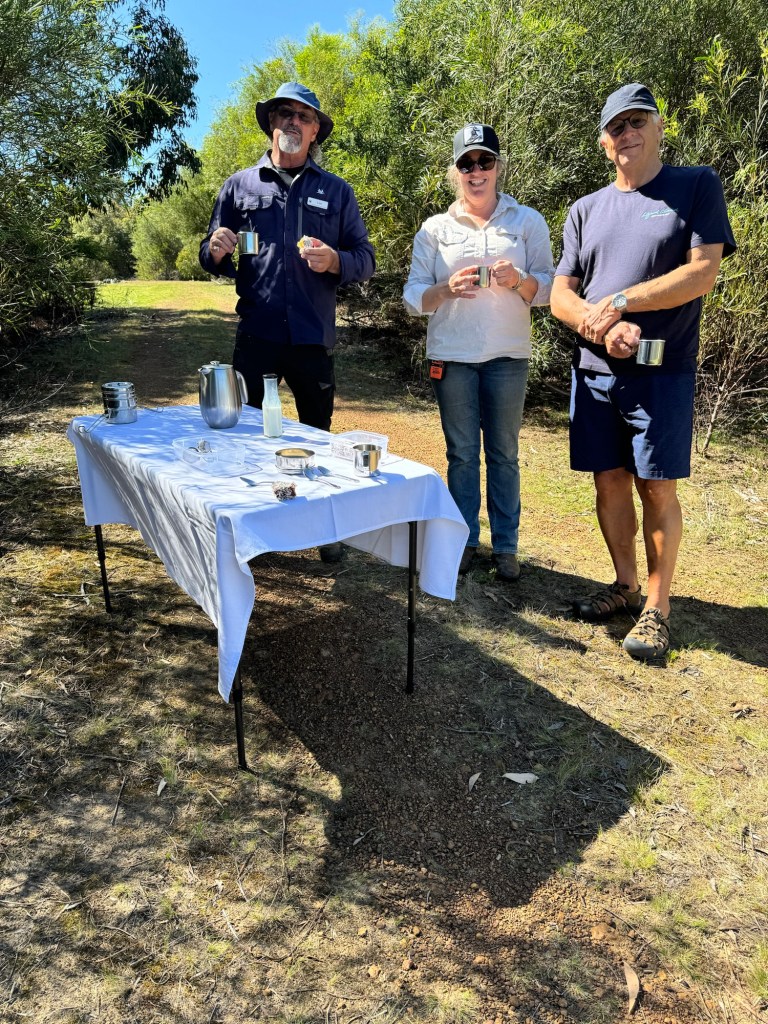
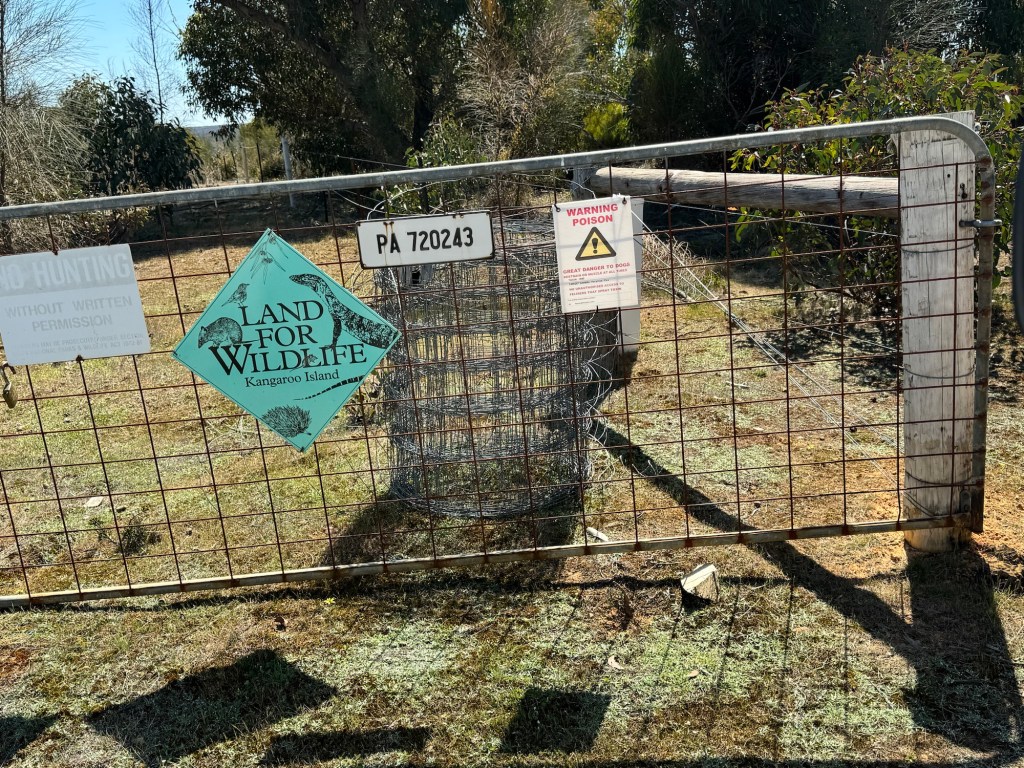
After we left Heidi, we checked into Flinders Chase National Park Headquarters to get permission to enter.

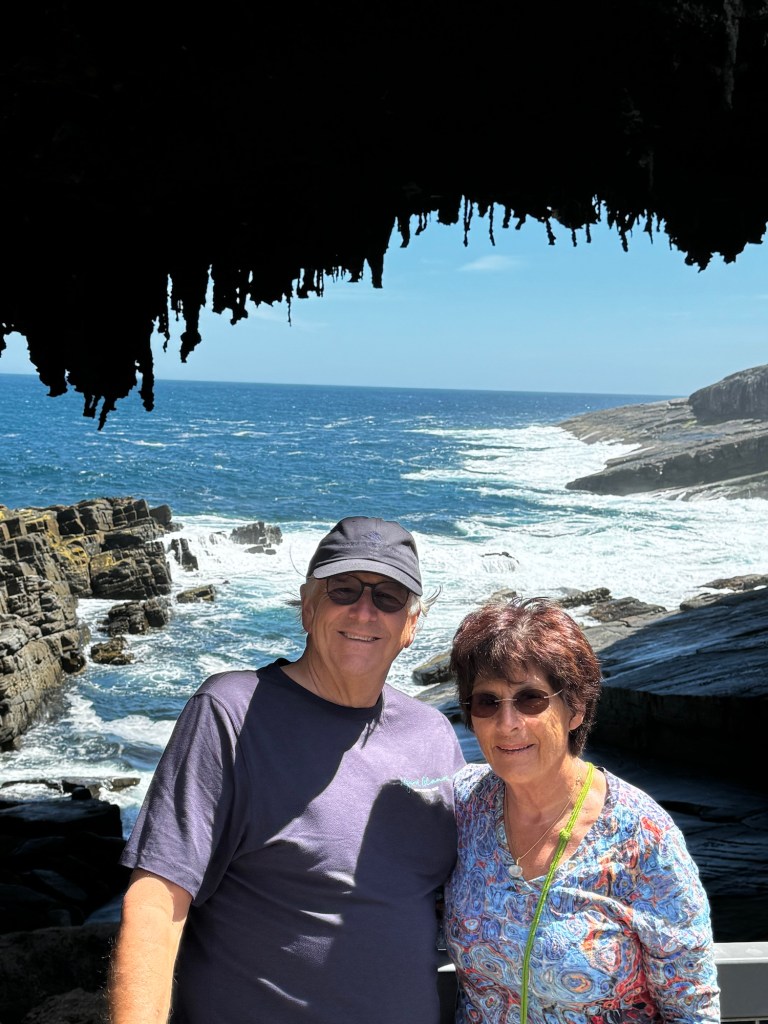
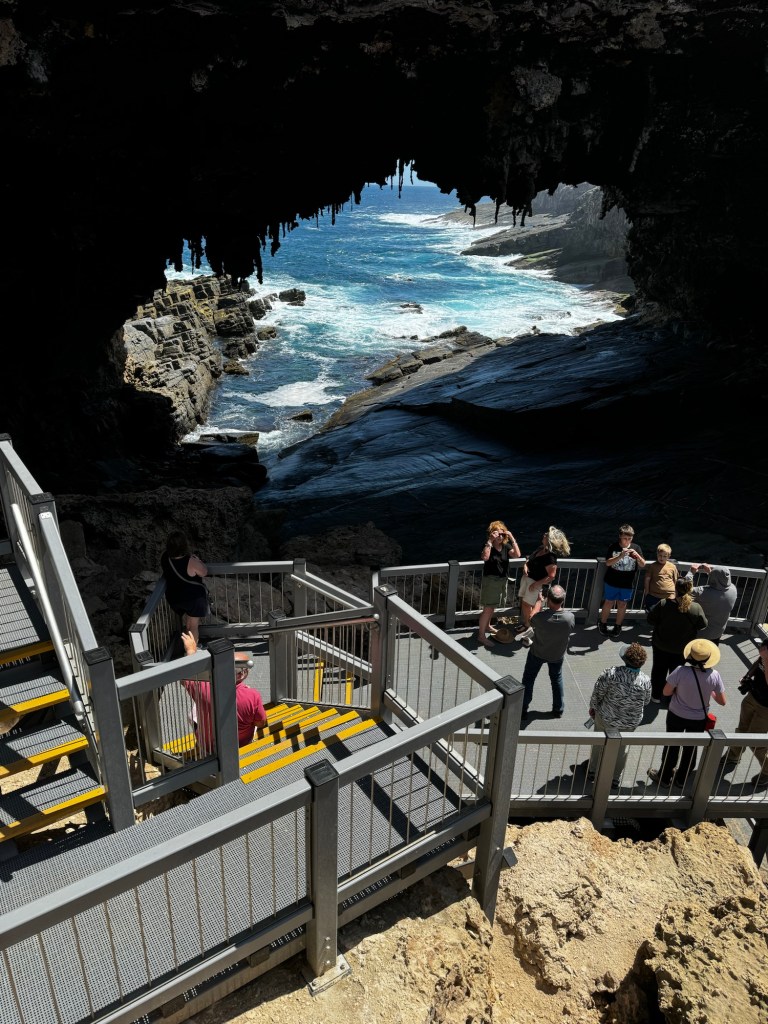
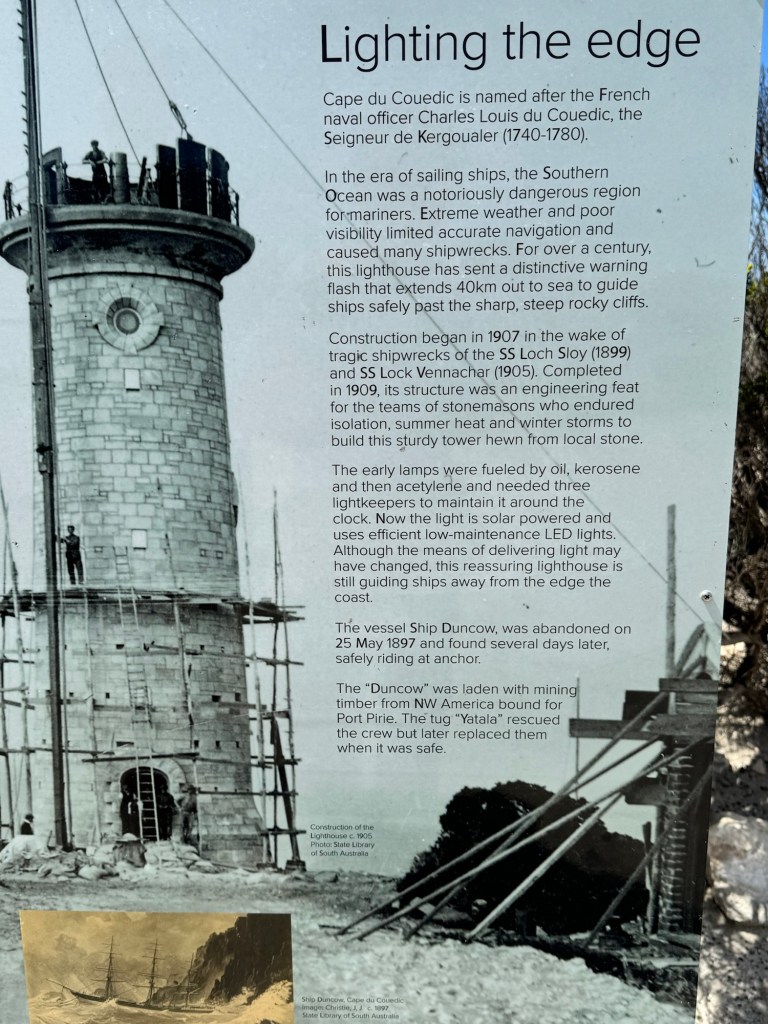
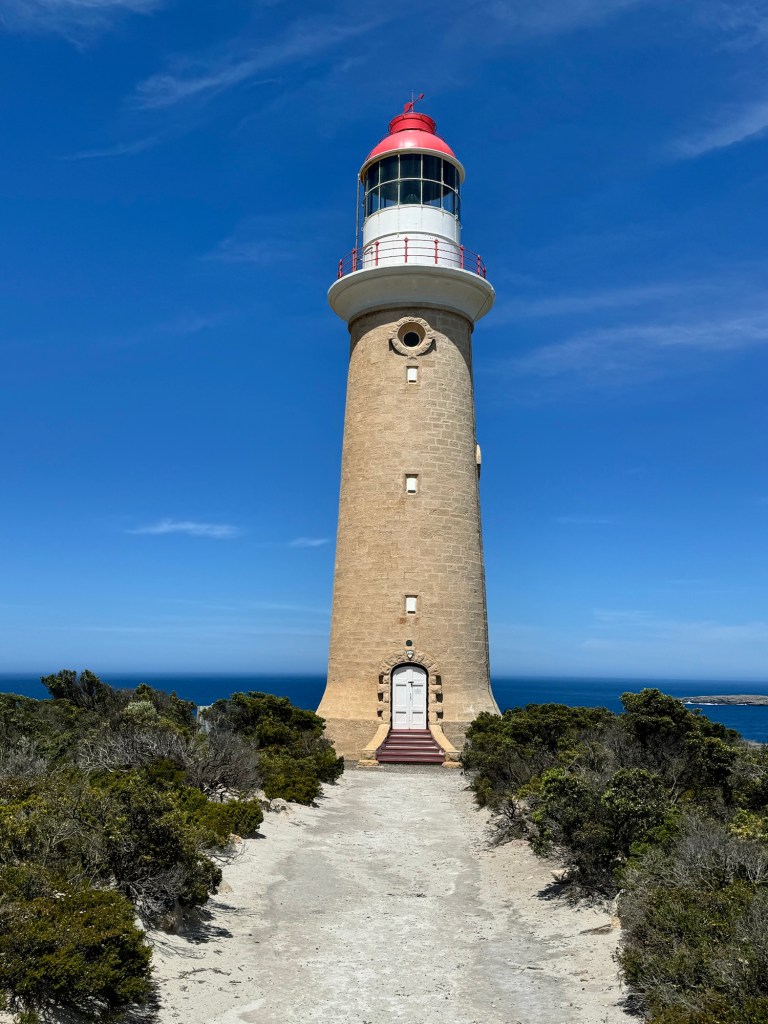
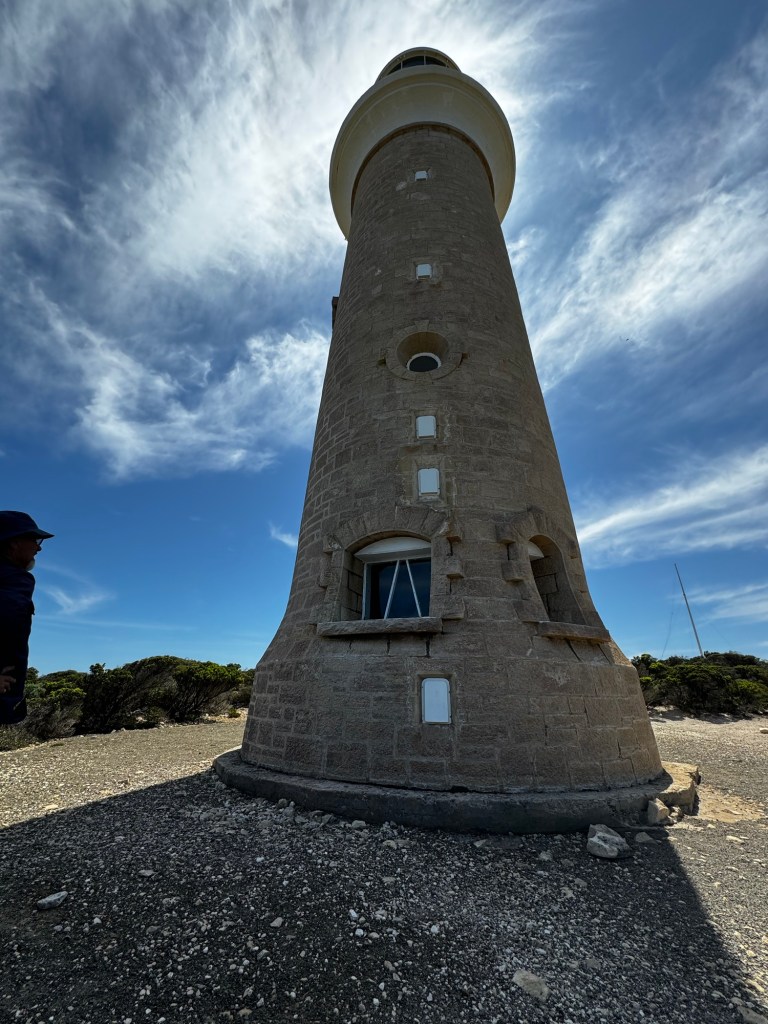
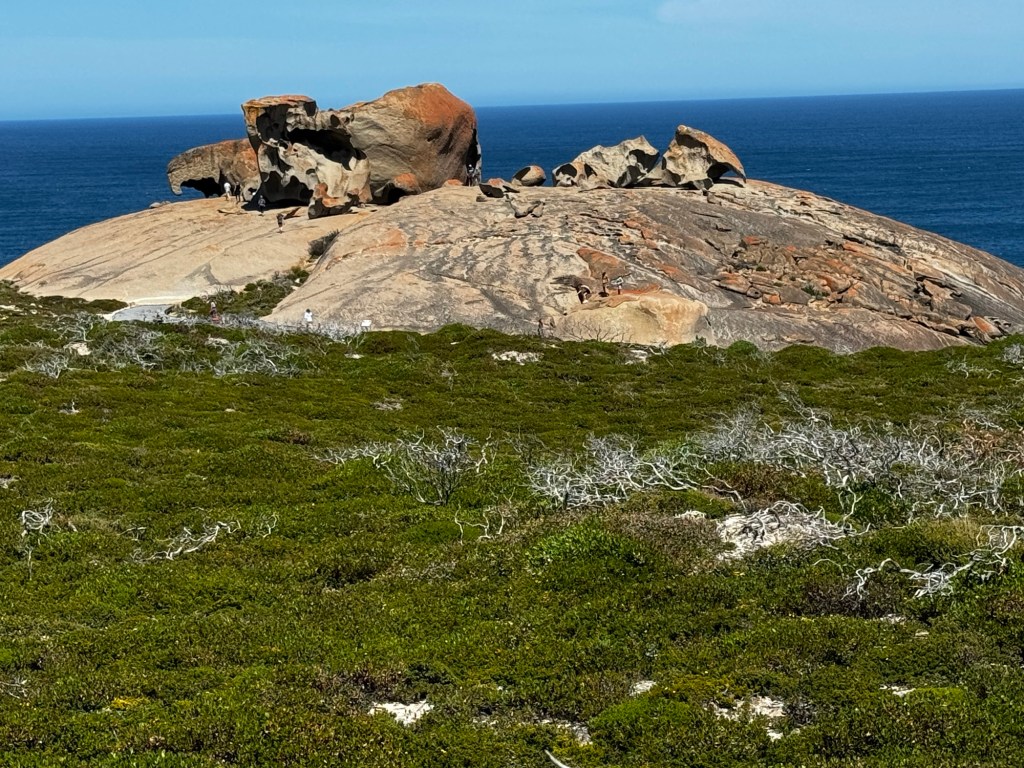
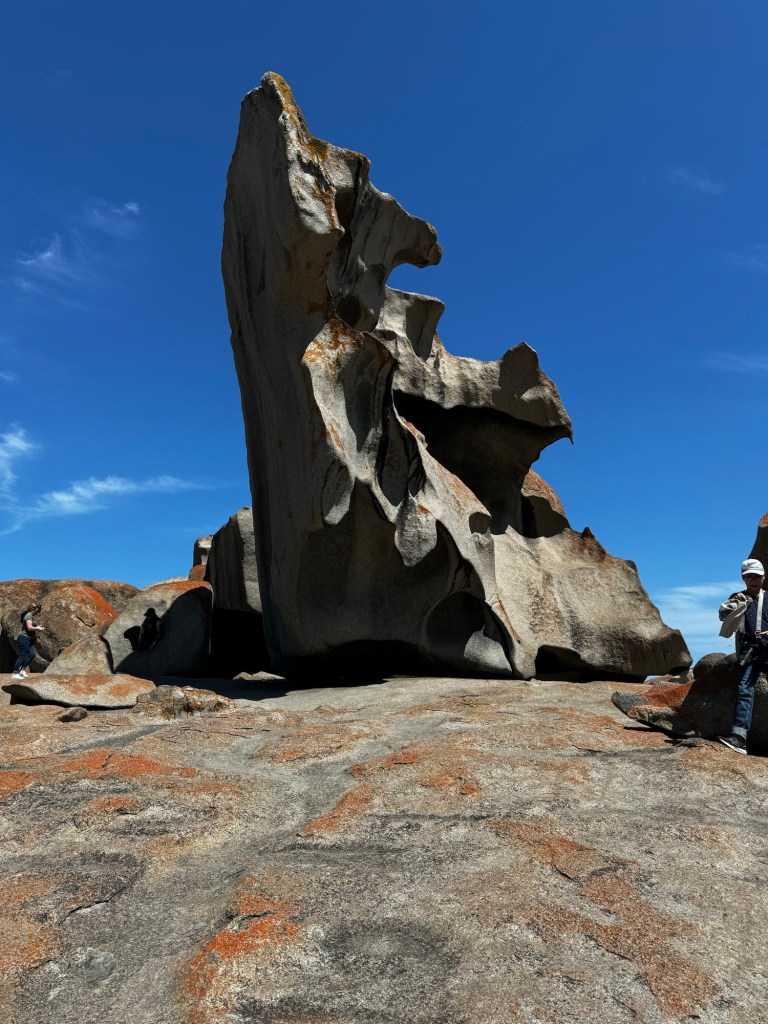
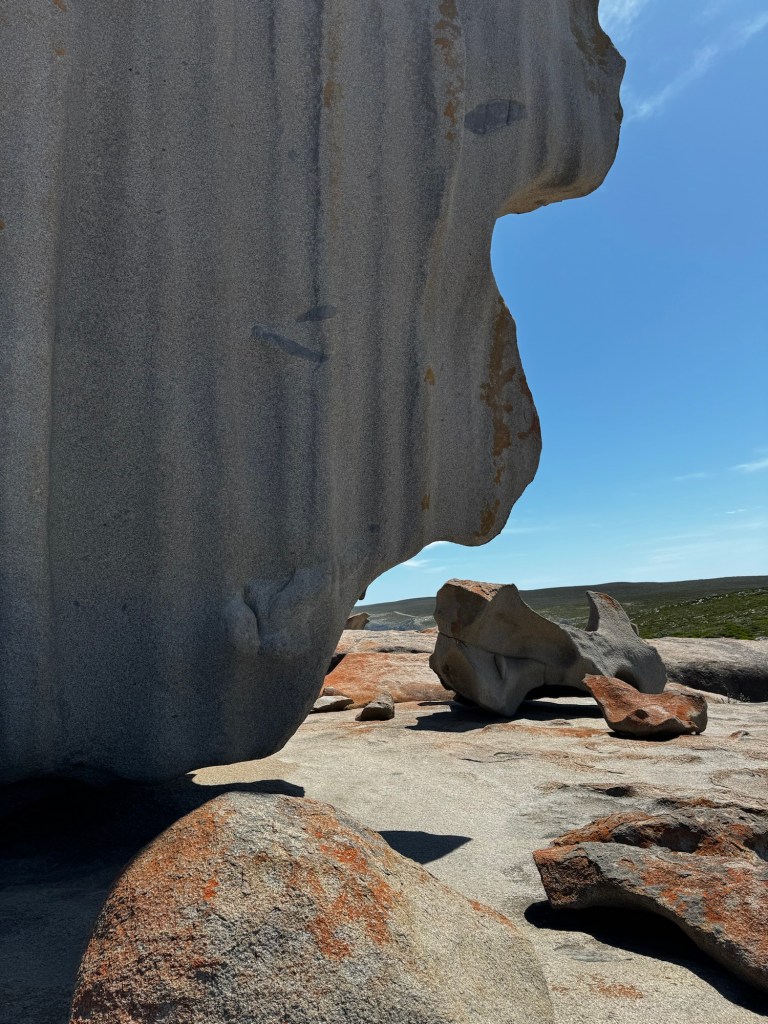
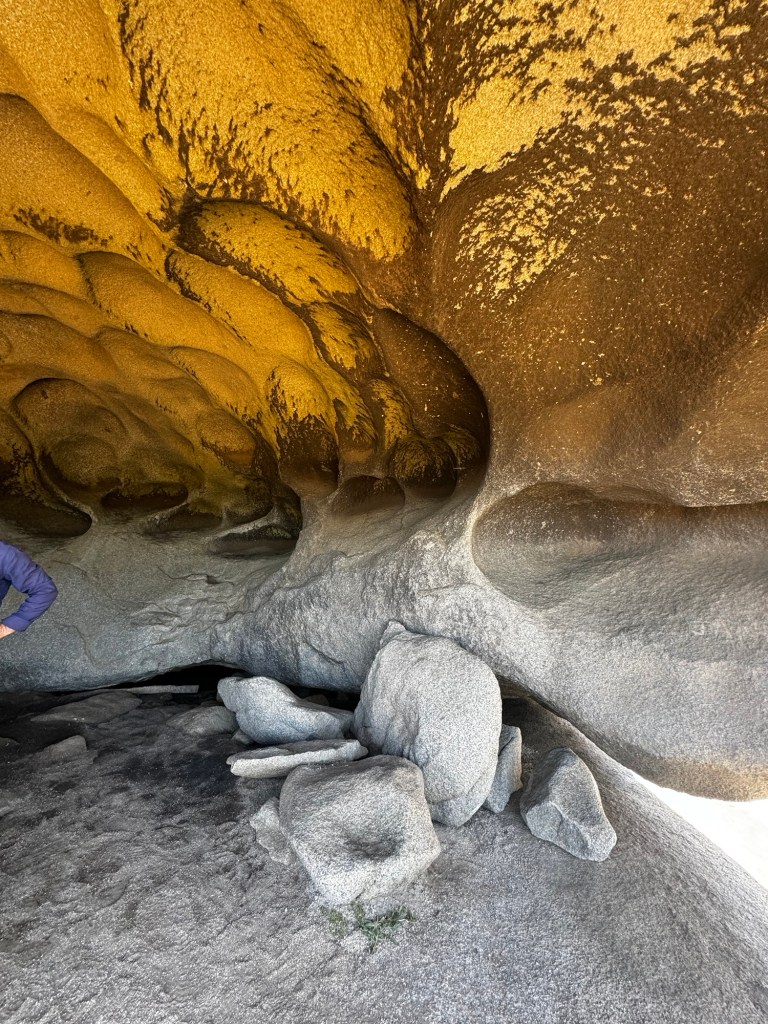
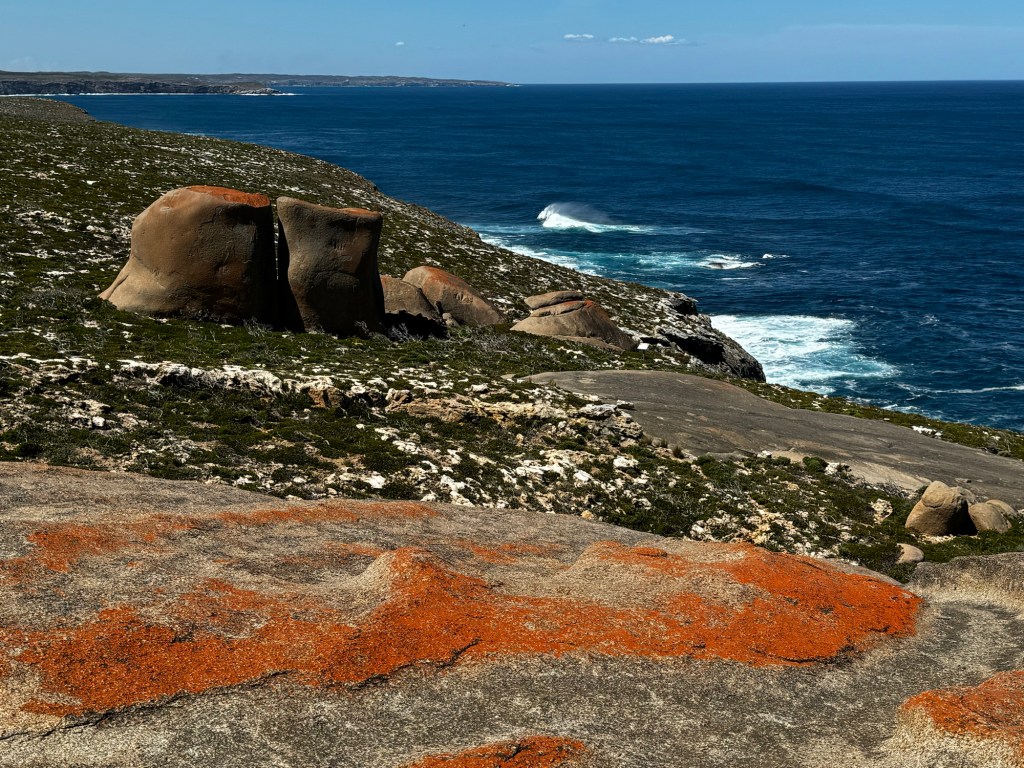
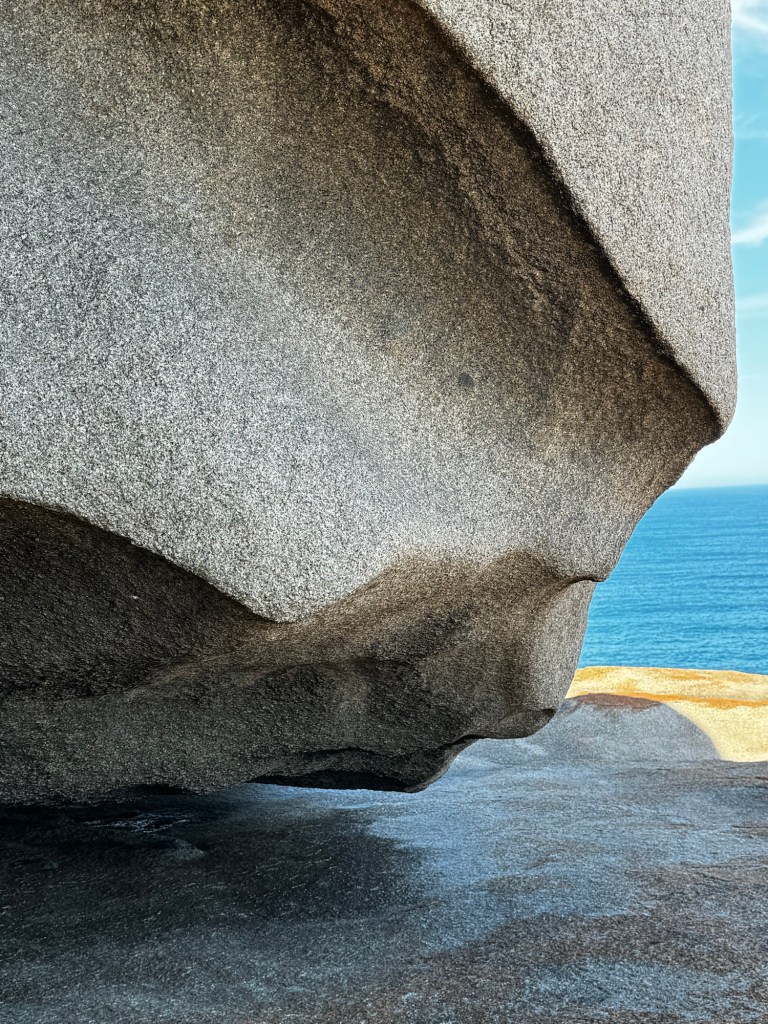

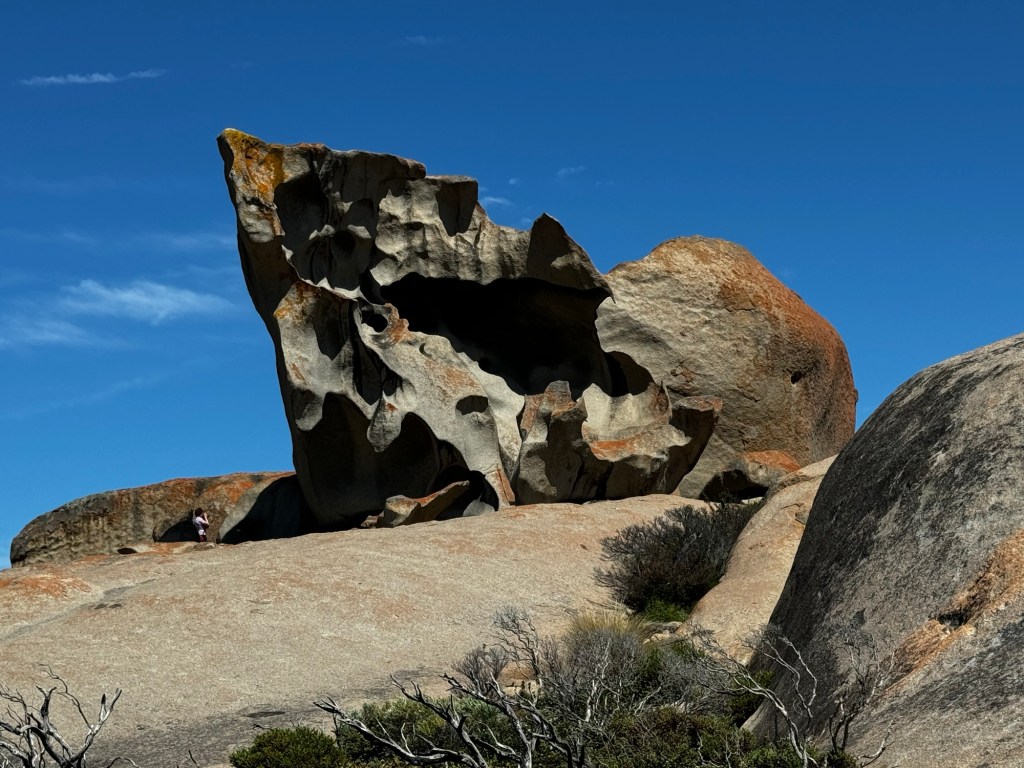
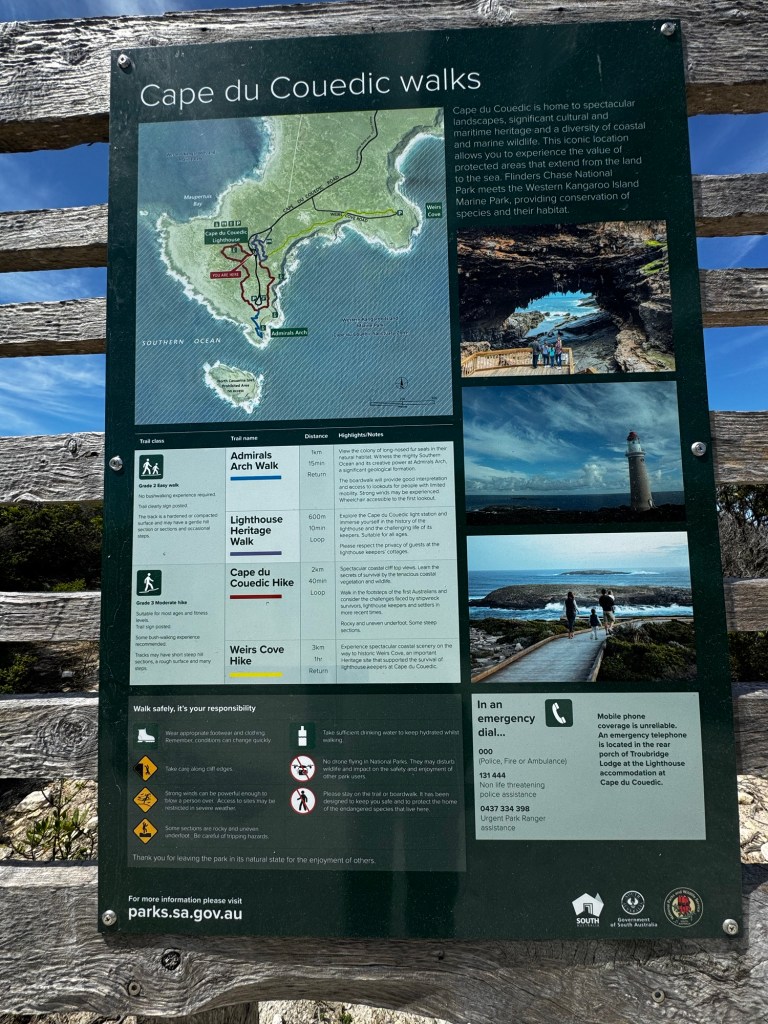
Wednesday, October 16, 2024
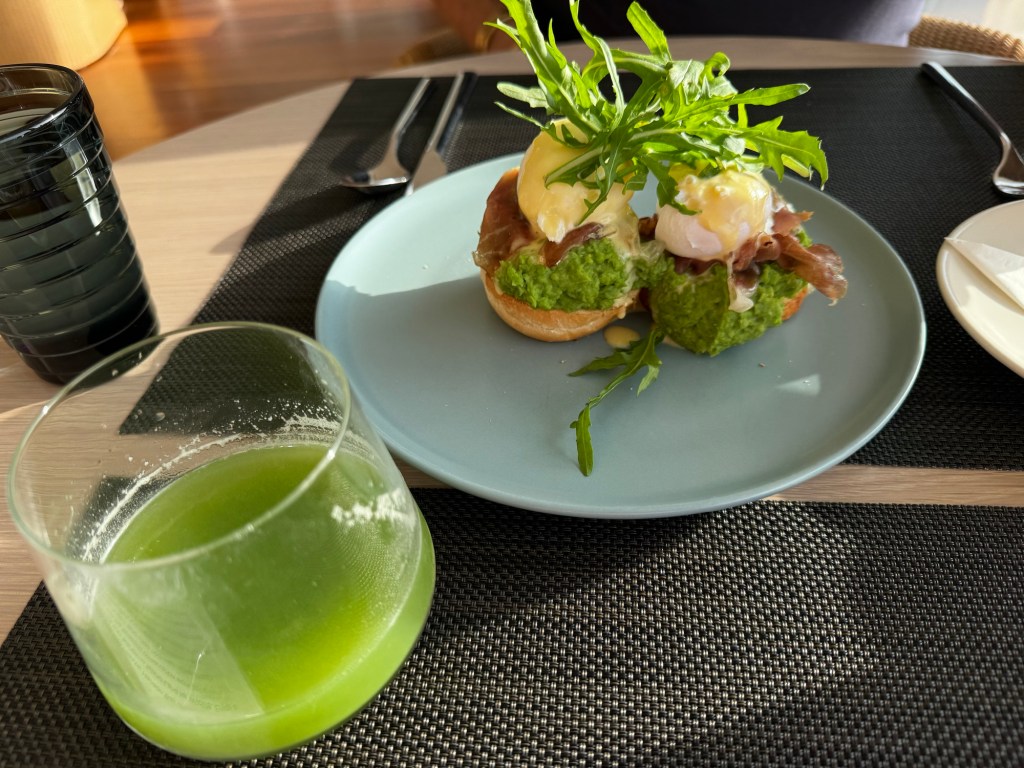
Meet Lee at 9:30 for a day of exploring beaches. But first, Mark fortified himself with an Eggs Benedict that had smashed peas in it.
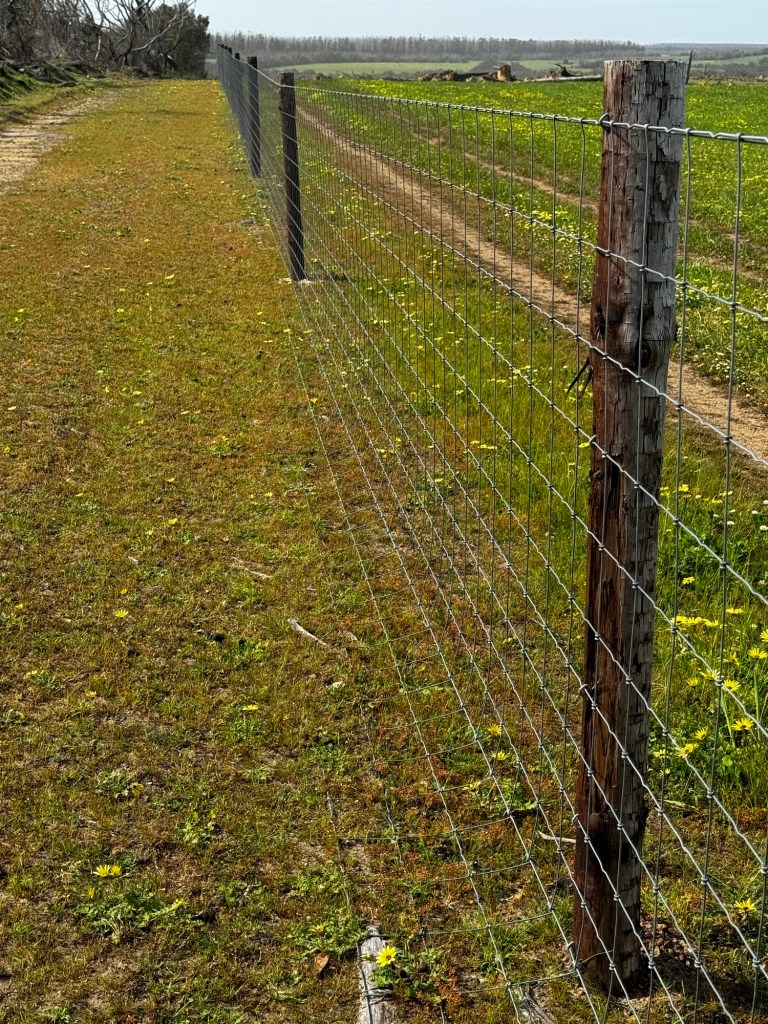
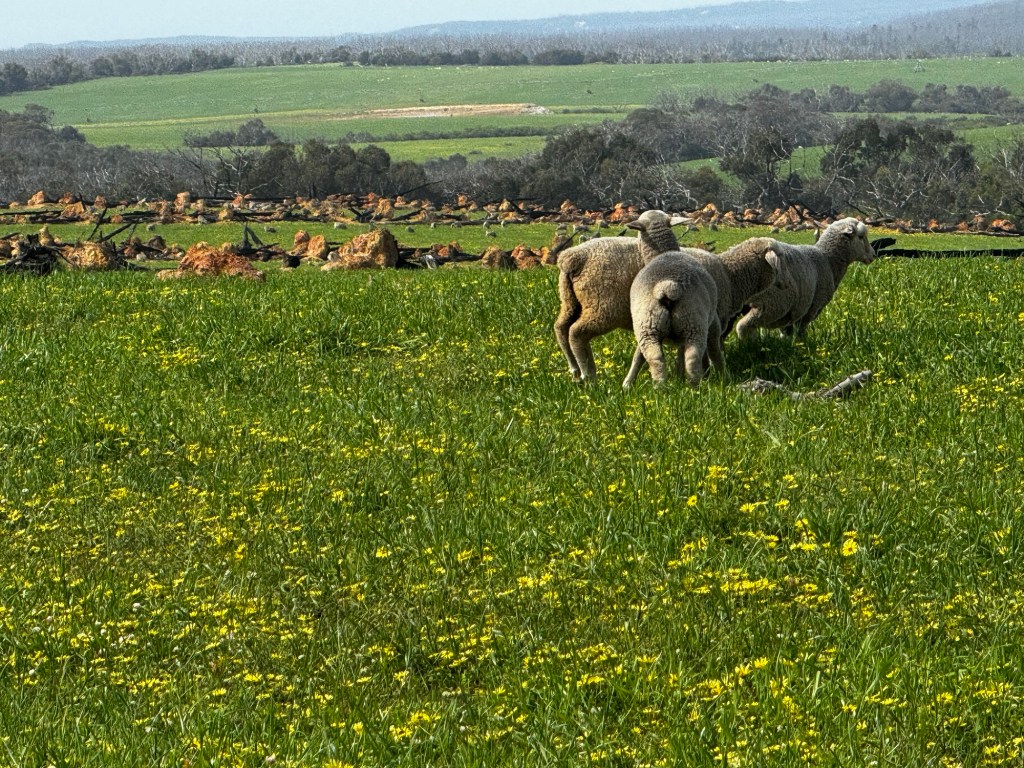
As we headed north for the Western River Cove, we stopped along the way to see some fencing to get a good look at what they call varmit fencing that we refer to as hog wire. All the fencing is new due to the huge fire that wiped out so very much in 2019-20. The landscape is a beautiful green where the trees have been cut. The sheep have just been sheered and they look very happy. The hog style fencing is installed so the bottom foot is folded out away from the protected area. There is no barbed wire on the top. A lot of trees still need to be removed, but much has been done and both people and animals are slowly recovering.


At the convergence of the Western RIver with the Beach, we walked across a foot bridge and had a close encounter with a Willie Wagtail, who danced around for a long time, before flying away.
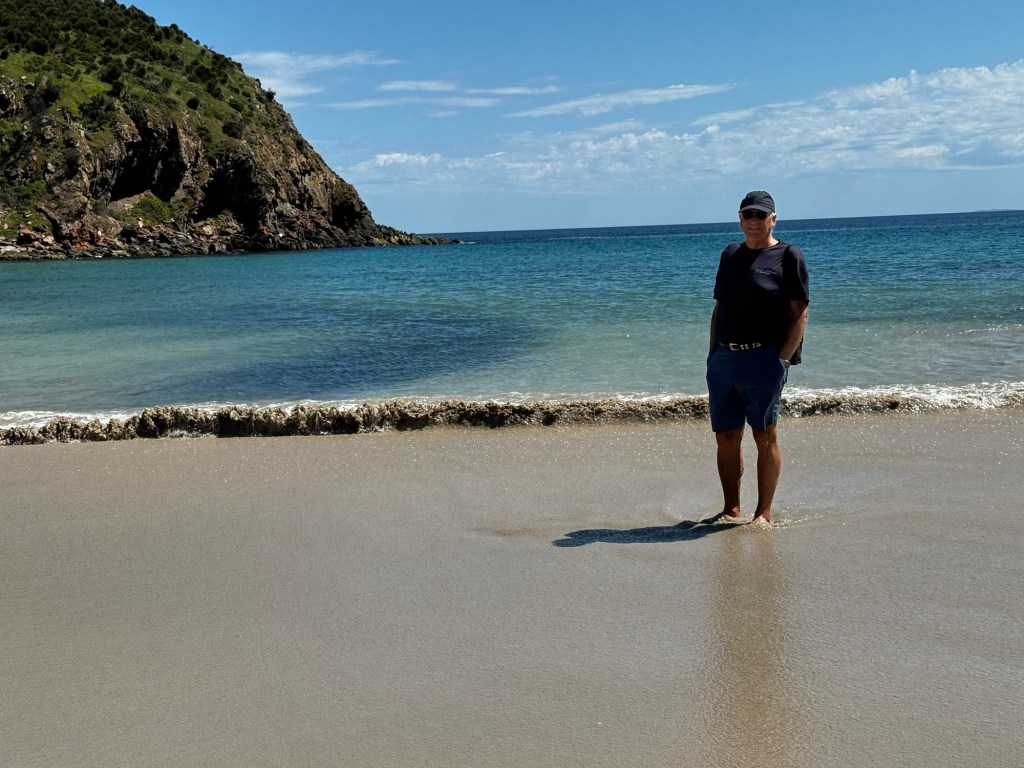
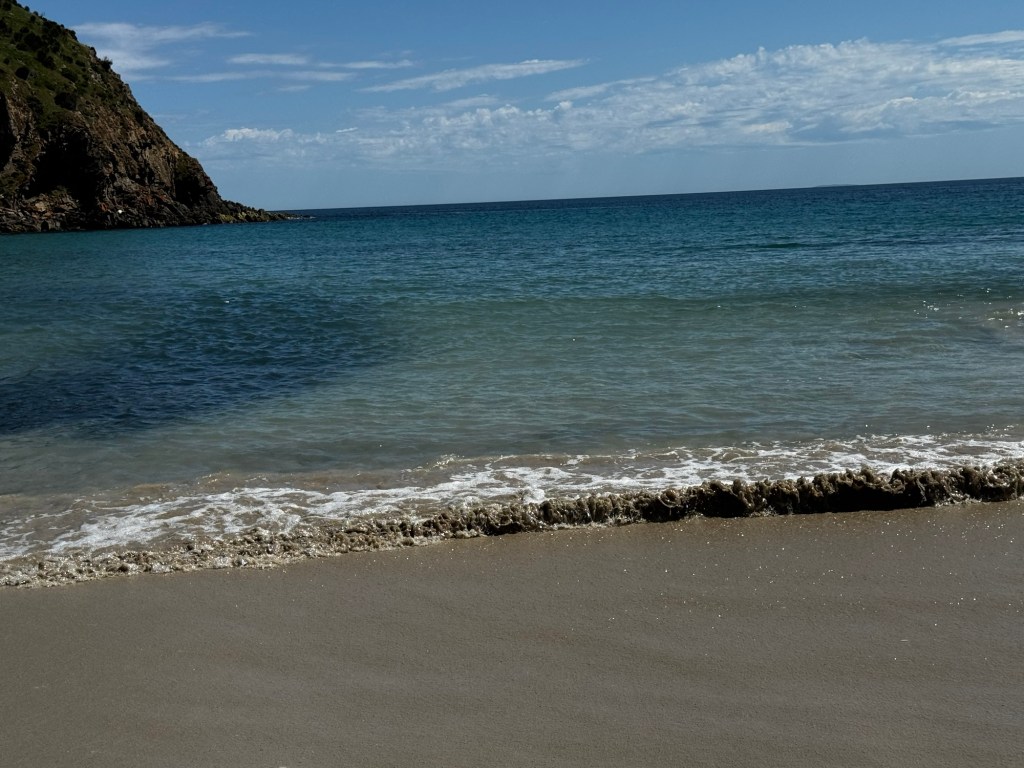
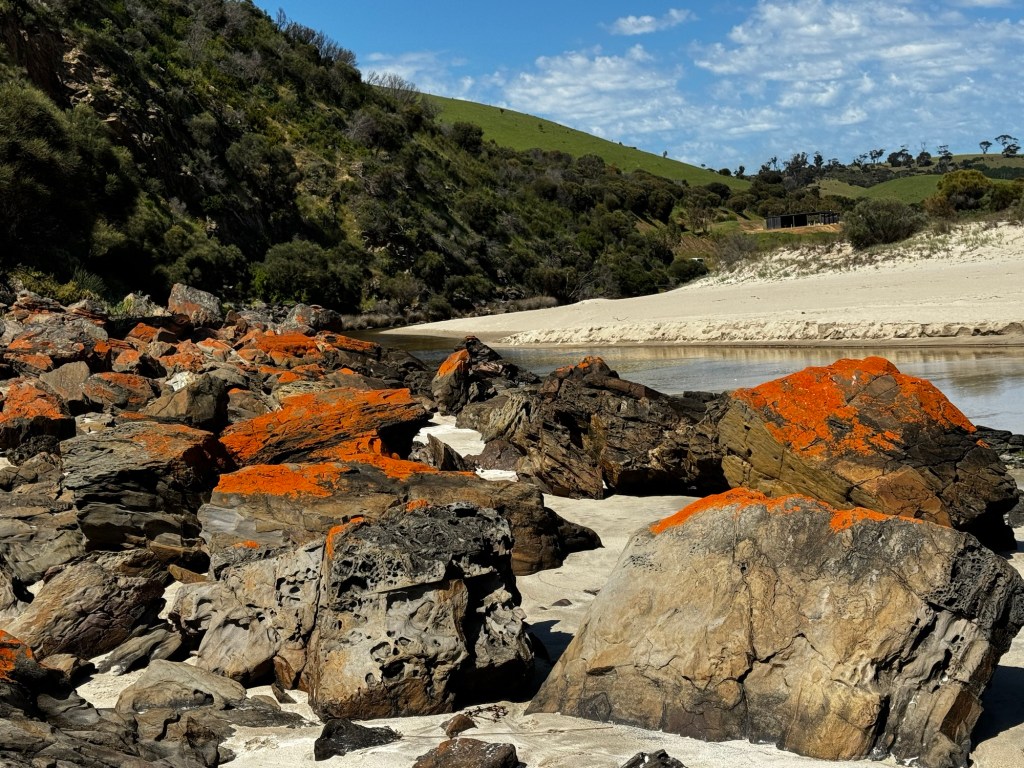
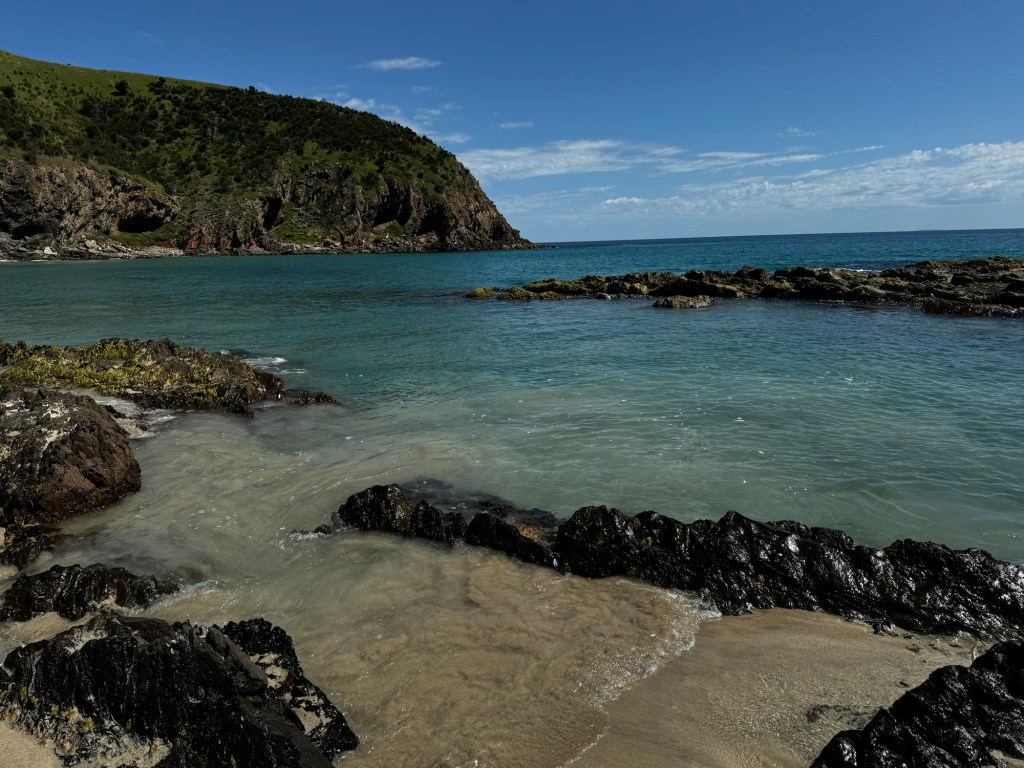
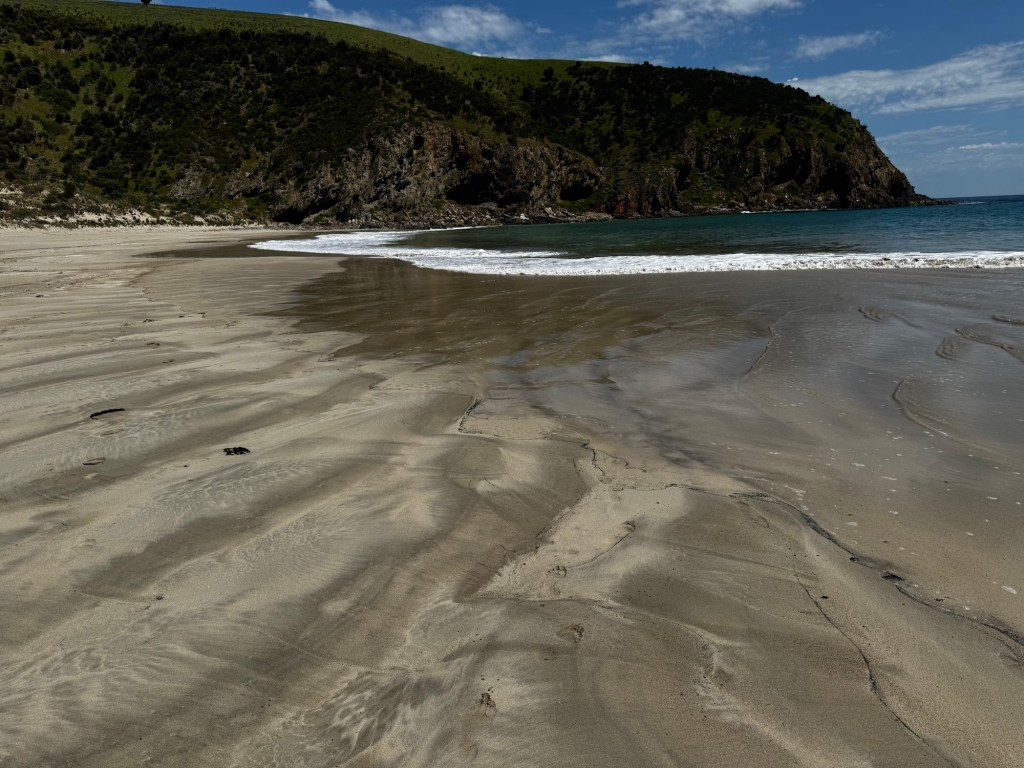
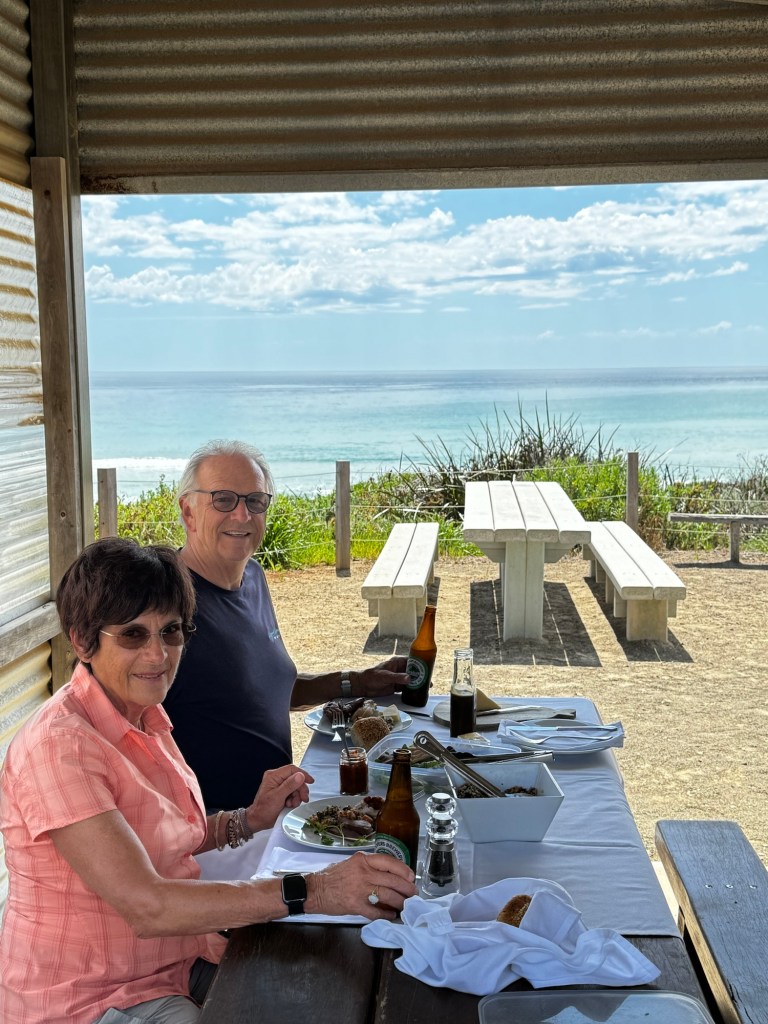
After a pleasant hour on the lovely and nearly deserted beach, we drove on to our next Beach experience, Snelling Beach. Along the way we saw a few koala in the trees. This was our lunch stop and Lee served a delicious spread of meats and salad. This beach was almost as nice as Western River Cove.

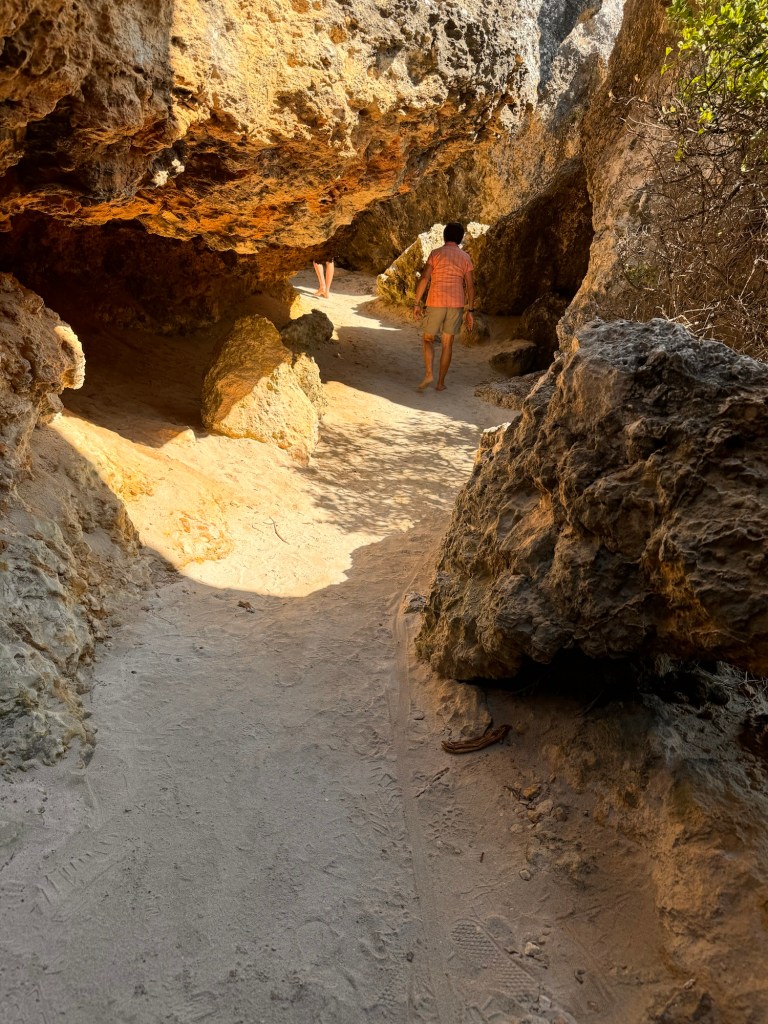
Our last beach of the day was Stokes Bay and Lee was looking forward to showing us a special tunnel. When we arrived we were not impressed with what we saw as the beach was full of rocks, dried kelp, pebbles and trash. Then he told us to follow him and soon we were navigating a narrow passage among large boulders.
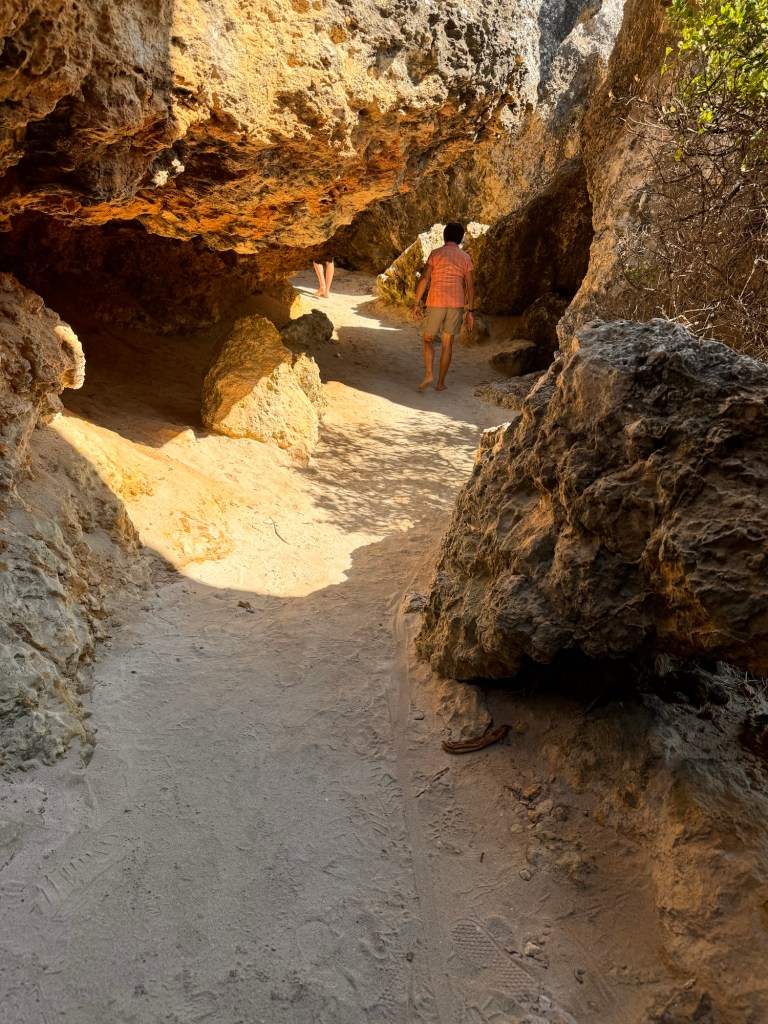
Eventually we passed the last boulder and stepped into the sunshine on another beautiful beach. What a pleasant surprise. After a pleasant walk on this beach, we headed back to the hotel.
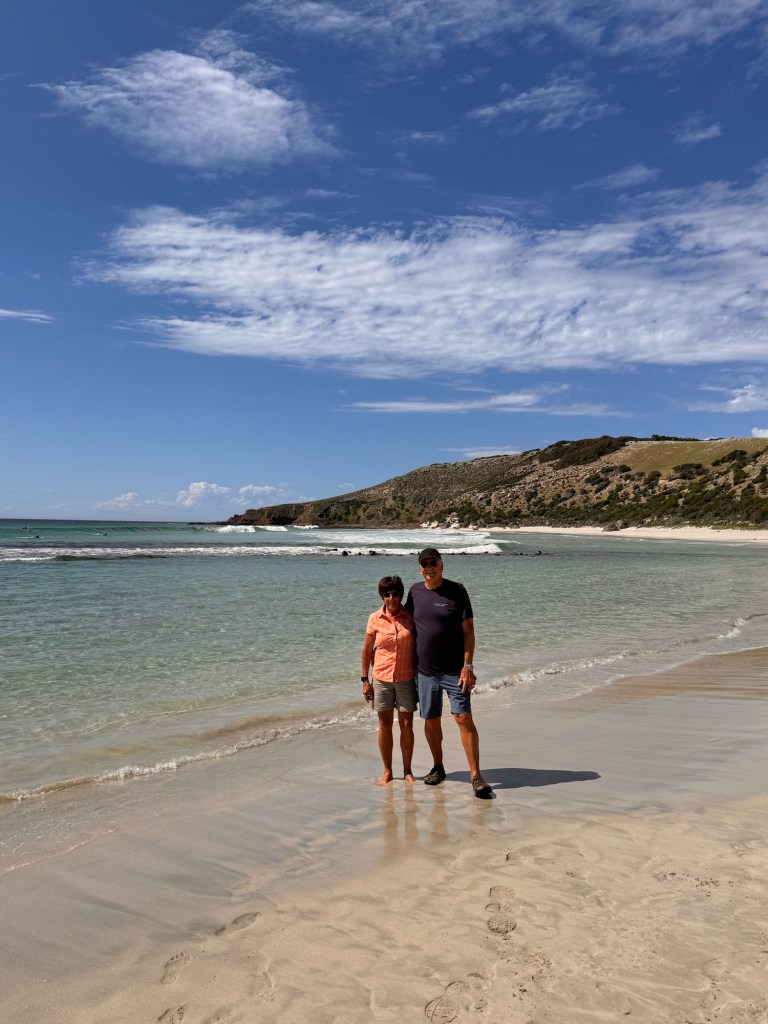
It turns out Kangaroo Island is full of lovely beaches and the locals are very spoiled. The water is pretty cold, but not uncomfortable in late spring and summer.
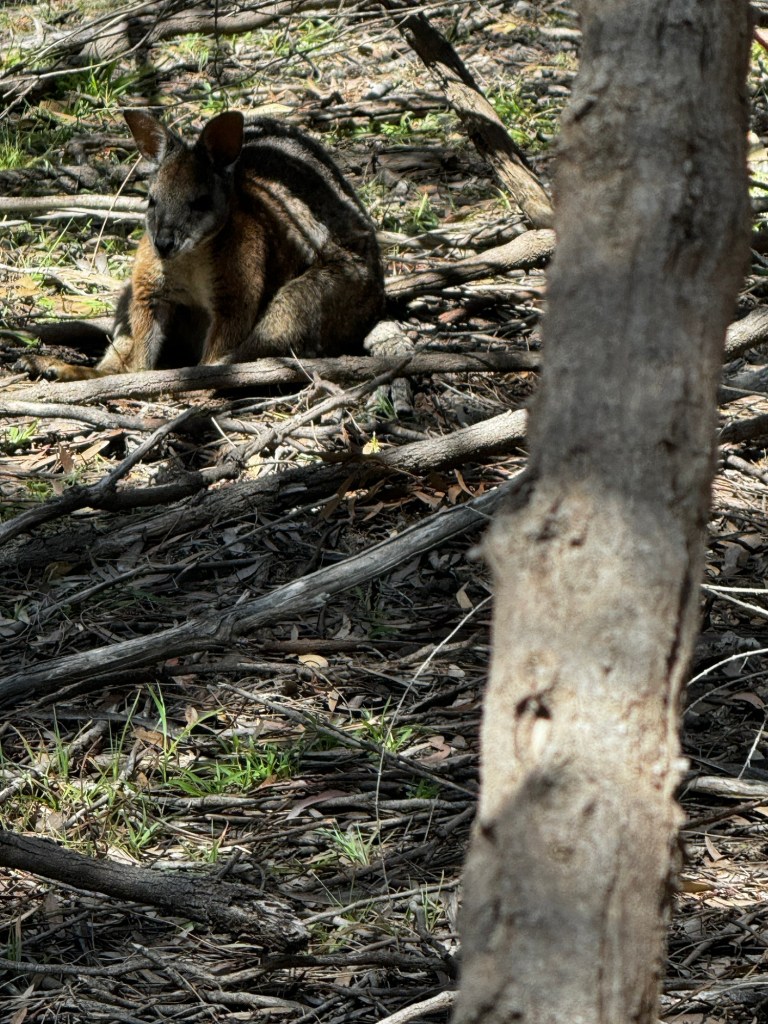
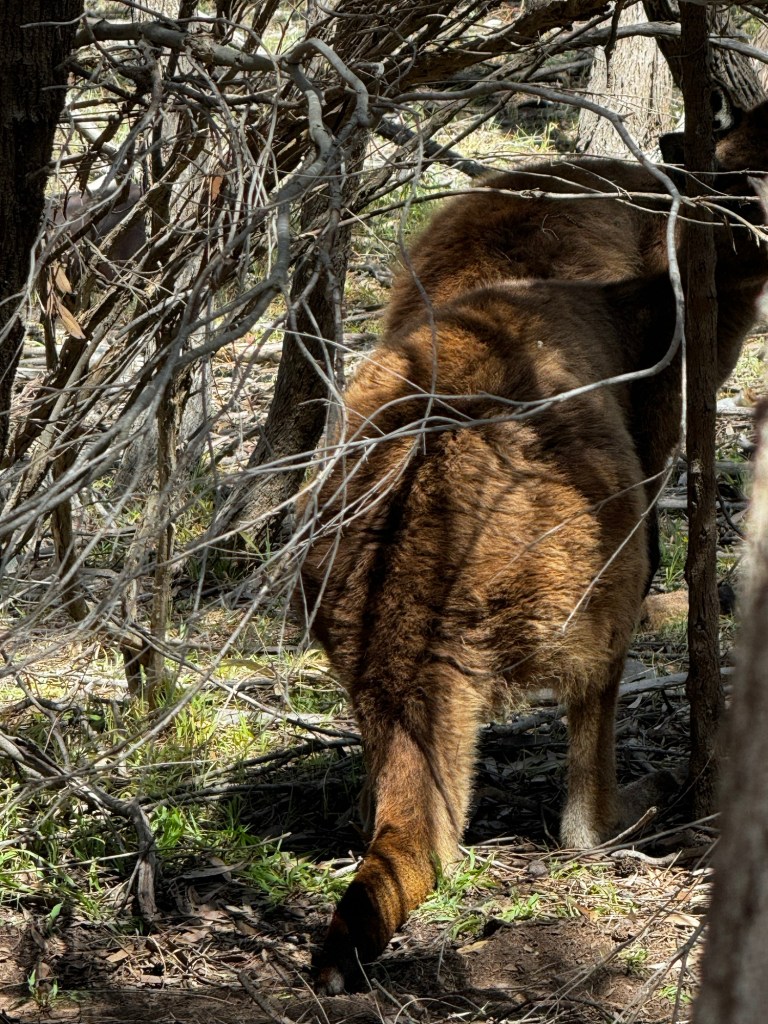
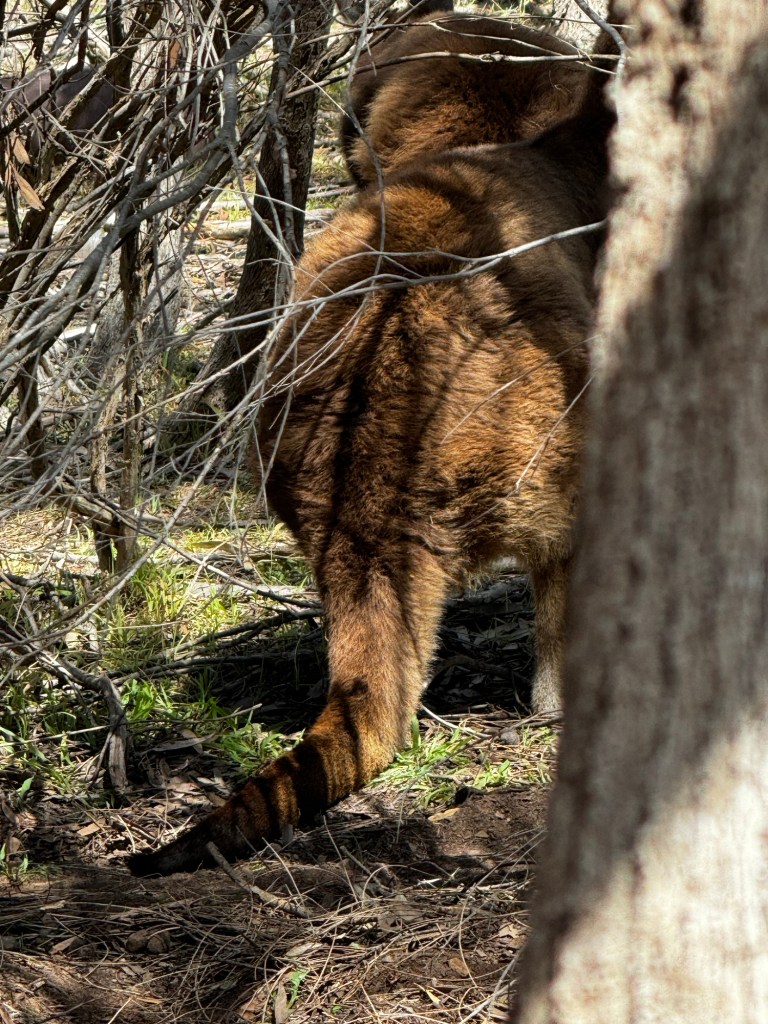
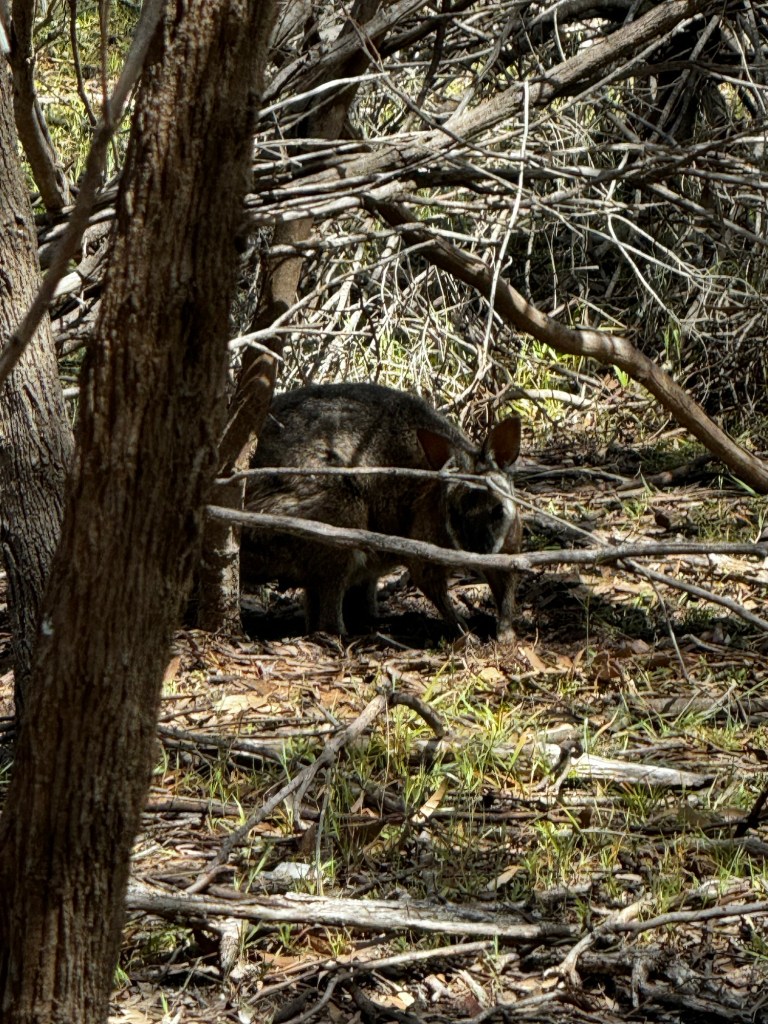
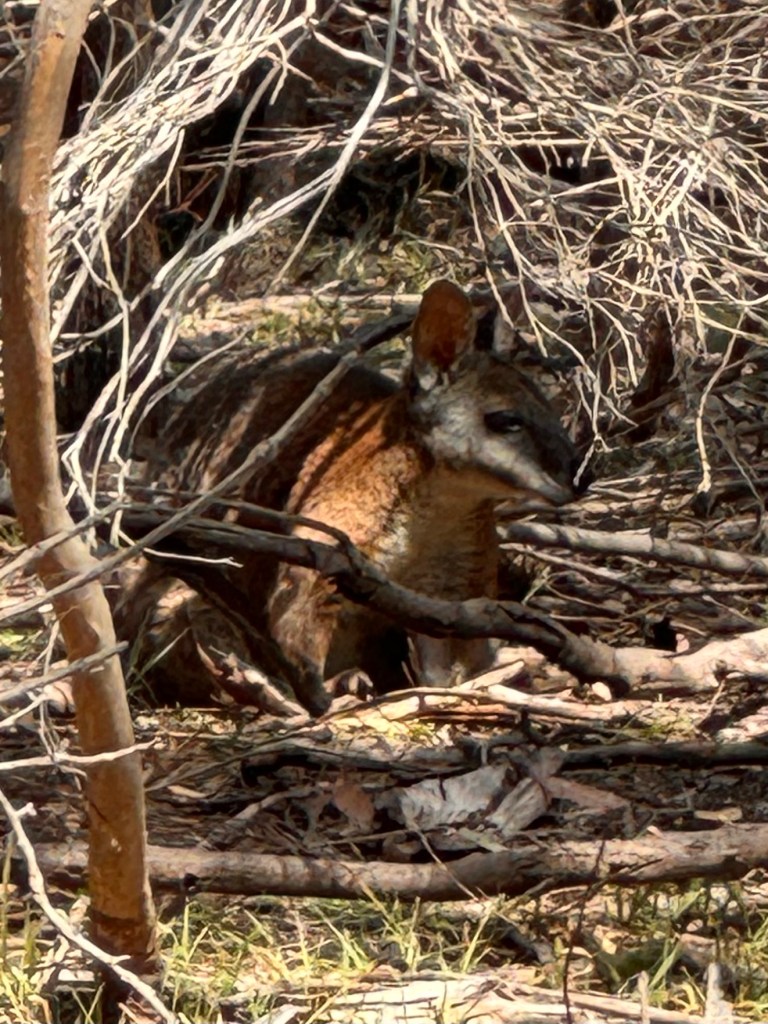
On the way back to the lodge from the north coast beaches, Lee spotted several wallabys and Mark was able to snap this one. Really good of him as Tammer is the only wallaby on Kangaroo Island.

Thursday, October 17, 2024
It is Thursday morning and we are sitting at the airport terminal waiting for our Quanta’s flight to Adelaide followed by another wait for an onward flight to Newcastle. So I end this most southerly part of our trip.
 Adventures with Julia