
Wednesday, July 1, 2026
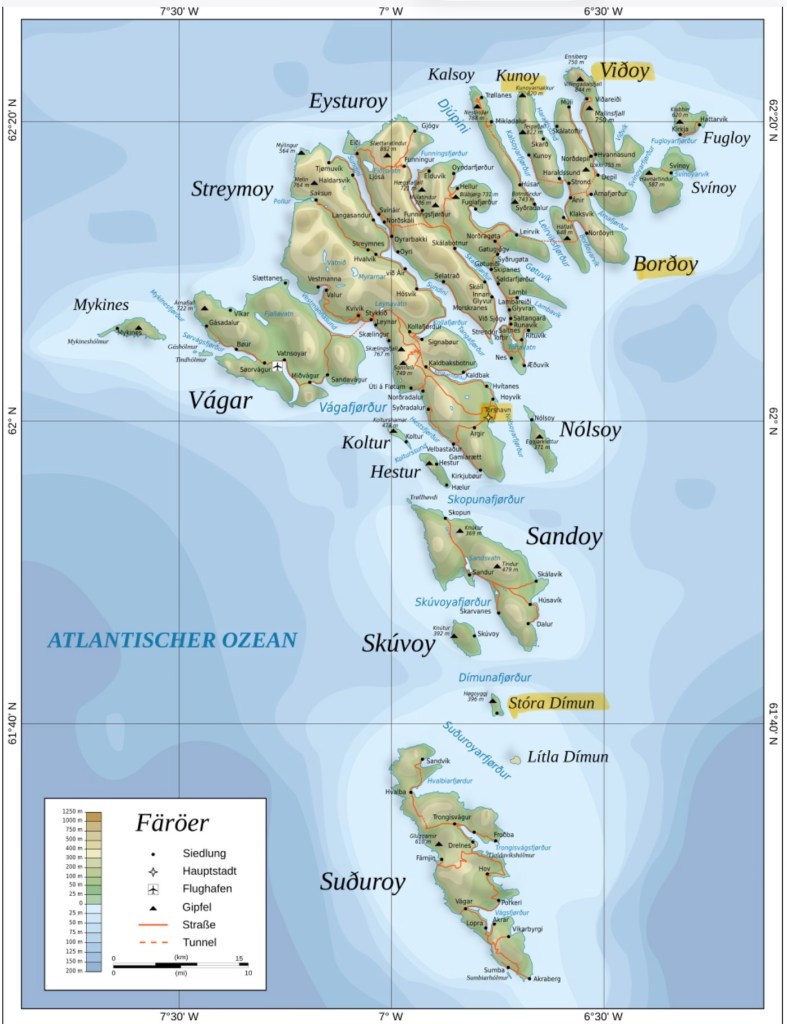
Departed Copenhagen at 11:30 and arrived Faroe Islands at 12:30, due to an hour change. Our driver shared a lot about his enthusiasm for the islands during our half hour drive to the Hotel Foroyar.
The islands are approximately midway between Iceland, Norway and Scotland. There are 22 tunnels on the 18 islands including 4 sub sea tunnels. All but one of the islands are inhabited. The population is 55,000 and growing. The capital city of Torshavn has 23,000 people. The economy is good with only 0.9% unemployment. The main industry is fishing and 85-90% are exported including: salmon, mackerel and cod. The average income is high. There is one university. The language is unique, but similar to Icelandic rather than Danish.
A brief history of the islands provided by Google, informs us that Irish monks occupied the area from the 6th-8th centuries when the Norsmen arrived and established one of the world’s oldest parliaments (Logting) in Torshavn. The islands became part of the Kingdom of Norway in 1035. When the crowns of Denmark and Norway were joined, the islands were brought under Danish influence until the Treaty of Kiel in 1814, when Denmark ceded to Sweden, but the Faroe Islands remained under Danish sovereignty. Throughout the 19th century Faroese cultural identity was strengthened, including the revival of the Faroese language and reestablishment of the Logting parliament. During WWII the British forces occupied the islands, while Denmark was under German control. After the war, a narrow independence referendum in 1946 led to the granting of home rule in 1948 establishing the Faroese as a self governing territory in the kingdom of Denmark. Since then the Faroe Islands have expanded political autonomy and developed a modern economy rooted in fishing, while maintaining a distinct cultural and a linguistic heritage. Google and our guide, Jakup, seem to agree.
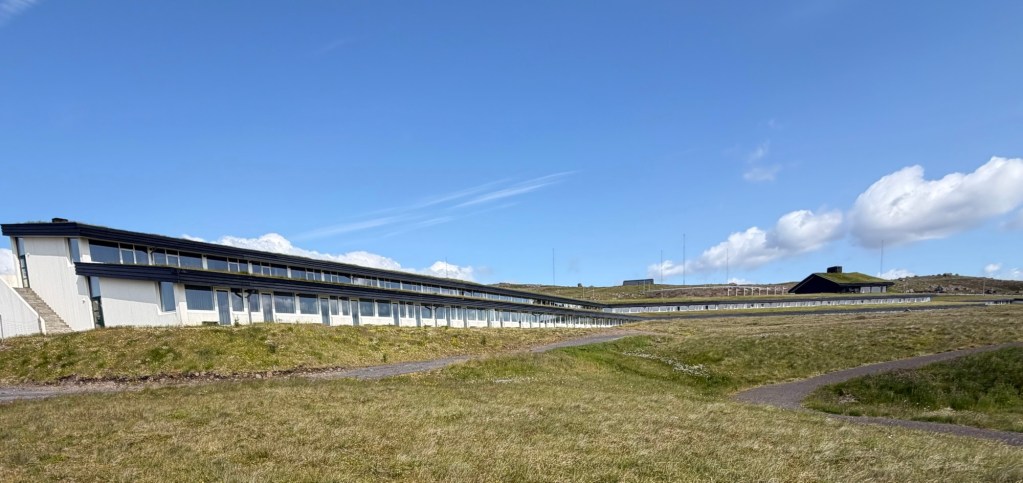
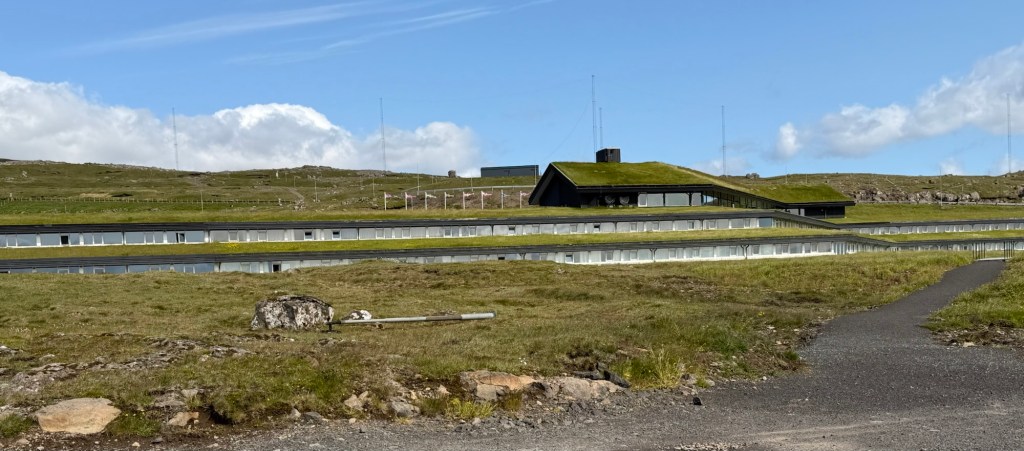
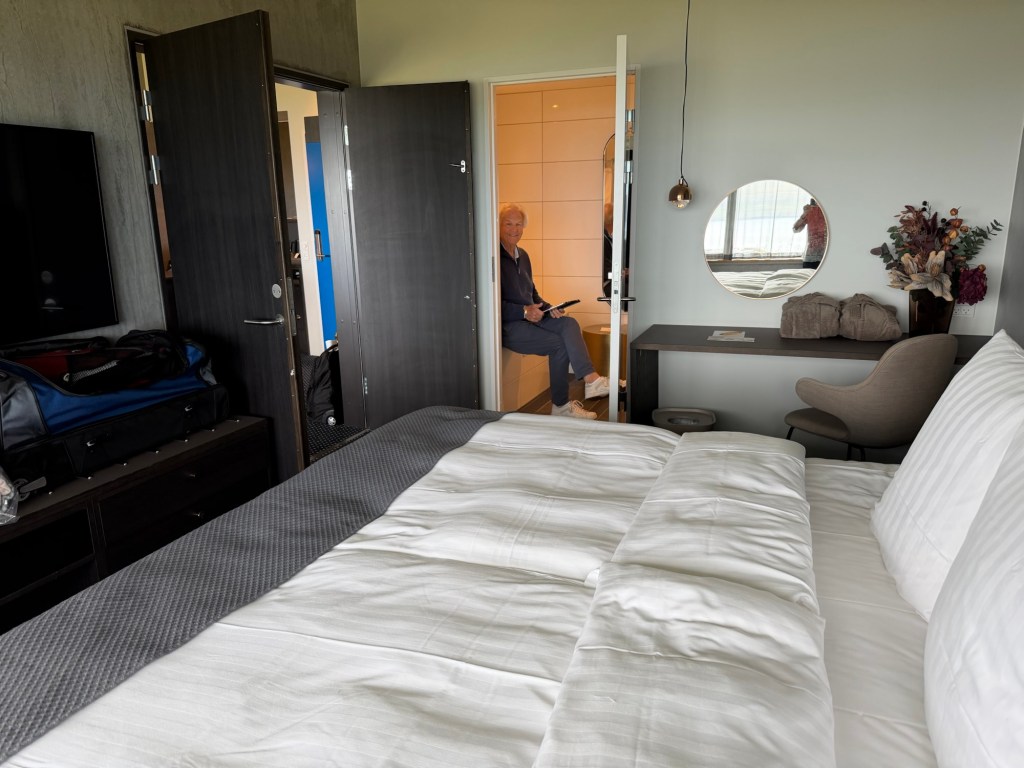
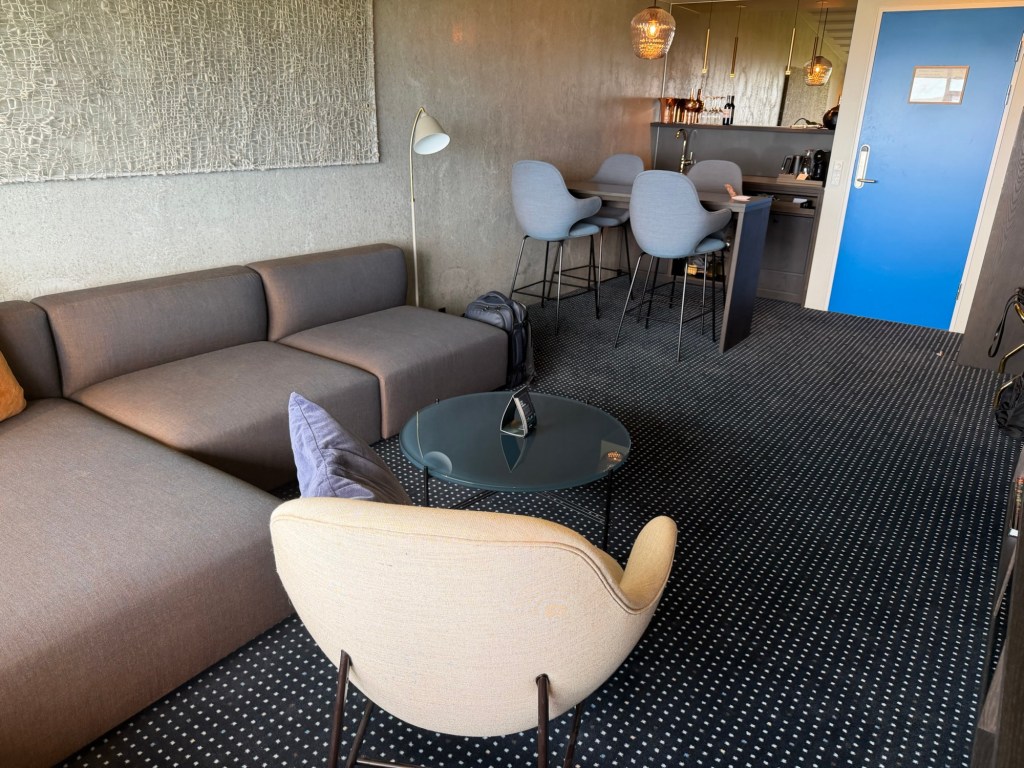
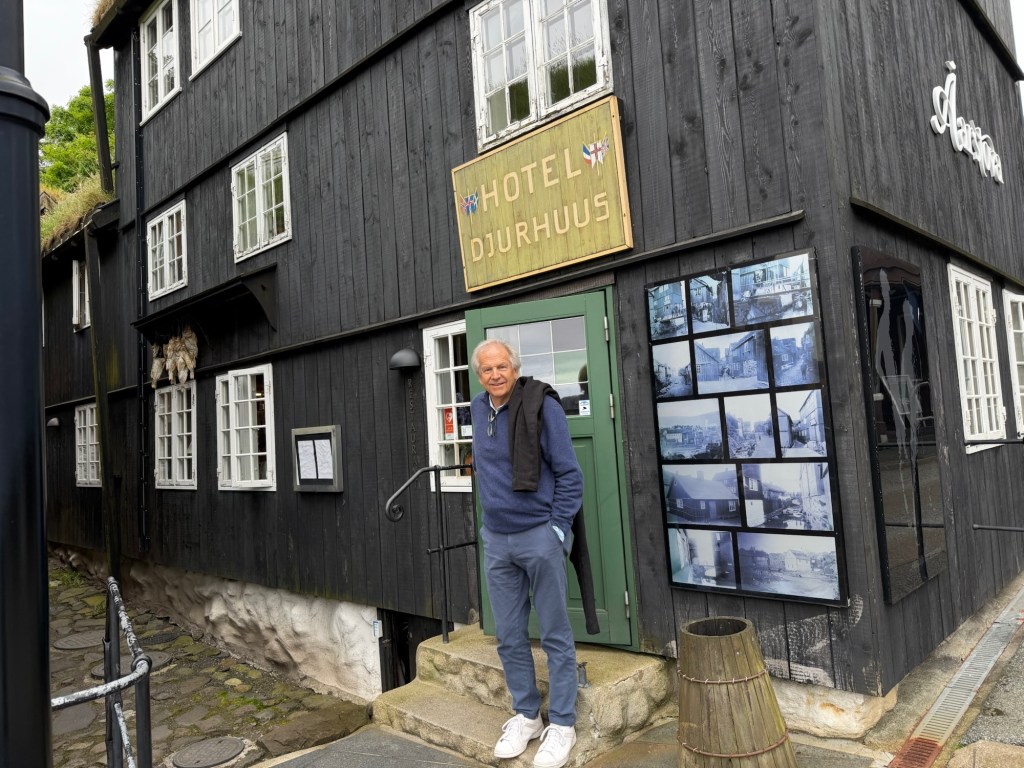
After the 30 minute drive through lush green rolling hills we arrived at our hotel, Hotel Foroyar, checked in and relaxed the rest of the day until dinner time, when our driver drove us the short distance into the capital city called Torshavn, where we had an ok, not great, dinner at a place called Aarstova.
Thursday, July 2, 2026
Our new guide, a young lady named Birita, picked us up at 9am and off we went for a short drive to the Torshavn Heliport and an equally short flight to the island of Stora Dimun, which is lived on by only one family, a husband and wife named Jogvan Jon and Eva, whose family have lived there for 8 generations.
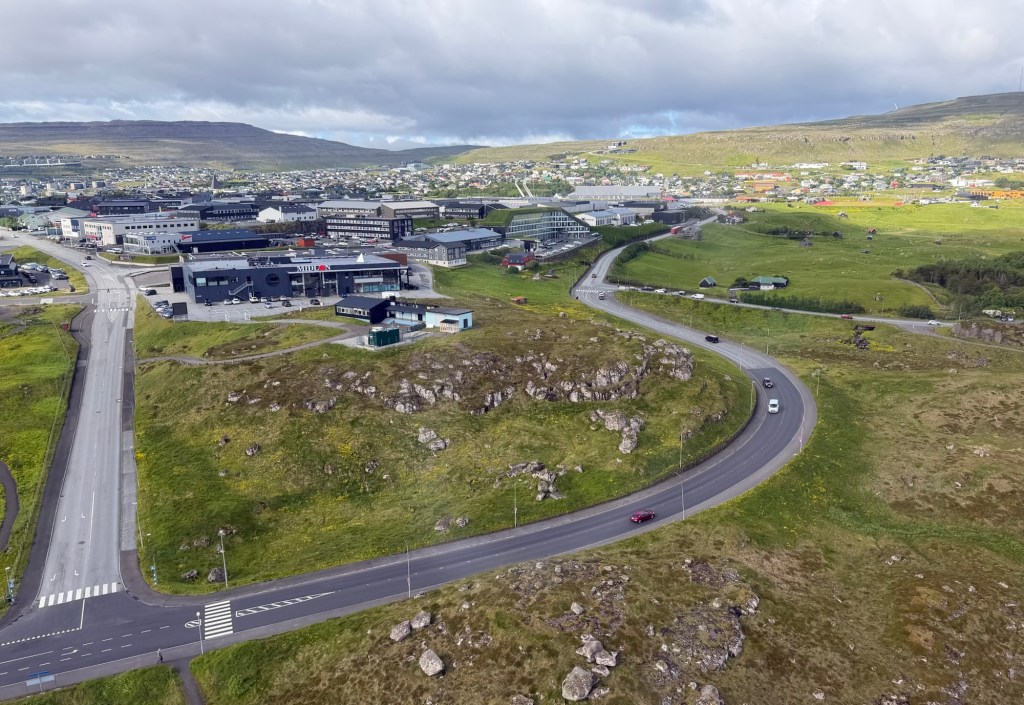
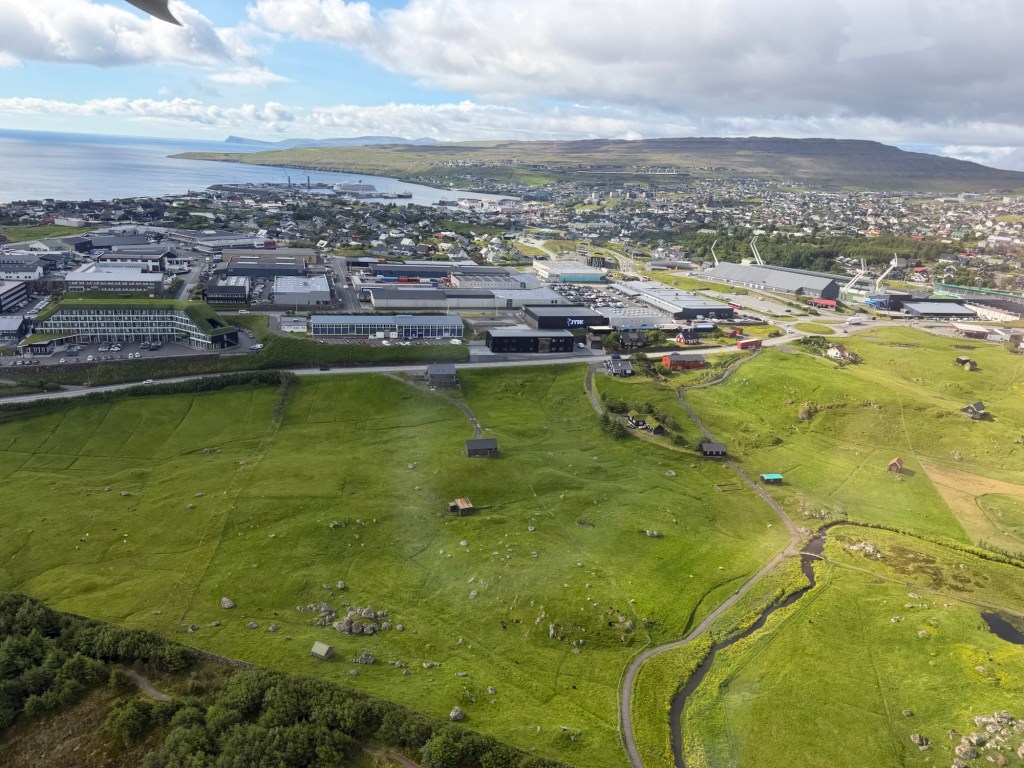
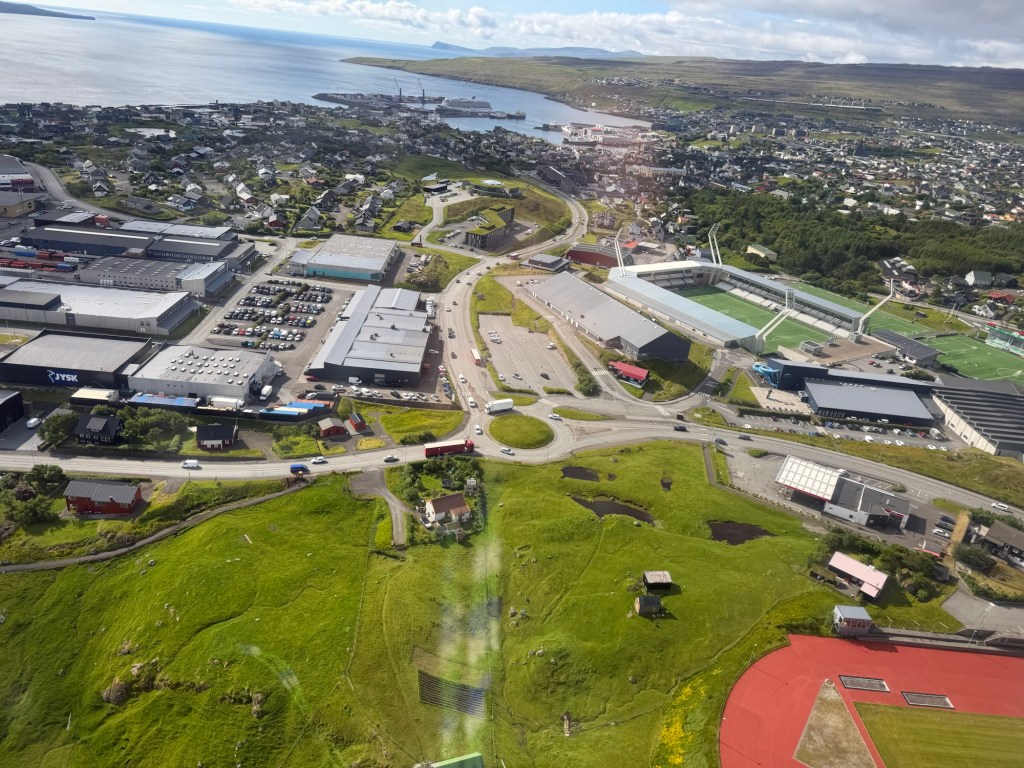
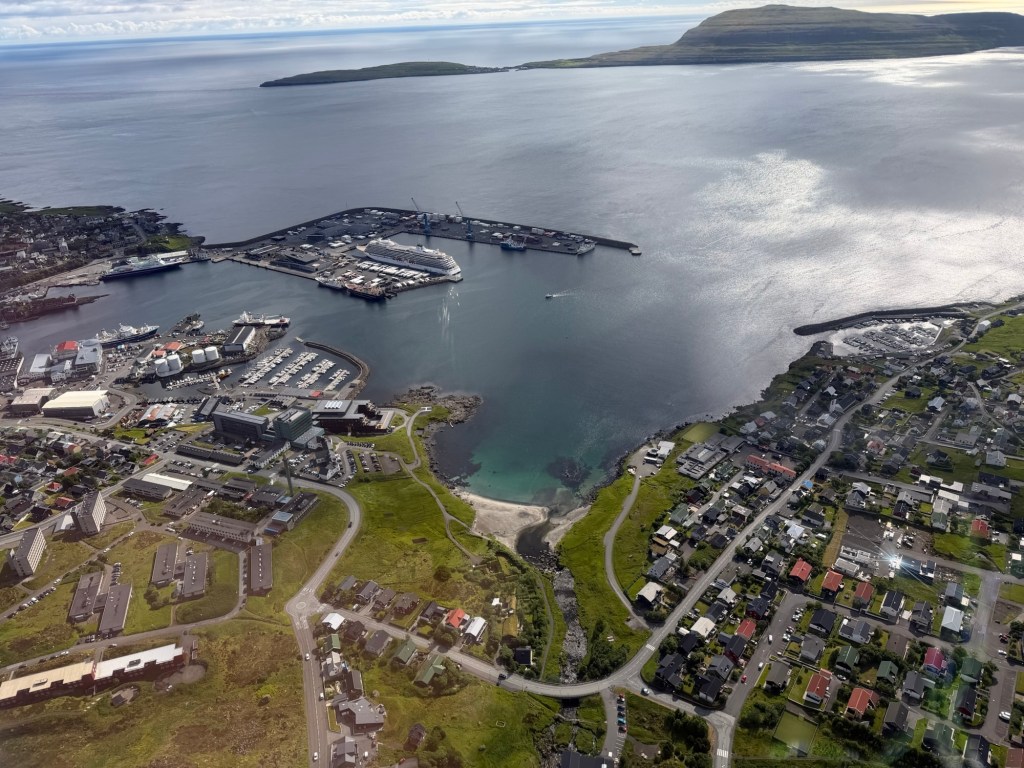
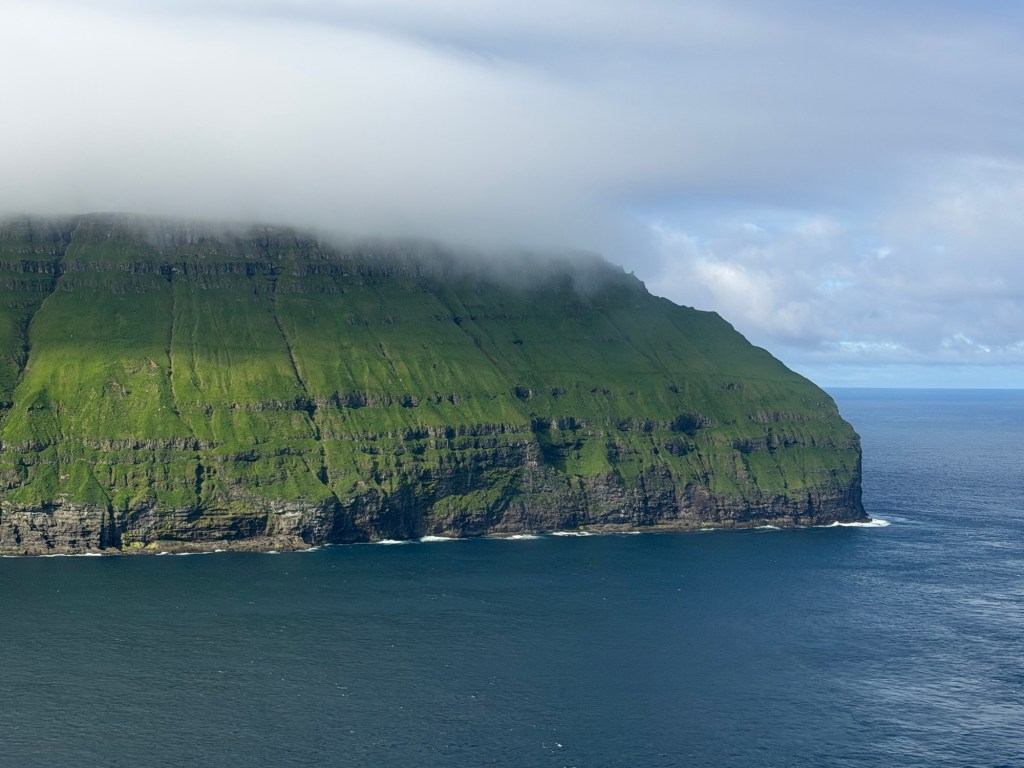
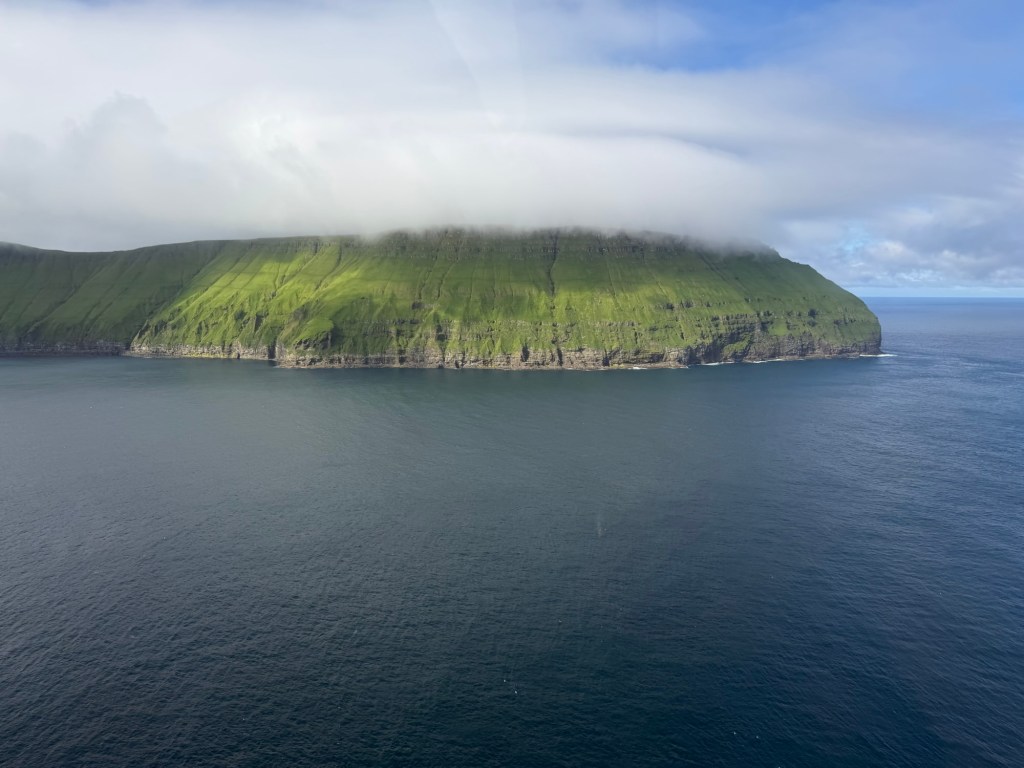
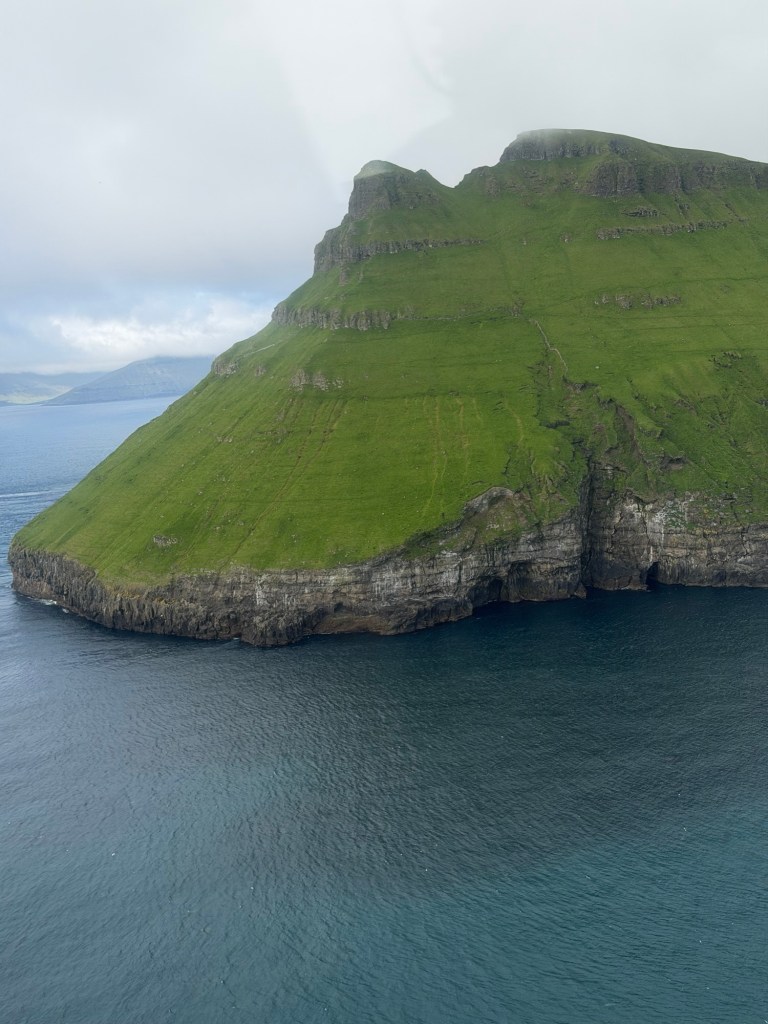
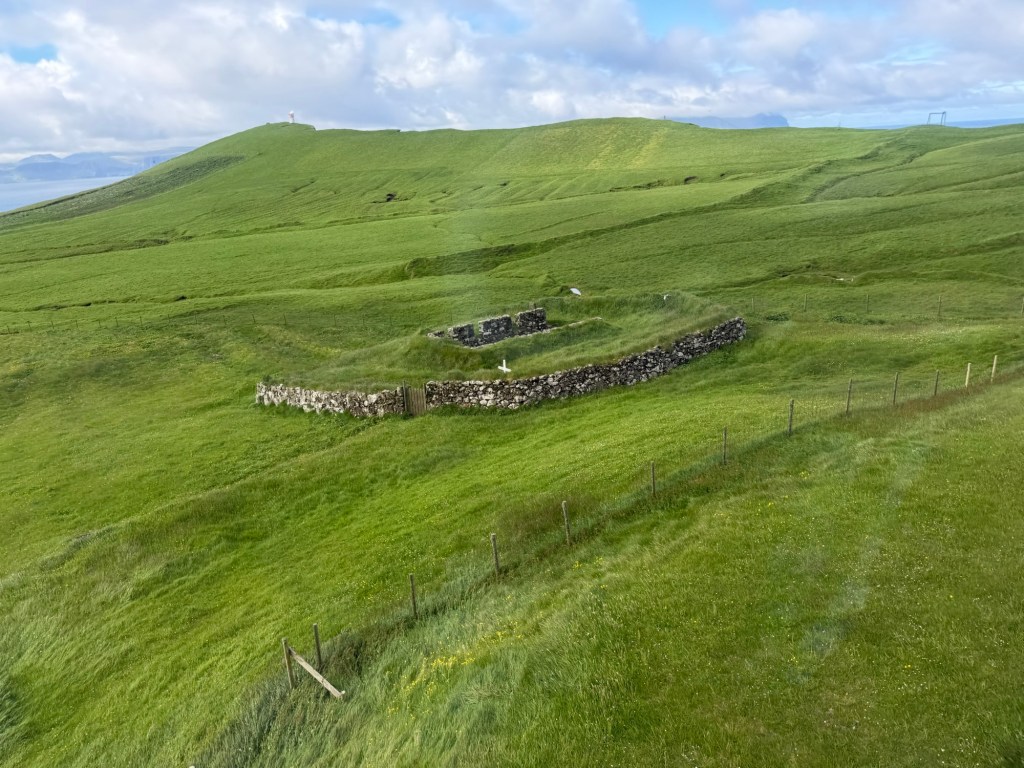
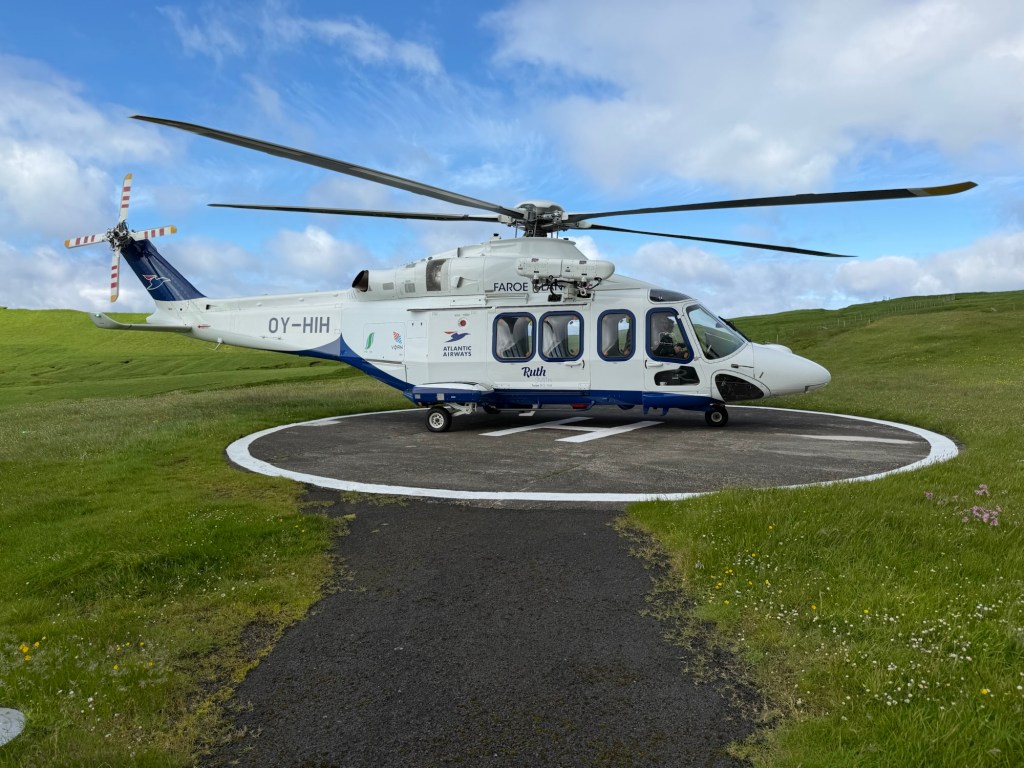
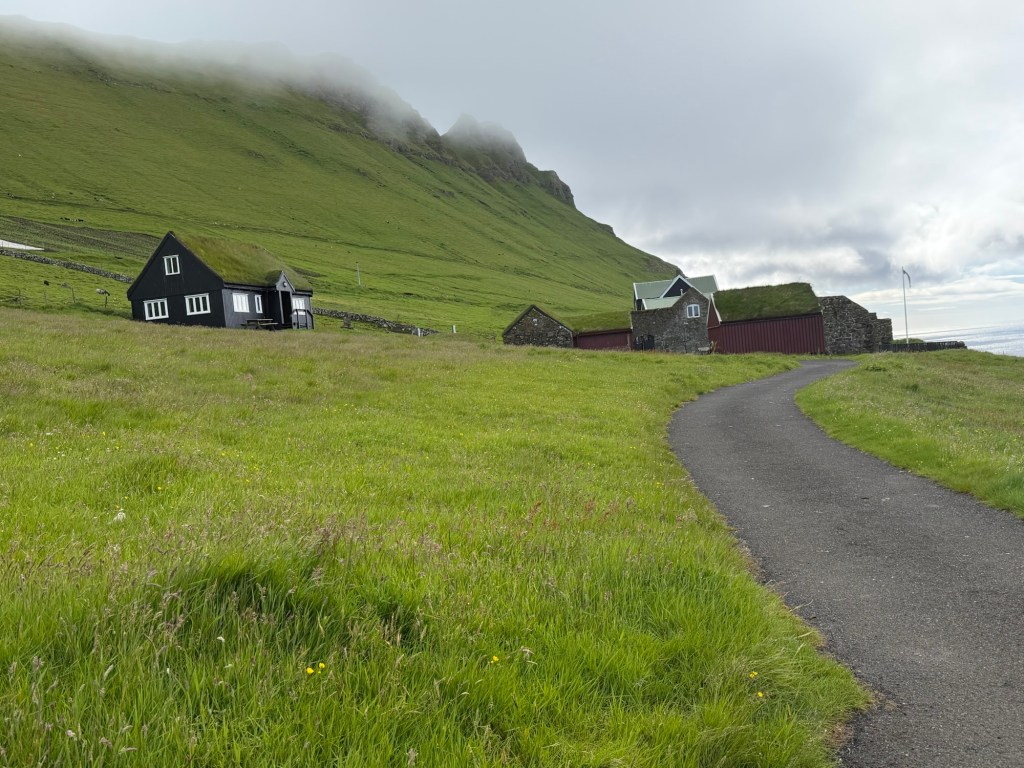
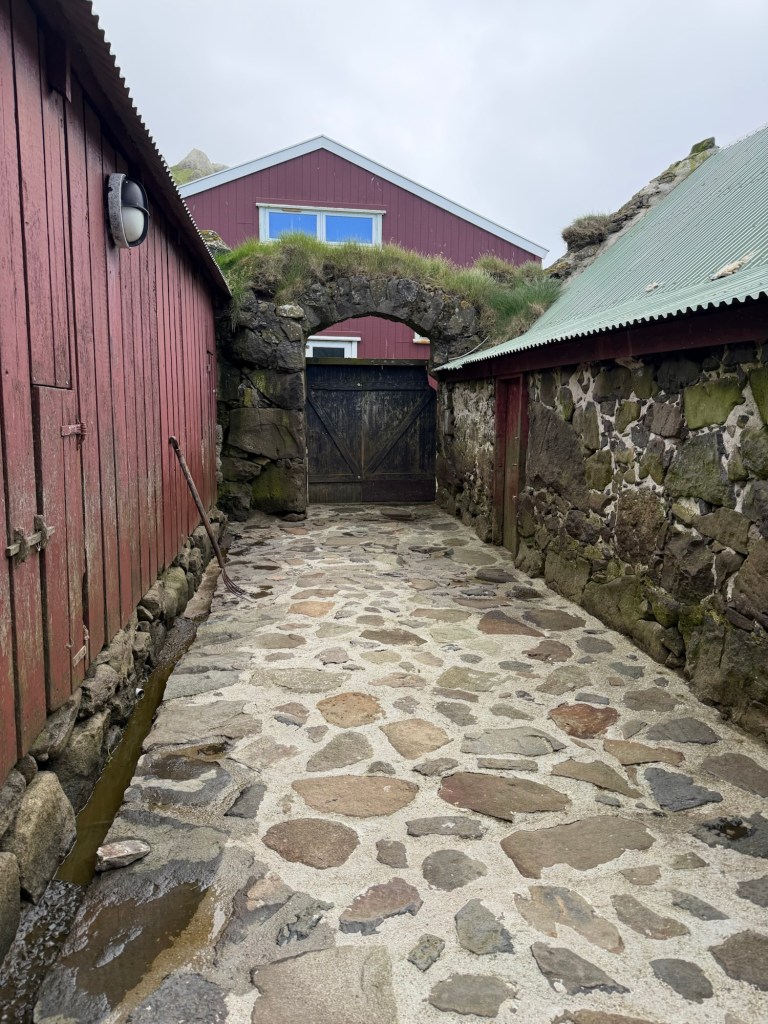
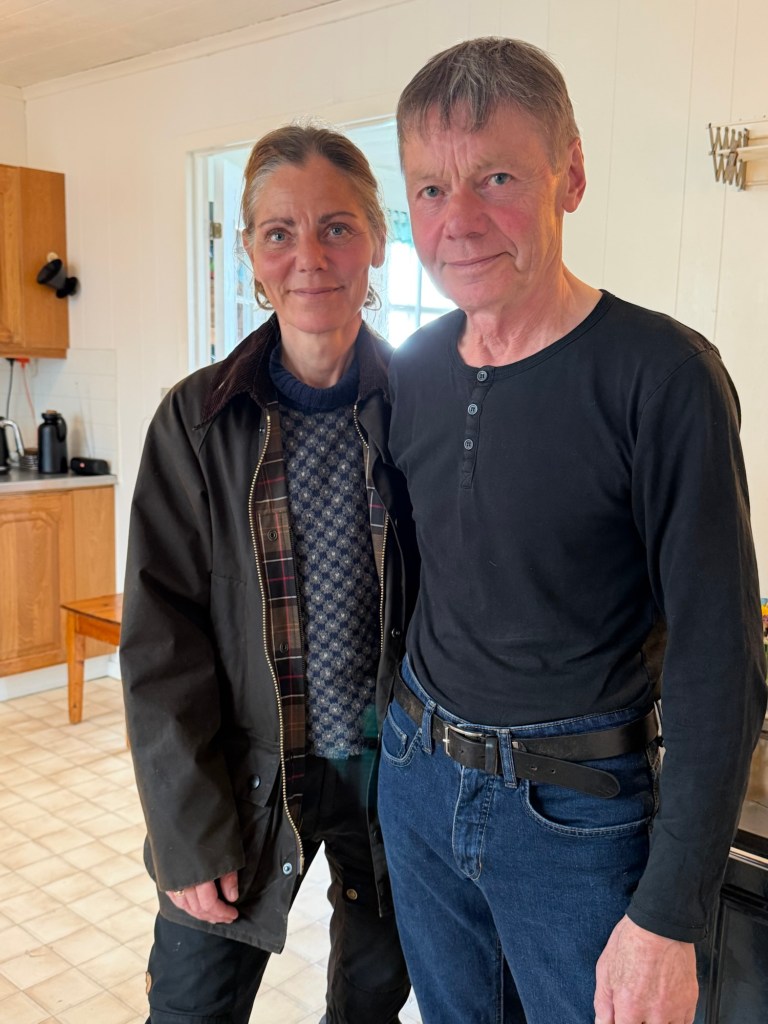
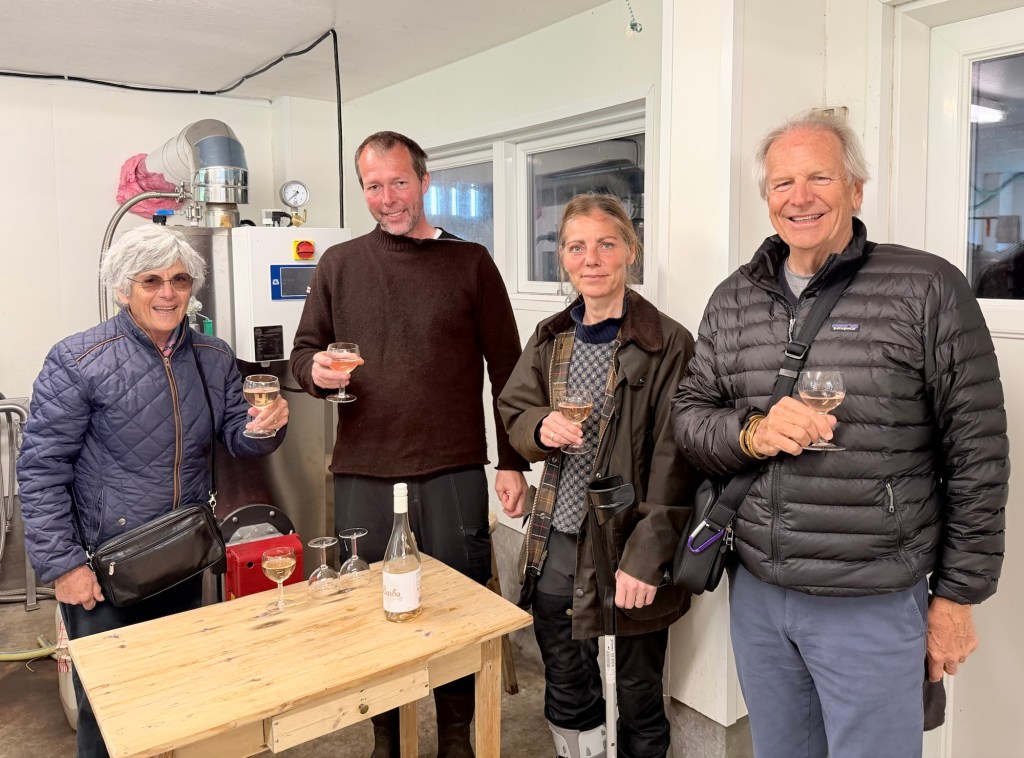
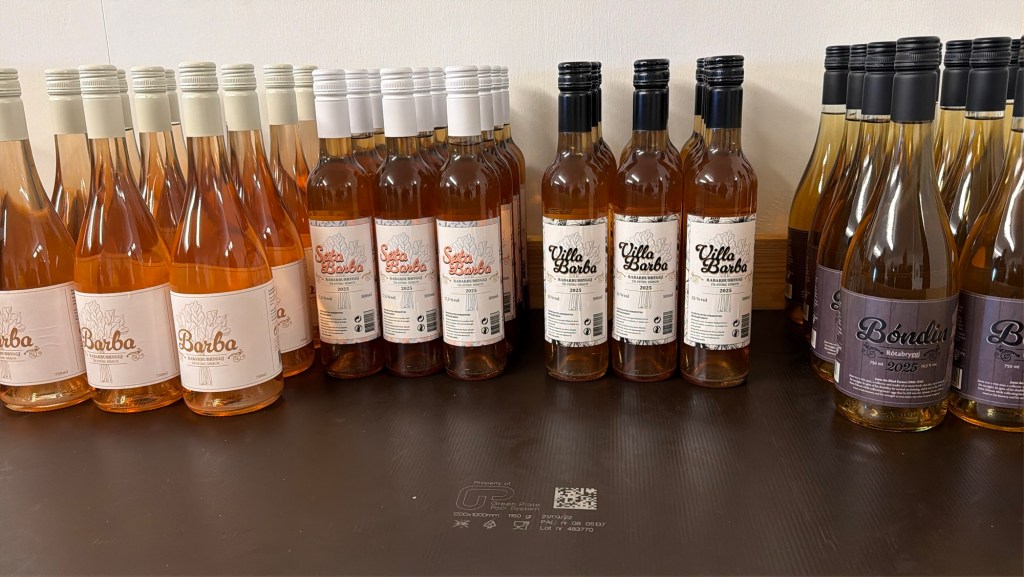
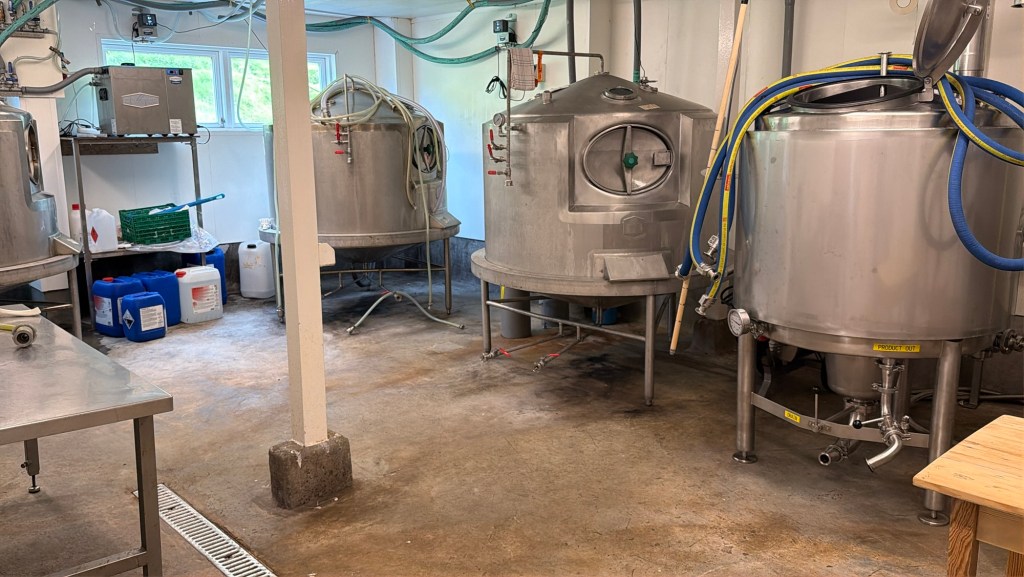
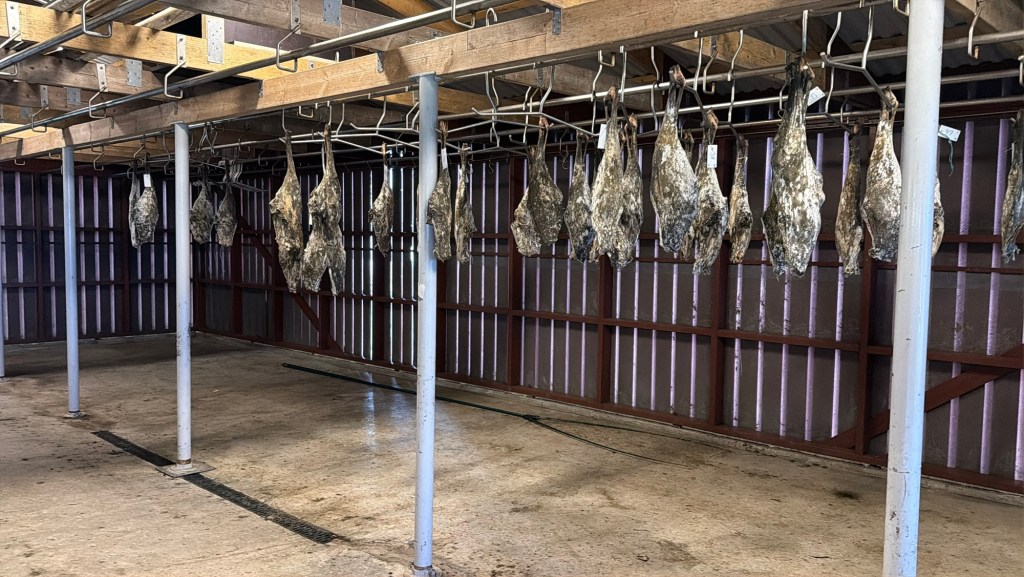
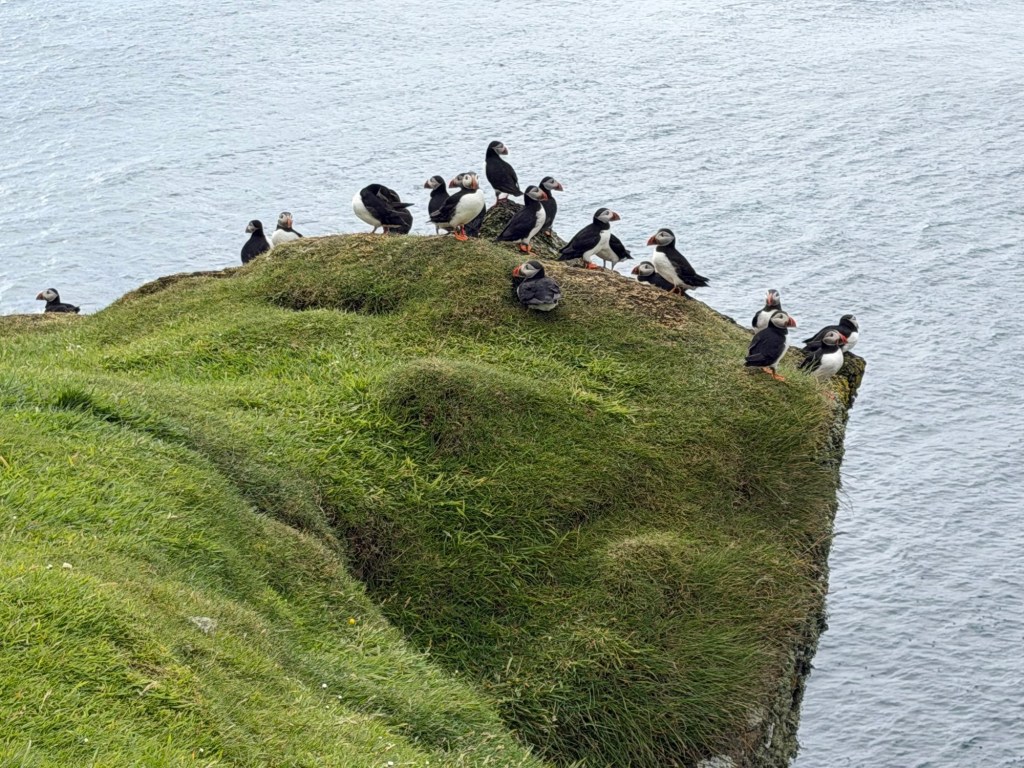
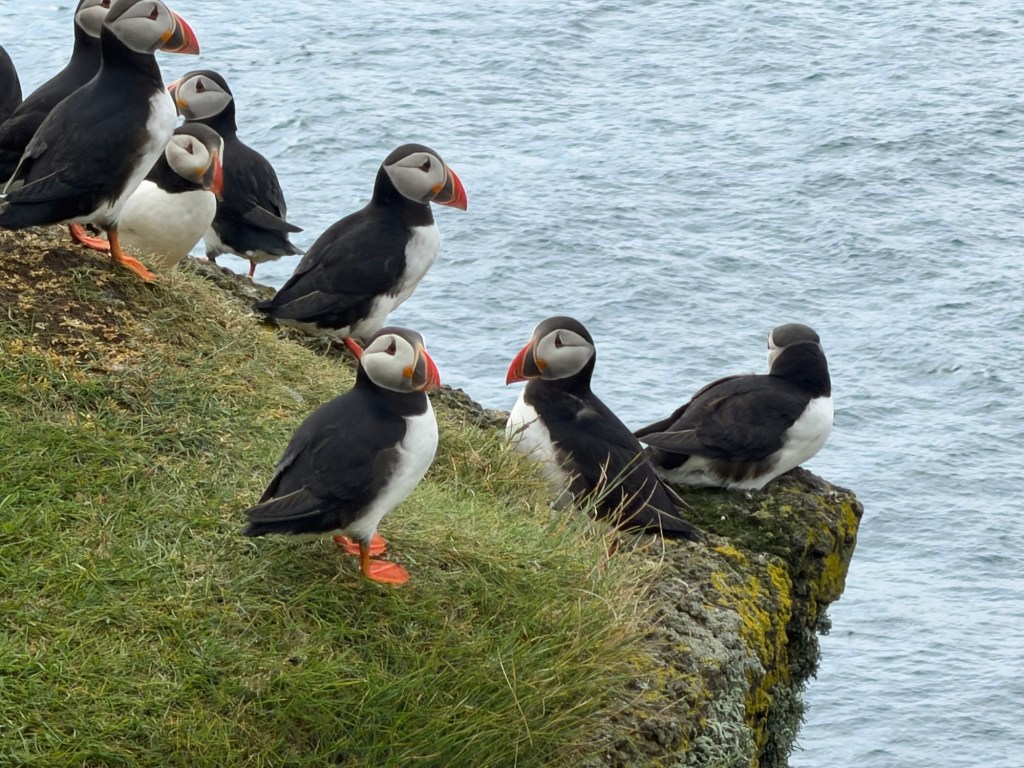
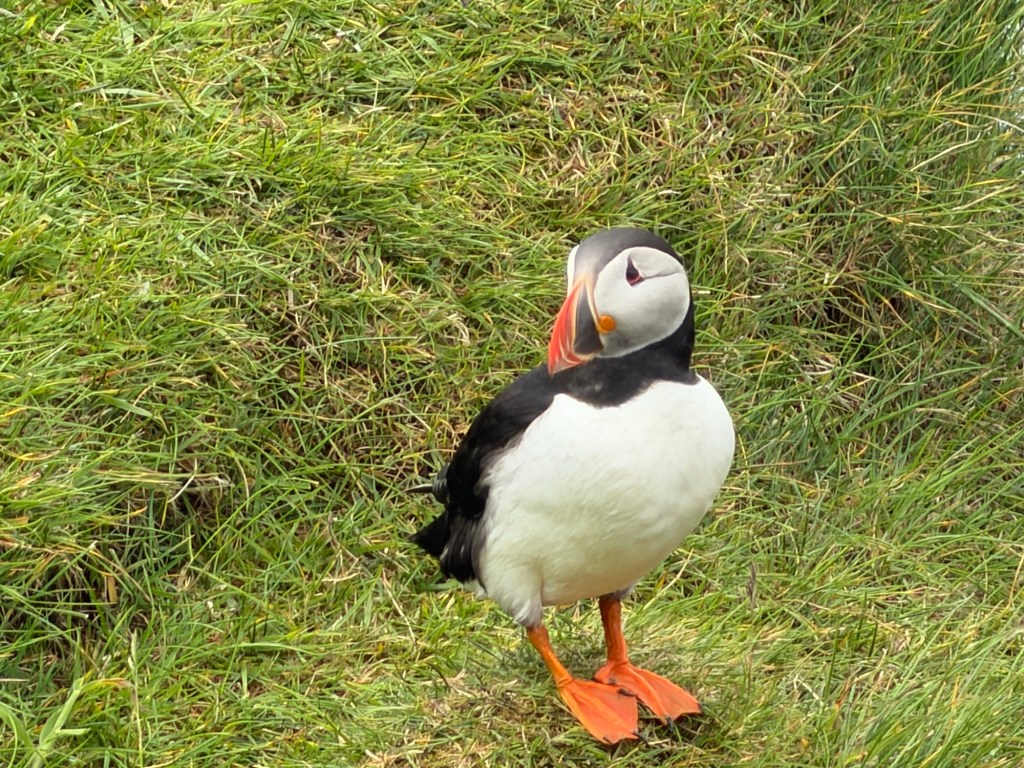
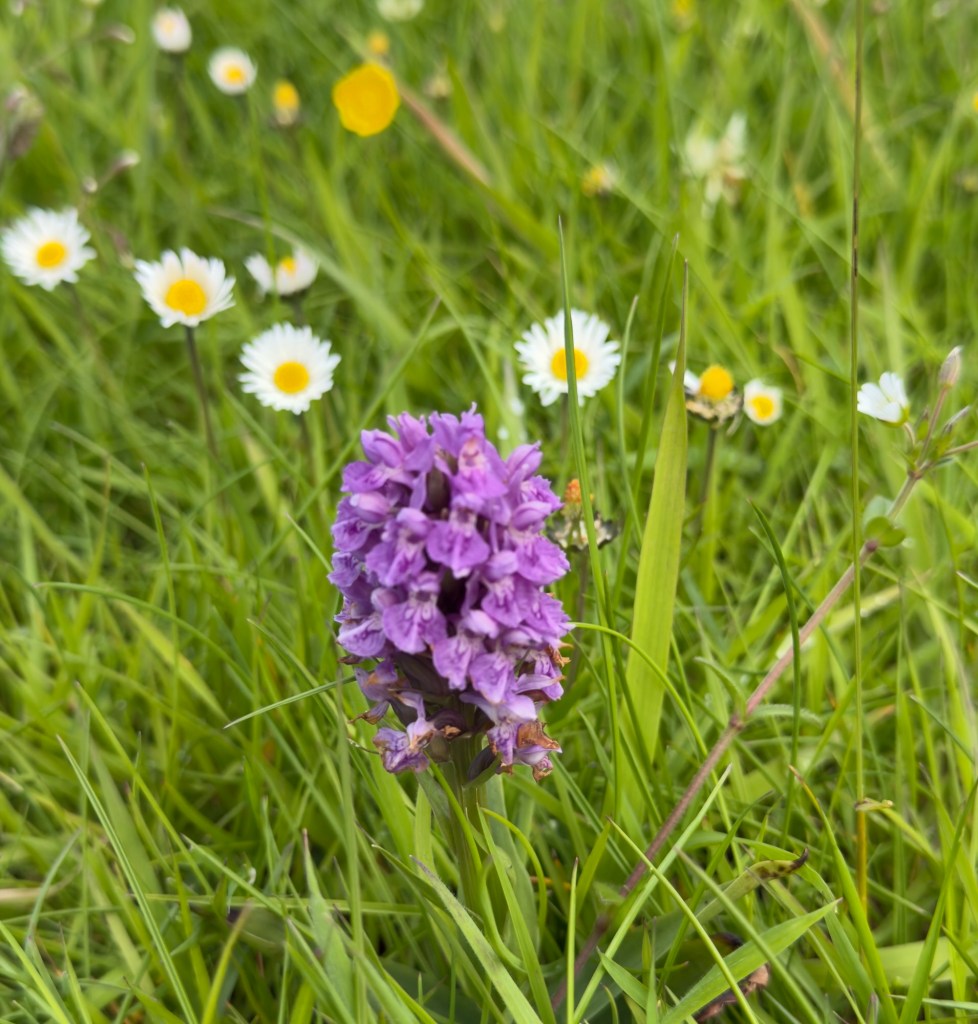
They are in their early 50s and appear to be managing a big assortment of activities including: managing 1000 head of sheep, 500 of which they slaughter, mostly for sale; make a couple vats of wine per year for home use; keep one cow for milk and a handful for eating; grow vegetables such as kohlrabi, onions, potatoes, rhubarb and more for their own use; make and prepare all their own meat products including cheese, sausages and other meat products; maintaining several buildings; raising a litter of puppies to be working dogs; tending to a family of relatives who come to visit and help out regularly; and more.
Meanwhile Eva was recovering from a broken foot, when she got stepped on by a cow. They were quite social with us and we had a delightful conversation with them for a couple of hours. She served us three different cuts of lamb meat; fresh, fermented, dried and processed; pickled onions and cheese, plus a basket of different homemade breads. We tried everything, even though we did not care for most of the meat.
Finally we departed having had a delightful time with Eva, Jogvan Jon, Oli Jakup and the cousins that were helping out on the farm that day.
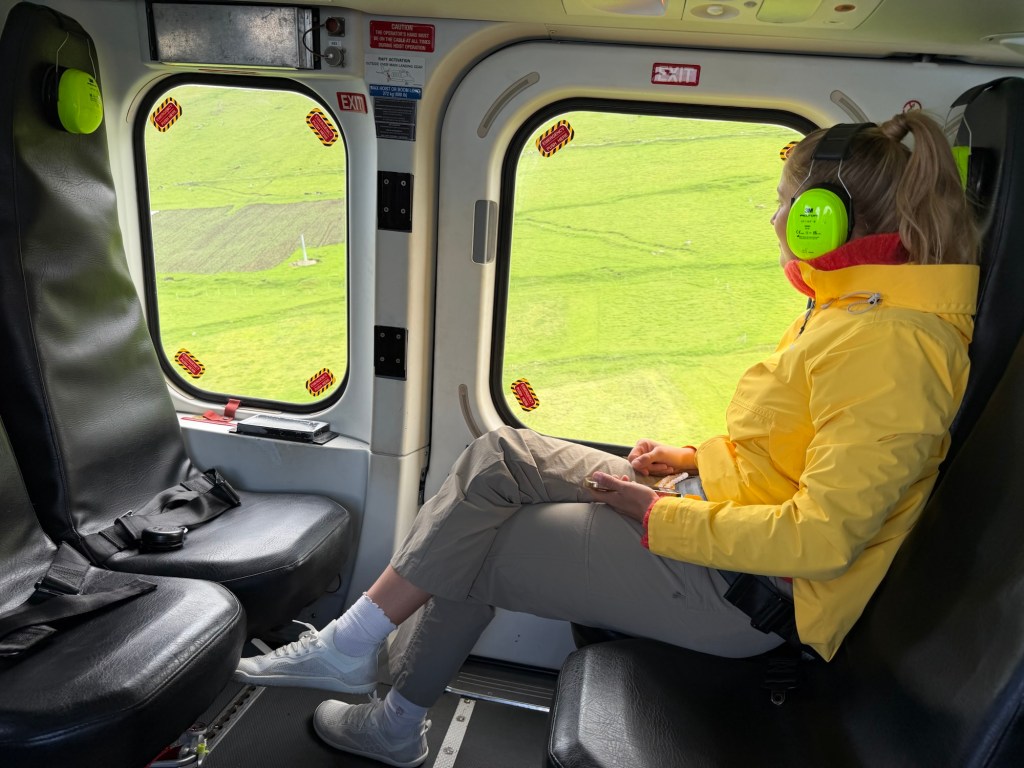
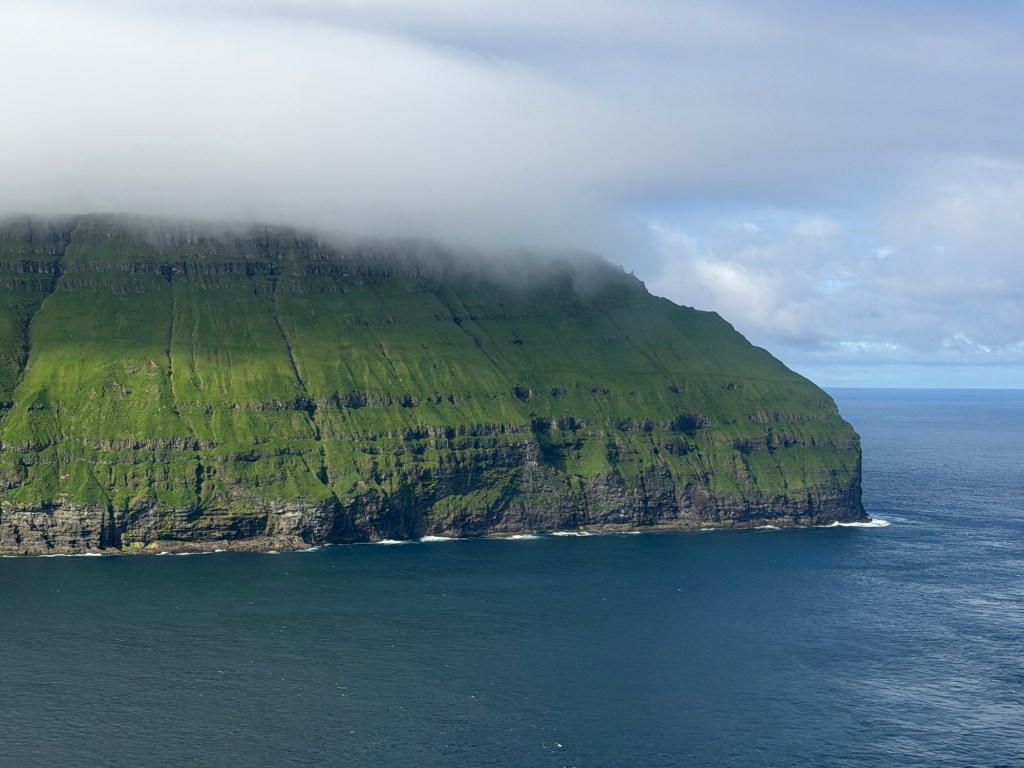
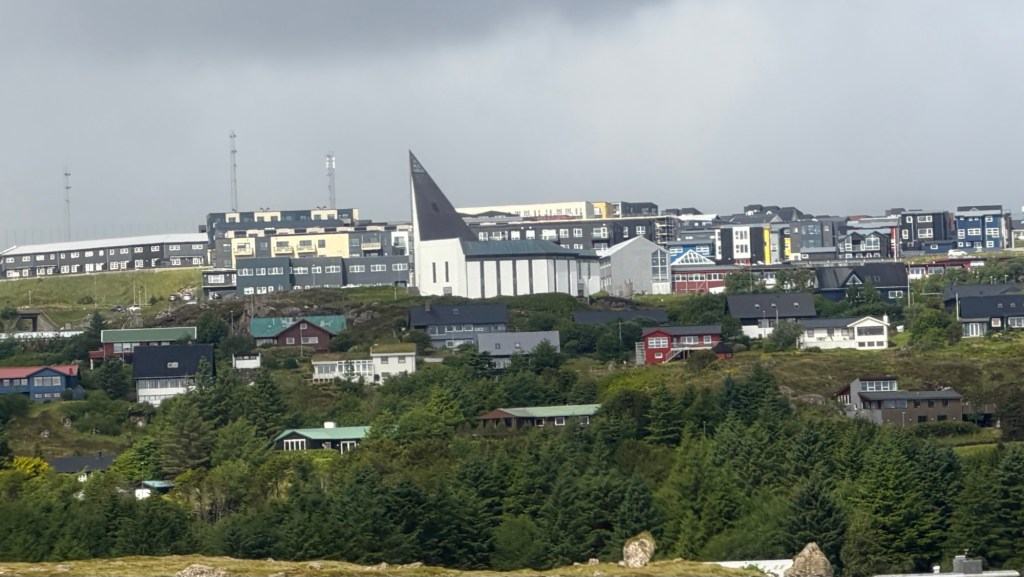
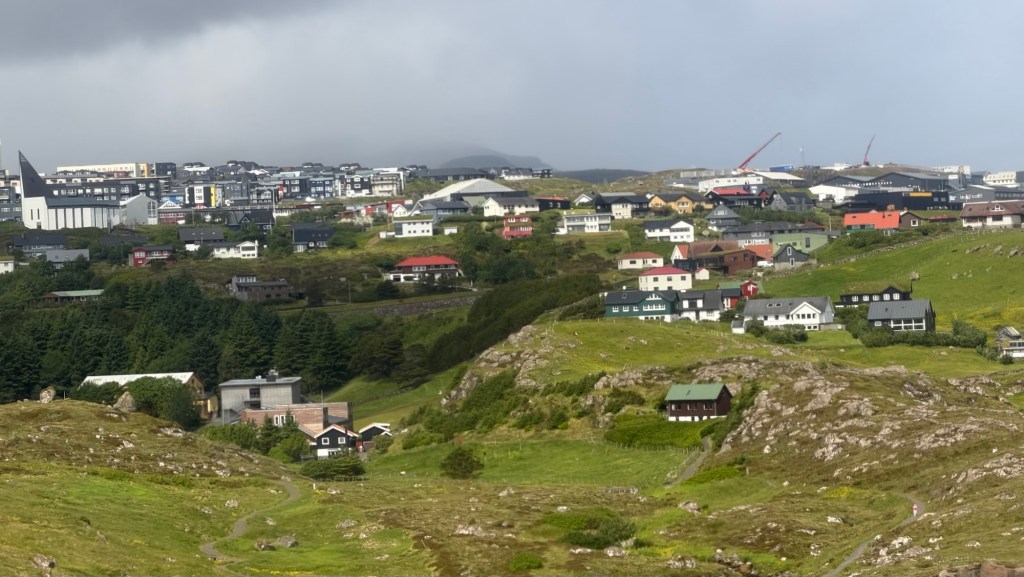
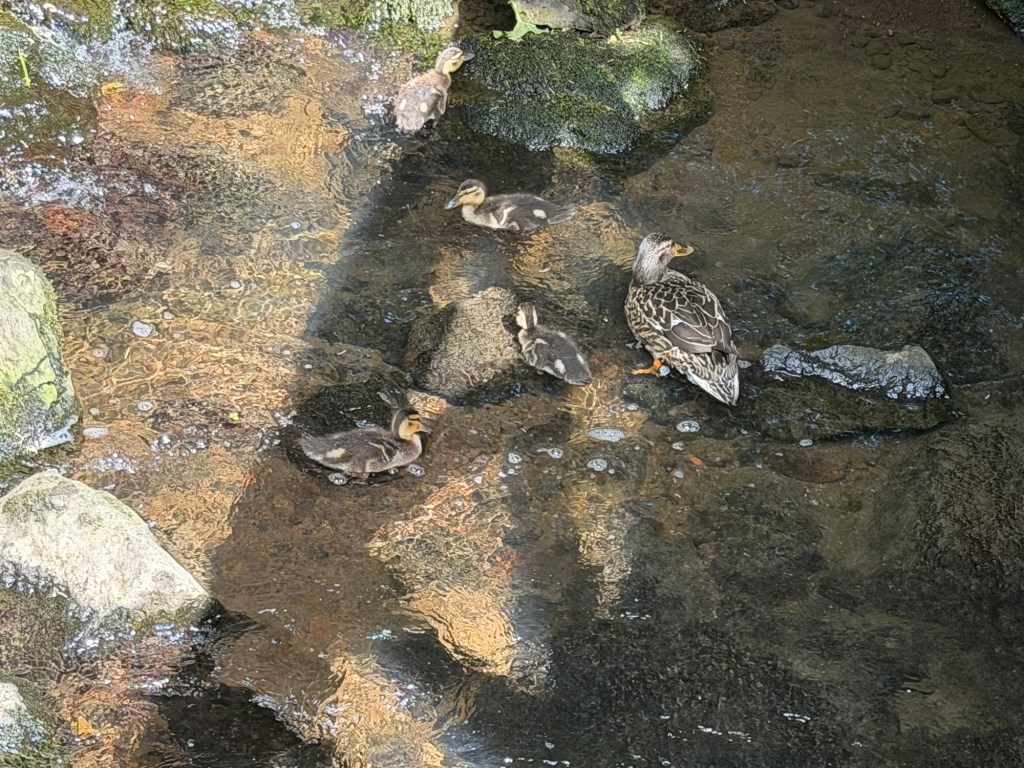
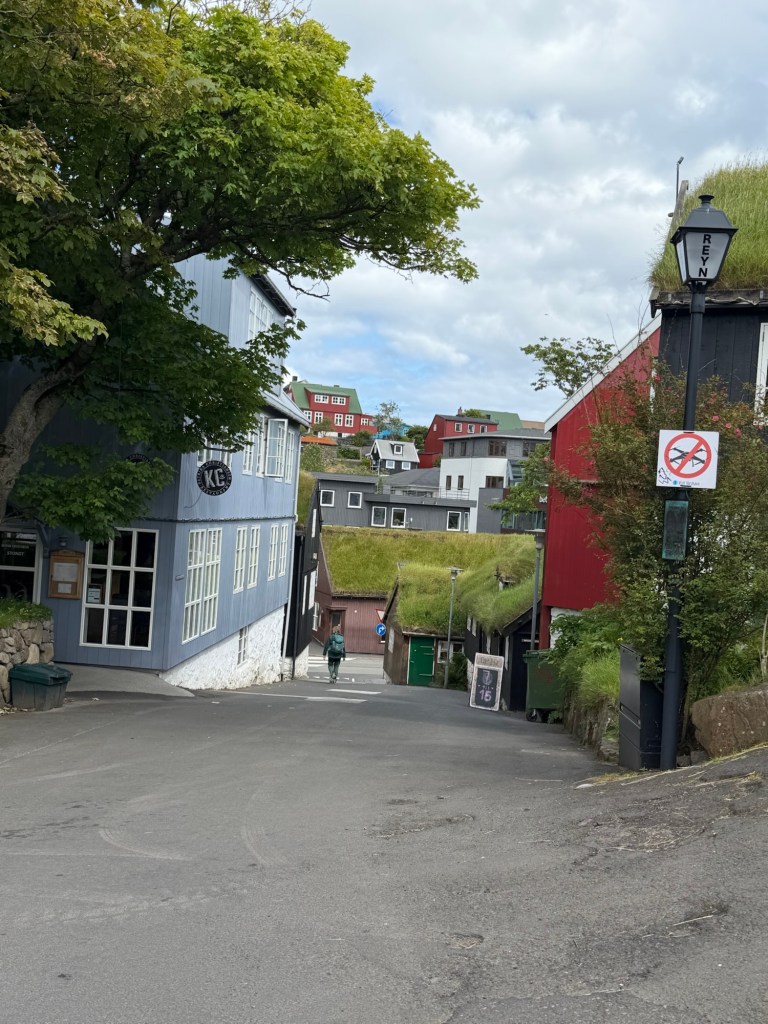
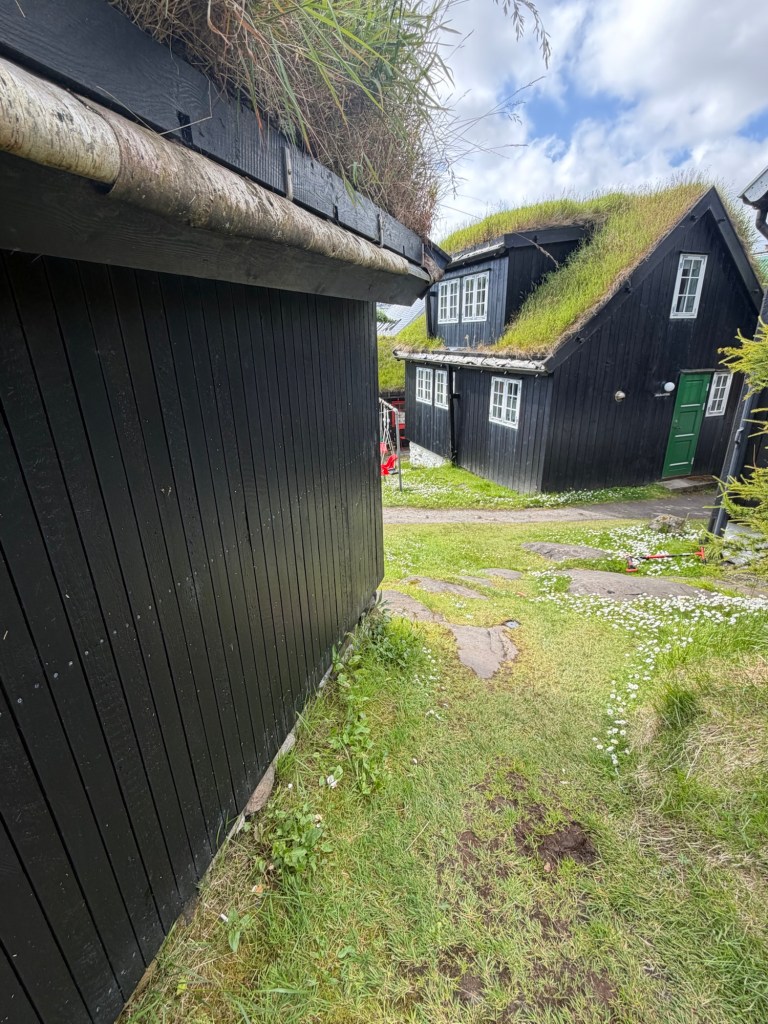
Up and away, we passed more island scenes and flew back to town where, Birita, gave us a bit of a tour of the interesting buildings.
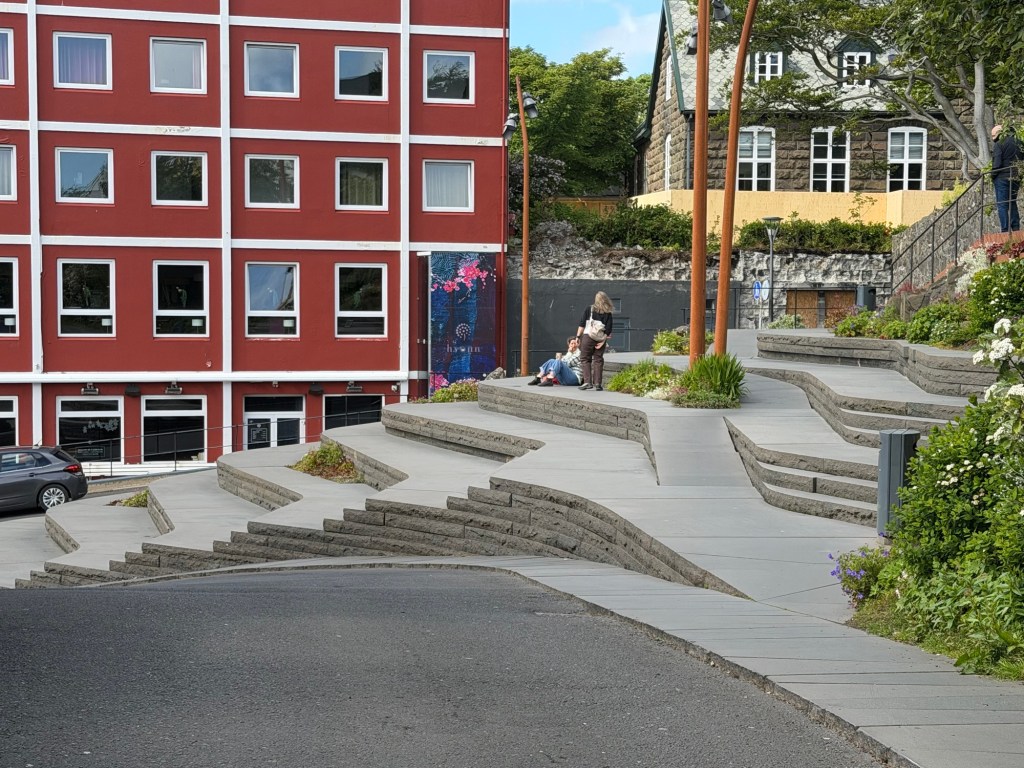
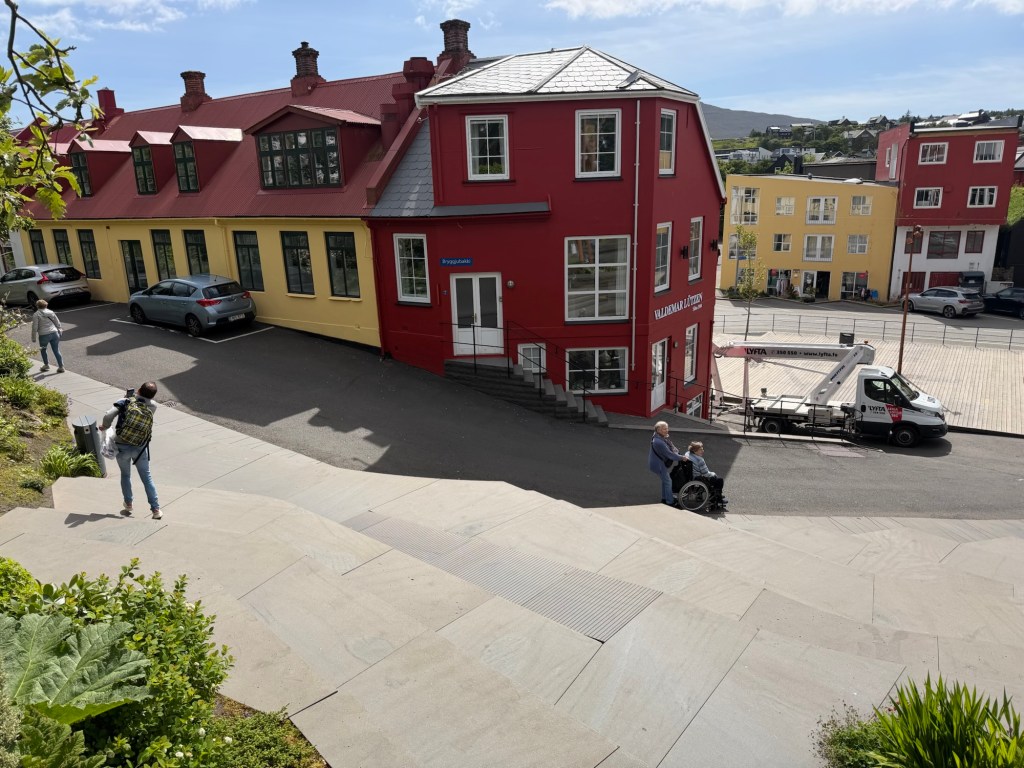
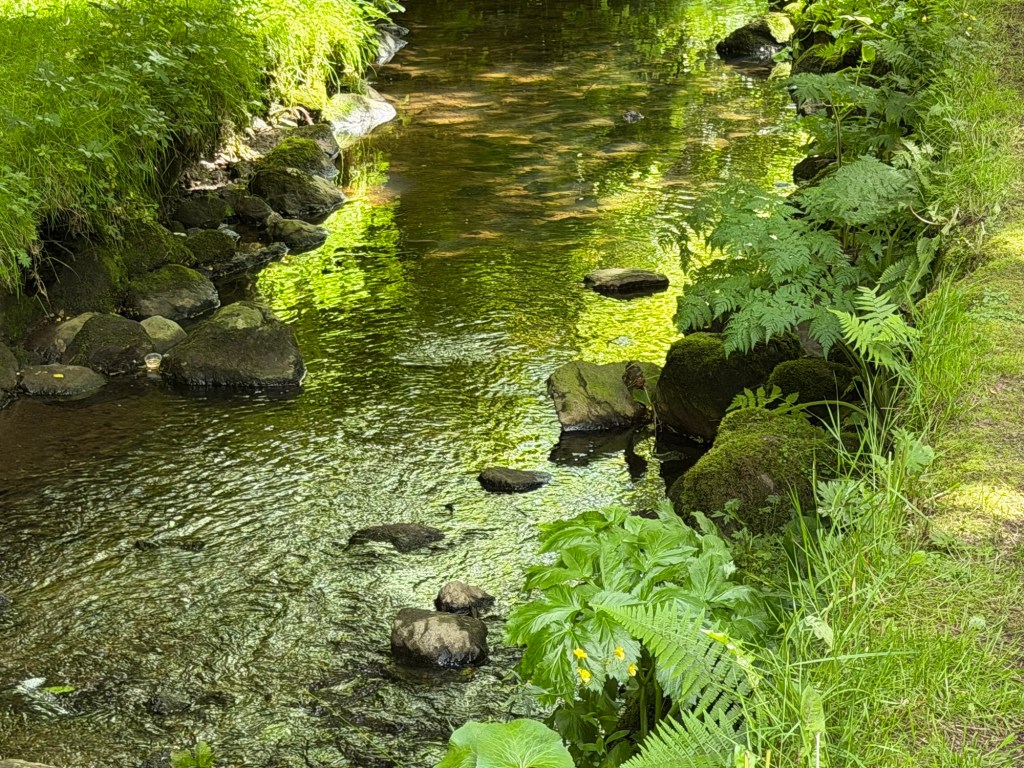
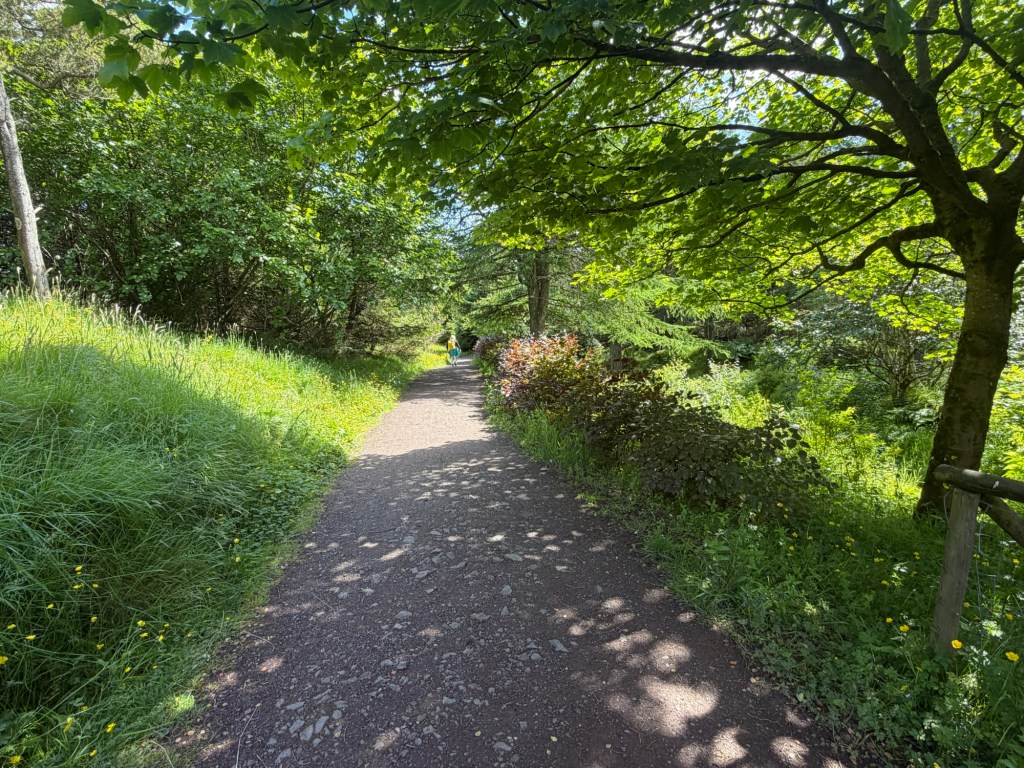
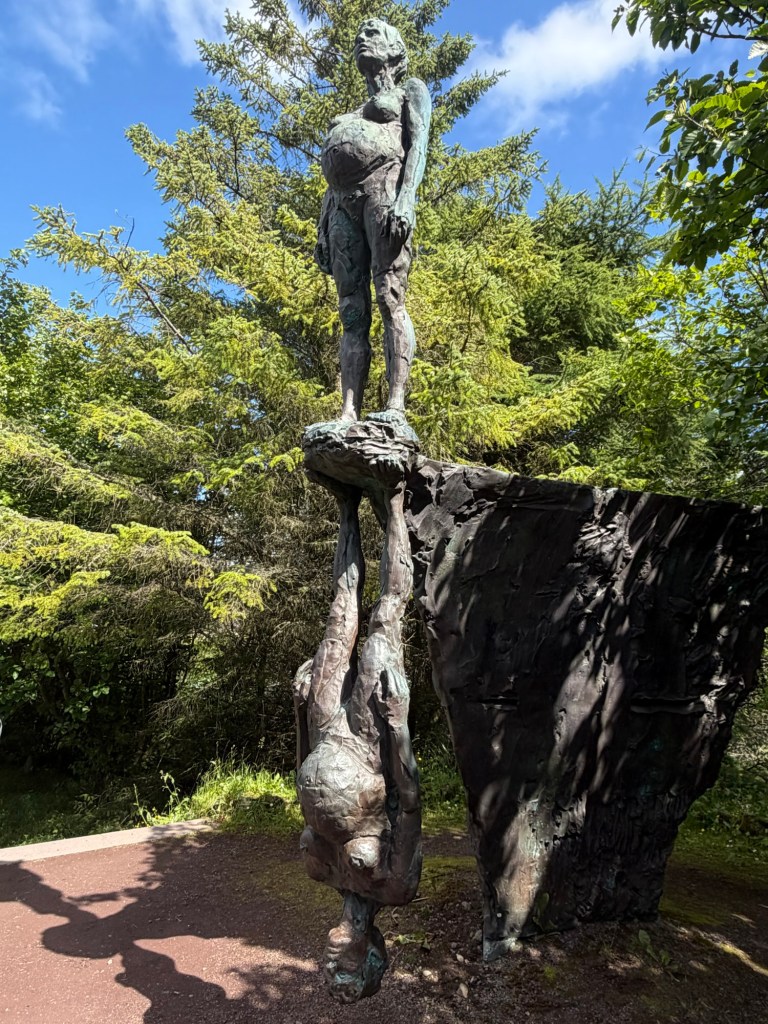
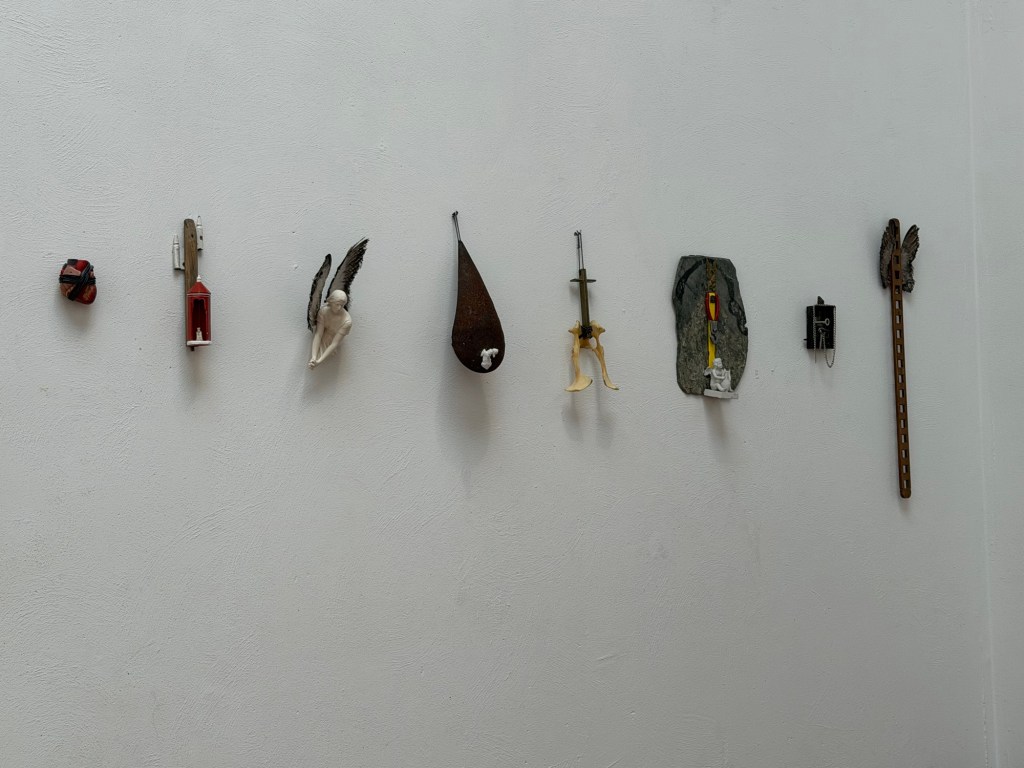
Then we went to. The local museum to check out the art, although I was not expecting much.
Here are some items we saw in the exhibit.
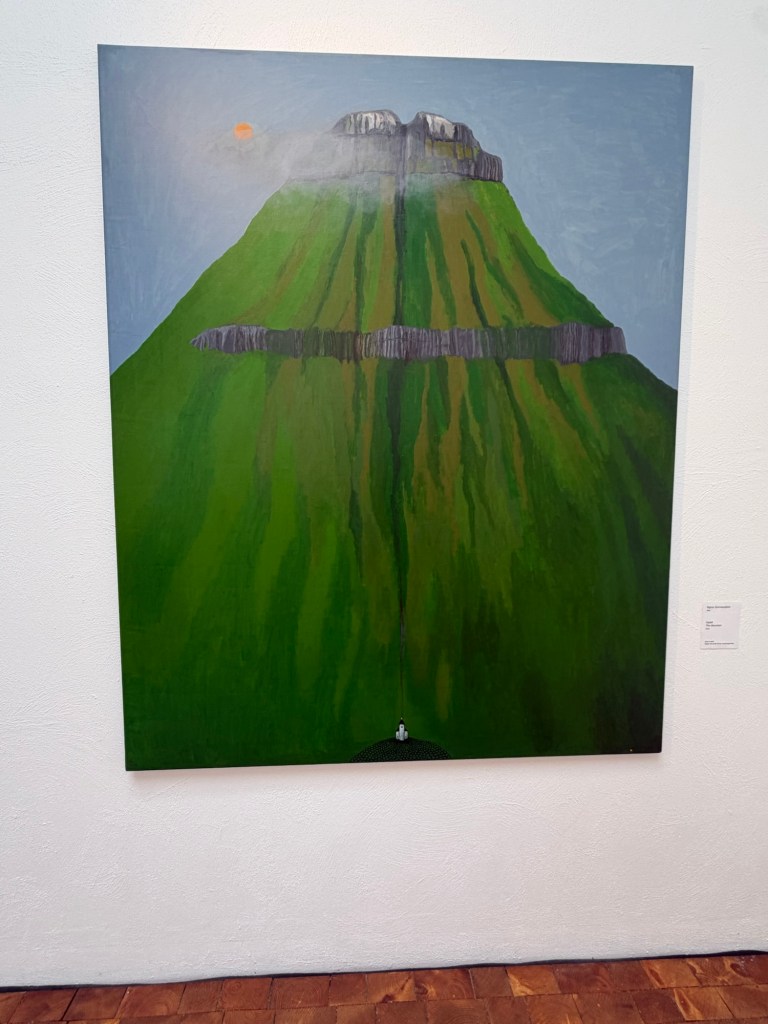
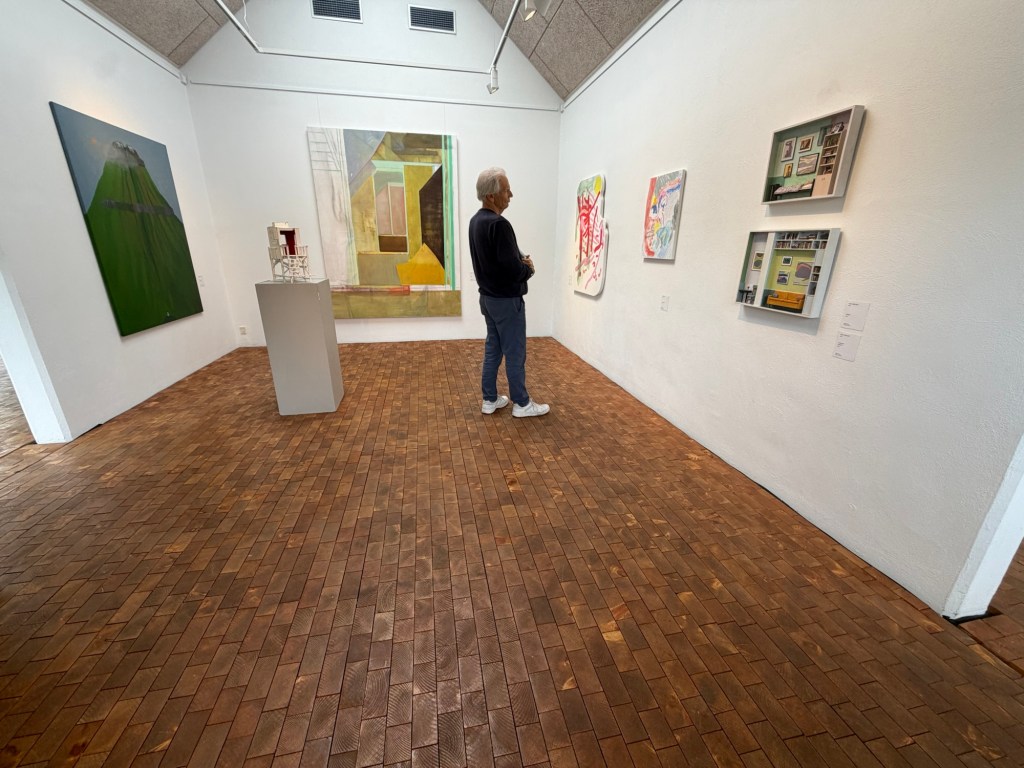
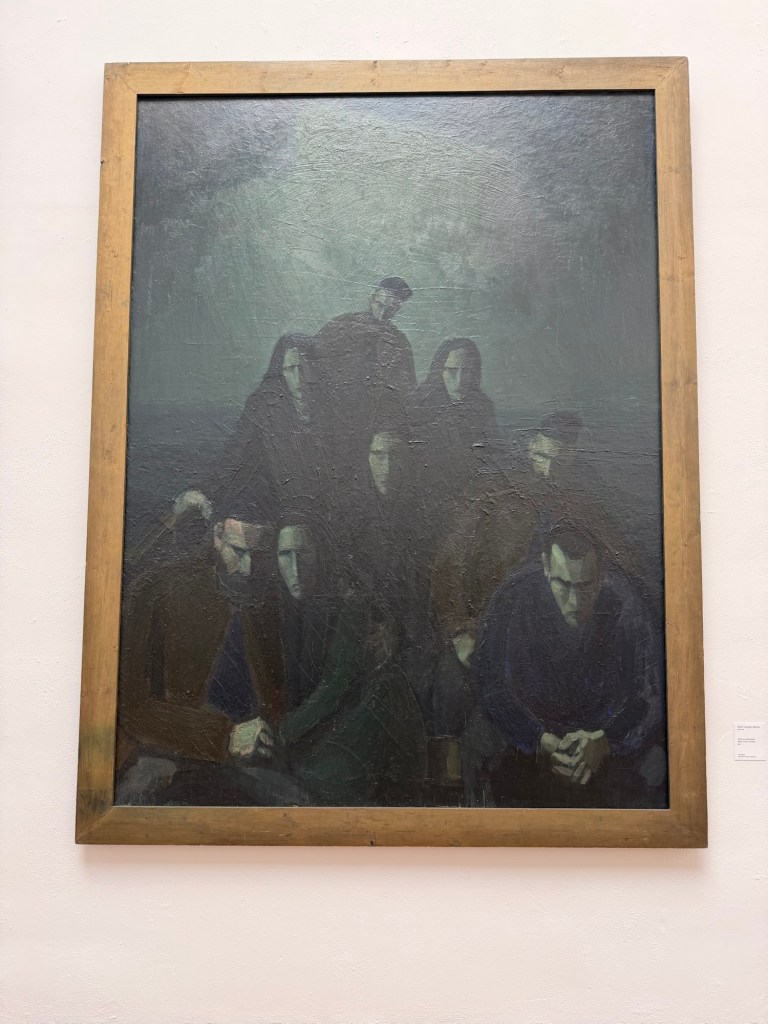
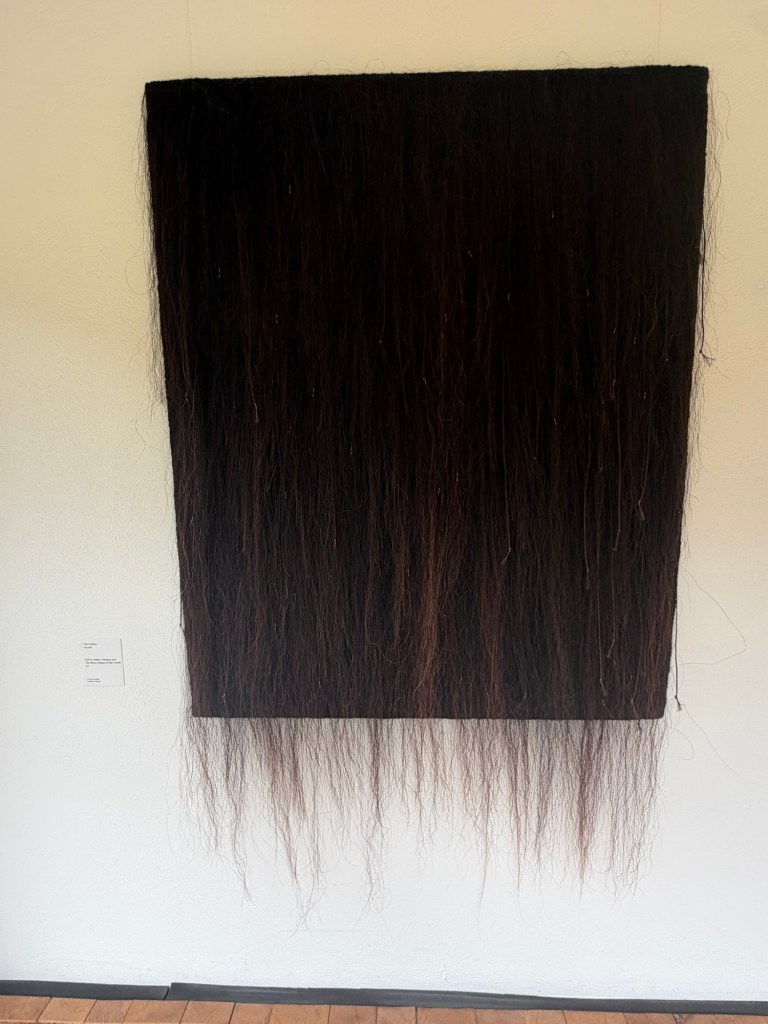
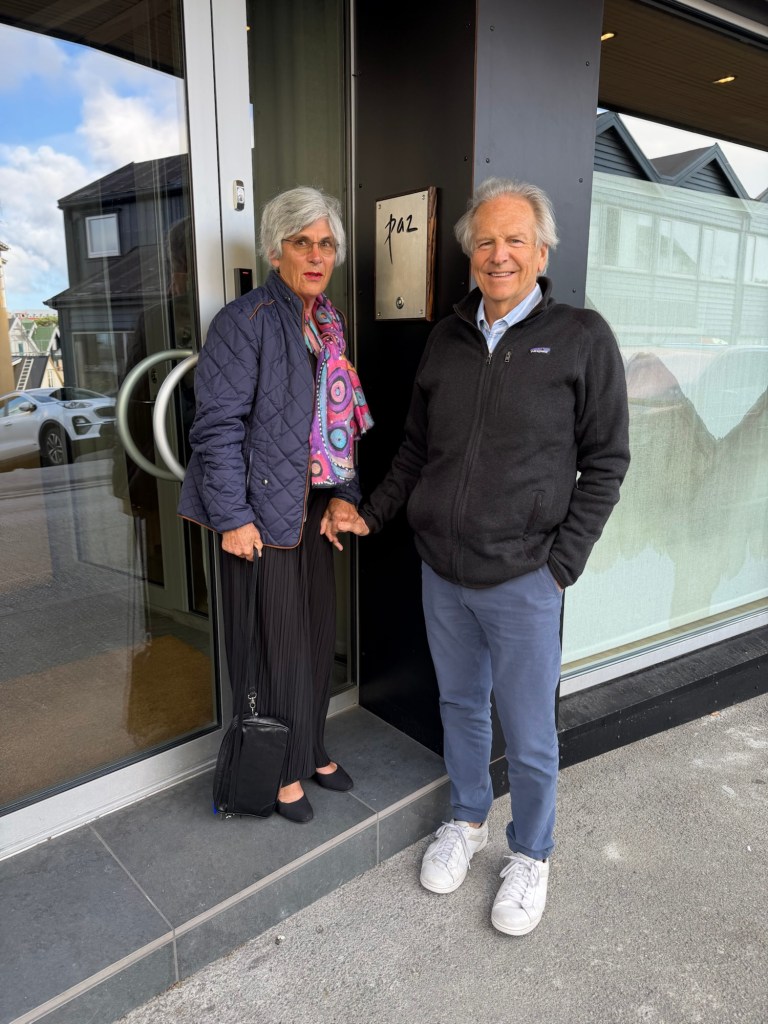
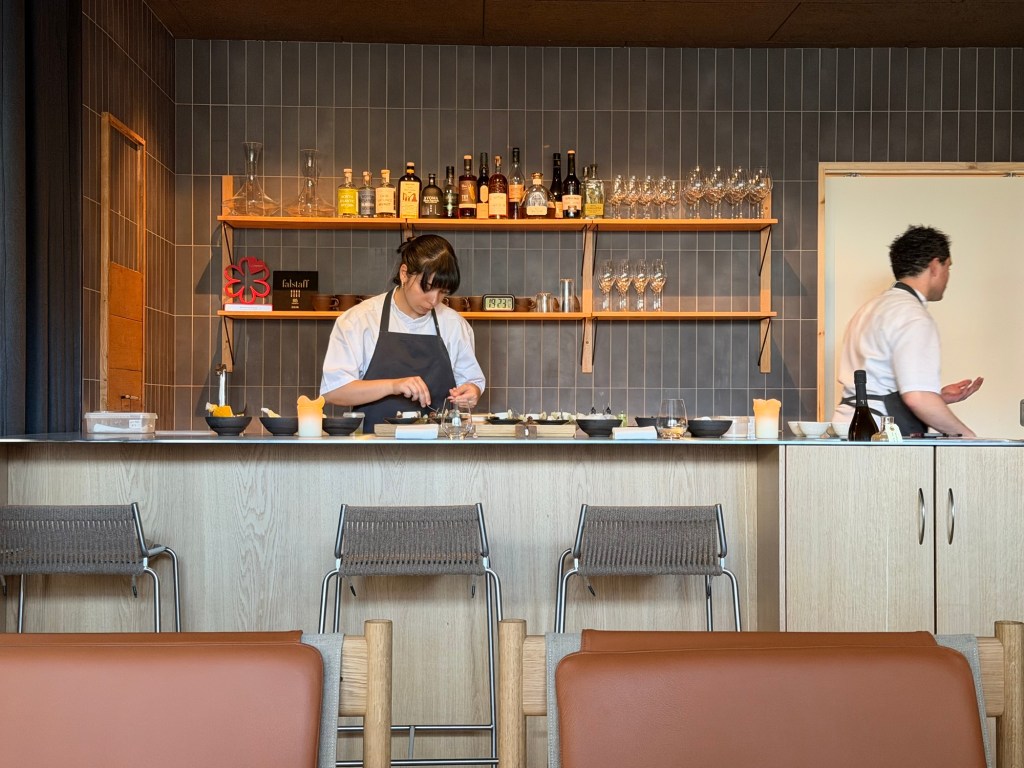
At 7pm our driver dropped us off a a restaurant called PAZ in downtown Torshavn where we are expecting a 20 course Michelin dinner. We certainly got the Michelin style service and most of the courses were excellent. Thankfully there were only 17 courses and 5 of them were tiny deserts. Every fish you can imagine was in one course or another, one course was bird meat and the final savory course was lamb. we were certainly full when it was over, but not uncomfortably so. Sorry, but I totally forgot food photos.
Friday, July 3, 2026
Birita picks us up at 9am and drives us to town to buy sandwiches for lunch and then heads north to the islands of Bordoy, Kunoy and Vidoy. We pass through six tunnels, one of which is very unique as it contains an underground round about with music and lighting. Images of people circle the lights and are dancing to folk music, which increases in volume as you approach the round about. The oldest tunnel on the islands was built in 2002. Tunnels are a critical link for people living on the islands and there is a need for several more.
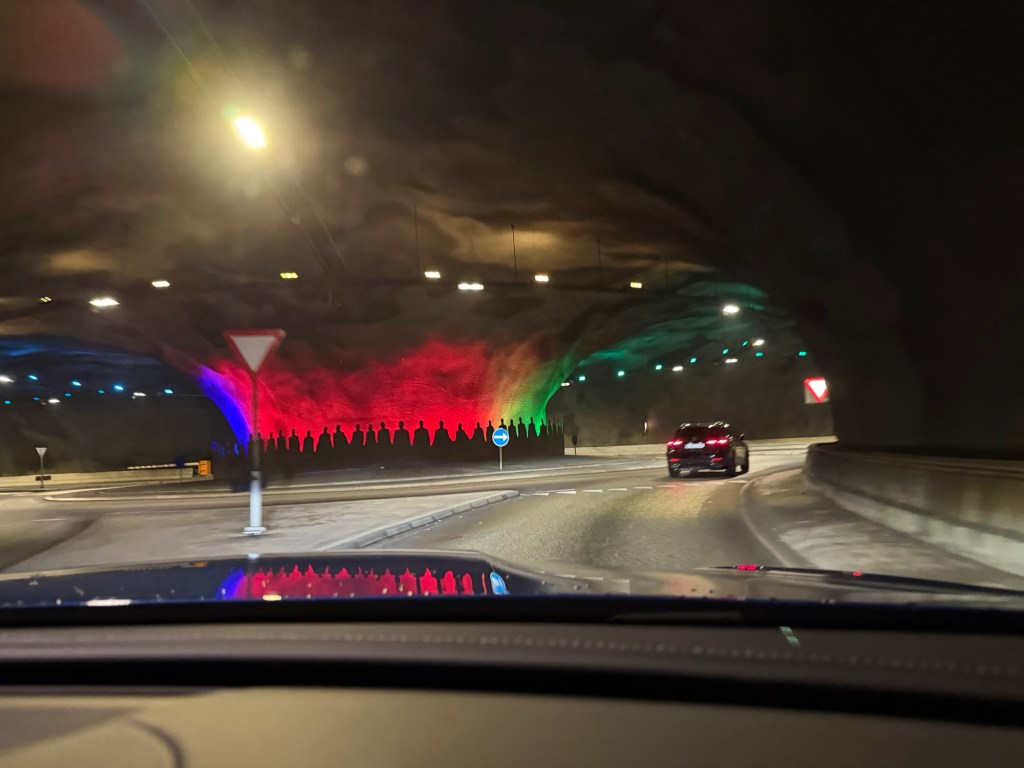
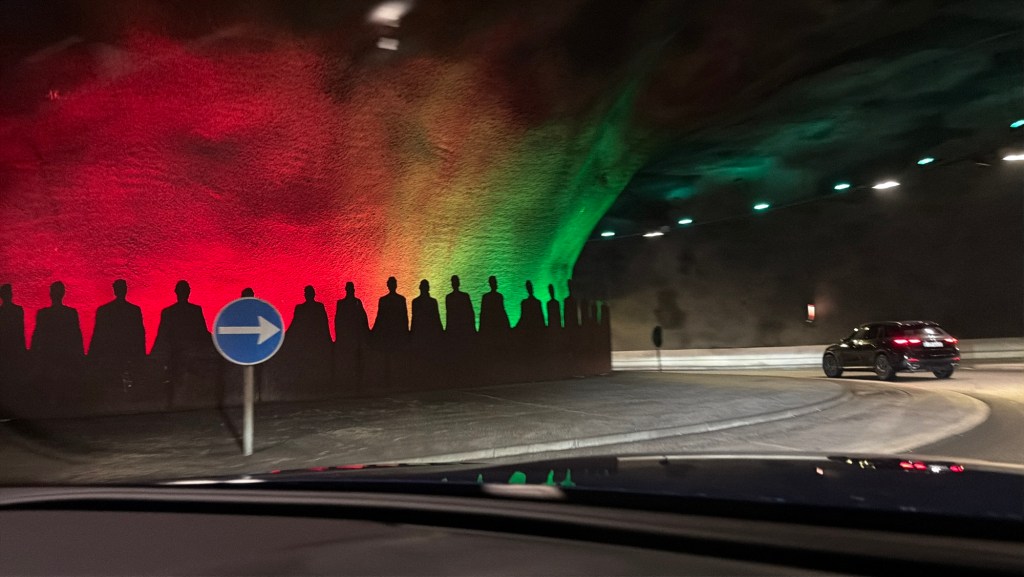
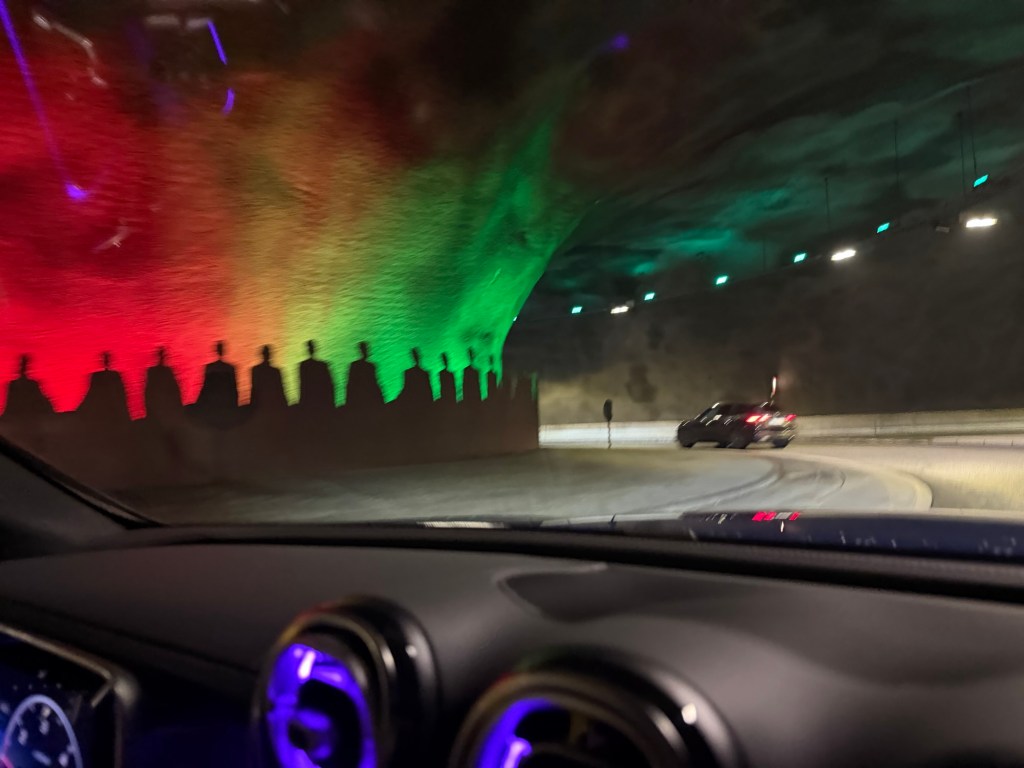
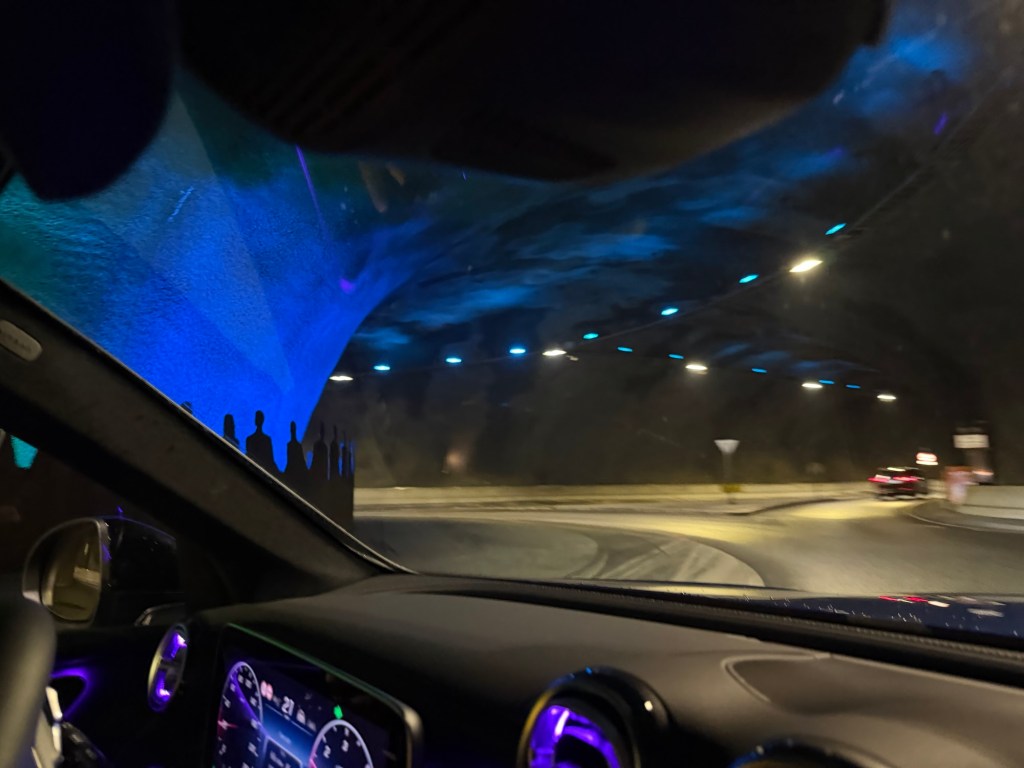
We exit the tunnel and are soon in Klaksvik, the second largest town in the Faroe Islands. Birita drives us to a scenic spot and we are happy taking photos of the scene.
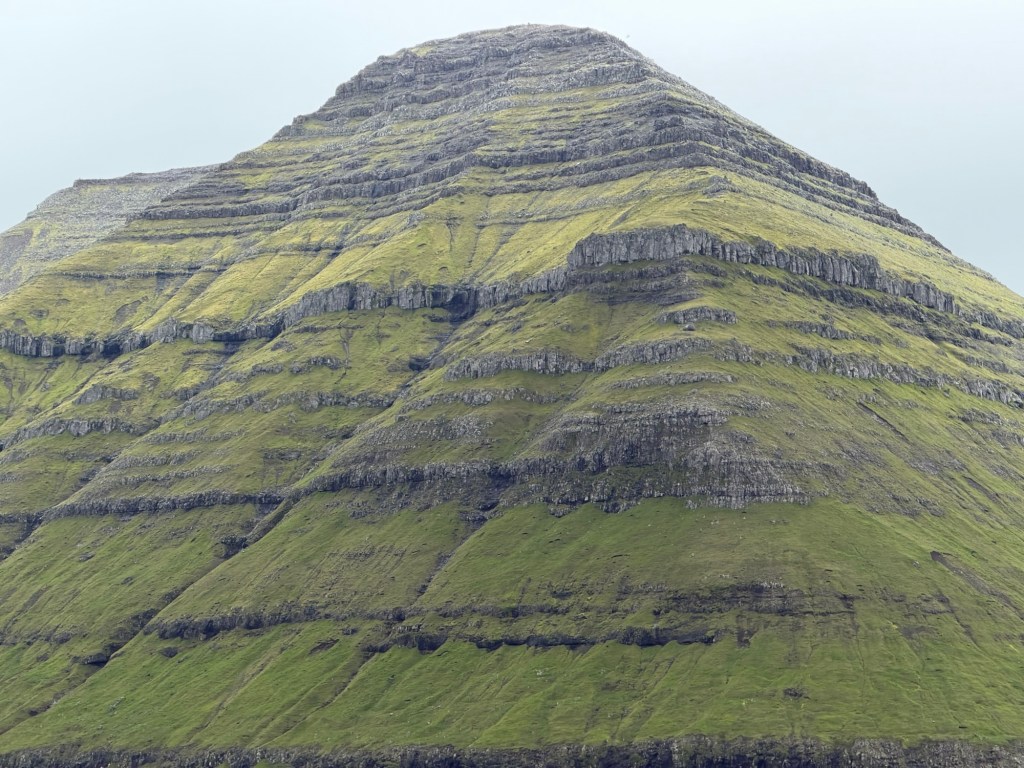
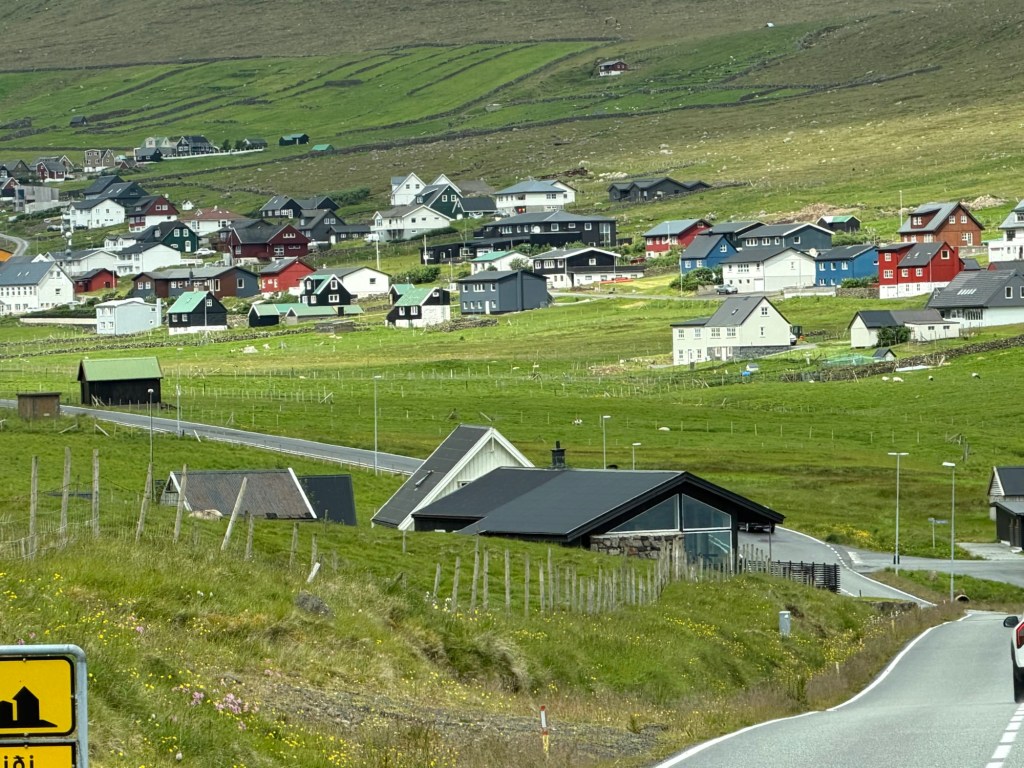
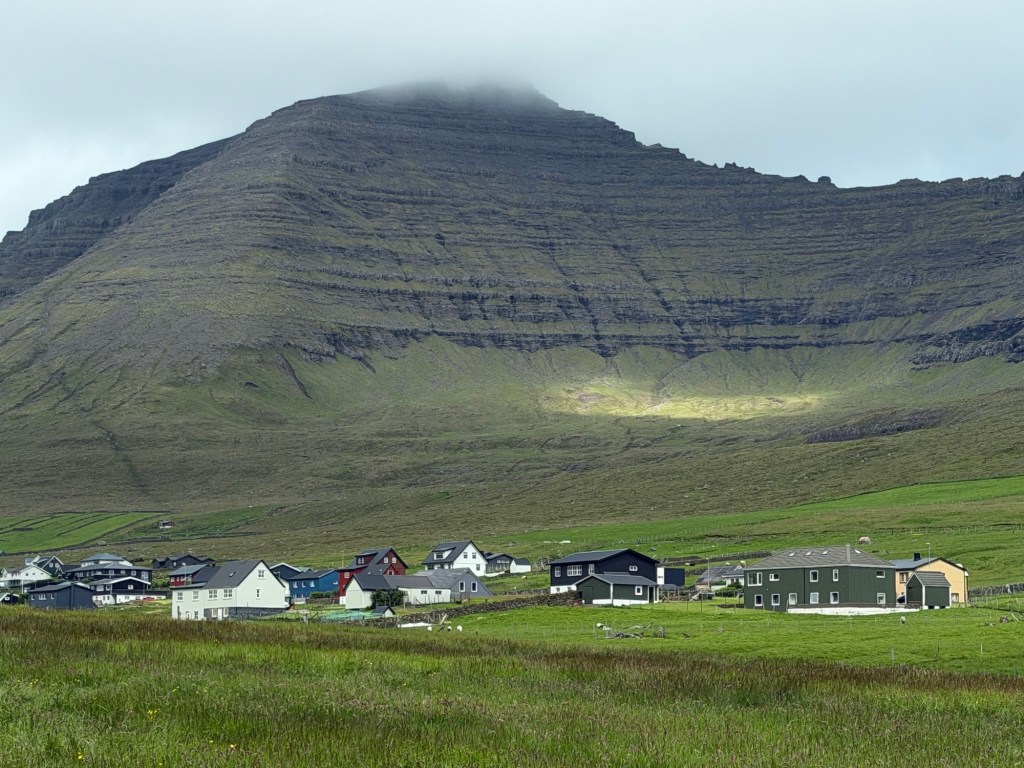
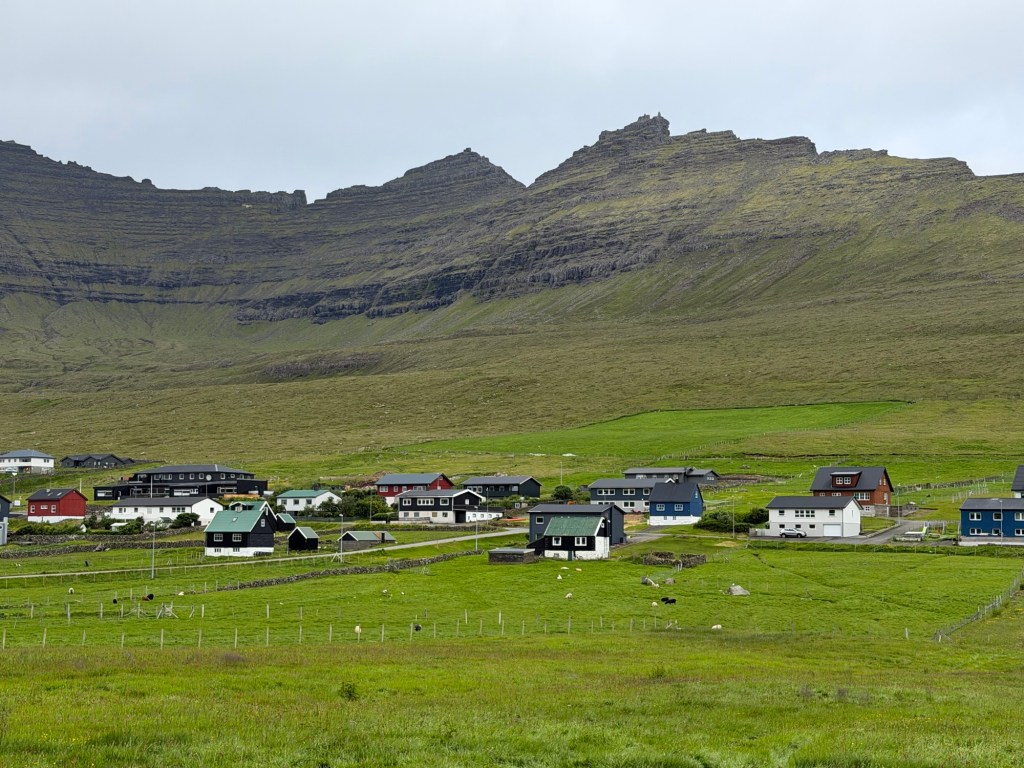
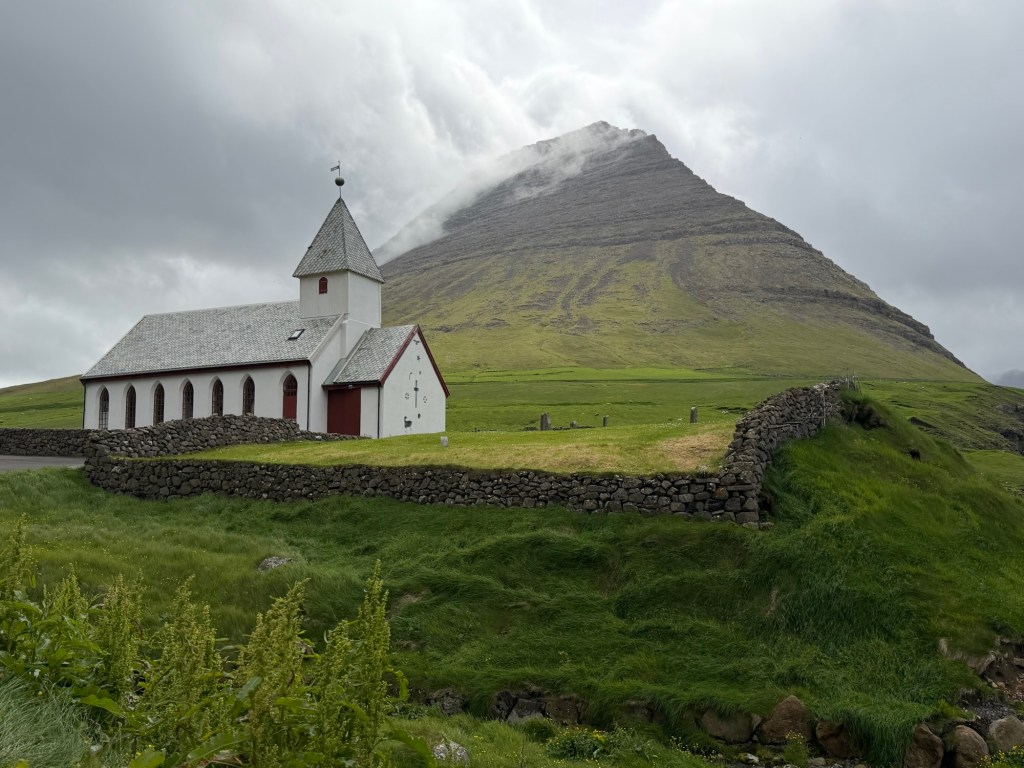
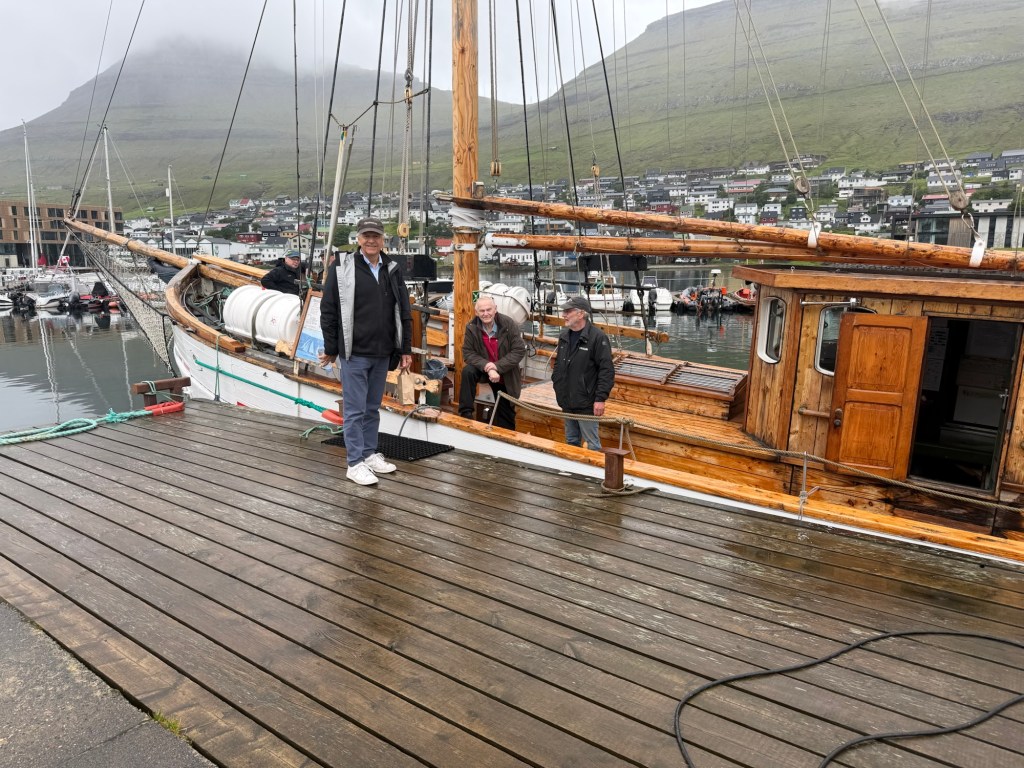
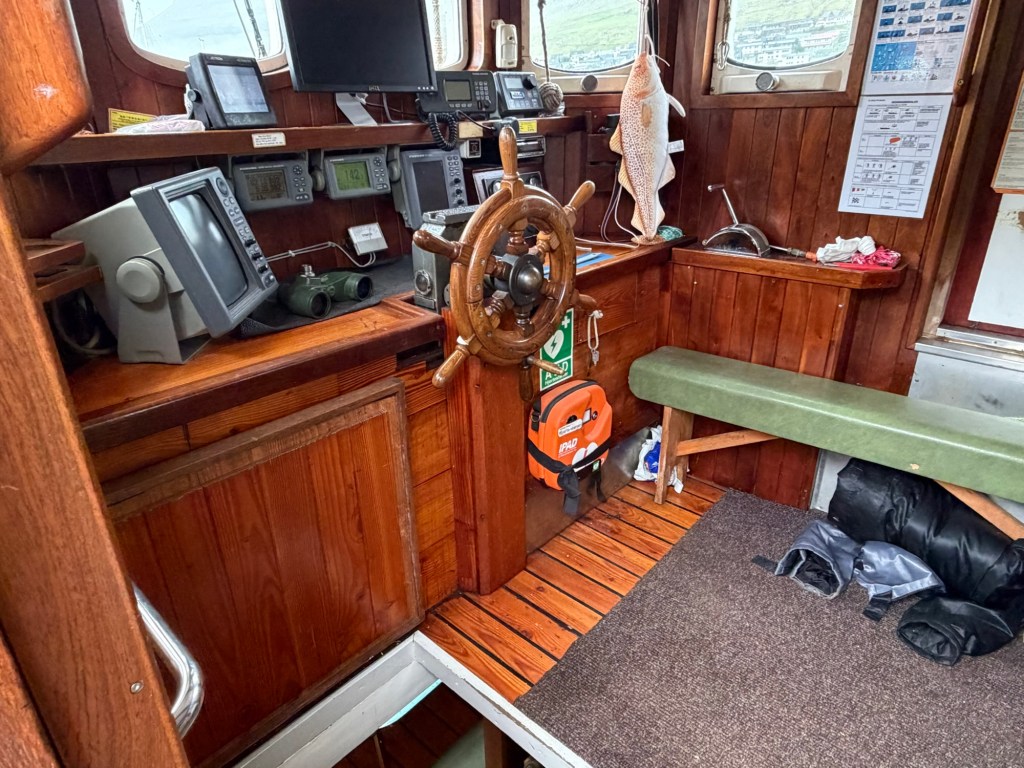
At the harbor we board an old, but sturdy, schooner called Dragin. (24 meters long, 4.74 meters wide, built in 1945).
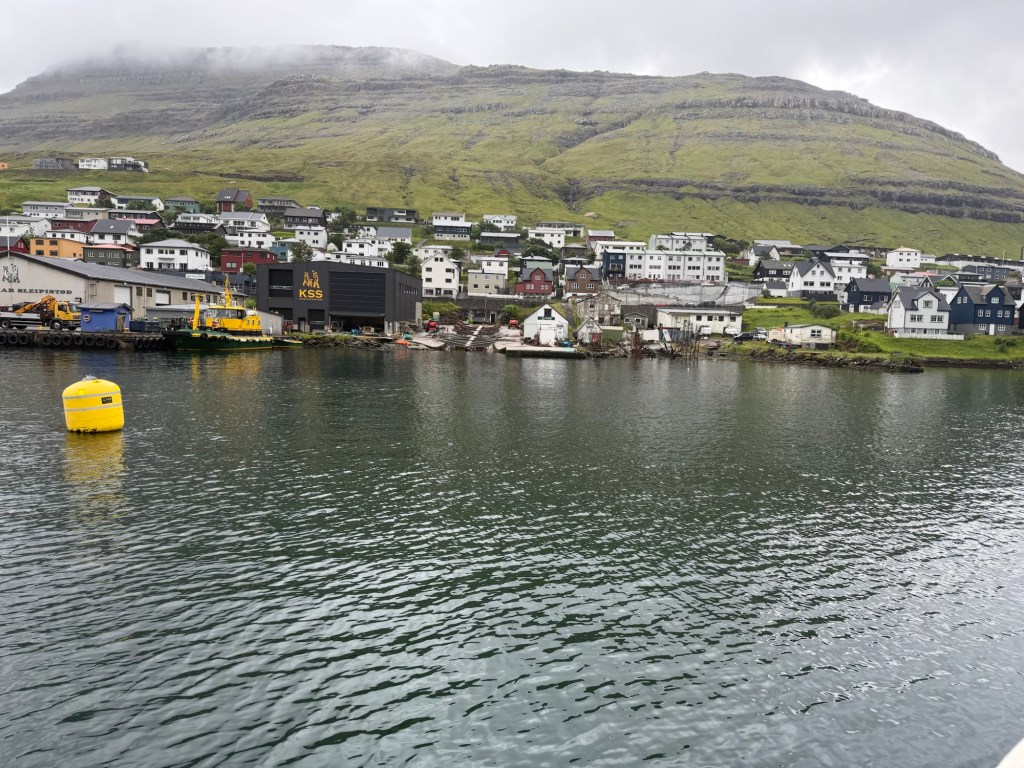
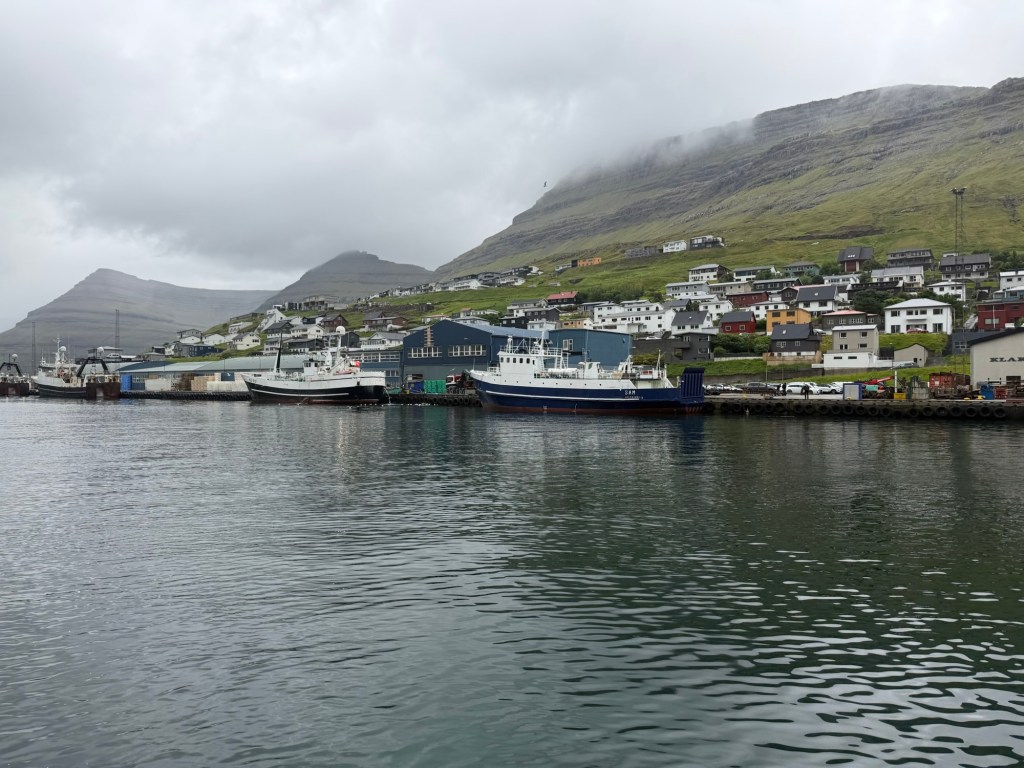
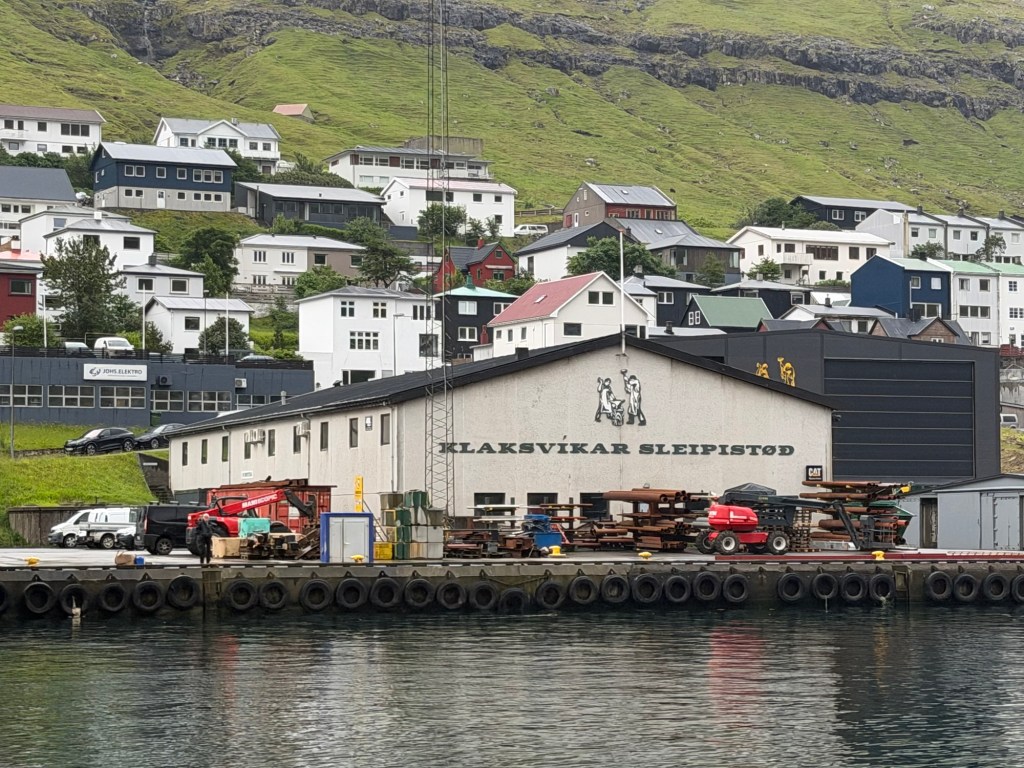
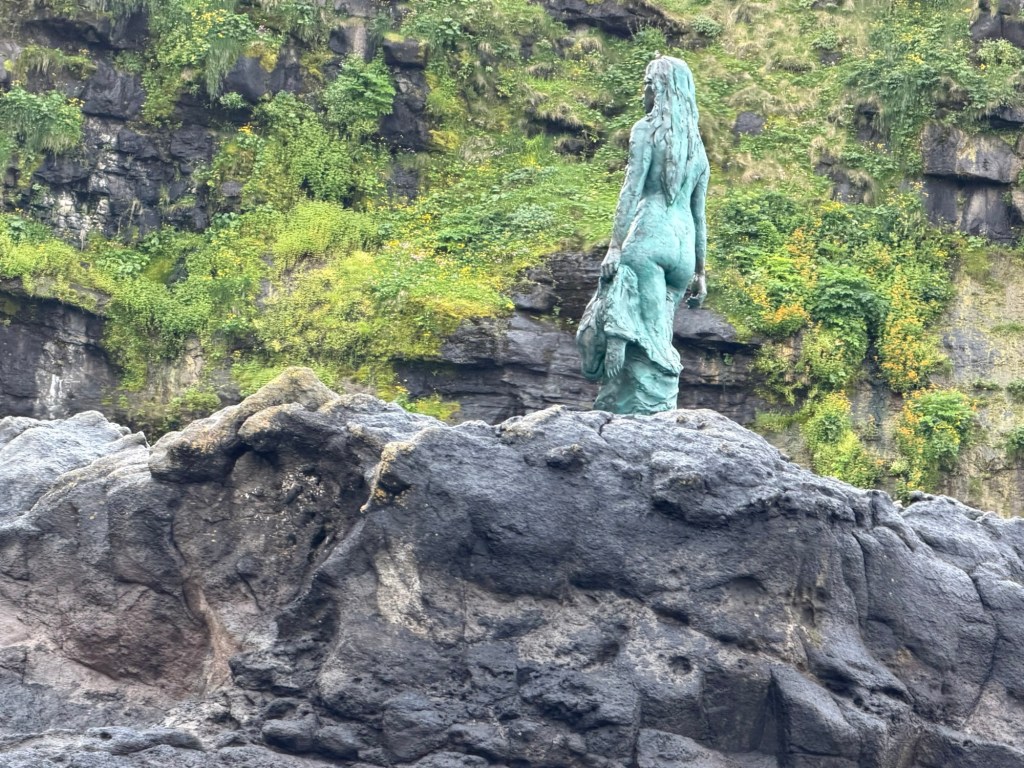
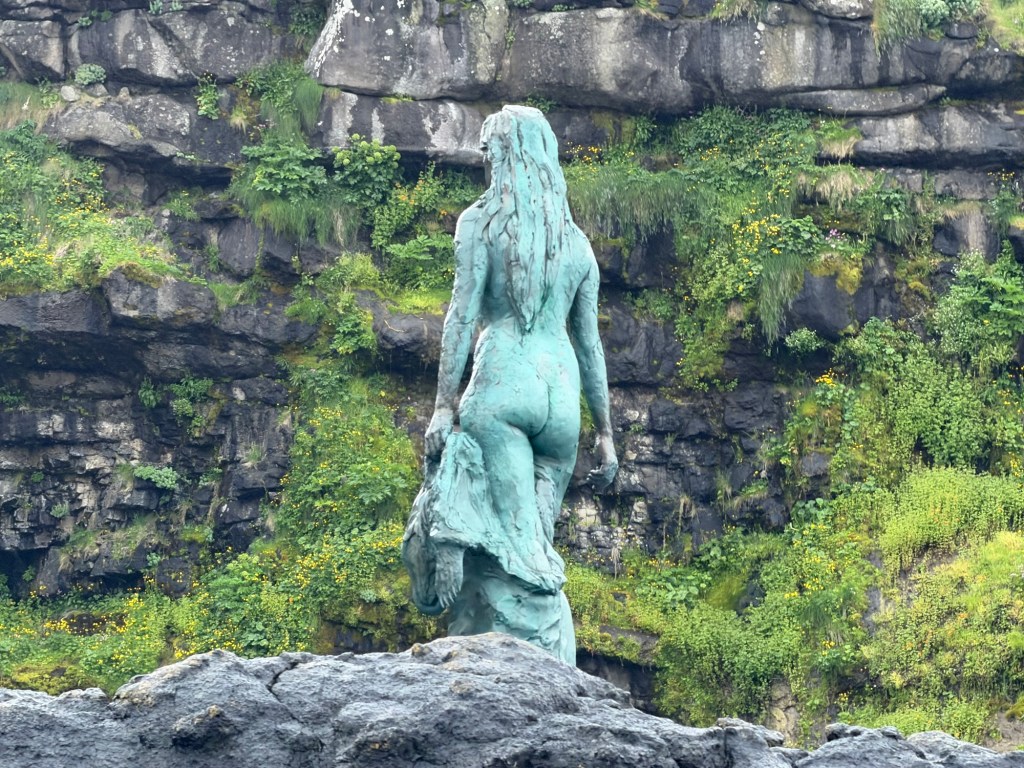
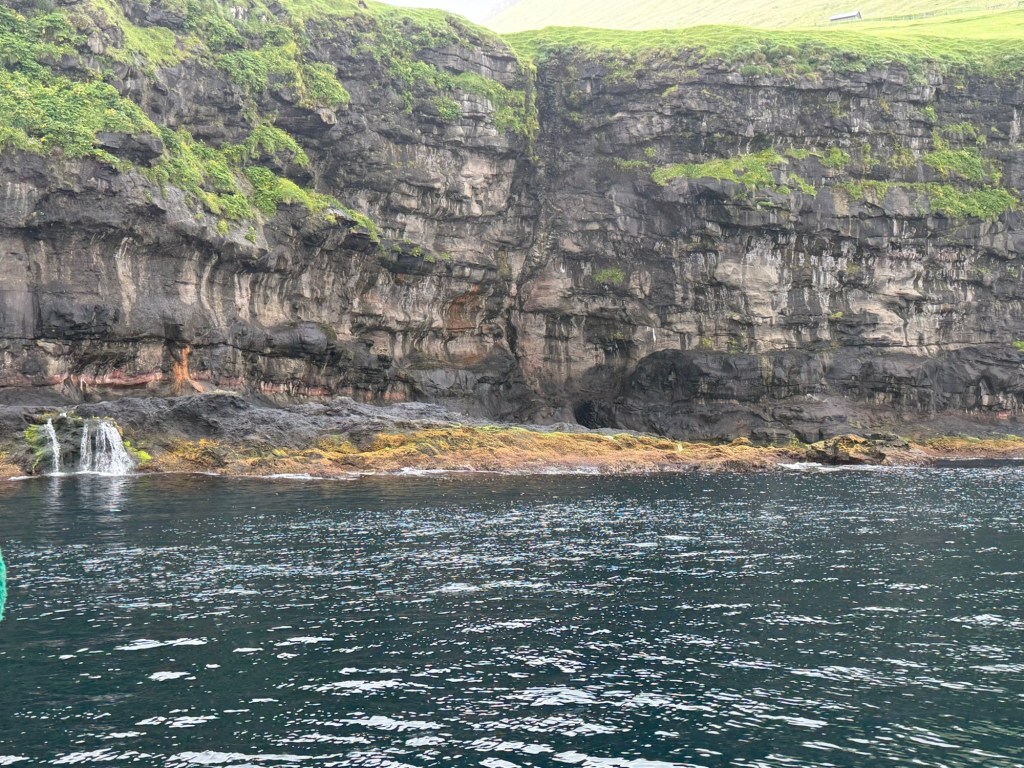
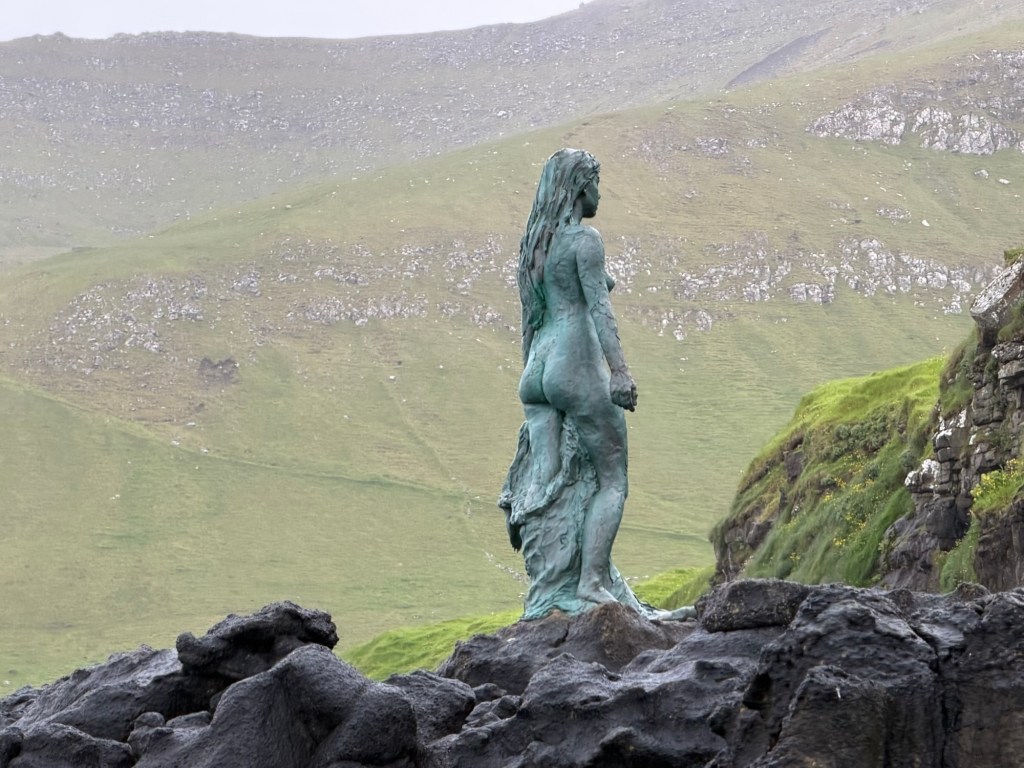
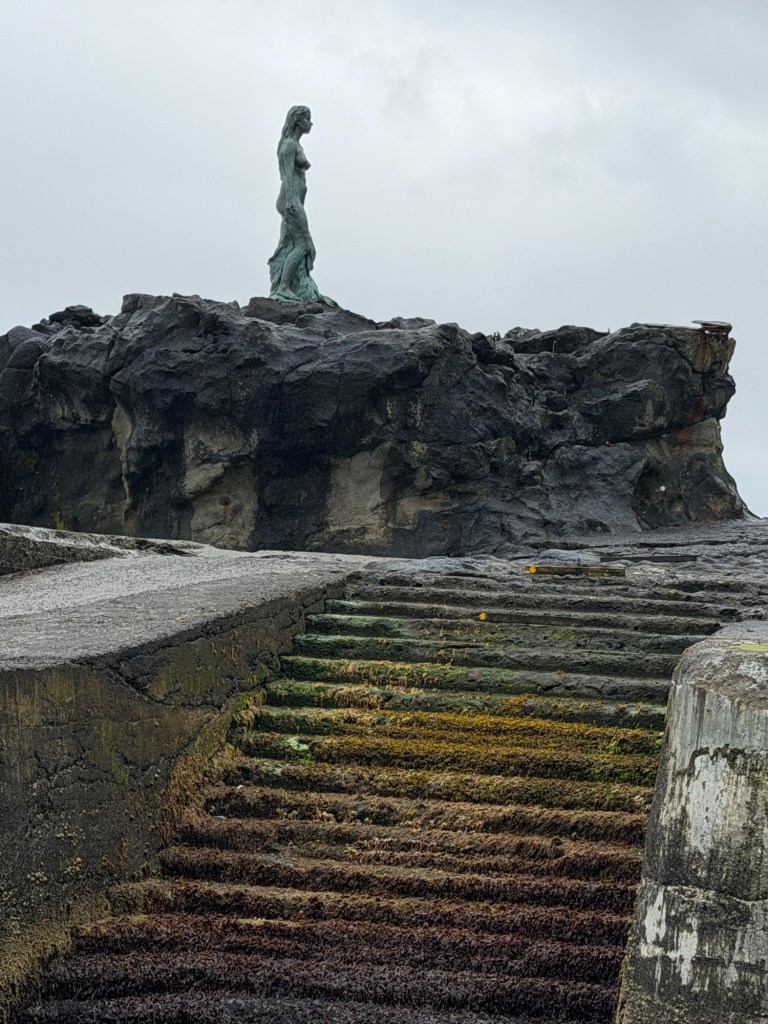
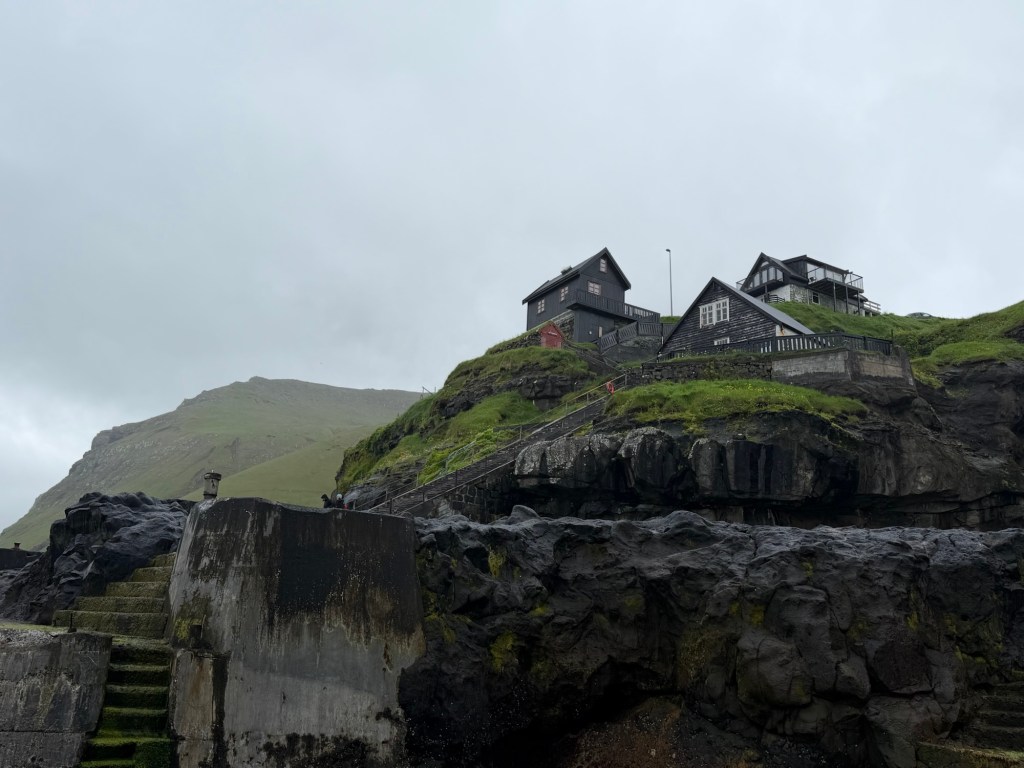
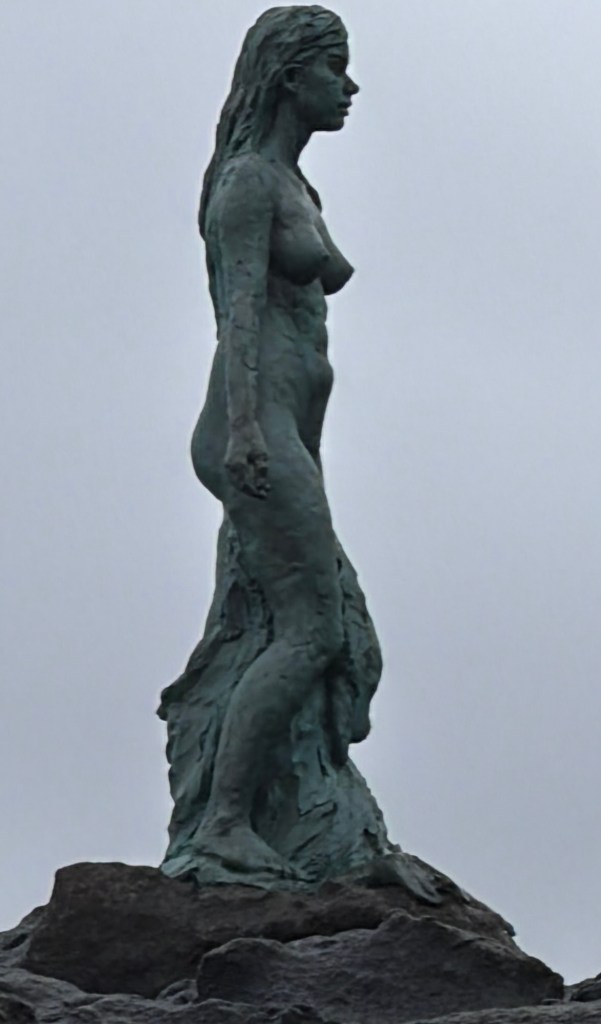
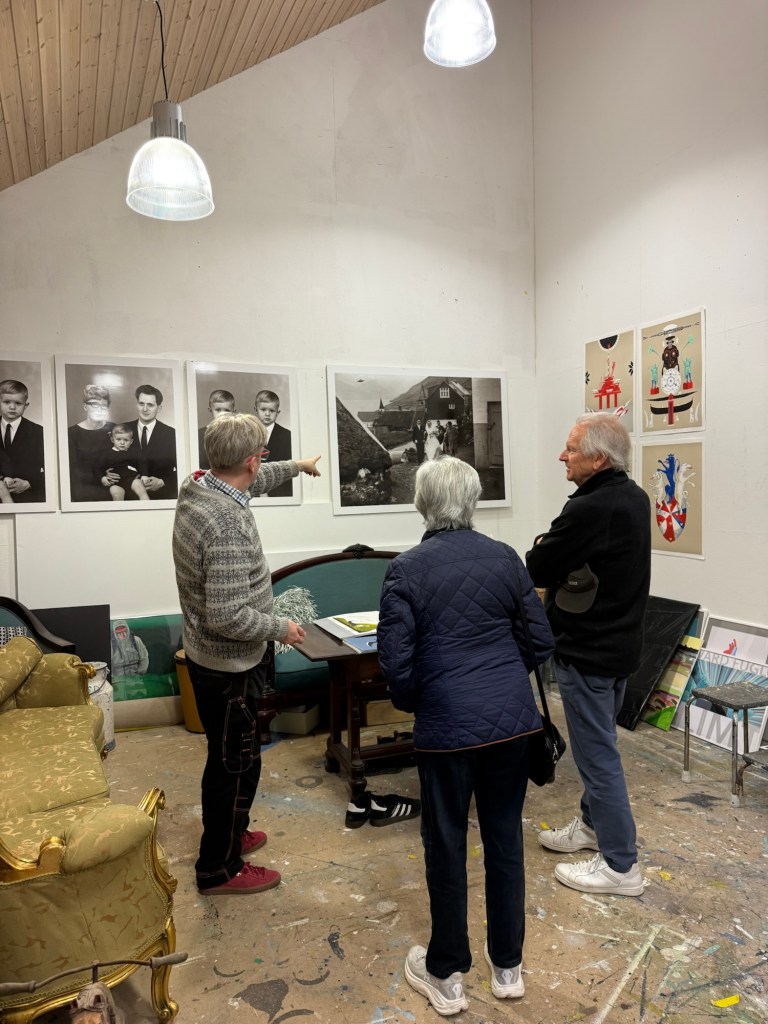
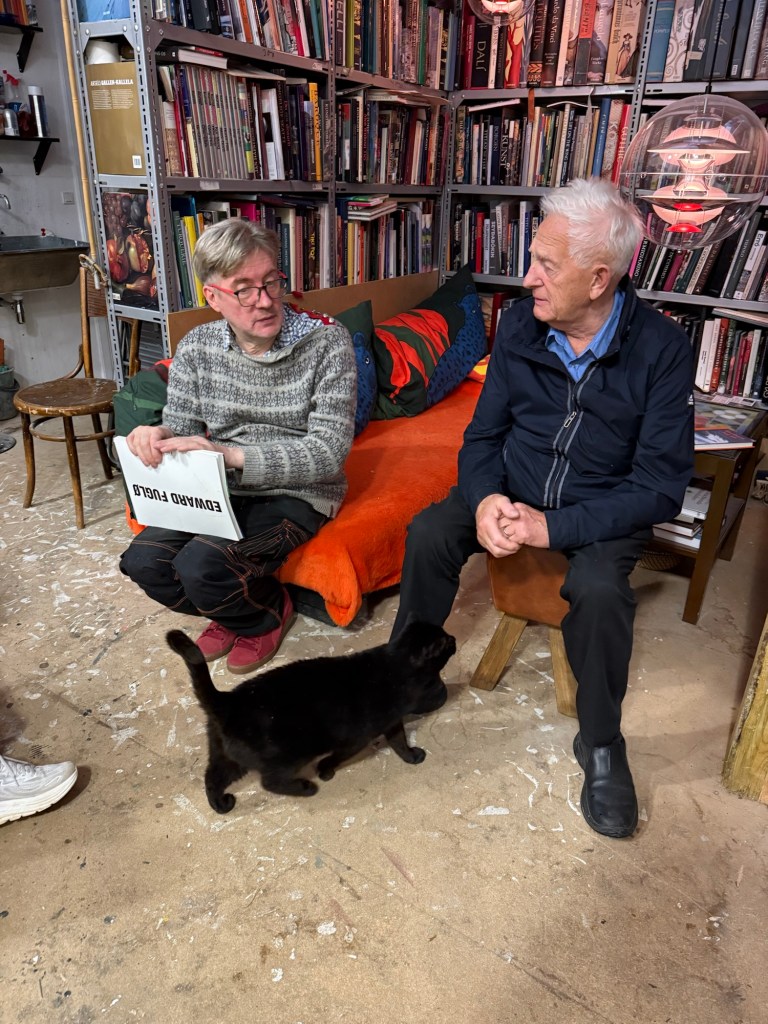
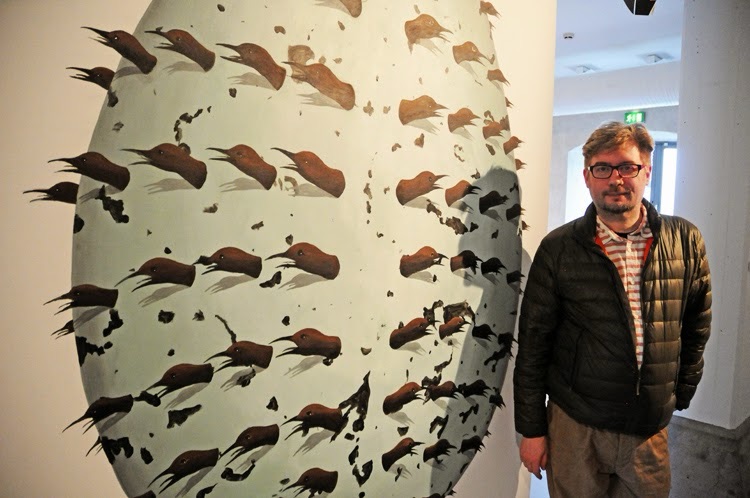
From the schooner ride, we drove back toward town and stopped at the home and studio of a well known local artist, Edward Fuglo. It proved to be an interesting and engaging conversation that lasted nearly 2 hours. He has received numerous awards for his art and showed us the Knight’s Cross medal that he received from the Danish Queen. We had seen his work in the local museum and were able to talk about some of his pieces. One huge piece with three dogs and their country flags hanging in his studio was off limits, because it is about to be presented at an exhibition. It was very impressive.`
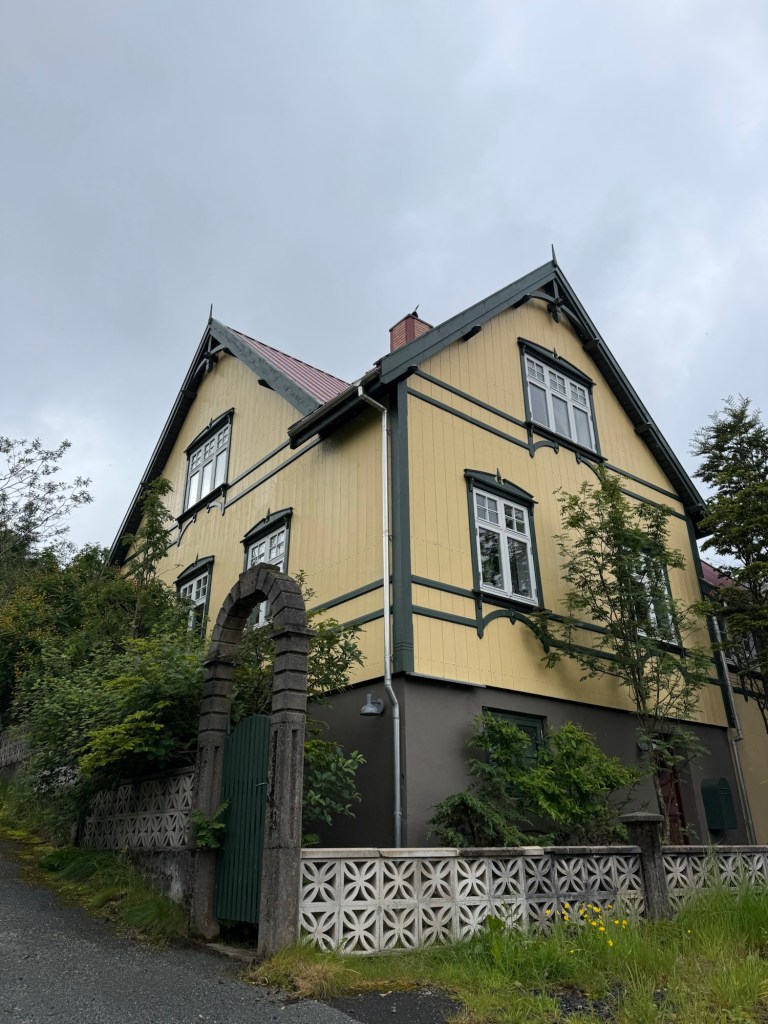
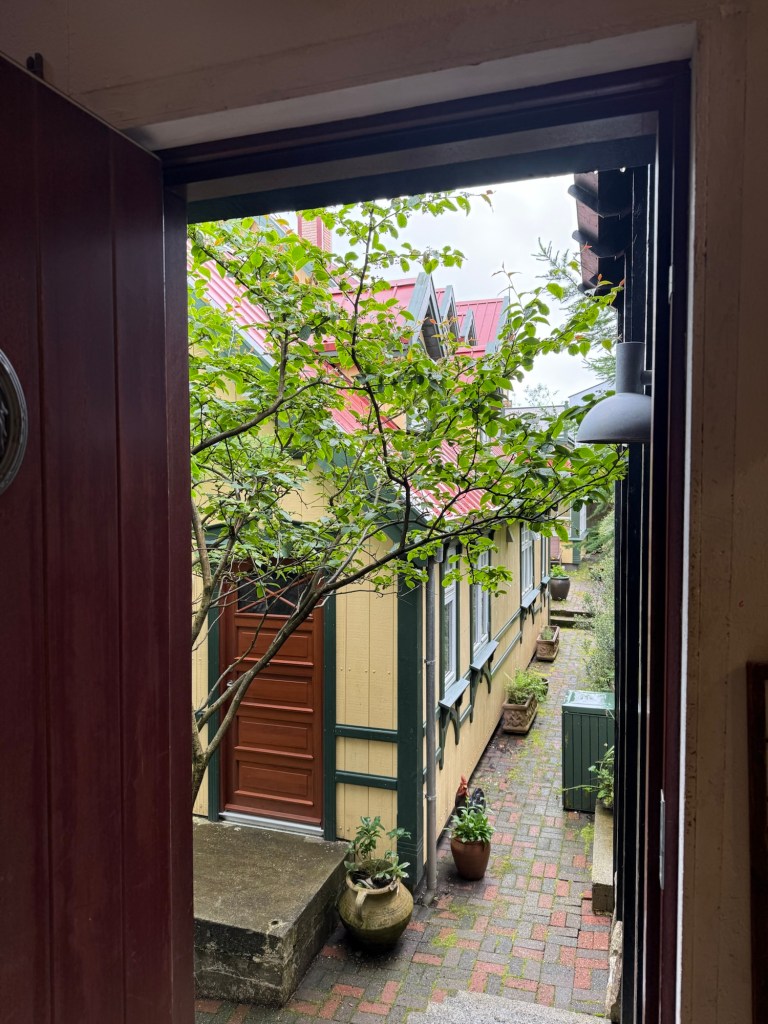
We happily had a quiet dinner in our hotel. Our meal choice was a flat fish called plaice fish served tempura style. We had never had it before and enjoyed the light texture of the tender white fish. The hotel was packed with tourists and we were happy to get to our room and shut the door.
Saturday, July 4, 2026. Happy 4th of July
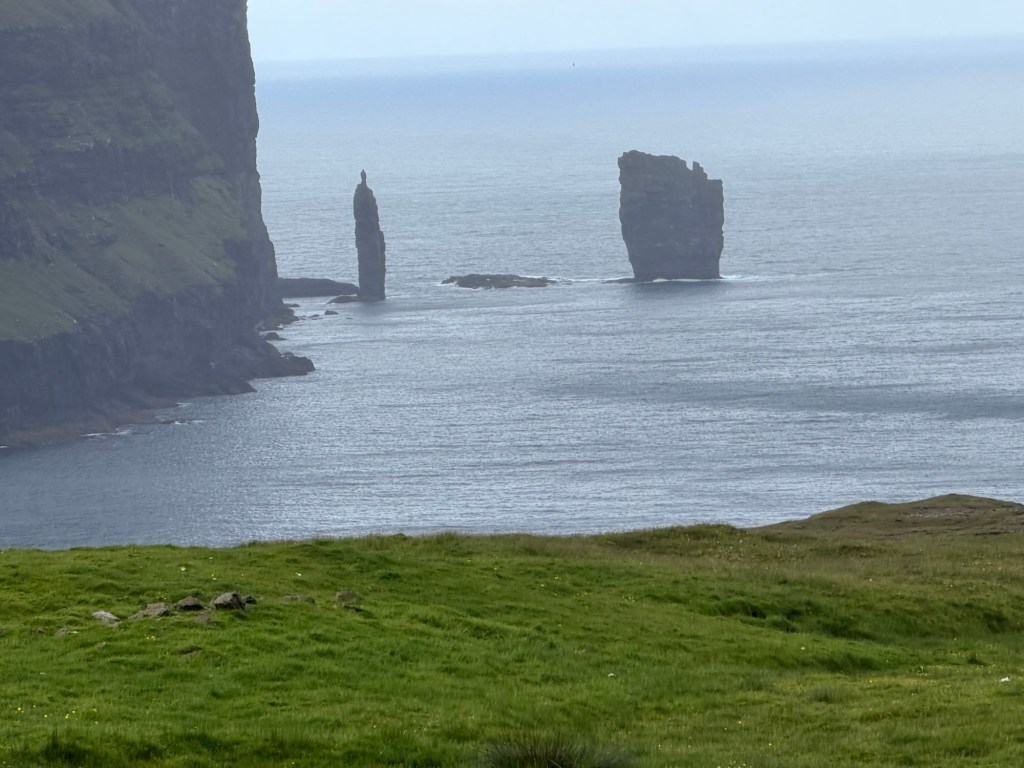
A stop at the picturesque village of Gjogv set in a dramatic gorge where Birita played as a child. At a nearby shop we bought a waffle with whipped cream and rhubarb marmalade. Very tasty. A nearby point provided striking views of two sea stacks Risin and Kellingin rising from the North Atlantic . The historic village of Funningur, believed to be one of the earliest Viking settlements, offers a glimpse into the islands past with its traditional turf-roofed houses.
The day was not special here in the Faroese Islands, but we made a special day of it anyway. Birita picked us up at 10 and we were off to the second largest island, Eysturoy, defined by jagged peaks, deep fjords and traditional villages with colorful houses. We
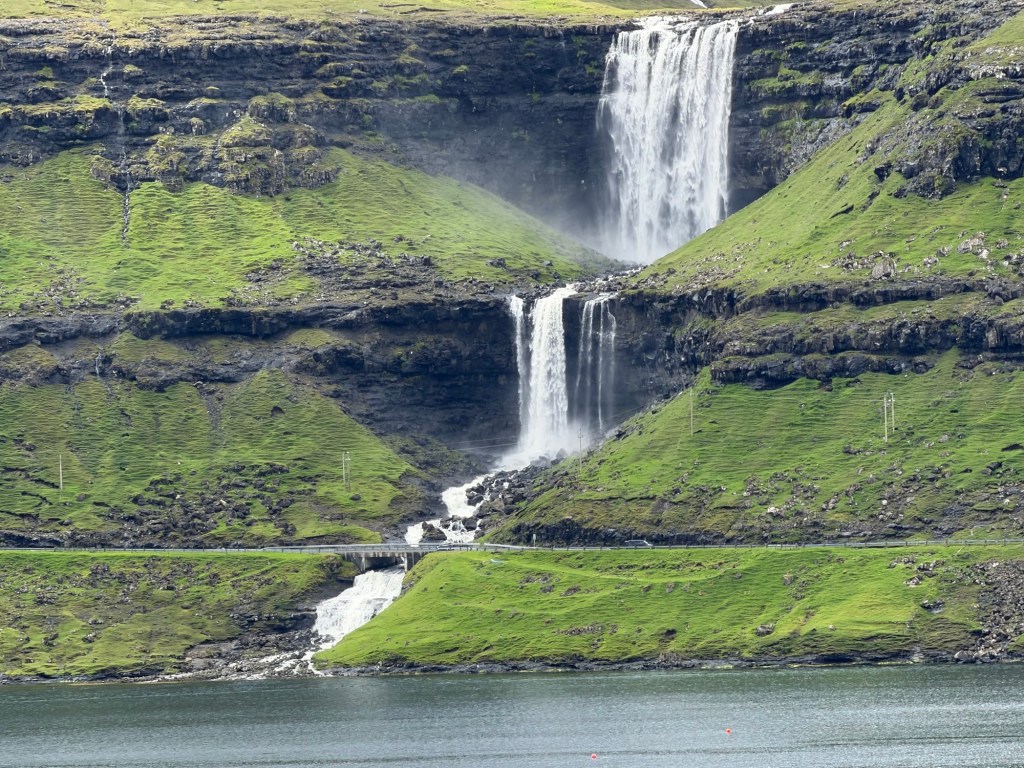
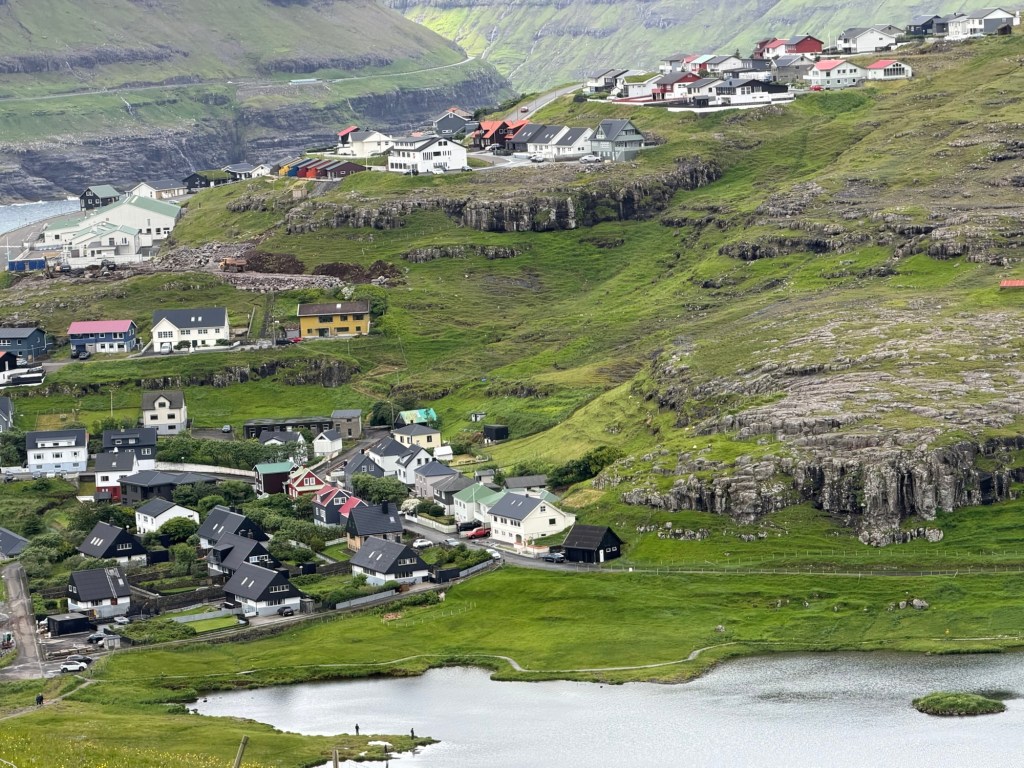
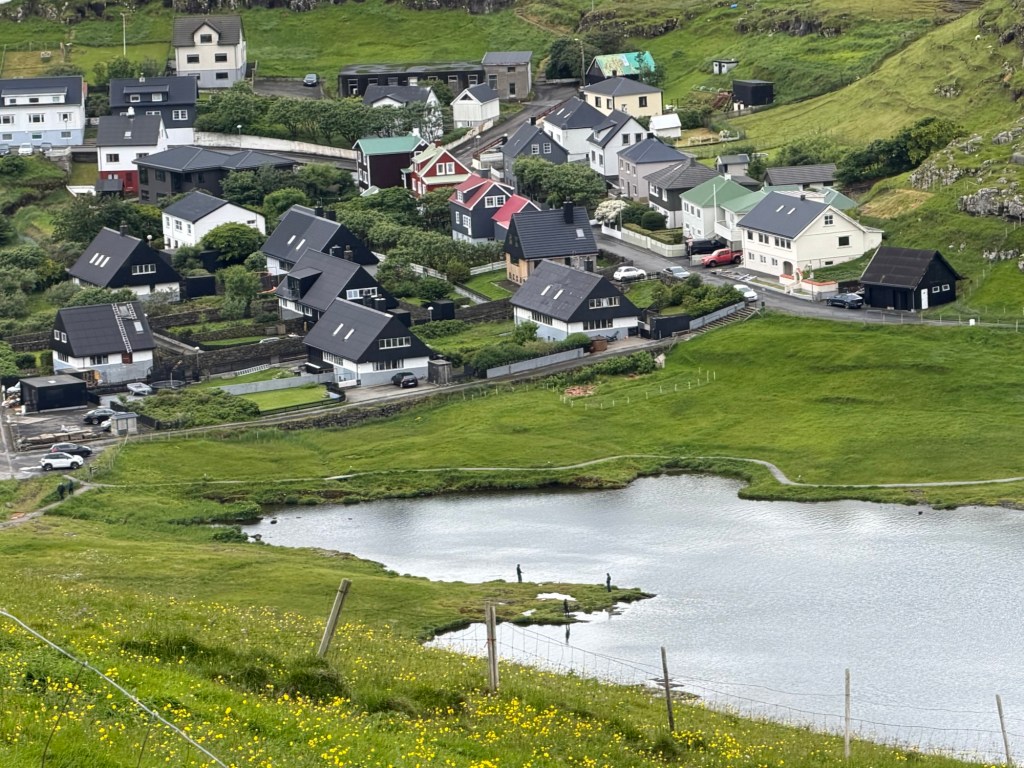
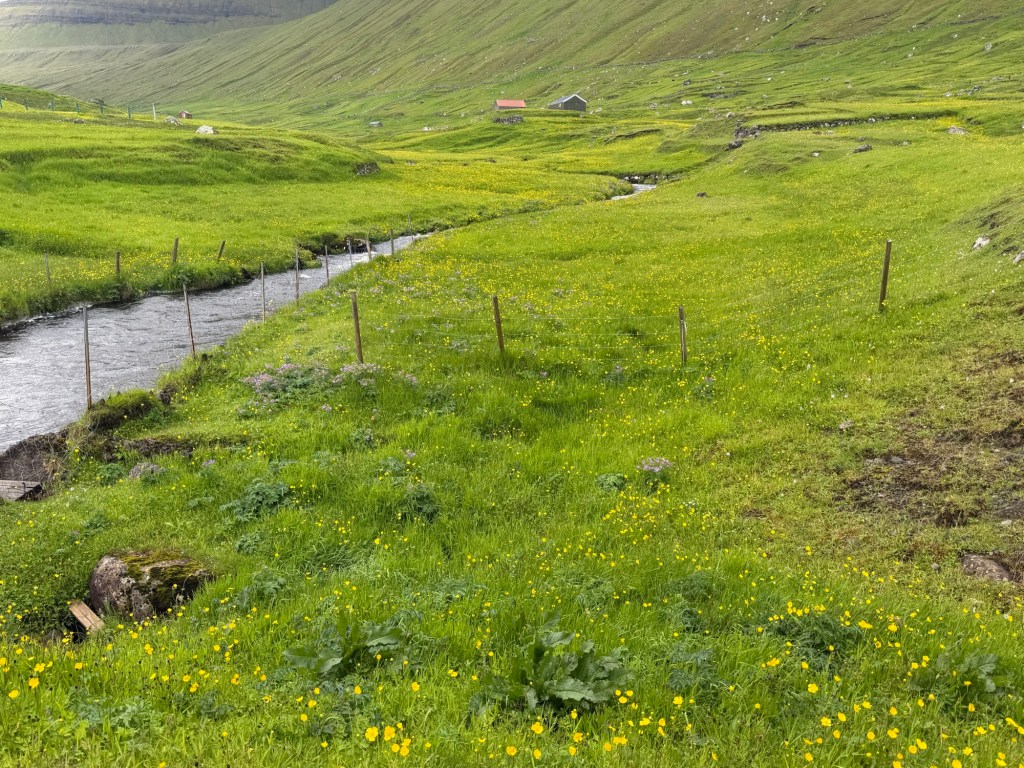
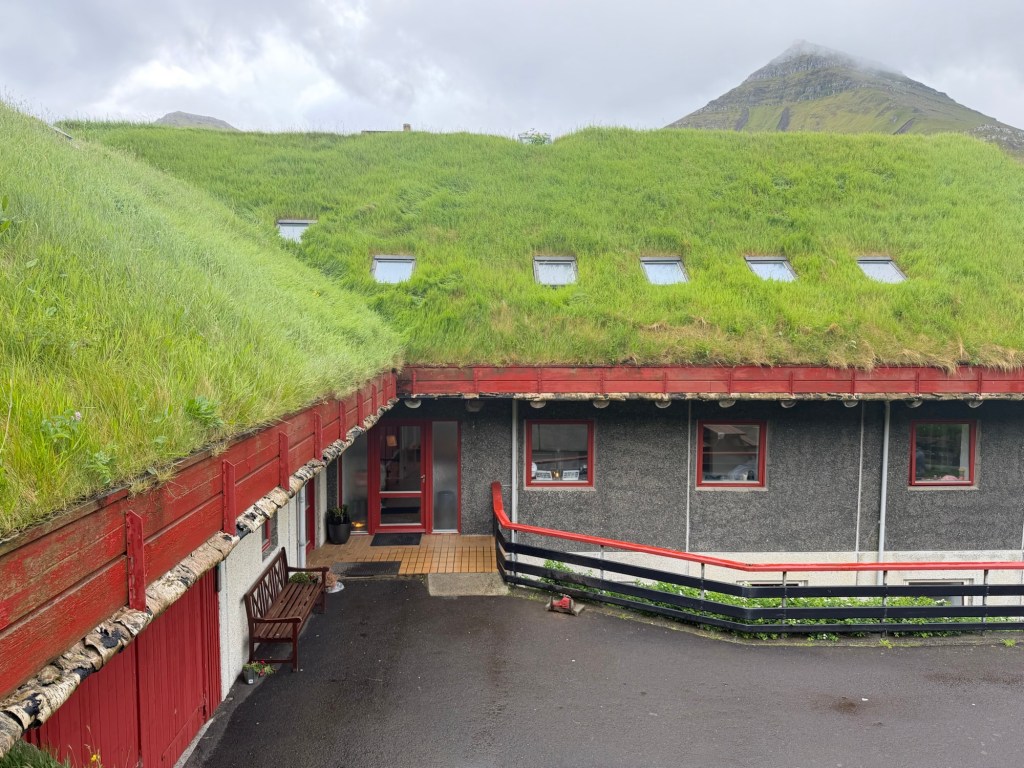
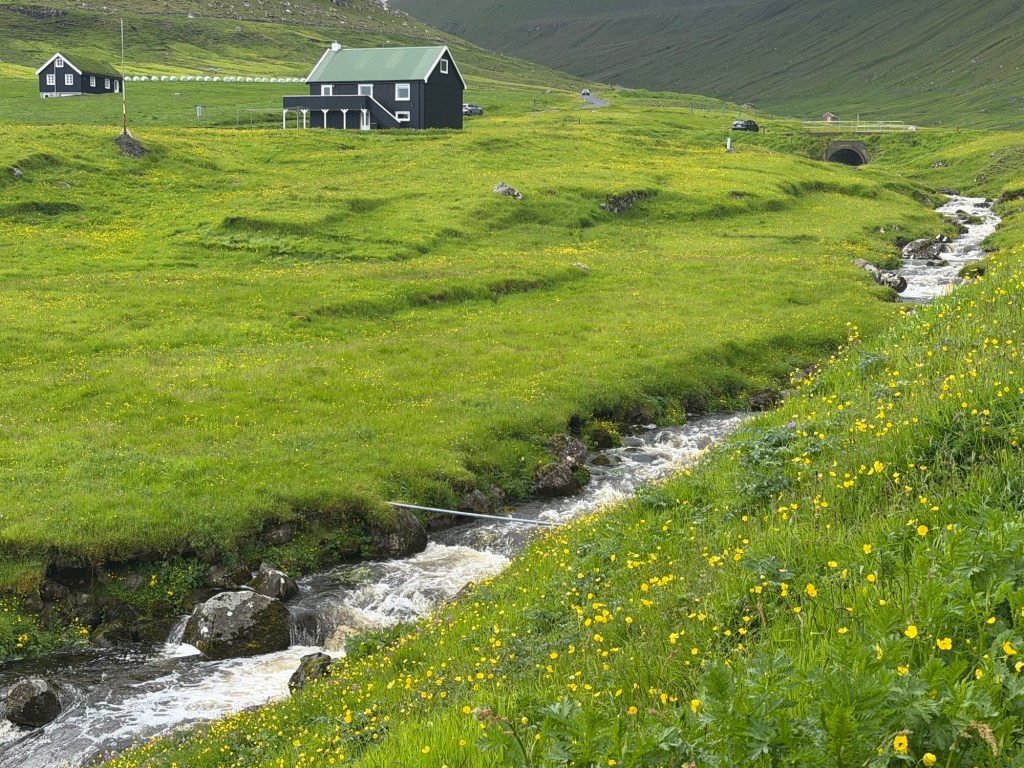
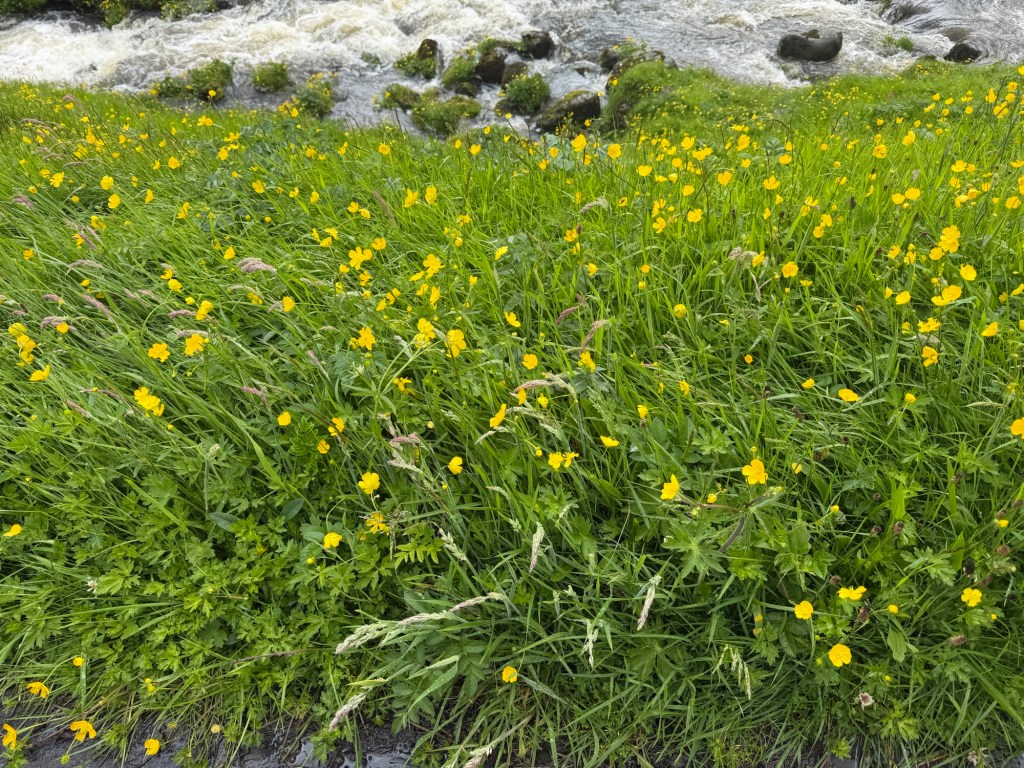
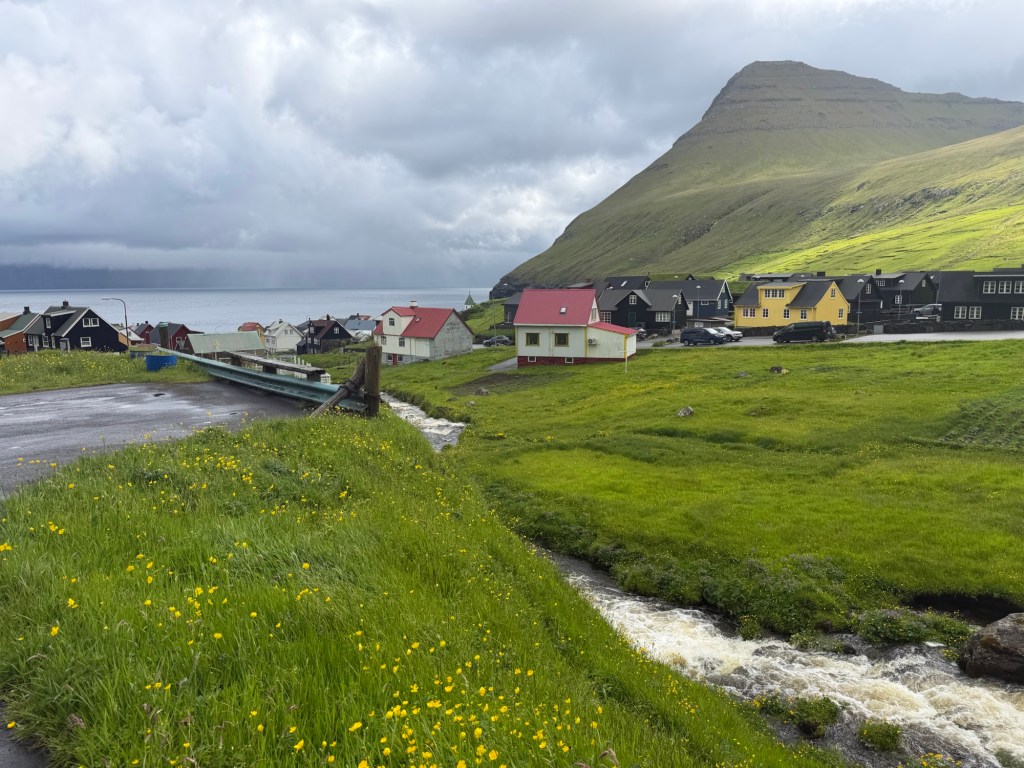
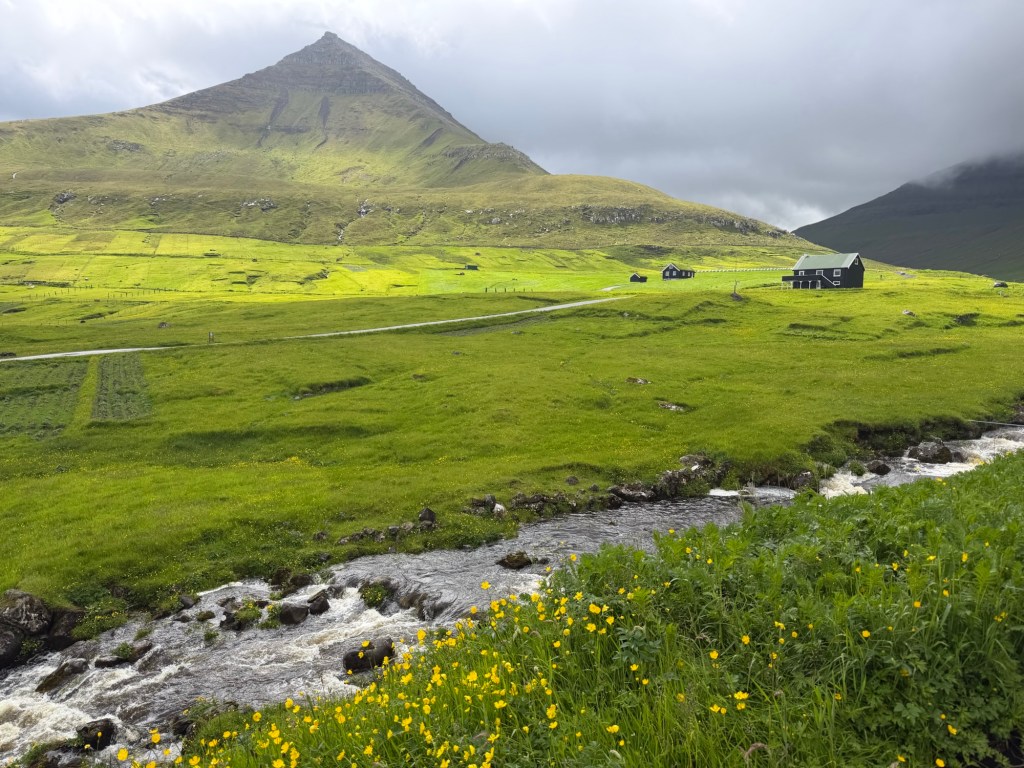
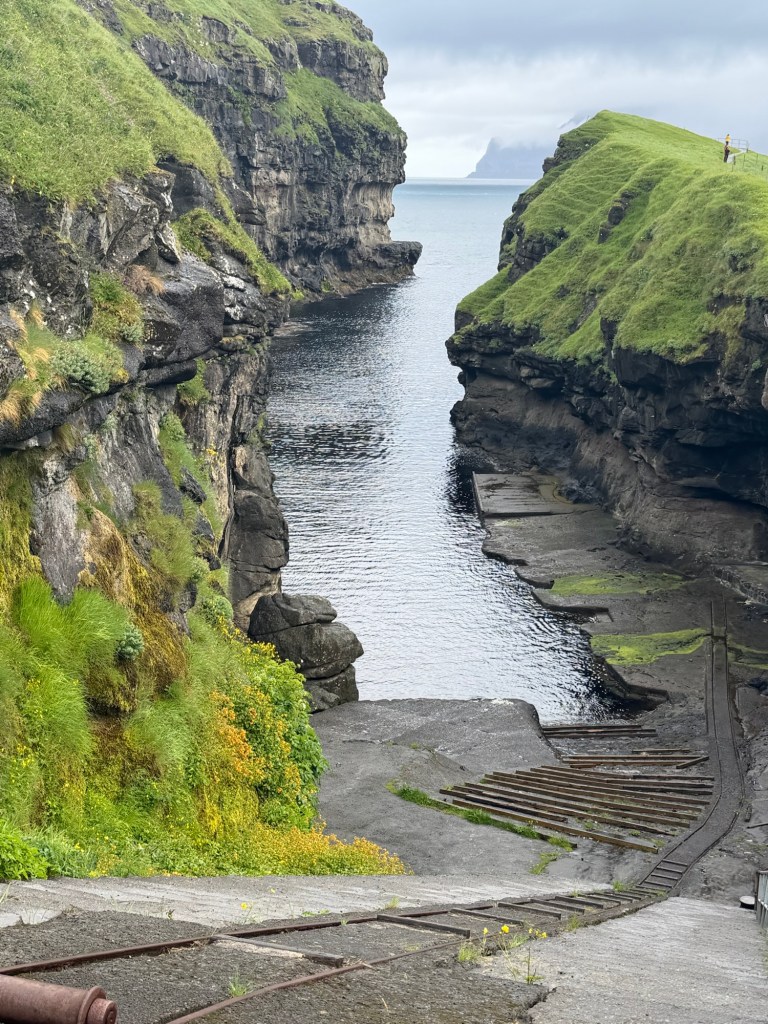
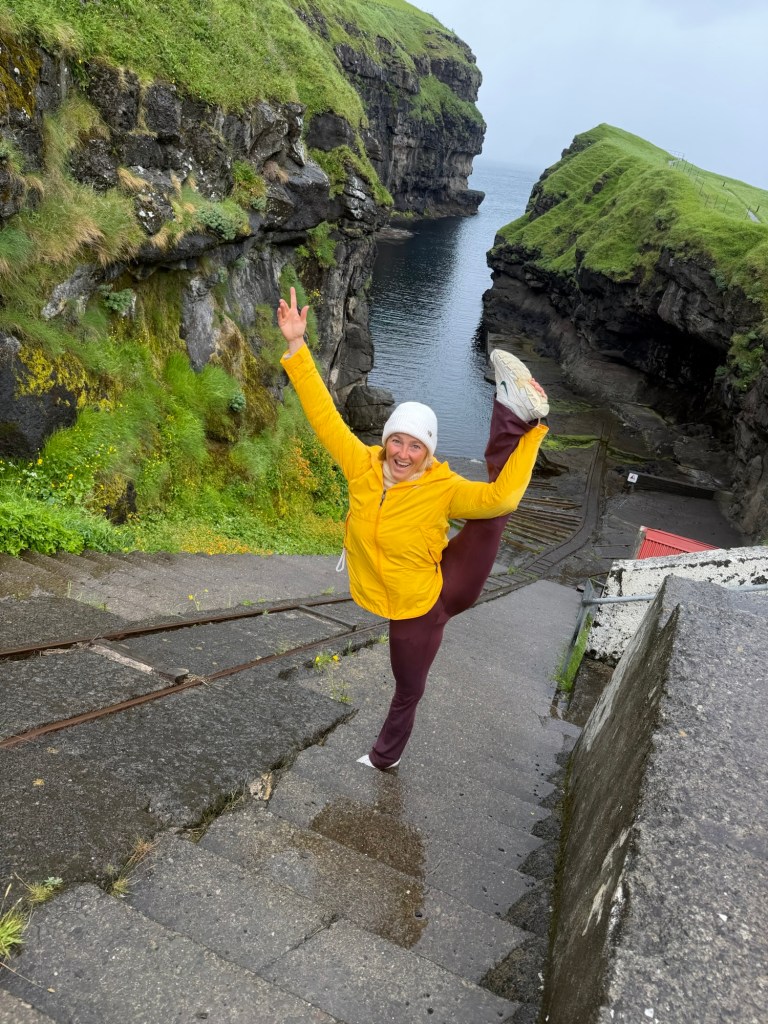
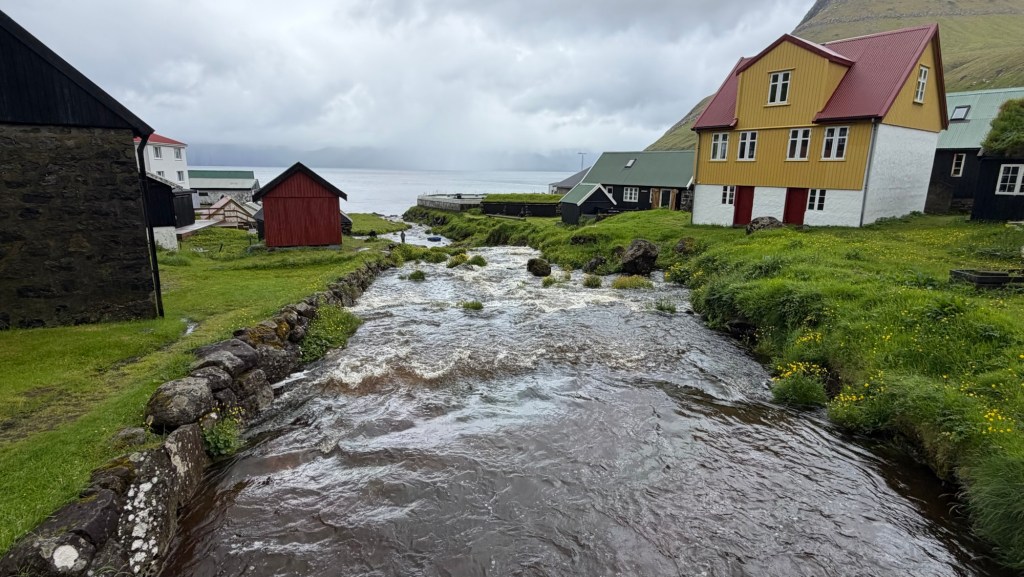
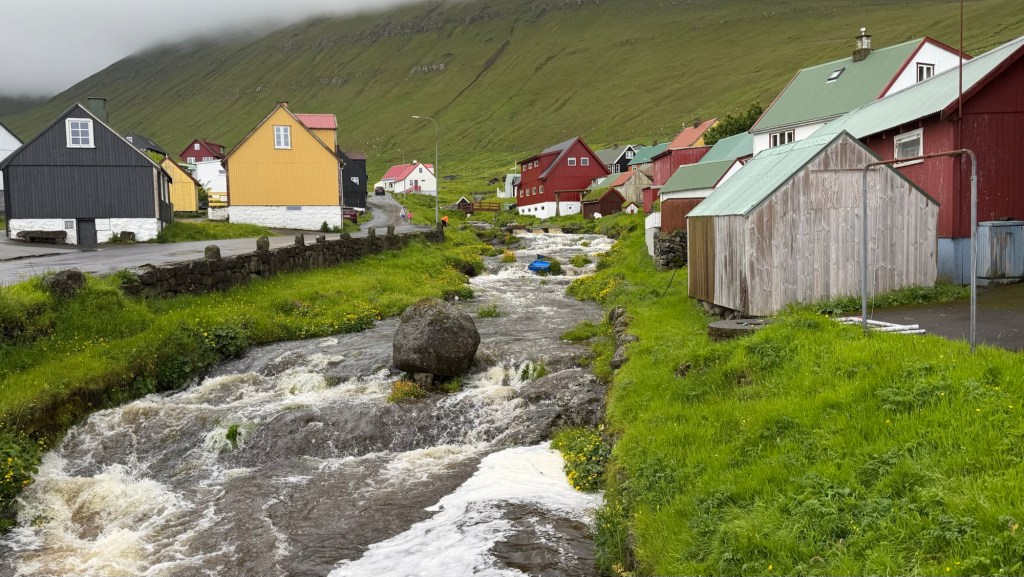
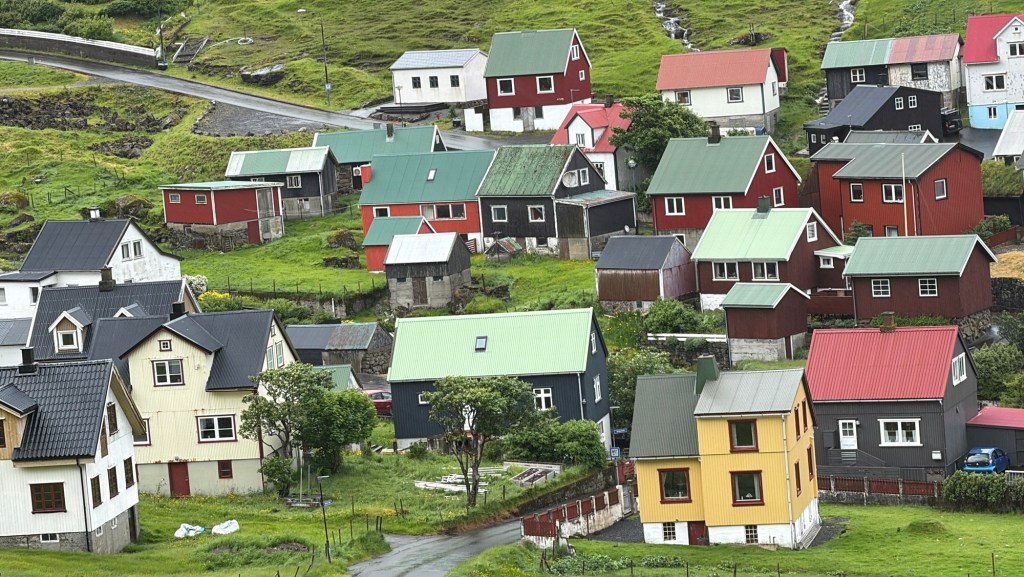
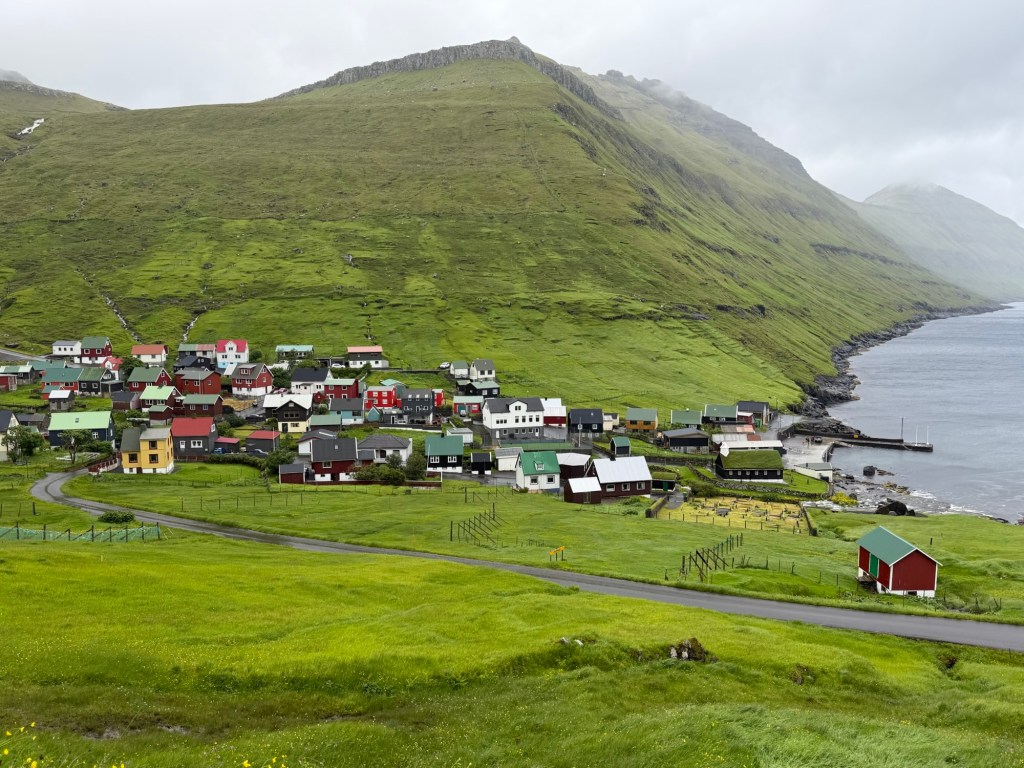
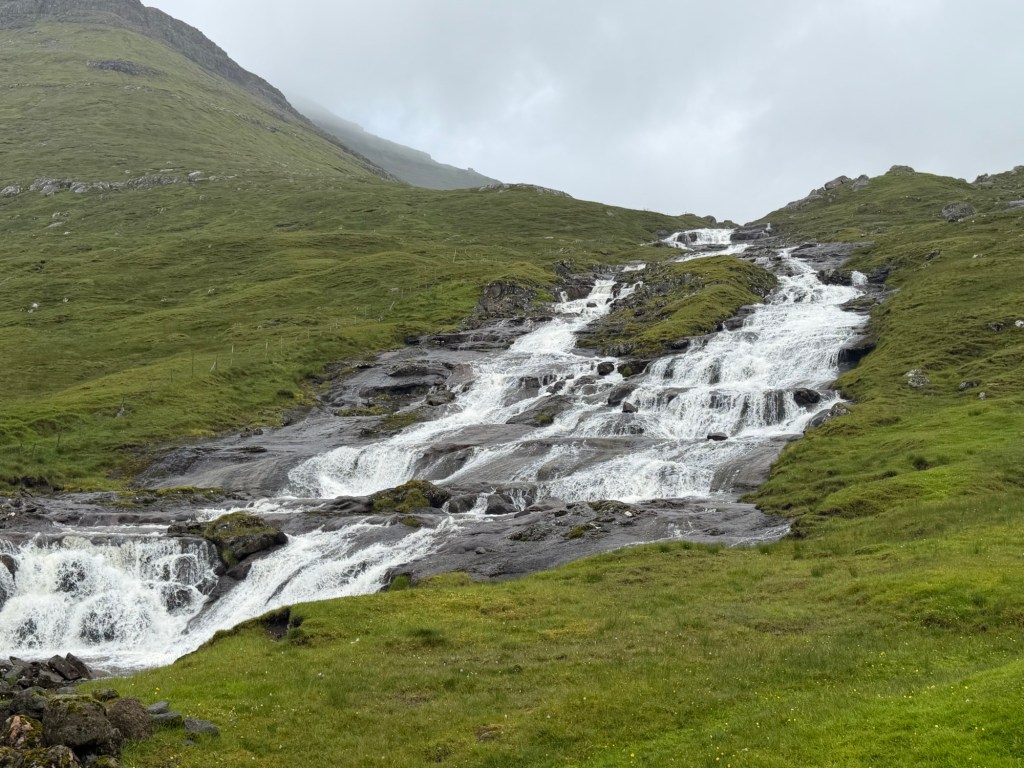
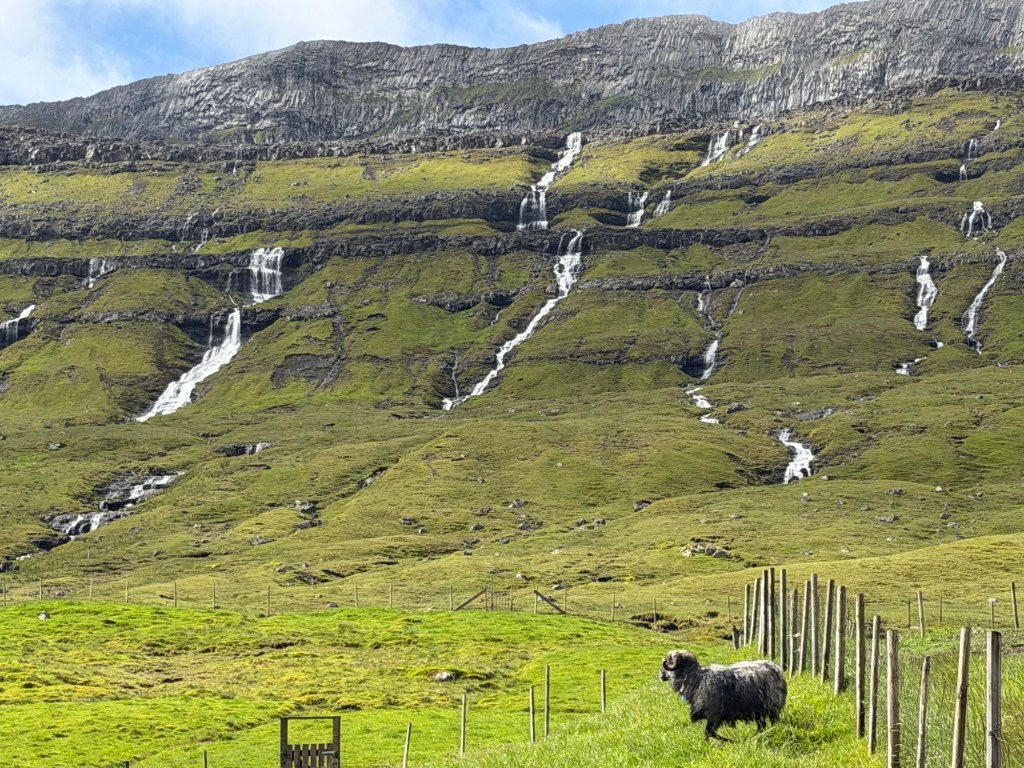
We walked a green trail in Saksun to a short cliff and found a rock to sit on and enjoy the view. Took a break from photos.
At 3pm we rendezvous with a local singer, Dogg Nonsgjogv, in her home for a mini concert. She greeted us at the door with her 5-month old girl in her arms. Soon Birita had the baby in her arms and Dogg was holding her guitar and talking about her music. She played and sang six songs for us, all in Faroese except one she did in English. She sang in a very soft, pretty, voice. She talked a bit about her work and how she had been singing since age 2 and performing since age 4. She performs in Faroese venues and has two albums published.
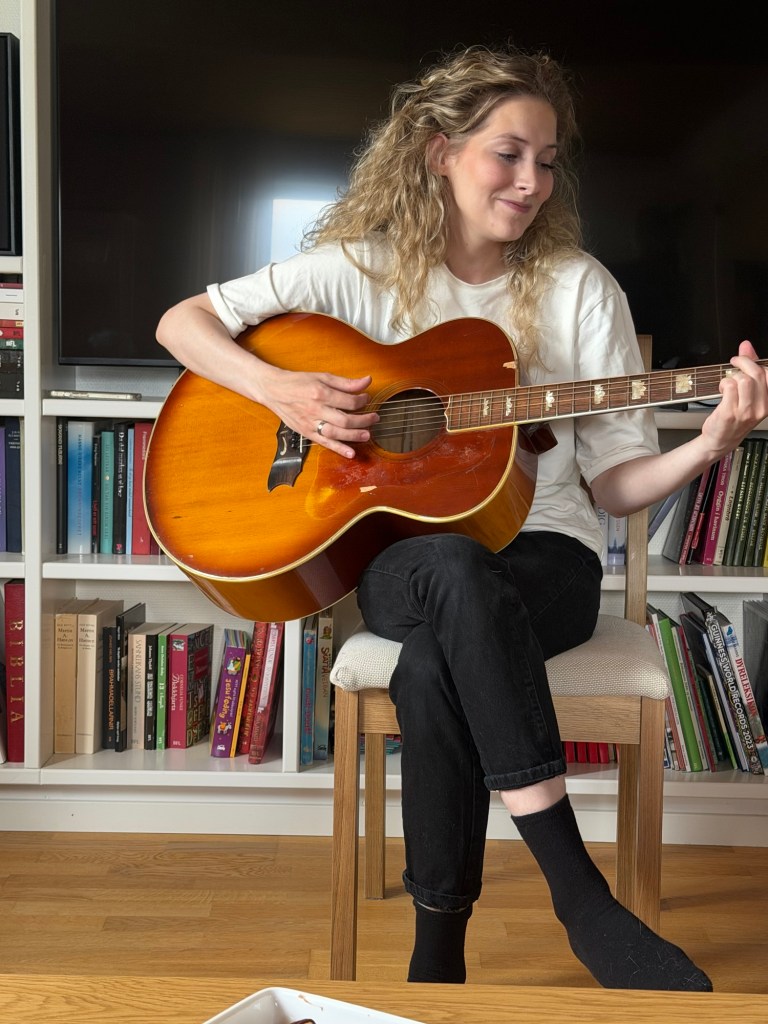
She wants to have more children more than anything else. After an hour with her, we said good bye and wished her young family well.
Back in the car we drove to Mittun Farm, the home of Klamint and Berghild Mittun, a farming family in a place called Selatrad, where we learned about their sheep production and joined them for dinner.
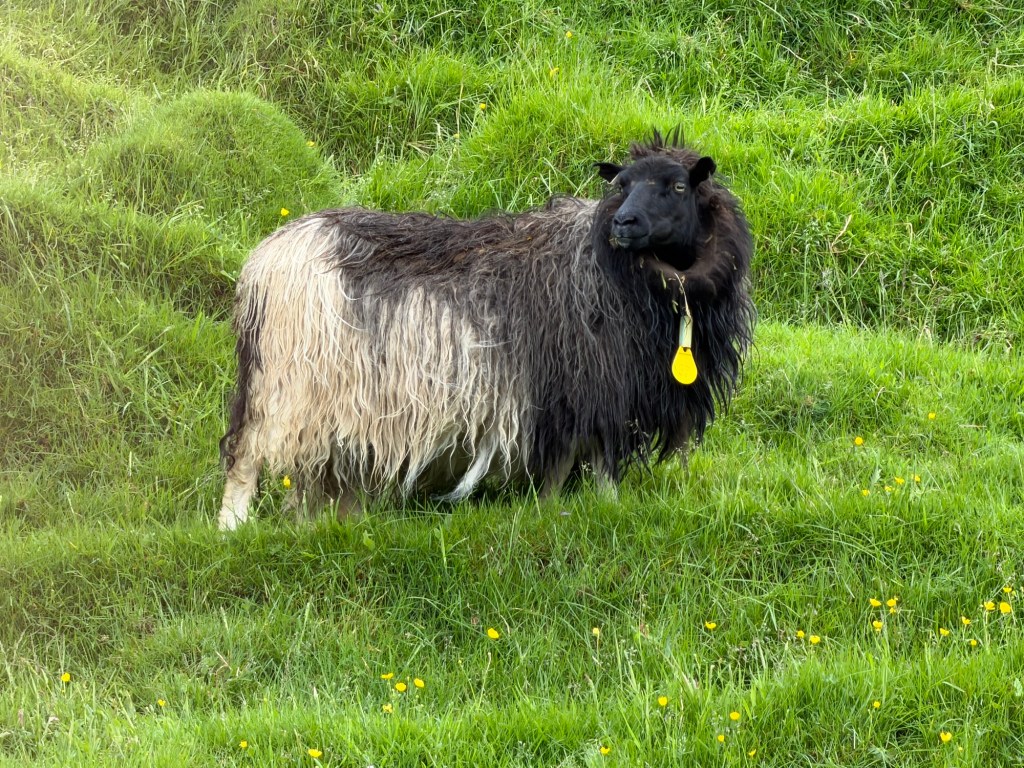
The family has been working this farm for 5 generations (about 200 years). There are 300 meters around their home used for the 140 sheep they maintain when they are not grazing on the hillsides. The family has a kings farm, which means the family does not own the land and cannot sell it. The animals stay outdoors all year and seem not to like being indoors, so he brings them in only sparingly in terrible weather. He slaughters about 20 animals a year and brings up new lambs to replace the attrition. There are several steps to slaughtering to maximize the useable meat from the animal. Nothing is sold off the islands. It goes to his family and the people who help him during the slaughtering process. The same goes for sheering the sheep. The wool stays on the islands and gets made into clothing for islanders.
After much discussion about the sheep business, we joined the rest of the family, including his wife Berghild, daughter and 10 year old son. Another son is away. We had a delightful visit with them and I forgot to take photos. Dinner included very tender leg of lamb, carrots, cauliflower, broccoli and potatoes.

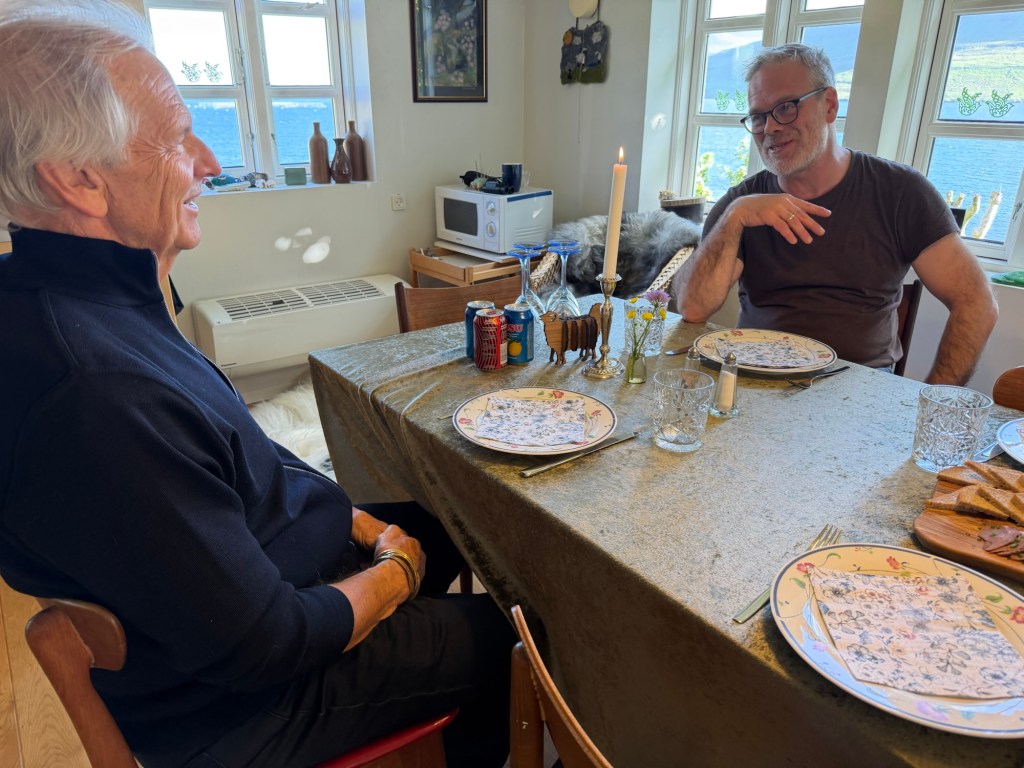
This was our first broccoli since leaving home. After dinner, we were served excellent rhubarb crumble. Klamint and Berghild are in their early 50s and intend to work the farm for a long time and hope one of their children will want to take over managing the farm when they retire. After 3 hours with the family, we said good bye and left with a new driver.
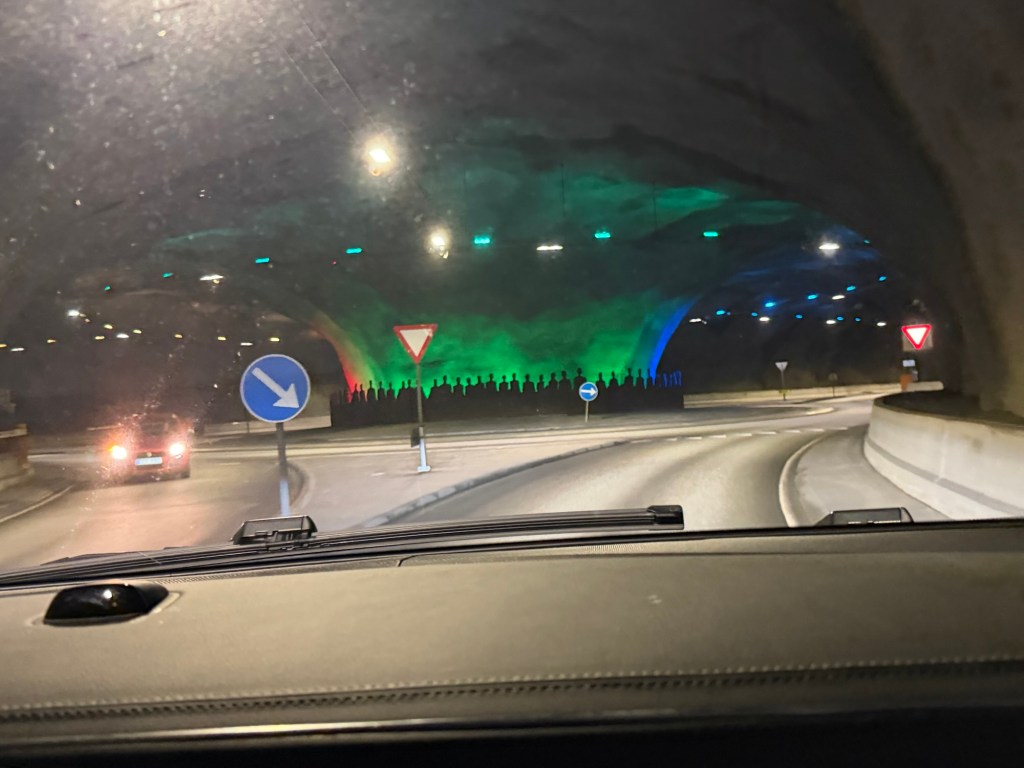
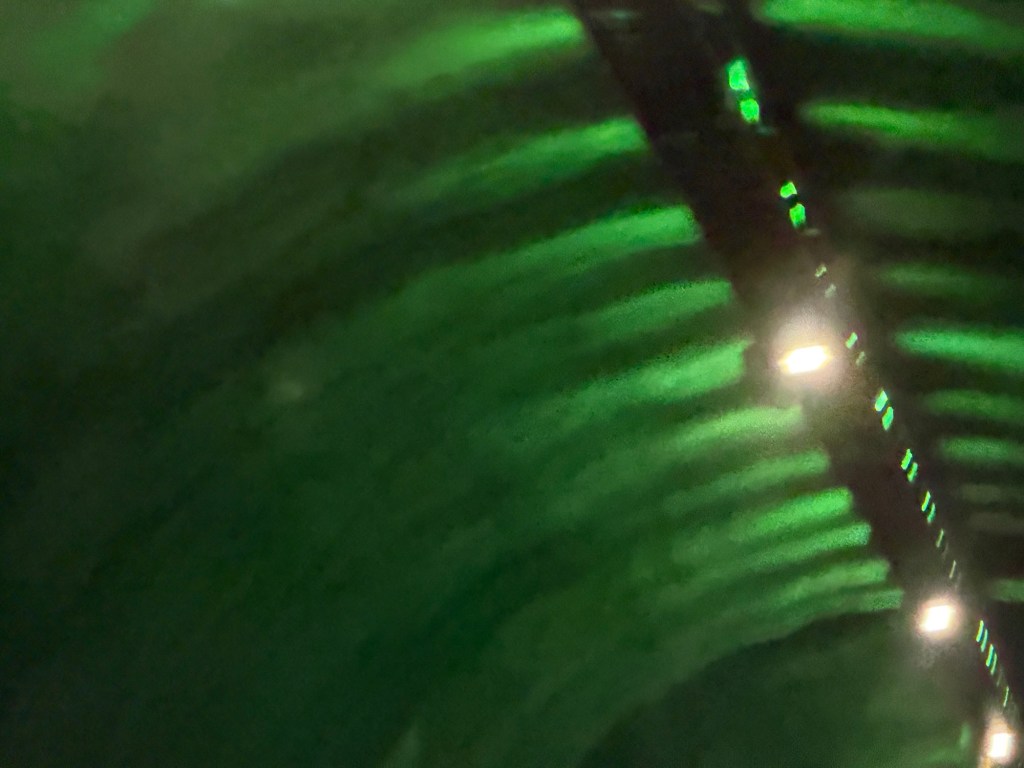
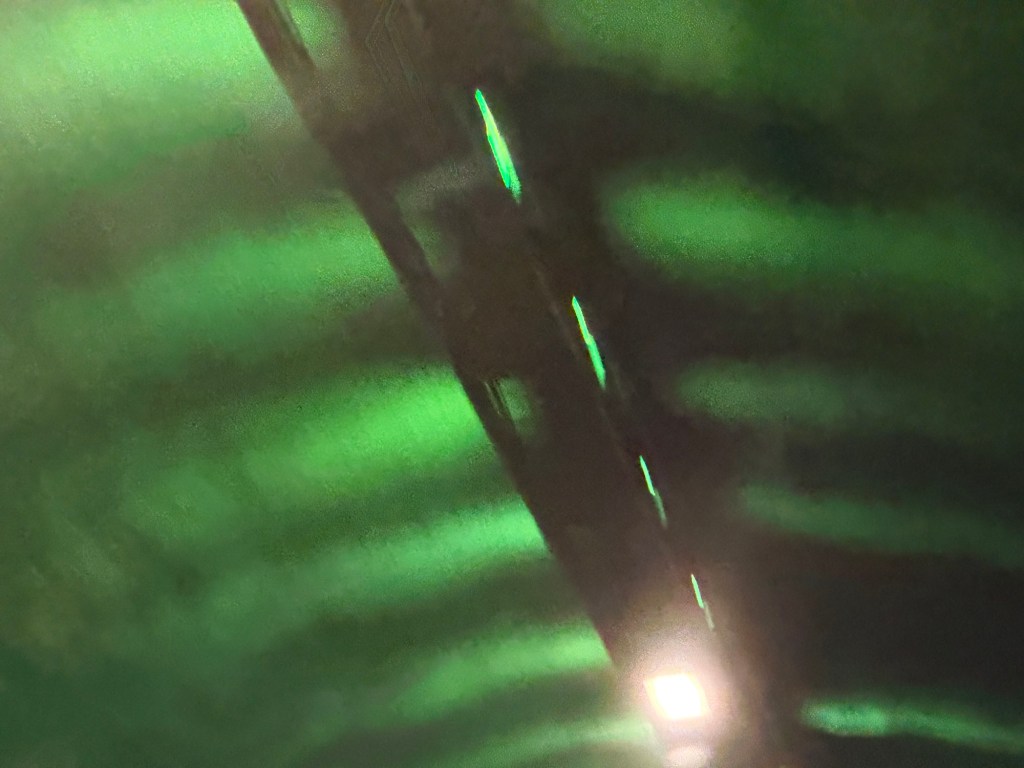
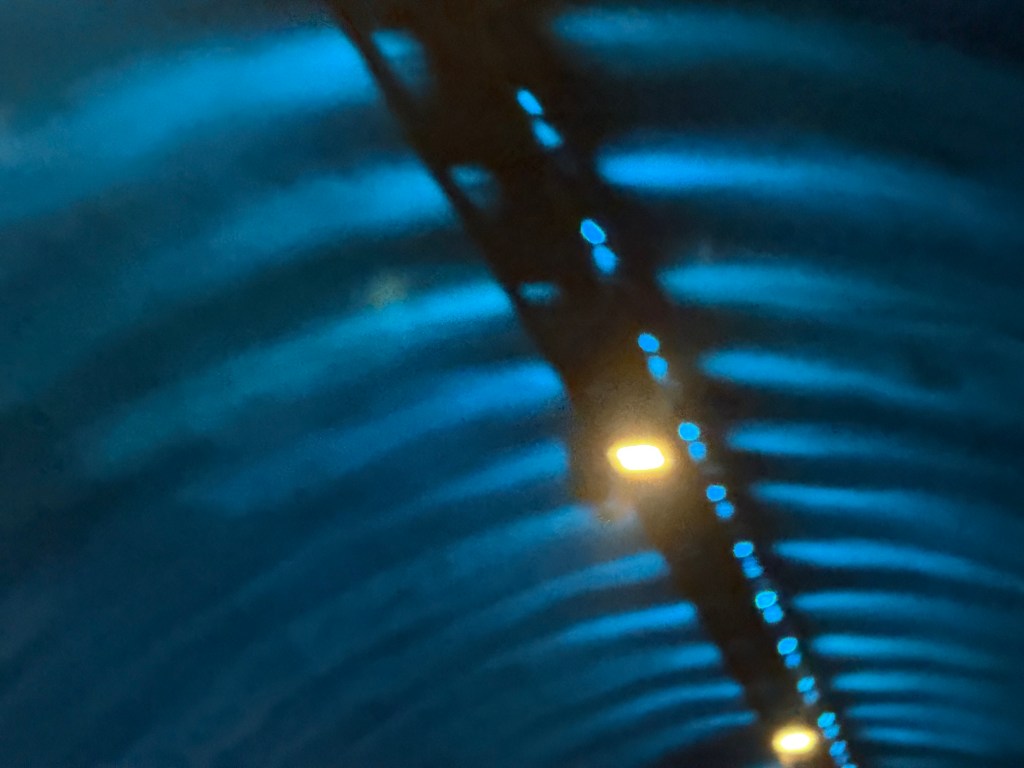


This round about sure makes the tunnel more appealing to drive the 11 kilometers in the dark.
Sunday, July 5, 2026
This is our last day on the Faroese Islands and the beginning of our trip home. Birita met us at noon when we checked out of the hotel and started driving to Vagar Island, which we had landed on, but not visited.
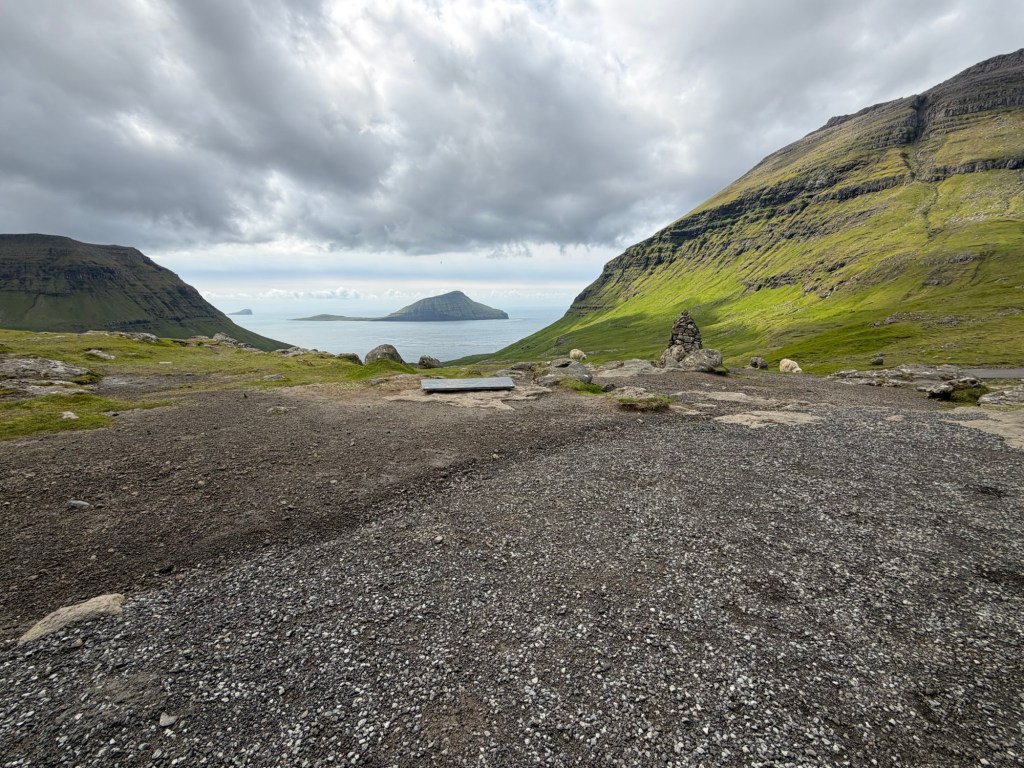
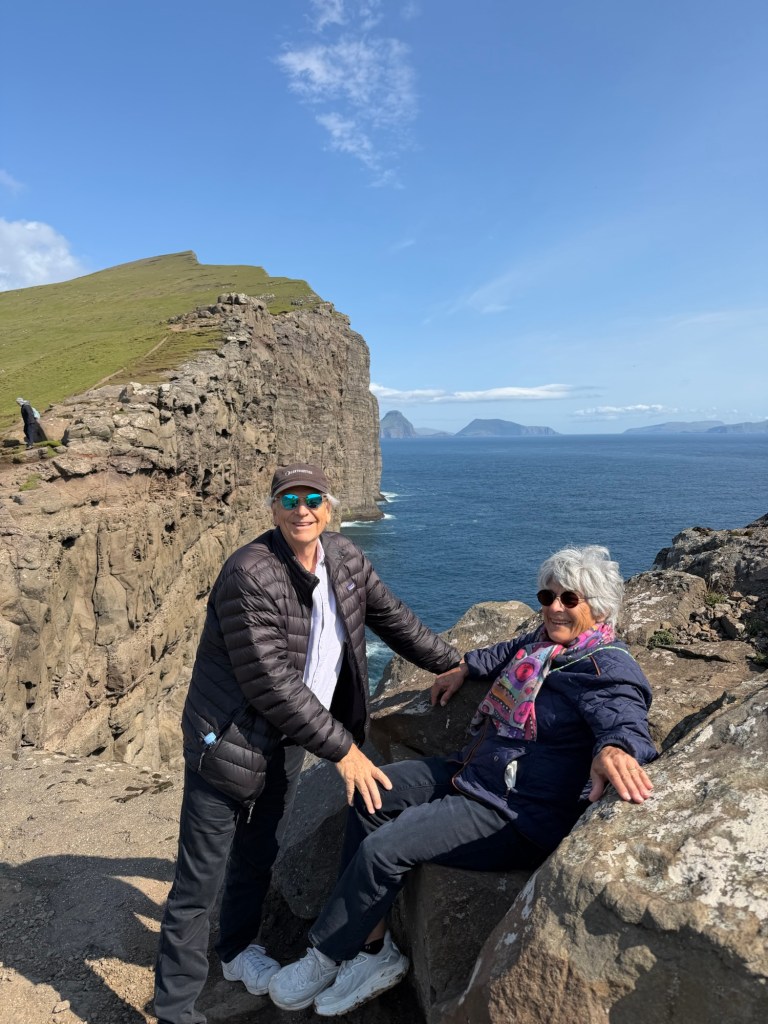
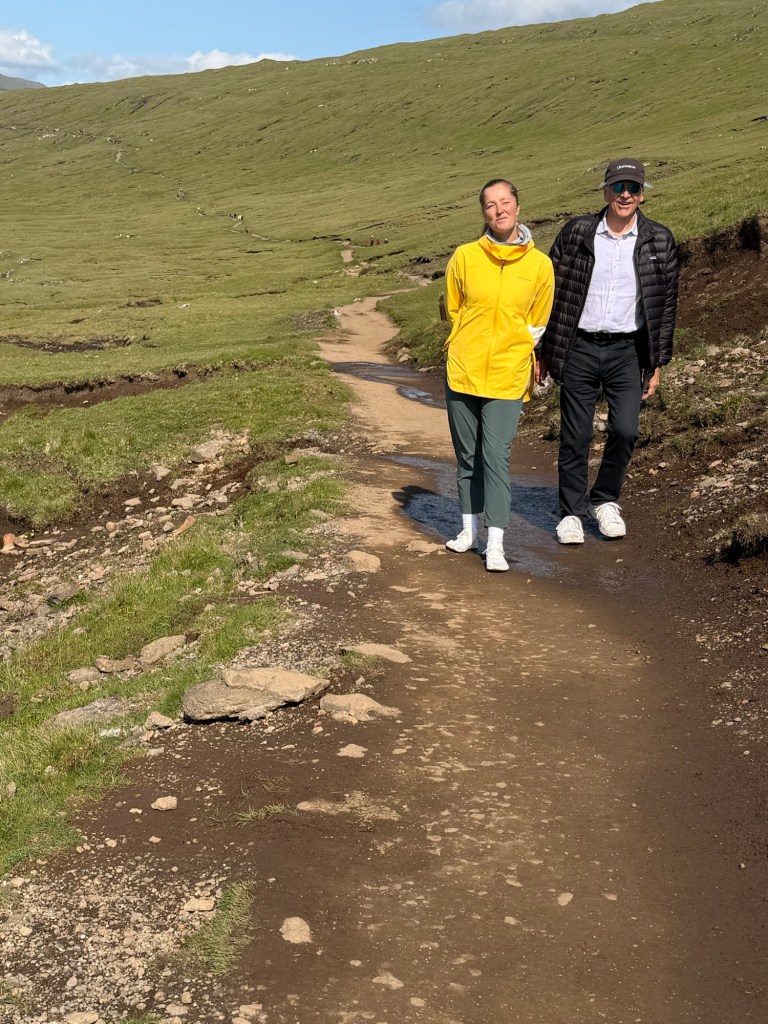
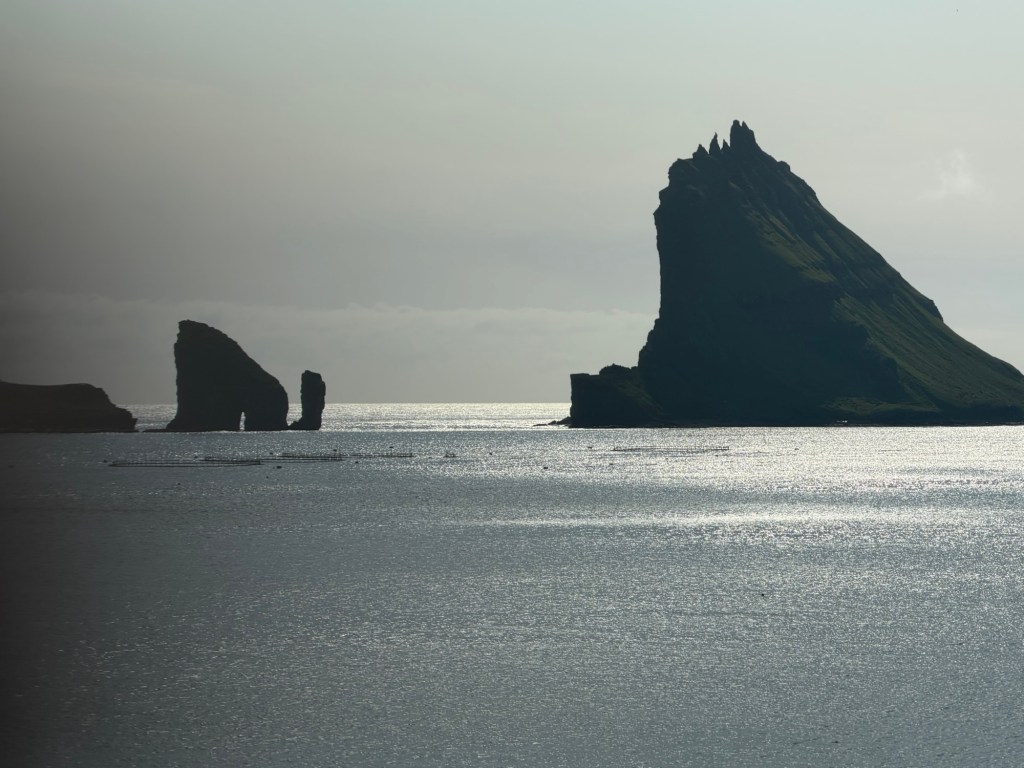
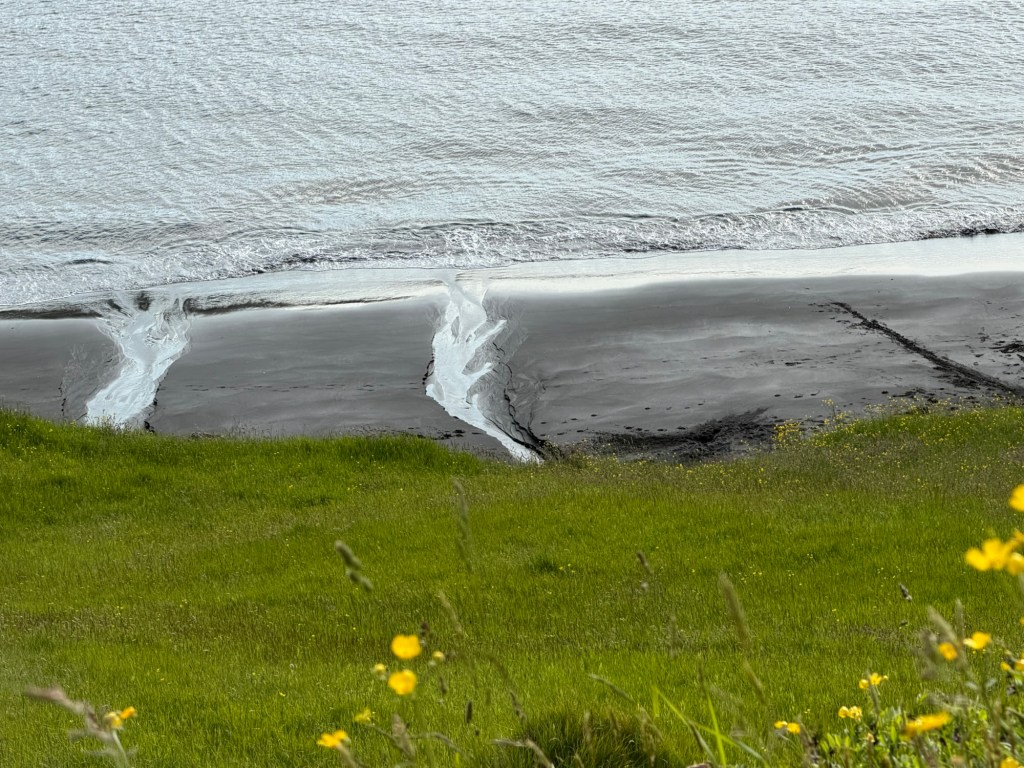
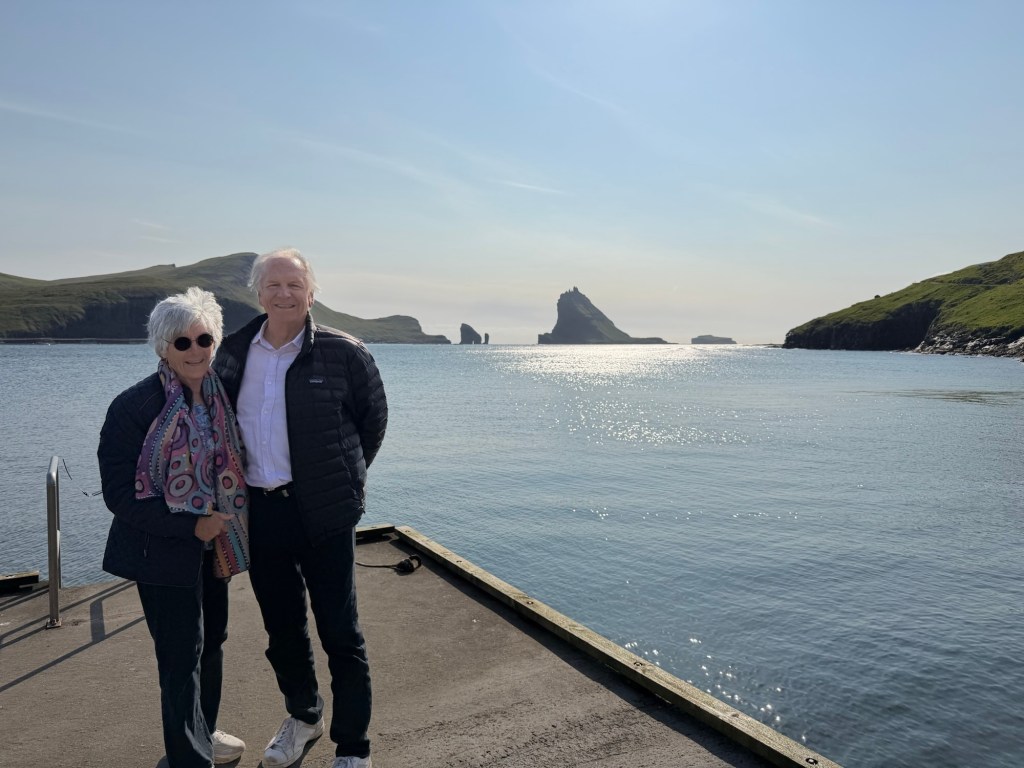
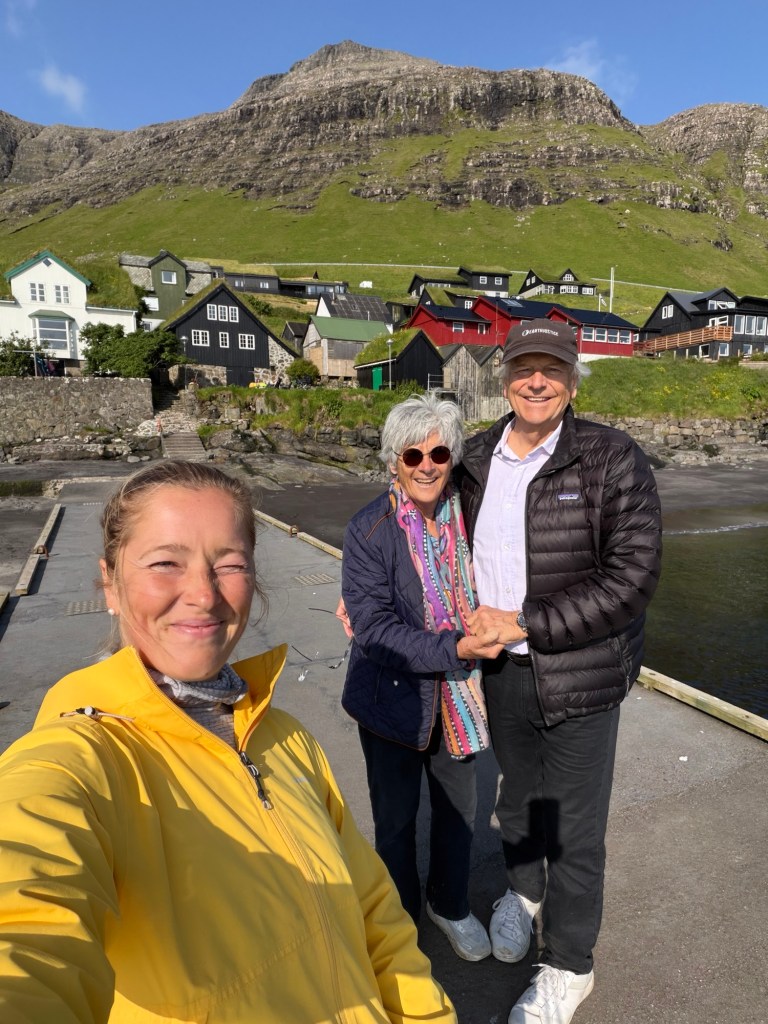
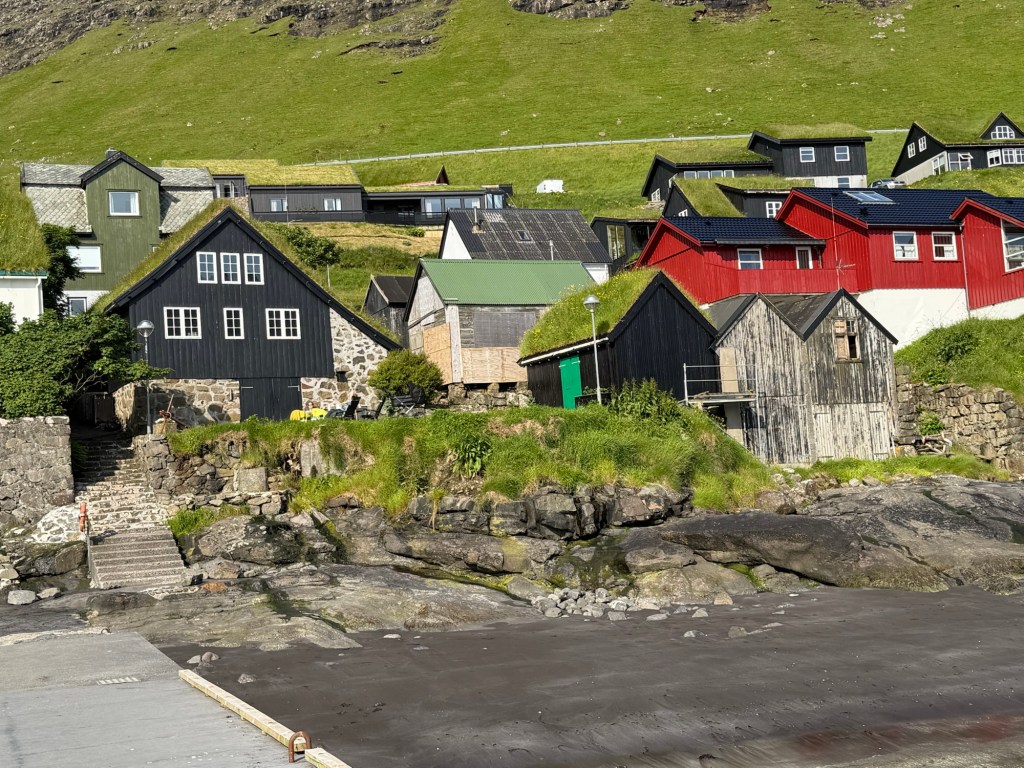
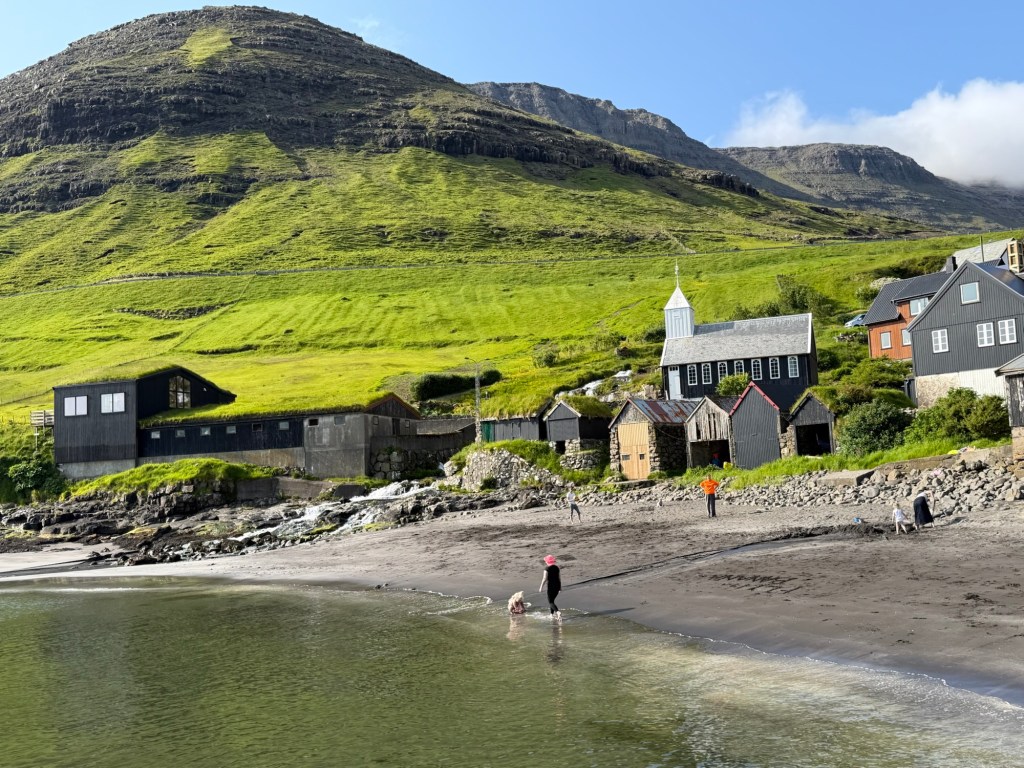
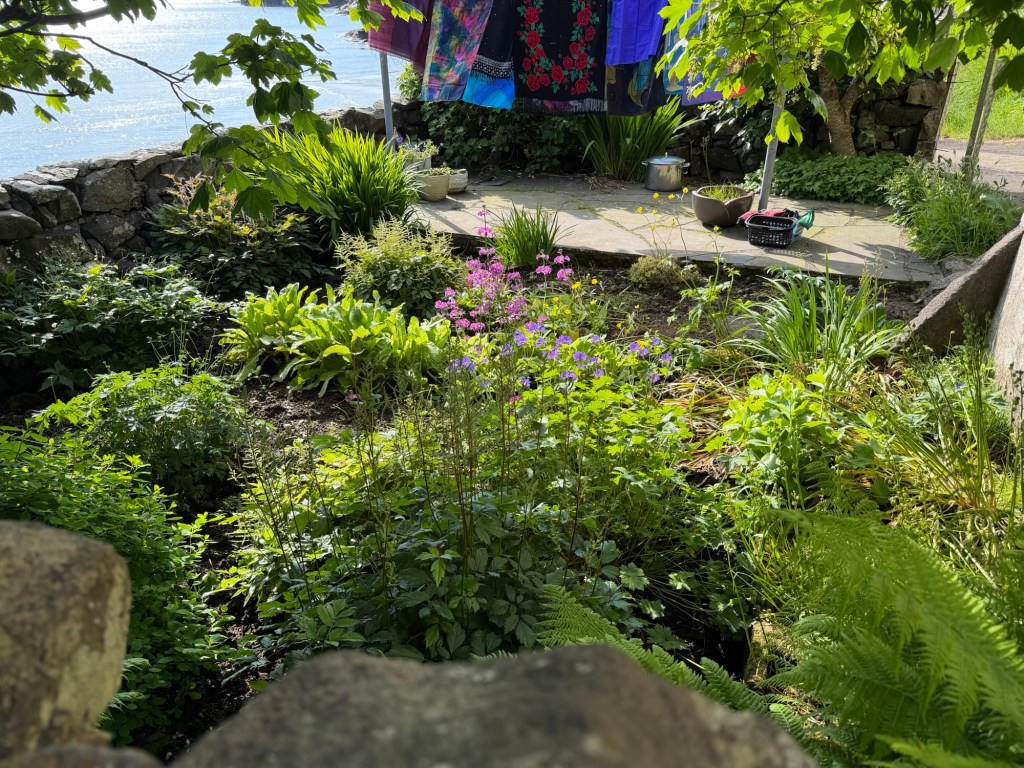
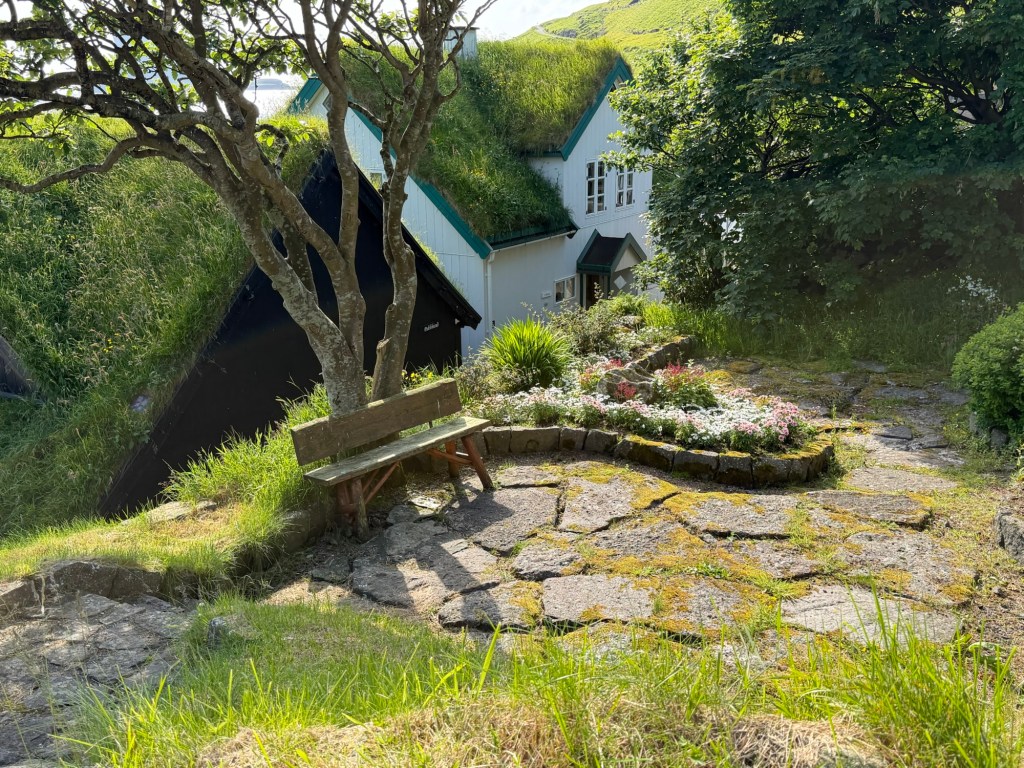
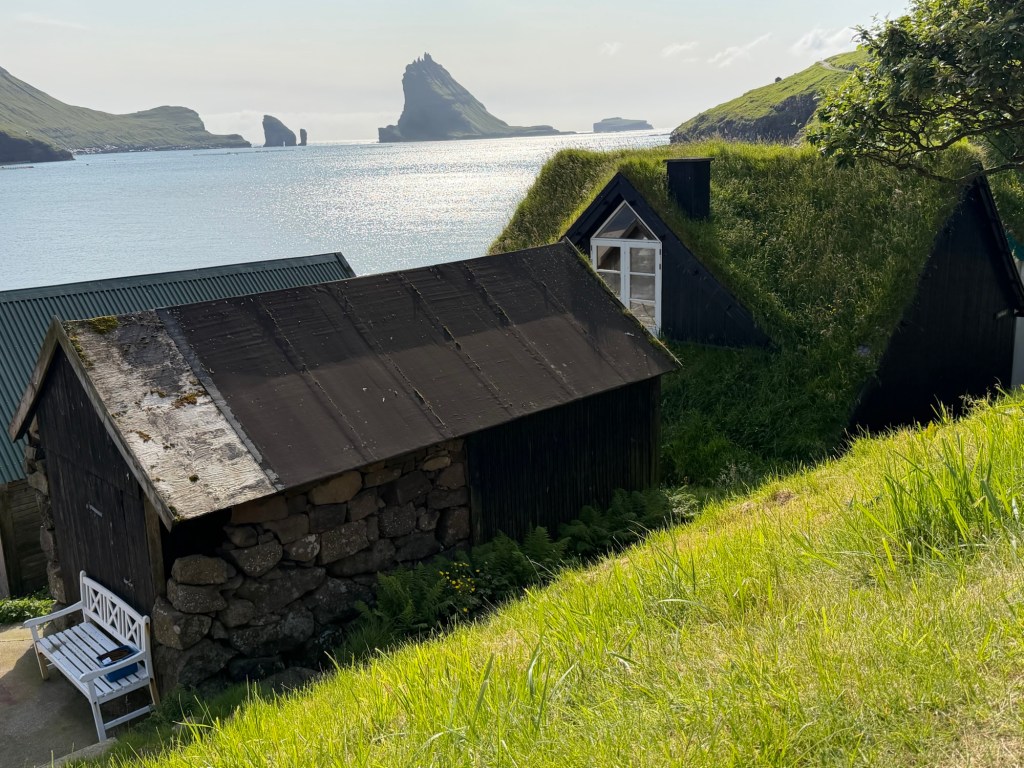
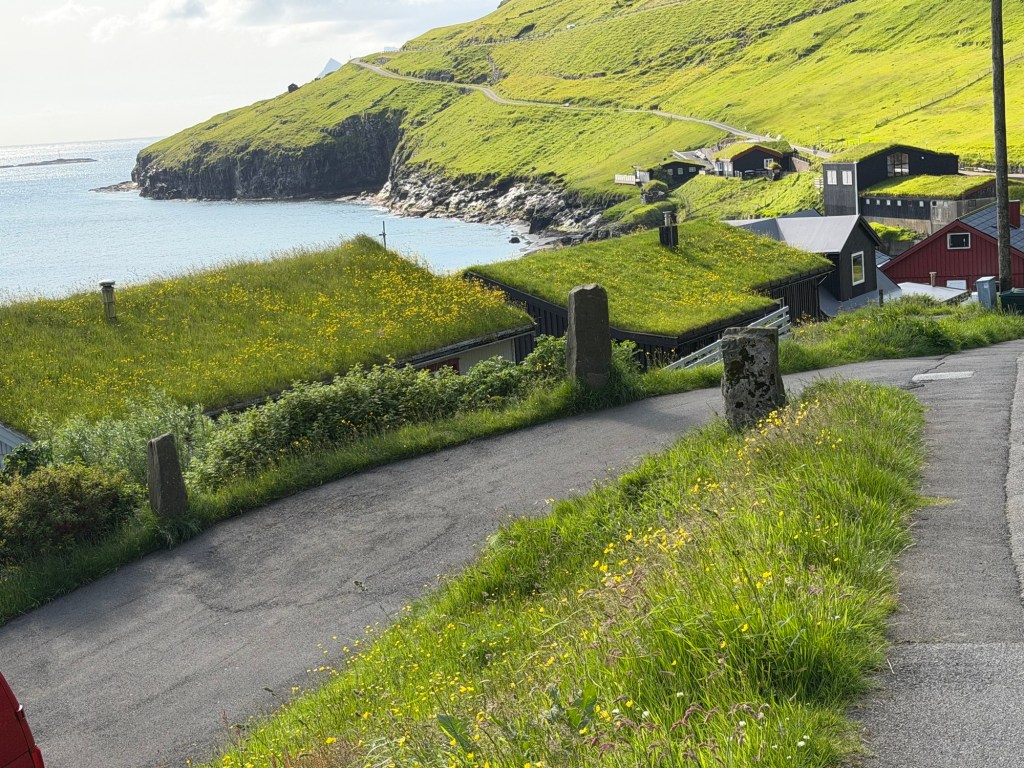
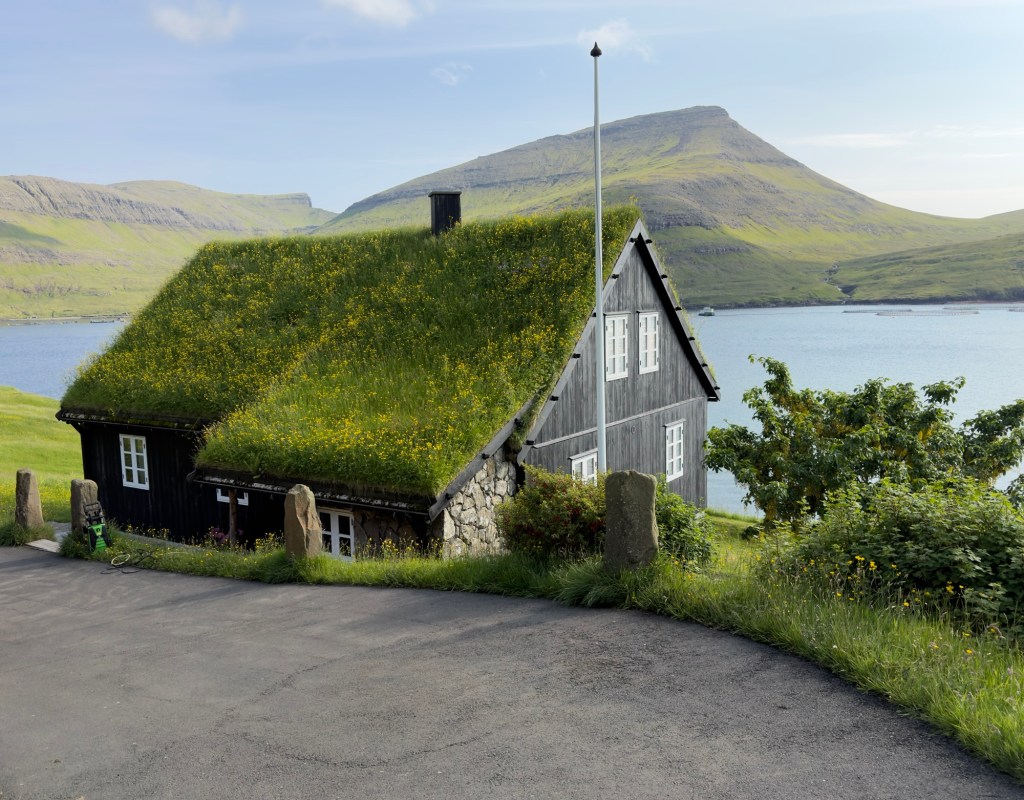
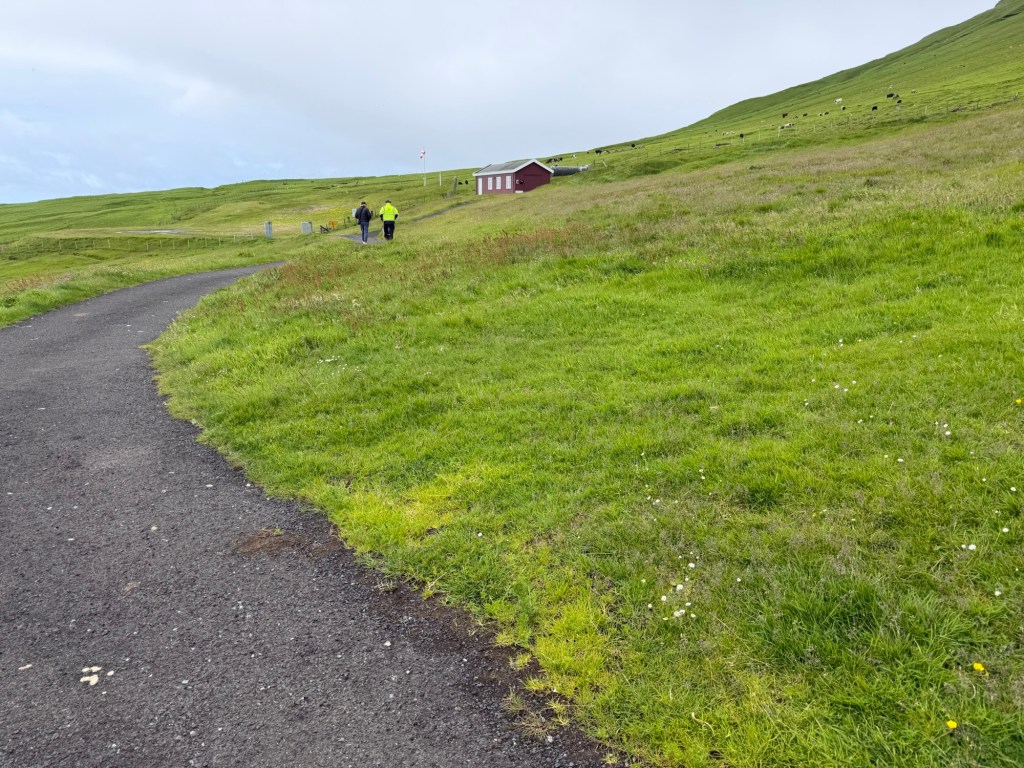
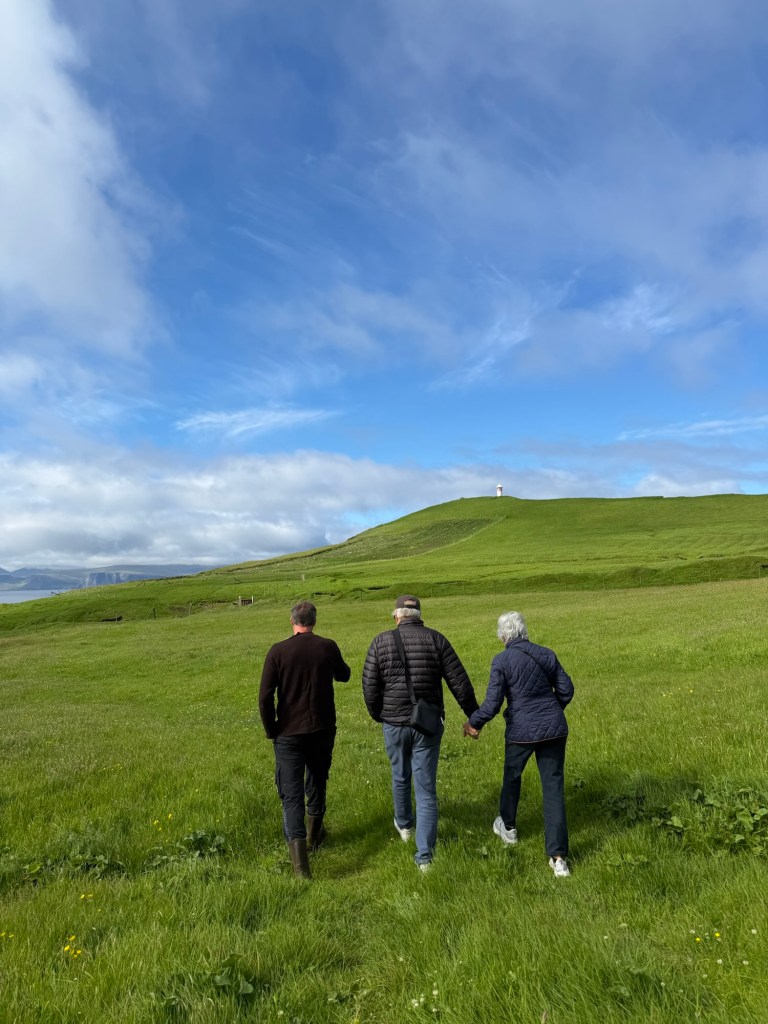
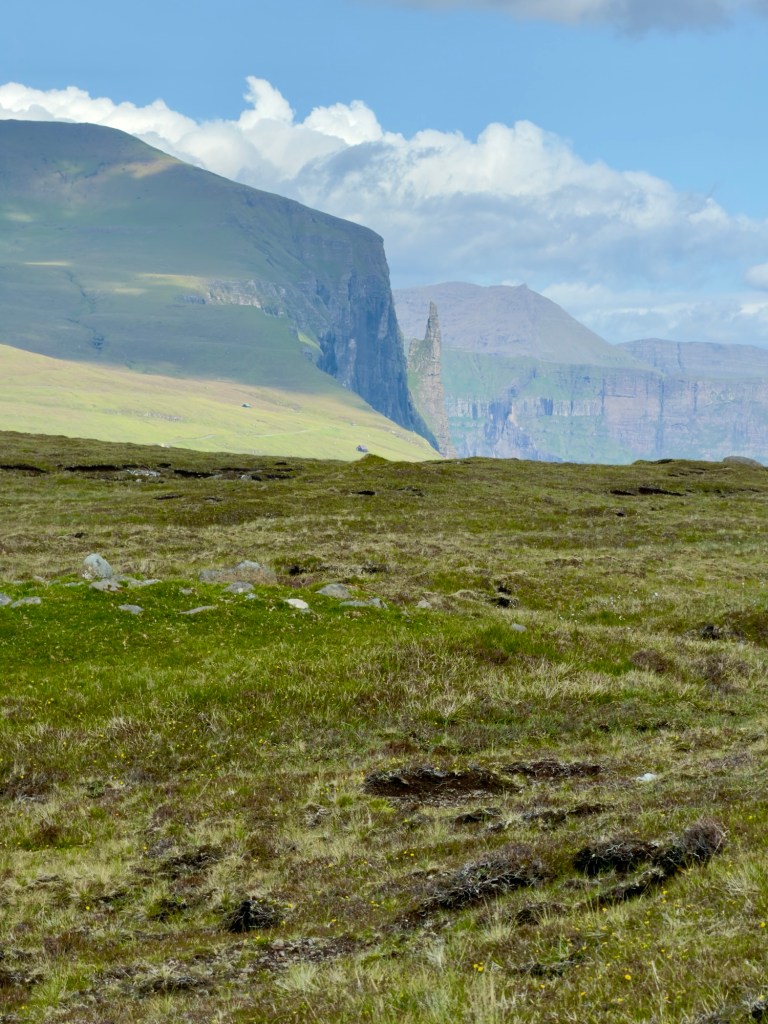
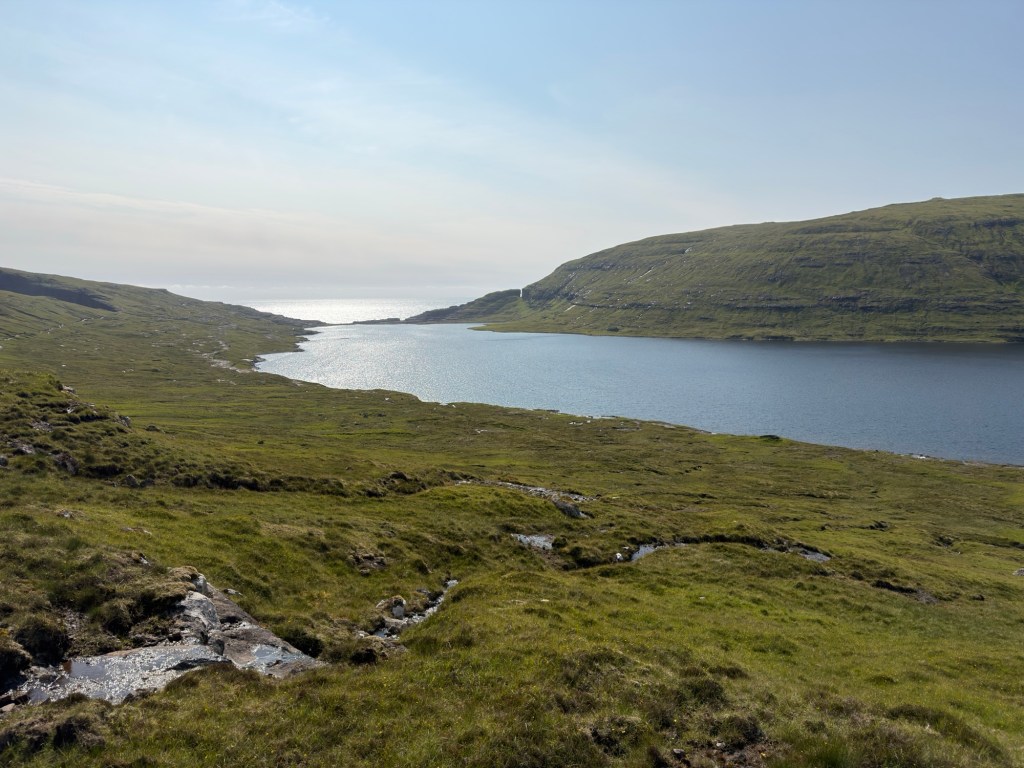
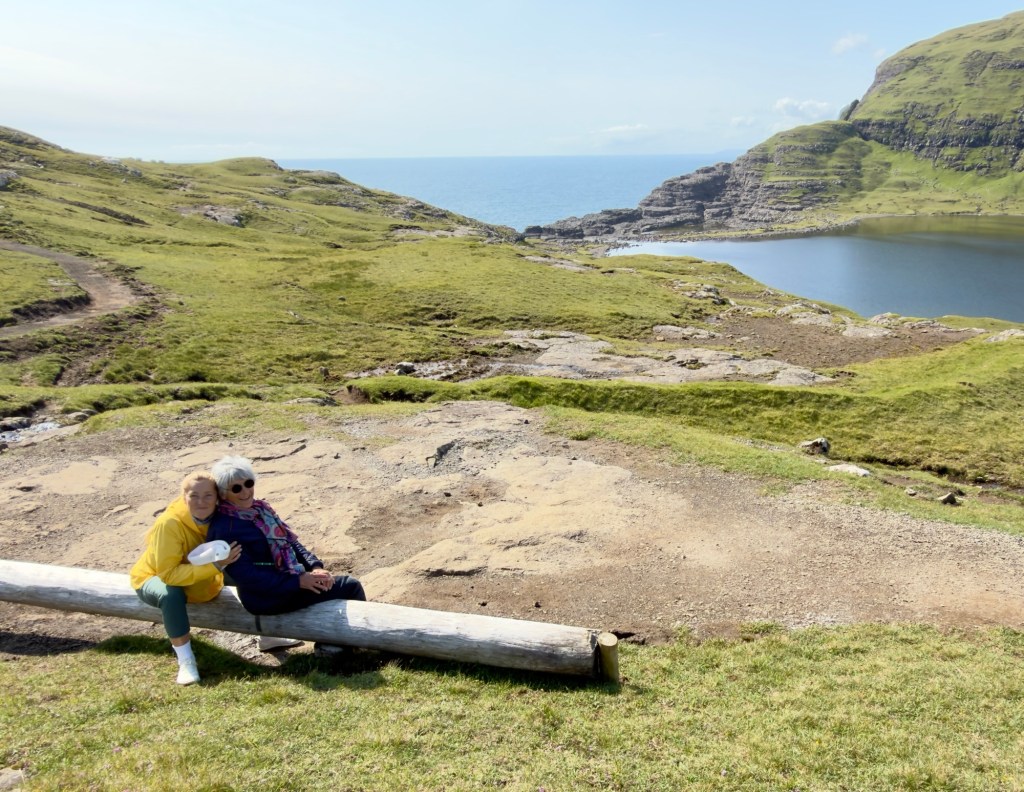
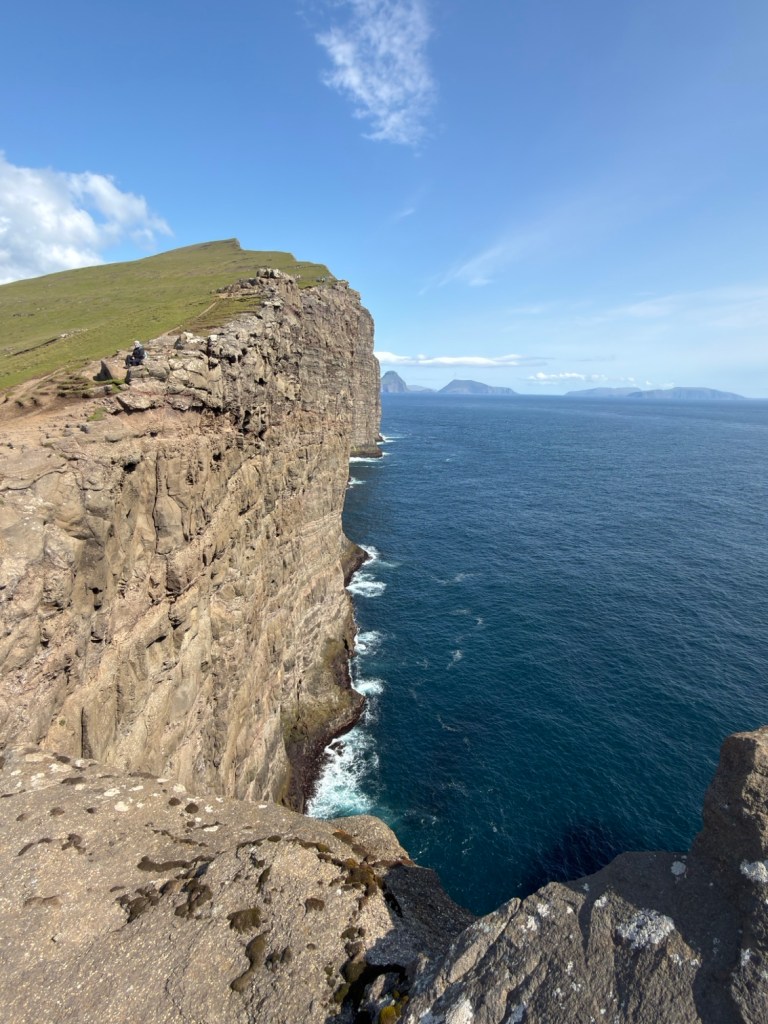
She drove us to Sandavagur on the south end of the island and parked. From there we walked about an hour across the undulating, grass covered, terrain to a view point. The scenery was lovely.

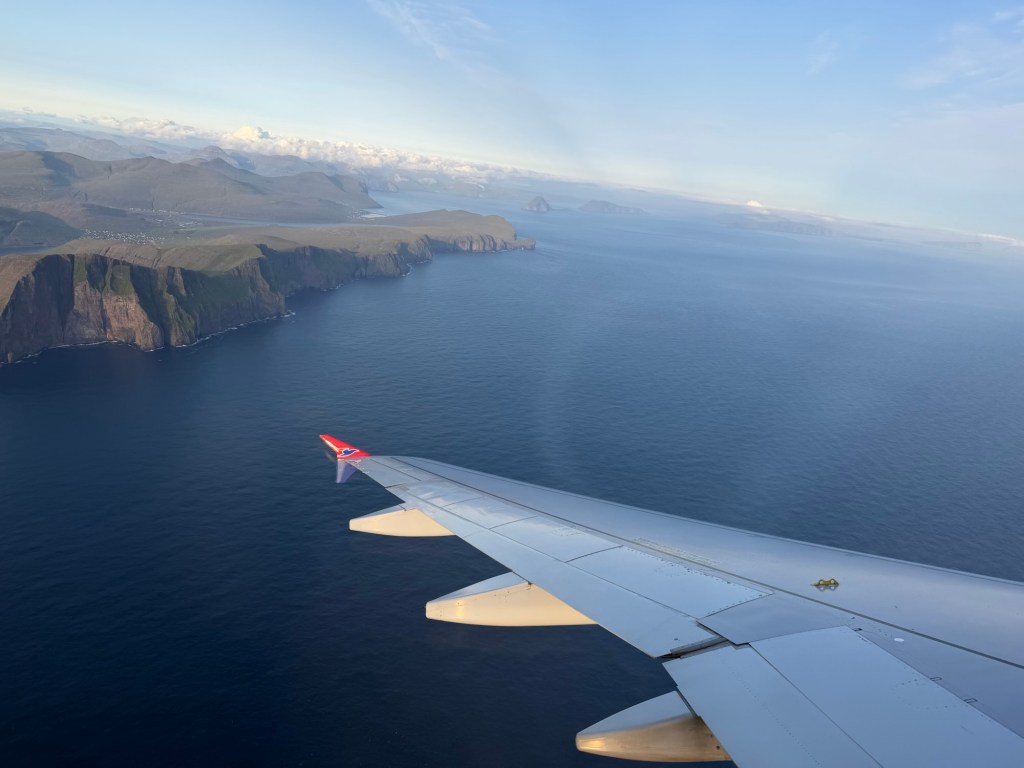
Then we flew away from the Faroese Islands for an overnight stop in Copenhagen. And then it was over and we headed home after 7 fun, action filled and interesting weeks.
This is how we traveled the whole trip.
Monday, July 6, 2026

Looking forward to seeing everyone soon.
With love,
Julia and Mark