
Saturday, October 31, 2026
Spared the bombing of WWII, not permitted high rises over 100 meters, the presence of over 1000 temples and 400 shrines are some of the reasons why Kyoto attracts crowds of visitors and locals alike.
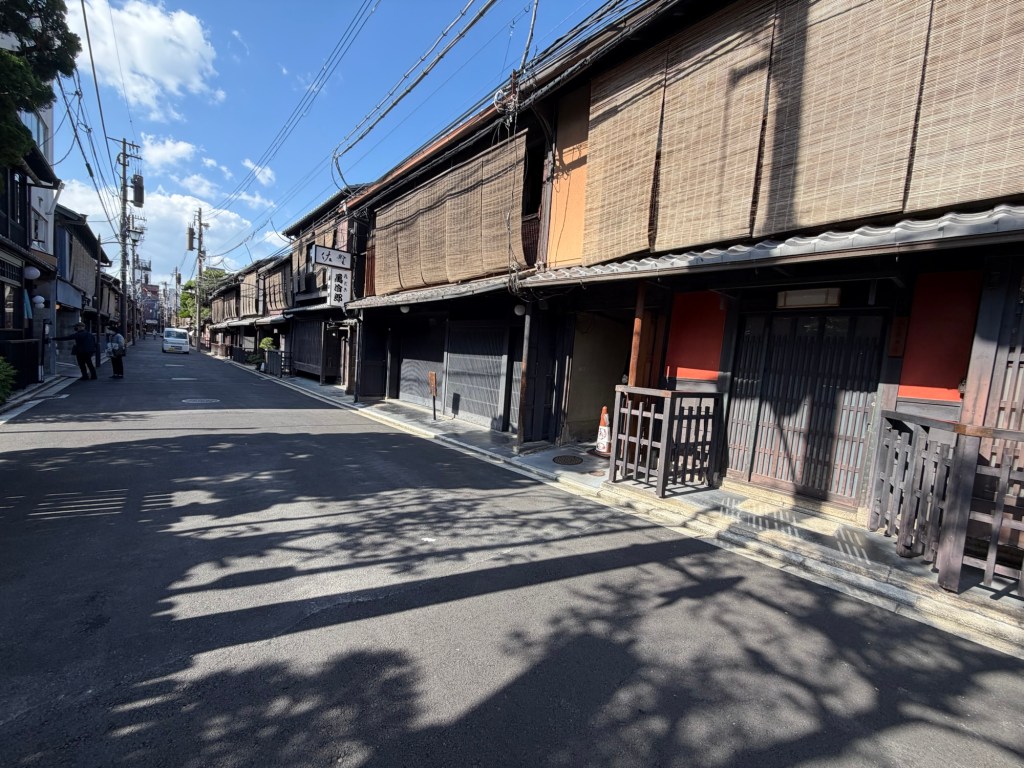
Picked up at the train station by our guide, Akiko, we immediately began to learn about the history and the sights of Kyoto. While the driver drove us toward the Gion District in the eastern part of the city, she told us about the geisha culture that happens in 5 particular blocks of that area. There are schools to learn to be a geisha, where 15 year old girls come to spend 5 years living in a dorm with a strict house mother, while they learn the art and trade of being a geisha. They are called “maita” (trainee) during this period. When a girl has been fully trained, she becomes a Geiko or geisha. By then she is 21 or more and can live on her own. She acquires customers through an ochaya “tea house”, or booking agency she is associated with. The demand exceeds the availability of geisha, so the cost is very high to hire a geiko for an evening. Sex has no part in being a geisha. They are entertainers, who sing, dance, play games and have conversations with customers. Meanwhile, the customer eats a 10 course Michelin Star meal, drinks lots of sake and chats with the geiko, who is accompanied by a maiko and a musician, who plays a three stringed instrument. With that information we walked around the geisha neighborhood, but did not see any geiko ladies walking around. We were glad to know we had a geisha evening booked.


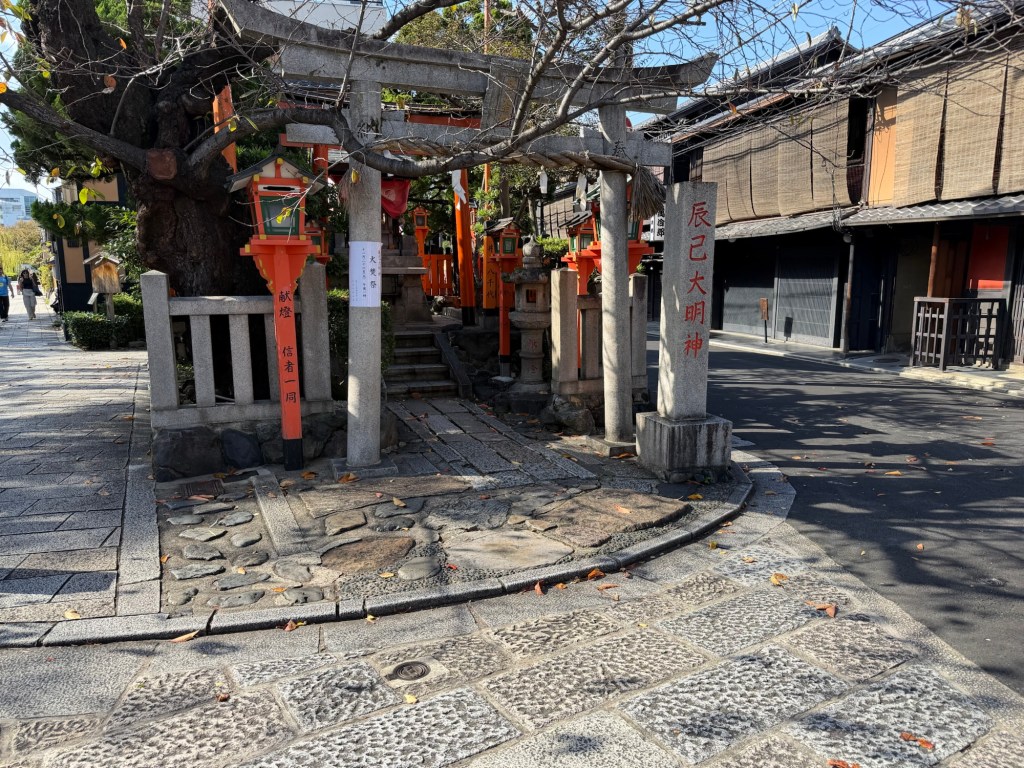


After a short drive through the countryside, we stop at our first Kyoto shrine, Yasaka, which was built in the 8th century and enshrines a “bad” god, who had killed the sun god’s sovereign and was banished to earth, where he became popular and got his own temple.


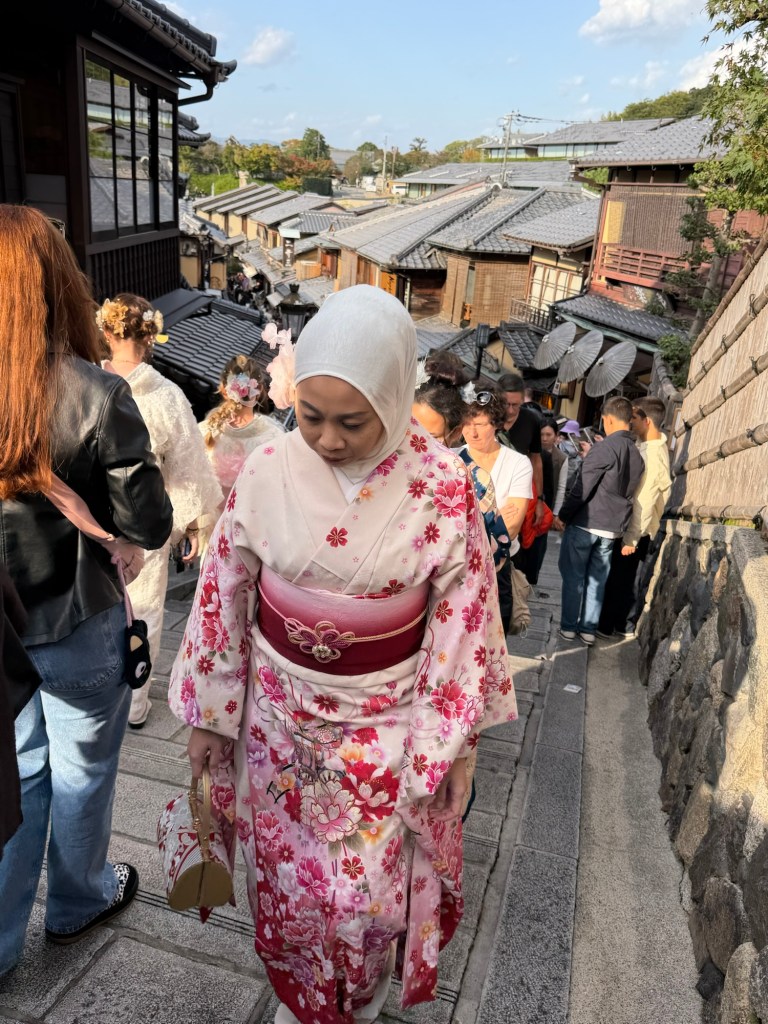
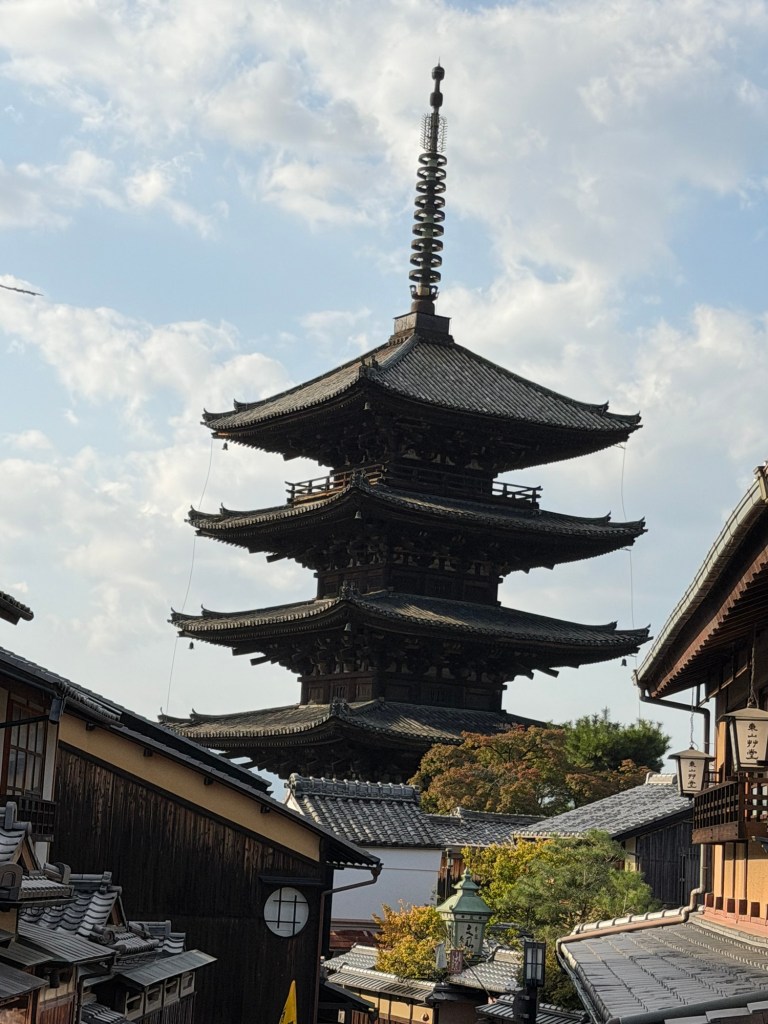
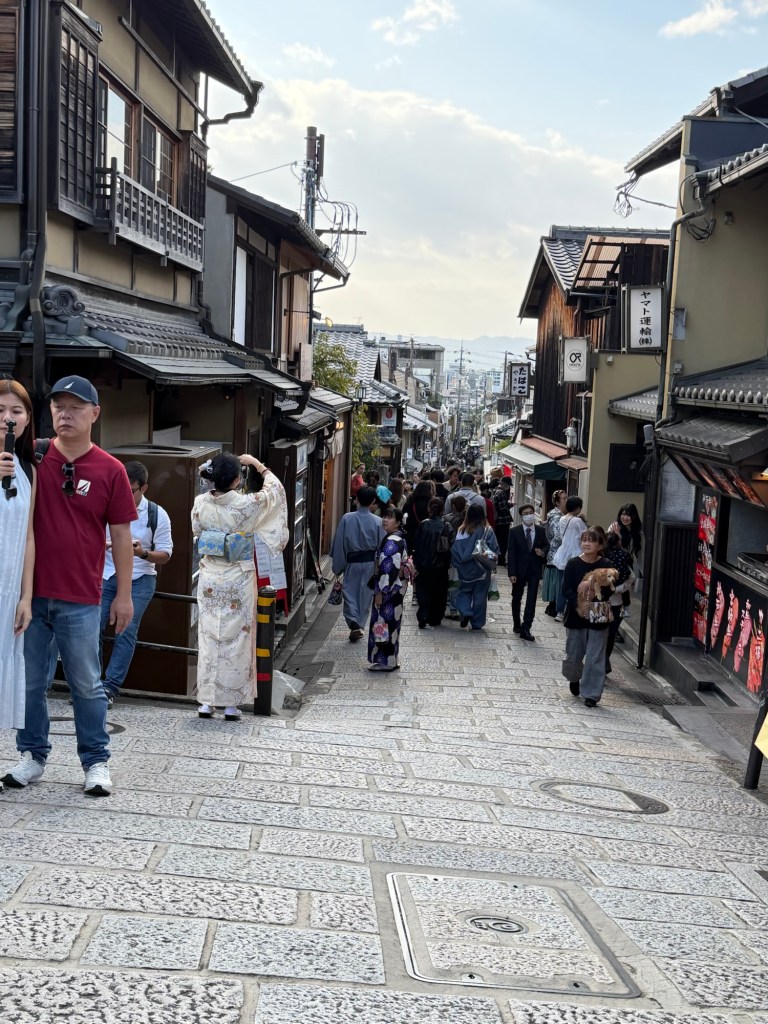
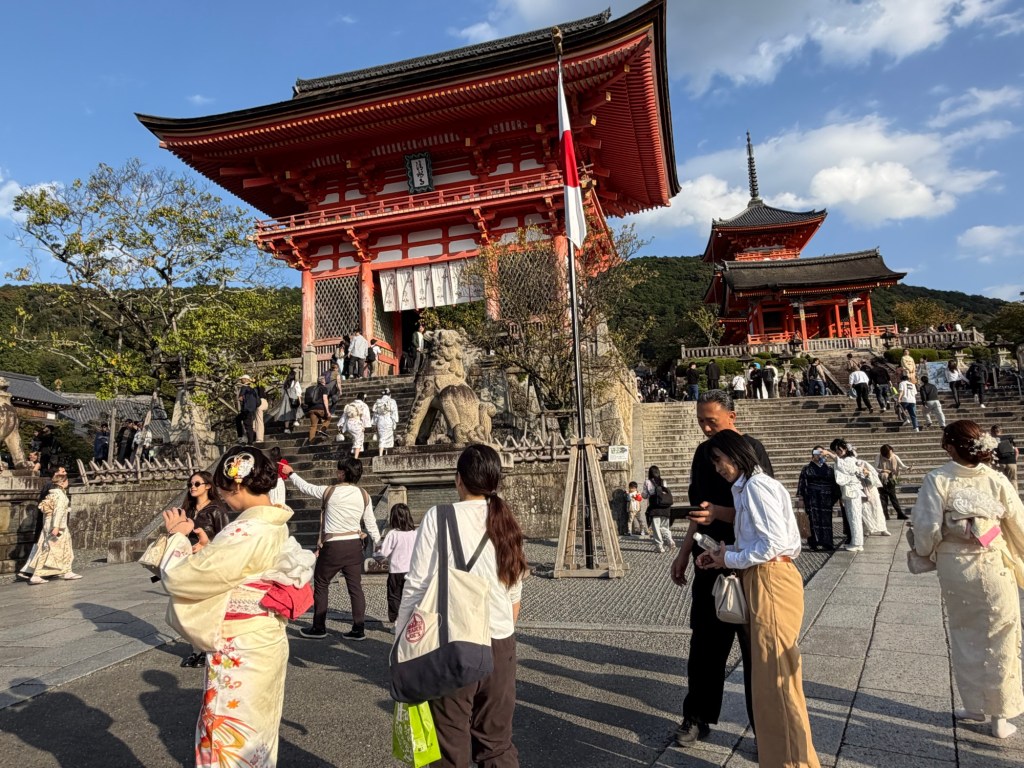
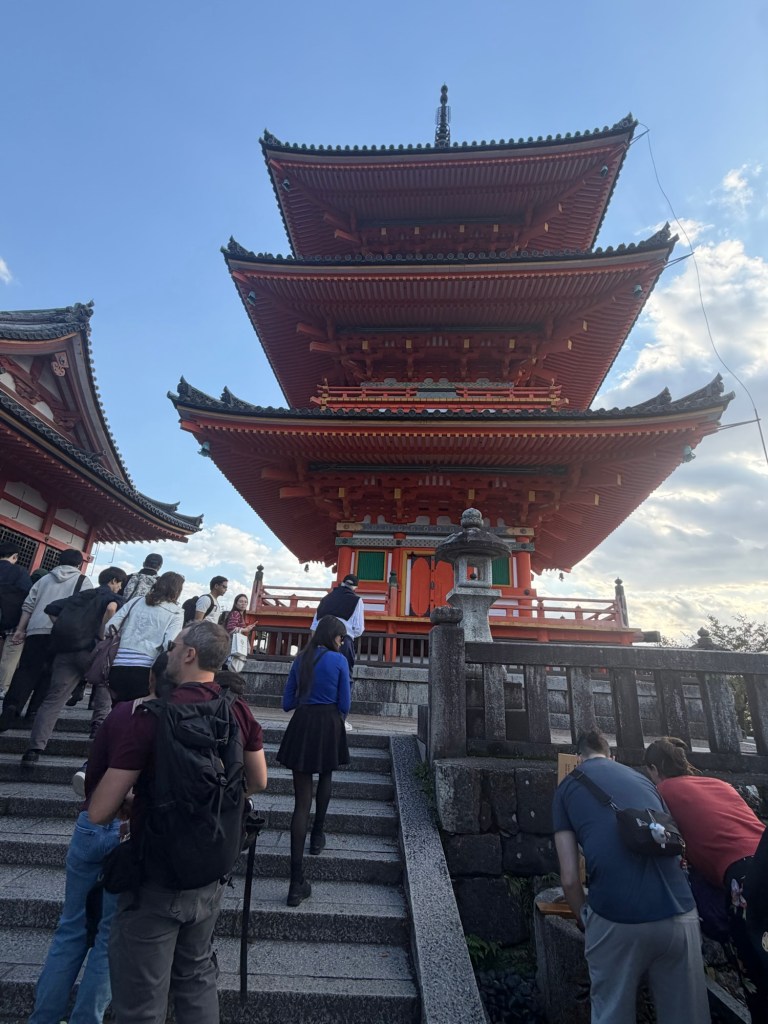
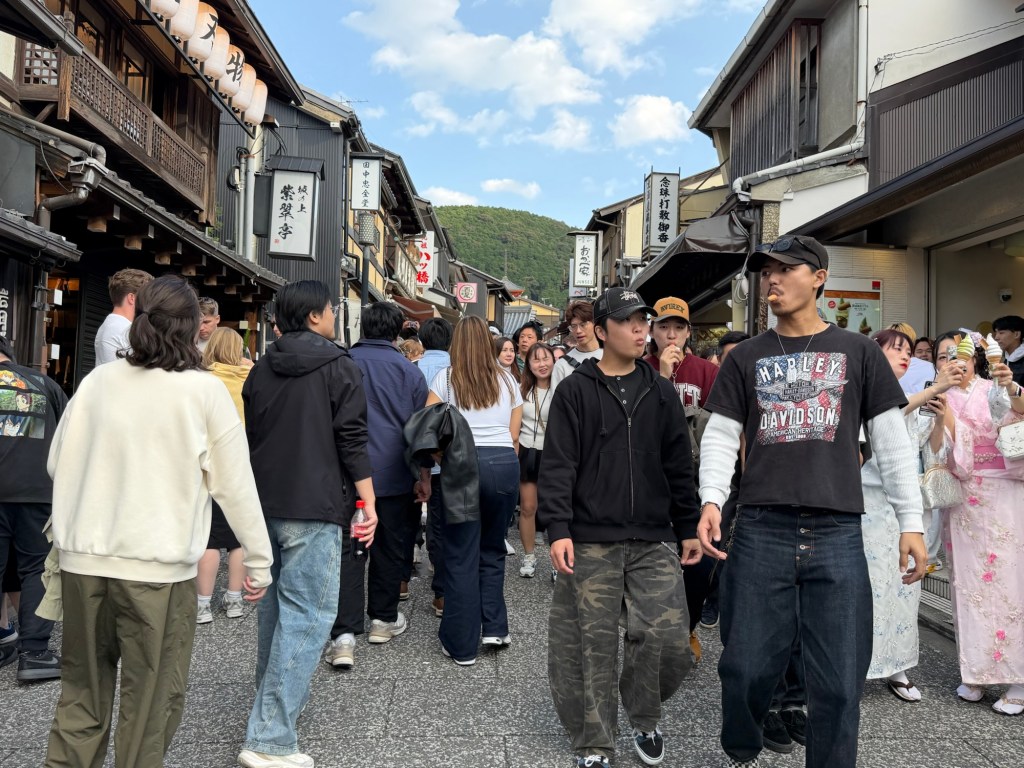
Kiyomizu Temple complex sits on a steep hillside, looking out over the city. The views are grand from every angle.


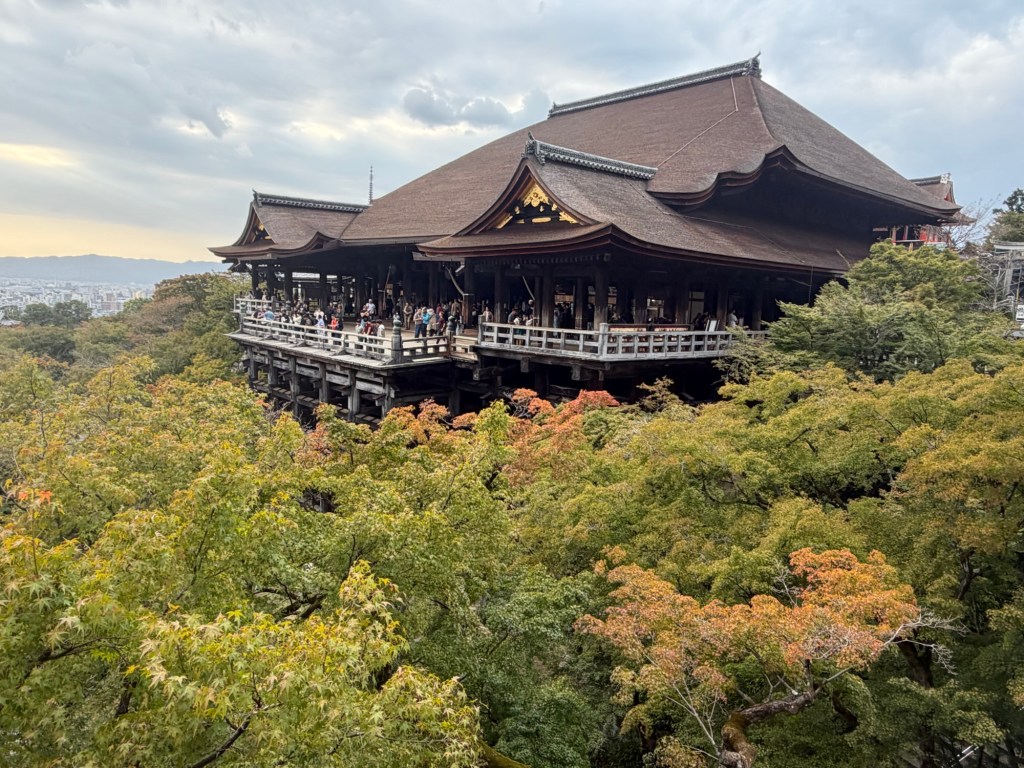


After a brief coffee and tea stop, we continued to Kiyomizu Temple. (Kiyo means “pure” and mizu means “water”). This temple was established in the 8th century by a shogun general, who was interested in architecture and landscape. The complex sits in a hillside looking out over the city. The red pagodas and wooden structure emerge from great heights giving every area a unique visual appeal.
The population of Kyoto is 1.4 million with sky scrapers of a maximum height of 100 meters. After passing through some of Kyoto’s photogenic streets with traditional buildings providing the crowds with colorful images, we finally arrived at Hotel The Mitsui, our home for the next 5 nights. Built on the site of the Mitsui family’s 250 year old ancestral home, traditional architecture of the original house is executed in the appealing entranceway and the Japanese garden. Our room is in the nijo section of the hotel and looks out at the Nijo Castle across the street.
In the evening we went to an Italian restaurant in the hotel, called Forni, for dinner. The food was reasonable good, though not great.
Sunday, November 1, 2026
Our next guide, Keiko, picked us up at 9am and we headed for the Gold Pavilion, which is known as Kinkaku-ji, and was glimmering in the sunlight when we saw it. It is one of 17 World Heritage Sites found in Kyoto. Near the Zen Buddhist pavilion was an ancient oak tree that had been planted in the 1700’s. It was also spectacular to see.
Gold Pavilion, dates from 1397

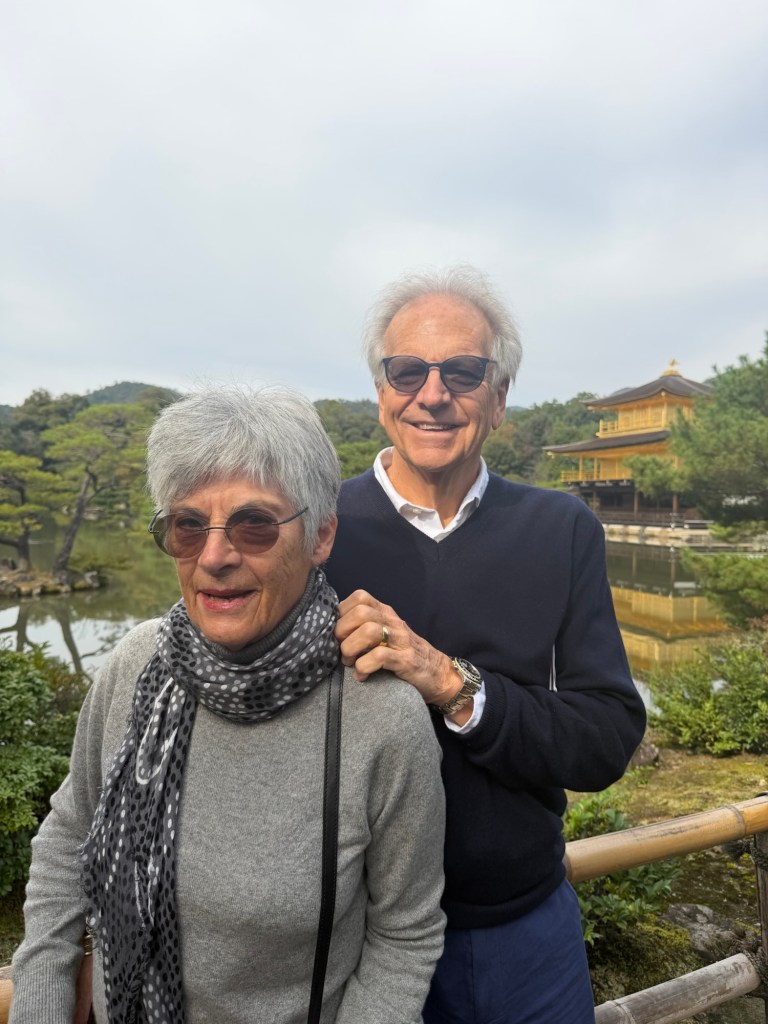


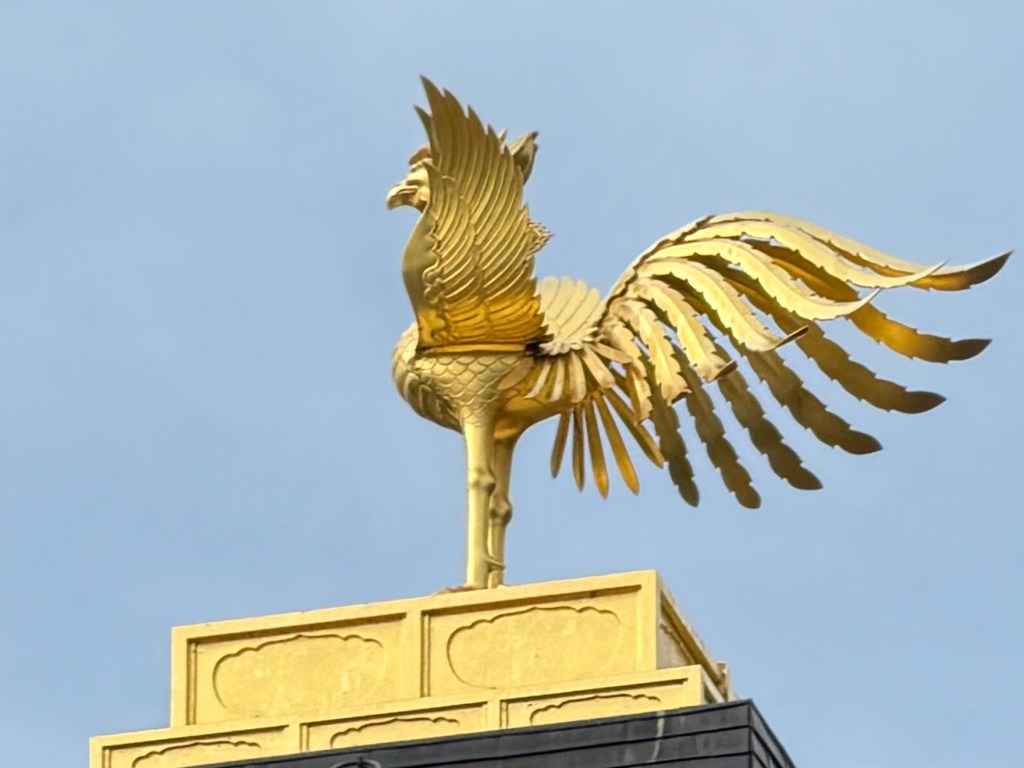
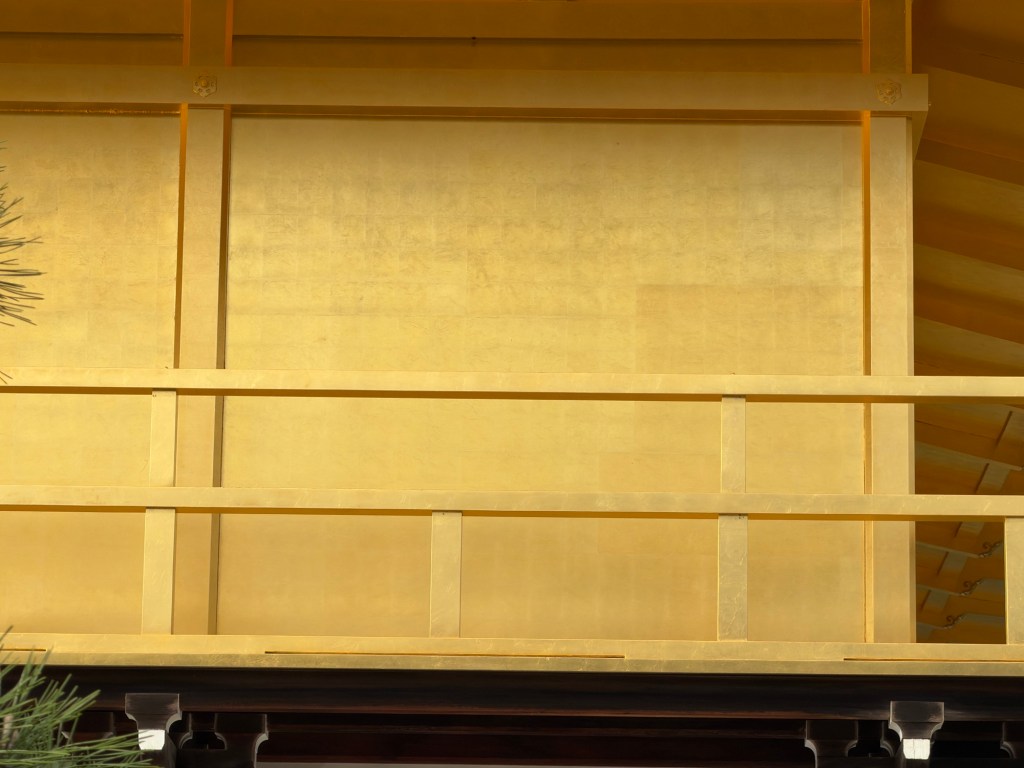
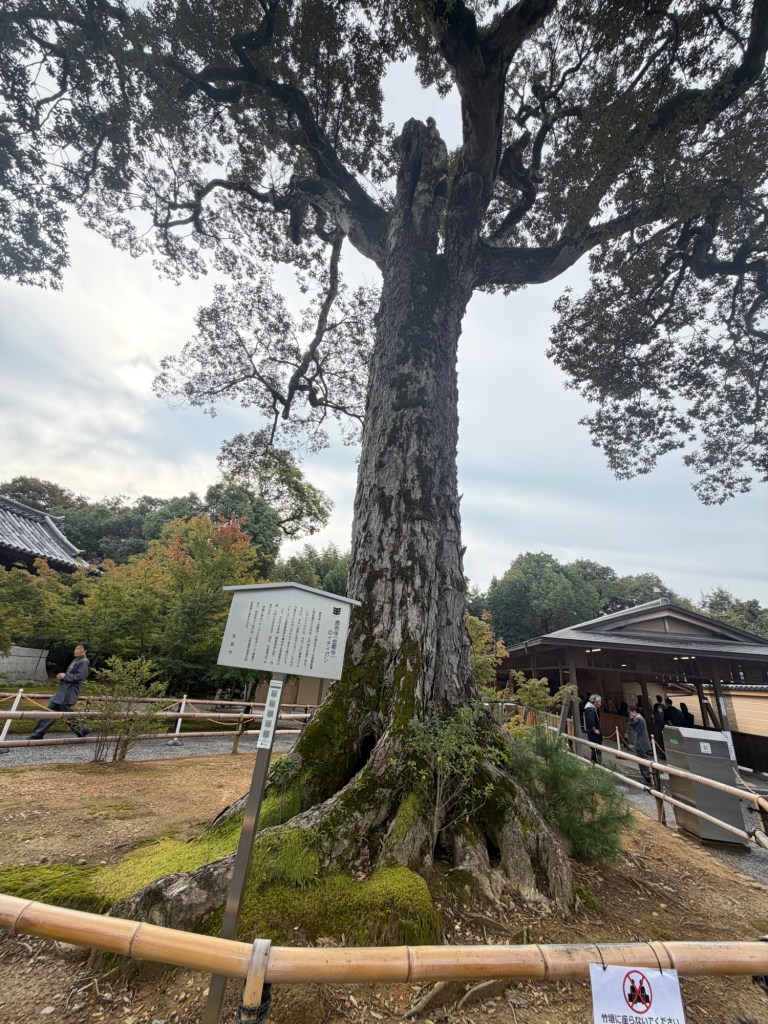
The pavilion was originally built by a wealthy shogun named Ashikaga in 1397 and was his private home until he died and left it to be a temple. The gold leaf was applied once the building became a temple.
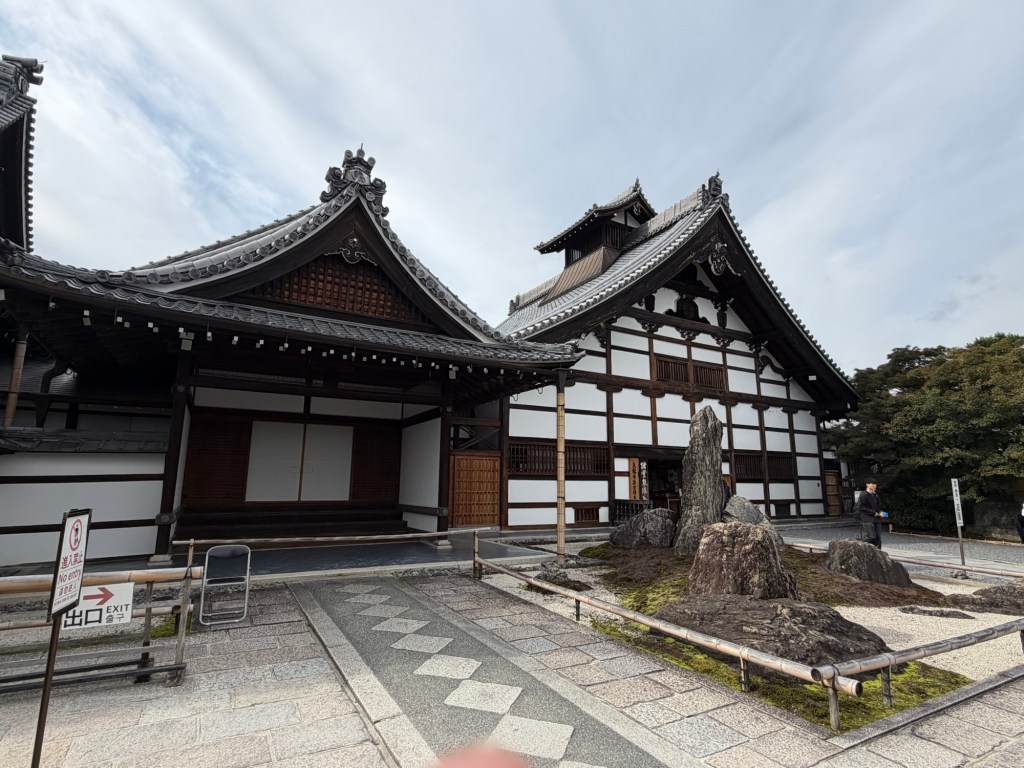
After walking around the gardens, we headed for the next temple of the day, Ryoan-ji. It was not far from the Gold Pavilion and is special for its rock garden designed so only part of it can be seen at one tine. Only when one reaches enlightenment will they be able to see the garden in its entirety.
Ryoan-ji, Japans most famous zen garden.



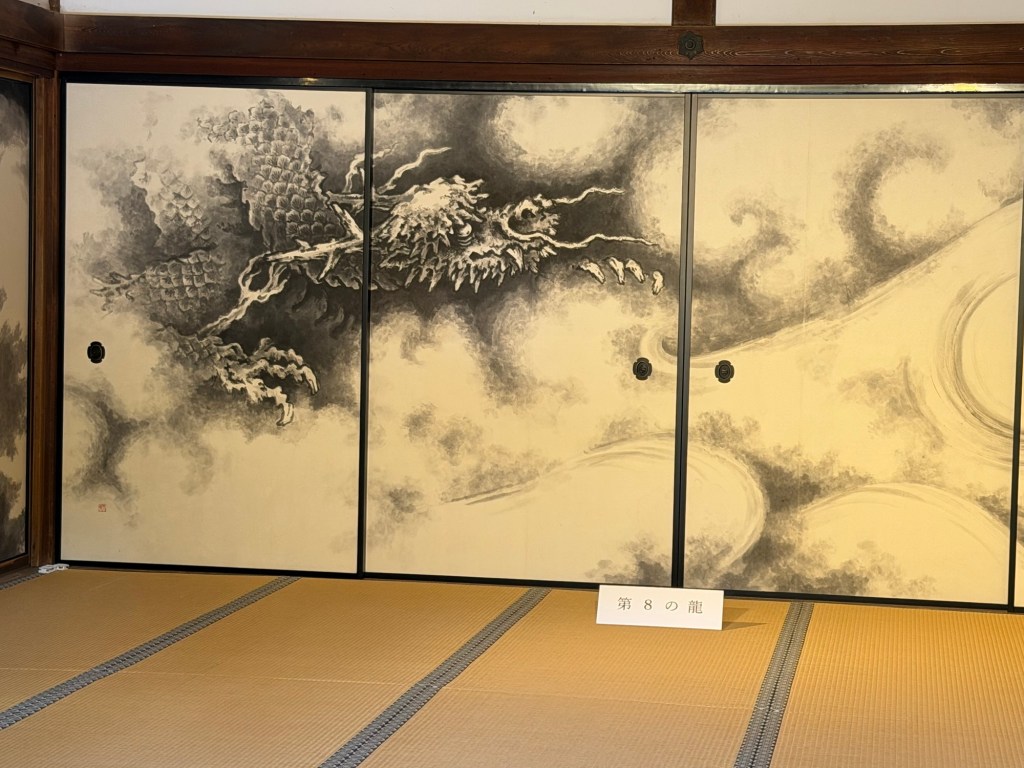

Once an aristocrats villa, the property was converted to a temple in 1450 and is now home to the RInzai sect of Zen Buddhism and is listed as a UNESCO World Heritage Site.
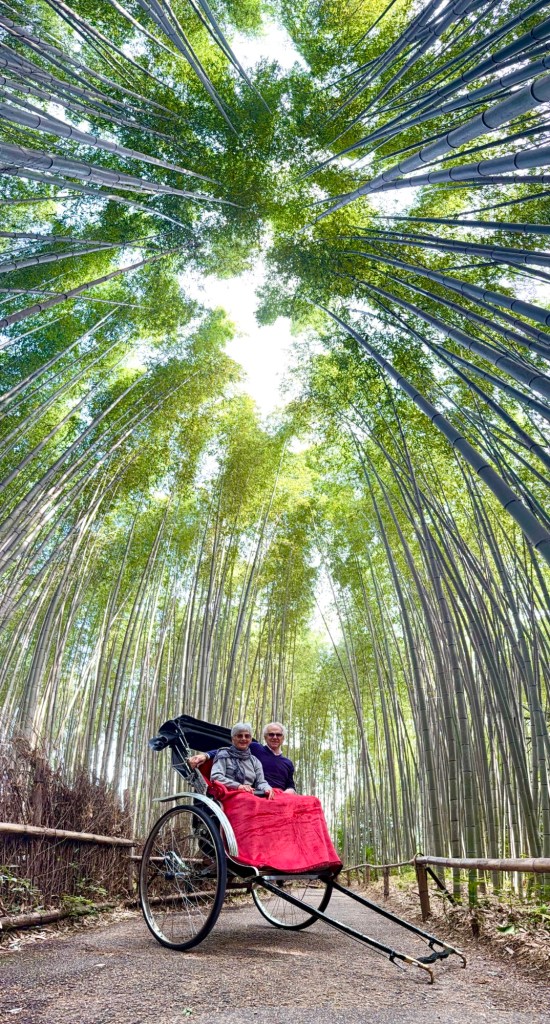
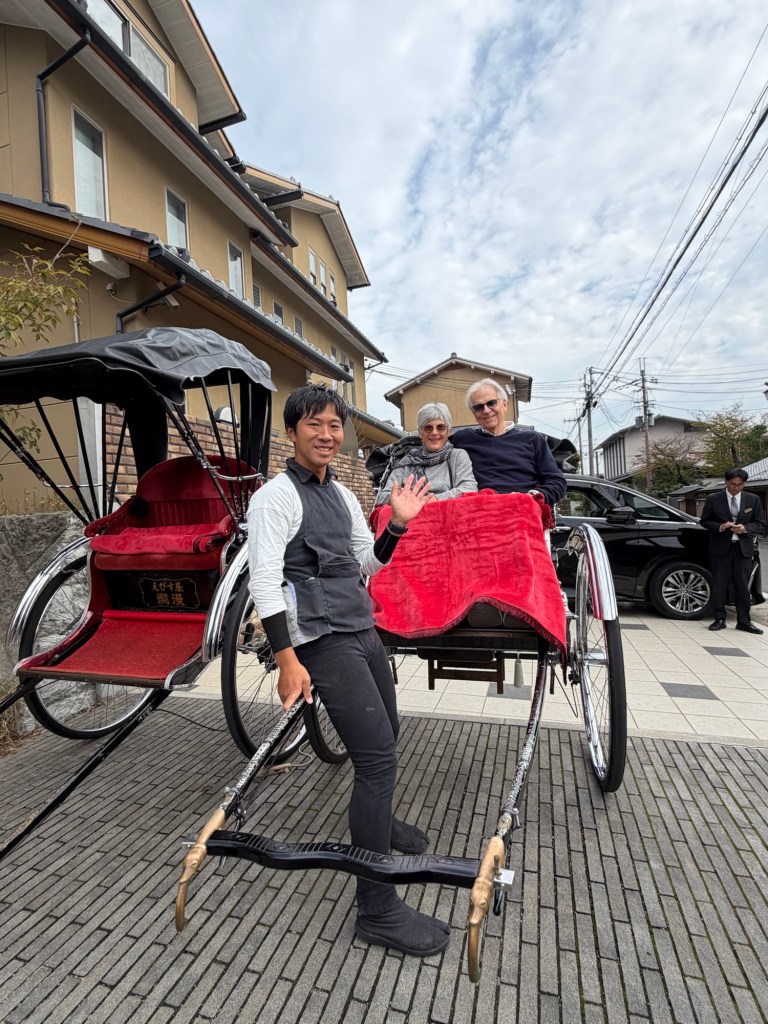
Shortly after visiting the rock garden, we arrived in the Arashiyama area where we had a delightful rickshaw ride with a driver who took us for a 30 minute ride through the local town, by the famous Togetsukyo bridge depicted in woodblock paintings for centuries, and through a huge bamboo forest.

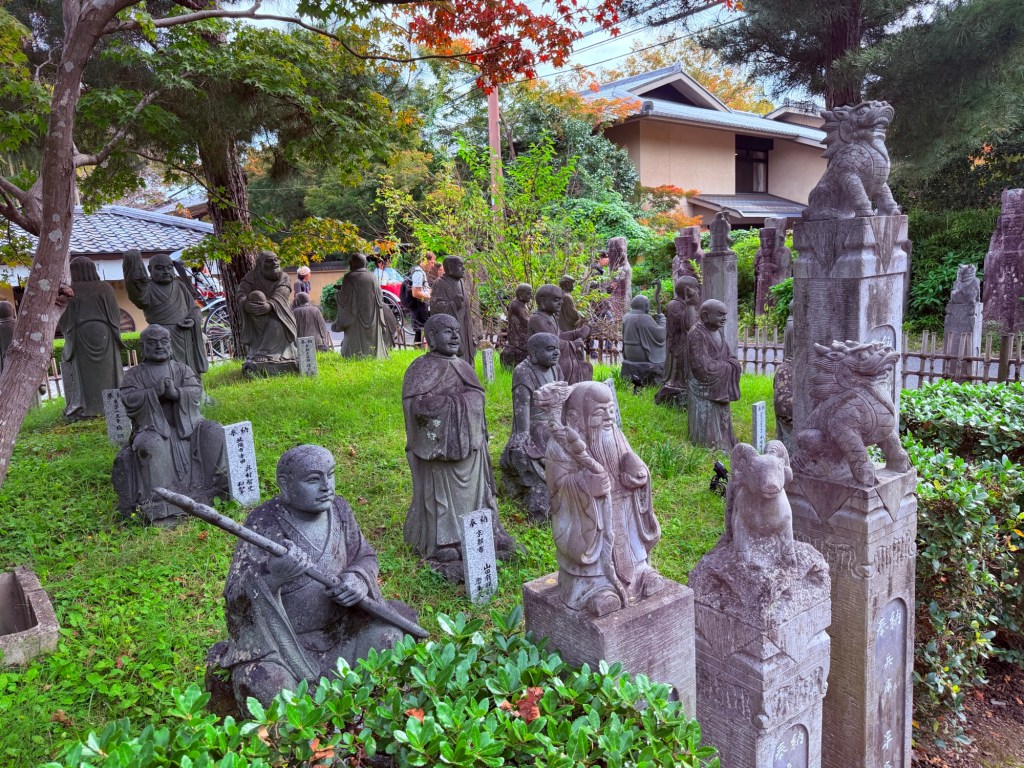
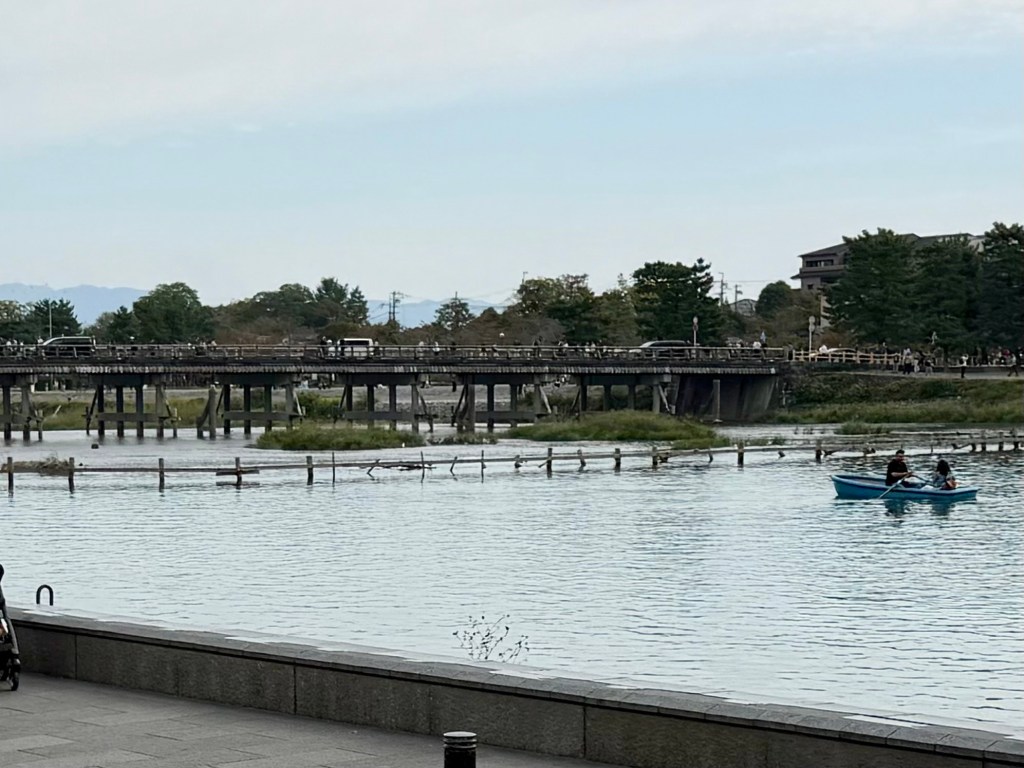

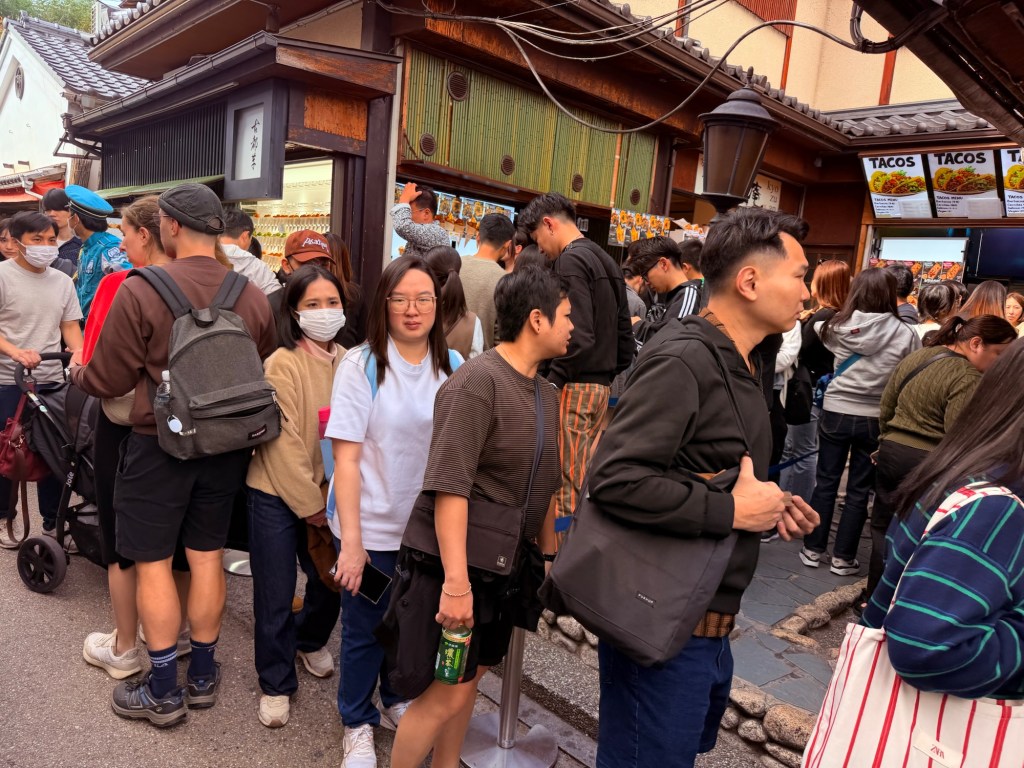

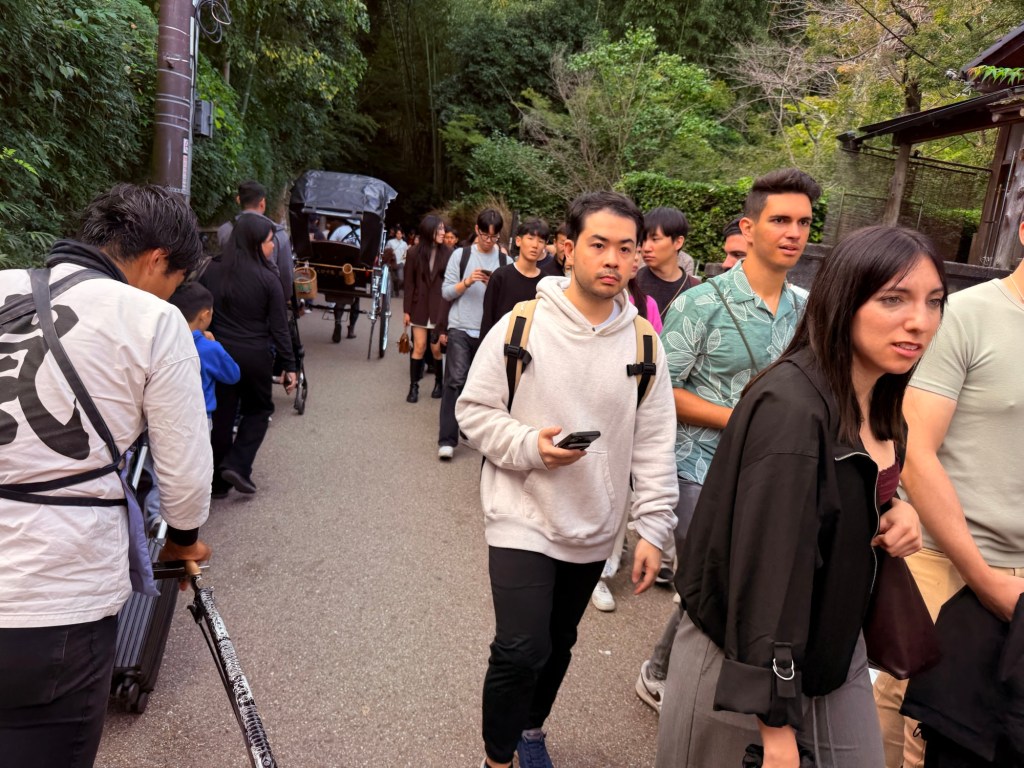

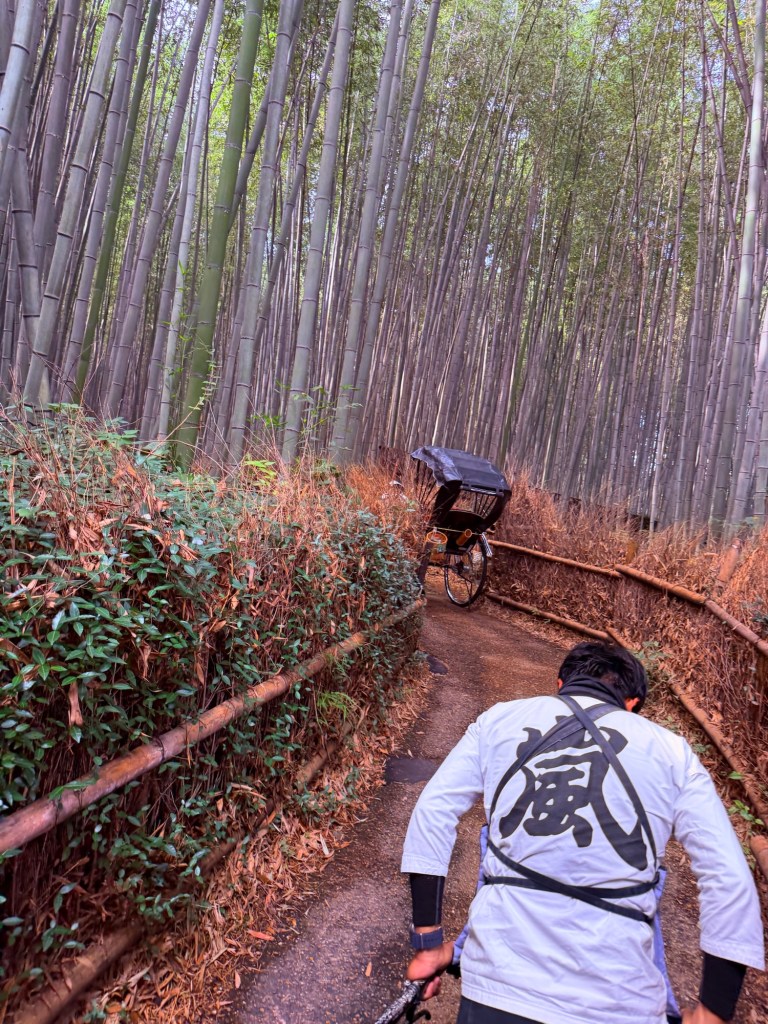


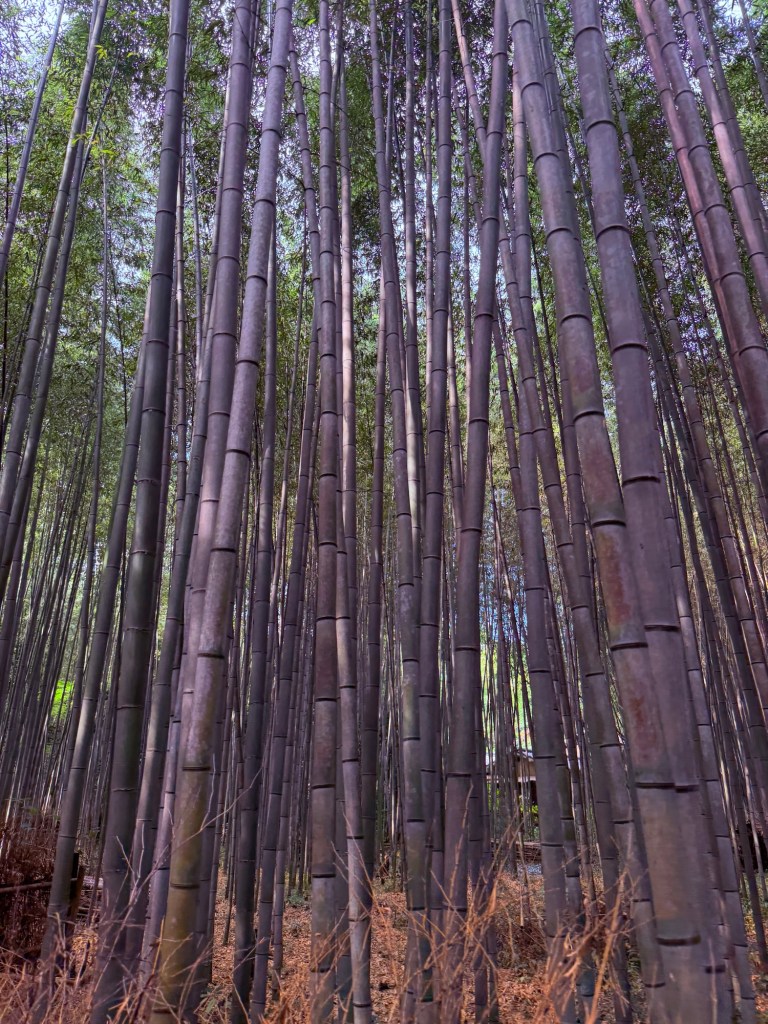
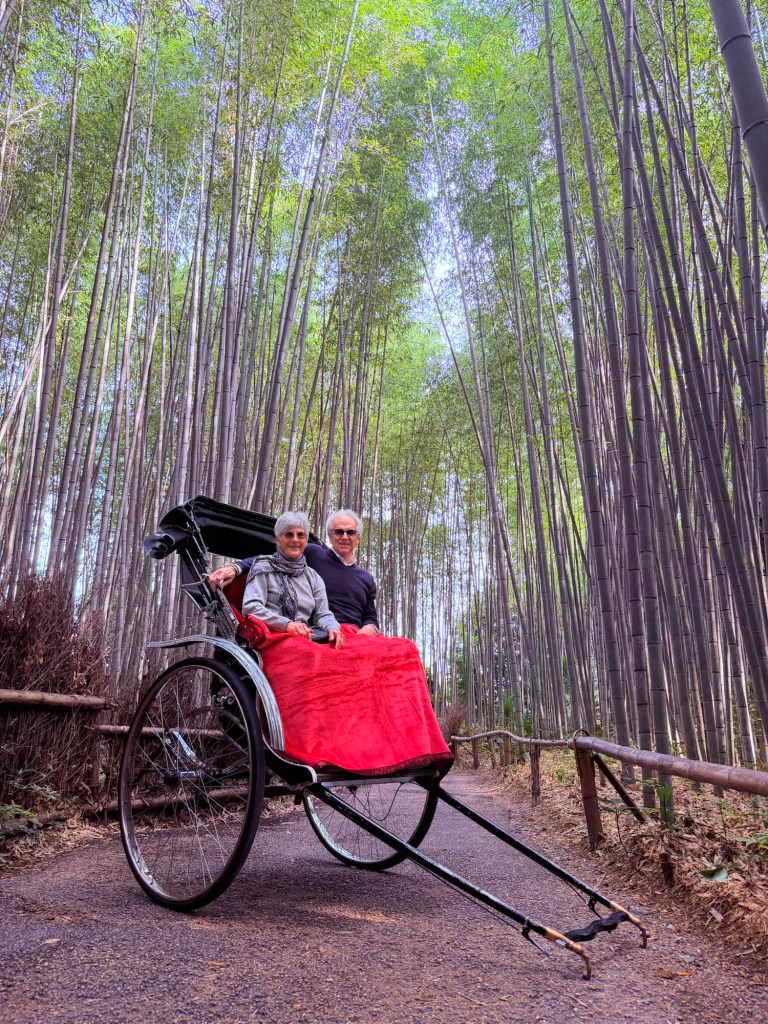


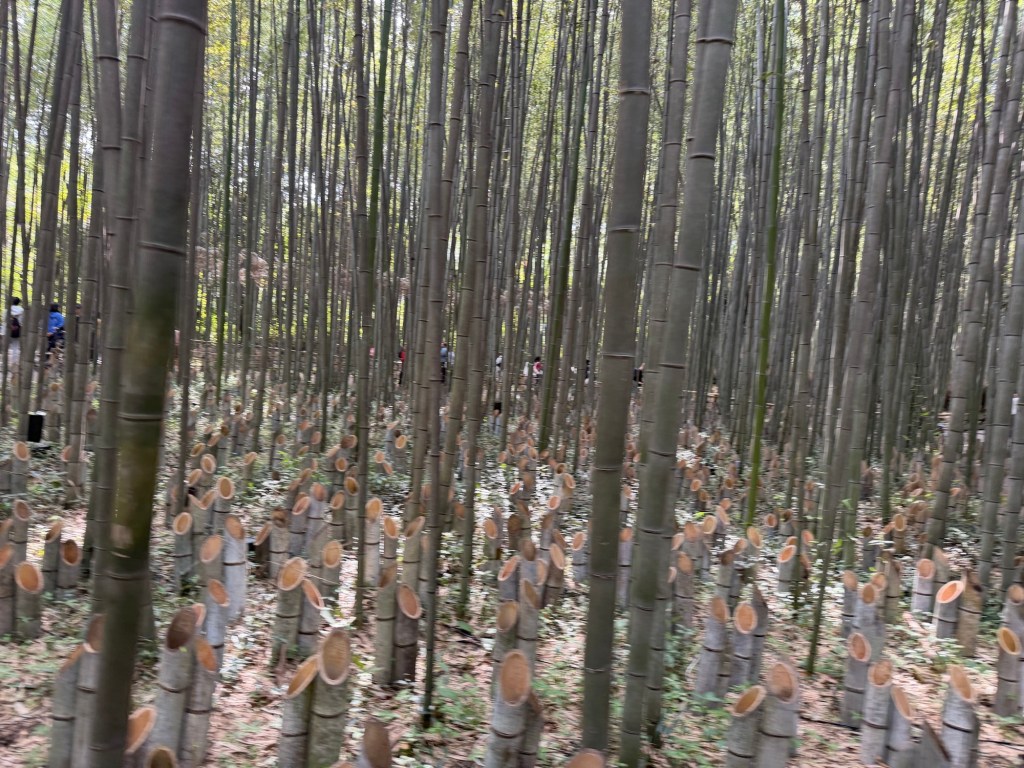
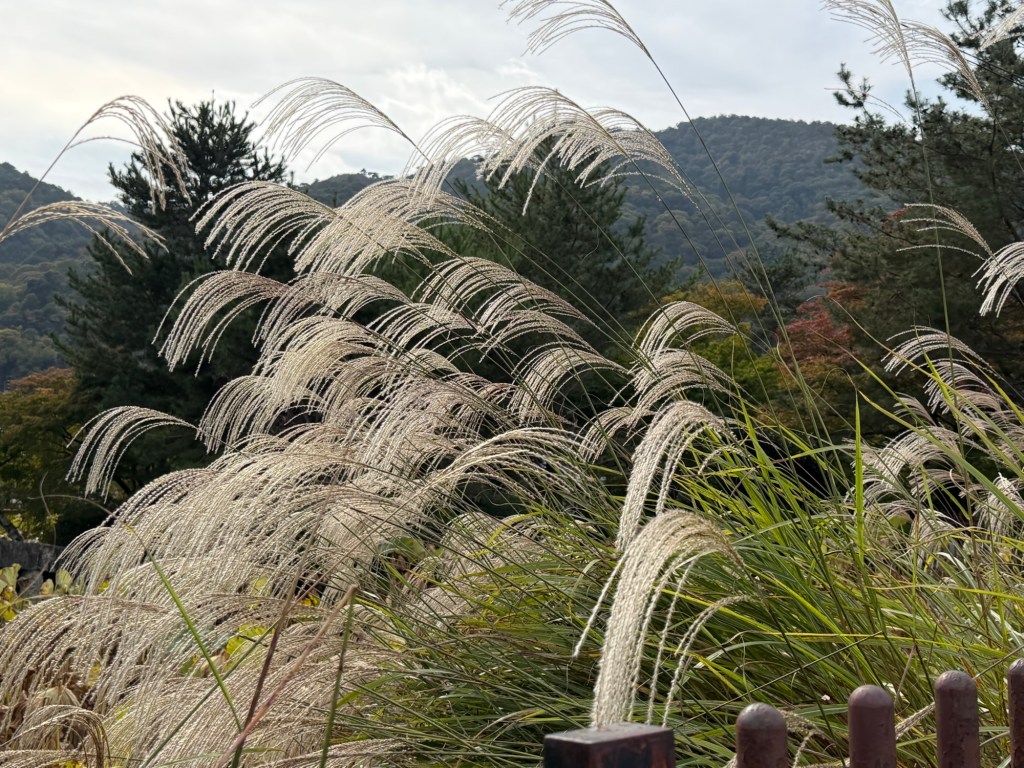
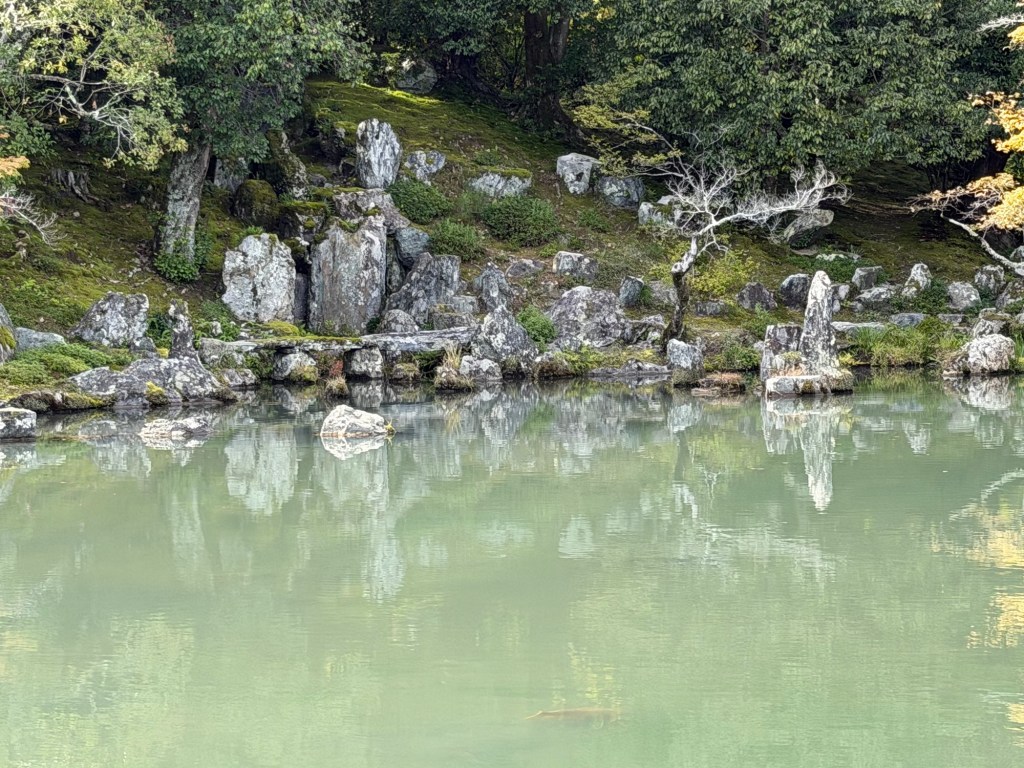
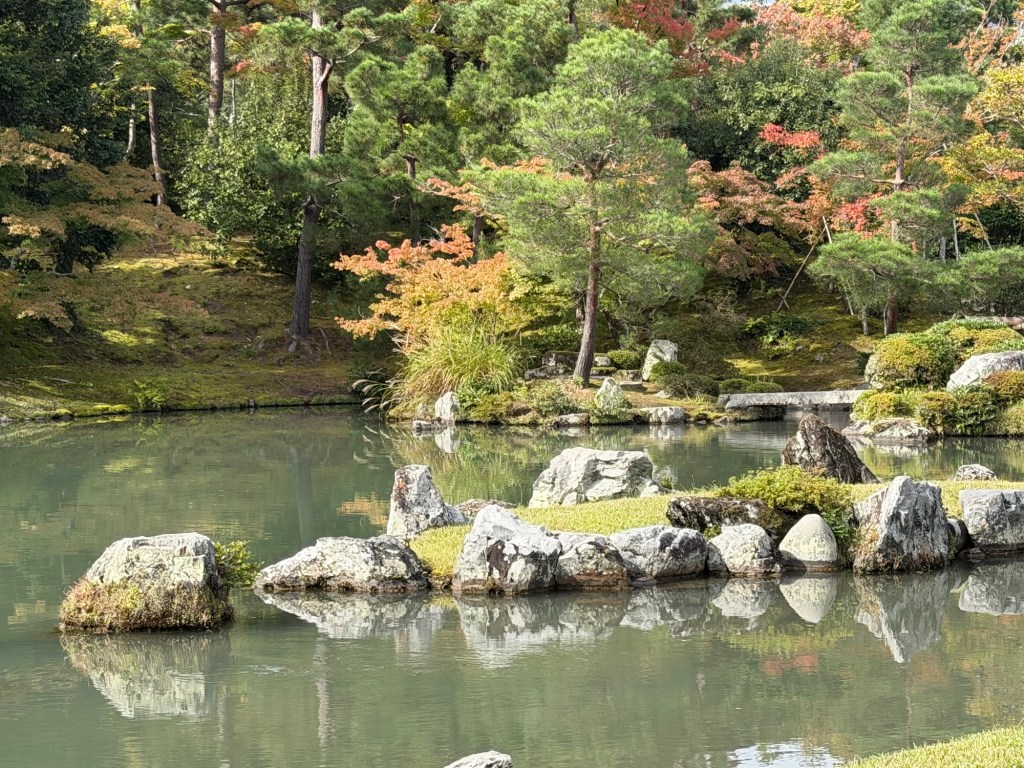
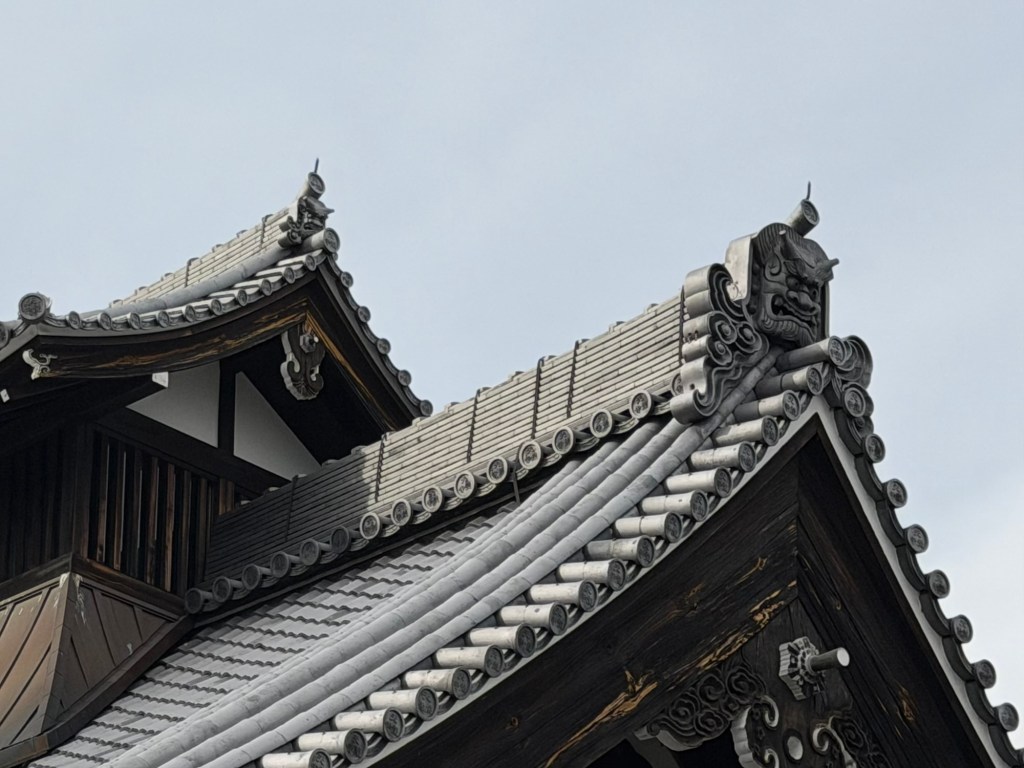
While in Arashiyama area, about 30 minutes from the city center, we visited Tenyru-ji Temple, another Zen Buddhist temple, founded in 1339. Buddhism, which was introduced in Japan in 538, had originally started 2500 year ago in India. Inside the huge complex are many small temples started by retired monks.
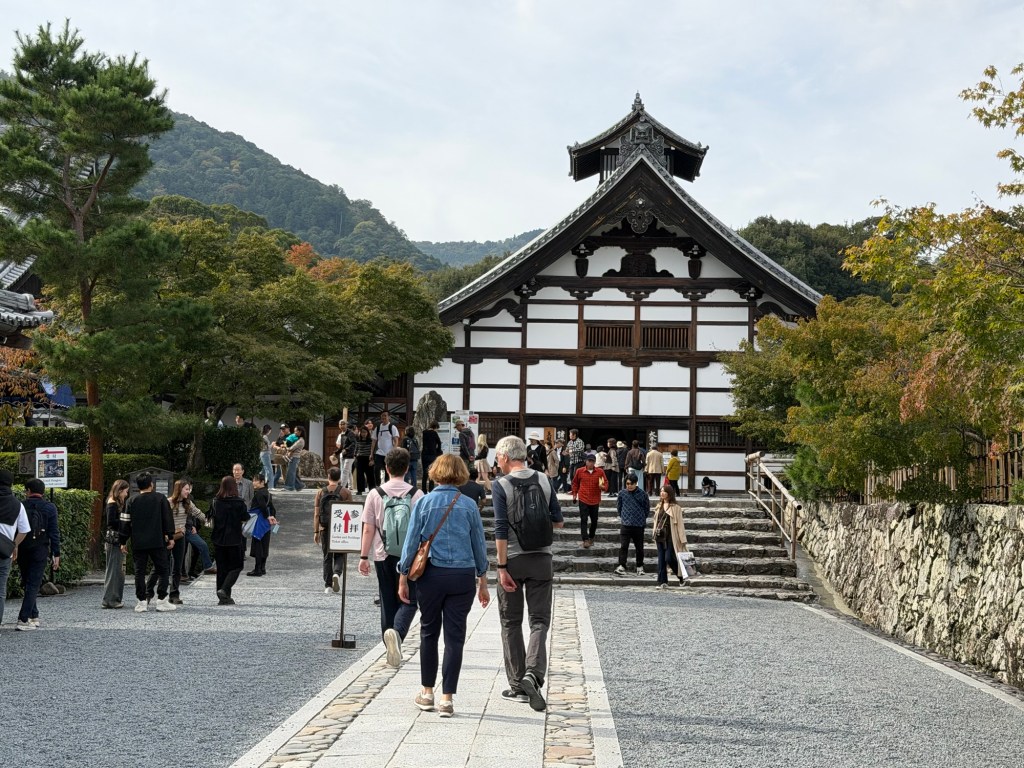




Back at the hotel, we relaxed a bit then prepared to go to our Geisha dinner at 6pm at Kyoyamato Restaurant, near the Park Hyatt Hotel. We had been looking forward to this experience for days, even months and now it was here,
We were ushered into a private dining room and took our places at a table set for 3 including our guide, Keiko, who was there to translate for us,
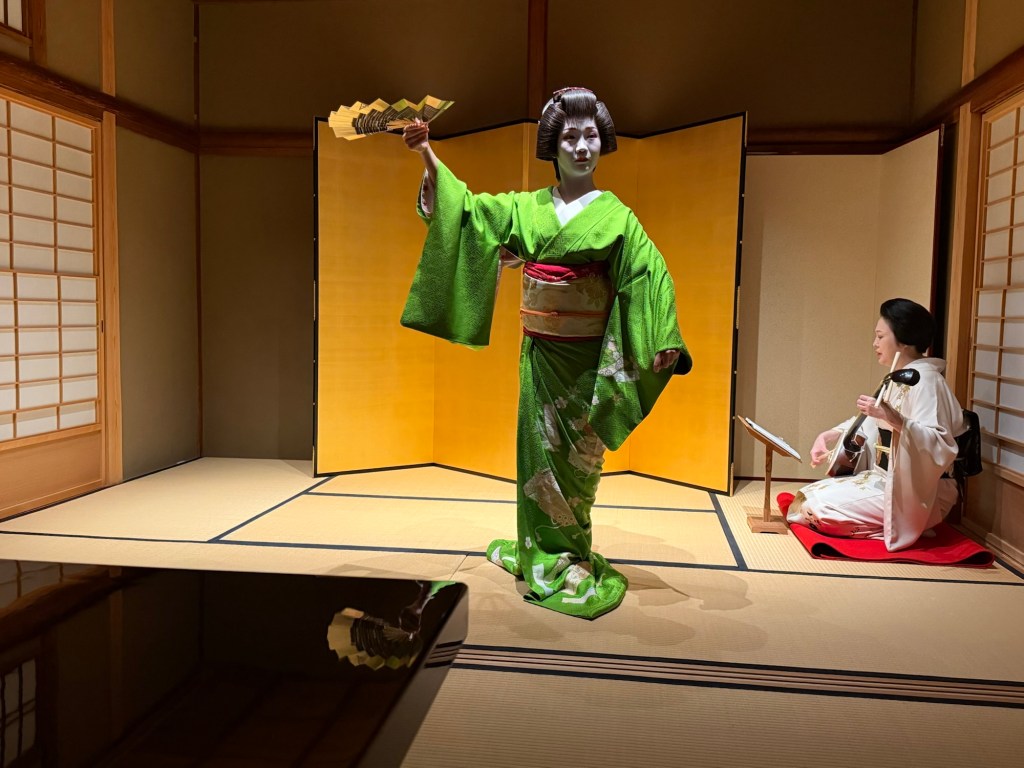

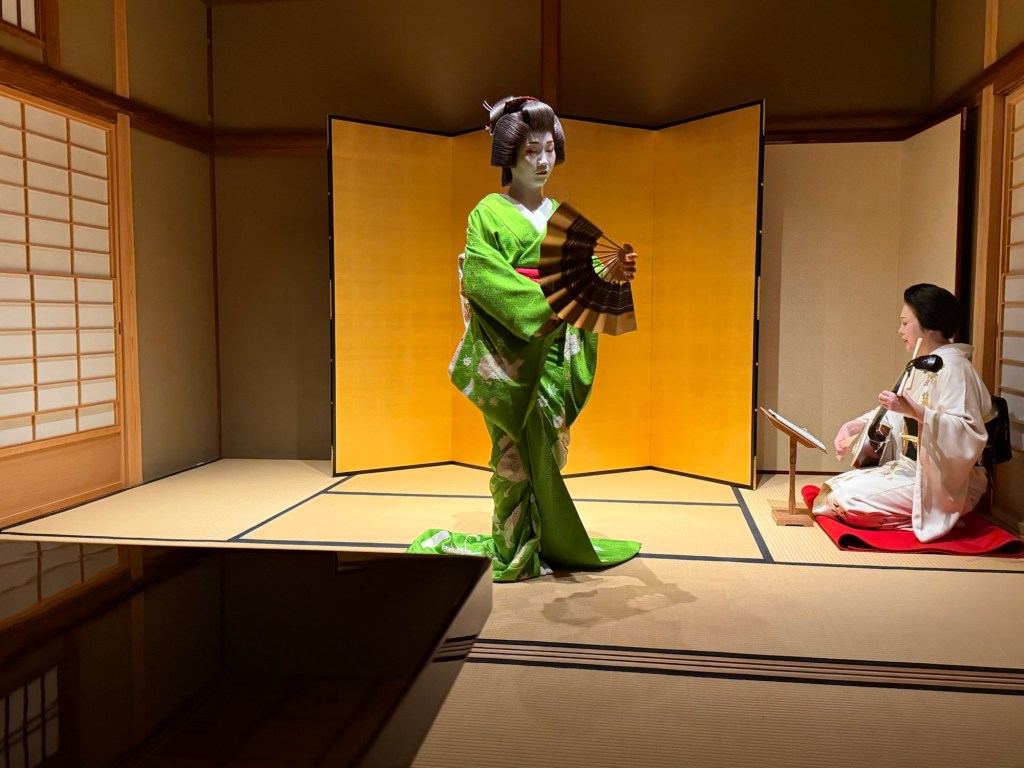
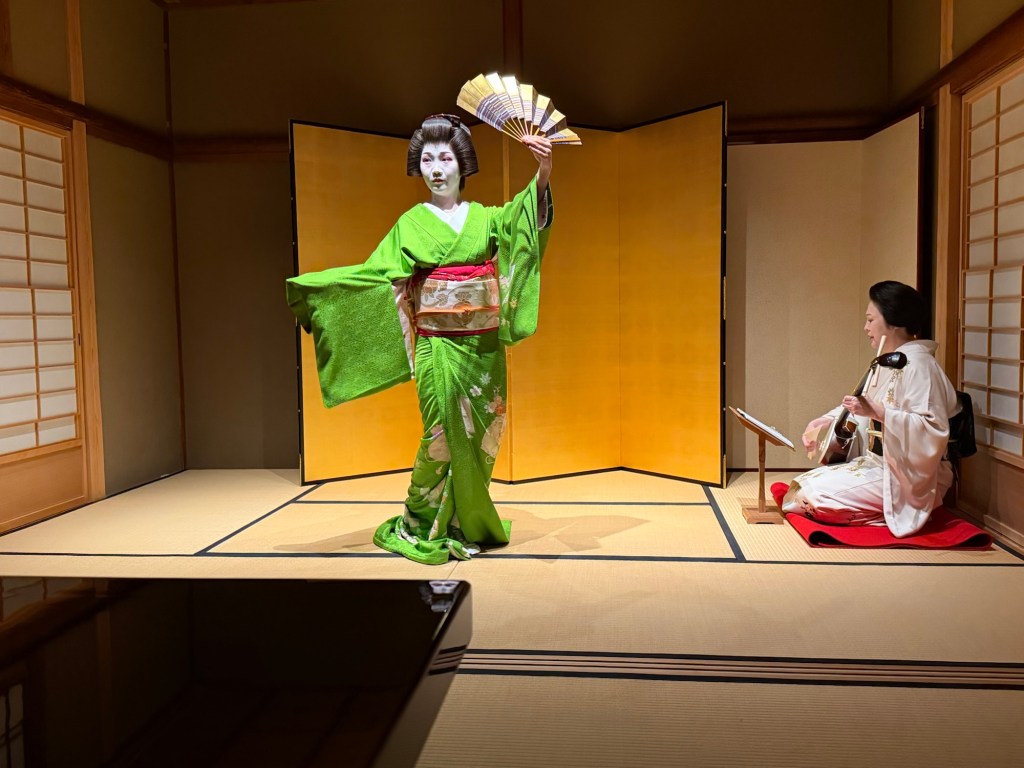

Promptly at 6pm, a side door opened and the musician entered with her 3-stringed instrument. Then the geiko entered and the music and dancing began. Both were slow ad deliberate, with the geiko using a fan to make gestures and tell a story. I did not understand any of it but enjoyed watching the subtlety of her motions, including her head movements.

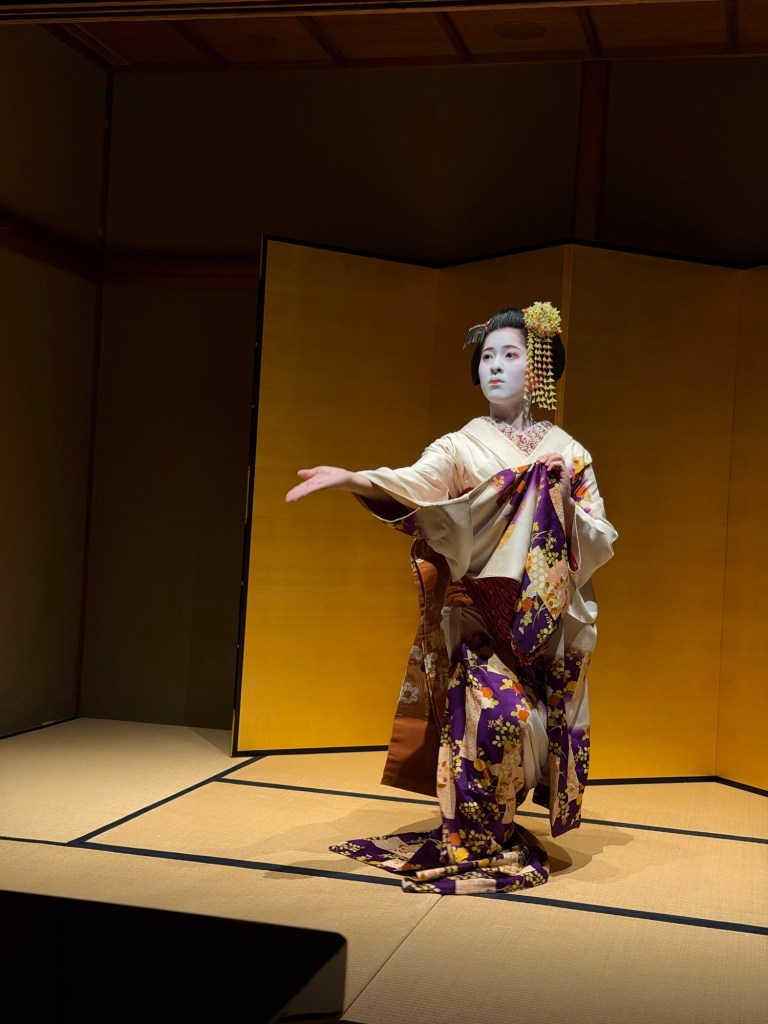
When she finished, after about 5 minutes, she left the room and the maiko entered and did a different, but similar performance. The geiko had used a fan. The maiko used her sleeves as well as head and hand movements. When she was finished all three ladies approached our table and sat down to have a conversation with us. The geiko asked us where we were from and the conversation became lively immediately with them wanting to know all about life in Lake Tahoe, followed by us wanting to know about them and their lives.

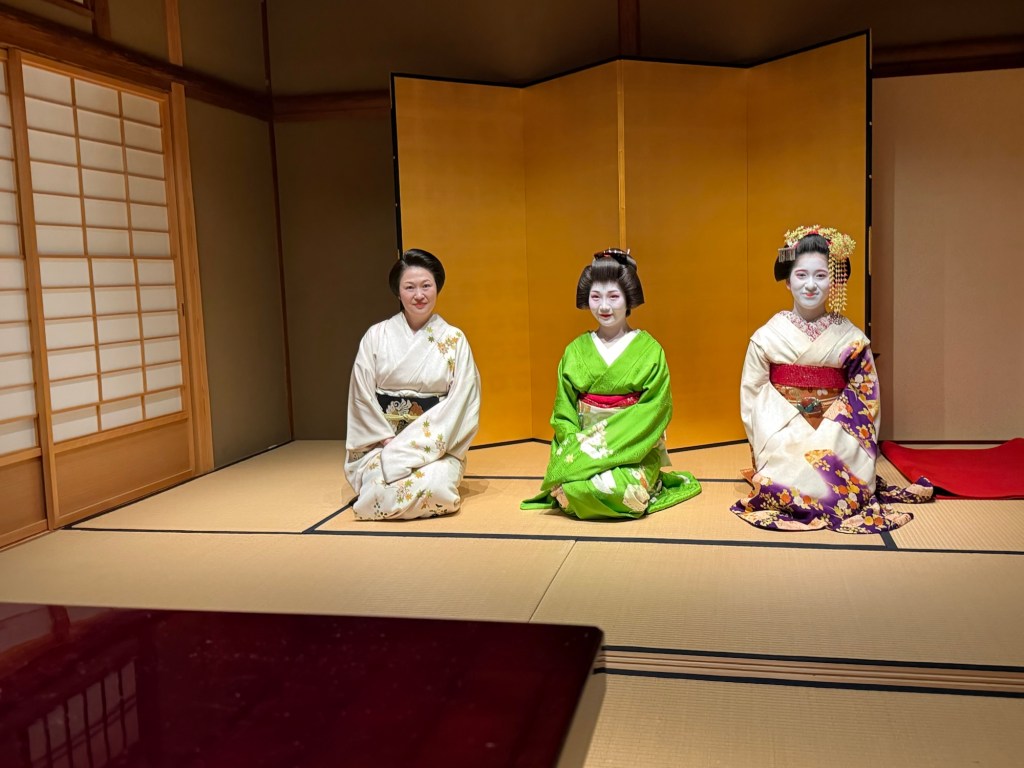
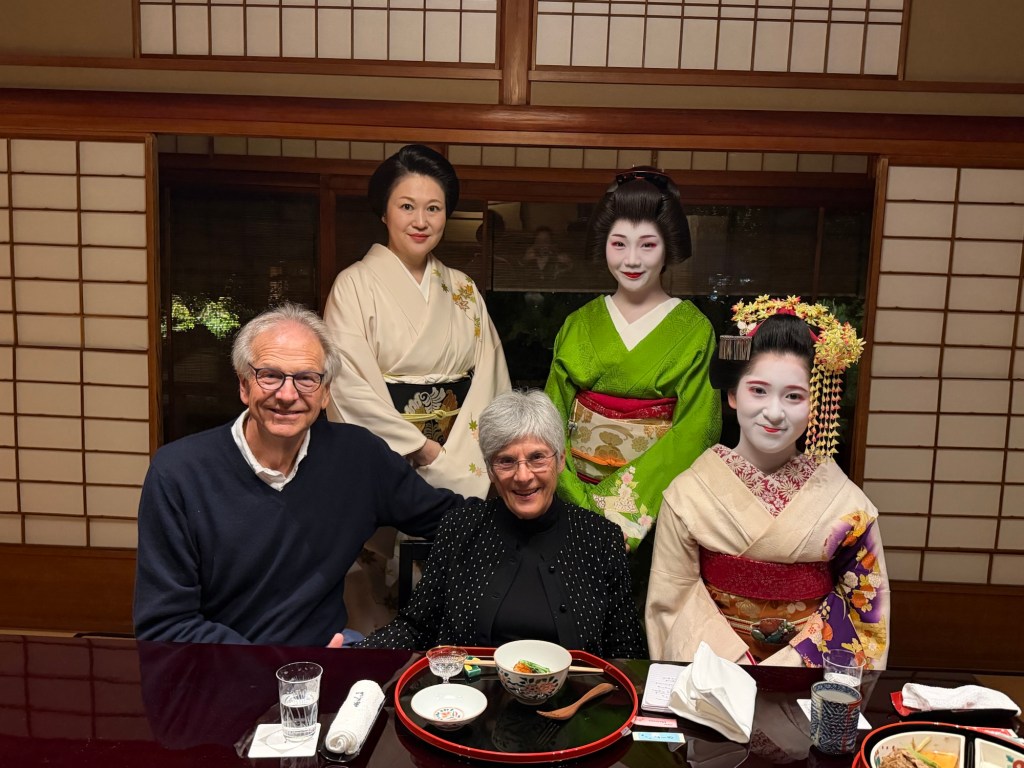
They presented us with their names printed on cards, making it easier to chat with them. The geiko, named Mameju, suggested playing a simple and silly game with us, so we obliged. She was quite charming and we all laughed a lot. Finally, the three of them departed and we finished our meal. We were very happy Keiko had been with us to translate. Once back at the hotel we said good bye to her and thanked her for her help. By 9:30 we were in bed.
Monday, November 2, 2026
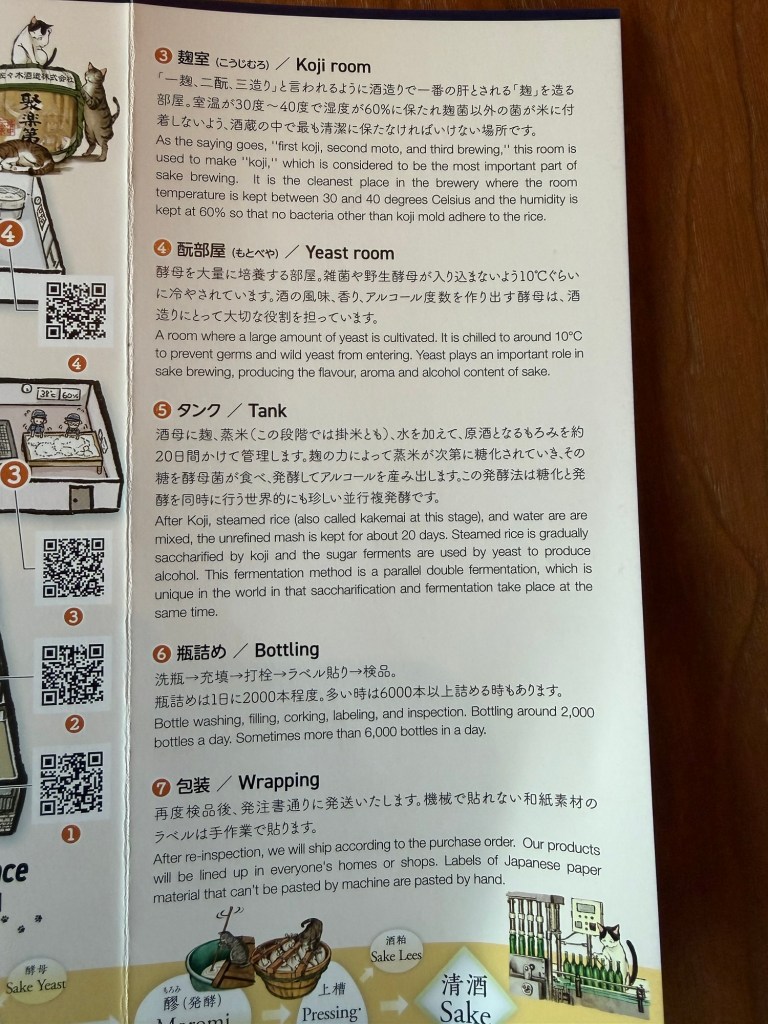
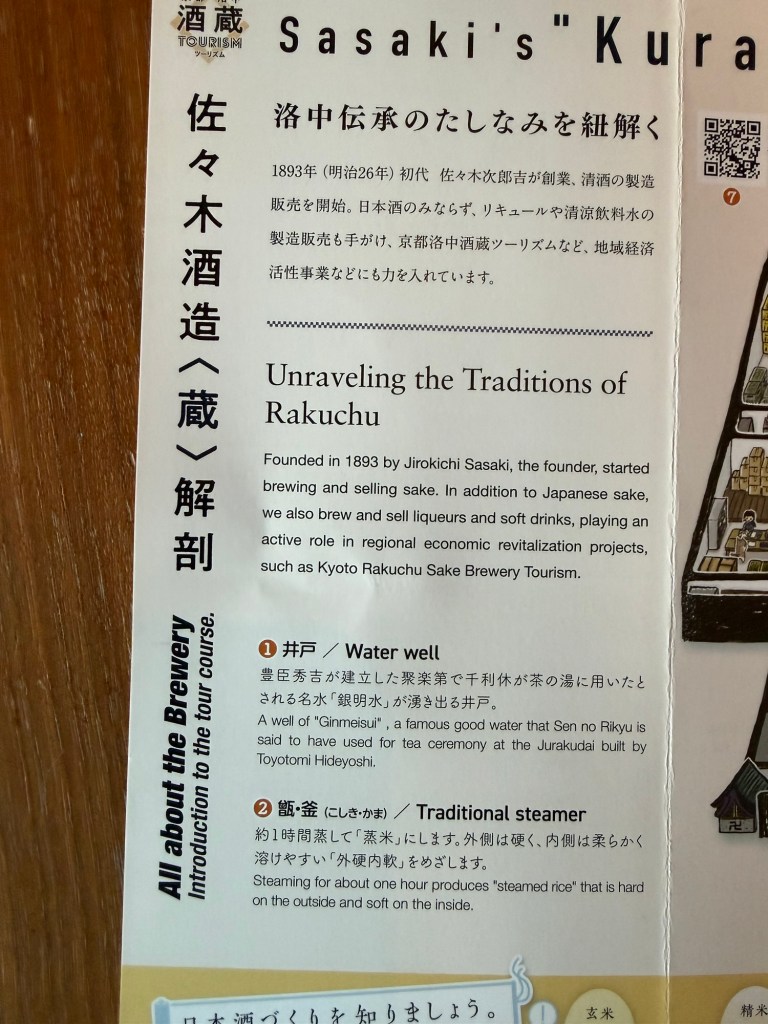
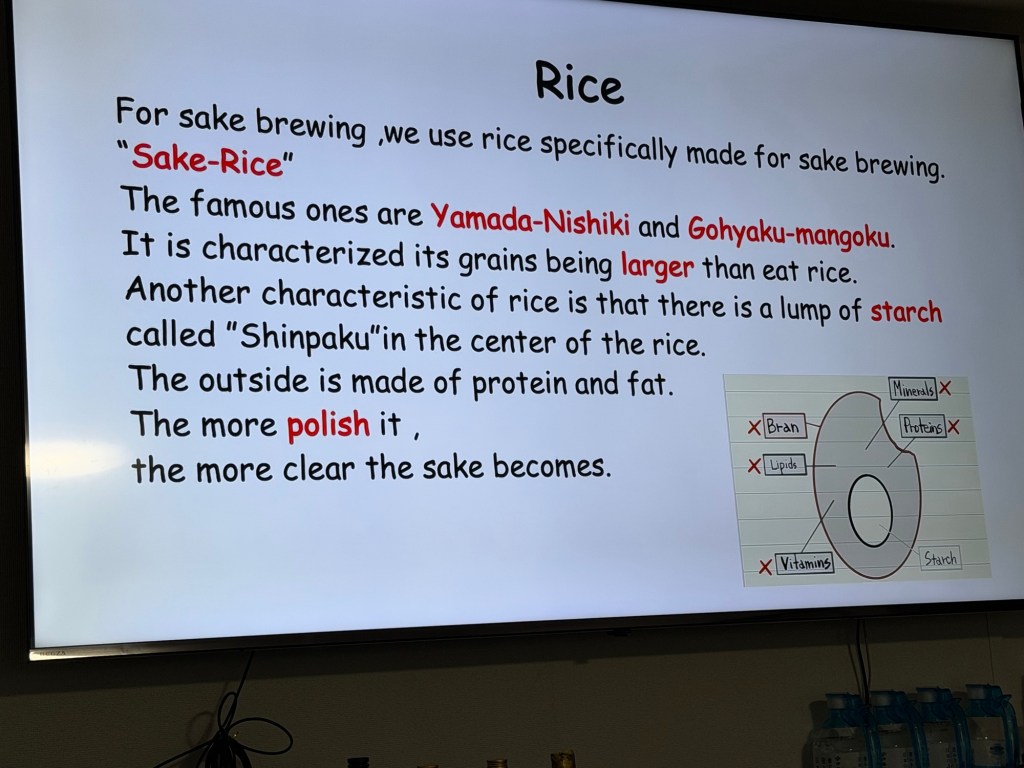
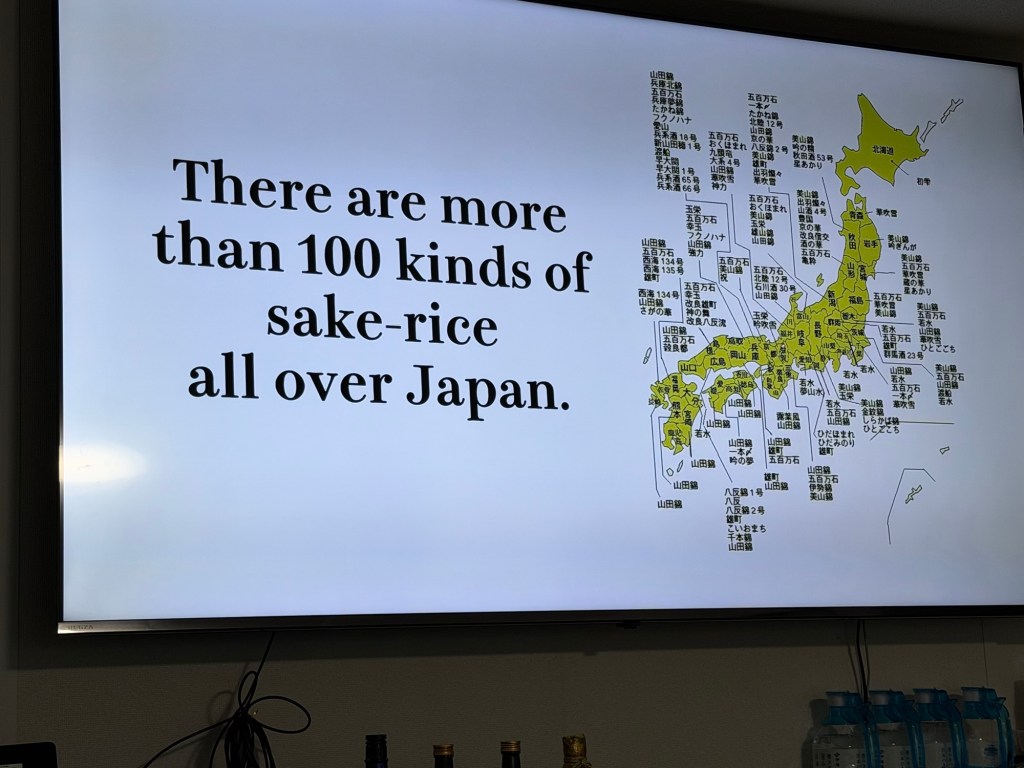
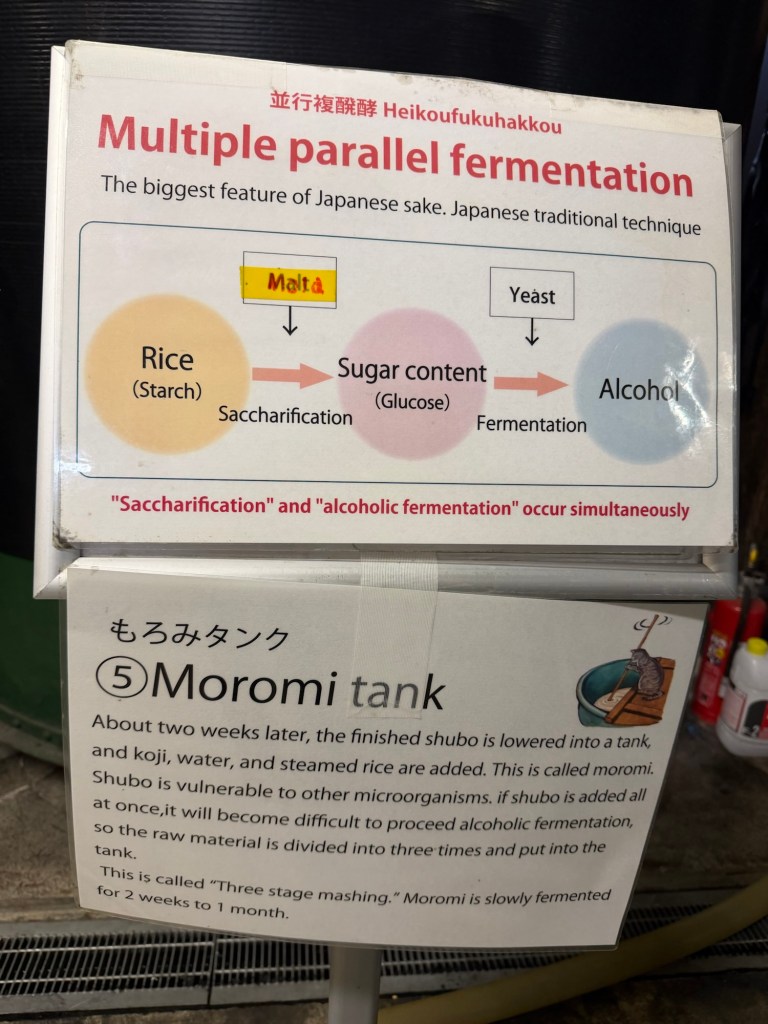
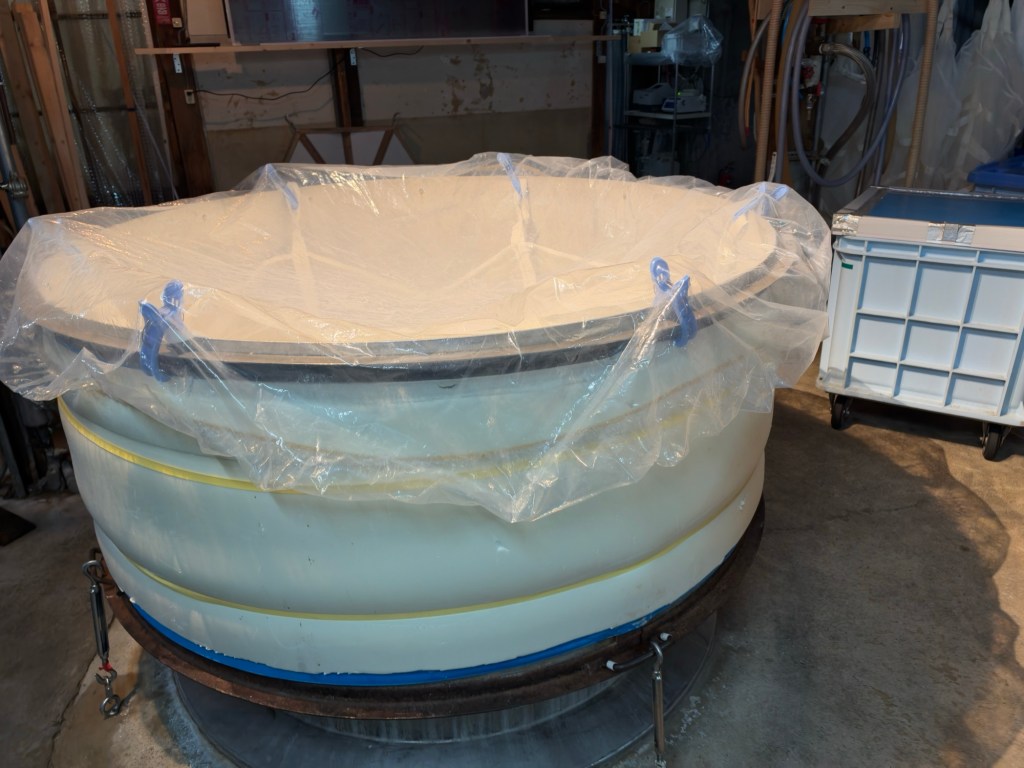
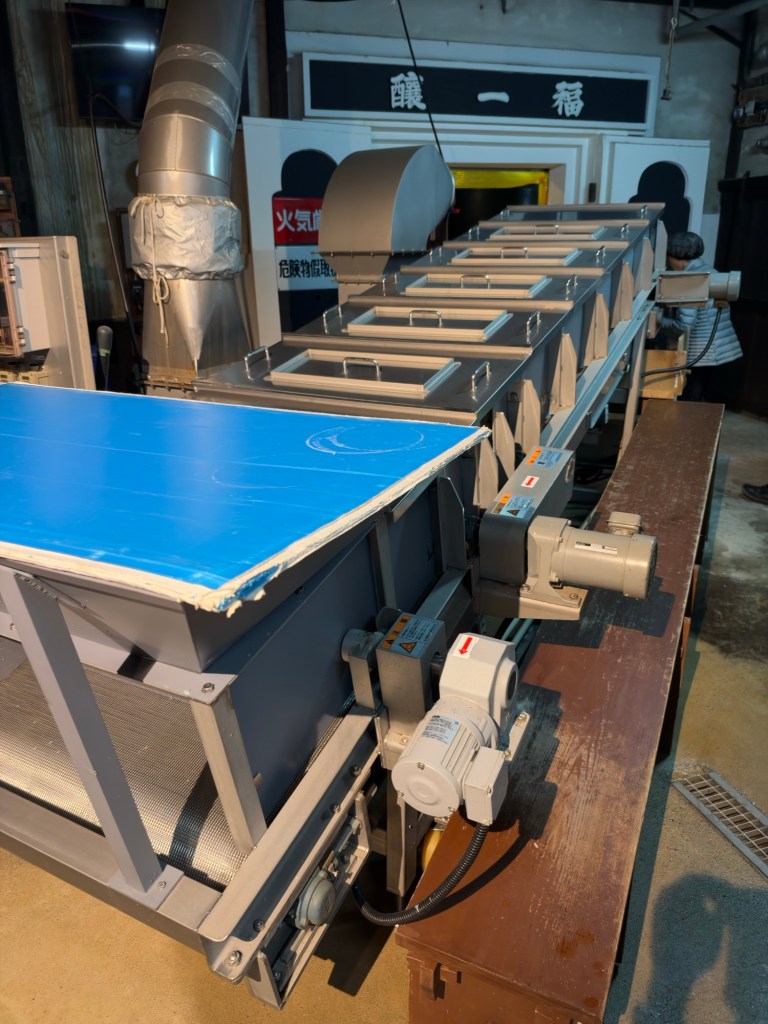
Today was a free day for us and I was able to catch up on the blog. At 4 pm we were picked up by Julien, our half French and half Japanese interpreter and guide for the evening’s adventure through a sake brewery and a sushi restaurant. The brewery was a very large and confusing place so I took a photo of the brochure and the pages we were shown as we toured the facility.

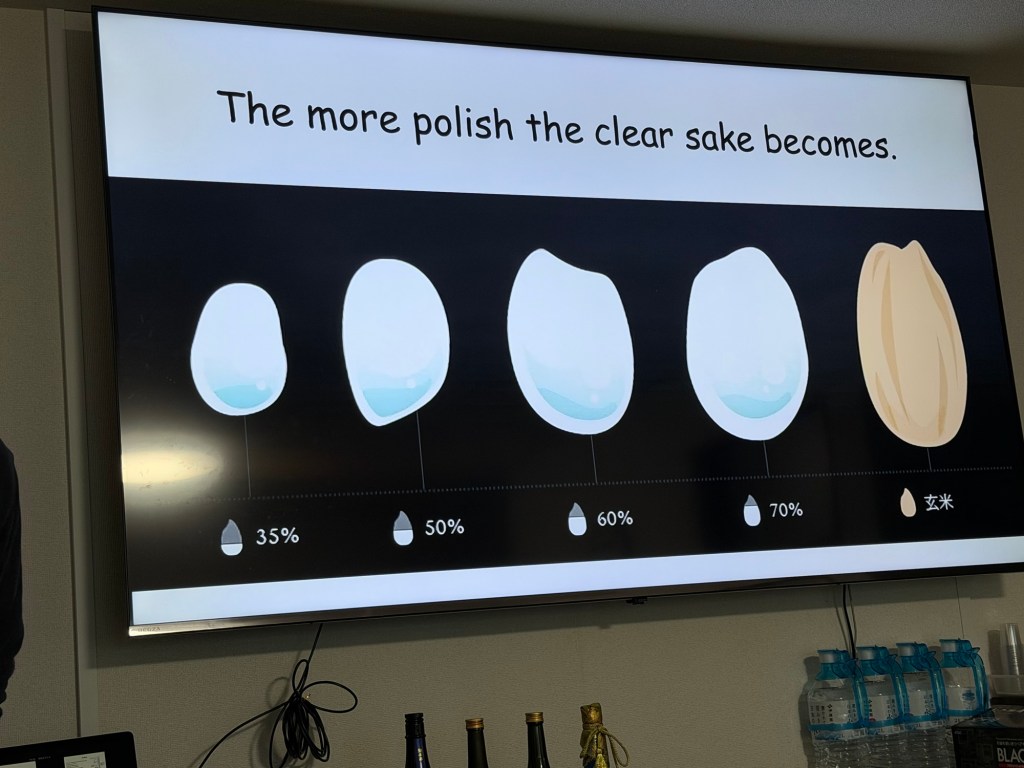
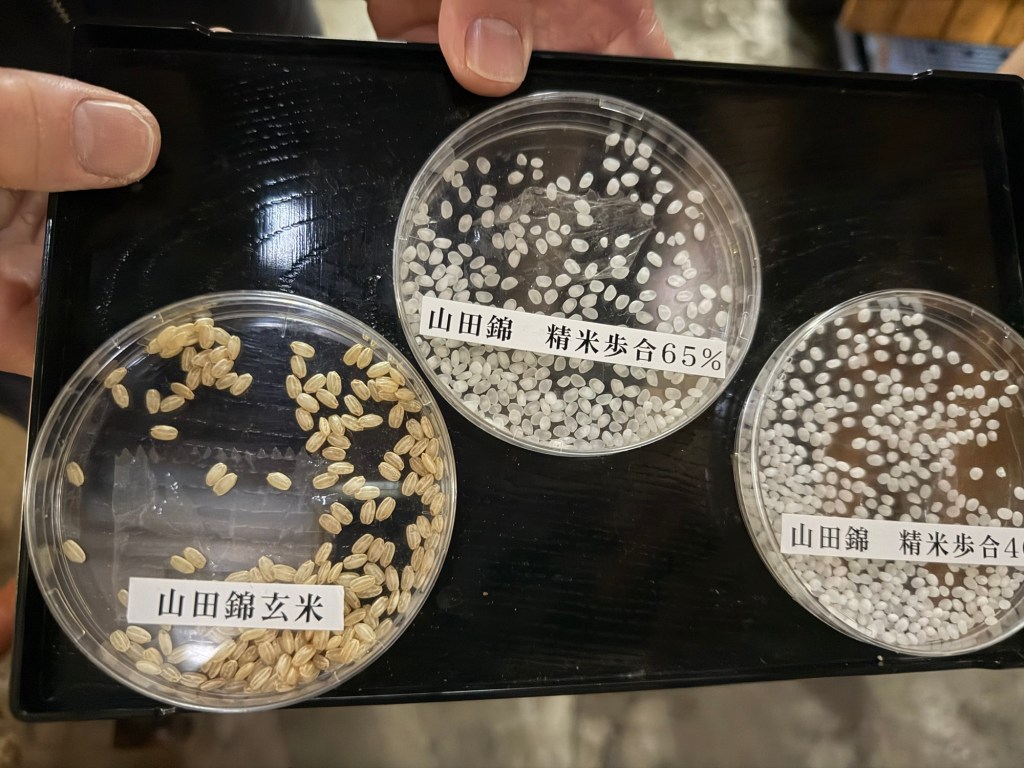
Here are the printed steps in making sake. The lower the percentage of rice left after polishing it, the smoother the sake. 40% as in the rice size slide below, indicates the preferred degree of smoothness.


Then we drove to an omasake style restaurant for sushi.

We spent an hour learning about sake making and then we went to an omakase sushi restaurant and had a delicious meal of several individual pieces of sushi as selected and prepared by the chef. Each piece was hand made for us. The most interesting piece was tofu skin and sea urchin, with a little sea weed on top. All 10-12 pieces tasted good along with the sake we drank to wash it down, Julien was most helpful all evening long and we were sorry to see him depart.
We didn’t not drink overly much sake, but were still ready for bed when we got back to the room.
Tuesday, November 3, 2026
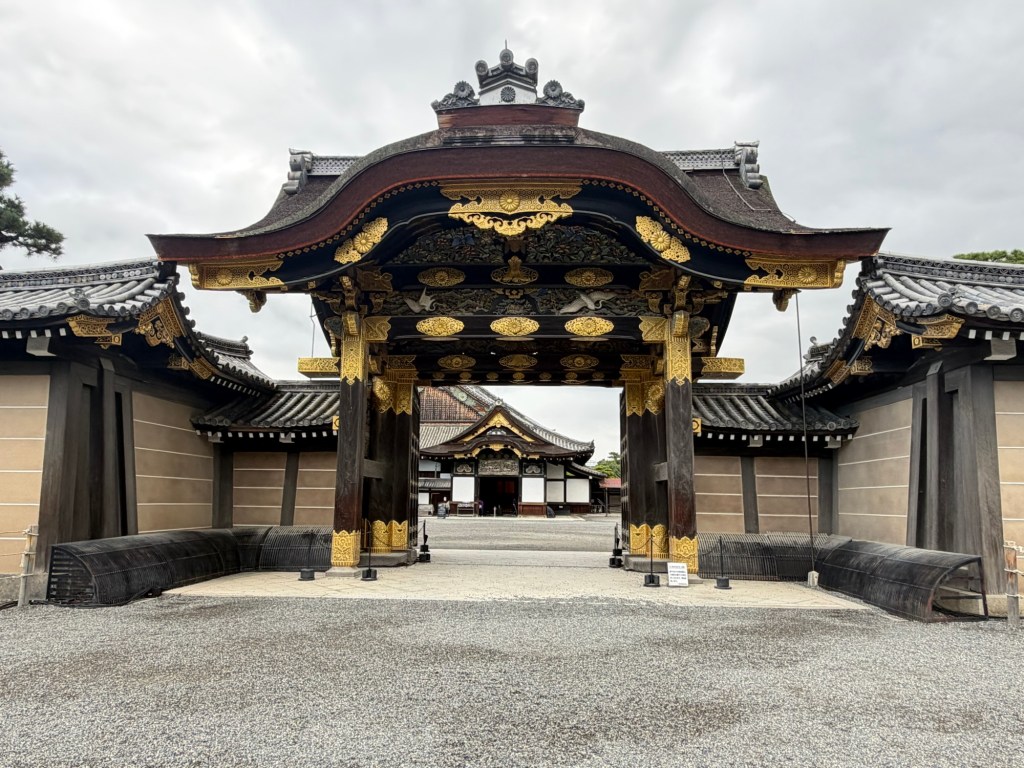
This was our morning to see the Ninomaru Palace across the street from our hotel room. Our guide met us at the front desk and we walked around the hotel and crossed the street to the Palace. The main gate to the castle is the Higashi Oye-mon Gate which dates back to 1662.

The Kara-mon Gate stands at the entrance to the Ninomaru-gotten Palace. It was built in 1626 to welcome and celebrate the marriage of Princess Masako, the daughter of the second shogun,Hidetada, to the reigning Emperor Go-Mizuno-o in 1620. In 1626, the emperor made a 5 day imperial visit to the Nijo Castle along with the retiring shogun and his son. For this event the palace was restored and expanded, stunning wall paintings were added and the Kara-mon Gate was built. It represented the highest status as indicated by the cusped gable and the use of cypress bark rather than copper or tile for the roofing. There are beautifully colored carvings of cranes, pine, bamboo and plum blossoms. Carved lions protect the palace.

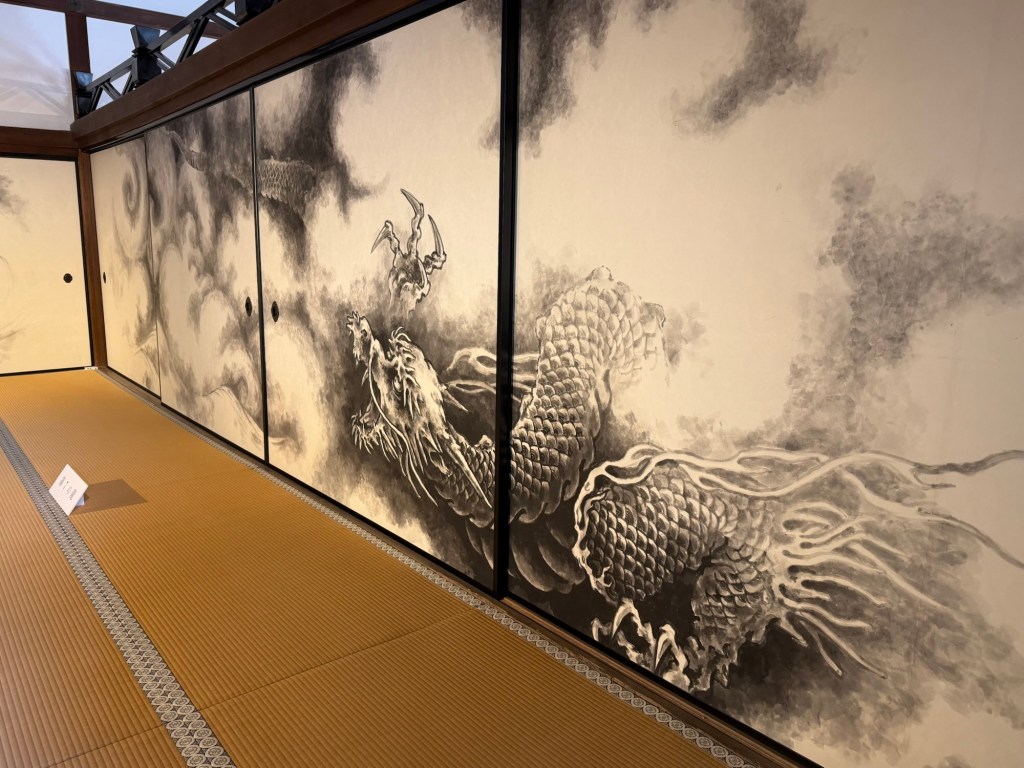
The palace interior consists of six connected buildings arranged in a diagonal line. There is no furniture but each room had beautifully painted walls with animal and tree scenes. We were not allowed to take photos inside, but, as the original paintings have been removed to a nearby building, I waited and took photos of the walls after finishing in the palace. The paintings were the work of artists in the Japanese Kano School of painting, over 400 years ago.


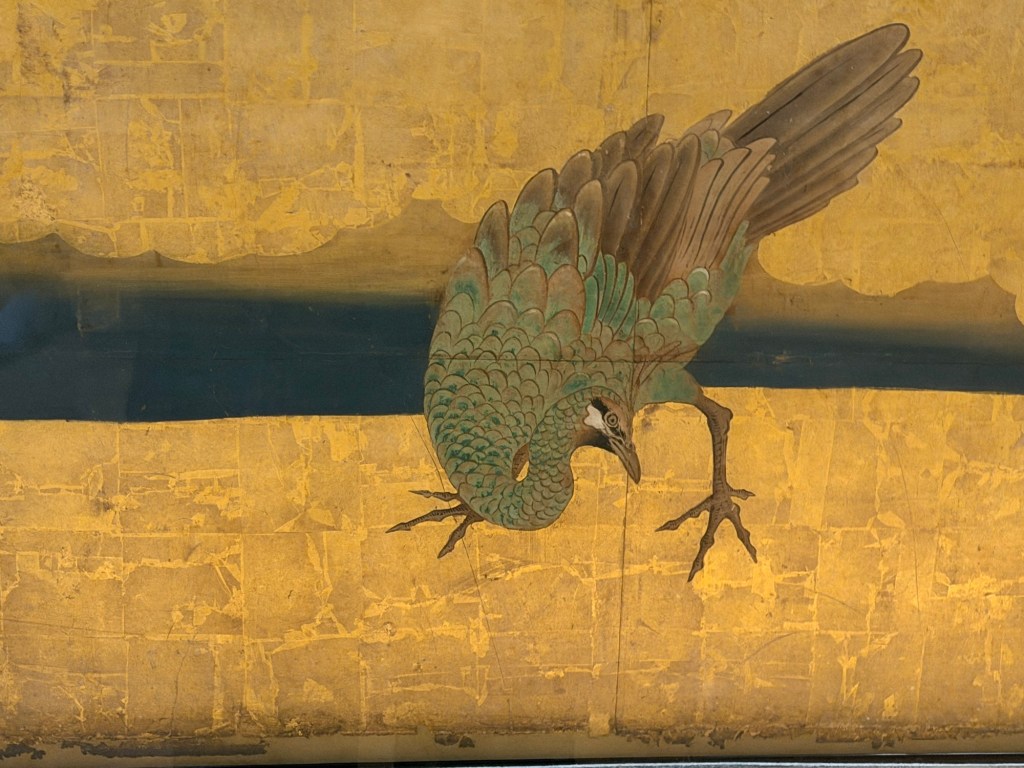
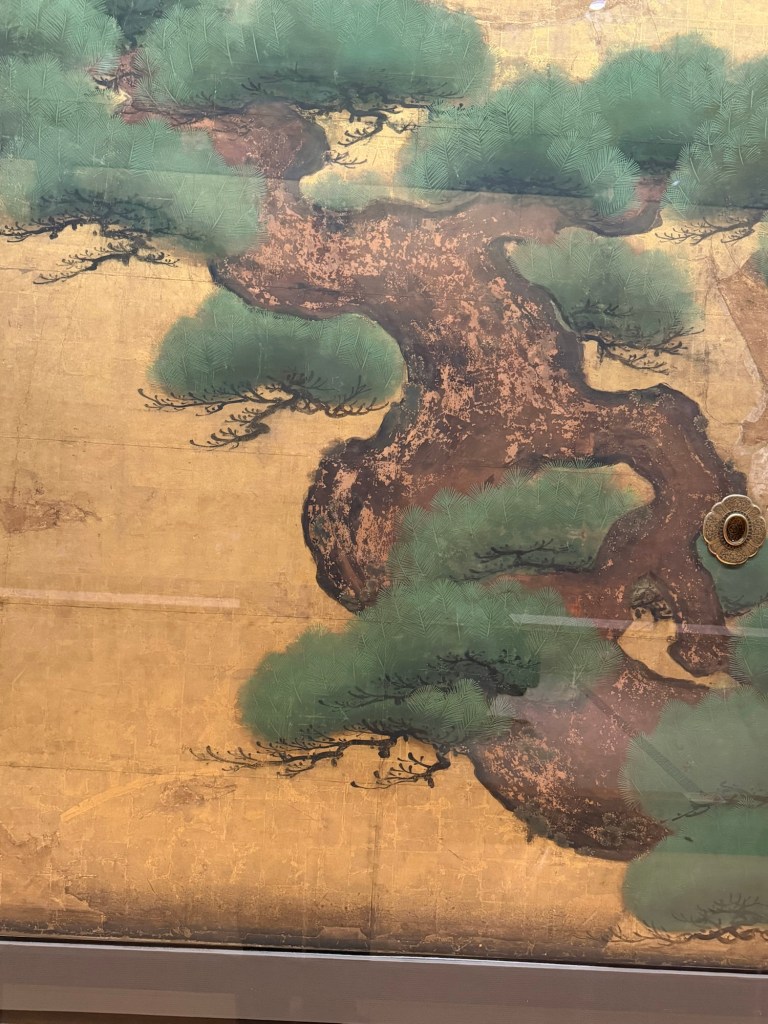
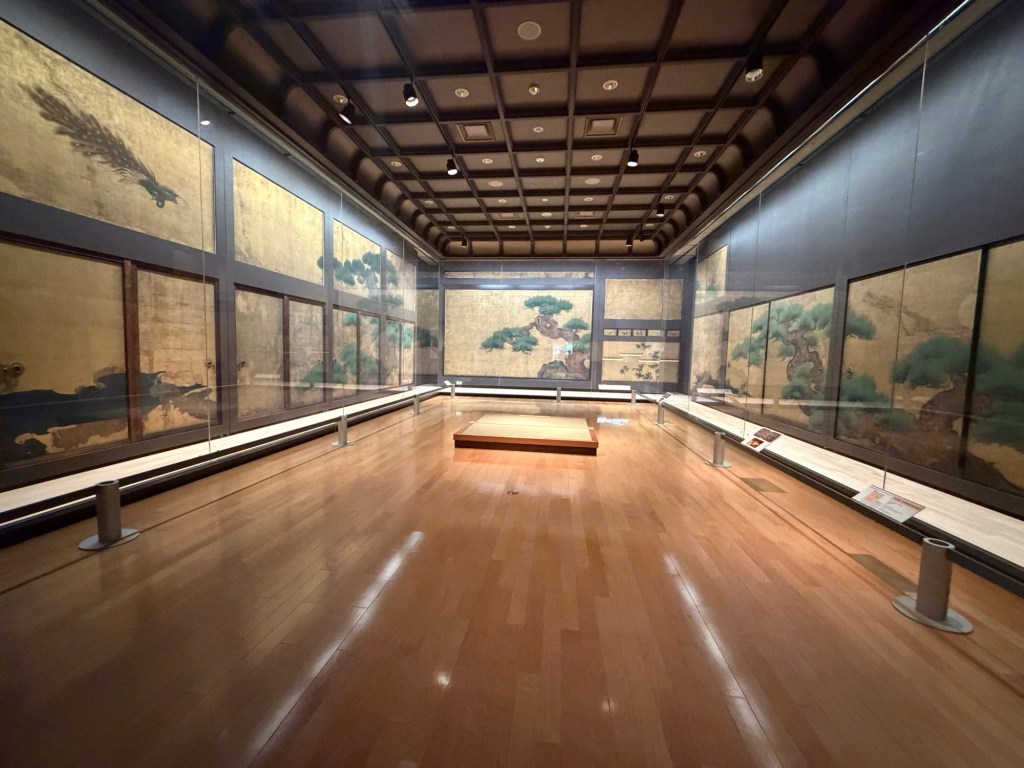
Meanwhile the gardens were lovely and I could take photos there.
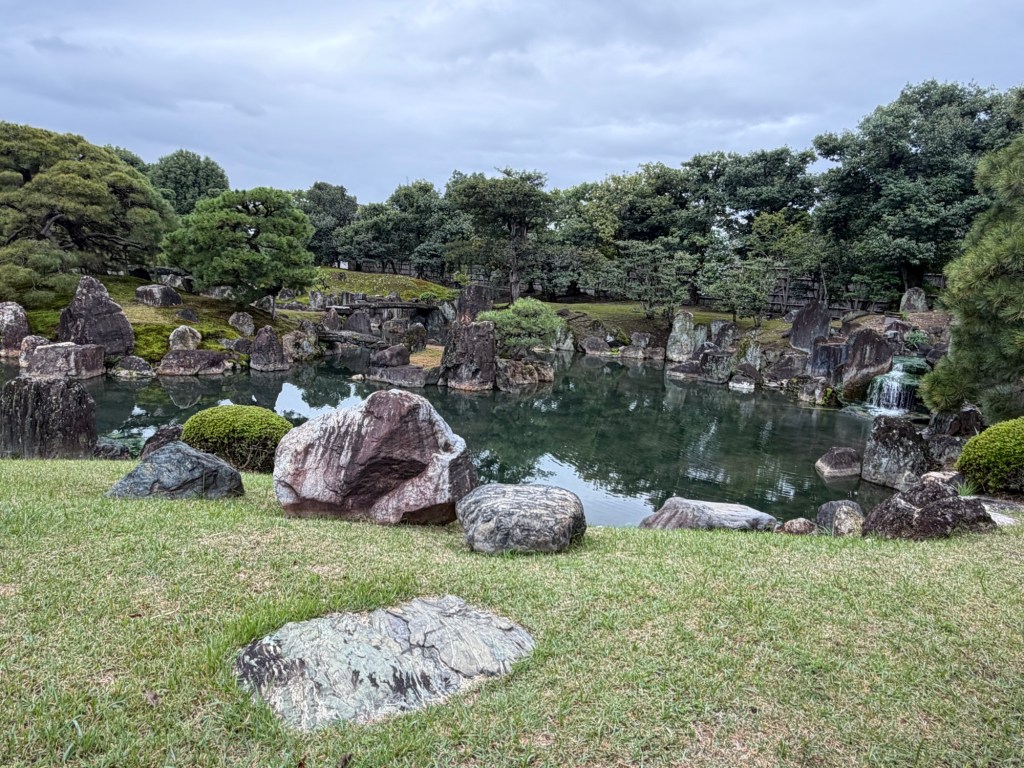
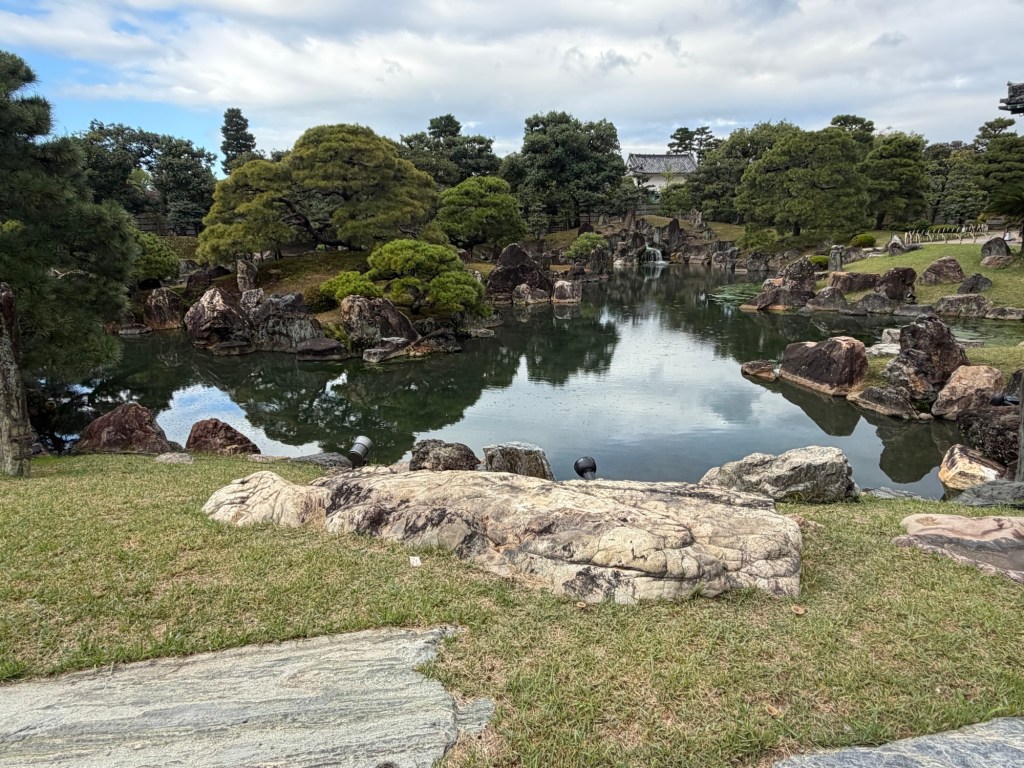
The Palace was built at the beginning of the Edo period in 1603 and served as the shogunal residence during visits to the Imperial capital of Kyoto. The present form of the palace dates from the renovations by the third shogun in preparation for the Emperor Go-miizuno-o’s Imperial visit in 1626. In 1867, the 15th shogun, Tokugawa Yoshinobu, announced to senior vassals gathered at this castle the handing back of his authority to rule to the emperor, bringing to a close 265 years of rule by the Tokugawa Shoguns and almost 700 years of samurai rule.
For dinner we took a 15 minute taxi ride to a restaurant called Mancamerou and enjoyed a 10 course meal with mostly fish and vegetables and sake. Almost everything tasted good and we got full but not overly stuffed, We were home by 8:30 and in bed by 9pm.