May 2, 2026
Dear Blogger friends,
As you have followed me through many African countries, I trust you have enjoyed seeing the wildlife Mark and I have shared with you. Over the years since I first visited Tanzania in 1967, I have witnessed a huge reduction in wildlife populations. Now, we have the opportunity to do something to help reverse the trend by joining forces with Jonathan and the Wild Places Conservation Foundation. We wish to inform you of our activities to enlist your enthusiasm for our effort and, possibly, even support Wild Places financially.
Following is an article I read about what people can do to help. I encourage you to read it, ask questions and learn how you might help, in case you are lead to action as we have been.
UGANDA HAS THE BLUEPRINT FOR A MODEL ANY NATION CAN REPLICATE
BY EMESE MACZKO
Published 12/8/2025 in Forbes Magazine
Uganda offers a blueprint for organizations seeking to reduce poaching and increase wildlife survival.
What happens when conservation can no longer rely on government efforts alone? Earlier this year in the US, wide staff layoffs strained basic operations and a few months later a government shutdown dealt a second blow. Public lands suffer when funding and operations are unstable. Tourism is often the only mechanism that makes conservation financially feasible when government budgets fall short. It can provide steady revenue to sustain local economies, field ready resources for jobs and on-the-ground presence for protection.
“The thought of no tourism is a terrifying one for the conservation of habitat,” said David Guthrie, founder of A Tent with a View, when asked what would happen if everyone stopped traveling. Uganda is testing a new partnership model between the government and a private tour operator that could serve as a compelling blueprint for others to adopt.
To understand how it works, Charles Tunwesigye, director of field operations at Uganda Wildlife Authority (UWA), a semi-autonomous government agency established in 1996, and Jonathan Wright, co-founder of Wild Places, the operator behind this first-of-its-kind
Collaboration. Over the last 20 years Jonathan has guided my husband, Mark Strate, and me all over Uganda and, in the process, we have become personal friends. Recently he invited us to join the board of his Conservation Foundation and we happily accepted the
honor.

Uganda protects over 9 million acres of conservation land managed and operated by UWA. The area accounts for roughly 16% of Uganda’s territory, including about 2.1 million acres across 10 national parks and an additional 3.7 million acres in wildlife and forest reserves.
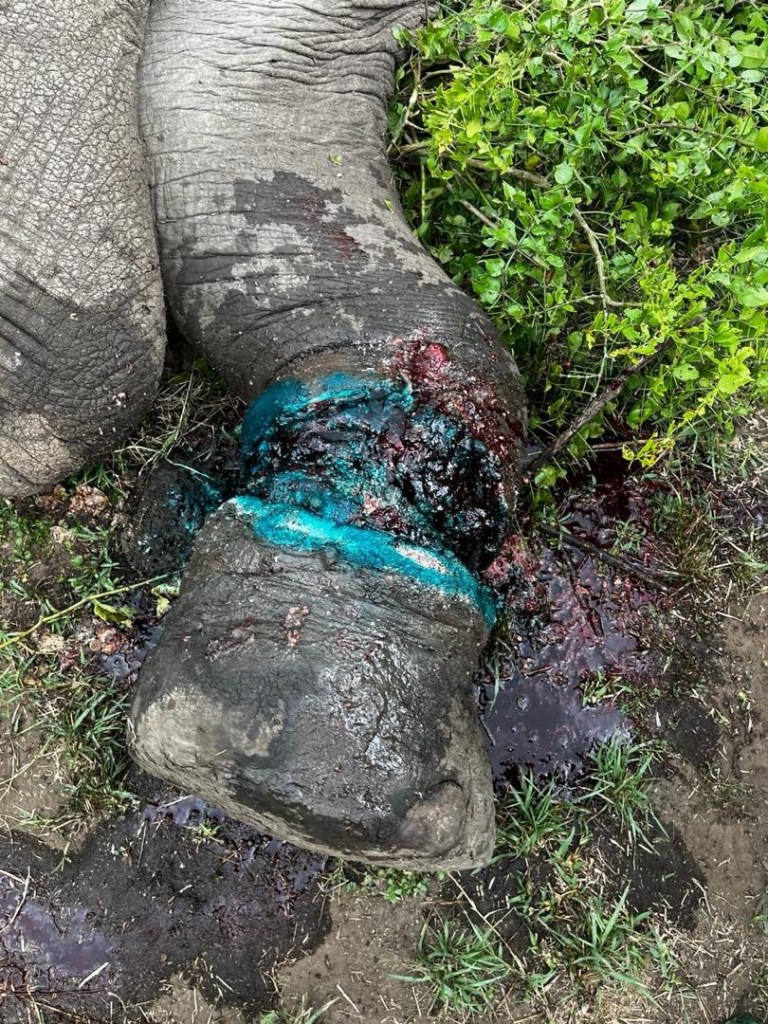
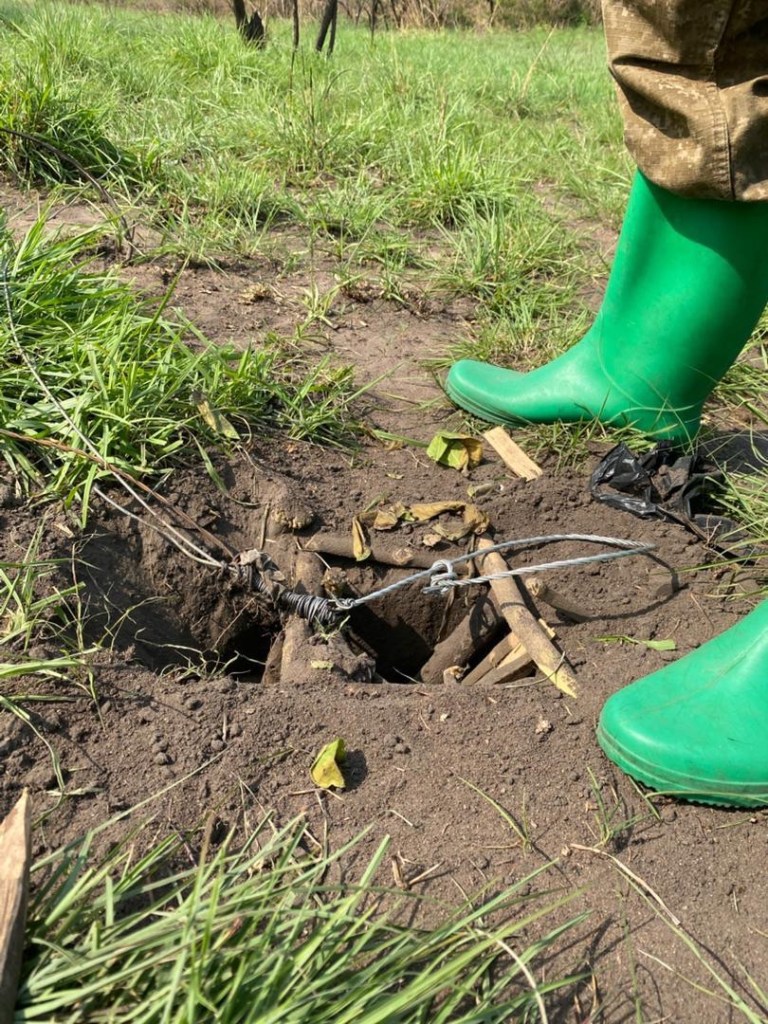
The country is also facing intense conservations pressures due to the illegal bushmeat trade, which Wright describes as “the silent Killer”. According to him, poachers can set “100 to 140 snares a day”, often staying inside protected areas for weeks at a time.
The financial incentive is strong as commercial poaching is considered a lucrative business in Uganda, said Wright. Ugandans will pay a premium for game meat even over beef. He estimated that in Murchison Falls alone, the commercial bushmeat trade could be worth $35 to $40 million. He said poaching is the largest culprit, ‘decimating the the parks” and complicating UWA’s efforts to protect everything from Pangolins and lions to elephants. The impact on predators has been devistating.
Jonathan told about a small group of poachers that killed 50 lions in about 5 years.
Managing this vast system is costly. Tumwesigye said that conservation requires constant financing for “law enforcement, vehicles, ranger support, salaries, food rations and ranger posts.” Government funding rarely covers these needs, particularly in remote areas that attract few visitors. Some parks will not even receive 100 visitors a year, yet UWA must still deploy staff, patrol the land and maintain infrastructure. The financial gap, according to Tumwesigye, is persistent and structural. UWA relies heavily on tourism revenue, but many of the landscapes most in need of protection generate little of it. The imbalance is precisely where Uganda began looking for a new, more resilient model.
Wright explained that Uganda historically relied on bilateral aid from institutions such as the World Bank and the European Union. When those funding streams slowed, wildlife suffered. The model, he added, was built to solve one of the UWA’s most significant challenges: the lack of consistent, flexible, field-ready funding for conservation.
The idea for this new model emerged from a presidential initiate that invited select private sector operators to help strengthen conservation across Uganda. “The president basically told us go out and look around all the national parks and find solutions”, he explained.
Jonathan’s team surveyed the country and chose some of the most remote, least supported landscapes with no infrastructure, no history of tourism and limited capacity for active management: Toro-Semliki Wildlife Reserve, the southern sector of Murchison Falls National Park and Kyambura Wildlife Reserve.
Wright emphasized that his goal was not to replace UWA, but to reinforce it’s operations. The solution, to him, was to join forces to deploy the privately raised funds directly to frontline needs. “We didn’t want to usurp their authority,” he said. “We wanted to work in conjunction with them.” After a series of meetings with UWA, government leaders and NGO boards, the Wildplaces Conservation Foundation was founded and began operation in 2024.
TO ensure accountability and creditability, the foundation assembled a high-level board that includes Rt. Hon. Dr. Ruhakana Rugunda, the former prime minister, Her Worship Gladys Kamasanyu, chief magistrate in the Uganda Wildlife Court that oversees wildlife crime and Ms Priscilla Butagira, special presidential assistant alongside conservation experts from Uganda and the UK.
We, said Wright, “ do not pay ourselves salaries. We don’t make money out of the trust. Everything is targeted to support UWA’s operations.”
In the first year, the Foundation raised $1 million from tourism activities (including $25 per guest, per night at Wildplaces Lodges) to finance practical, high-impact needs.
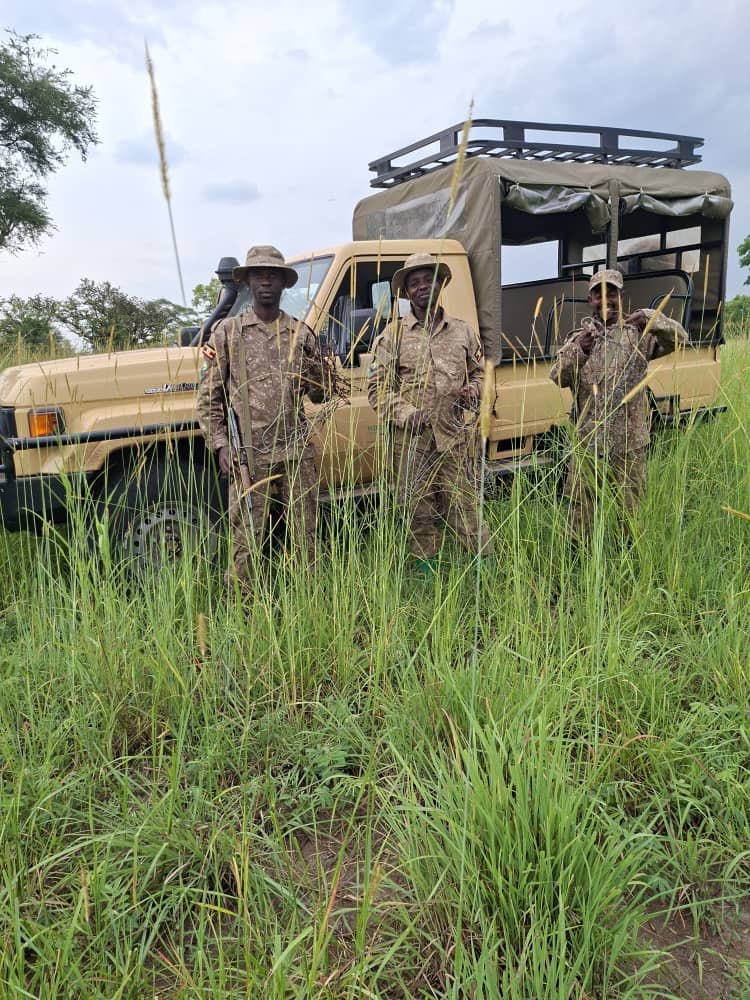
The Foundation has already build 6 new ranger posts and upgraded a seventh across the three protected areas. It has supplied the teams with tractors equipped with blades and all-terrain vehicles to support ranger operations And field transport. The funds also provided new anti-poaching gear for ranger teams and smartphones to support mapping and monitoring.
Jonathan says he has already seen measurable results. Lions are showing early signs of recovery with Wright estimating as many as 35 cubs. He believes the prides are settling and their behavior is normalizing. He has also noted a dramatic shift in elephant safety. In 2023 eleven elephants were snared in he area. In 2025 he has not seen one.
In Murchison Falls, where 70 poacher camps once lined the Nile, Wright’s team is not finding any more poachers, thanks to active patrolling.
Wright described Uganda’s ecological potential in striking terms, saying, “Uganda would be second to none. Thanks to its rainfall, green grasslands, mountains and rivers, the country has some of the highest biodiversity found in African National Parks. In his view, Uganda should be thick with big predators, elephants and everything else. WIldlife is resilient and can rebound quickly if protected.
“We can almost double the population of many species every year as long as we eradicate the core problem, poaching for meat. Elephants, however, need more time. 15 to 20 years for them to forgive us for what’s been done to them.
According to Wright, scaling the model requires two things: increased government financing for UWA and a policy shift that makes conservation participation a condition for new tourism concessions. Tumwesigye agreed that replicating this cooperation is possible, but only with the right partners, “who have that deep love for conservation beyond business”. Wright also warned that without long-term planning, Uganda could repeat the mistakes of Kenya and Tanzania, where high-volume tourism has strained ecosystems. If you have high-volume tourism in wildlife parks, they will be destroyed. Both Wright and Tumwesigye agree that they want low -impact, ethical wildlife tourism in Uganda.
Wright insists that Uganda must set firm conditions on the number of lodges an area can accommodate, how vehicles approach wildlife and how tourists interact with wildlife. He believes there should be a 5-10 year plan to prevent hotel clustering and unregulated construction. Instead of building repeatedly on the same sites, authorities could/should open new, less-visited areas, ensuring tourism grows without overwhelming the country’s wildlife or landscapes.
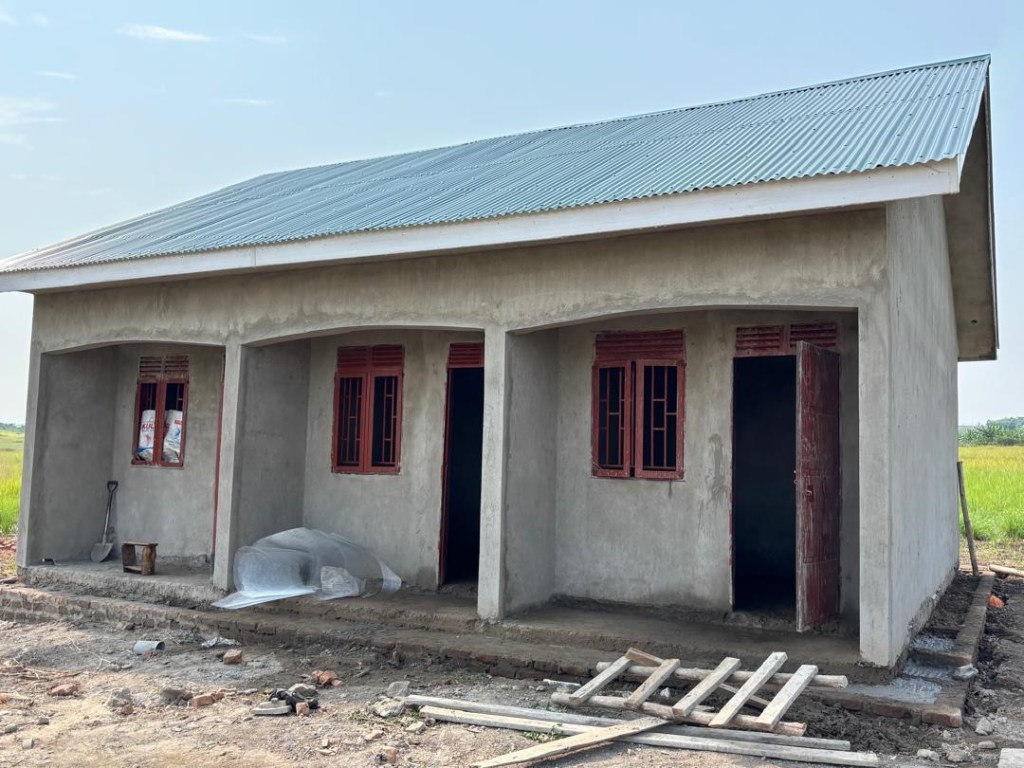
Ranger Posts each house 6 comfortably
Wright ended by saying, “I think you have probably seen what’s going on in the Mara and Serengeti, with hundreds of cars waiting around a pride of lions or other animals. If Uganda ever went that way, I’d end up having to sell lodges and leave because I wouldn’t be able to reconcile with a similar situation emotionally.”
Uganda’s new model may not be the final answer to everything, but neighboring Rwanda’s a well-established sustainable tourism model shows that long-term commitment, strong policy and low input tourism can indeed drive recovery at scale. When conservation, tourism and government interests align, the results can be transformative. Mark and I are pleased and humbled to be included as members of Wildplaces Conservation Foundation and hope to add value to the organization.
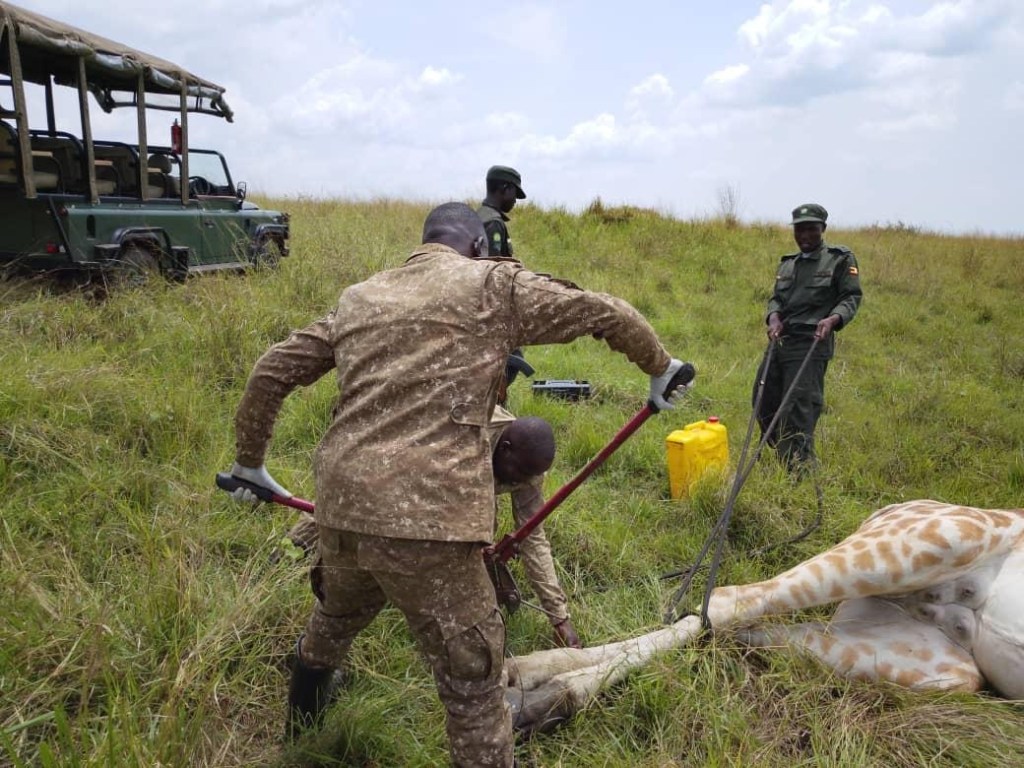
Our first way to help the organization. Is to send this article to everyone who reads our blog, “Adventures with Julia”, and introduce you to Jonathan and his efforts in conserving wildlife in Uganda. We plan to continue to visit the country at least once a year and keep you included in our activities and efforts to conserve Uganda’s wildlife.