
Wednesday, November 4, 2026
At 9am we meet up with Akiko, a repeat guide we were happy to see again. Our first stop was at a shrine called Fushimi Inari in Kyoto. It is dedicated to the Shinto deity named Inari, who is thought to protect harvests and bring prosperity in business.


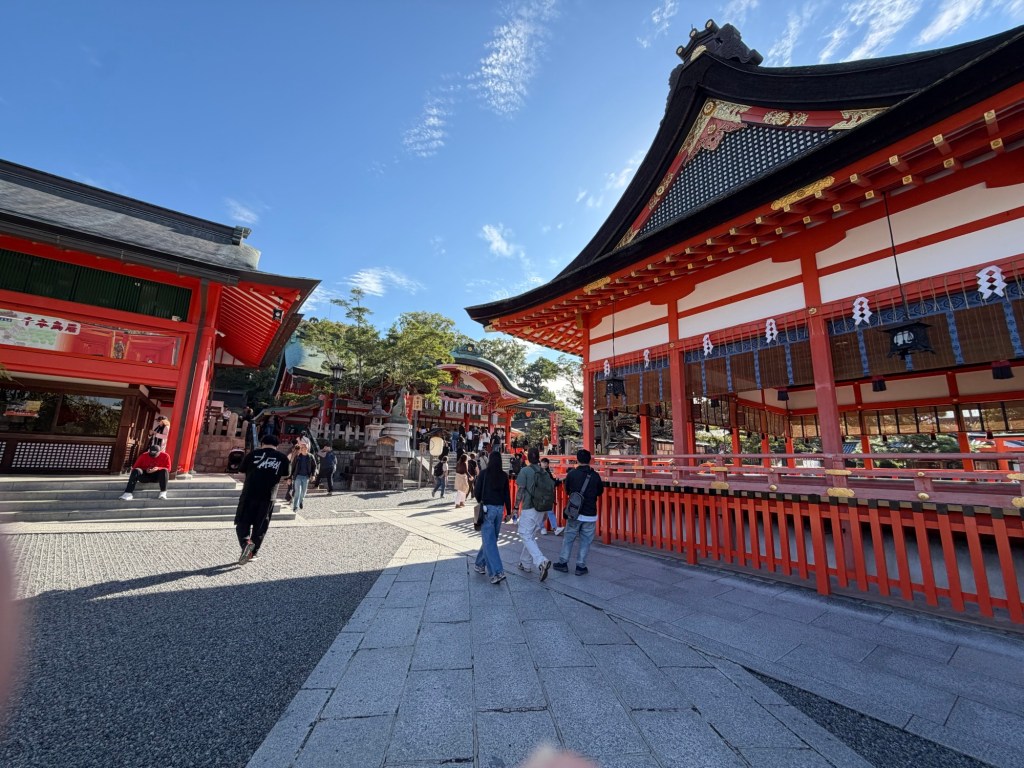
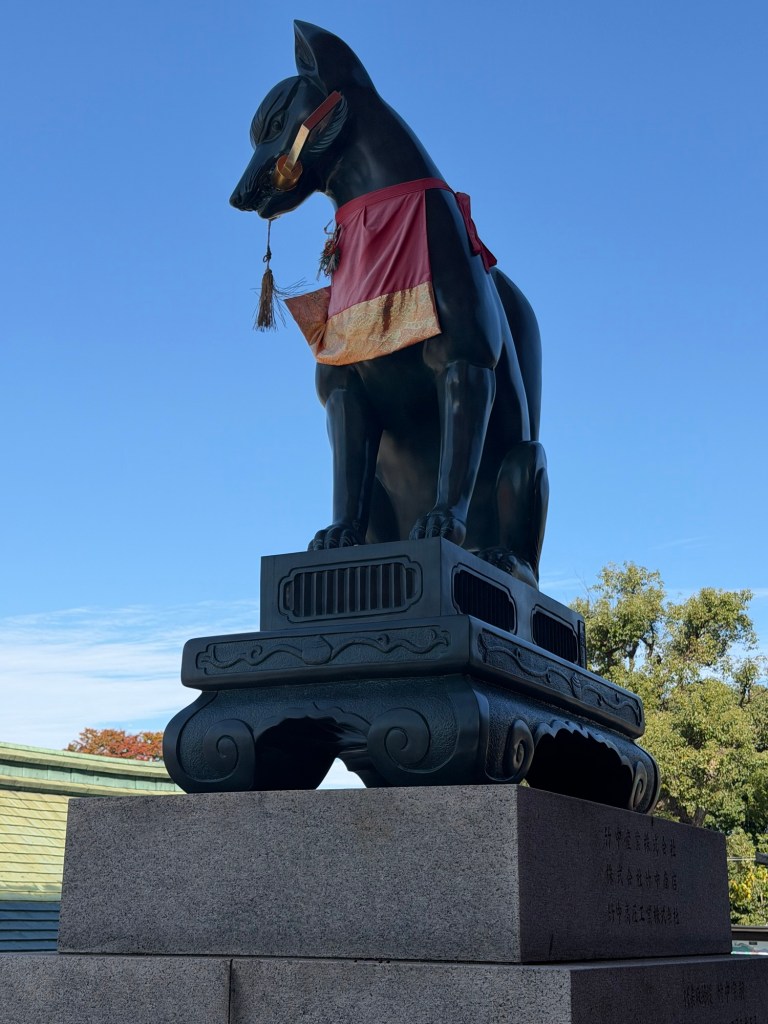
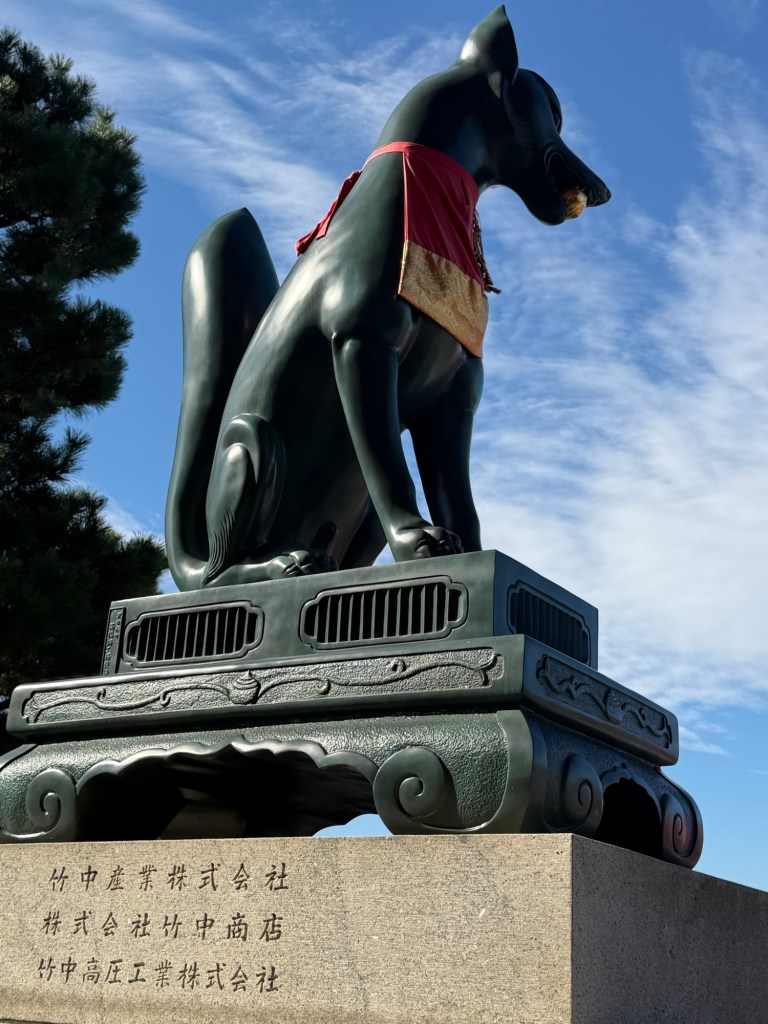
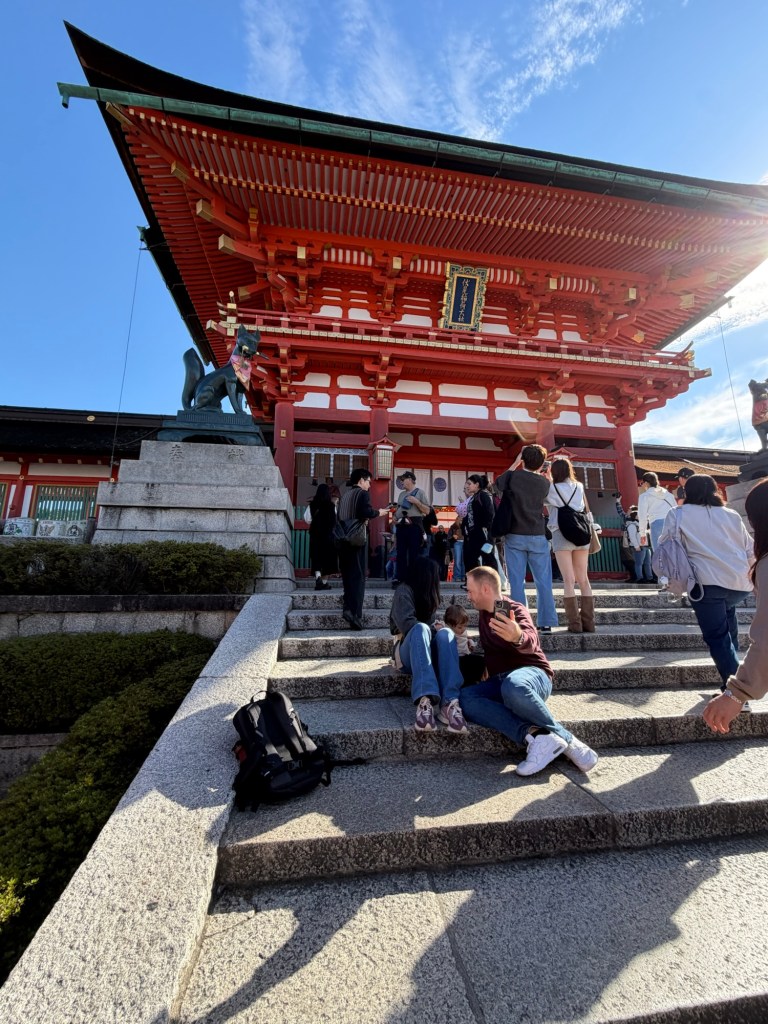


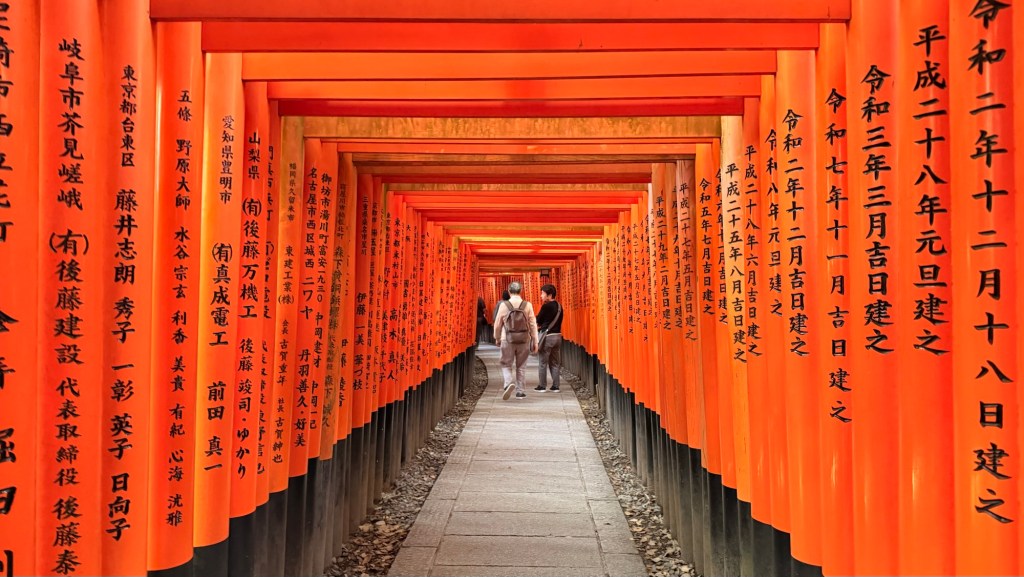
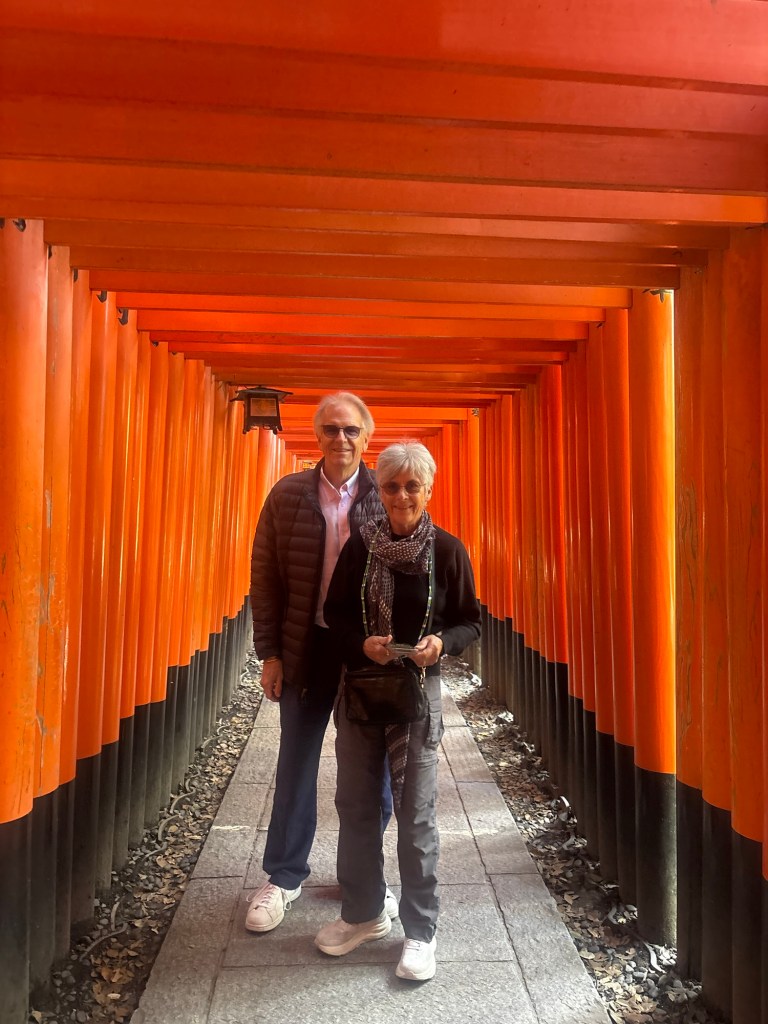


In this shrine we found thousands of vermilion red torii gates that were each printed with the name and date of the donor going back to the 8th century. The gates formed a long curving tunnel around the property and made for a very colorful and photogenic scene. In addition to the gates the shrine boasts thousands of fox statues in all sizes from large to tiny, which are Inari’s messengers and guardians. The foxes are good animals, not mean and in ancient times protected the nations rice supply.

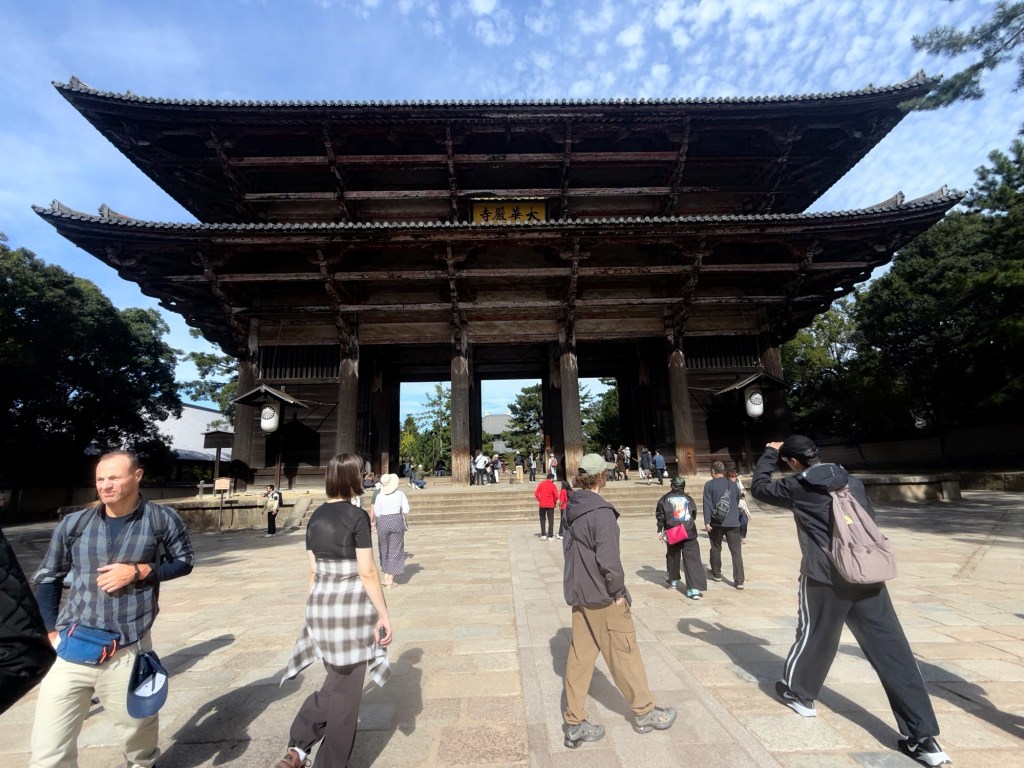
Then we went on a one hour drive to the city of Nara to see a major temple and a shrine. The temple was Todai-ji, a famous Landmark and historically significant Nara temple.


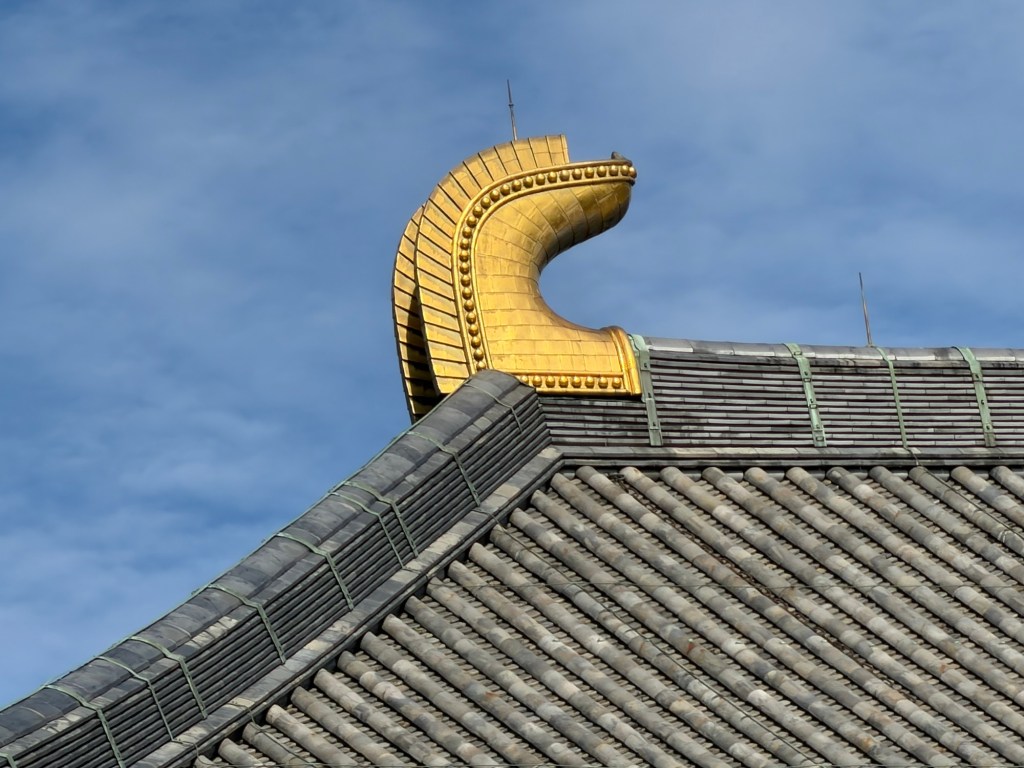
represents water and is meant to protect the building from fire.


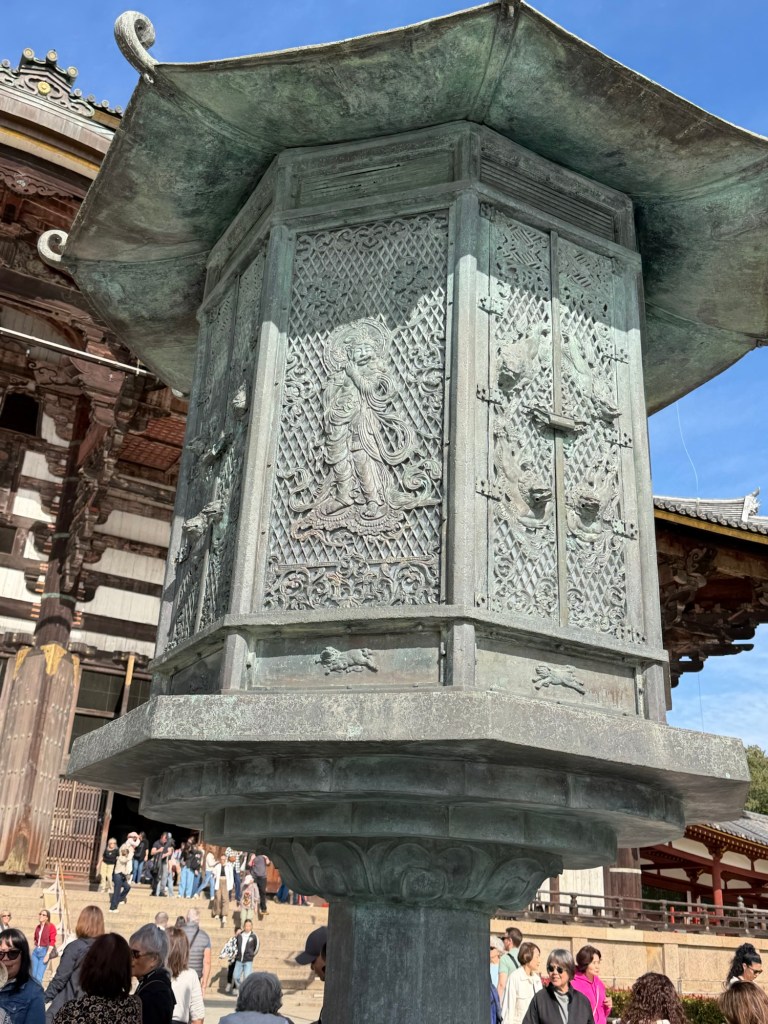
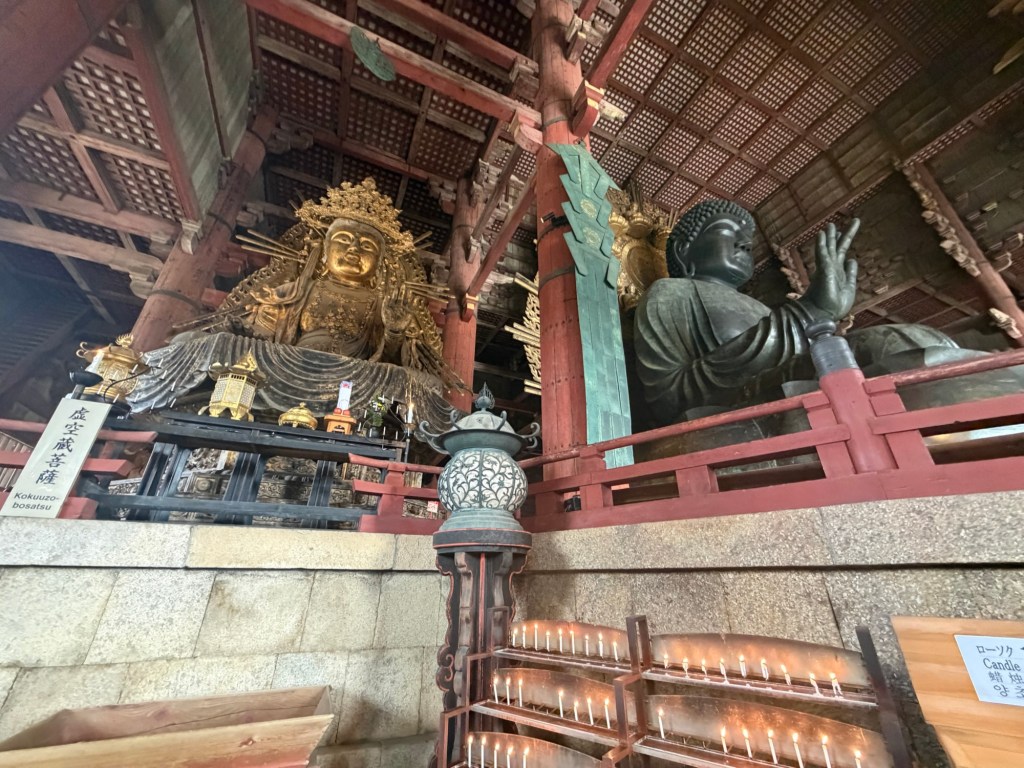
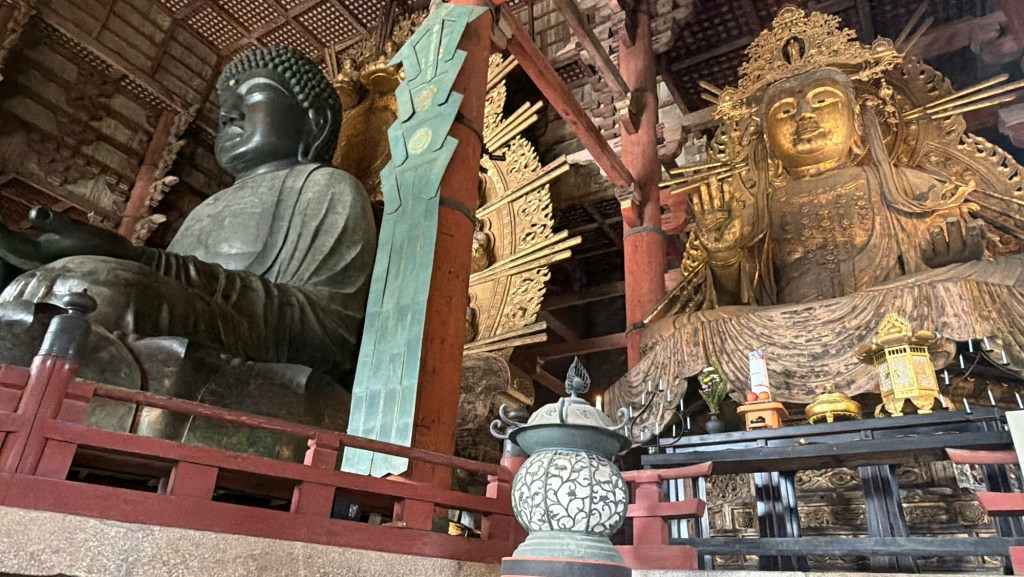
It was founded in 728 by Emperor Shomu and constructed in 752 as head temple of all Buddhist temples of Japan. The main hall called “Big Buddha Hall” is Japans largest wooden building. It is 196 feet wide, 164 feet long and 160 feet high. It houses the largest Buddha in Japan, a 49 feet tall bronze statue weighing 250 tons. As a national treasure, the temple is owned by the government, but managed by the Keigon sect, which comprises only .03% of Buddhists.


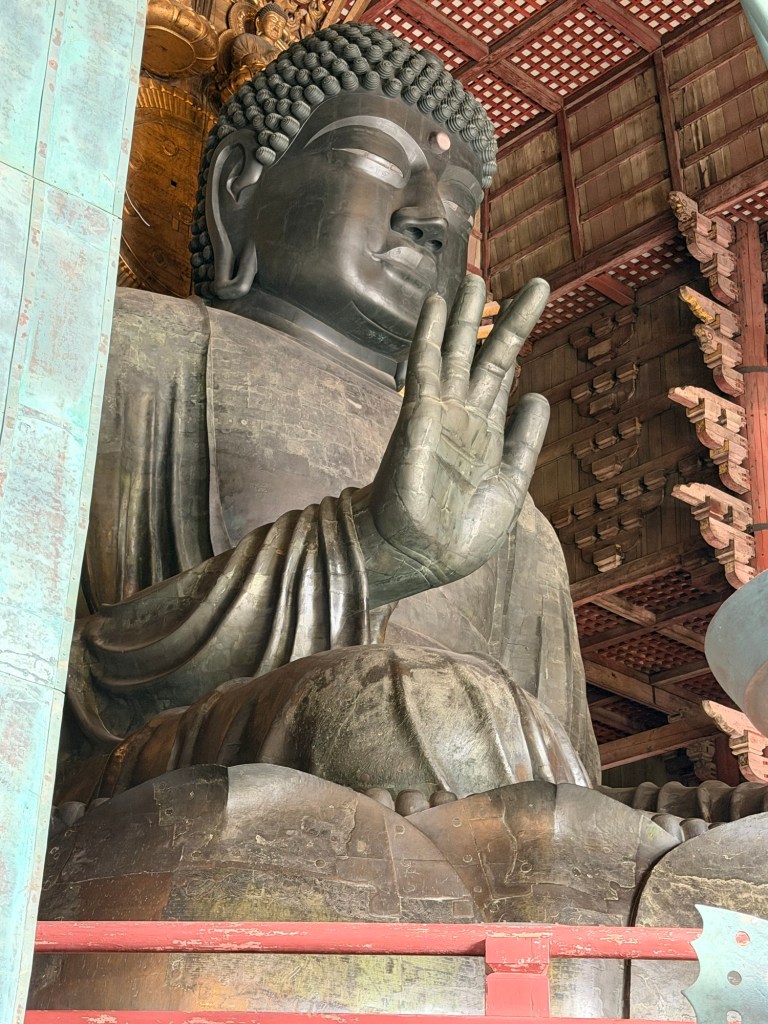
The huge Buddha is flanked by 2 nearly as large Bodisatfas. The one on Buddha’s right represents wisdom and the one on his left represents encouragement.

At the large and original entrance gate were two big and fierce guardian Kings.

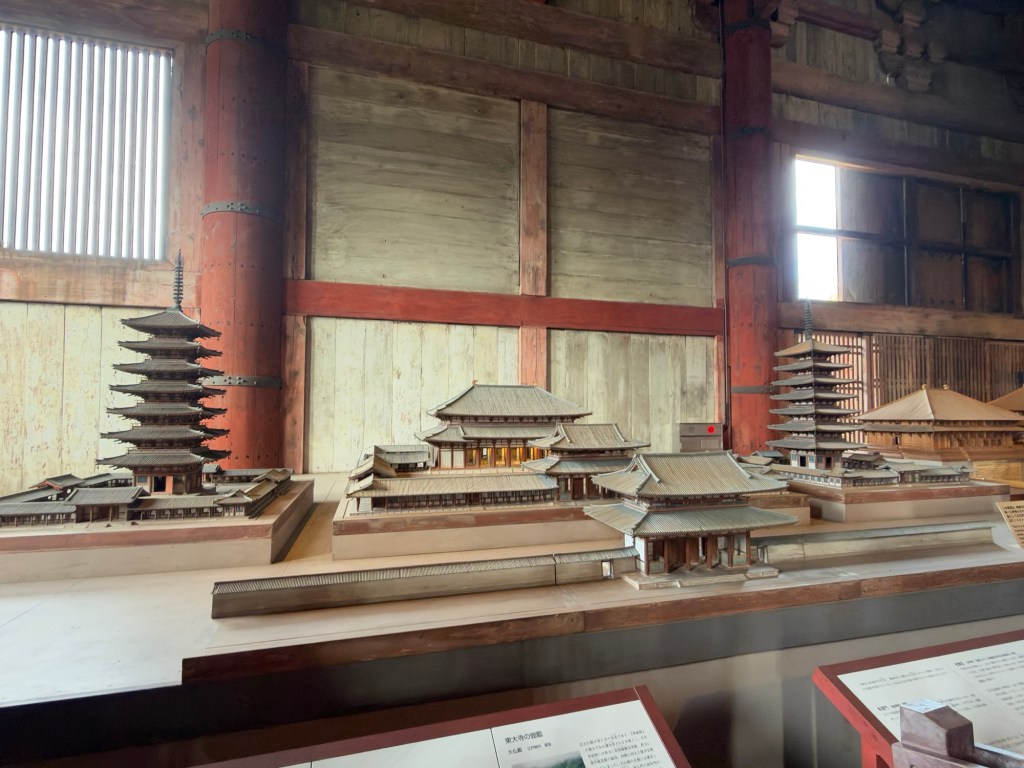
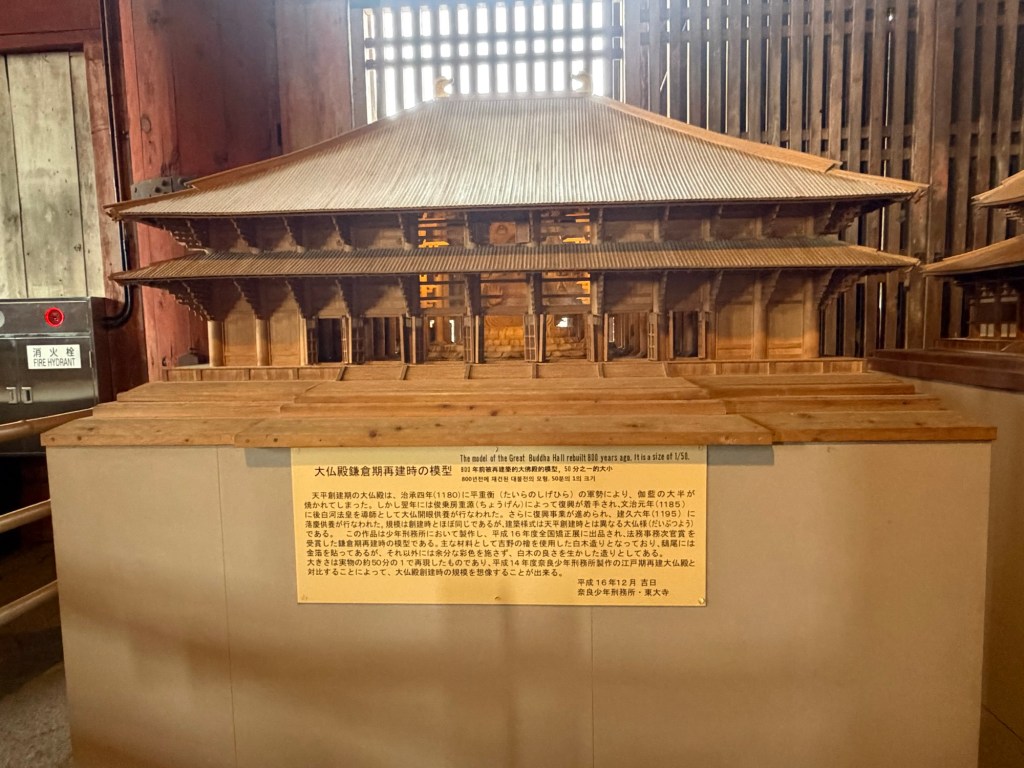
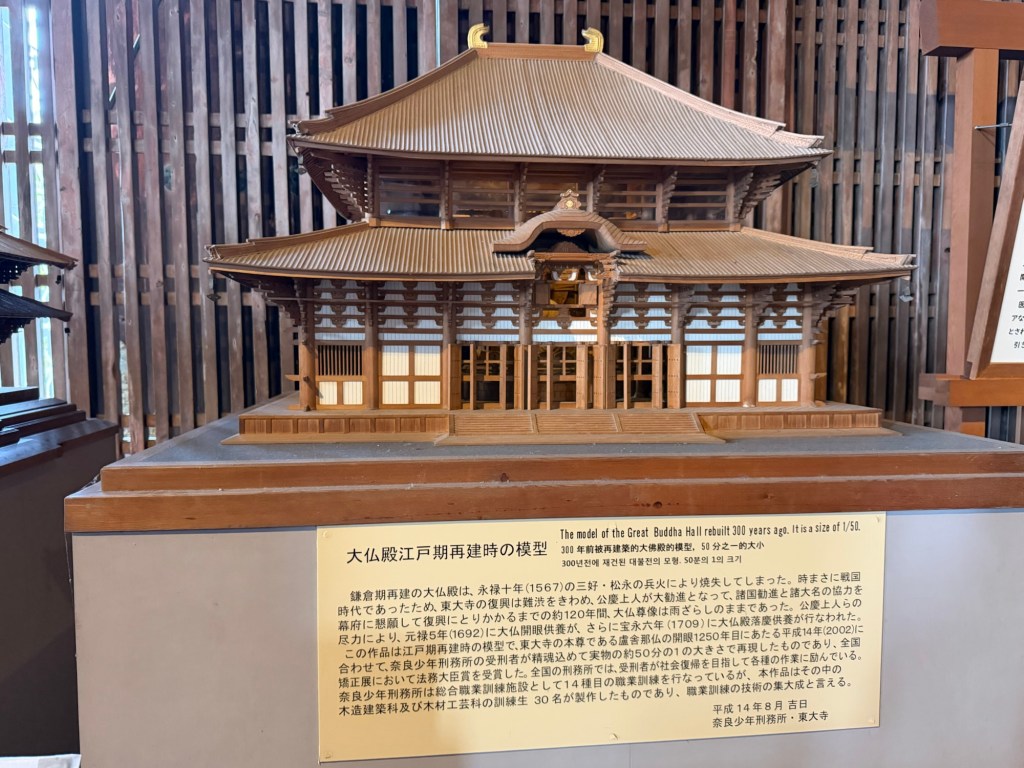
In the 8th century the original building was a third larger. It burned to the ground in the 12th century and was rebuilt slightly smaller. It burned again and was not replaced until 1709, even smaller yet. Models of all three buildings are in the current structure and give a good sense of proportion. As huge as the current building is, it is hard to imagine it a third larger.

After an hour in the huge facility, we left the temple and drove to a shrine called the KasugaTaisha Shrine that is Nara’s most celebrated shinto shrine. It was established in 768 by Emperor Shotoku and is a UNESCO World Heritage site.

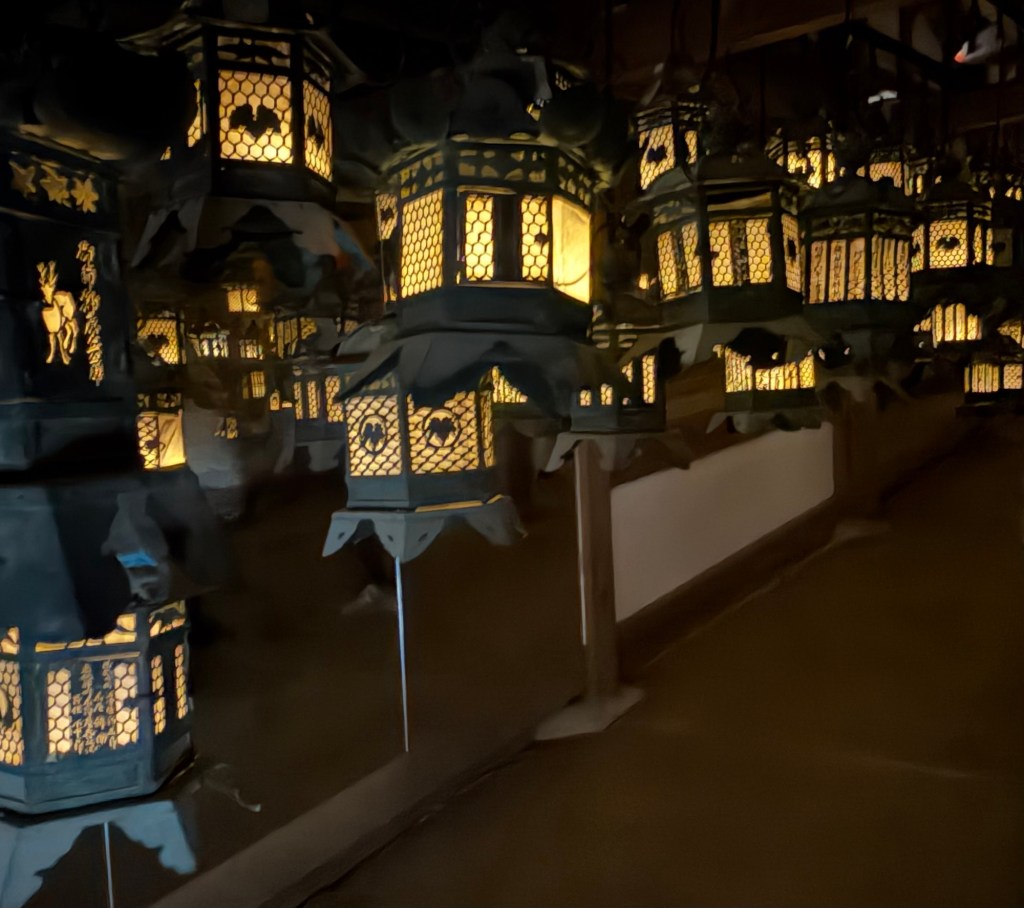
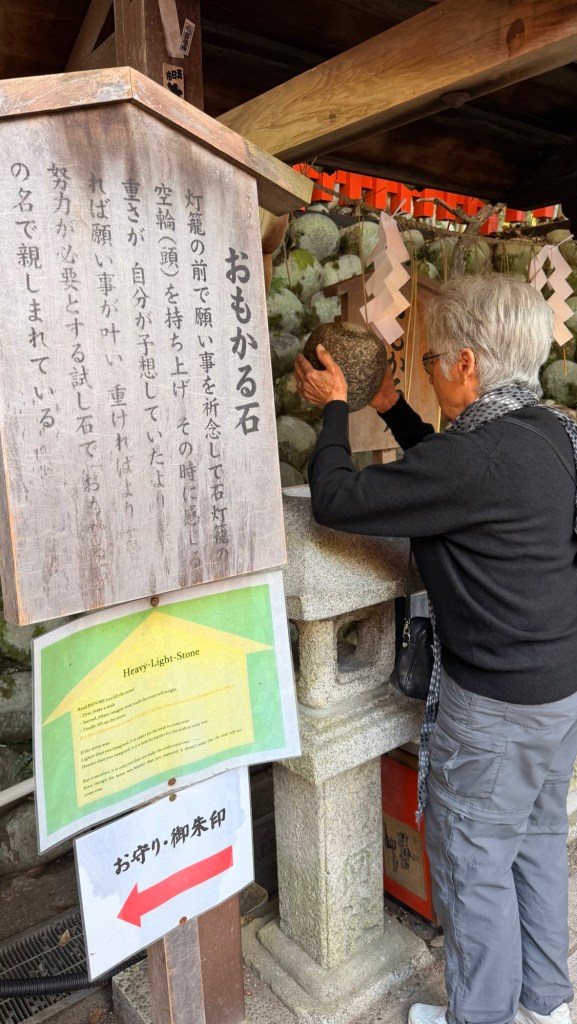
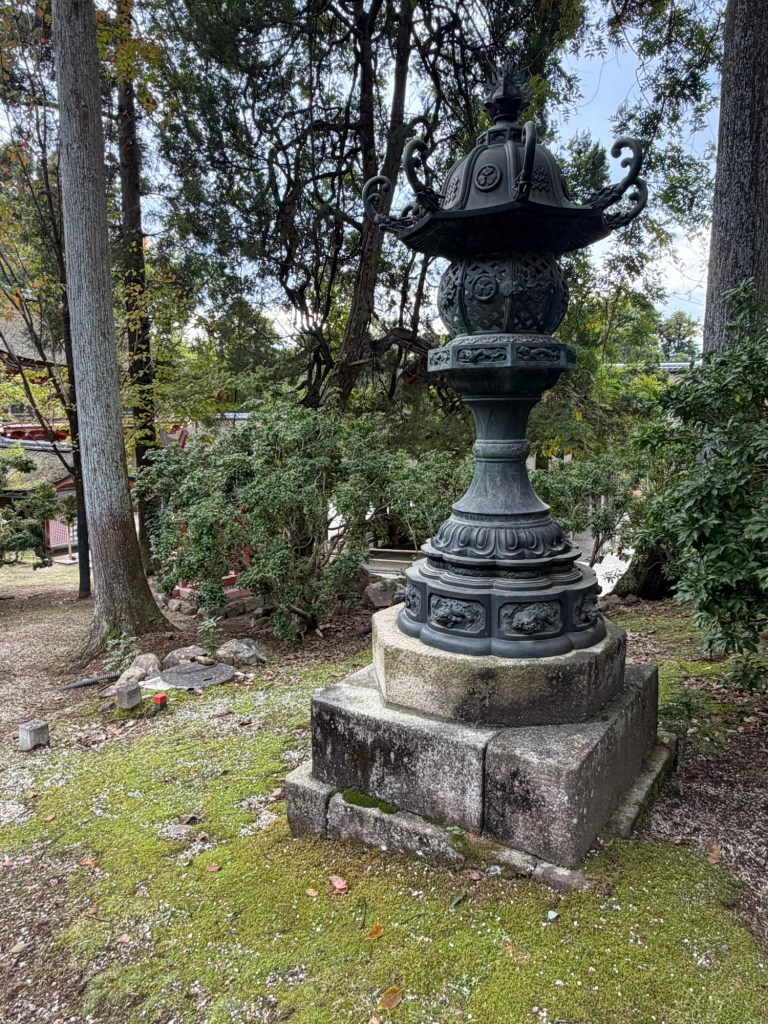
Its s famous for its lanterns which have been donated by worshipers. Hundreds of bronze lanterns can be found hanging from the buildings, while just as many stone lanterns line the approaches.
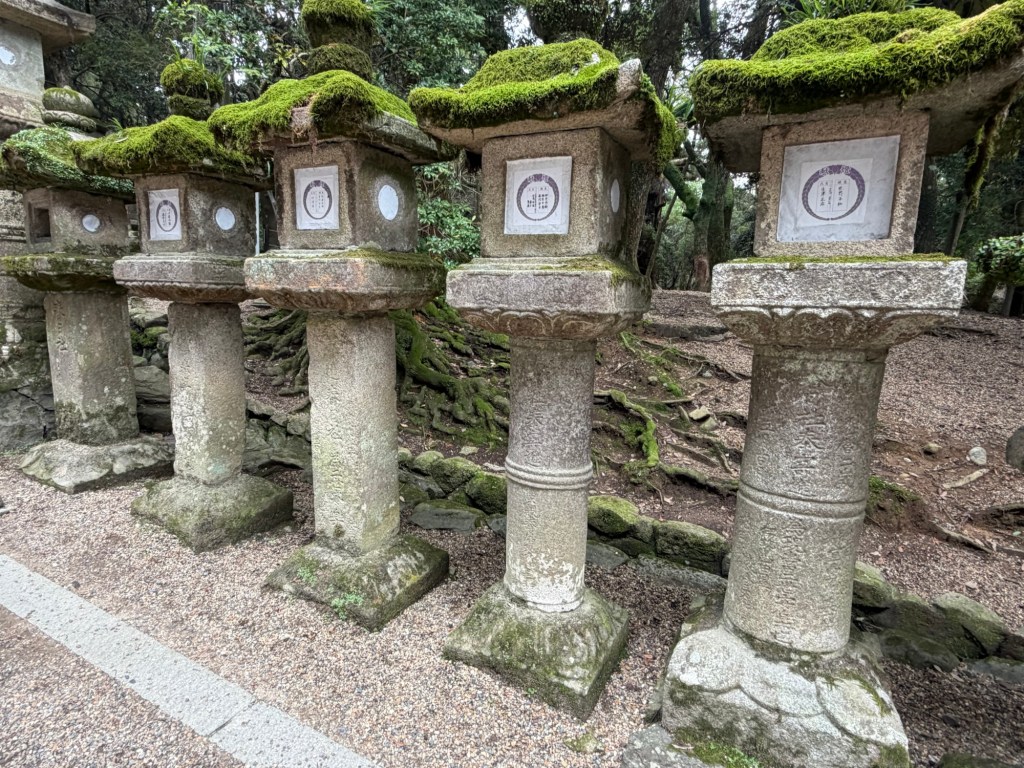


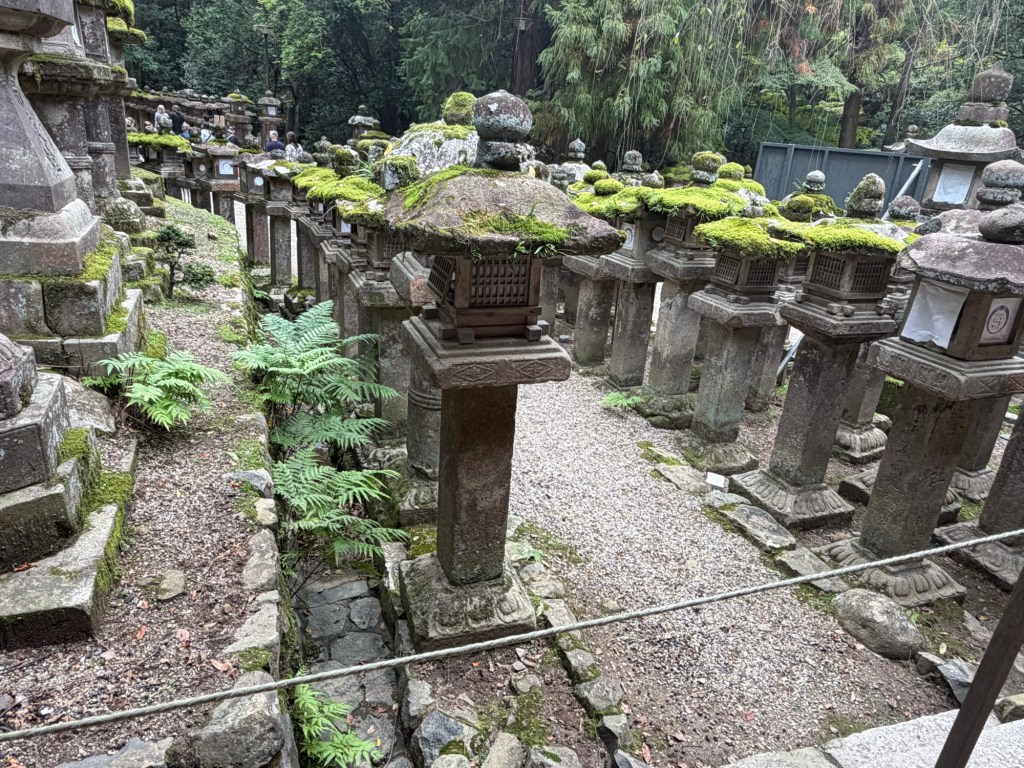
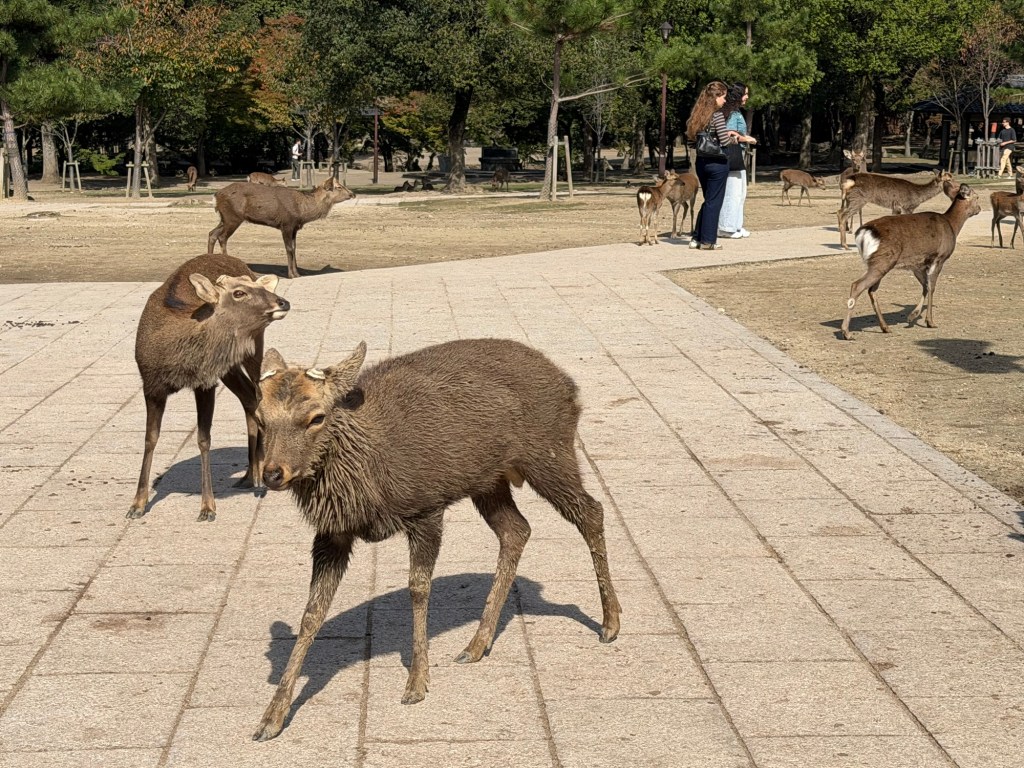
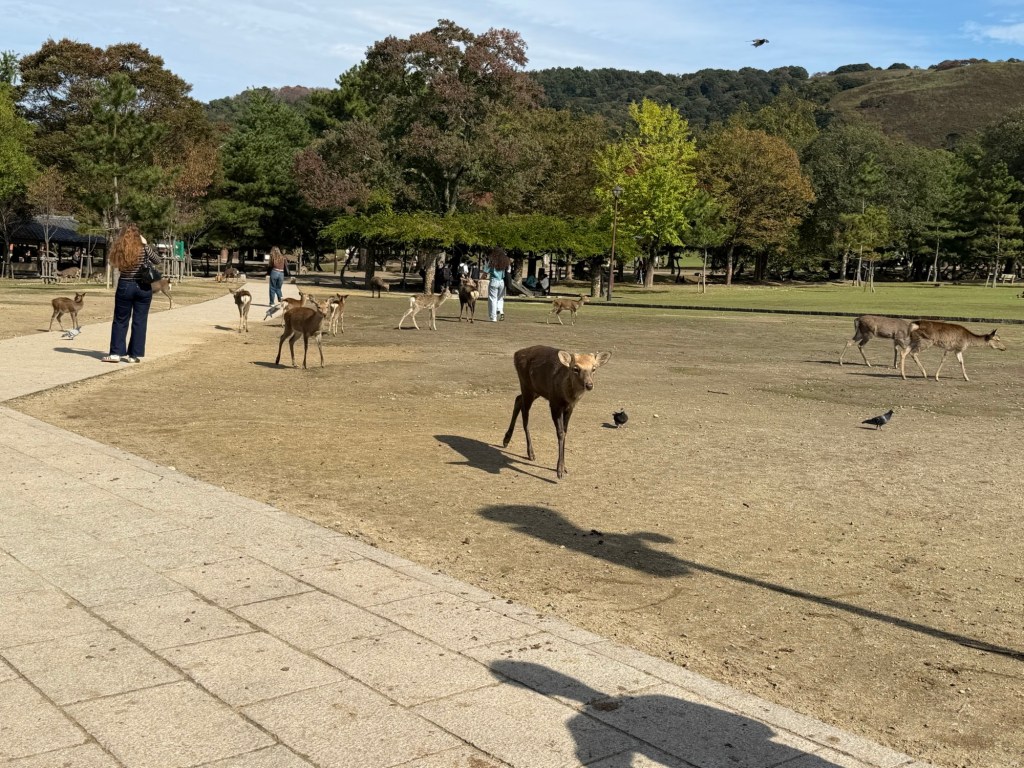

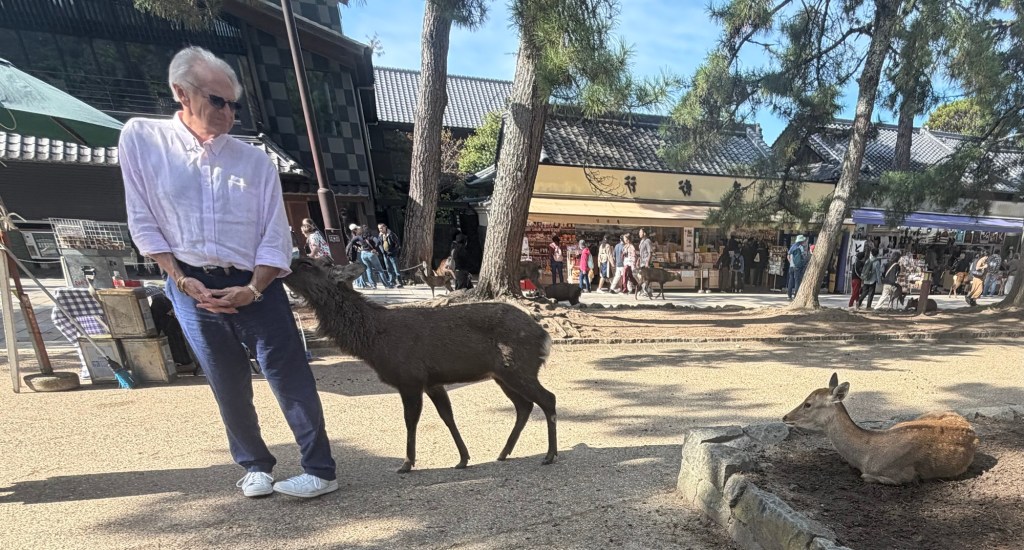

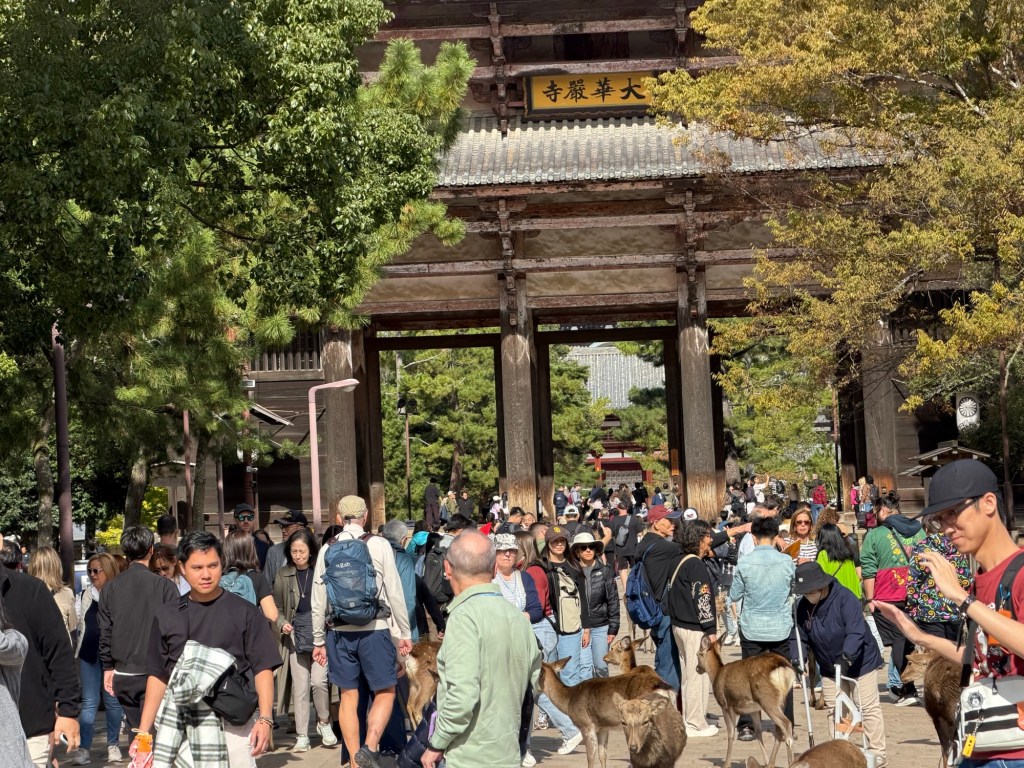

The grounds are crowded with 1200 resident deer that readily approach any of the even greater crowds of people, looking for treats
By mid afternoon we were back in Kyoto, snacking on a box lunch and heading for one last temple, Kennin-ji Temple. It is the oldest Zen temple and was established in 1202.
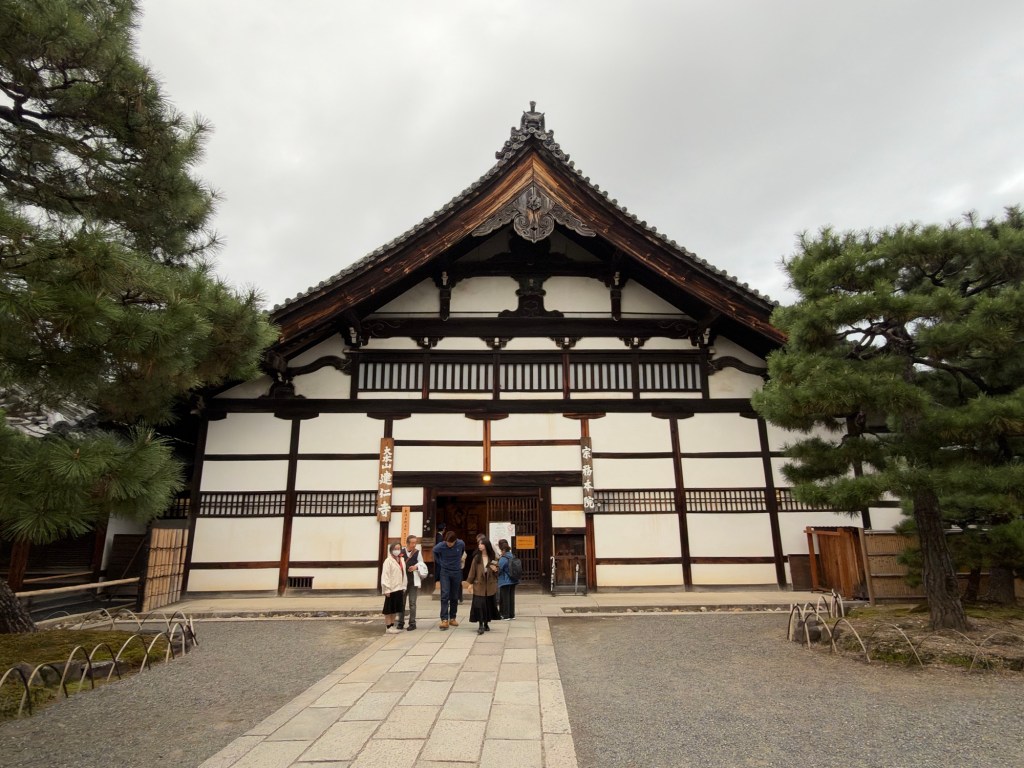
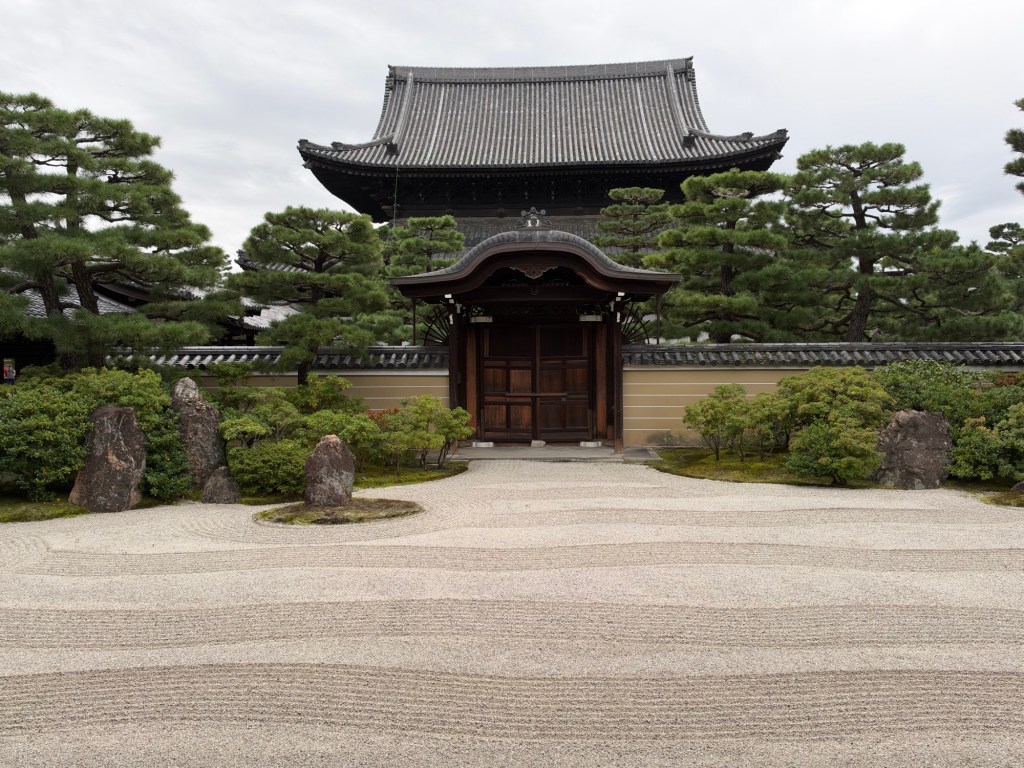

A monk named Eisai went to China, learned about matcha and brought it it to Japan. (Matcha is the most premium variety of shade-grown Japanese green tea leaves that are ground into a fine powder. Monks have for centuries drunk matcha to support well being and concentration during meditation. True, authentic matcha is unique to Japan.) Supported by Kamakura, the second shogun, Eisai built the Kennin-ji Temple and the rock gardens next to the Temple.
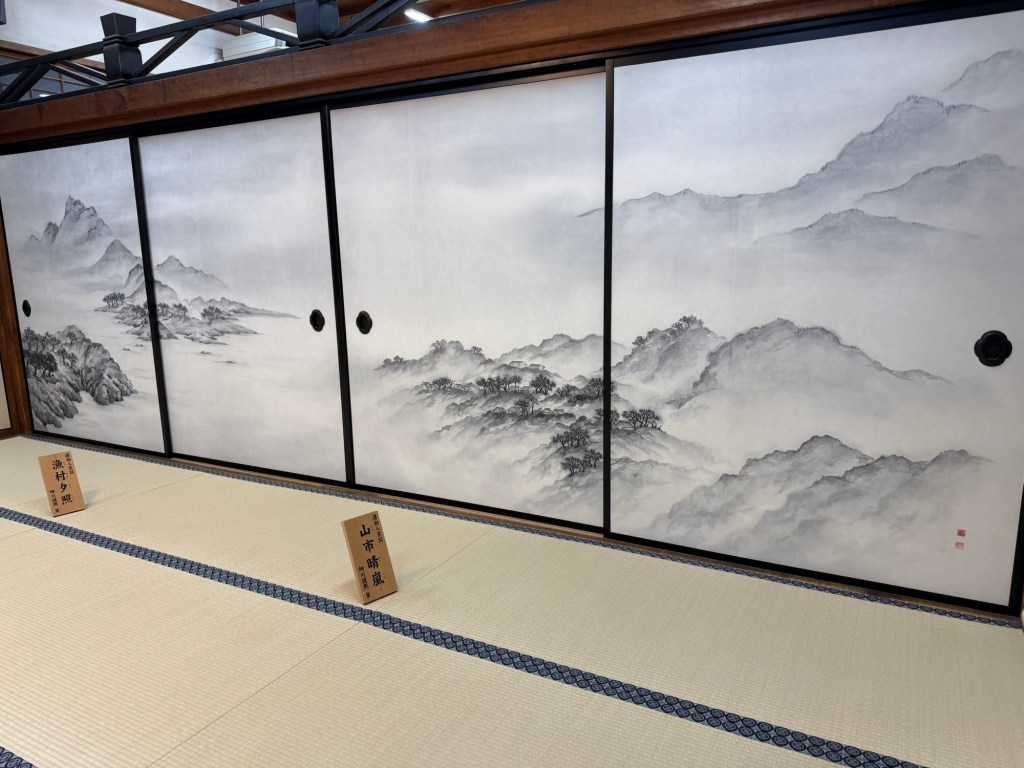


The temple is nicely laid out and has very pretty paintings on the walls as well as a special ceiling painting of a dragon with its mouth open to take in life and another dragon with its mouth closed in death.
.

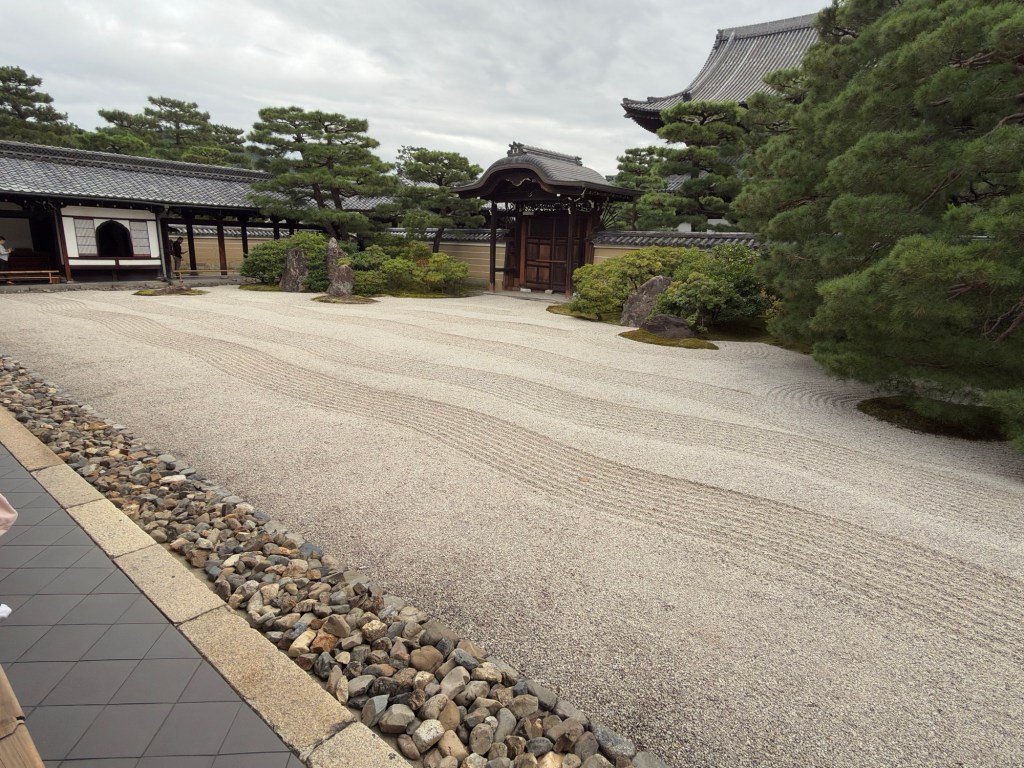


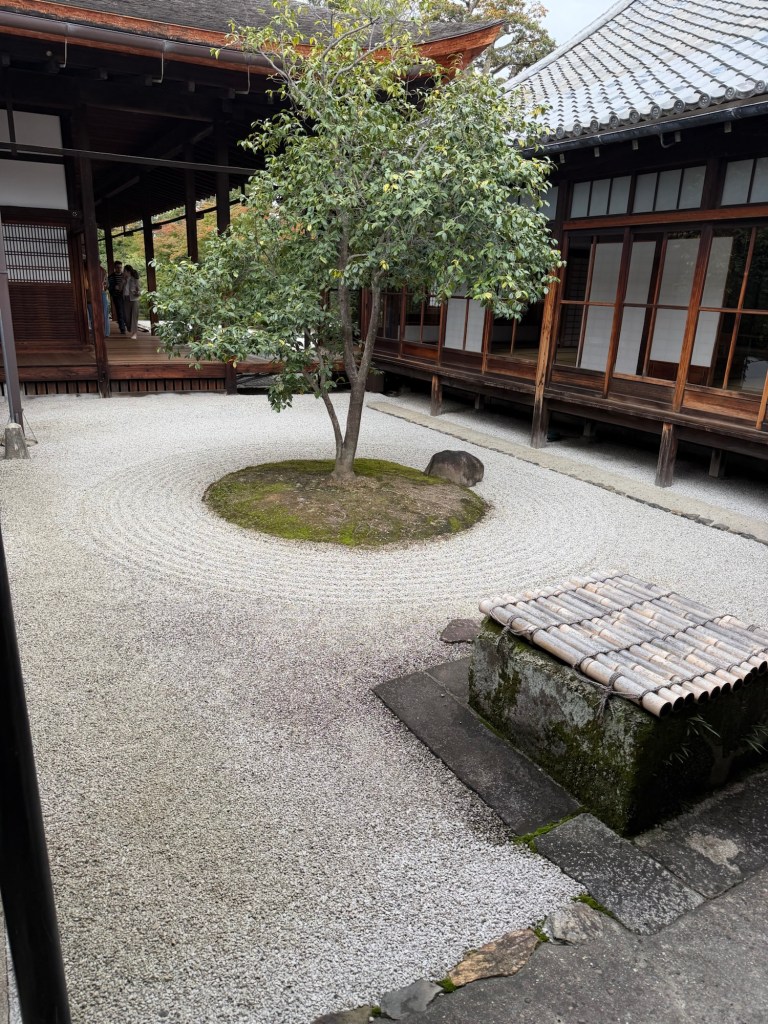

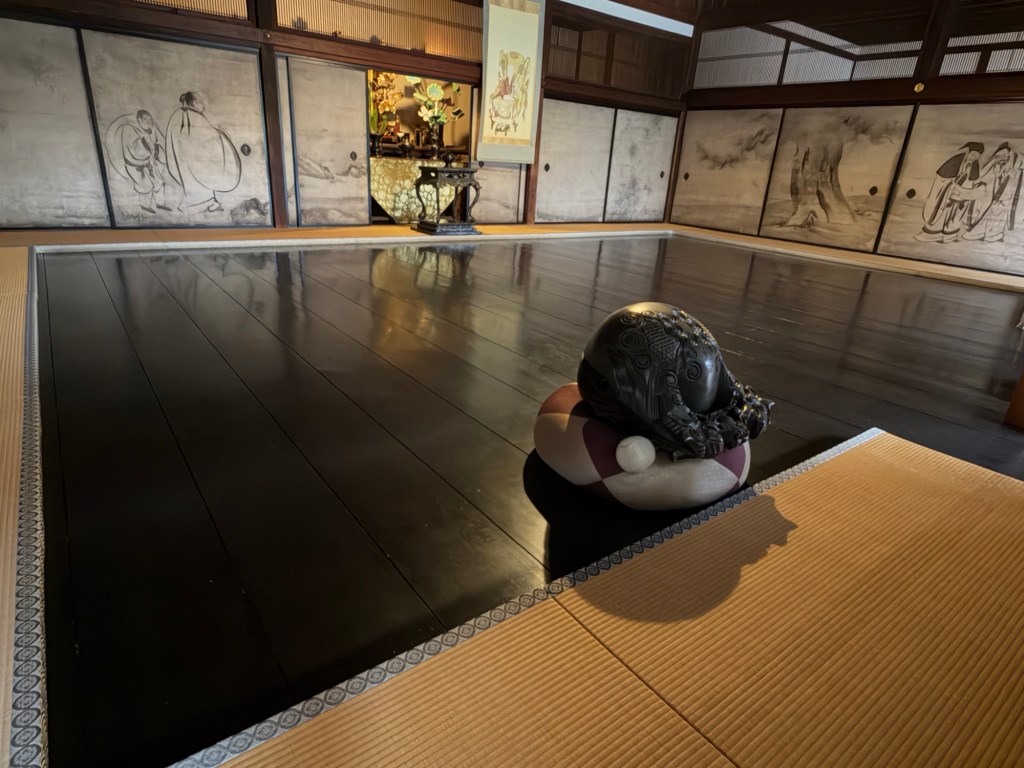
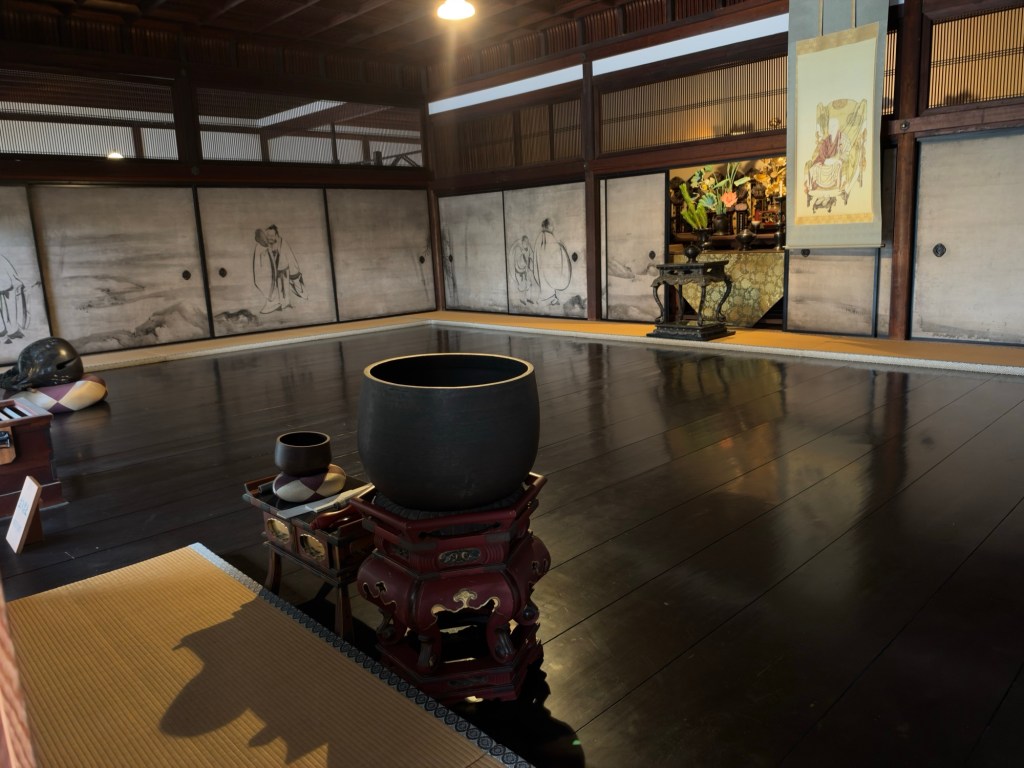
Frank Santos suggested we visit this Temple from his experience a few years ago. and I am grateful for the referral. Kennin-ji was a lovely experience. Plus it was not very crowded. Many thanks Frank. 😘
With Kennin-ji behind us, we ended the day on a gentle note. Dinner was a very casual ala carte sushi affair, with us choosing the pieces we wanted to eat. We had about 6 pieces each and called it an evening.
Thursday, November 5, 2026
Another travel day. We depart Kyoto and head for the island of Naoshima in Japan’s Seto Inland Sea. The islanders, left behind by the suburban economy, are redefining themselves as centers of art and architecture. Naoshima is known for its modern museums, architecture, and sculpture. The Benesse House, where we will stay, and the school and town offices have been recreated into art places, which we will see tomorrow. This evening we are dining in a French restaurant, called Terrace. Good to get away from sushi