
Sunday, November 8, 2026
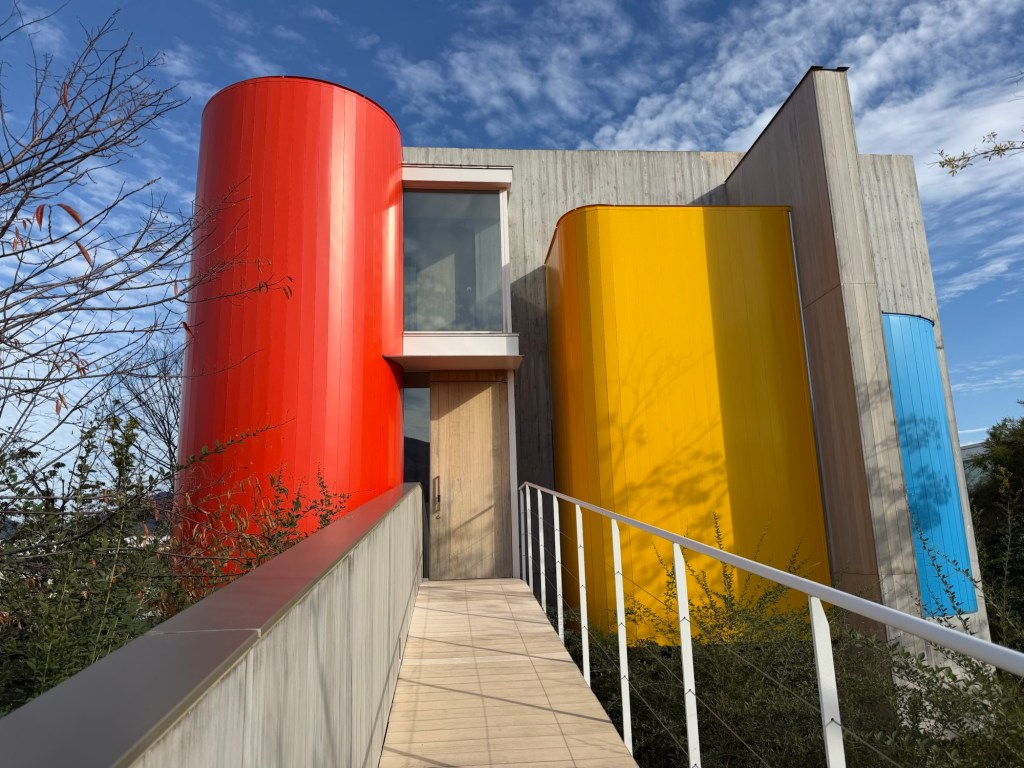
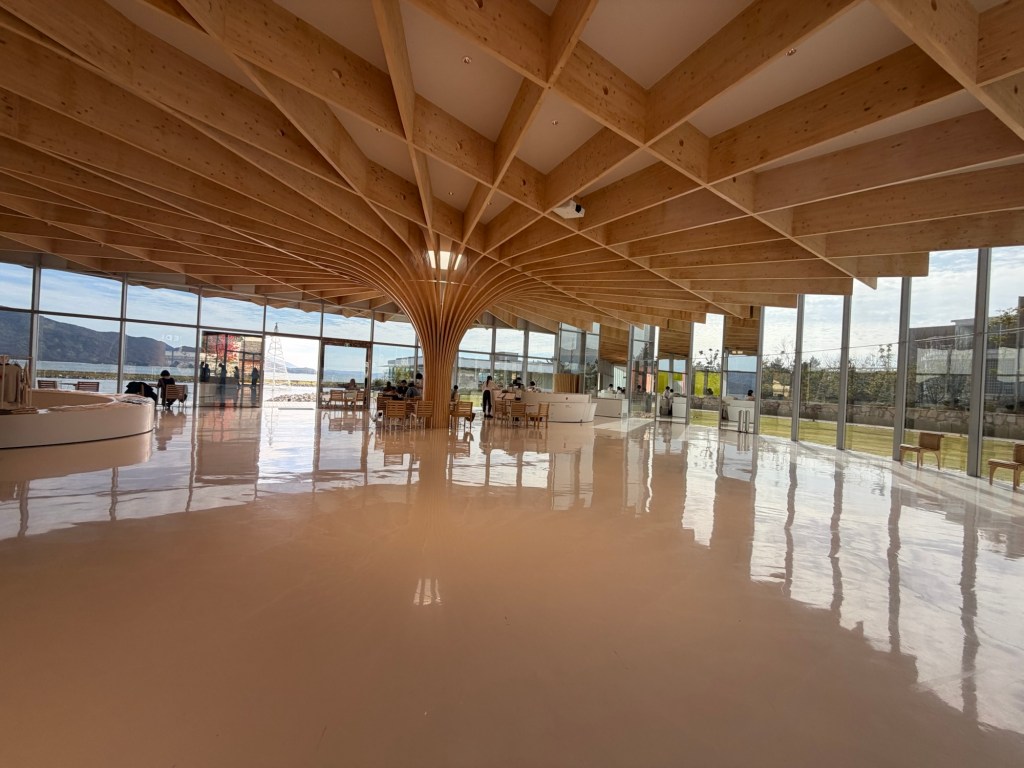
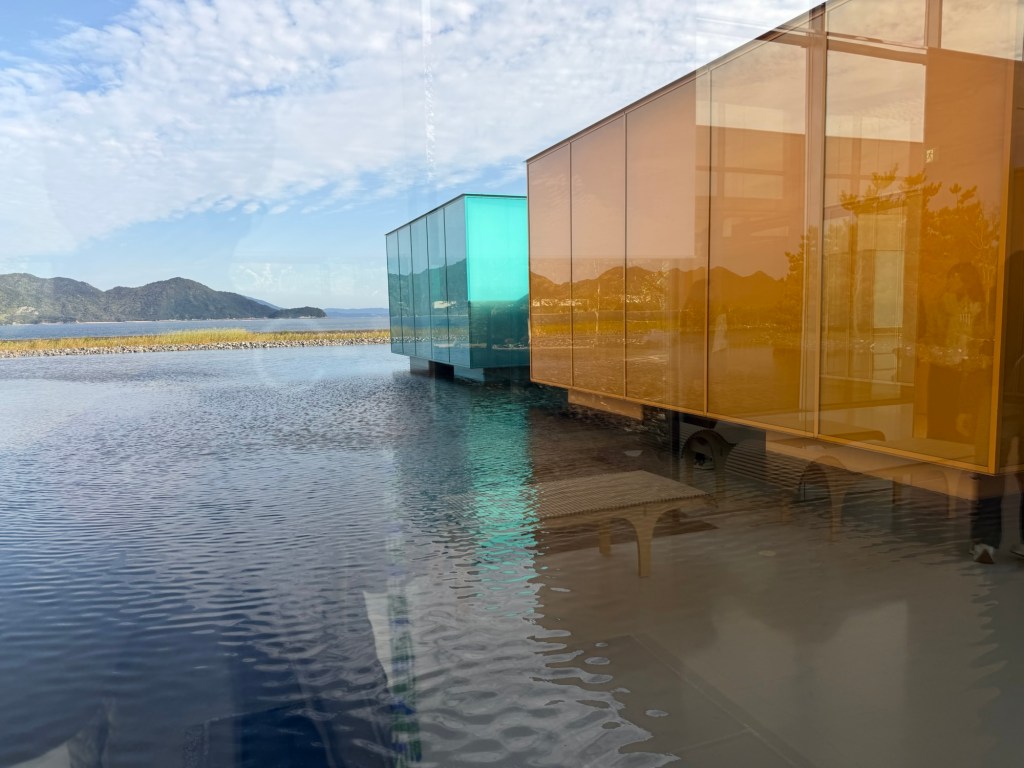
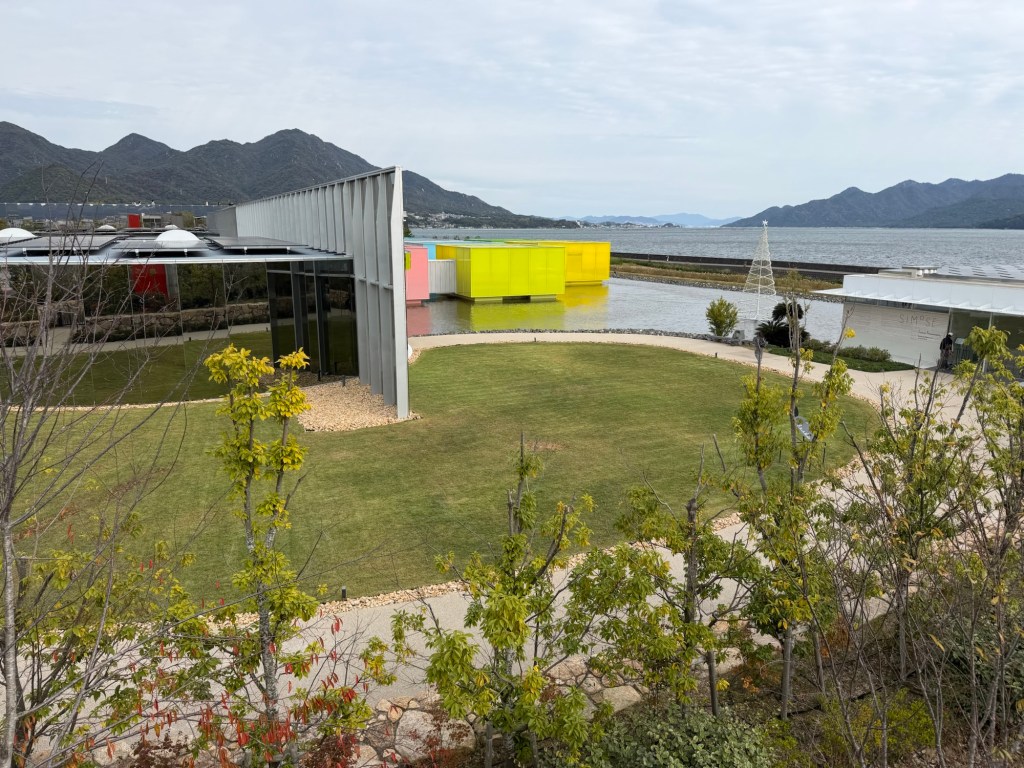
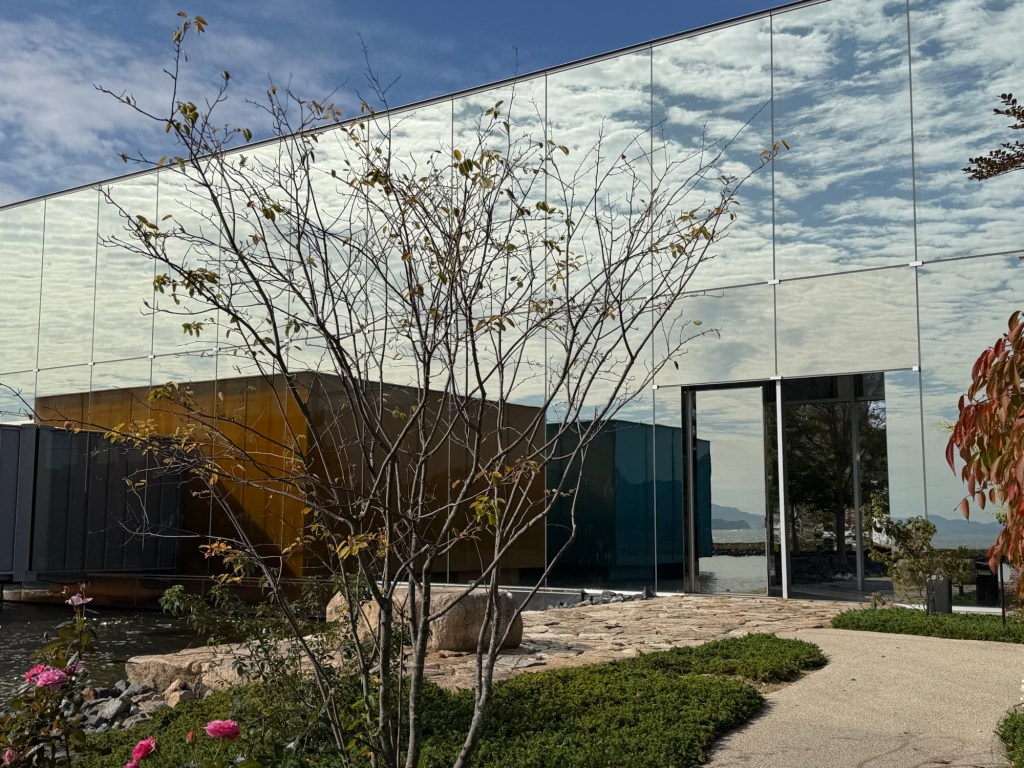
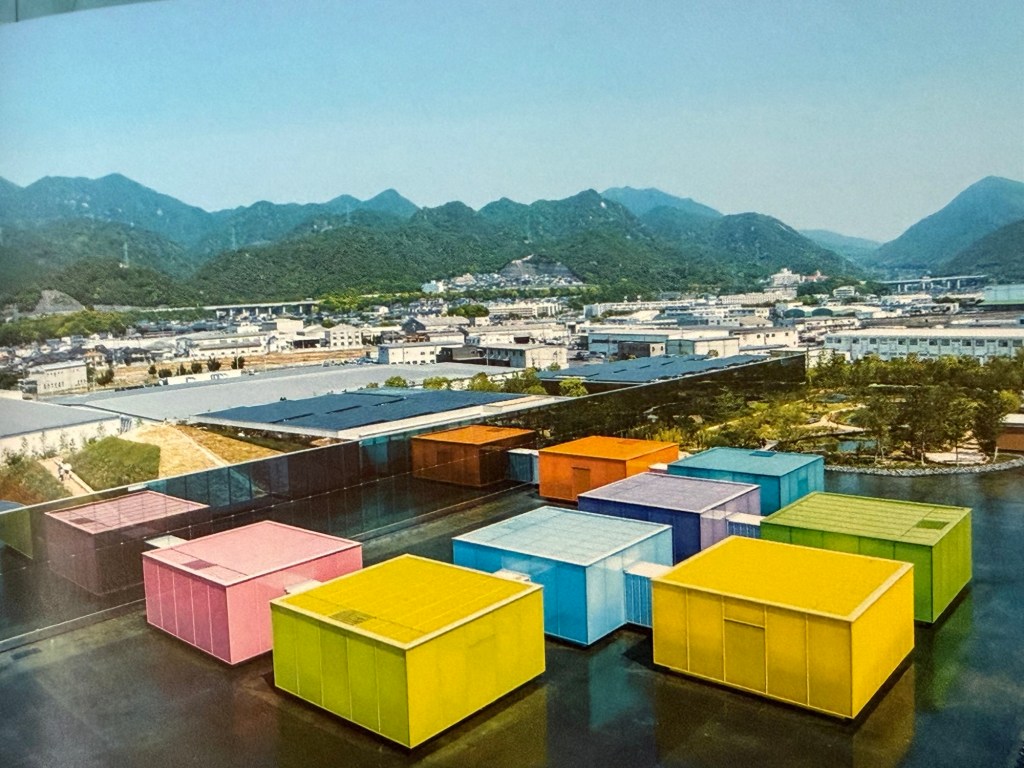
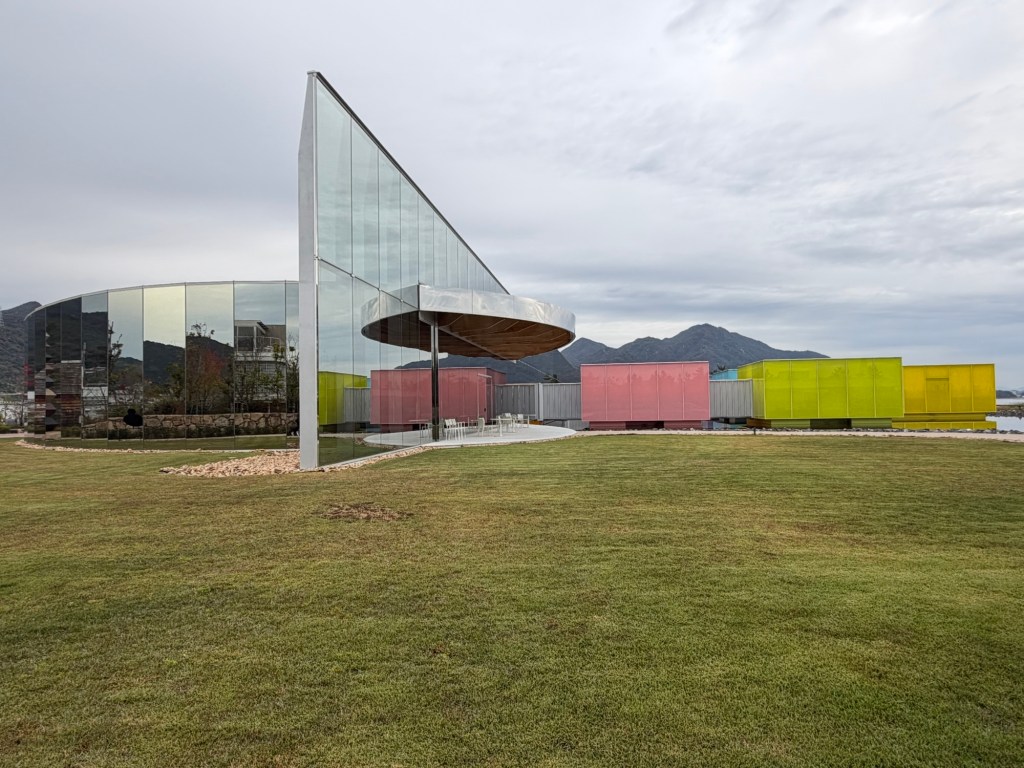
During our day of leisure, we visited the museum attached to our hotel, Simose. Most of the art was Art Nouveau glass works created by Emile Galle. The Simose Art Museum was designed by architect Shigeru Ban. At the entrance one is welcomed by large tree-like pillars with outstretched branches. A connecting corridor of glass leads to the Exhibition Hall. Eight colorful, moveable galleries stand above a basin of water. They are “unparalleled” works of architecture utilizing Hiroshima’s shipbuilding technology. In 2017, he was awarded the Medal of Honor for artistic achievement. It seems to me that the structure almost outdoes the art inside.
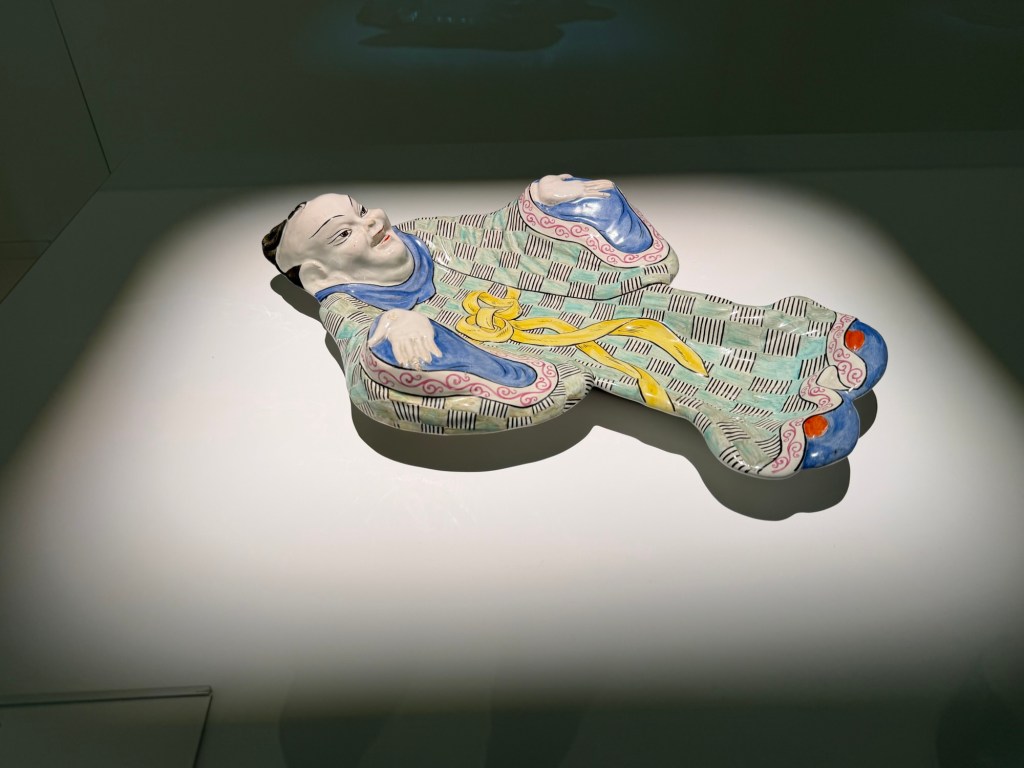
I liked some of the glass works and paintings and include them here.

Some of the glass pieces created by Emile Gallery Hotel are presented here.


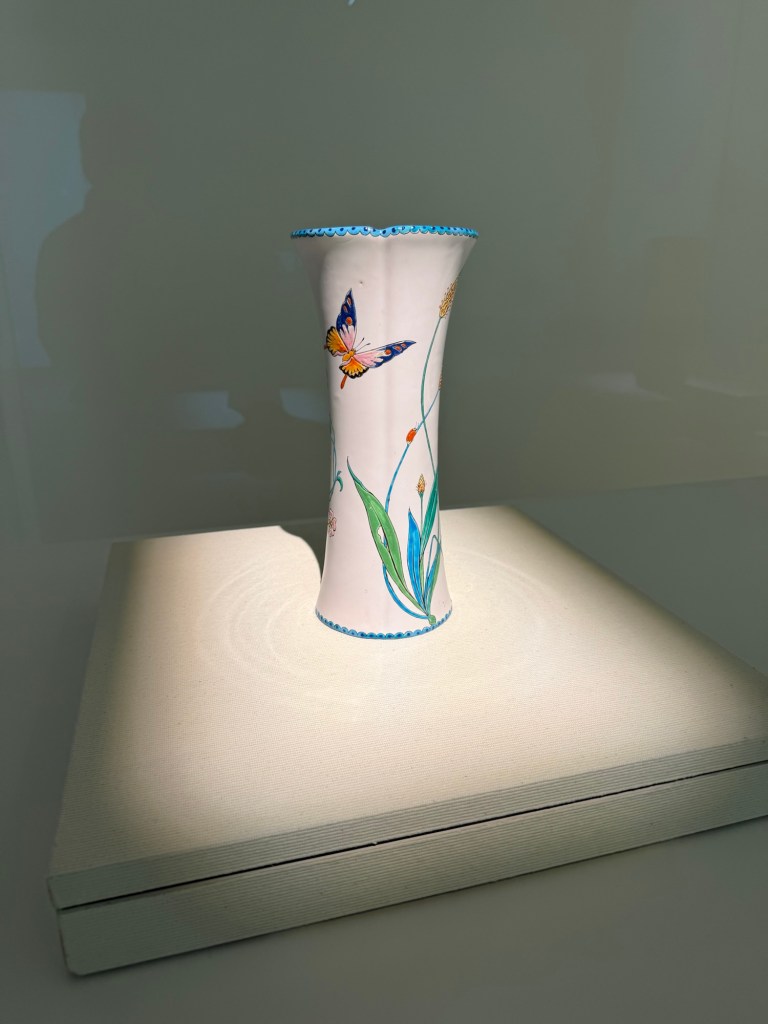

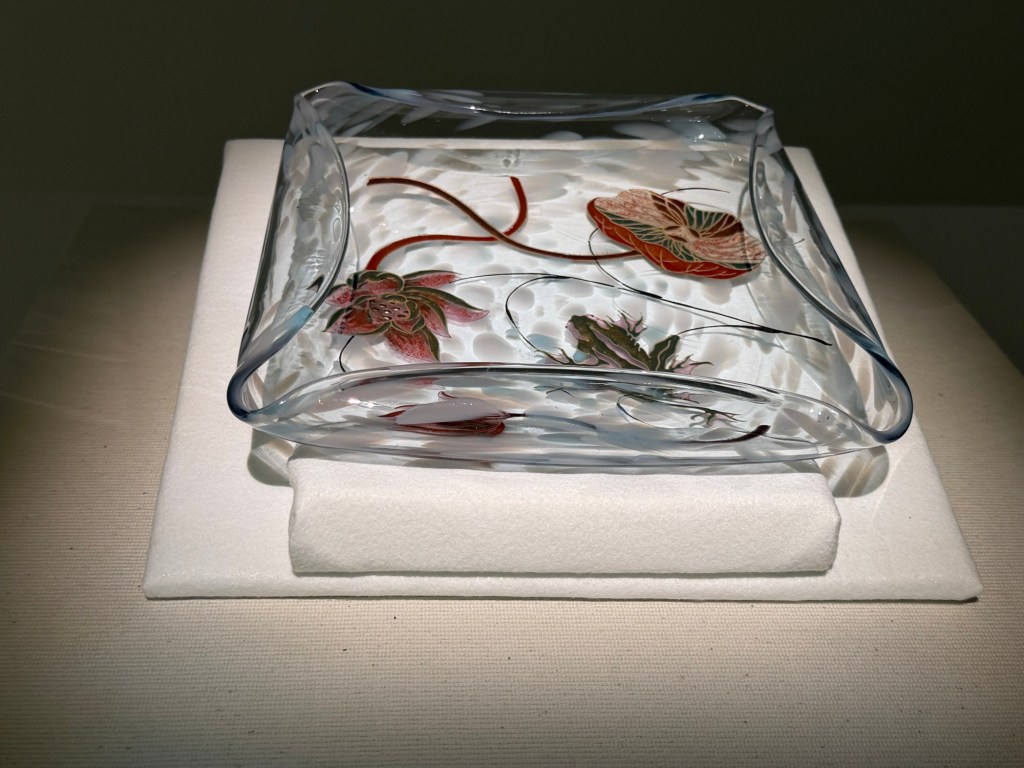
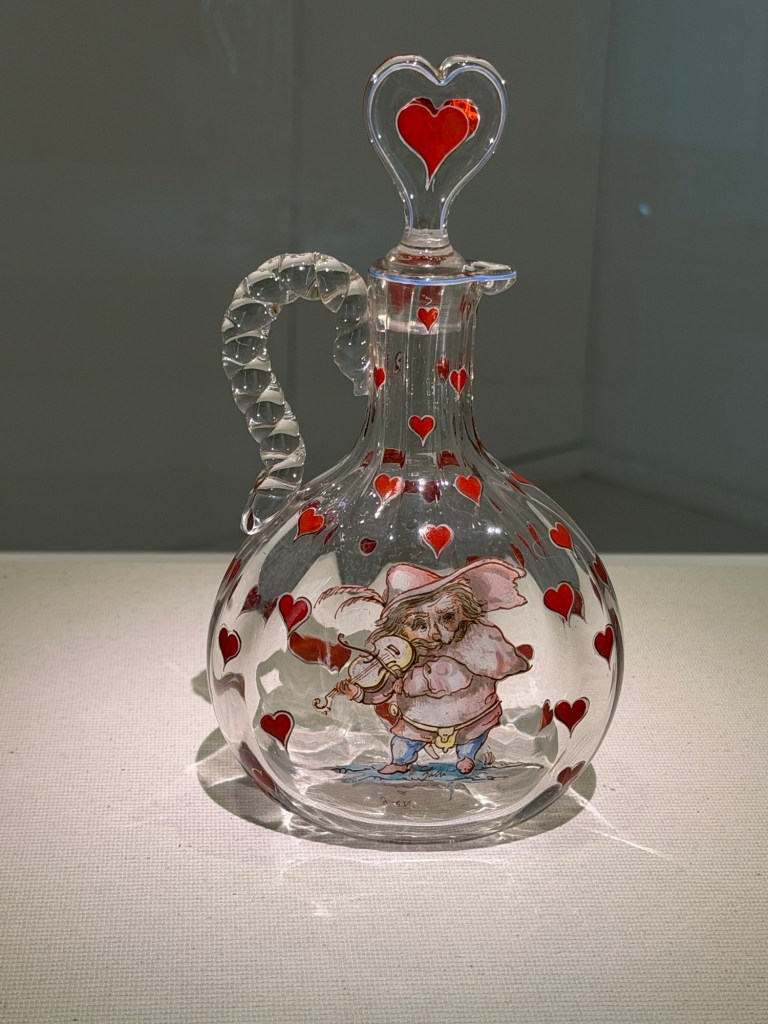
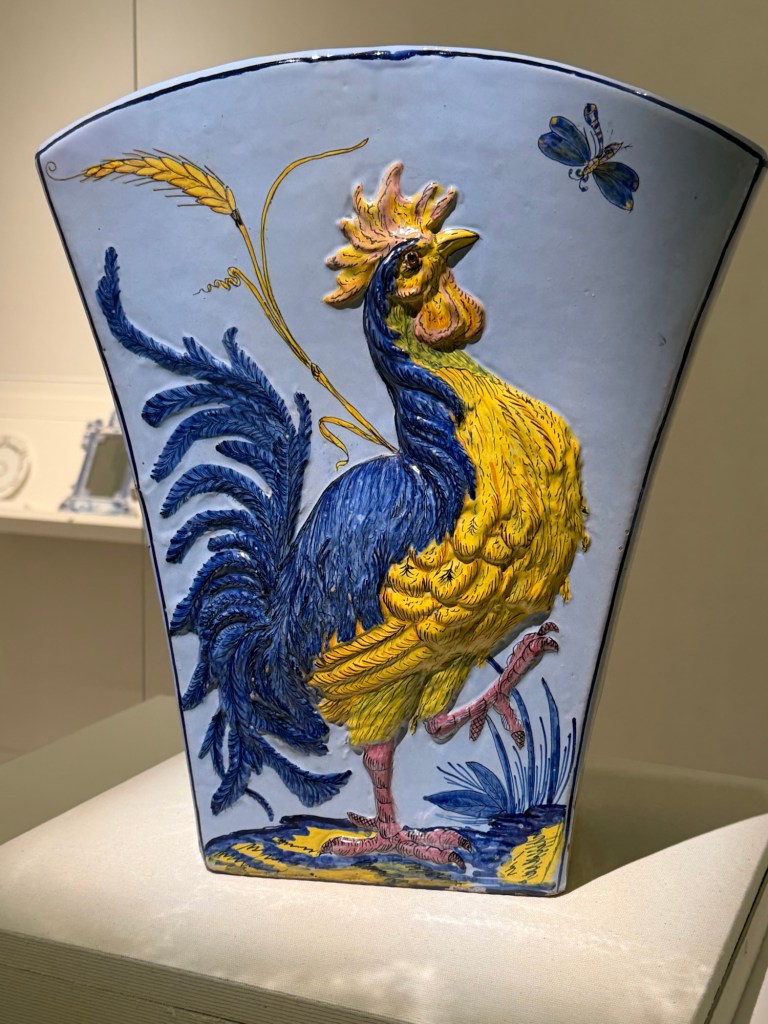




All in all this museum was an uplifting experience after the Hiroshima Museum.
I have one memory from the Hiroshima Museum yesterday that I want to share because it keeps coming back to me. It is of a photograph of a man who was sitting on a wall at the bank waiting for it to open to make a deposit. The instant the bomb exploded the man disappeared and a shadow was left behind. That shadow and this image are all that was left of his life.

Monday, November 9, 2026


Monday, November 9, 2026
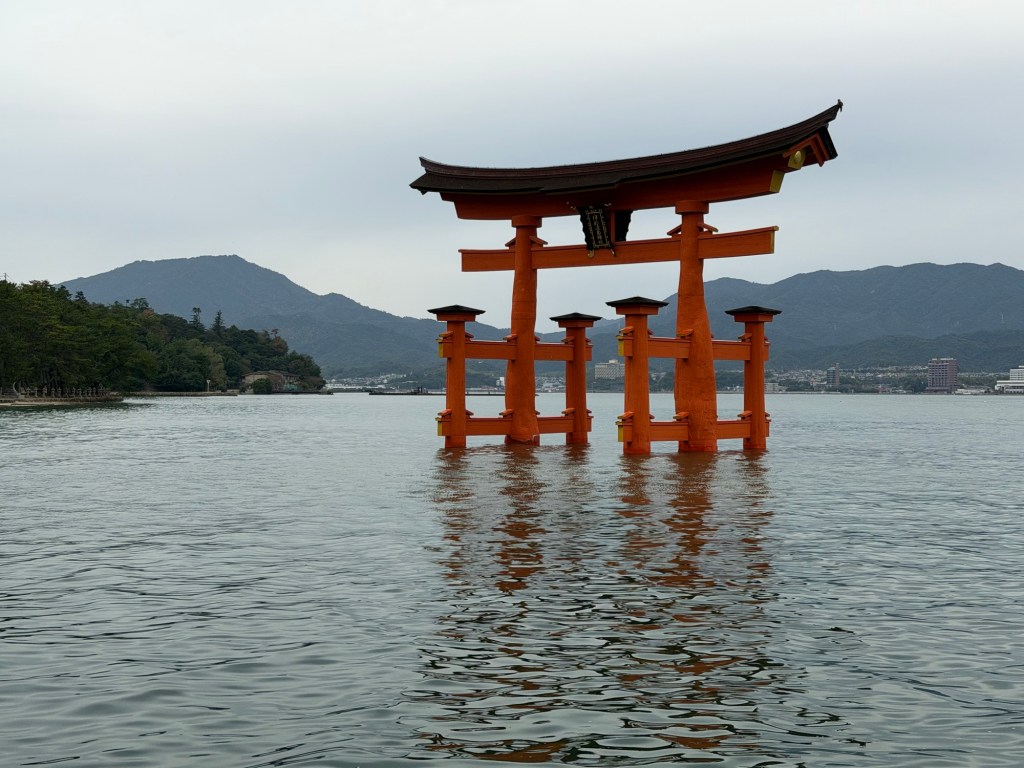
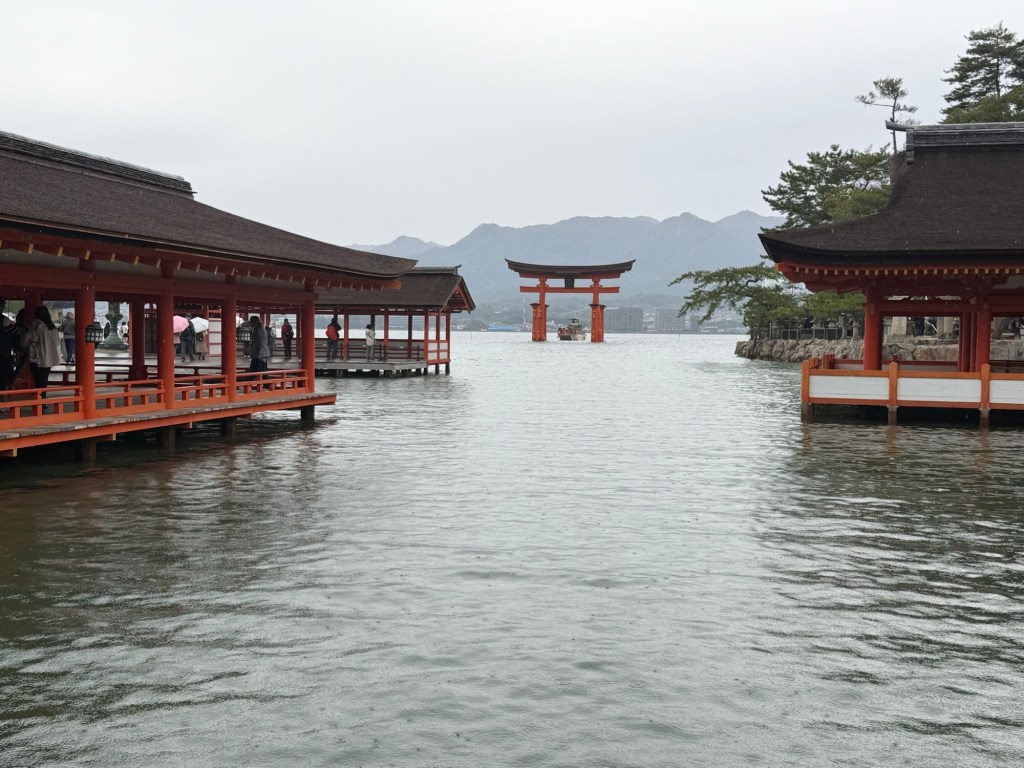
We left the villa for the day and headed to an island called Miyajira, the island of deities. there was a ferry ride of 15 minutes to get us there, 1400 people live there along with 500 deer. The shrine, Istukushima, is quite famous and was crowded all day. It was founded in 593, remodeled in 1168, burned and rebuilt in 1571. In ancient times the island was frequently visited by Shoguns and trades people from China, India and other places.
The first thing we saw was the famous floating Torii Gate. It is on the ground during low tide. It was high tide when I took this photo. We walked around the island and went into the shrine where we saw many people hoping to be blessed by a deity. There are many gods in Shintoism and people believe in nature.

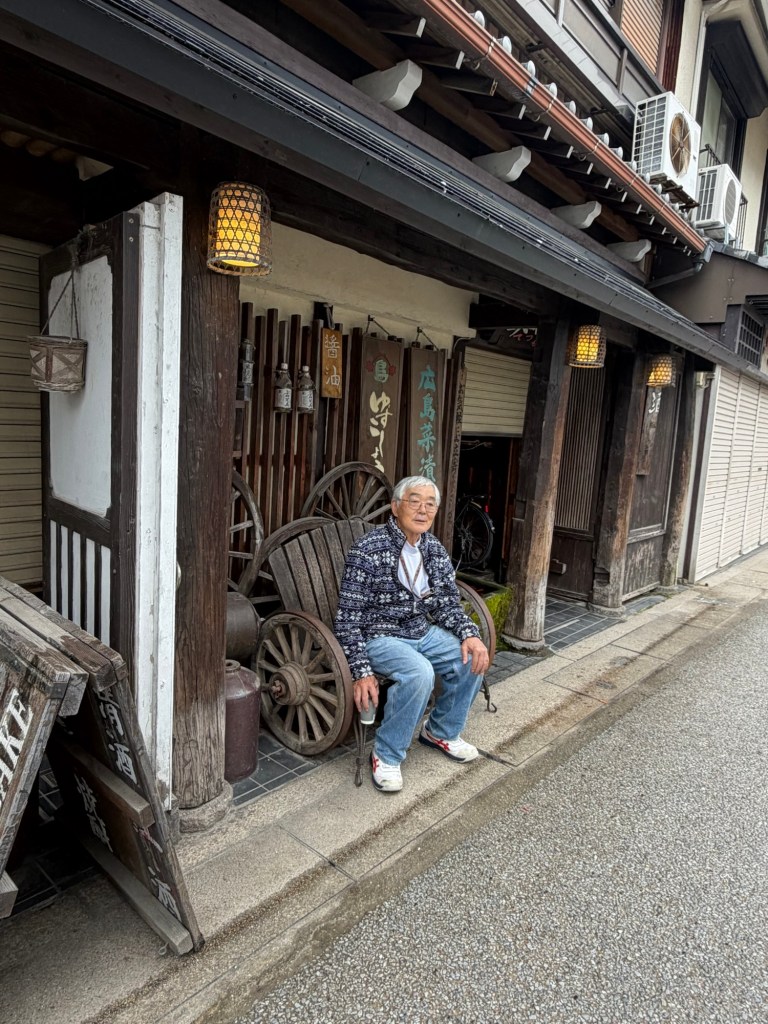

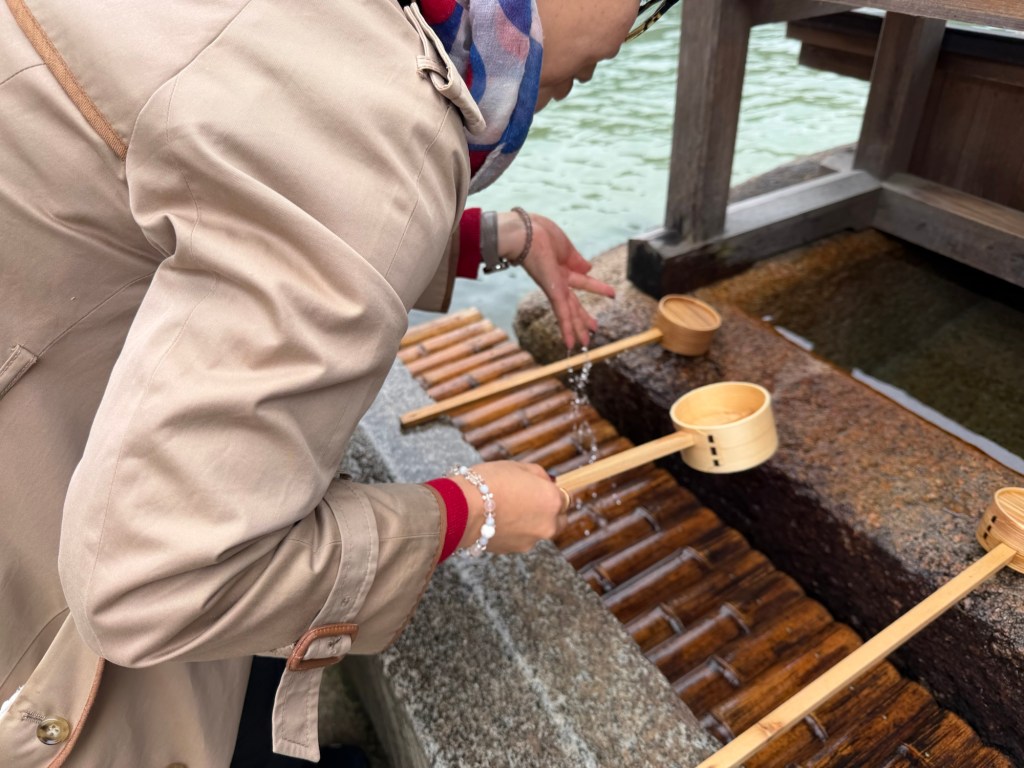

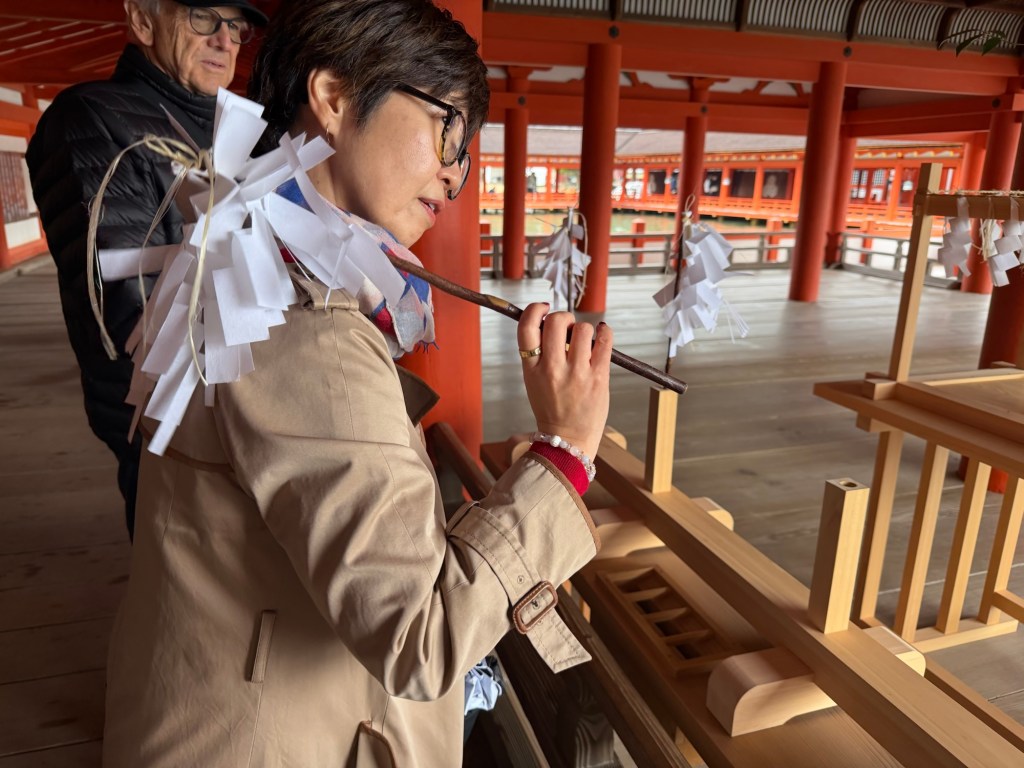


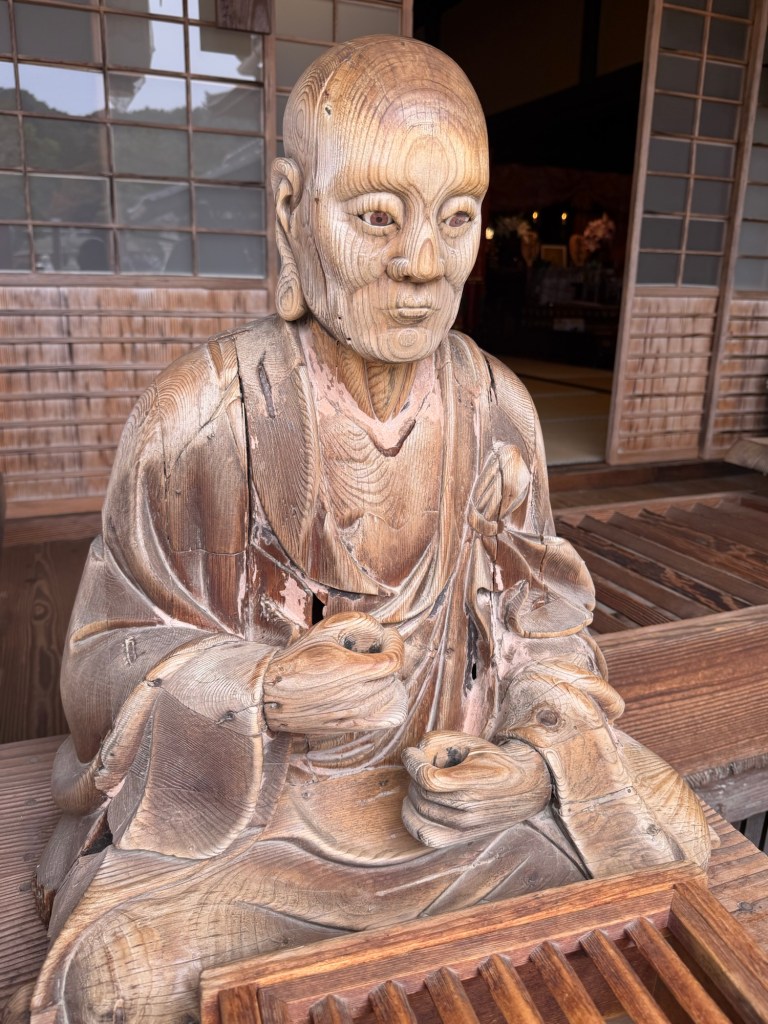
whatever part of the body is touched.
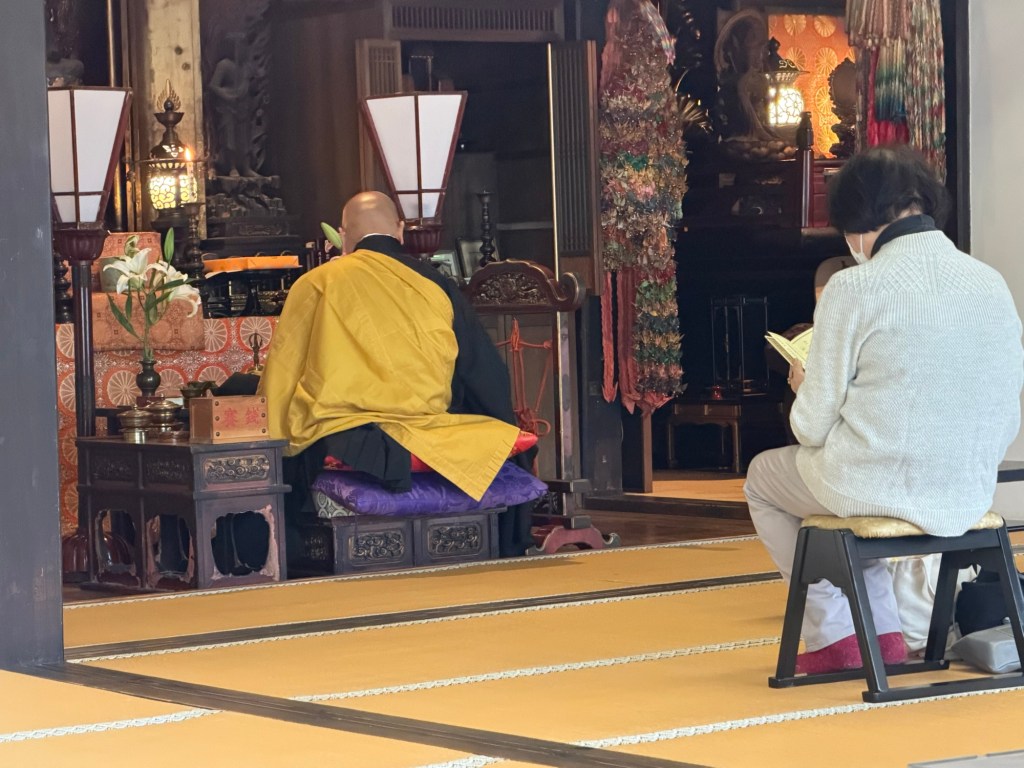
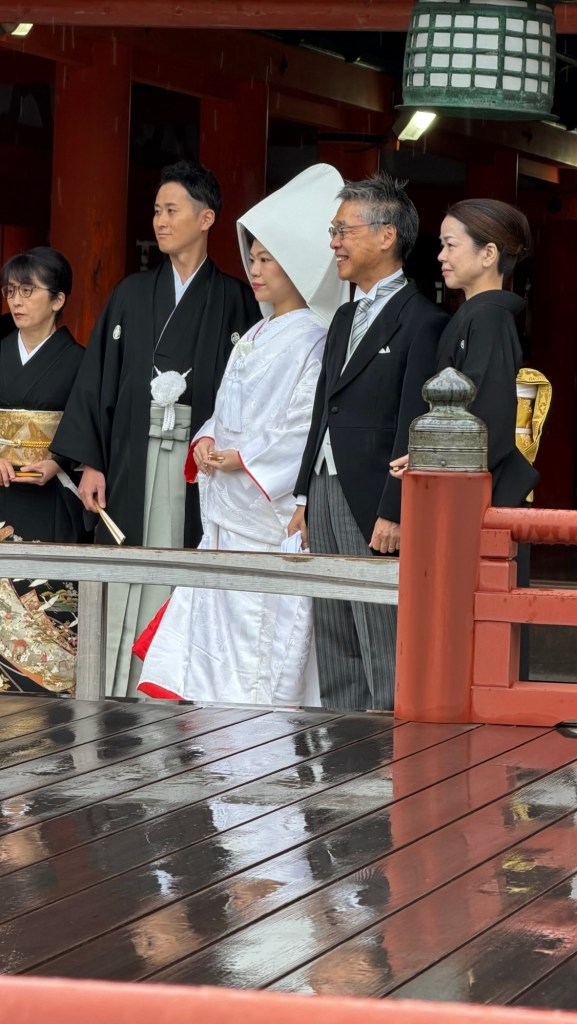
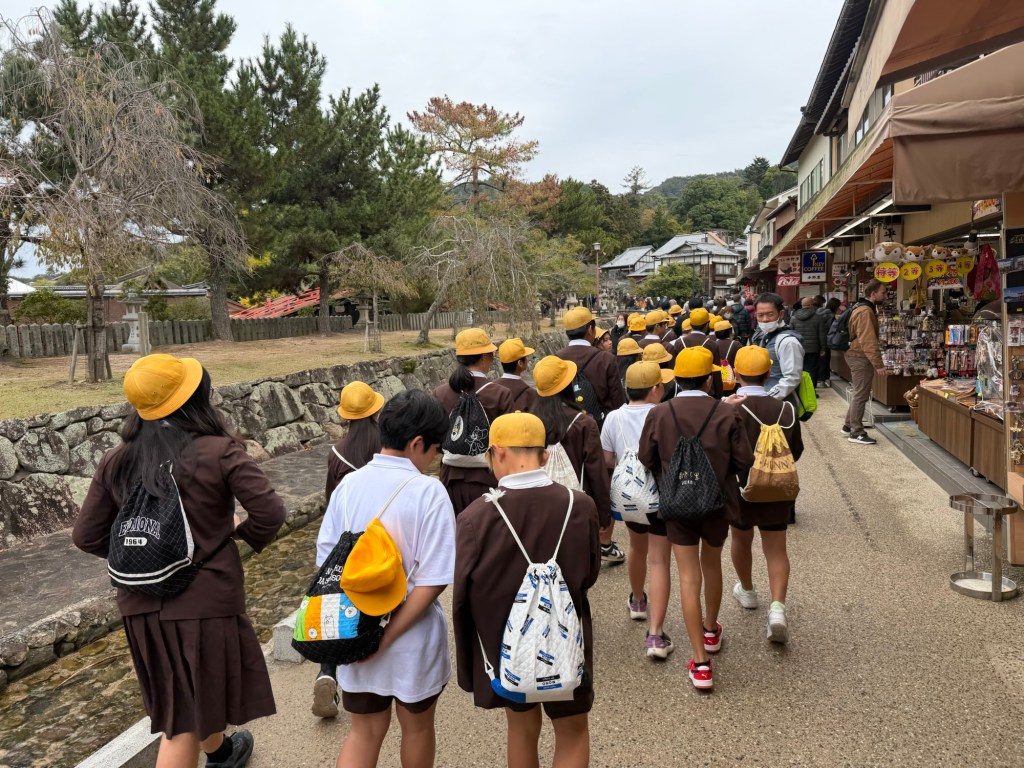
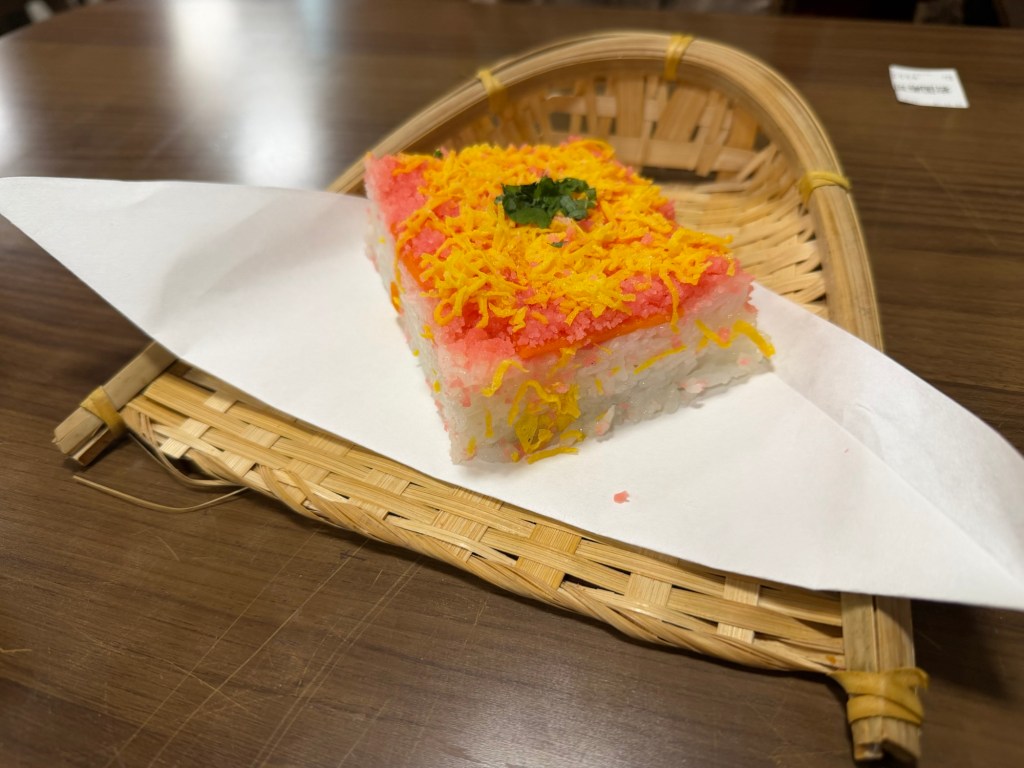
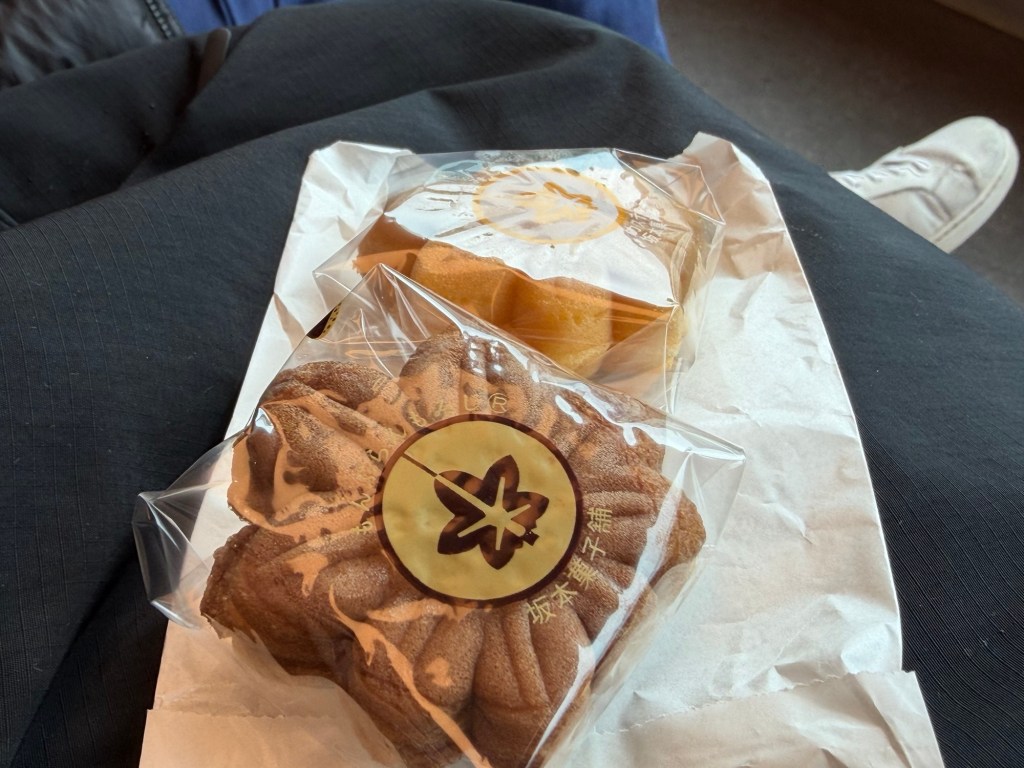
After an hour in the shrine we stopped in a cafe to get a bite to eat. Then we took the ferry back to the mainland and headed for Iwakuni.

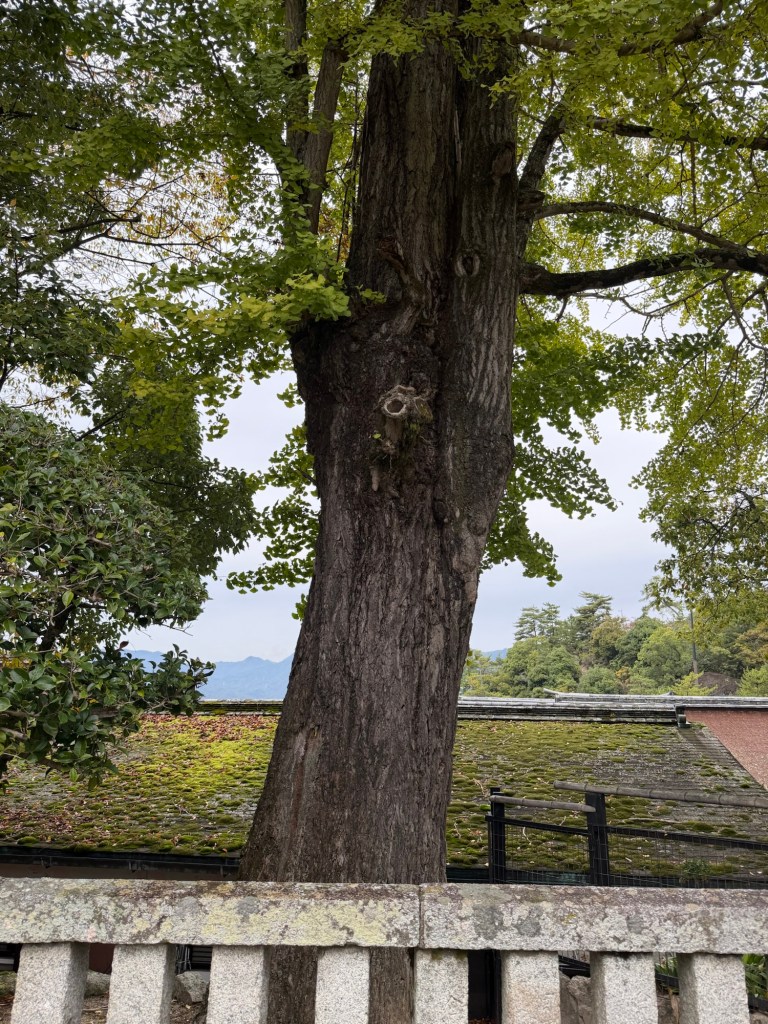
On the way back to the car we saw a large ginko tree and identified its leaves. It is a tree I rarely see.
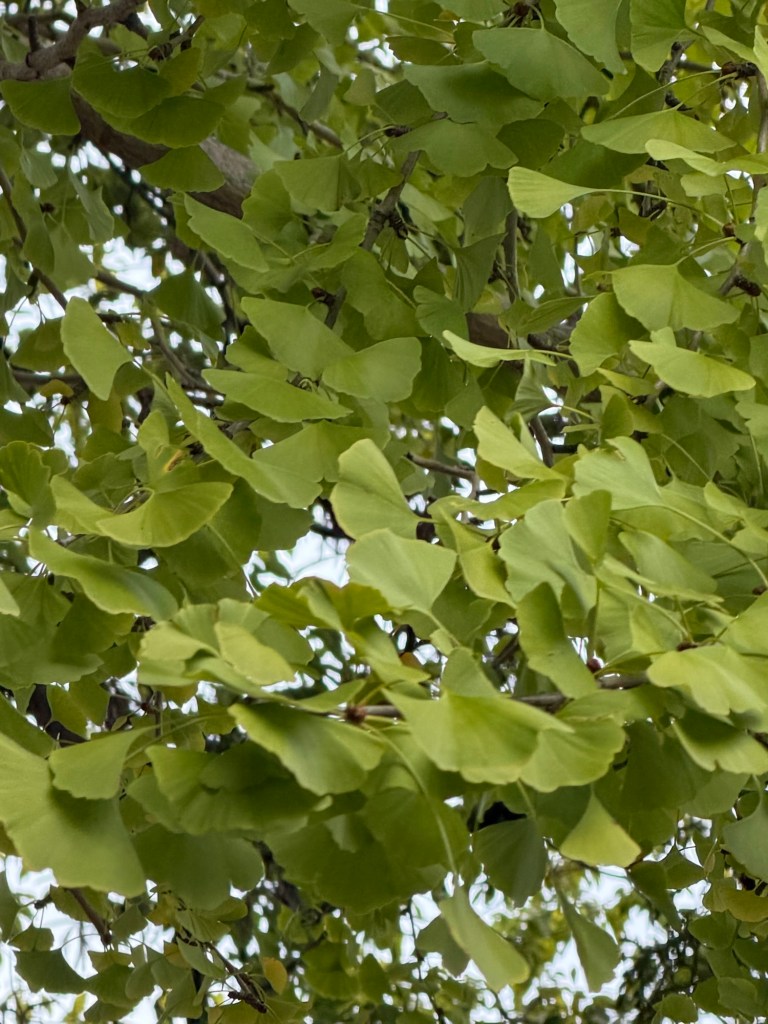
It took an hour to drive to our next stop, the Kintaikyo Bridge, Along the way was a large group of cherry trees in autumn color. They were lovely, And we passed a row of bonsaied pine trees.


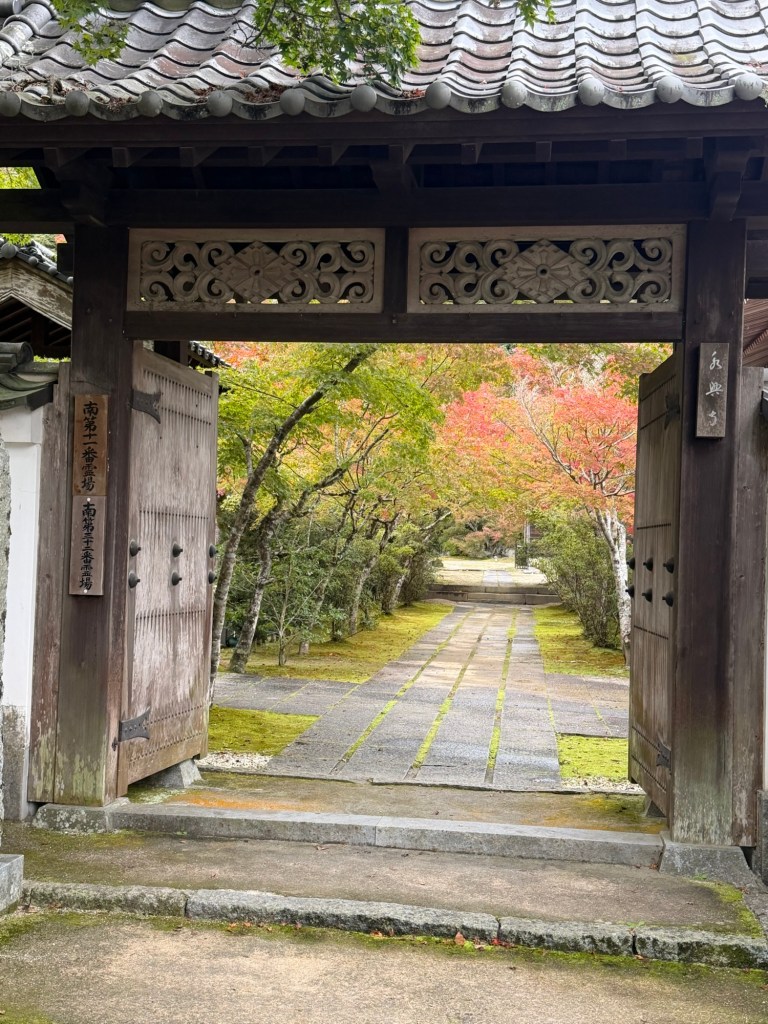

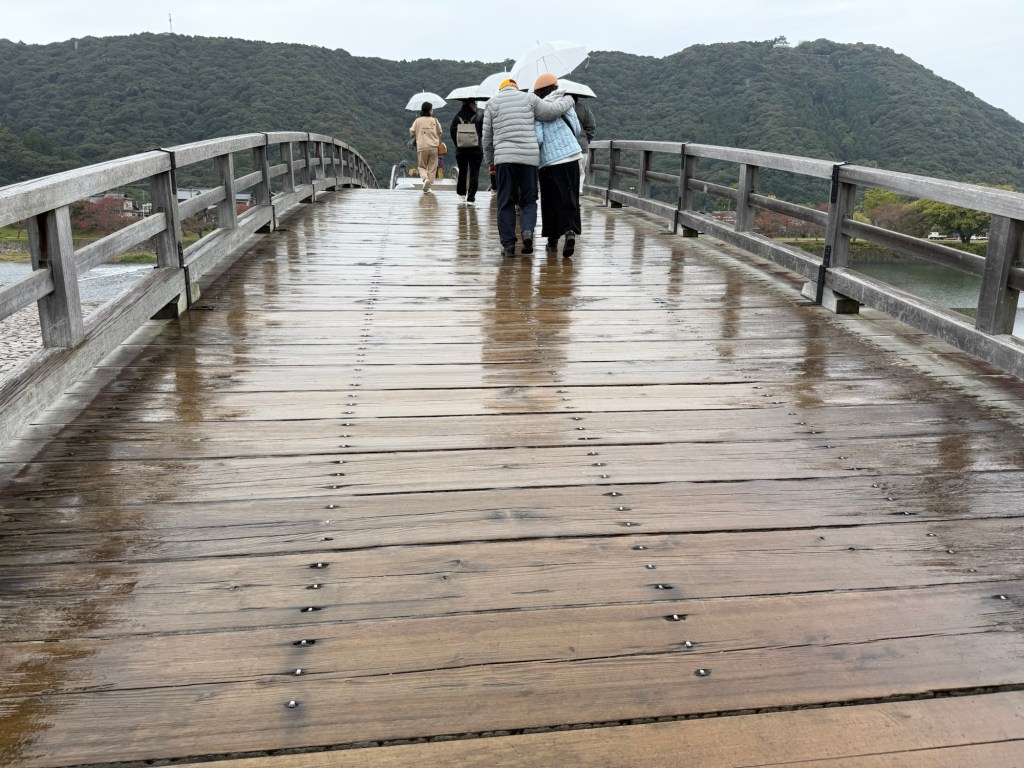
Then we arrived at a famous bridge named Kintaikyo. It was built in 1673, flooded in the same year, and rebuilt in 1674, It stood for 276 years before a typhoon destroyed it in 1950. It was rebuilt again in 1953. It is the largest wooden bridge in the world and uses Japanese joinery rather than nails, We walked the bridge in the rain and enjoyed every minute or it.



Back in our Cross walled house, we relaxed, listened to the rain on the roof, had one last dinner in the hotel and retired.
Tuesday, November 10, 2026
We depart the Simone Art Gallery Hotel and take the train to Osaka, our last stop in Japan,