
Sunday, May 24, 2026
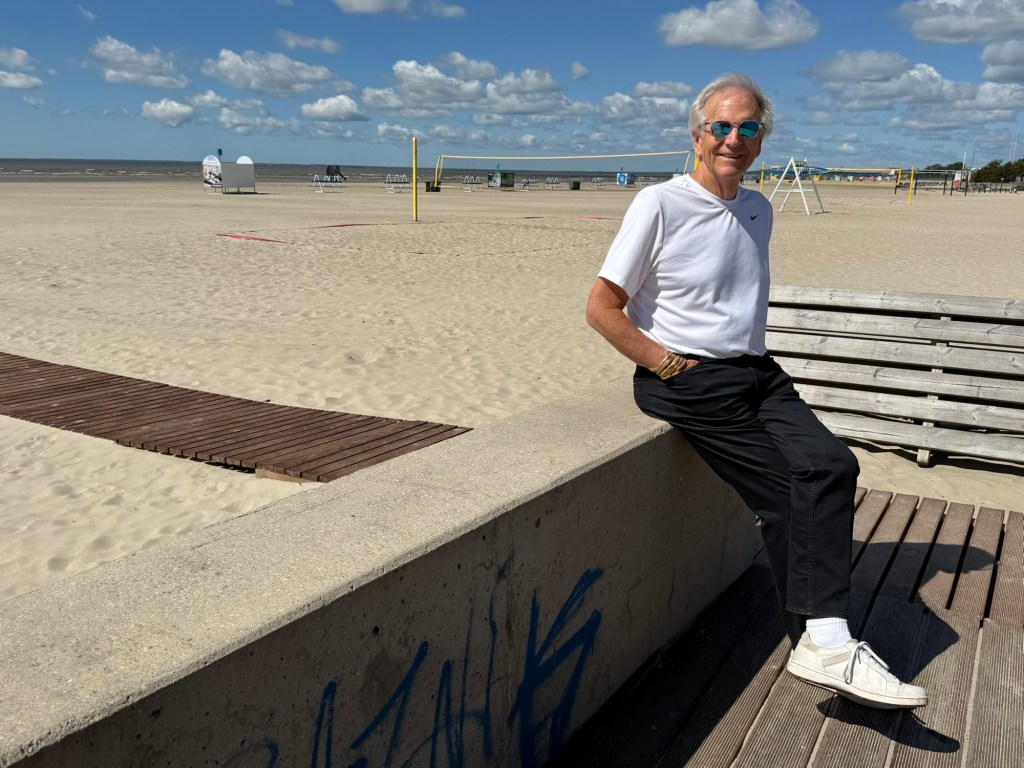
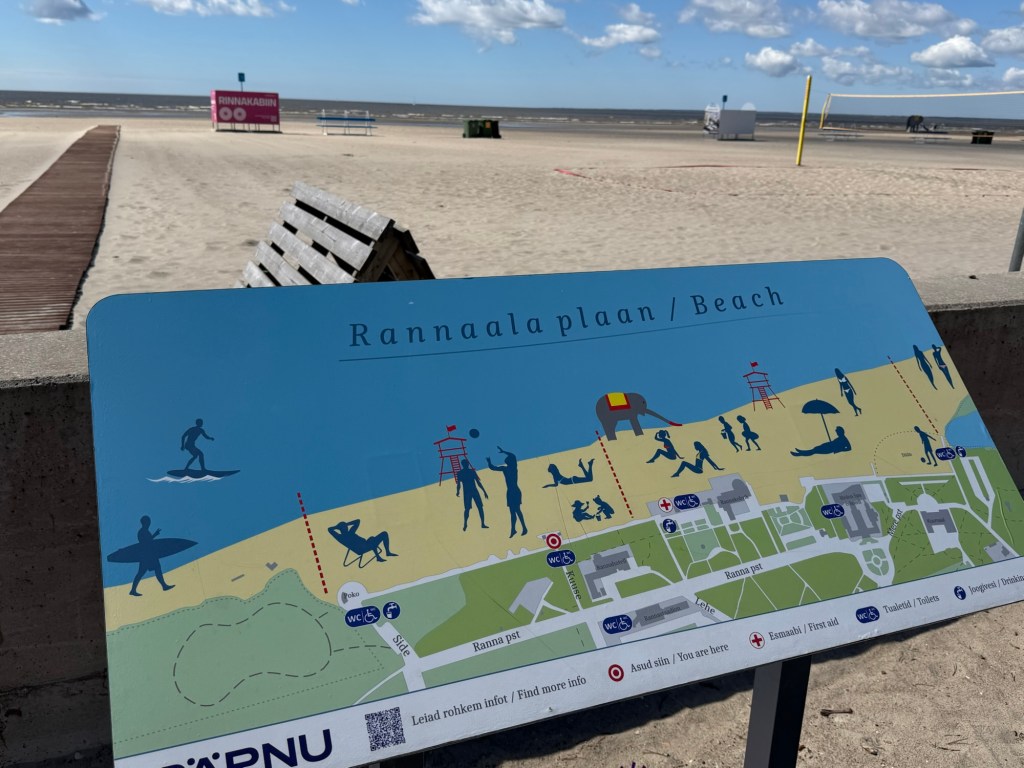
We arrived in Tallinn about 2pm after a pleasant 4 hour ride through the flat fields and forests to gently rolling hills when we got closer to the capital. Our only stop along the way was a half hour in a beach resort town called Parnu. The day was sunny, but cold and windy and there was almost no one on the beach. We walked around a bit and saw a few houses before heading on to Tallinn.



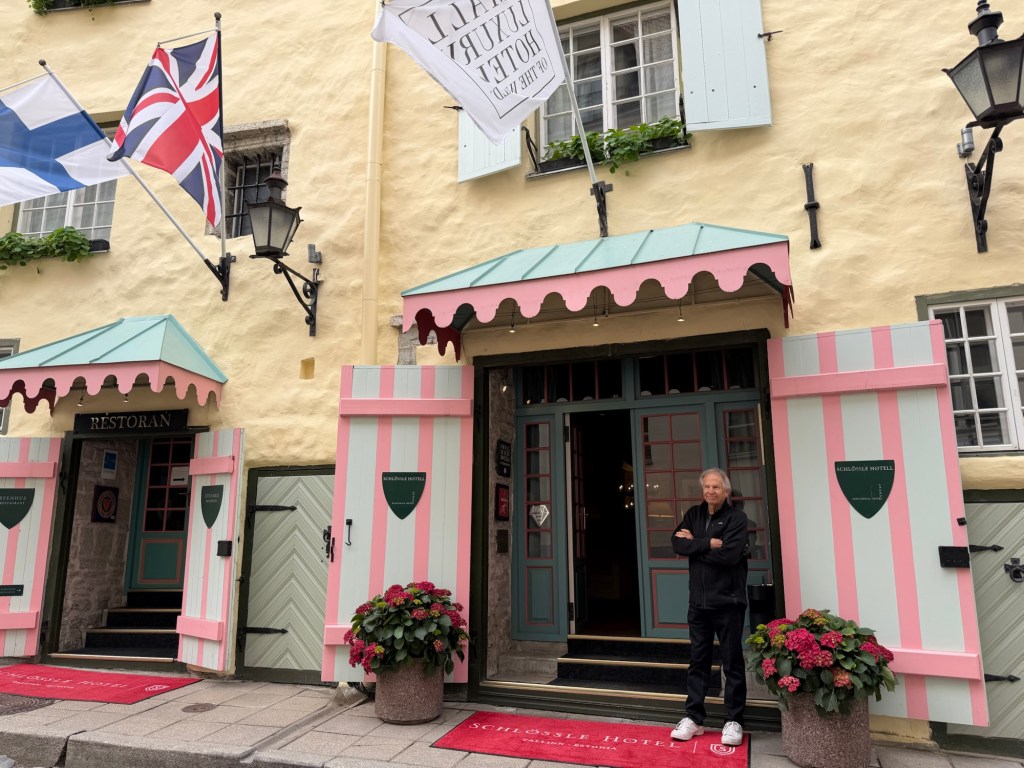
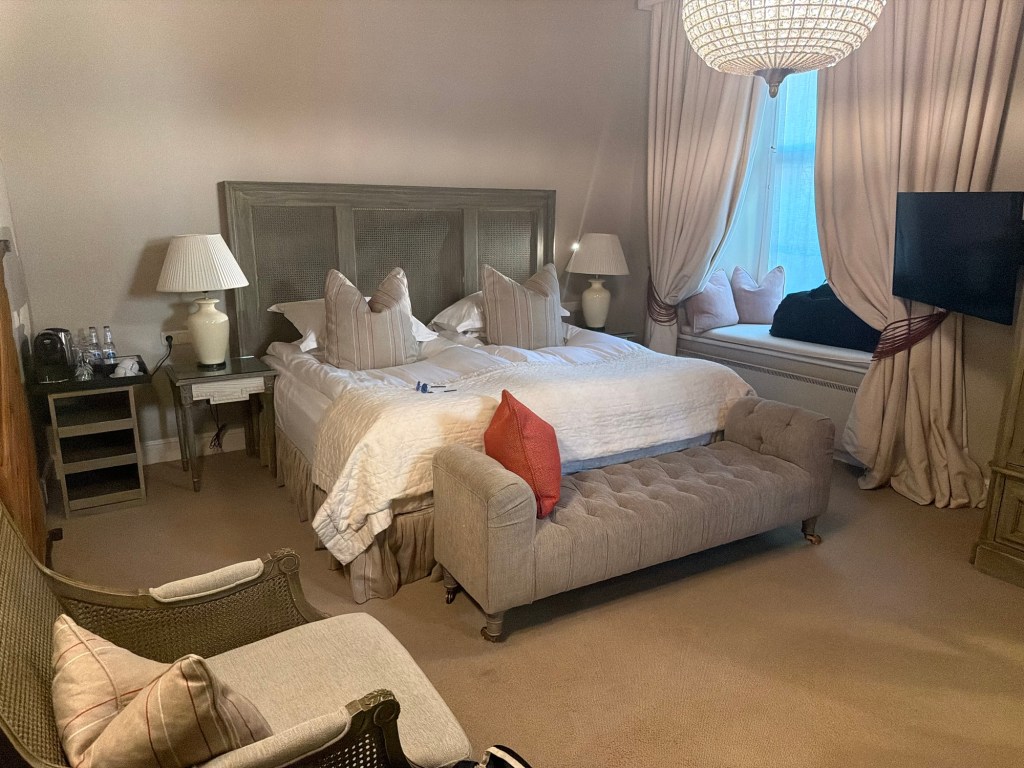
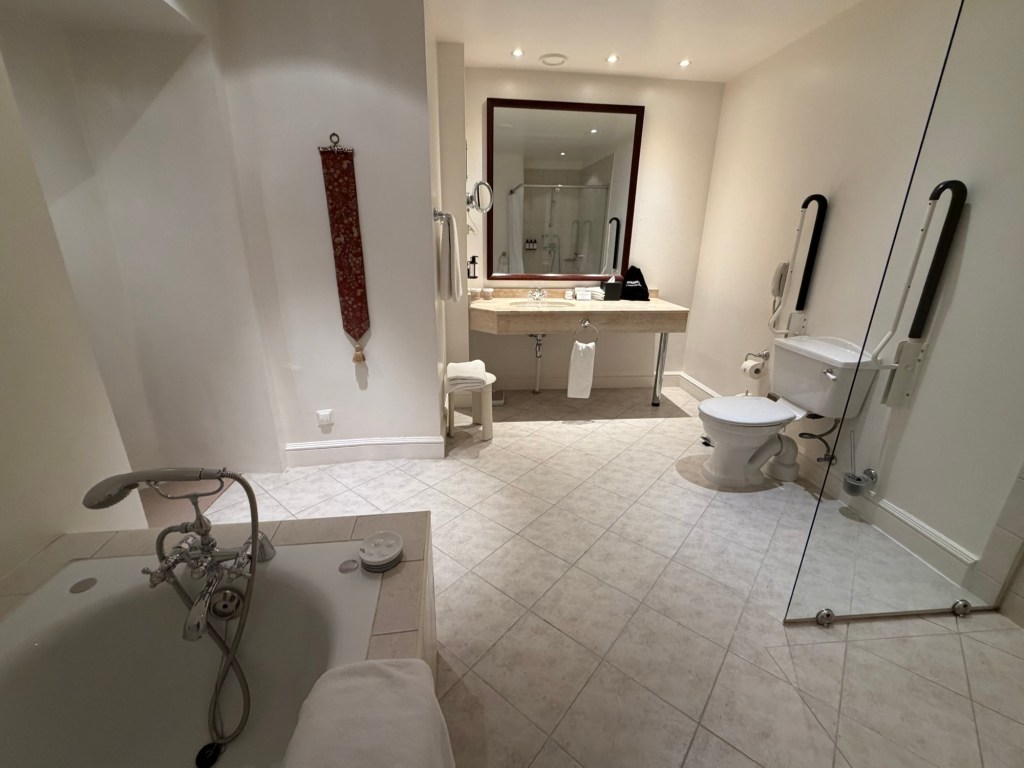
Once settled in at The Schlossle Hotel on a narrow side street in Tallinn’s Old Town, we walked up the little hill to where there were several outdoor cafes. We picked one in the sun and ordered a fish and chips. It was good enough. We walked around a few more blocks then took a rest.
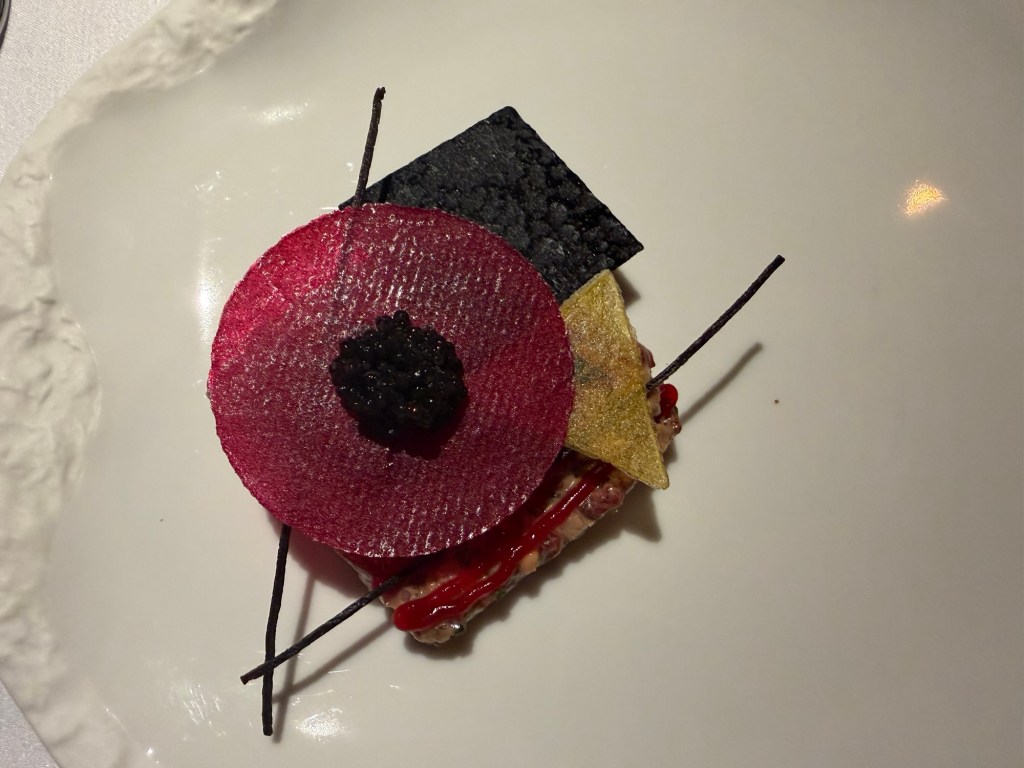
At 7 pm we ate dinner in the hotel restaurant and were surprised at the quality of the presentation. I had venison and smoked eel tartar and Mark had Pike Perch with kohlrabi.

Monday, May 24, 2026
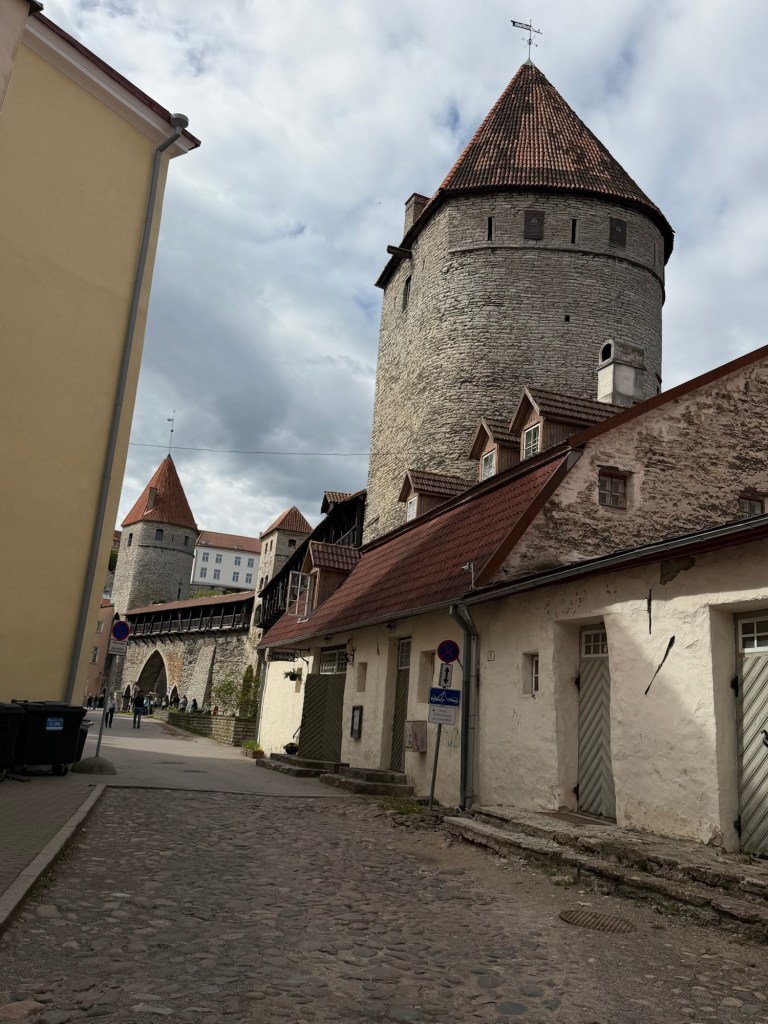
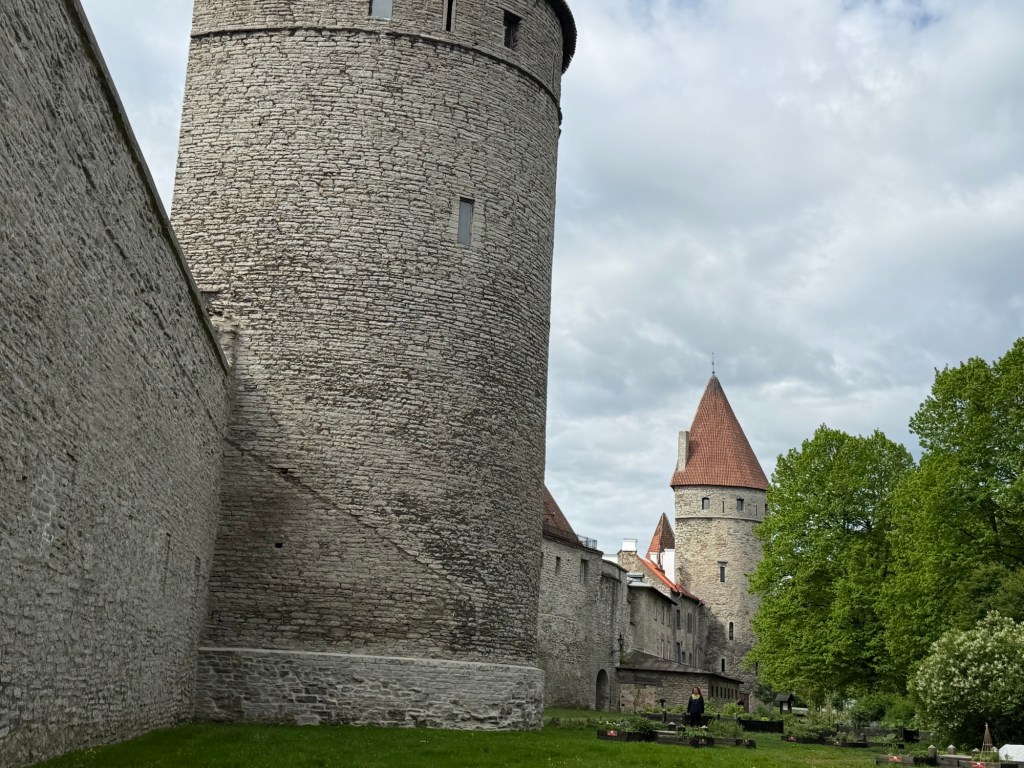
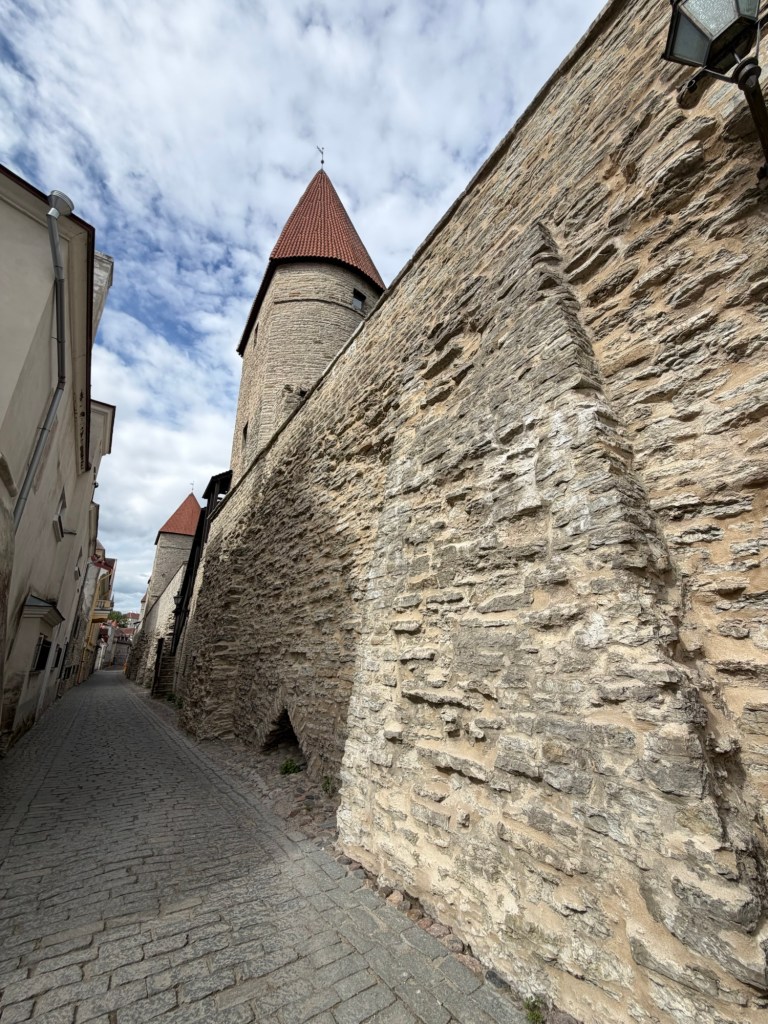
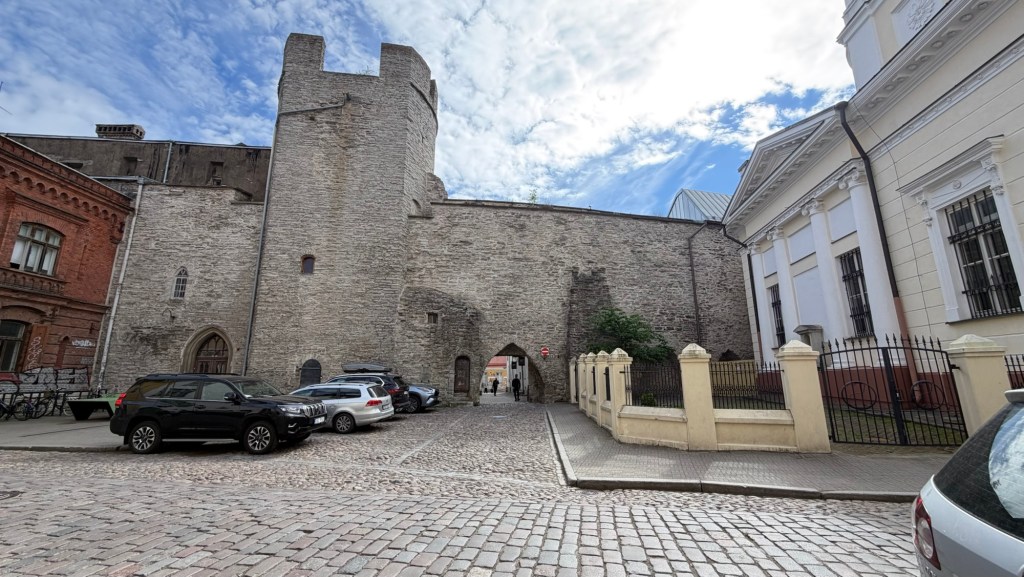
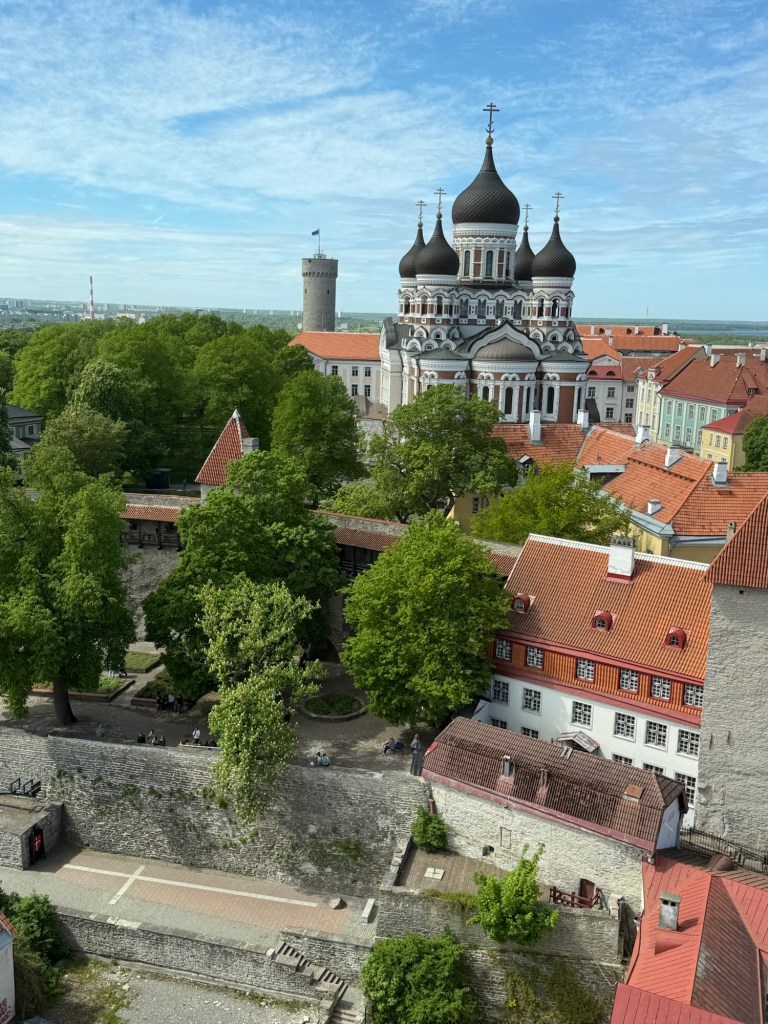
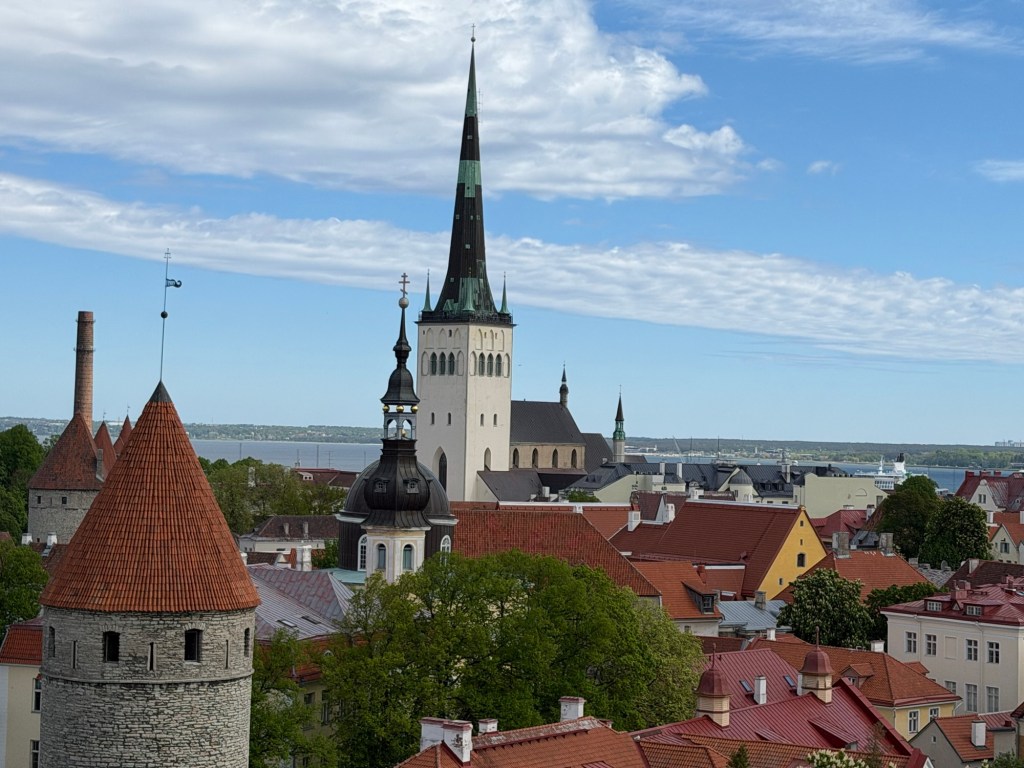
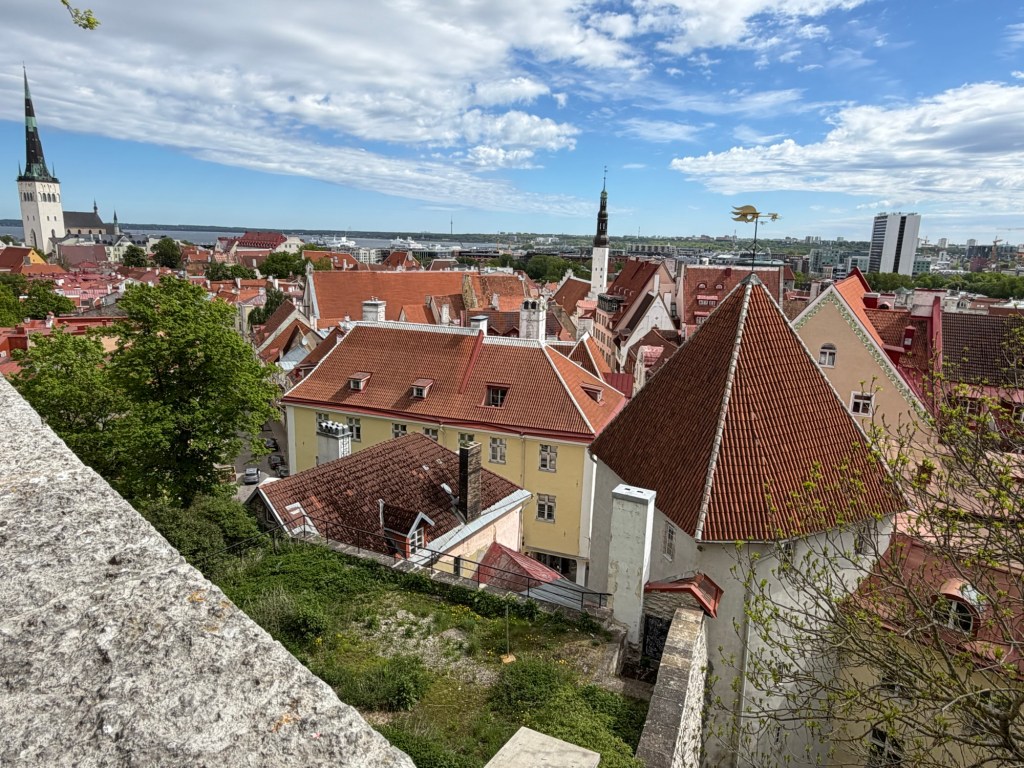
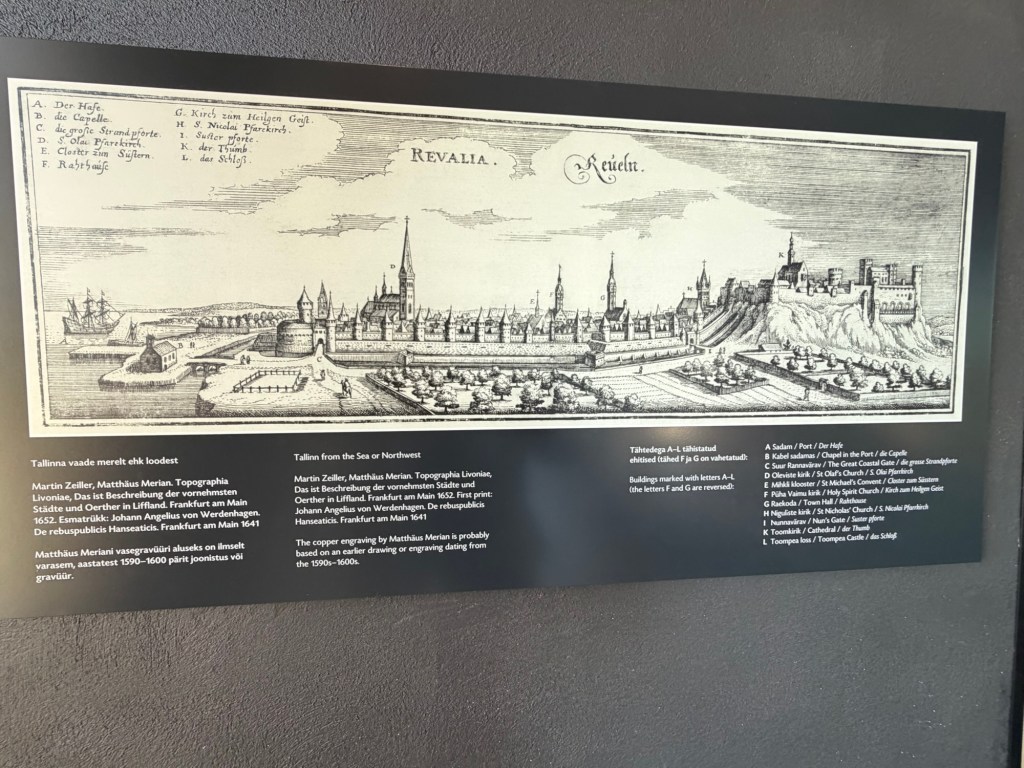
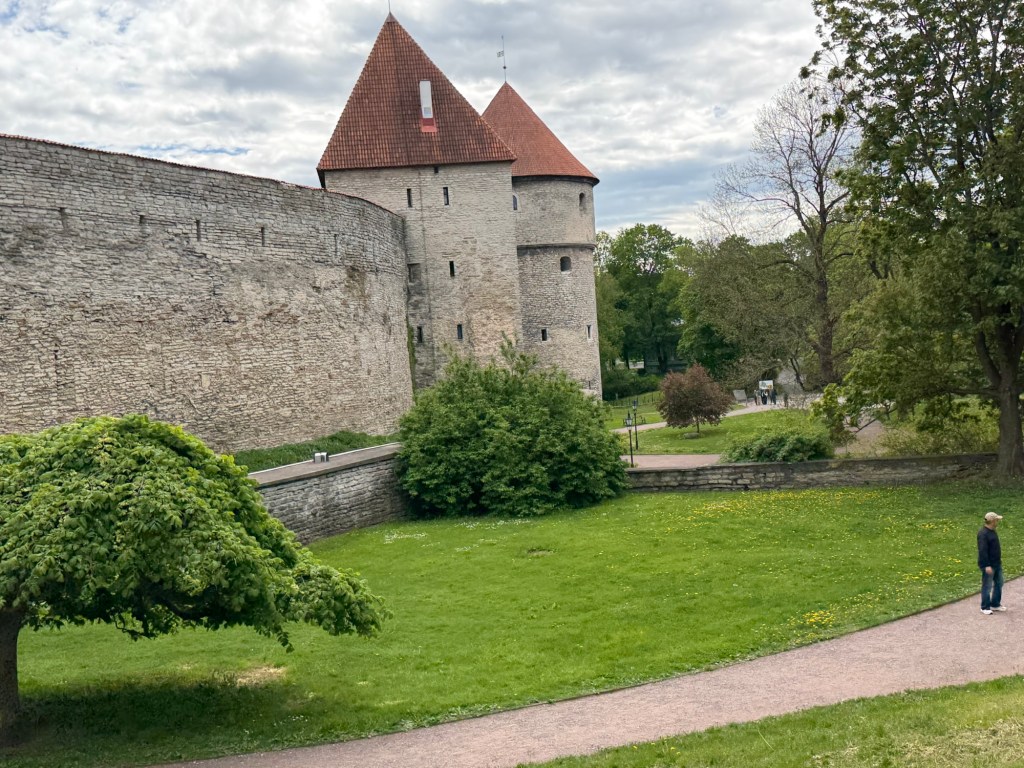
We met Mia, our guide for the day, at the hotel door at 10am. As we walked up to the old town, she told us the population of Estonia is only 1.3 million and that Tallinn has 425,000. It is the smallest and least populated of the 3 Baltic states and is about the size of Pennsylvania. It is the only one of the three states that retained its city walls, of which about 80% still exist. The wall was started in 1230 and took about 300 years to build. It has 27 towers currently. Originally there were 70. Due to its small size, Tallinn always capitulated rather than fight, which allowed the city to survive.


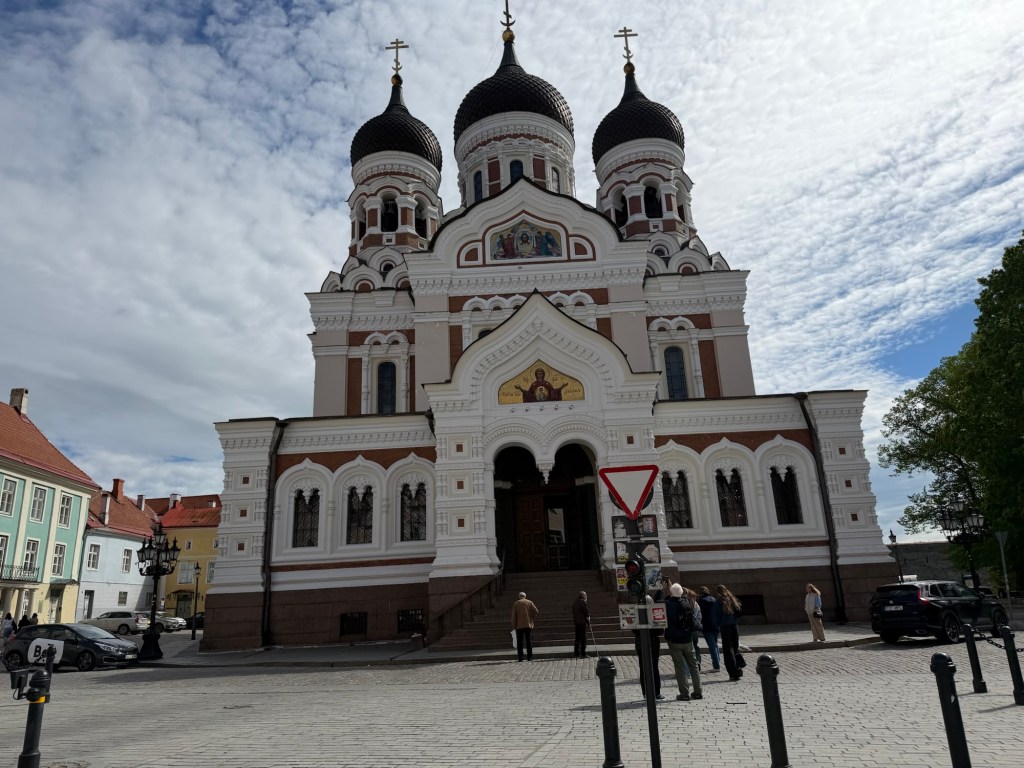
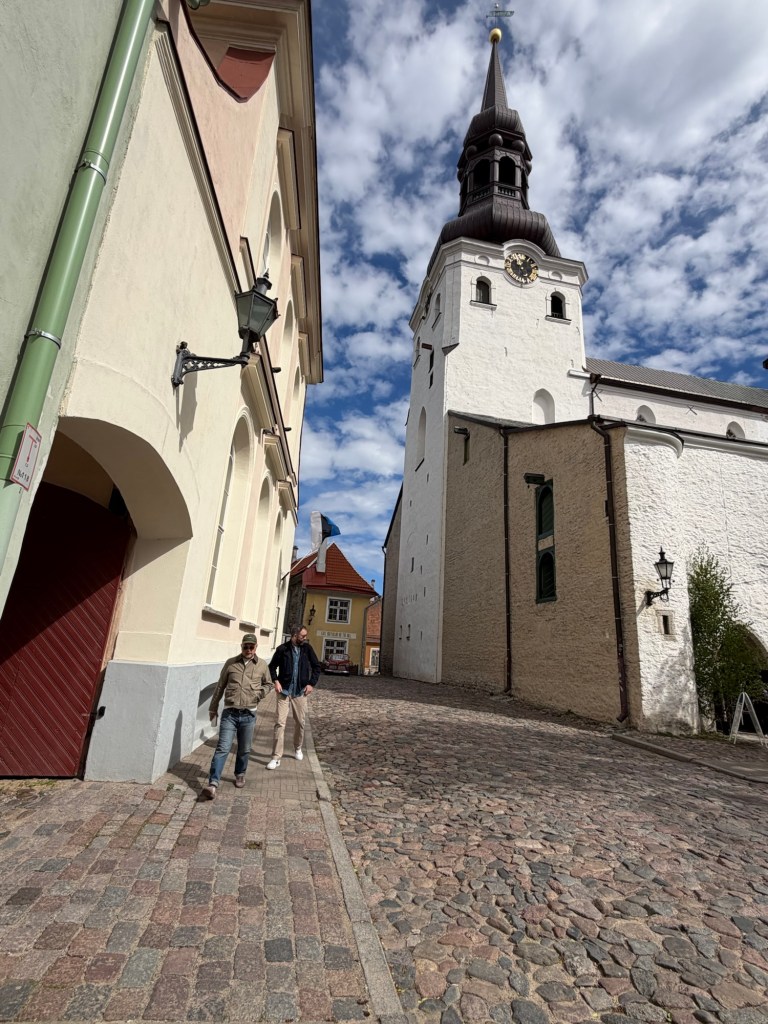
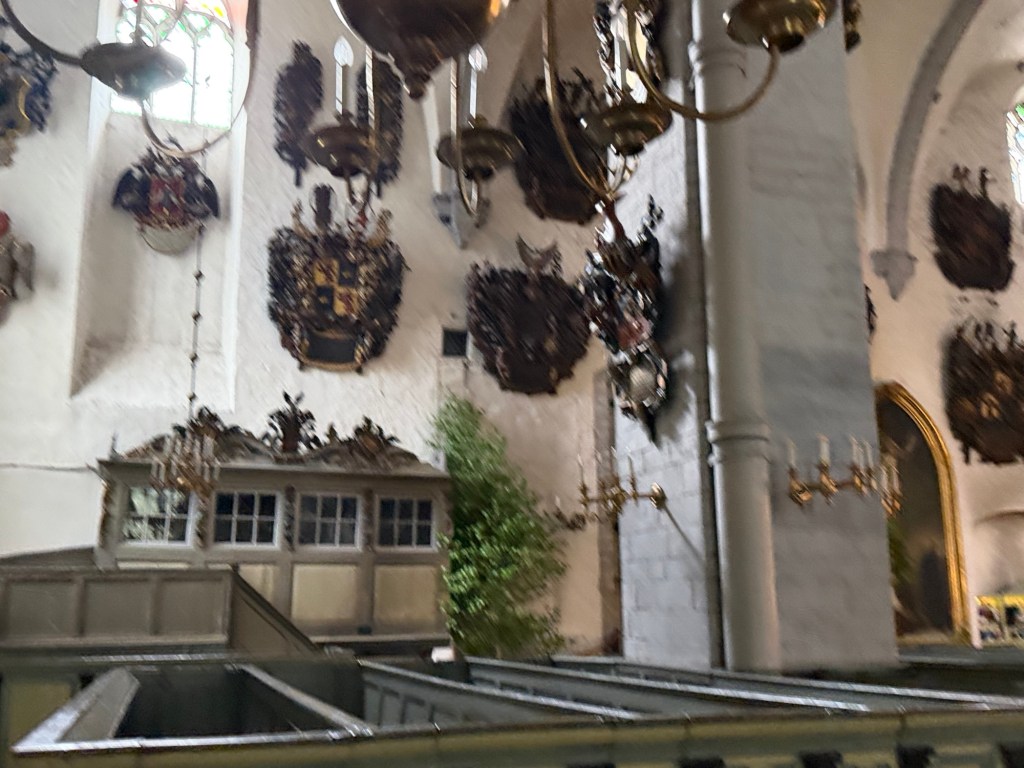

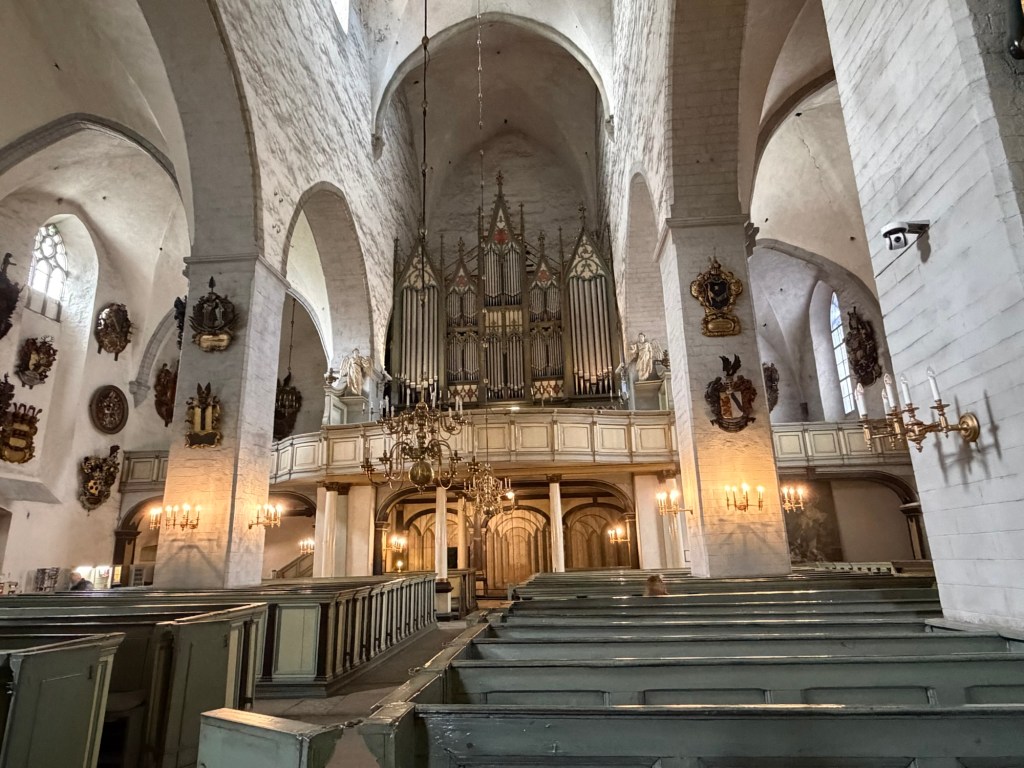

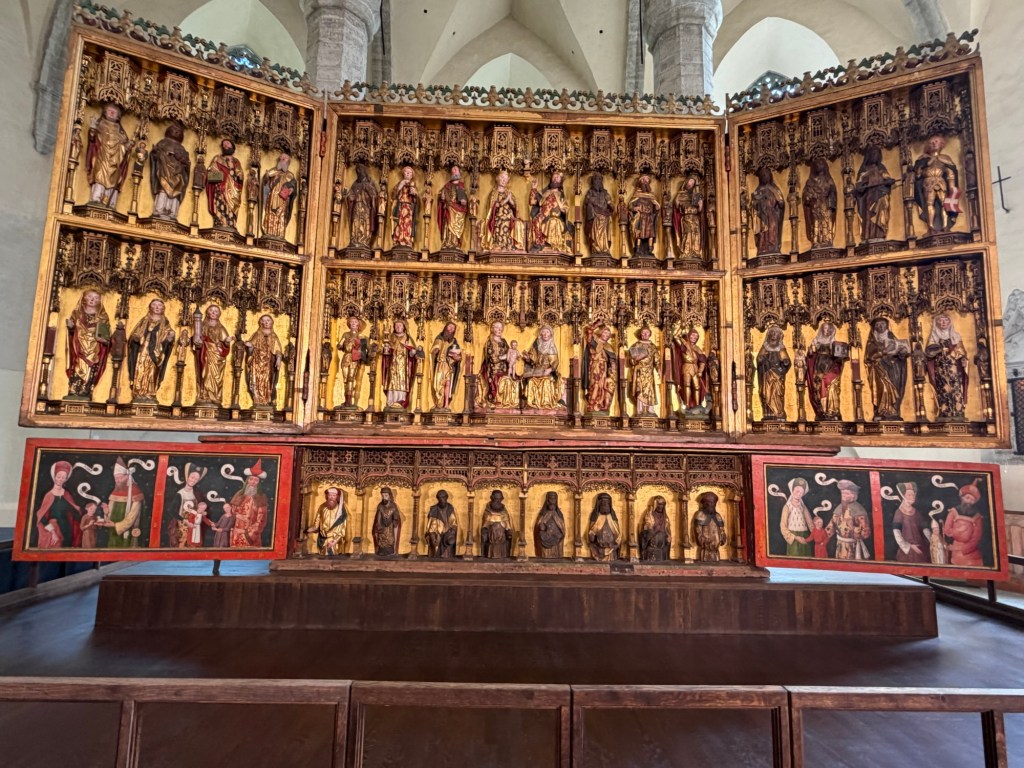
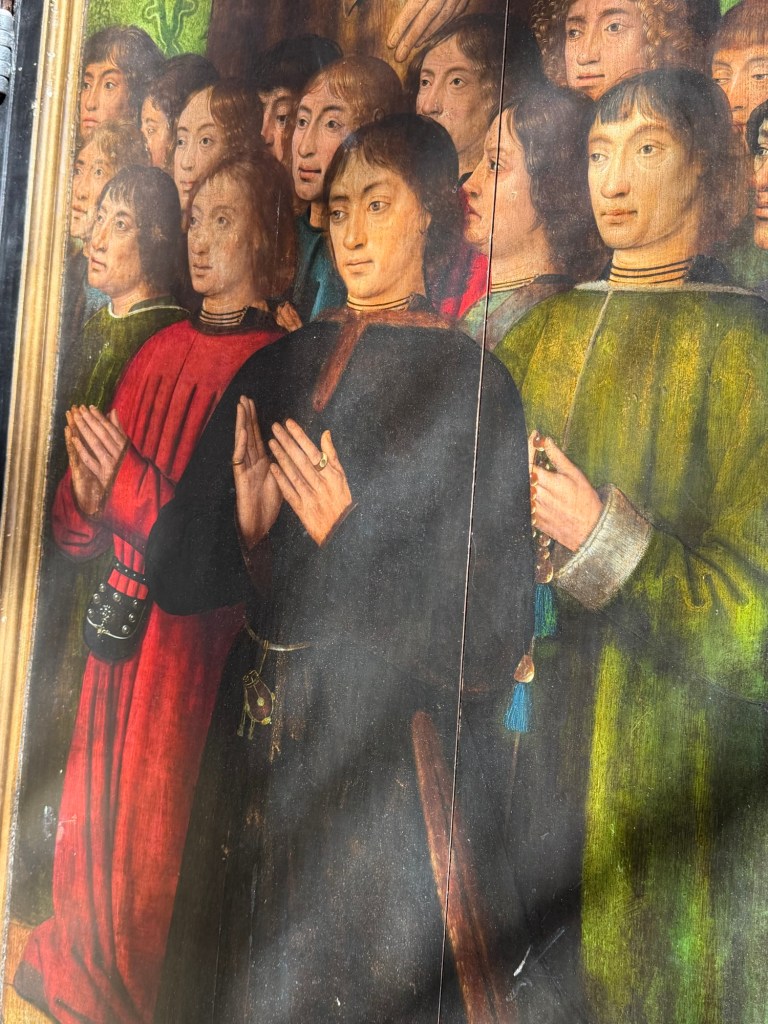
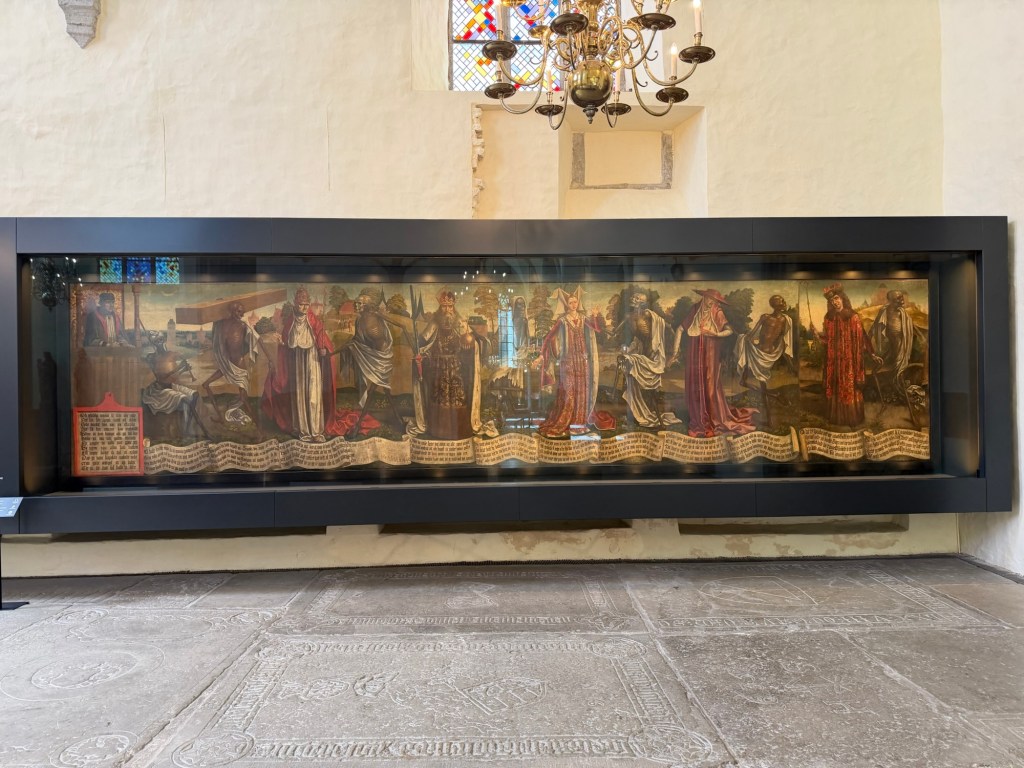
Lutherans took over from Catholics in 1520. Martin Luther wanted to take power away from the pope. Luther introduced pews into the church and coats of arms from wealthy German families were installed on the walls. This became the most important Lutheran Church in Estonia and was run by wealthy Germans for 700 years when Estonians stepped in and took control in the 1900’s.
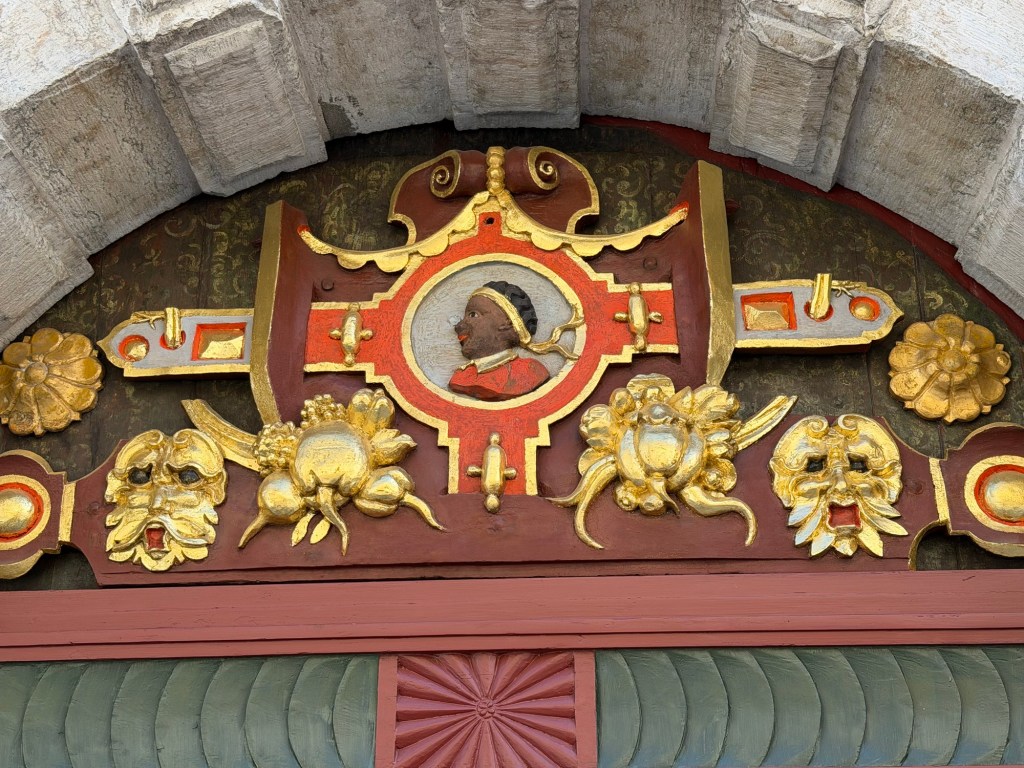
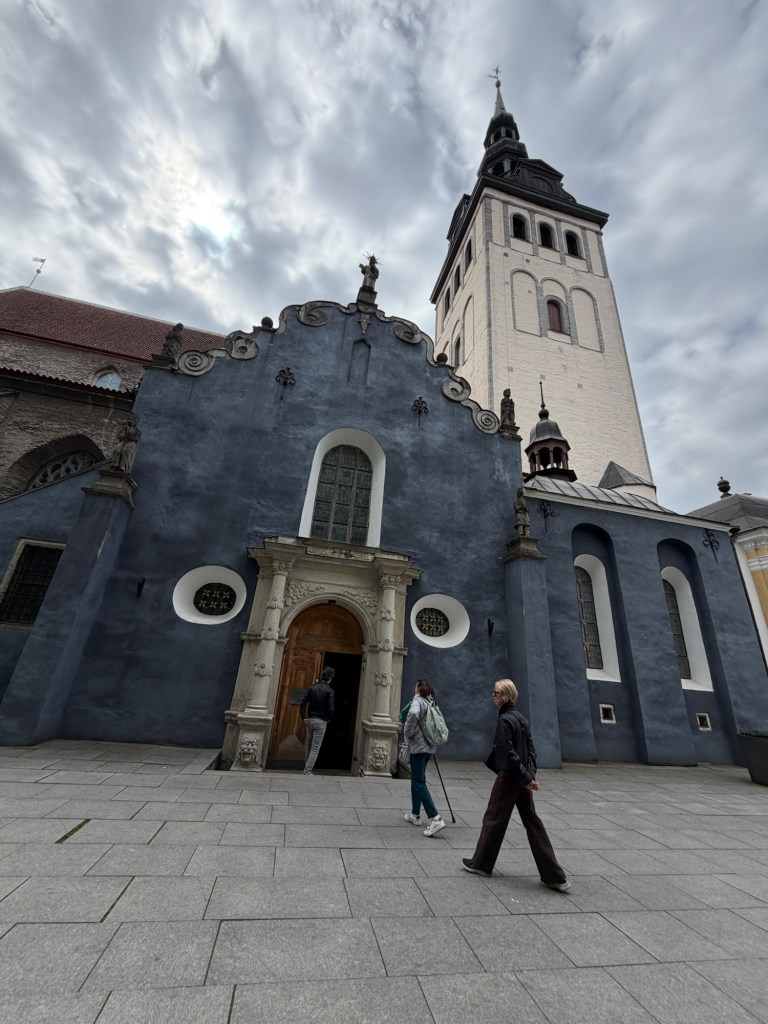

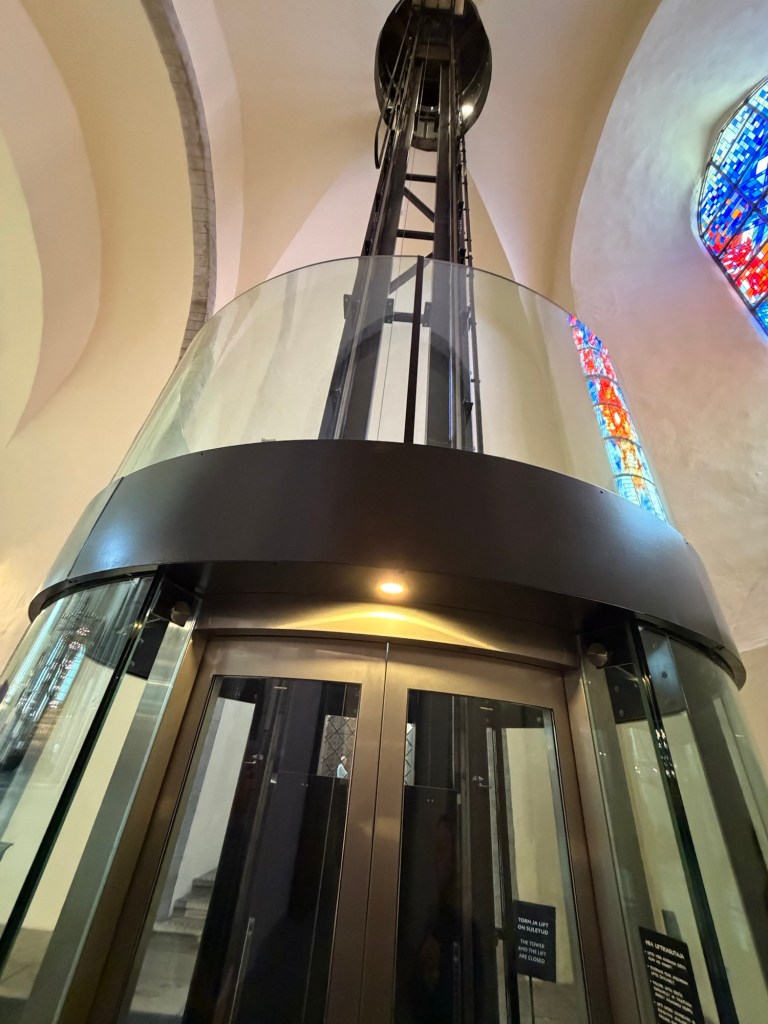

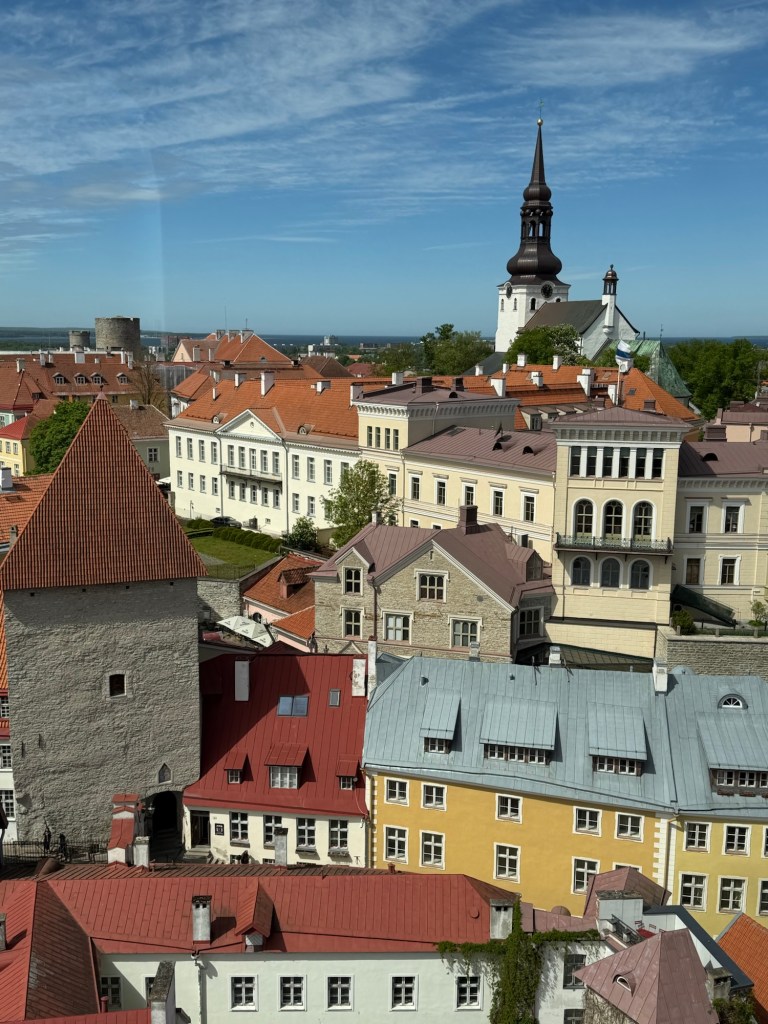

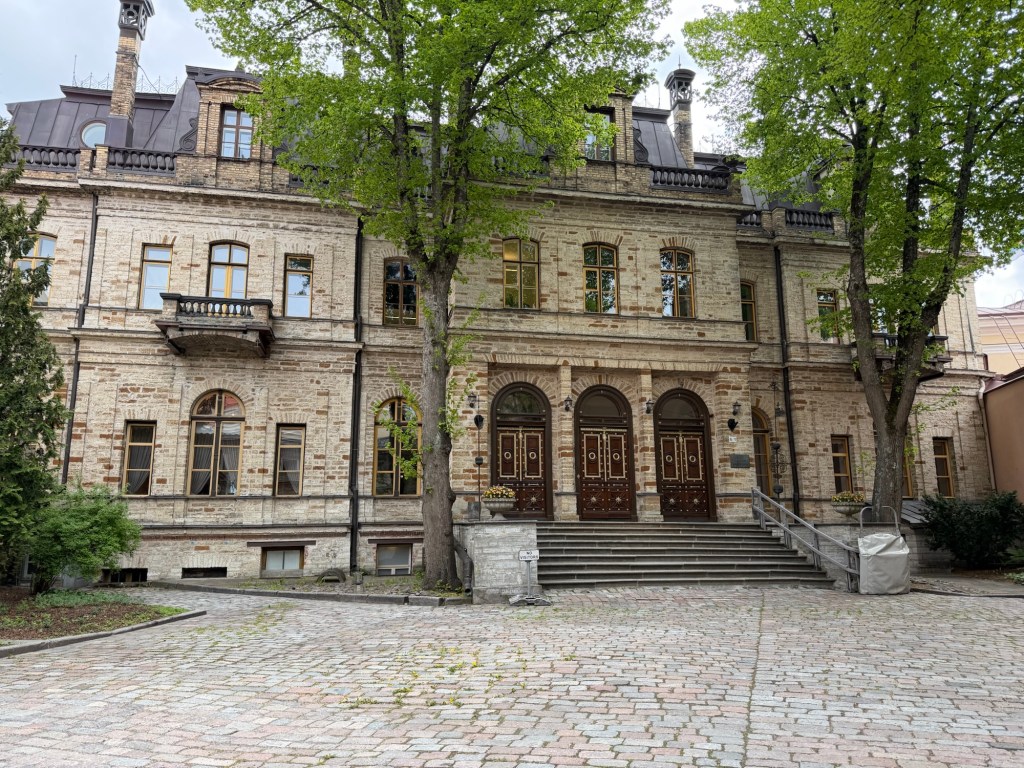
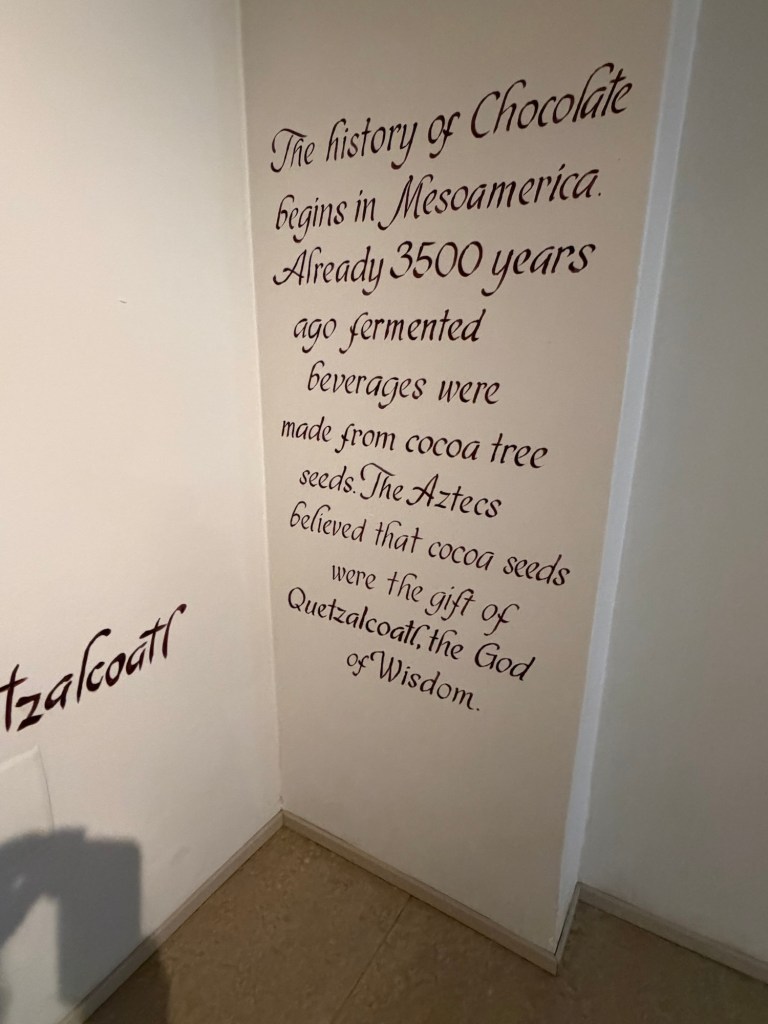
After all the churches, Mia cut us loose to get ourselves to the chocolate factory where we had an appointment to make the confection. We met the owner, Kristi, and she took us through the history of chocolate in Estonia. Kalev, an industrial chocolate company took over from the original Jewish families. Kawe had been the largest employing 500 people before the war. In Estonia they were the biggest around 1921. They were very good at marketing. Eventually the Kawe family emigrated to Sweden. The Ginovker family were the second largest producer before the war, exporting 35% of their product. Being sales oriented, they even hand painted their packaging. They were nationalized in 1940.
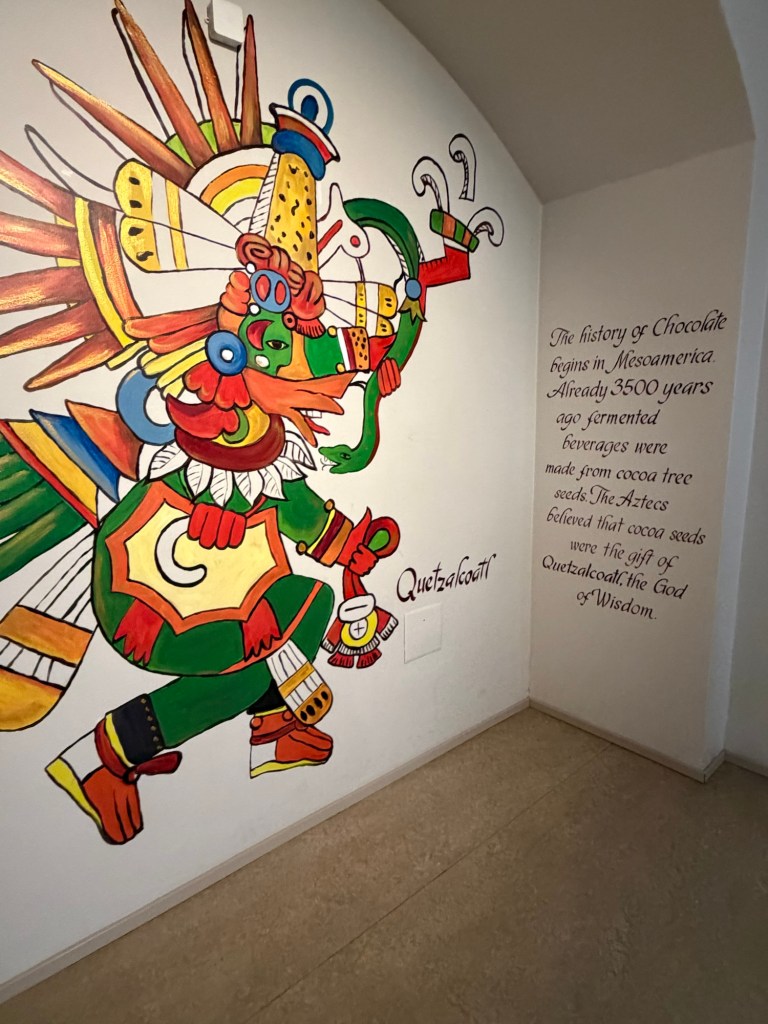
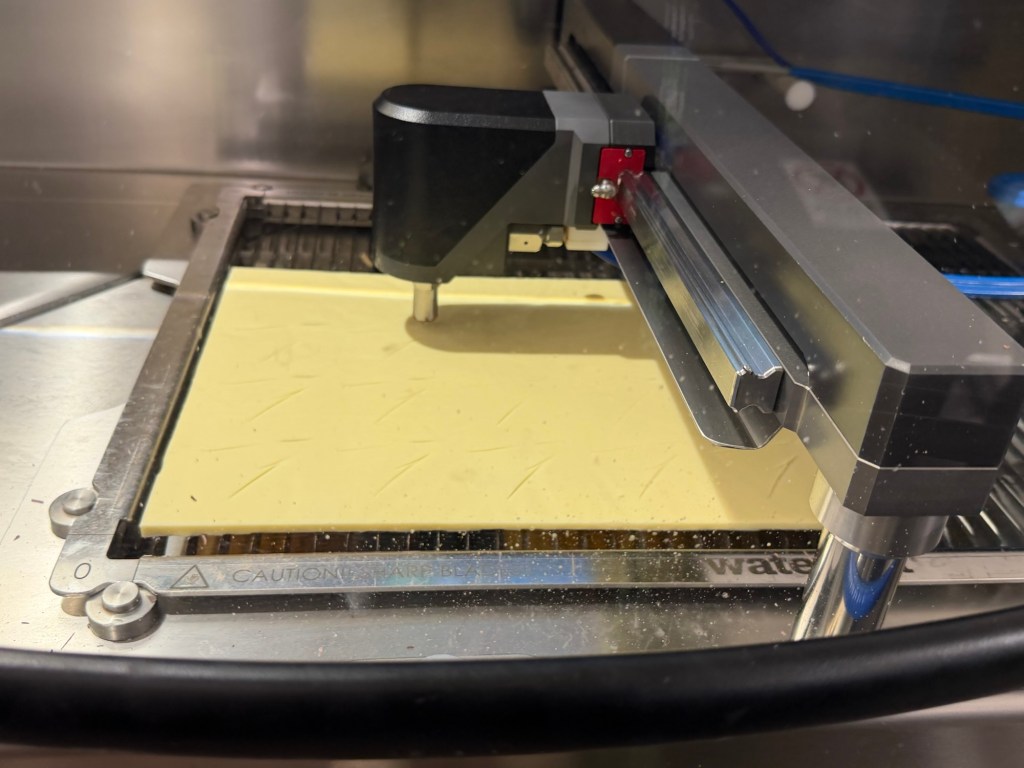
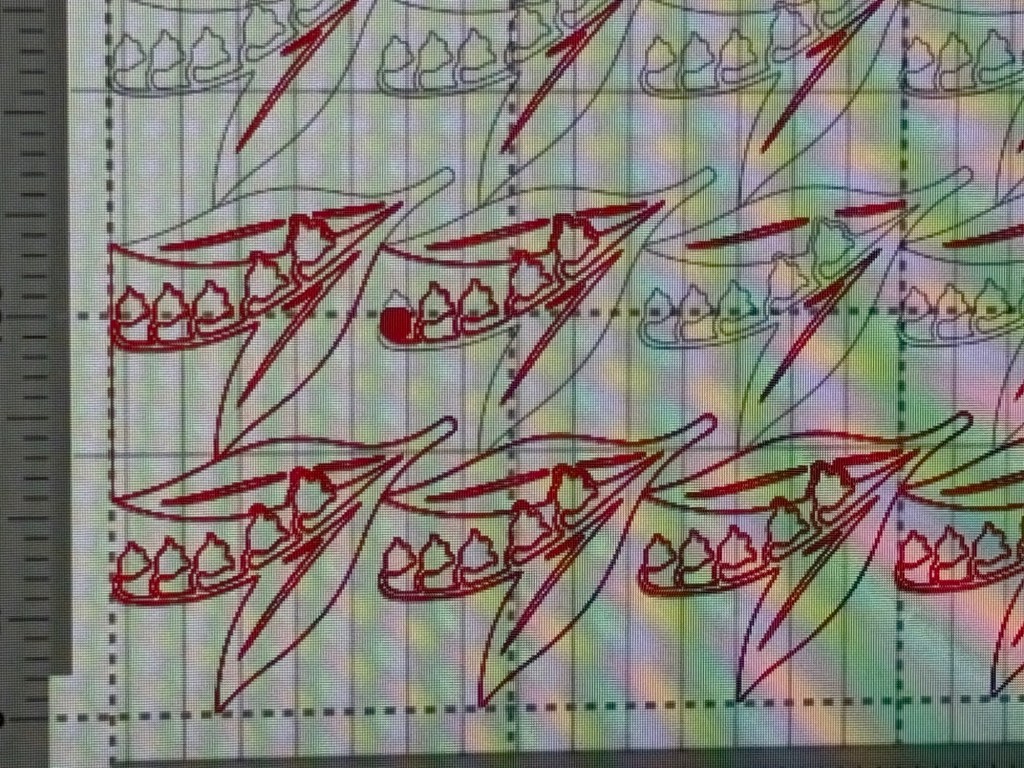
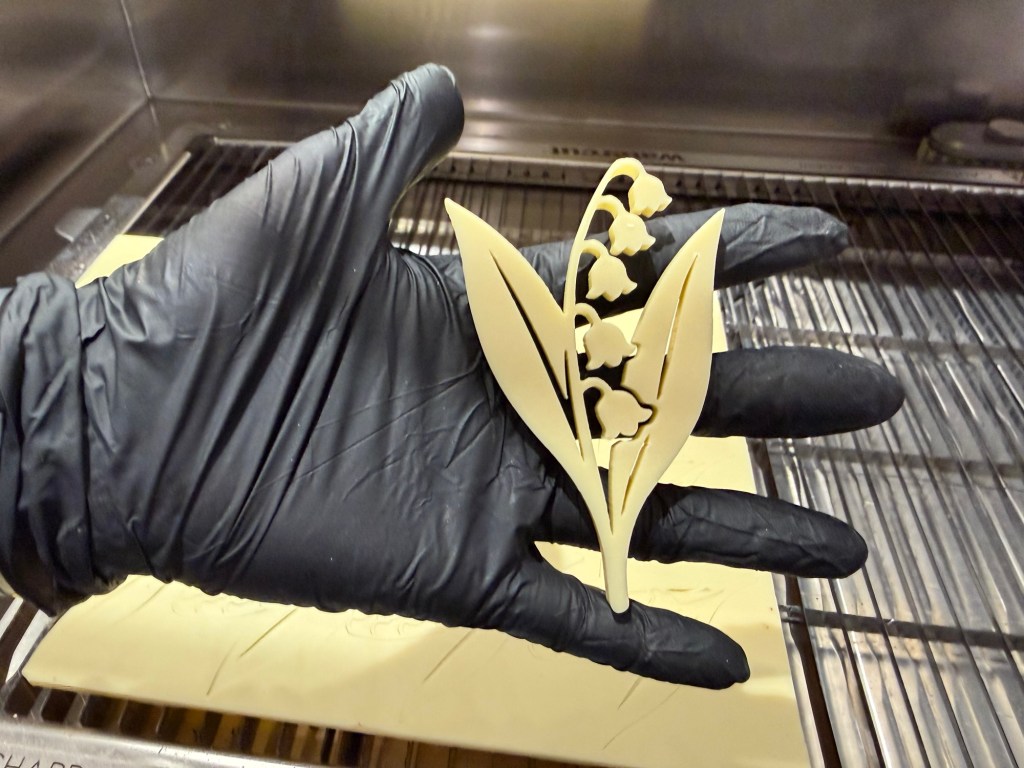

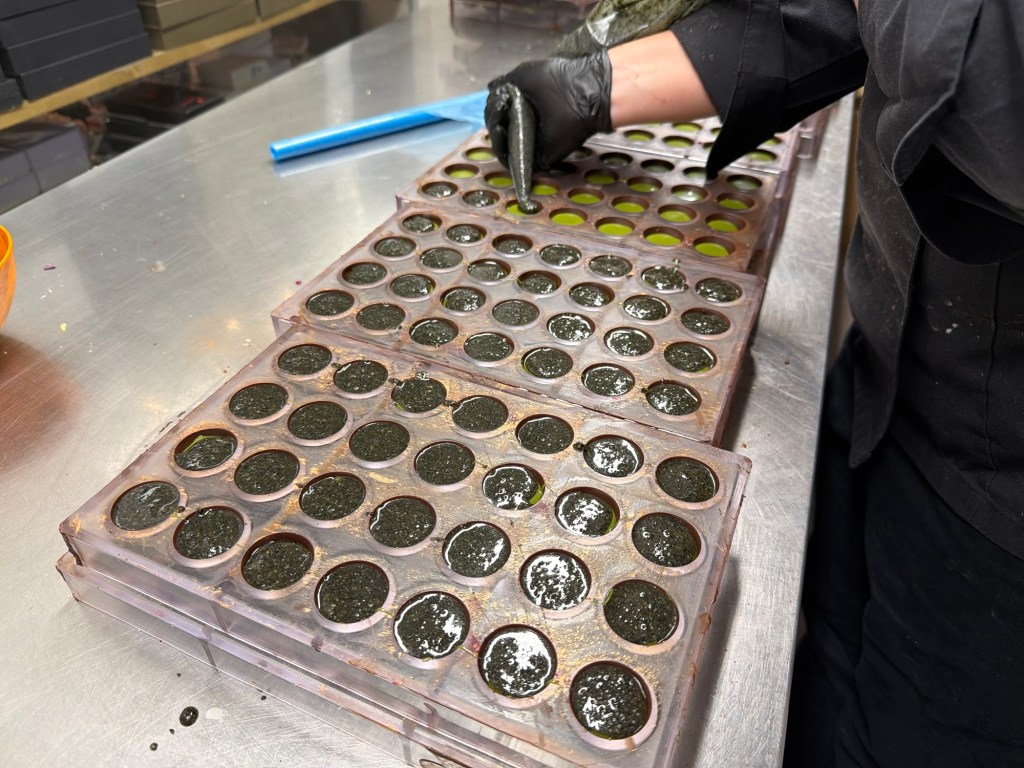
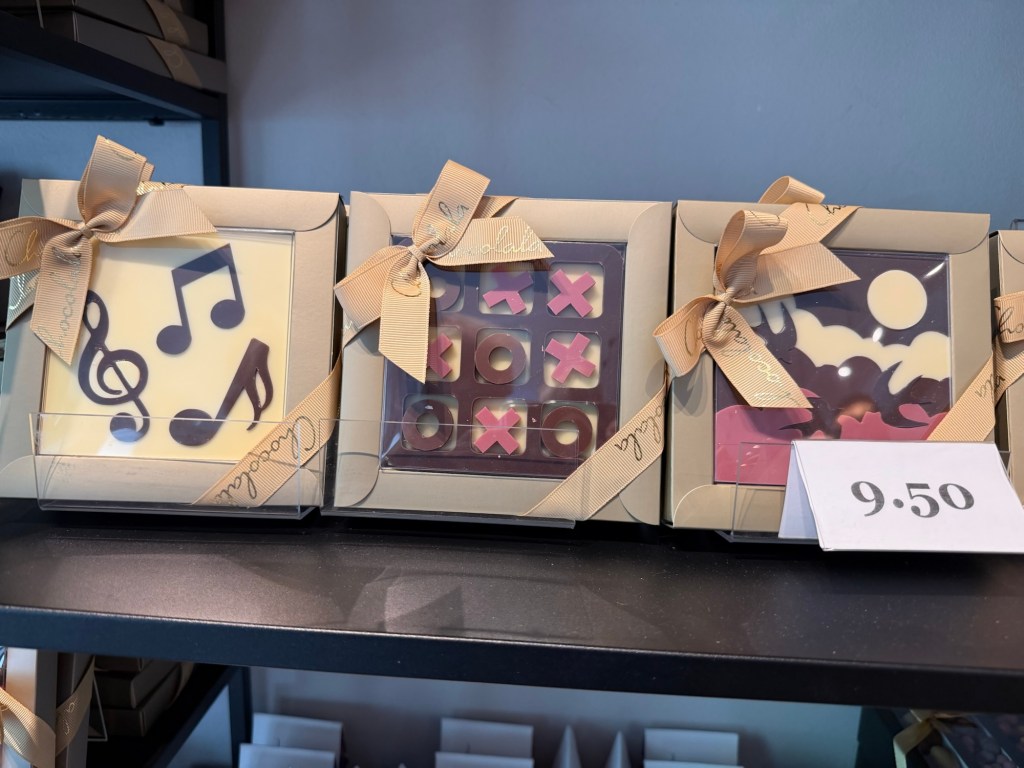
In making chocolate we handled some cocoa pods. First you let the pods ferment, then you dry the beans, roast them and then break the bean to collect the edible part. Then you grind the beans until it becomes a flowing powder. From 100% cocoa, 30% sugar is added giving you a 70%. Kristi said she buys her cocoa from Sao Tome, Madagascar and Mexico. She employees 12 people full time and adds more during the holidays. Her factory is small at 380 square meters.
From the chocolate factory we said good bye to the Chocolatier, Kristi, and walked back to hotel loaded with the chocolates from our chocolate making activity. It had been a long day with too much chocolate and too many churches. I hope I have the churches named correctly in my head and in this post.
Tuesday, May 26, 3036
We met Mart, our blog walking guide at 10am and headed for the forest in his Toyota truck. We drove 45 minutes due east on a straight road headed for St Petersburg.
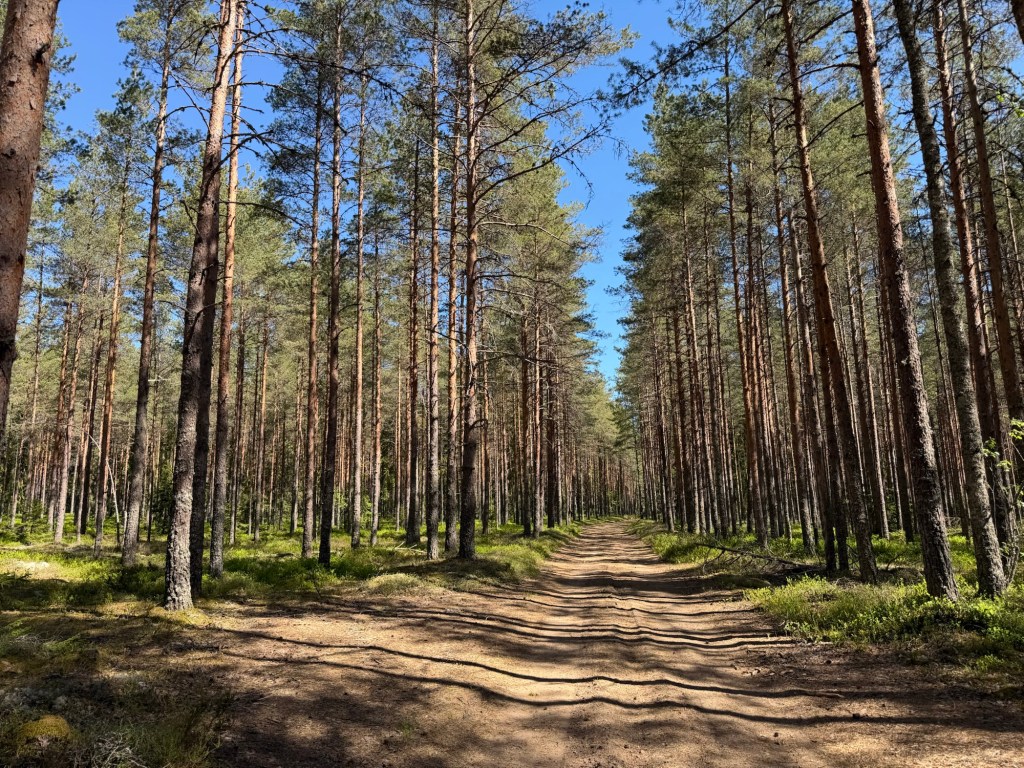

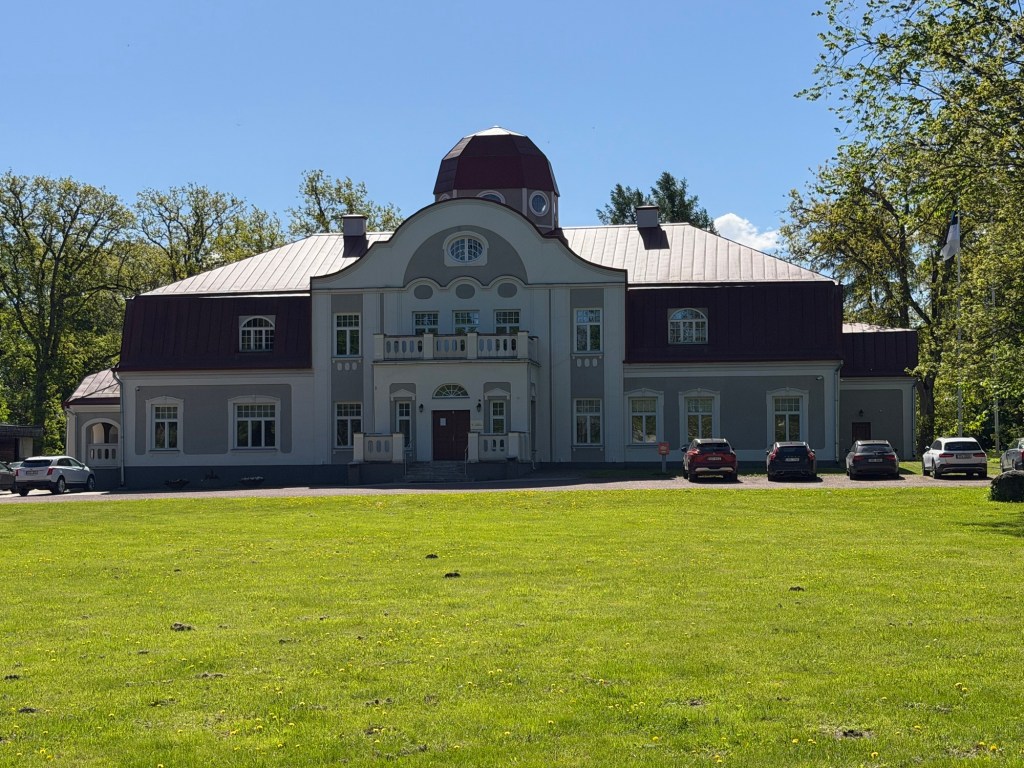
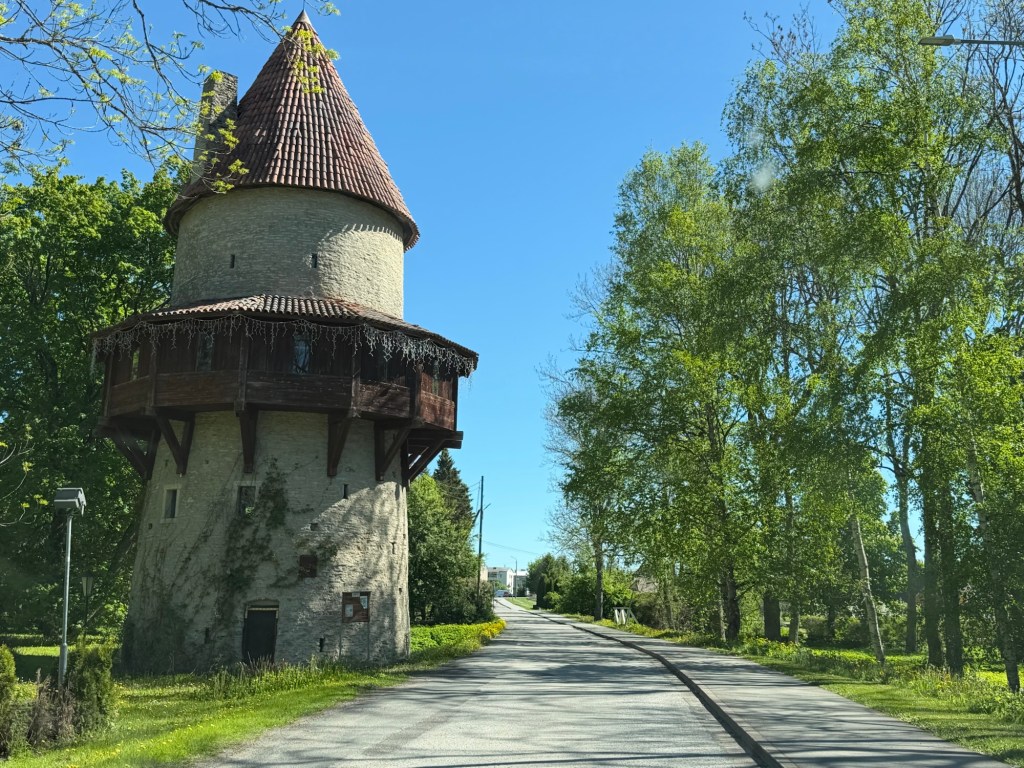
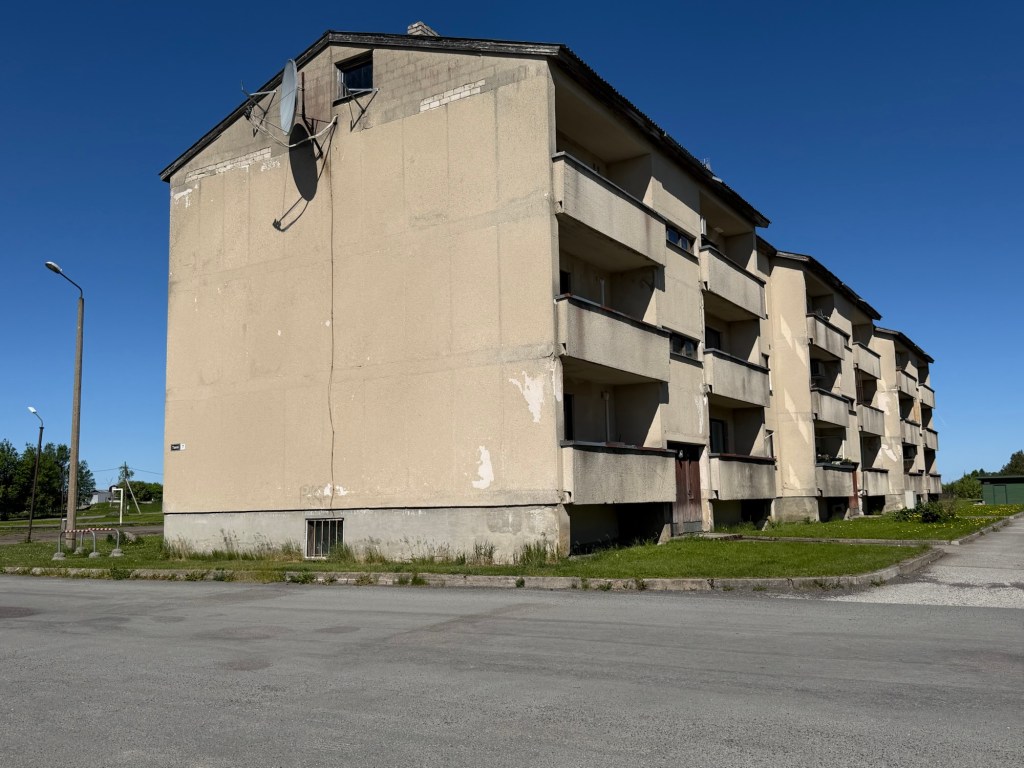
The forest was thick on both sides of the road. We stopped at the village where Mart lives to have a look around. The name of the place is Kuusalu. It is a collection of small farms, a fortified tower, and a church called St Laurence, which is from the 16th century. The church was built by the German Teutonic Order. There was a new kindergarten school for 100 kids. The population is 2000. There were many apartments built by the Soviets in the 80’s.


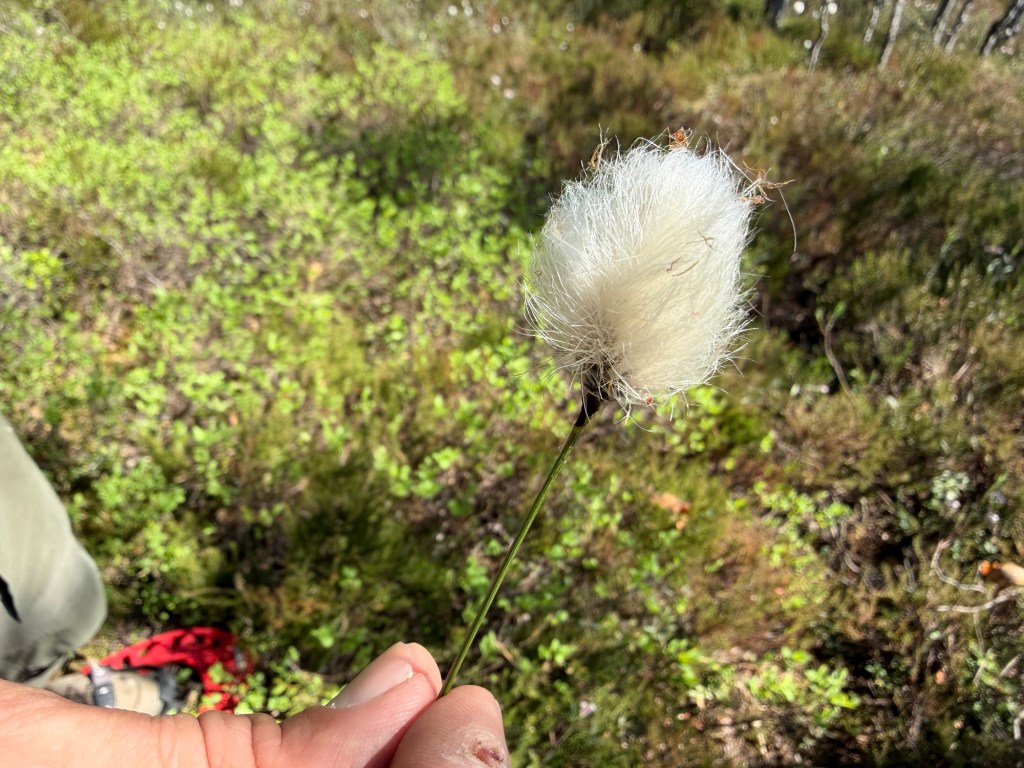
After a quick look about town we headed out into the forest to do some bog walking. We learned that the forest takes up 50% of the land and contains a variety of trees: 40% are Scotch Pine; 30% are Spruce; 20% are Birch; 10% is everything else including: oak, alder and aspen. While walking to the bog area we identified several plants: Billberry,Lingonberry, cotton flower and others I don’t remember.
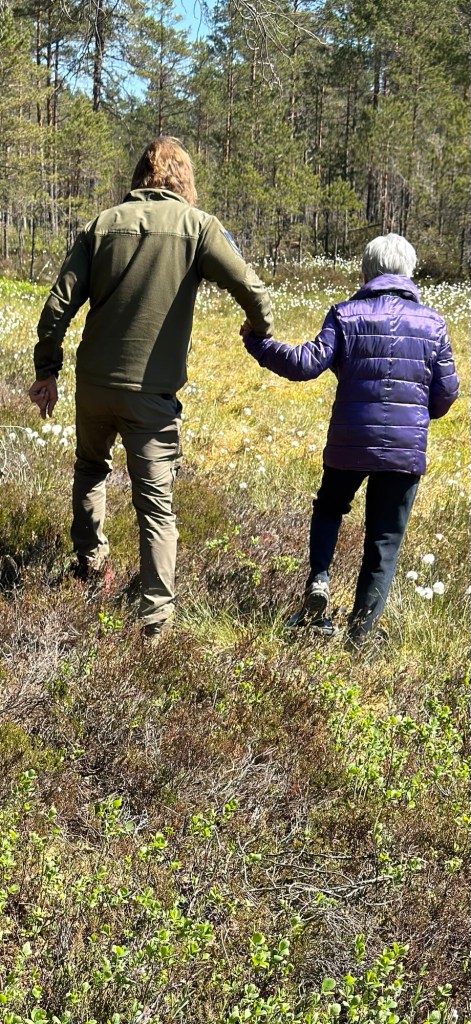
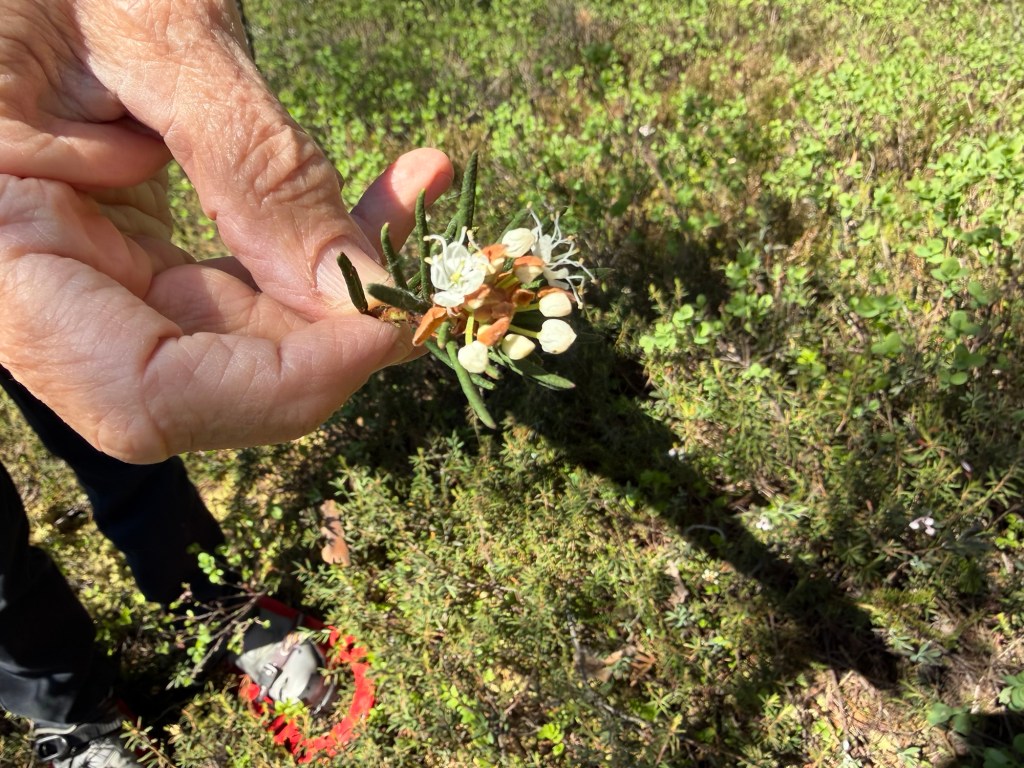

We put on snow shoes and started walking through the bog until I started tripping too much—not very long. At that point we drove to a boardwalk and walked on it for a mile to a wooden tower.
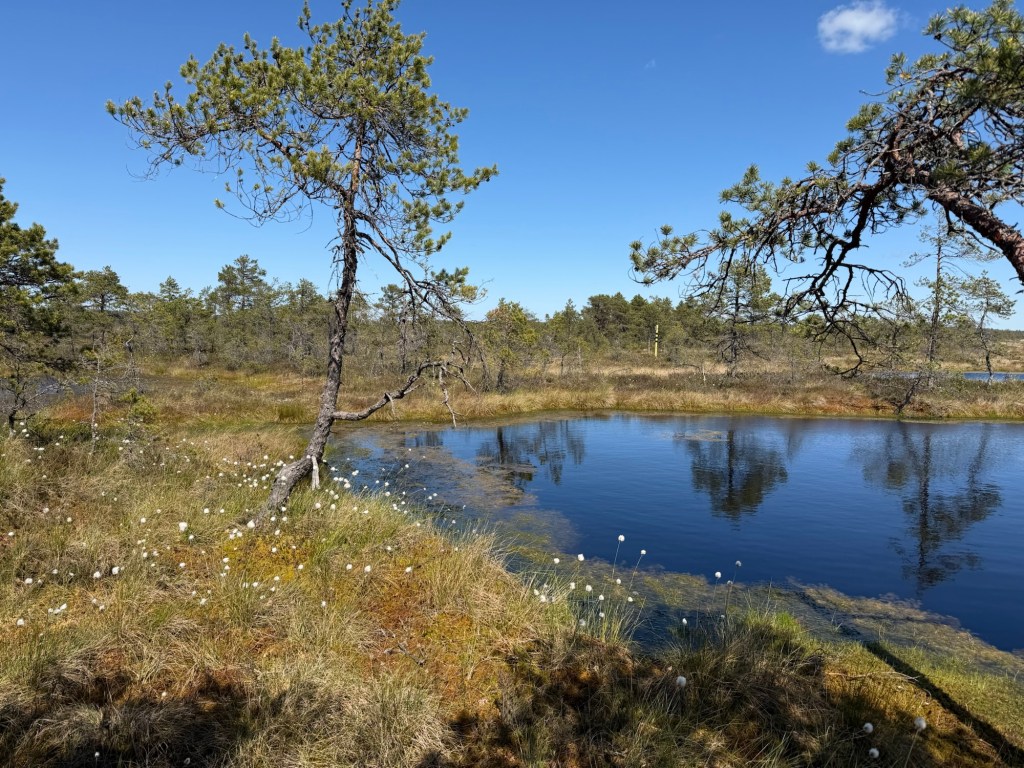

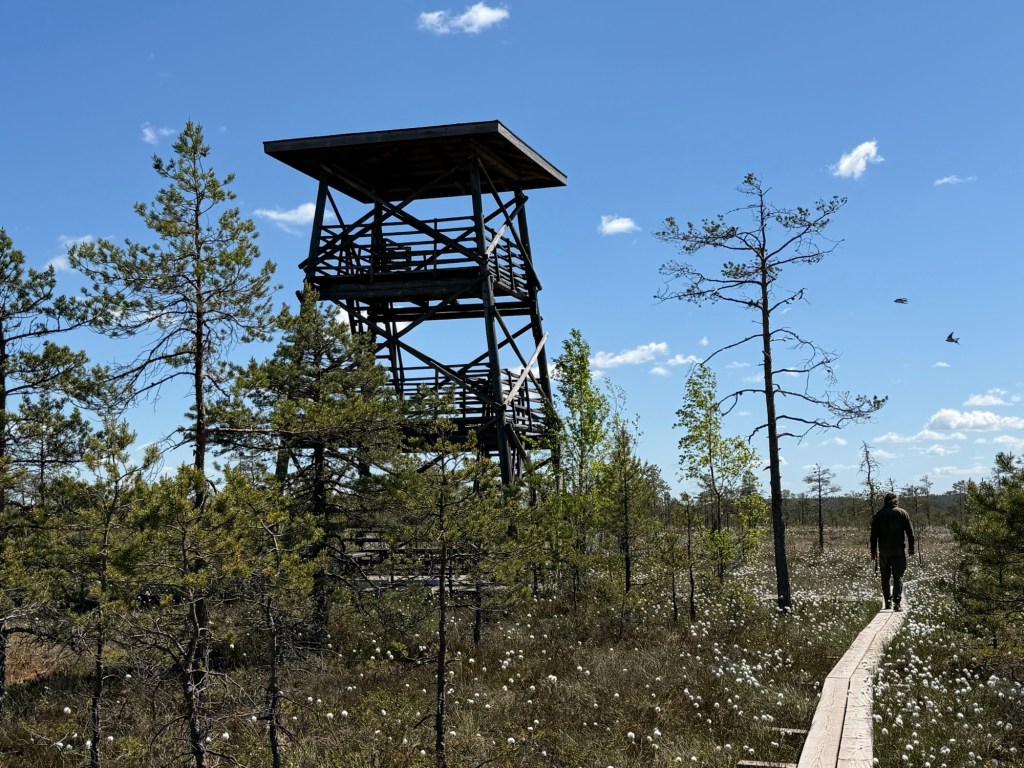


Hung out a bit in the breeze and fresh air and eventually walked back. Mart kept up a running conversation the whole time we were walking. We learned about his family life, his teaching subjects, locations, students, military service and more.
Finally, we finished with the bog, which was part of the Korvemaa Nature Reserve and drove back to Kuusalu to the village market, which also served food. I had a delicious bowl of Mexican bean soup, while Mark had an ice cream cone.
We were back in our hotel room by 4pm in time to get ready for our evening dinner date with Juri Teras and his girlfriend, Laire Piik, who arrived exactly at 5pm. Juri is a friend of Terry and Liz McAteer. They connected us together and we were happy to have an evening to spend with them. We drove to a brand new restaurant called Fume and had a delicious meal as well as delightful conversation.
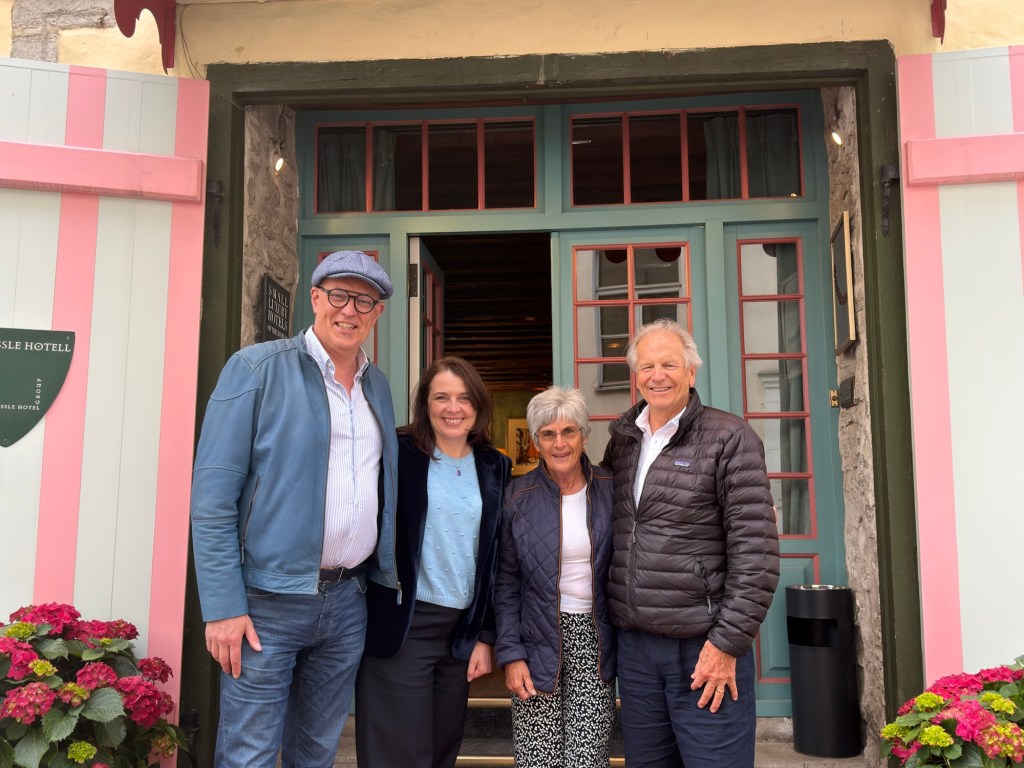
After dinner, Juri drove us through the different parts of Tallinn we had not seen, which was everything except the Old Town. Unfortunately, it was raining by then. Finally we stopped at our hotel and had our photo taken. We will send Liz and Terry a copy. And then we said good night, but hopefully not good bye to Juri and Laire.
Our next adventure begins with a ferry ride from Tallinn to Helsinki.