
Wednesday, May 27, 2026
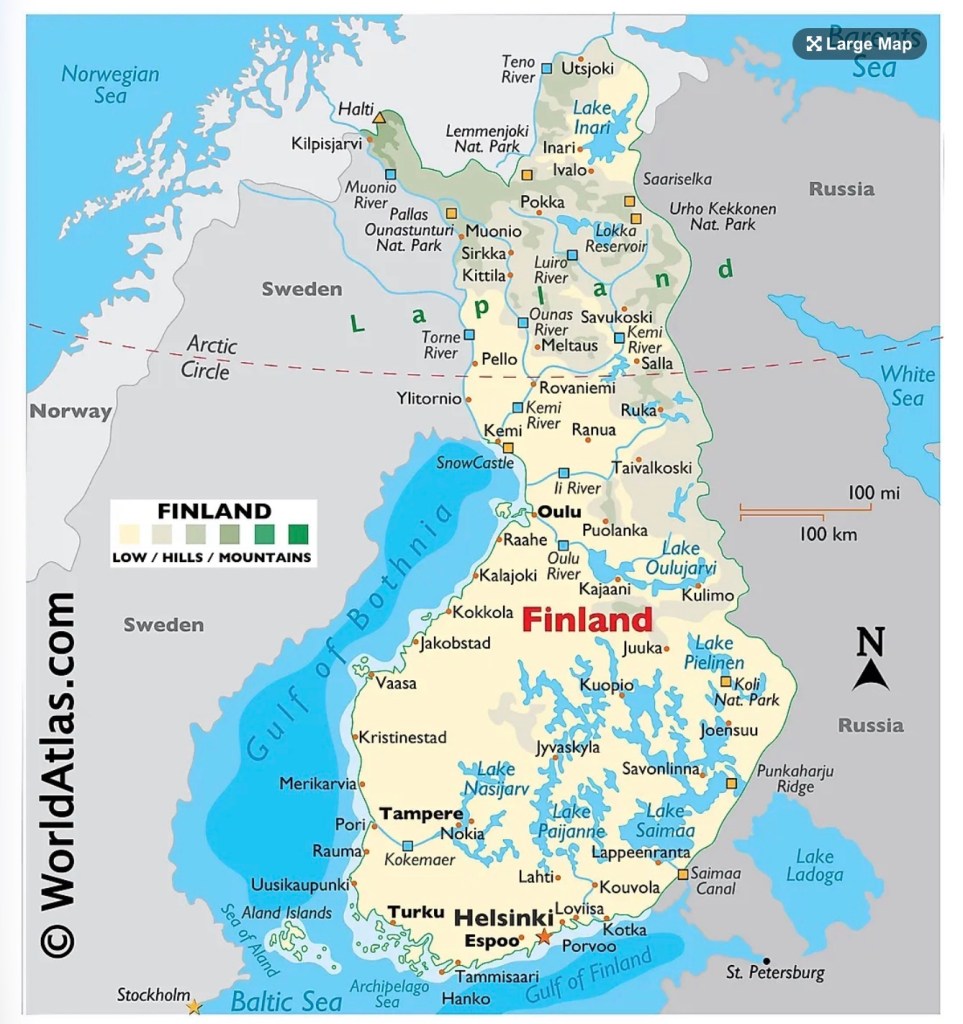
Today we road a ferry from Tallinn to Helsinki. It was a 2 hour ride that was as smooth as walking on air. Once off the ferry, we found our driver who took us to the Waldorf Astoria. The most complicated part about the whole trip was the directions from the hotel lobby to our room. We take an elevator near the front desk, go up one floor, then walk down a long hallway to another building, get in another elevator and go down one floor. Go through 2 card lock doors and find our room, number 4105.

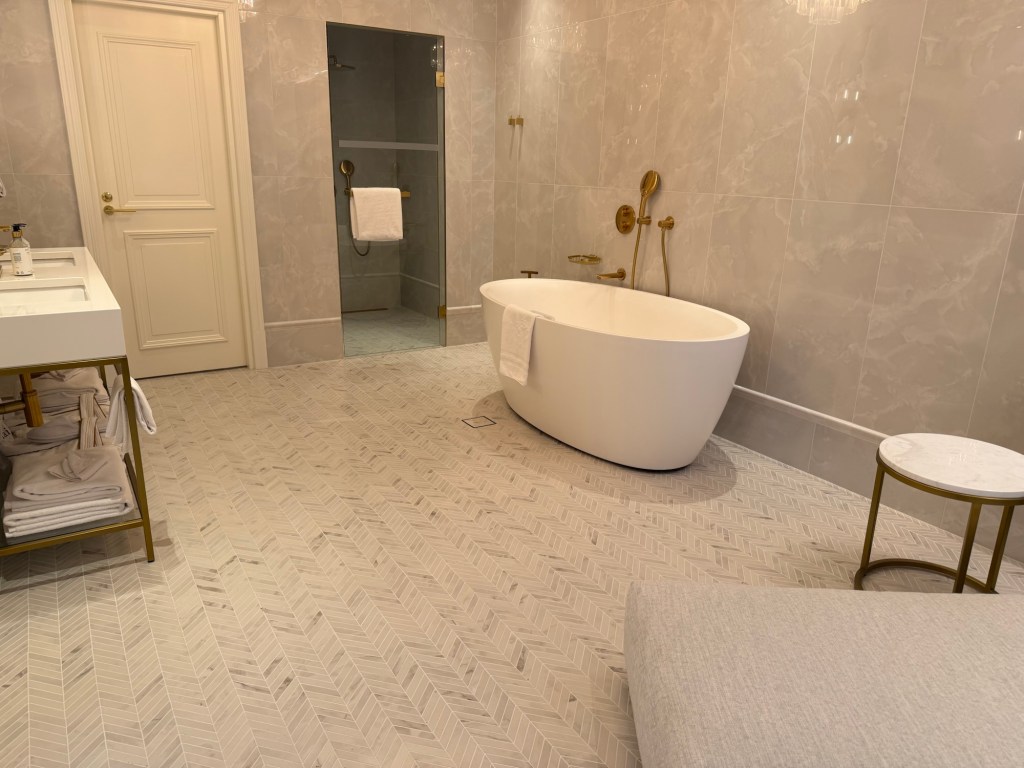
Once inside, our room is light and spacious, even if it is on the first floor and looks at the street. We settled in nicely and had an early and light dinner in the hotel dining room. At 6:30 we took an Uber to the Helsinki Music Centre to see a sold out performance of Gustav Mahler’s Symphony no.3 in D minor, conducted by Jukka-Pekka Saraste. It was wonderful in my opinion and I was glad our travel agent, Martina, had made the effort to get the tickets. Mark thought it was just a nice performance. I thought the horn sections outdid themselves. If anything was weak, it was the chorus. There were 70 children, 50 adults and a female soloist, but they were drowned out by the orchestra. The acoustics were excellent for the 10 #2 piece orchestra but not for the chorus. Maybe our seats were pat of the problem as we were at the top of the Hall in the nose bleed seats.
What I learned from the experience, is that no one dressed up for the event and no one gave the orchestra a standing ovation. There were 4 curtain calls, but no flowers.

Thursday, May 28, 2026
Meet our guide for the next two days, Olga, for our Helsinki city tours. She was accompanied by a driver with a van.
The Swedes came to Finland in the 1100’s and stayed for 700 years. In 1809 Finland became part of Russia until 1917, when it finally gained independence.
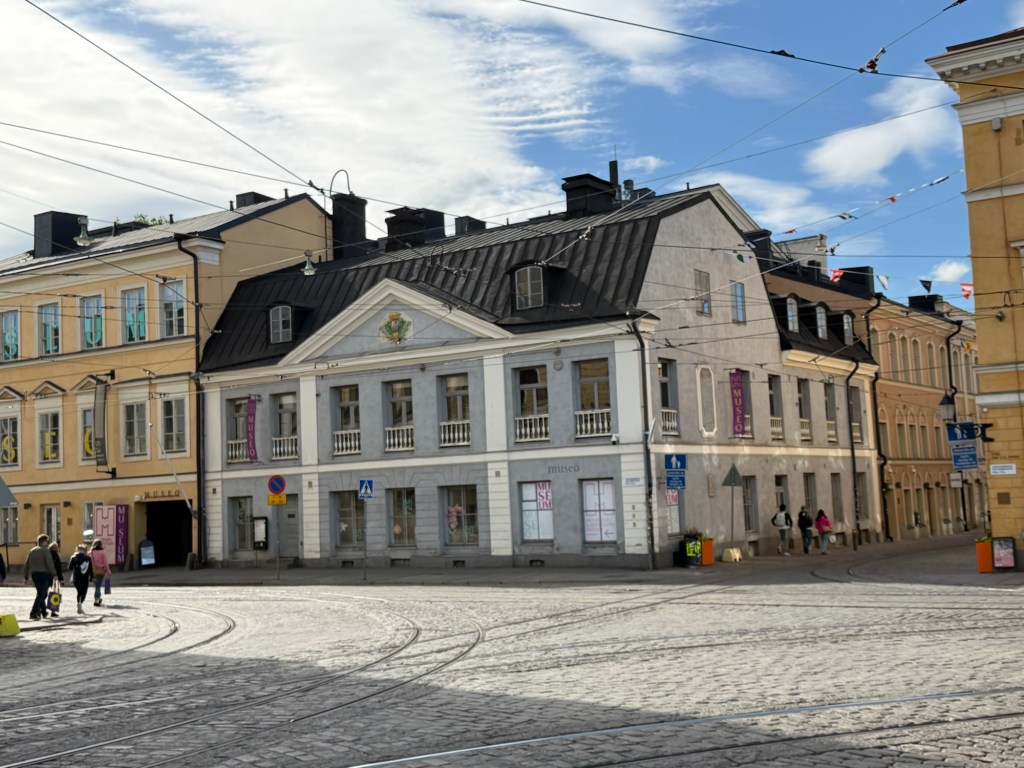
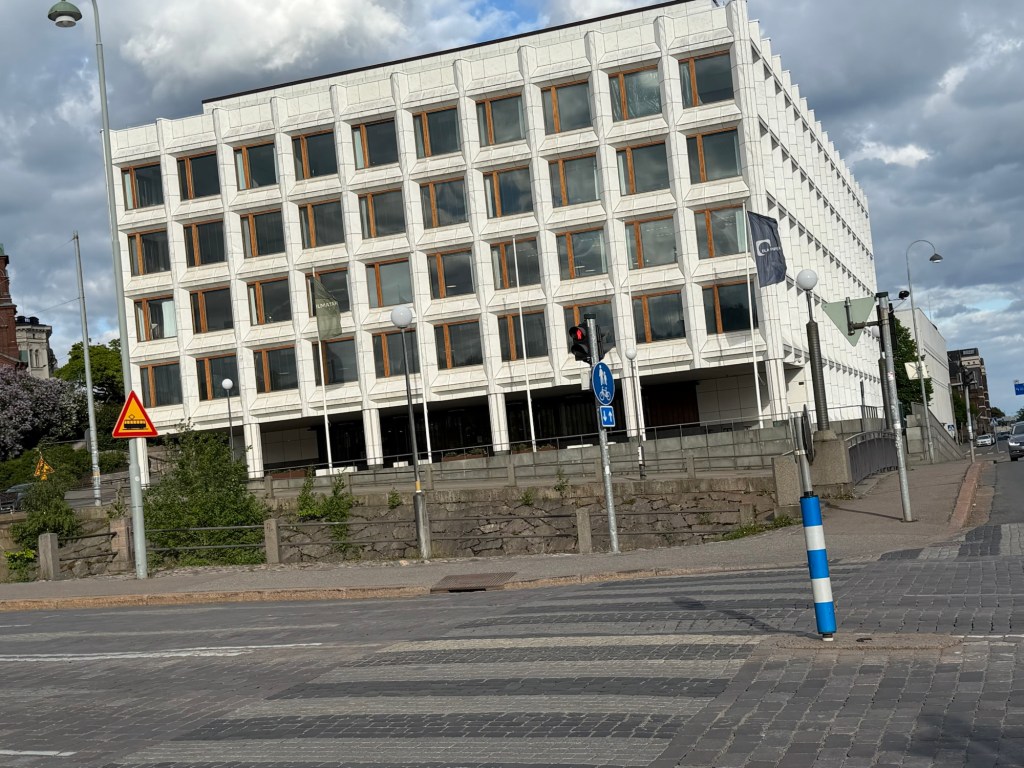
Helsinki was founded in 1500 and became the capital in 1812. We stopped in the historical city center and checked out the office of the prime minister created by the German architect, Carl Engle in 1822.

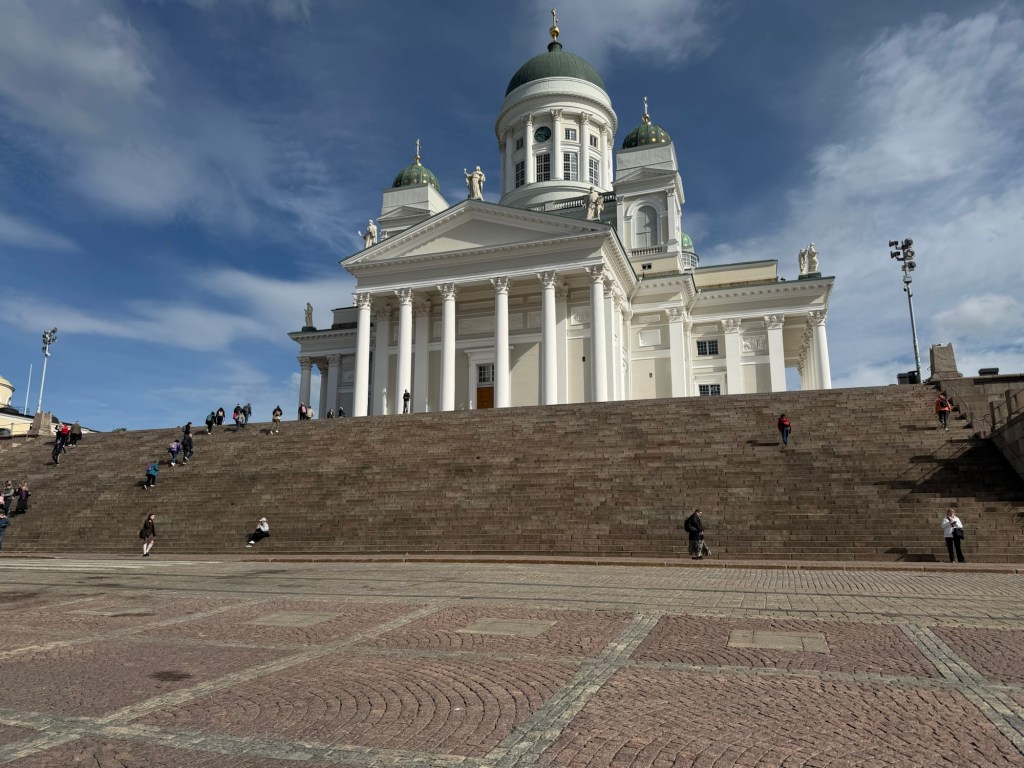
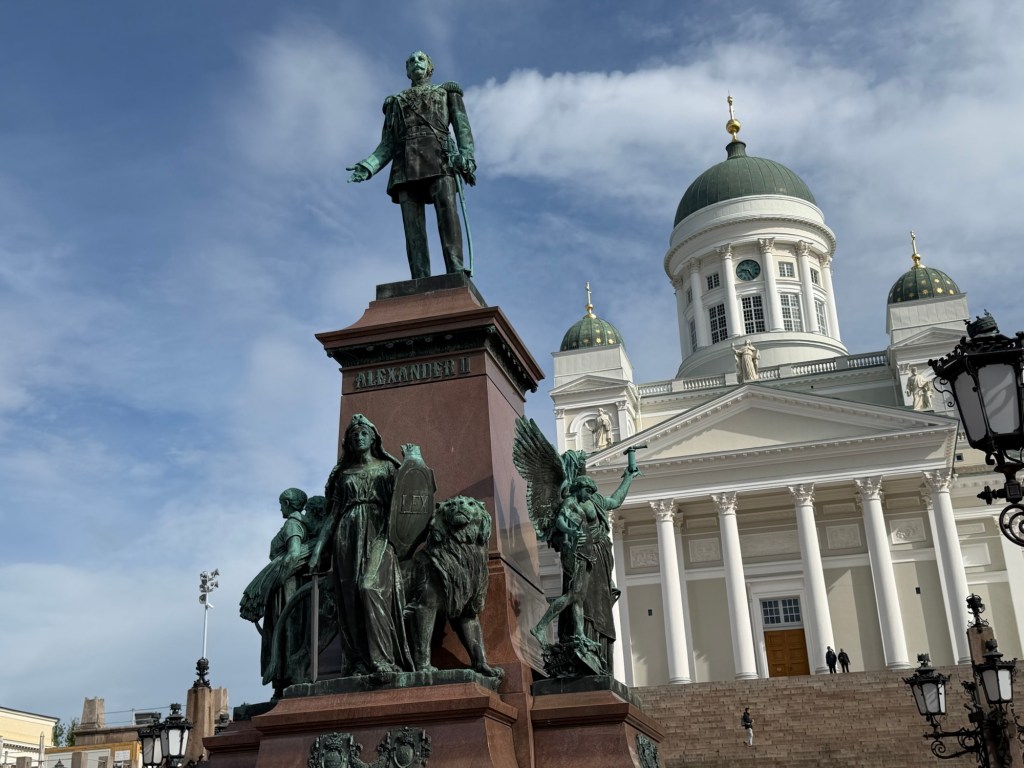

The building across from the prime minister was the Helsinki University, which was designed in the neoclassical style. On the hill at the top of the broad staircase is the Lutheran Cathedral. It is surrounded by hollow sculptures of the 12 apostles, which are made of zinc, to protect them from weathering, similar to the copper structure of the Statue of Liberty. The domes with the stars were provided by the Russian Emperor Nicholas I.
In the center of the square is a statue of Alexander II, the good tzar, who allowed people to have their own currency and their own army and promoted the use of 2 languages, Swedish and Finish.


The population of Finland is 5.6 million. 86% is Finnish and 5% is Swedish. Swedish was spoken by the rich and powerful. The common people spoke Finish. The Tzar gave the people their own language.
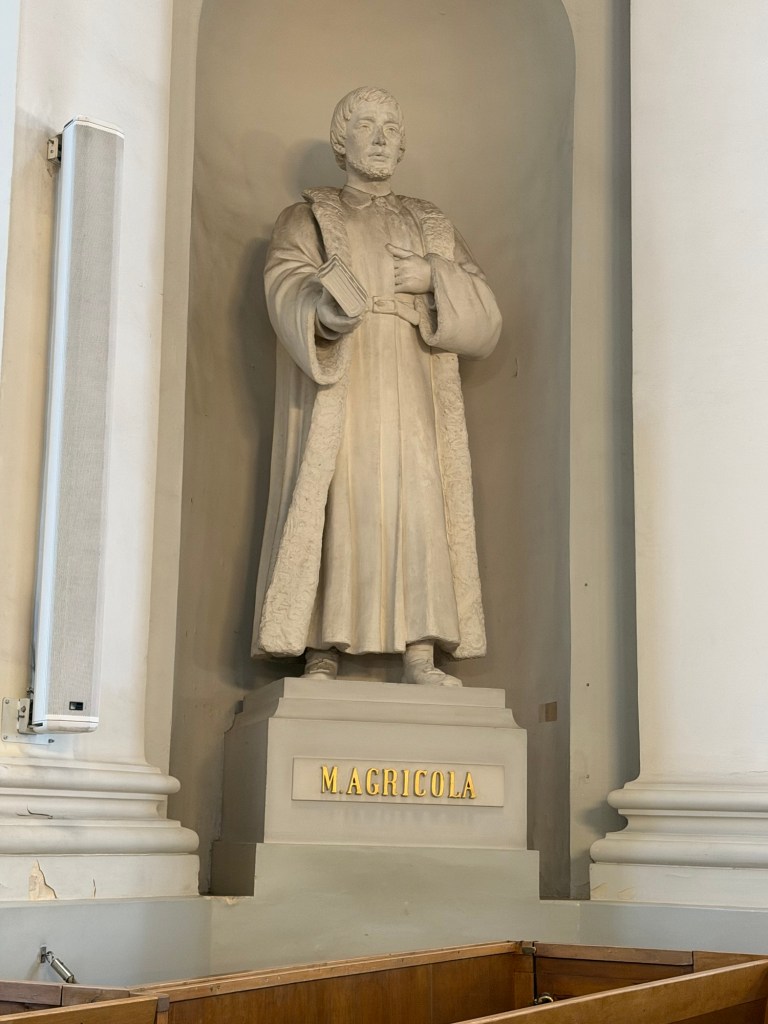
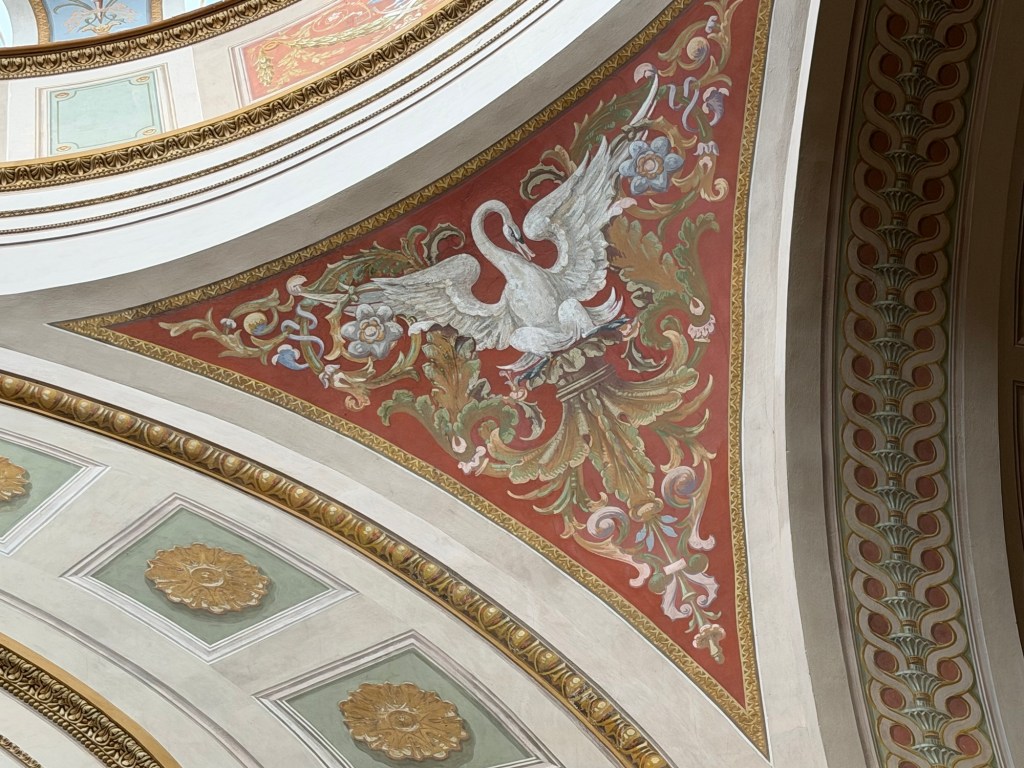
The Lutheran Cathedral at the top of the square holds 1200 people. One important statue in the cathedral is of Michael Agricola. He translated the bible into Finish. The image of the Swan represents the national bird—the mediator of the living and the dead.
We learned that 70% of the county is covered by forest. 650,000 live in Helsinki and 1.5 million live in the metropolitan area. Finland, we learned, is not Scandinavian. It is Nordic, like Iceland.
There are 187,888 fresh water lakes in Finland.
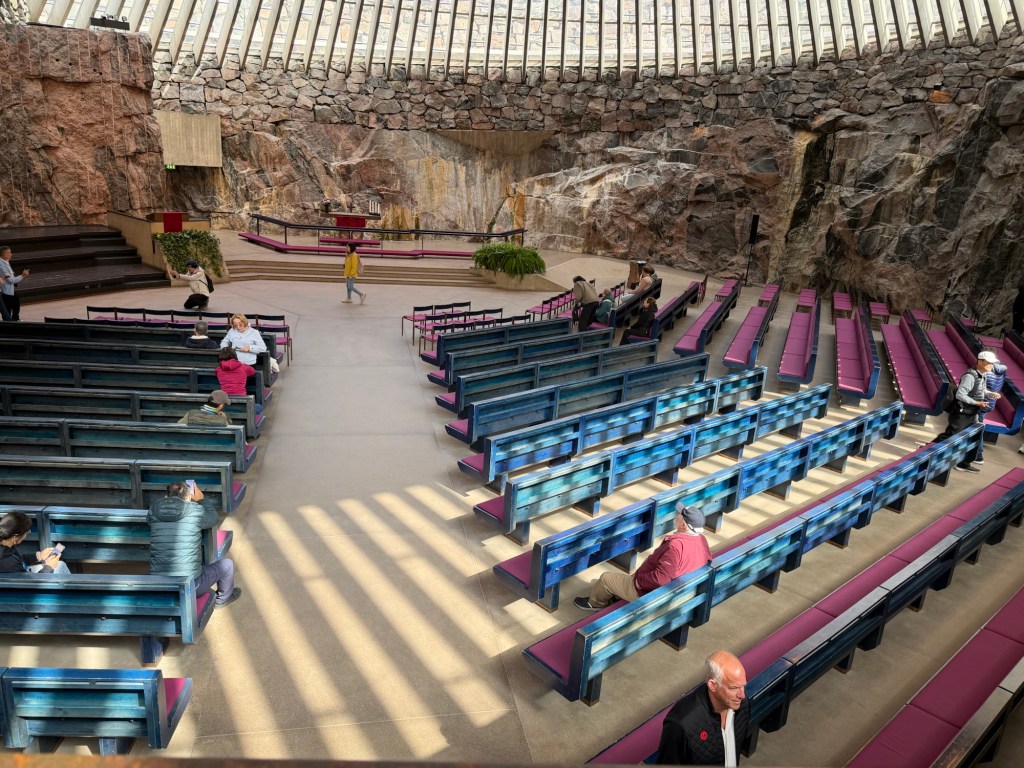
After leaving the city square we drove to the Rock Church. Mark and I remembered having seen it when we were in Helsinki in 1997. I was surprised that it looked different than I remembered. But it was still nice to see it again.


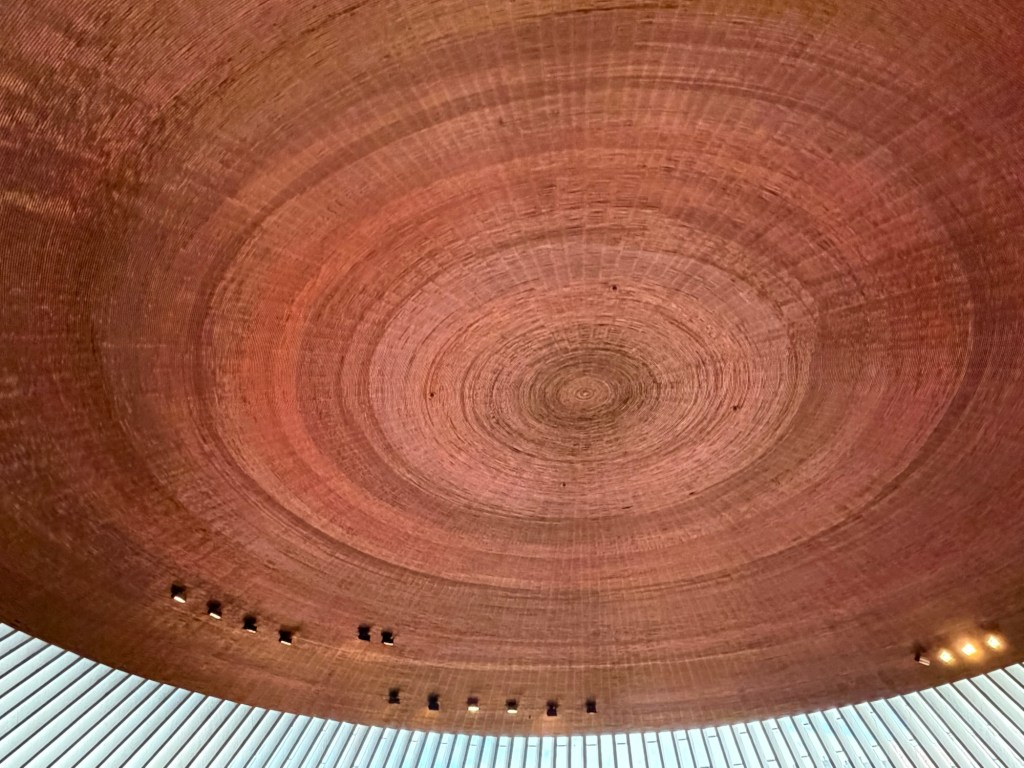
Then we drove to the home and workshop of the famous architect, Alvar Aalto. He was born in 1898 and died in 1976 and produced a lot of architecture and buildings in his lifetime. He traveled a lot and spent a summer in Boston in 1940. He created about 250 buildings and designed several different pieces of furniture.
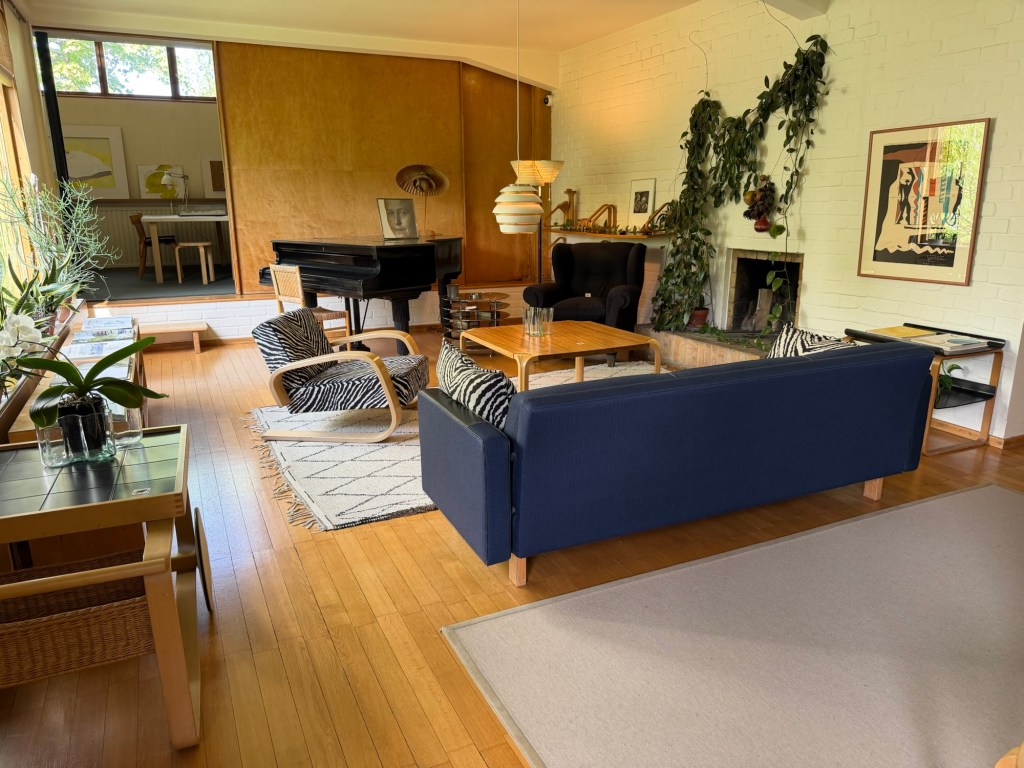


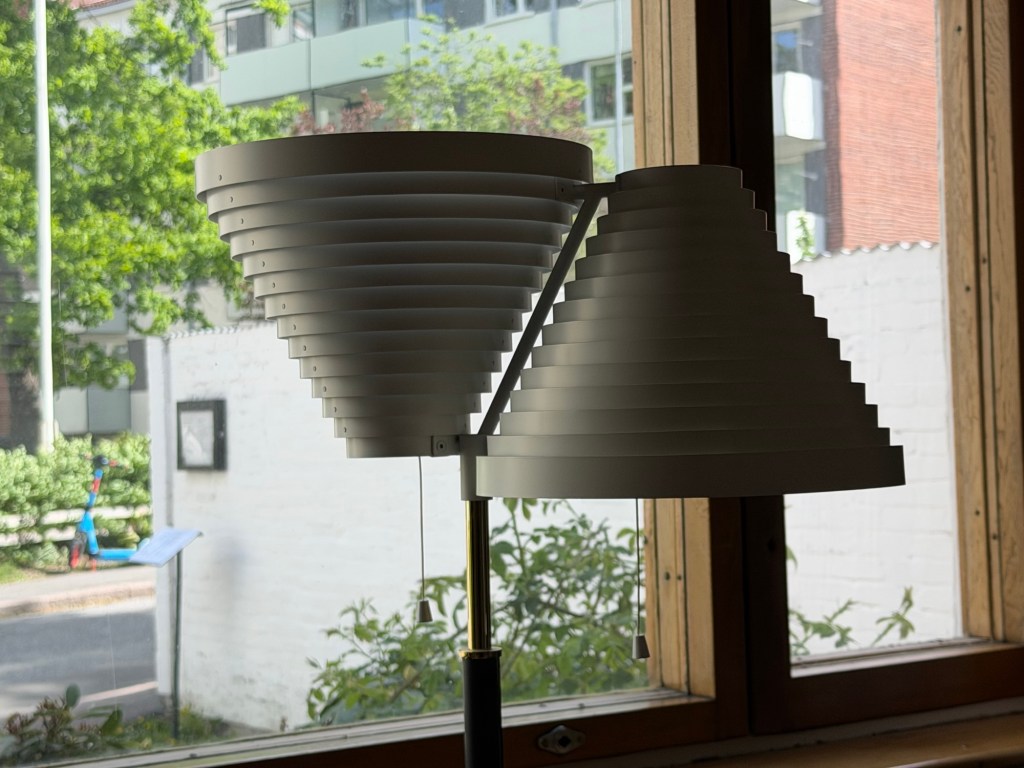

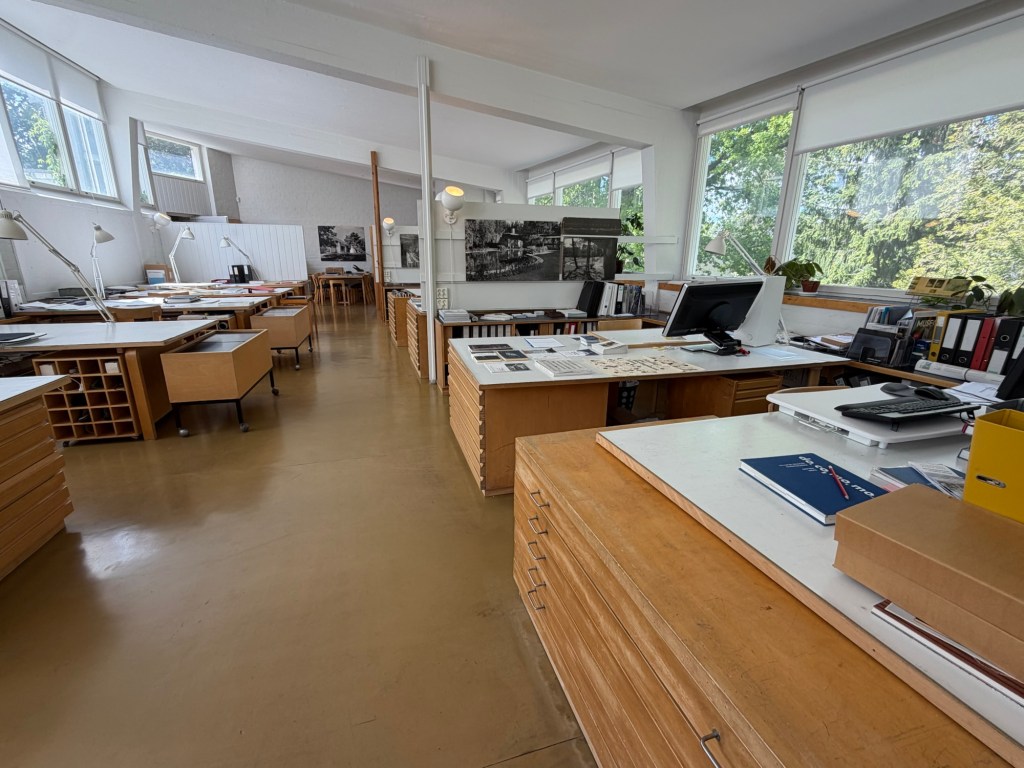
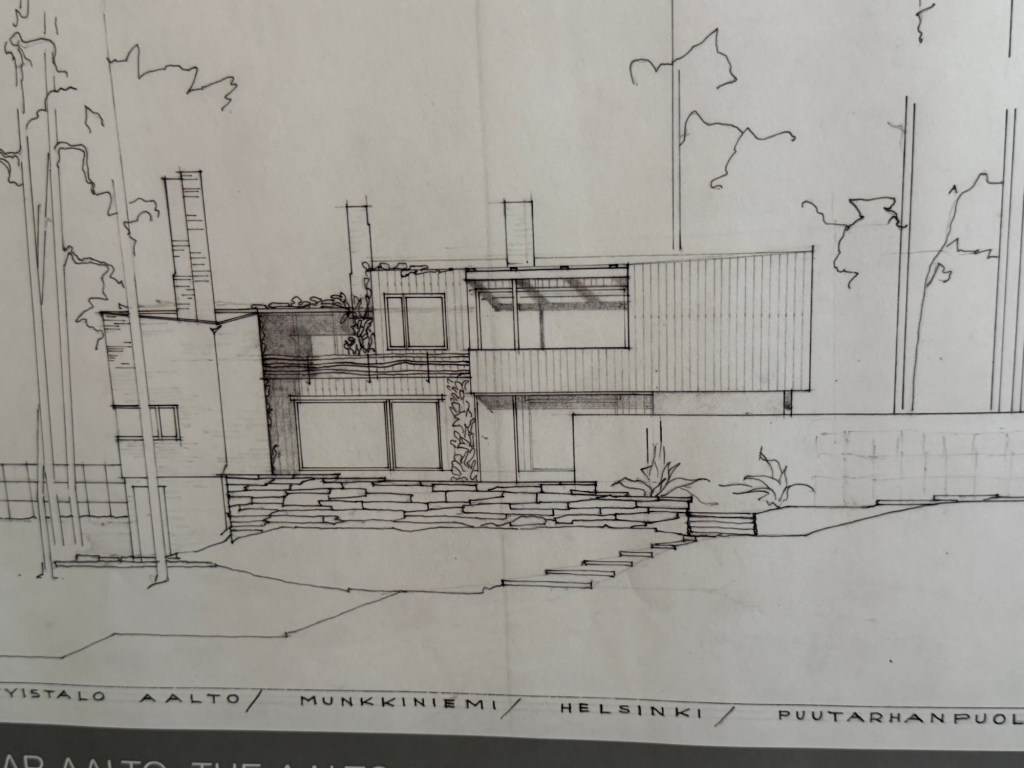
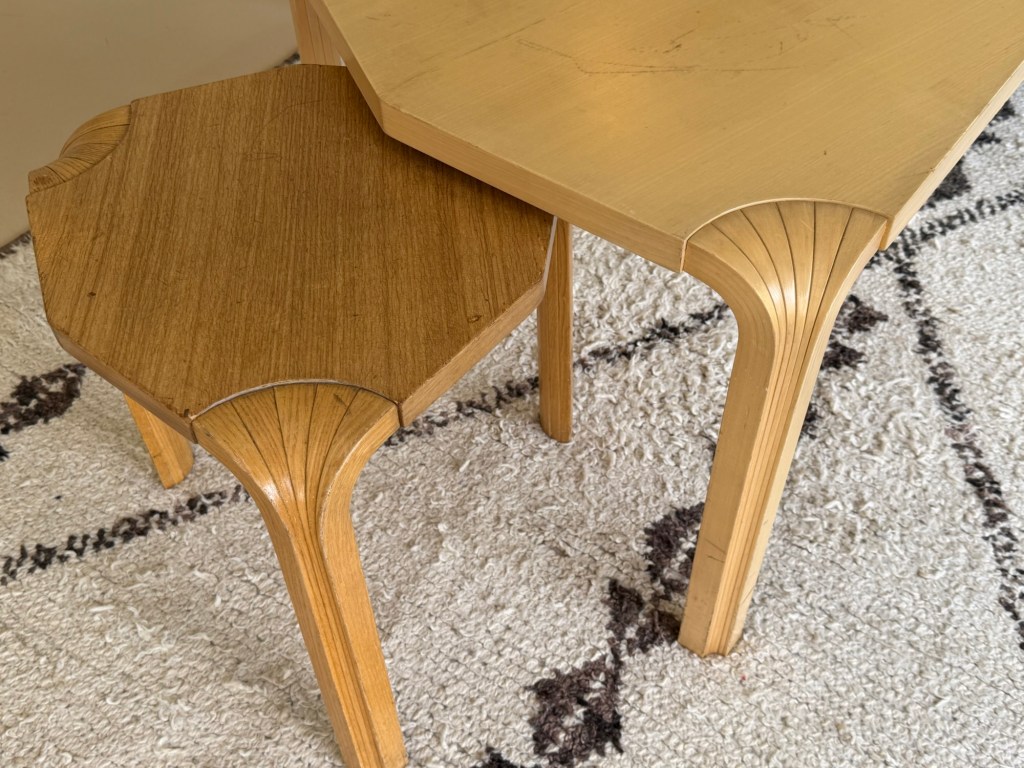
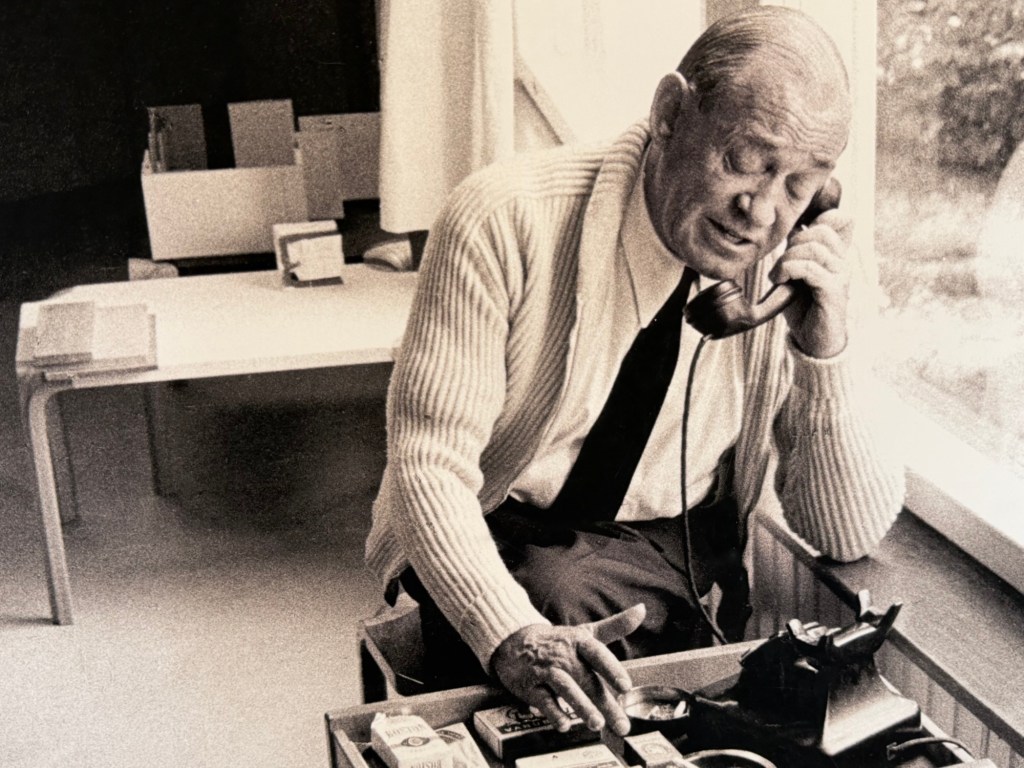
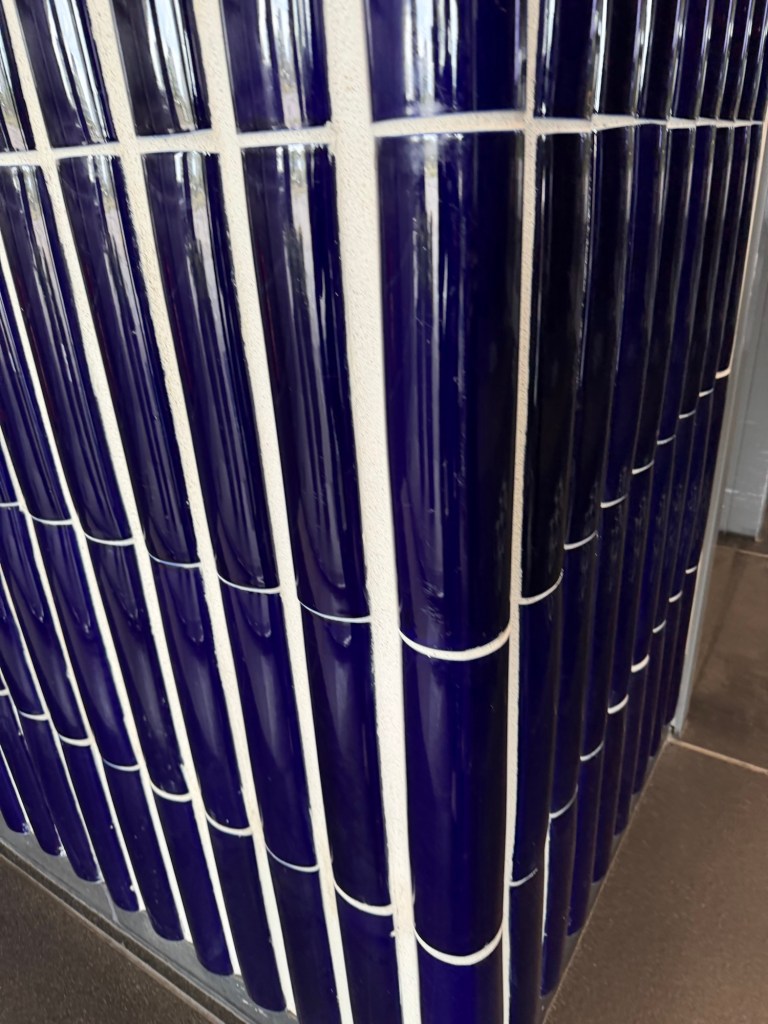
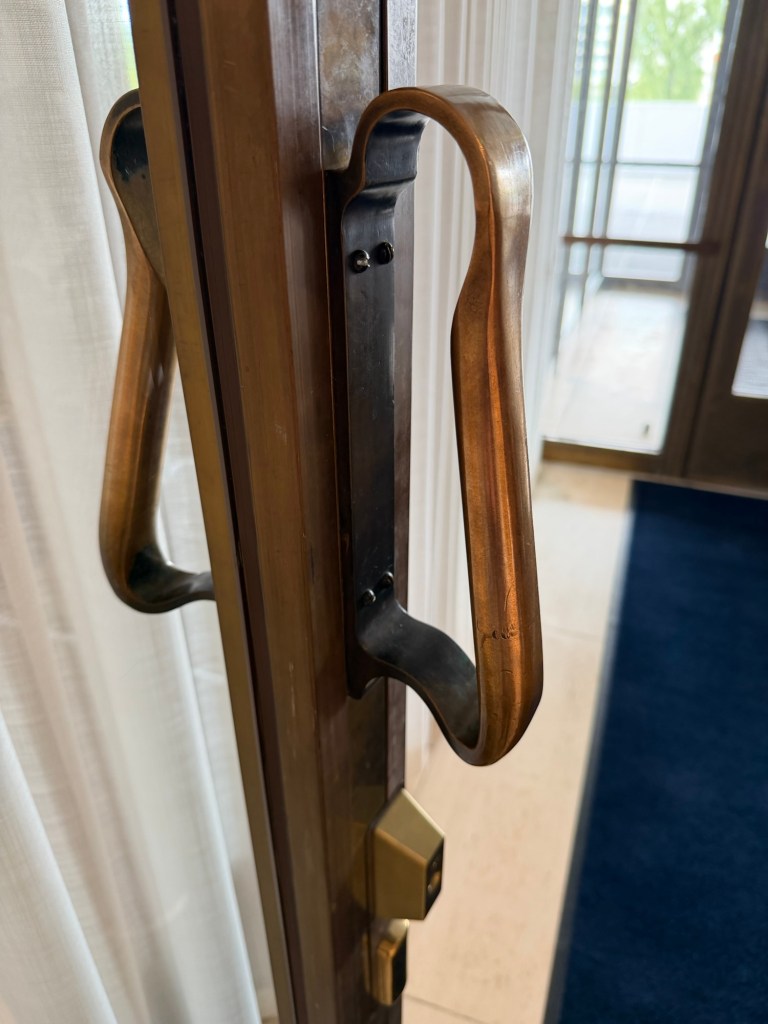
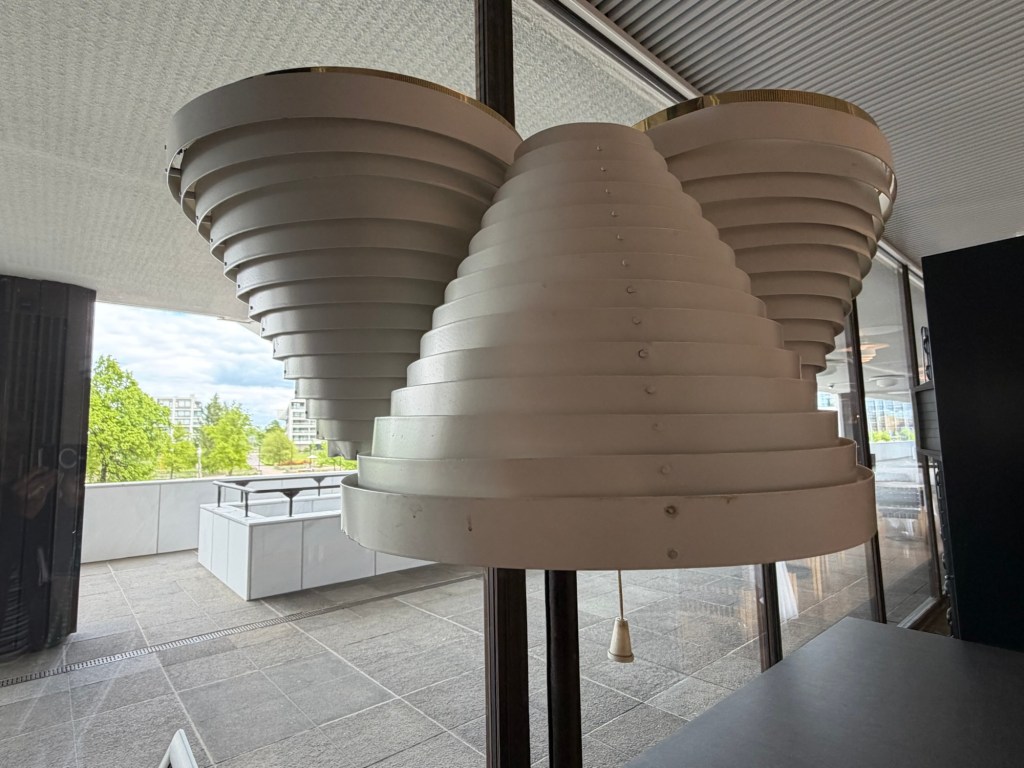
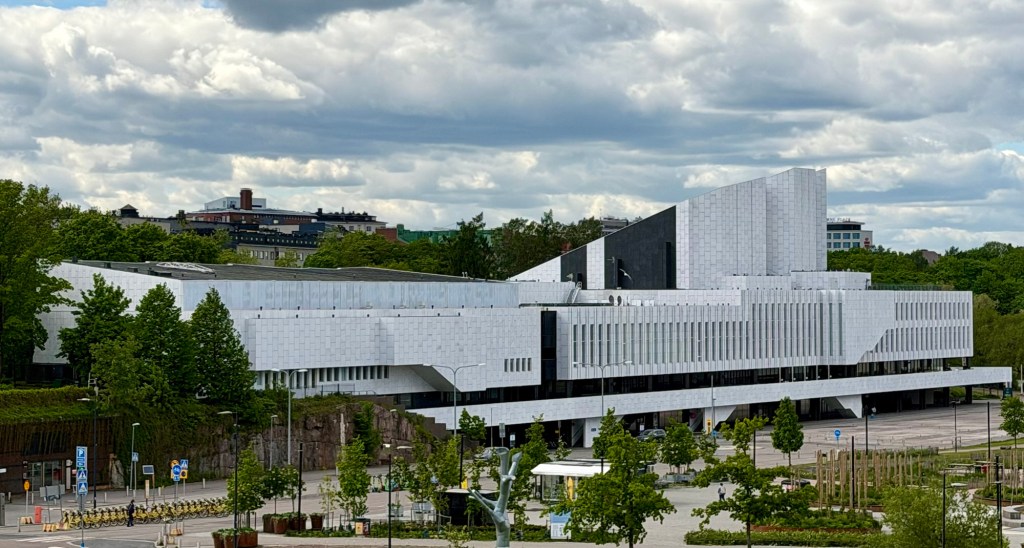
His public buildings included Finlandia, for which he designed beautiful round, blue tiles as well as lamps, chairs, tables and door handles. The Helsinki accords were held in Finlandia in the 80’s and 90’s.
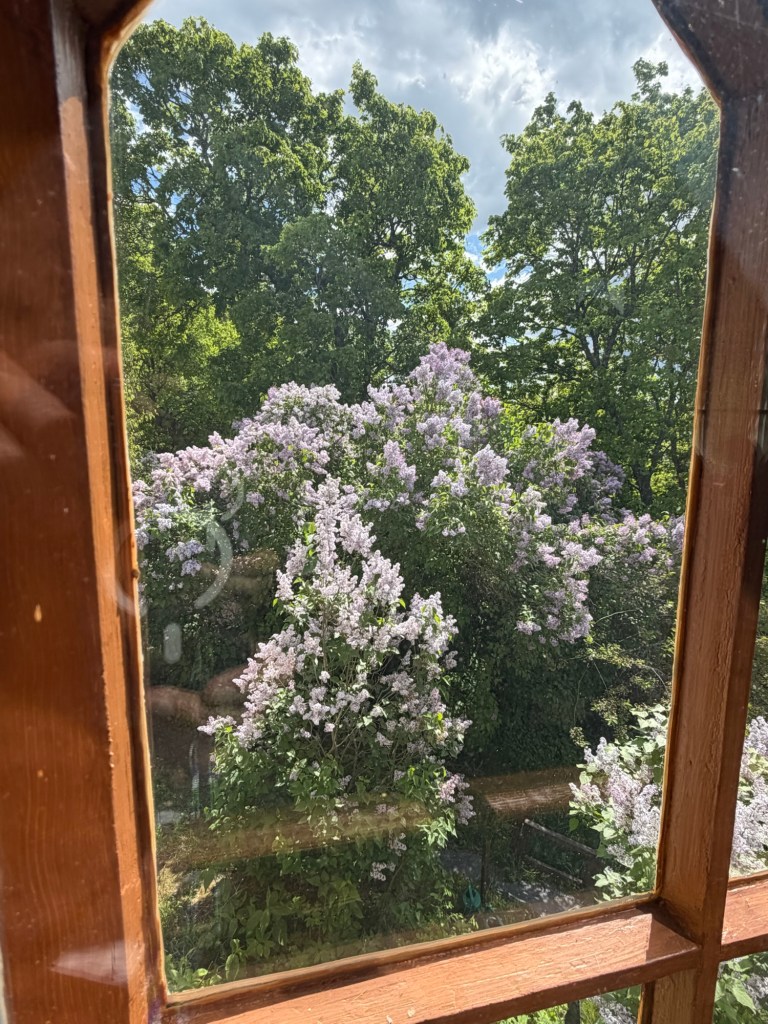

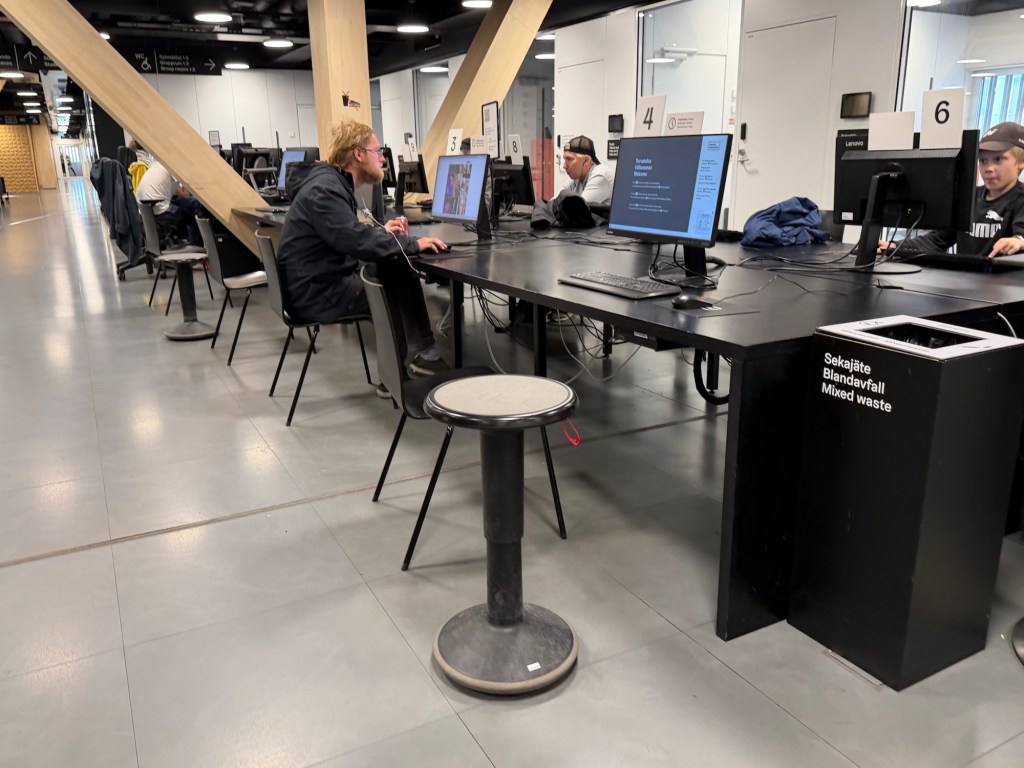
We also visited the wonderful public library. ALA Architects designed this building so it would be inviting and useful to the public at large.
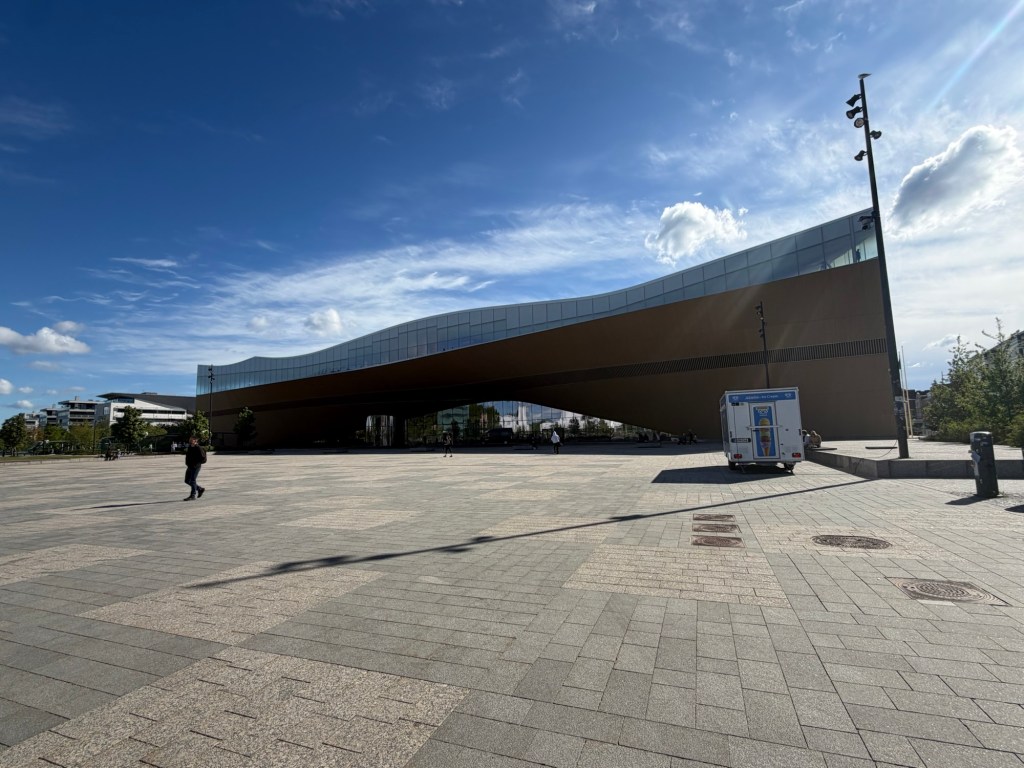
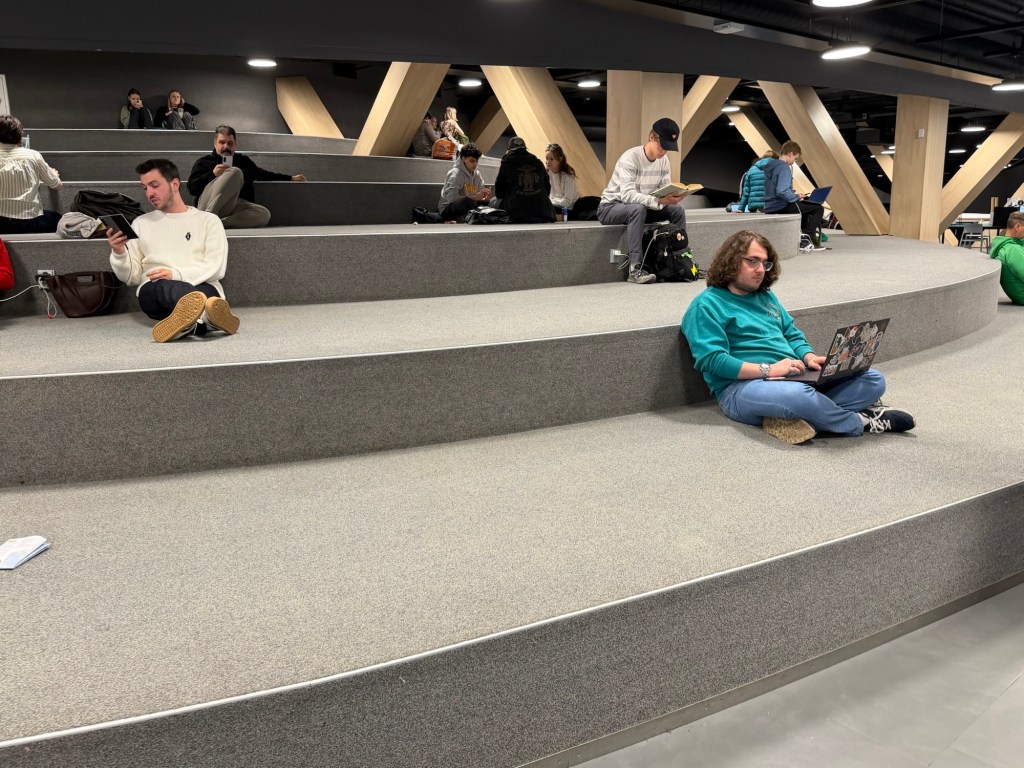
When we visited, the place was full of people doing all kinds of activities from sewing, 3-D printing, playing games, reading, visiting, attending meetings, and numerous other activities. I was jealous, as there is no such place in our home town.
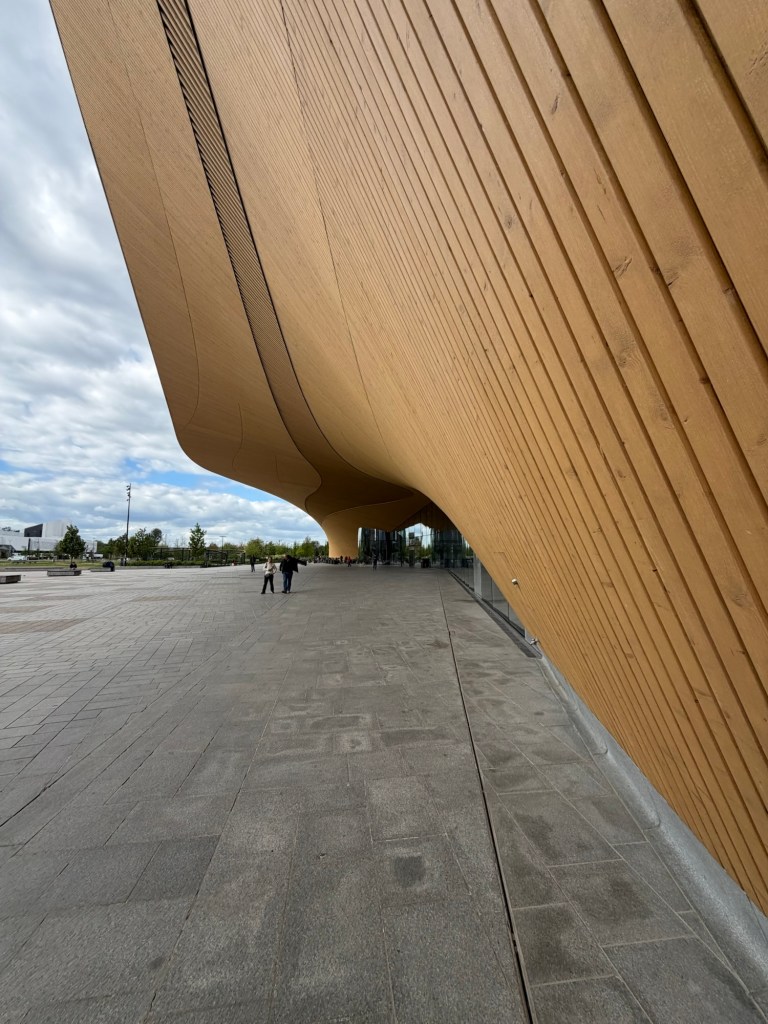
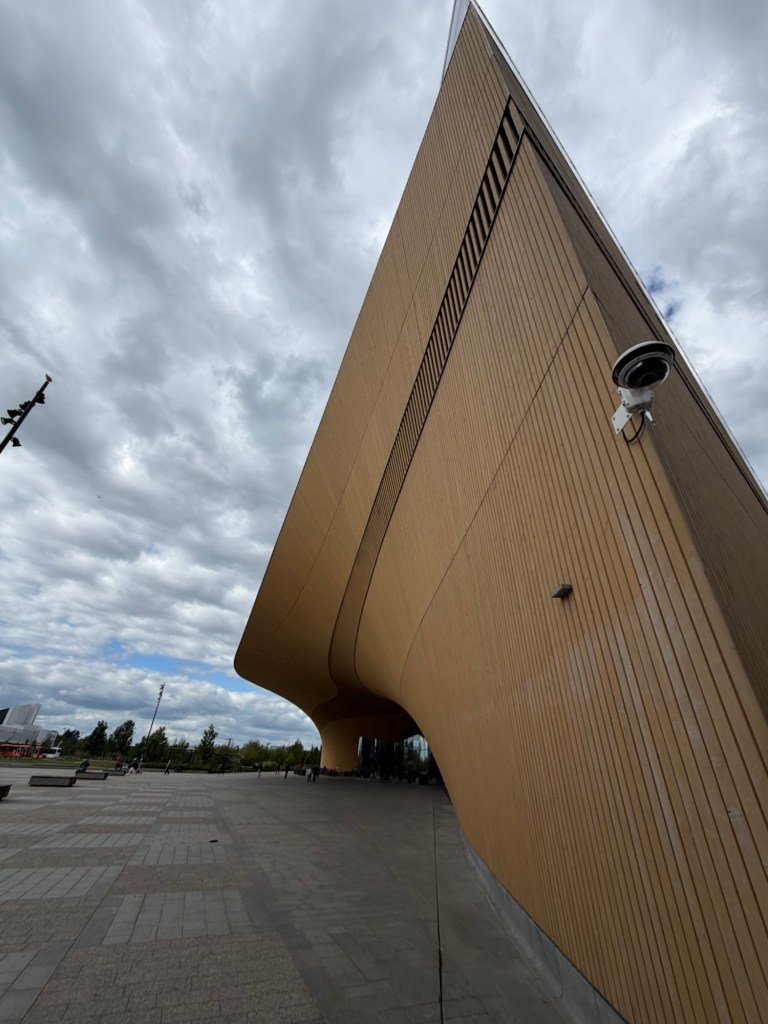
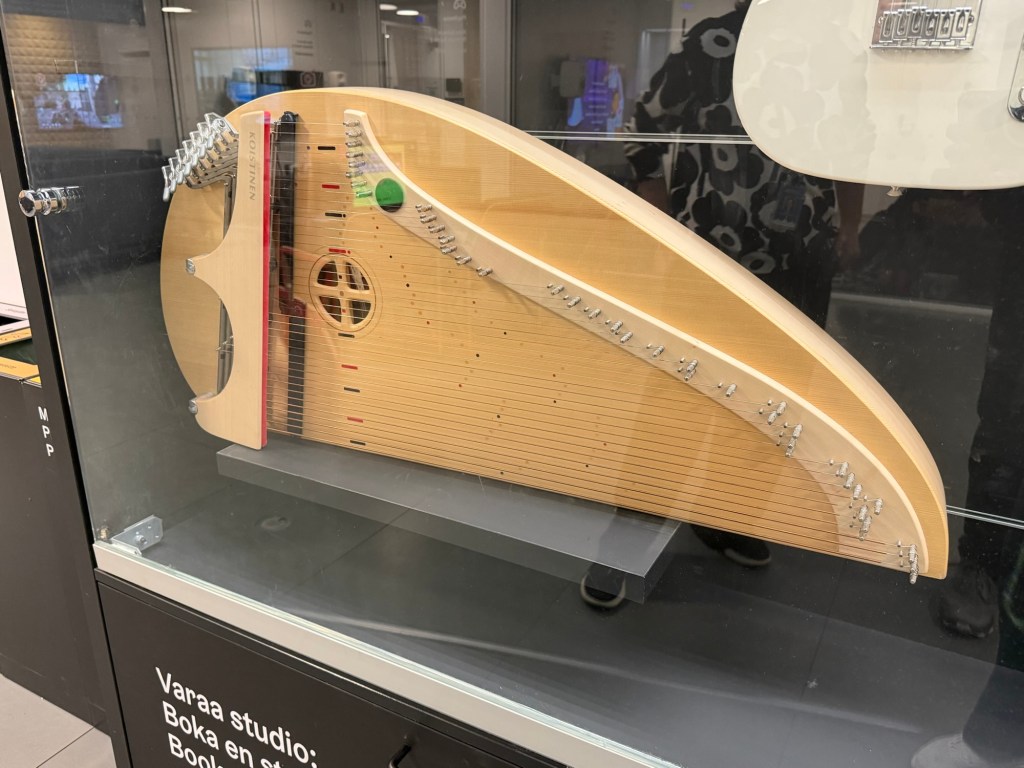
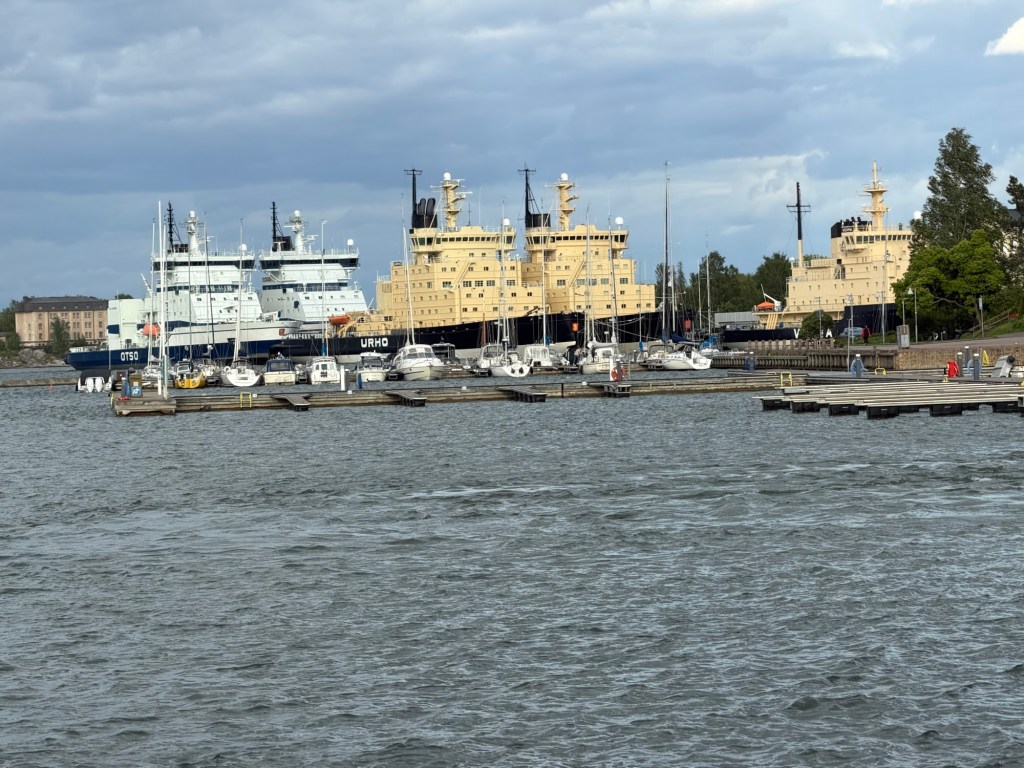
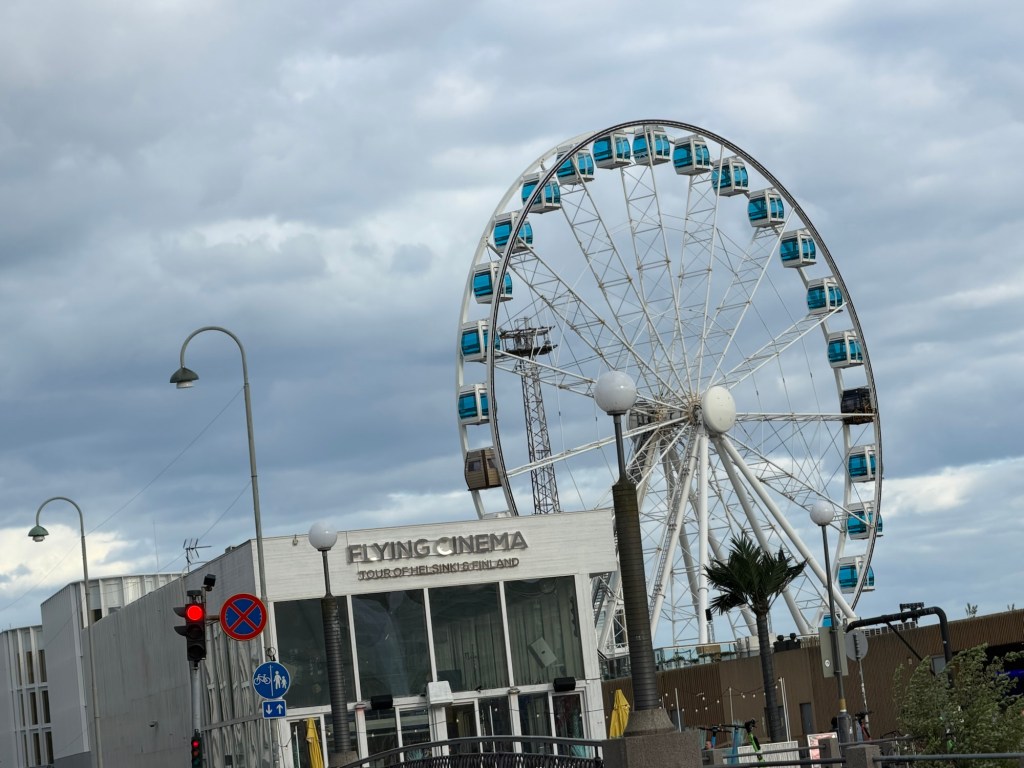
From the library we walked to the seashore to see 5 of Finlands icebreakers and a ferris wheel near the harbor. Then we walked to a local restaurant for a light dinner.
Friday, My 29, 2026
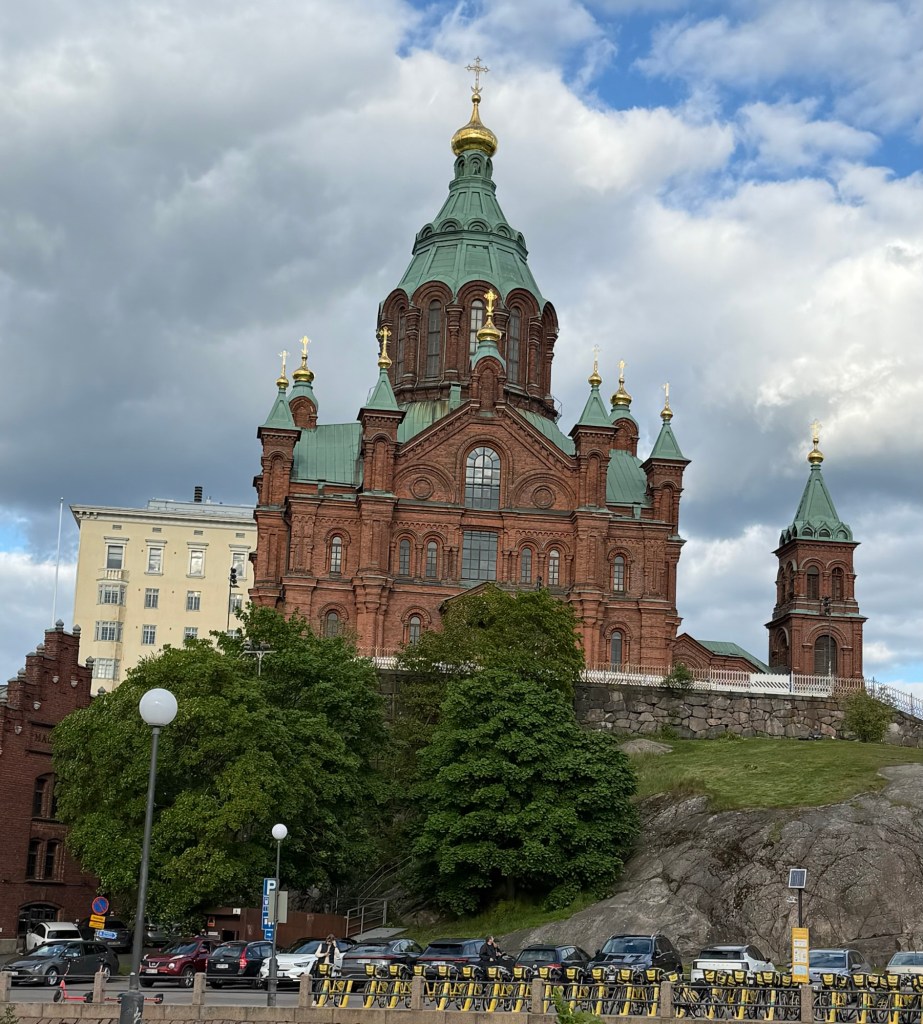
Our first stop of the day was the large brick Russian Orthodox Church, called Uspensky Cathedral. It was made from 700,000 used bricks shipped from a destroyed Russian military fortress in 1868.
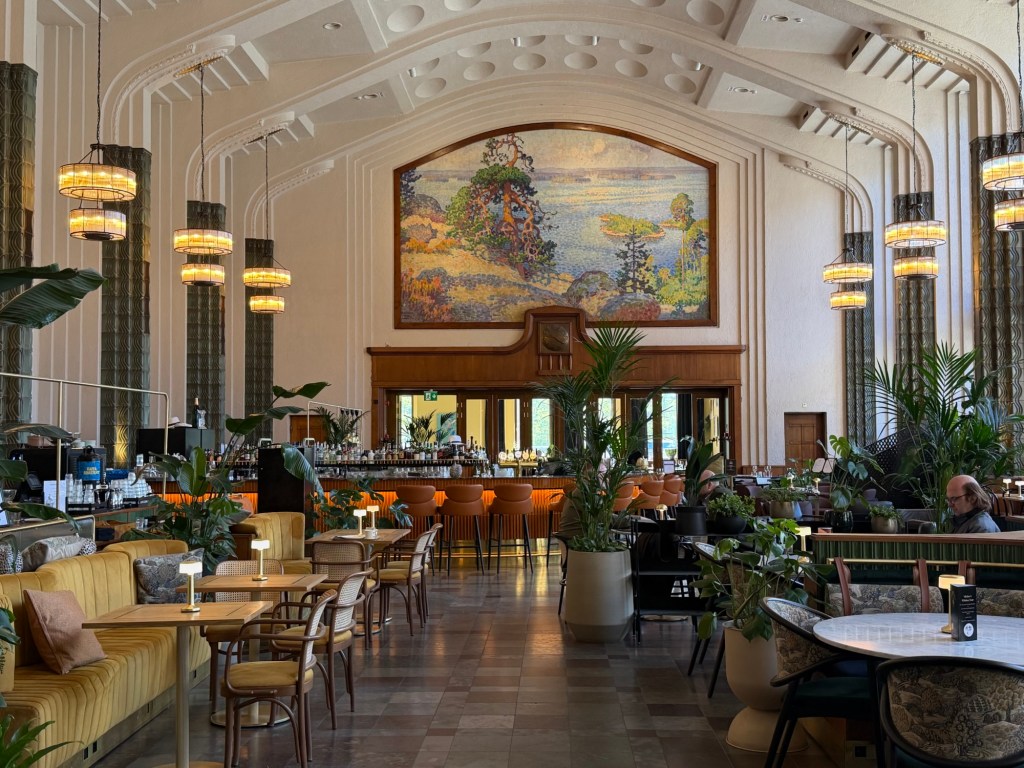
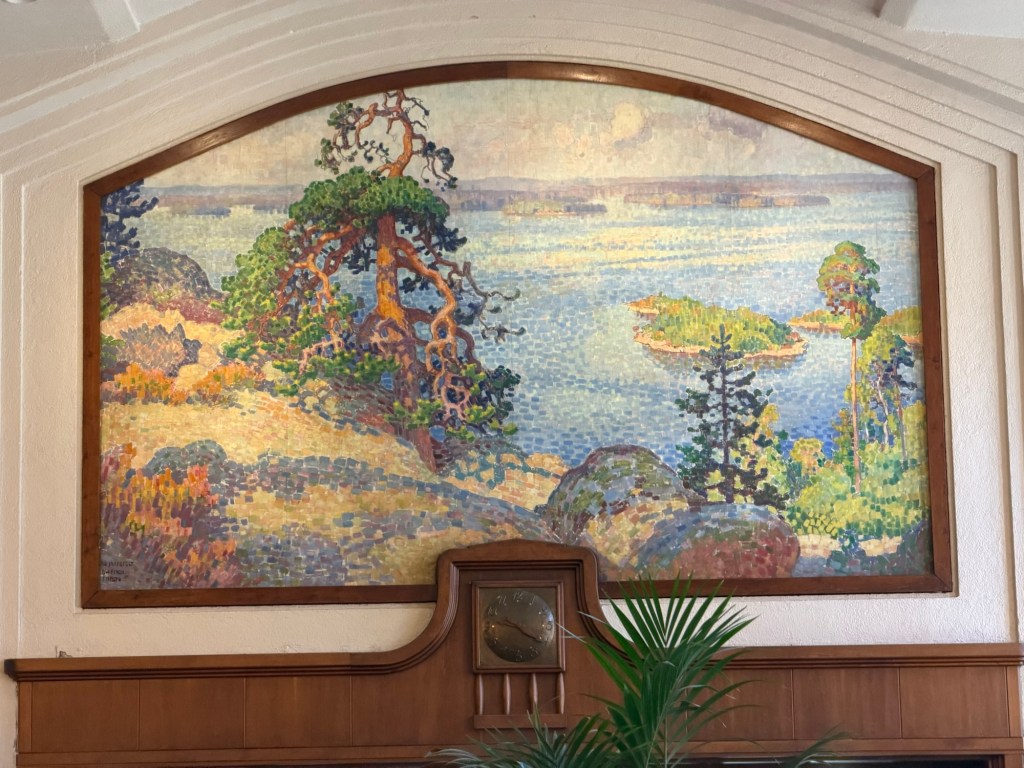
Our second stop was the Central train station. The exterior featured 2 pairs of tall stone men each holding a lantern. On a side wall inside the station was a large painting of the National Finish landscape. It was very esthetically pleasing,


From the station we headed east toward Porvoo, the second oldest city in Finland. As we left Helsinki, we stopped at Sibilious Park to see a large sculpture called Passion for Music, made by a woman named Eila Heltunen in 1967 in honor of the composer Sibilious.
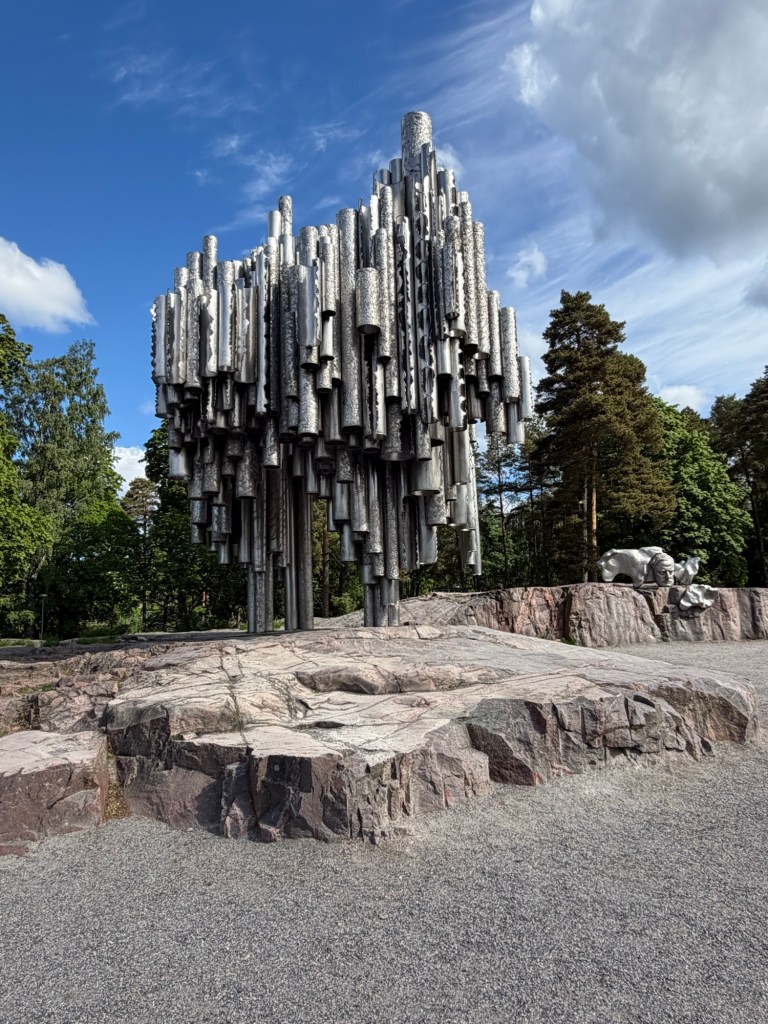
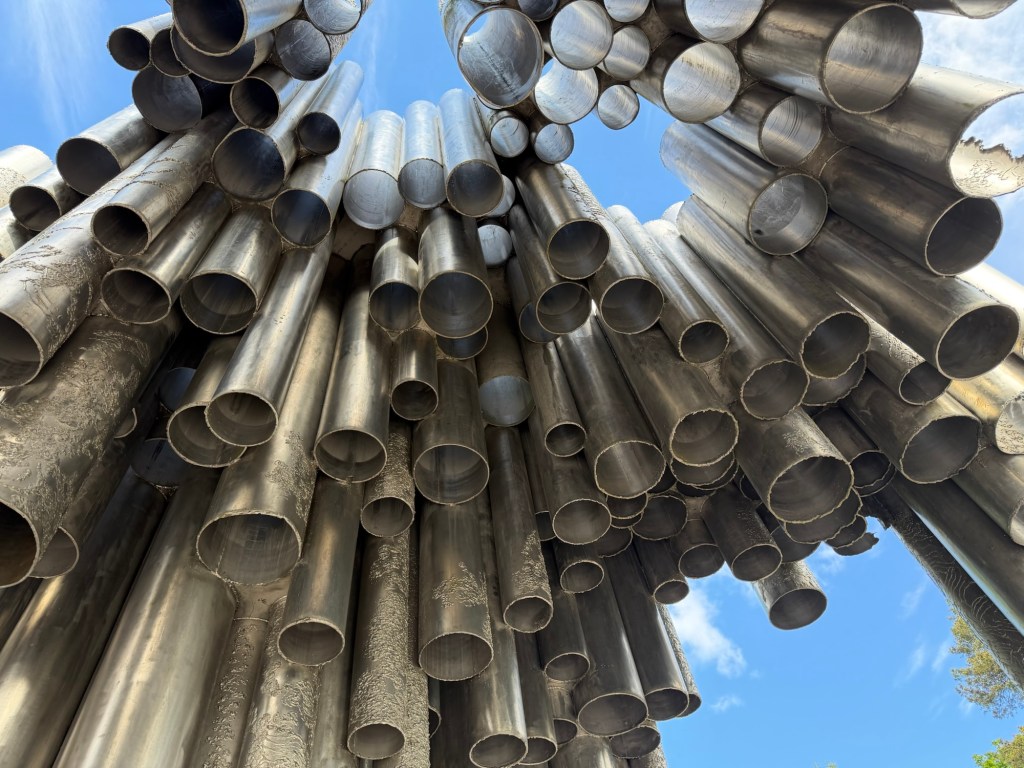

The sculpture has 600 pipes and was 6 years in the making. Each pipe is individually hand crafted It is very interesting to view up close. Sibilious, meanwhile is famous for writing the song Finlandia as well as 7 symphonies.
The rest of the way to Porvoo was forested on both sides of the highway. If we had kept going we would reach St Petersburg in 2 hours. However, in half an hour we entered the old town of Porvoo.
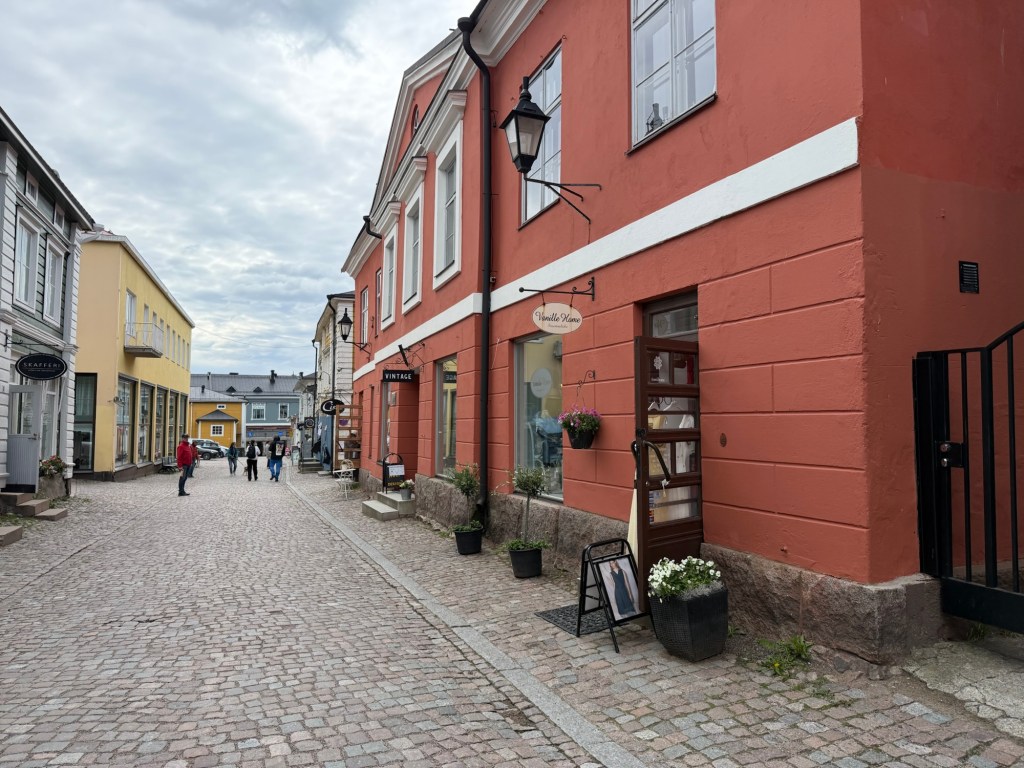
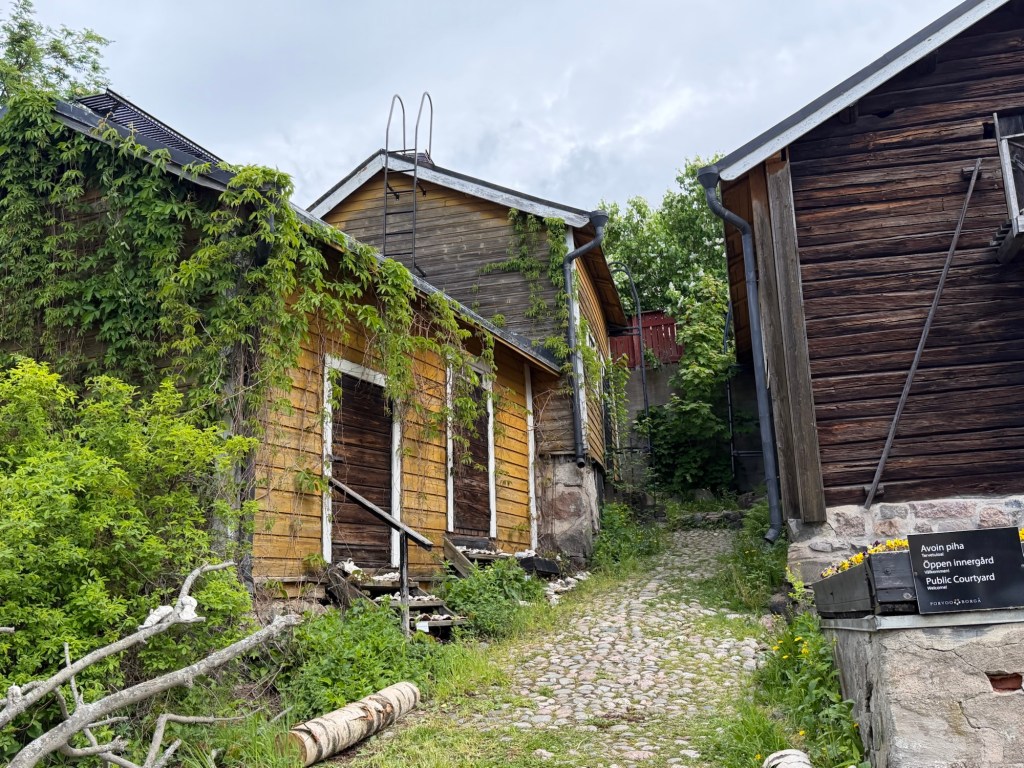
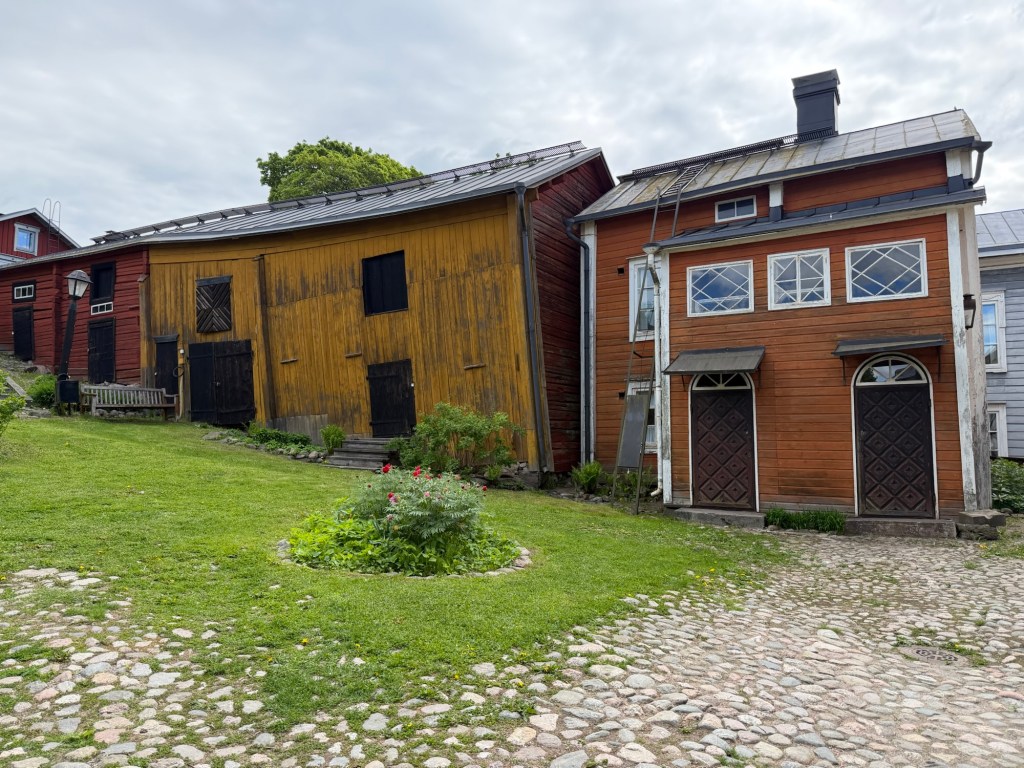

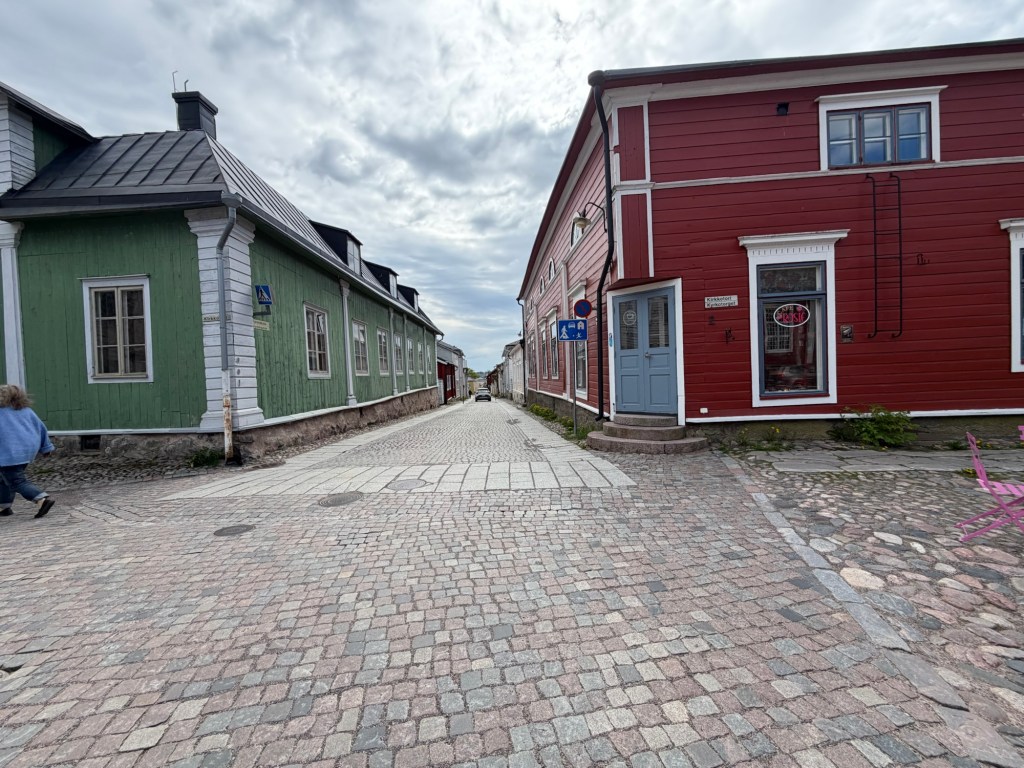
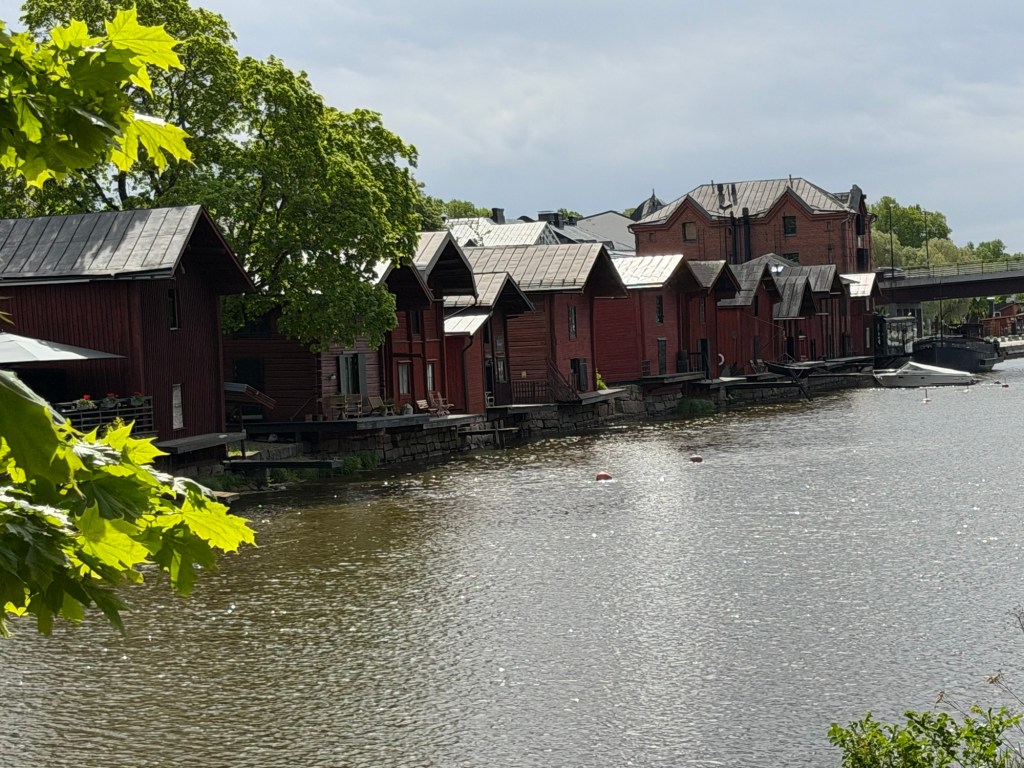
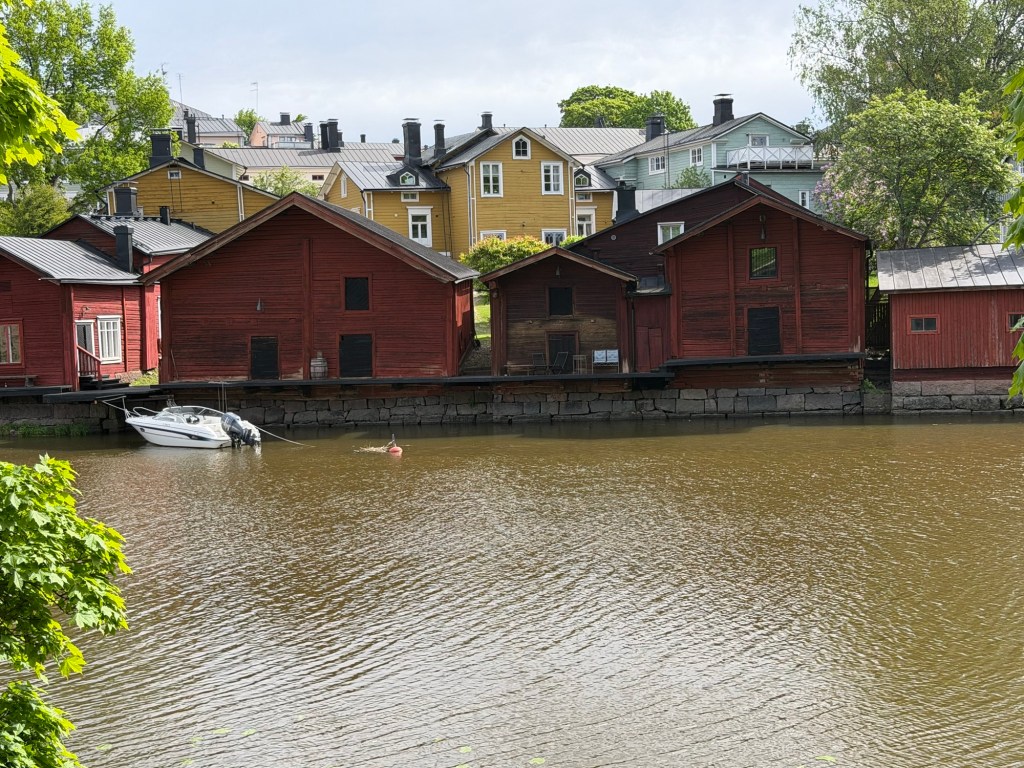
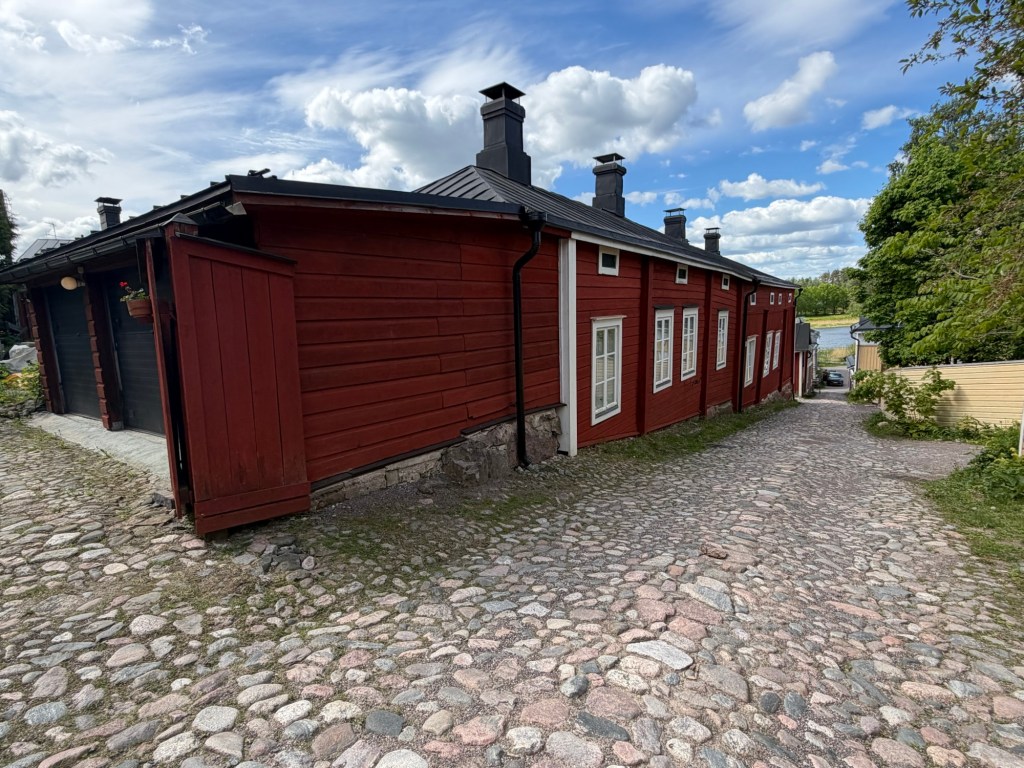
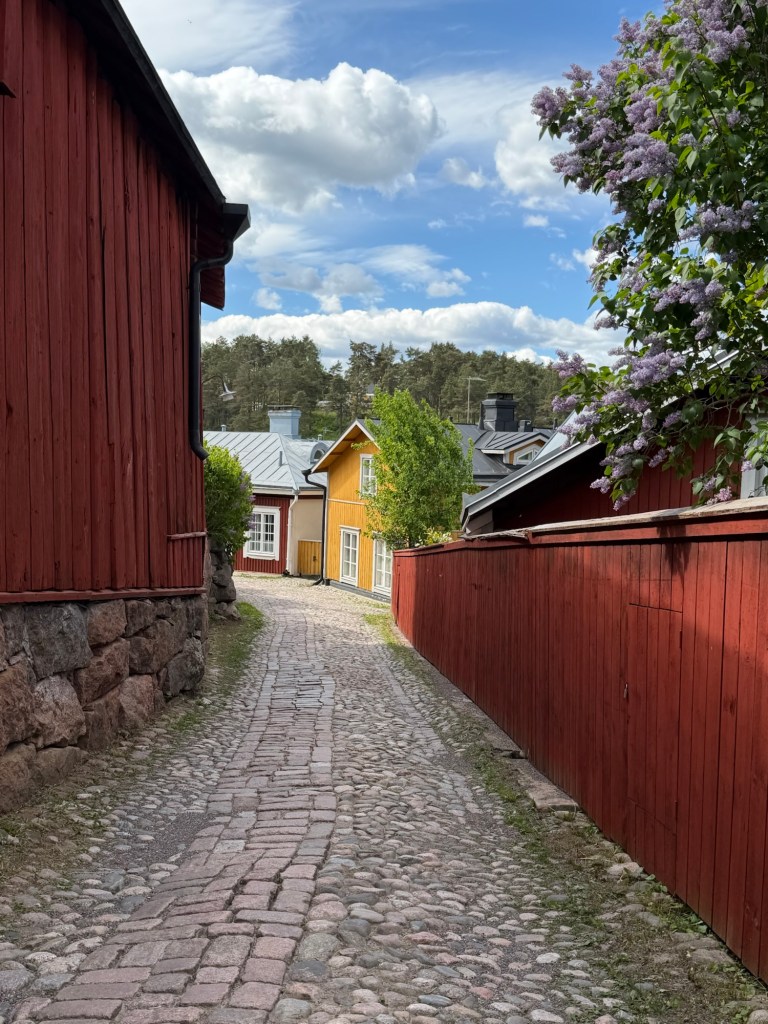
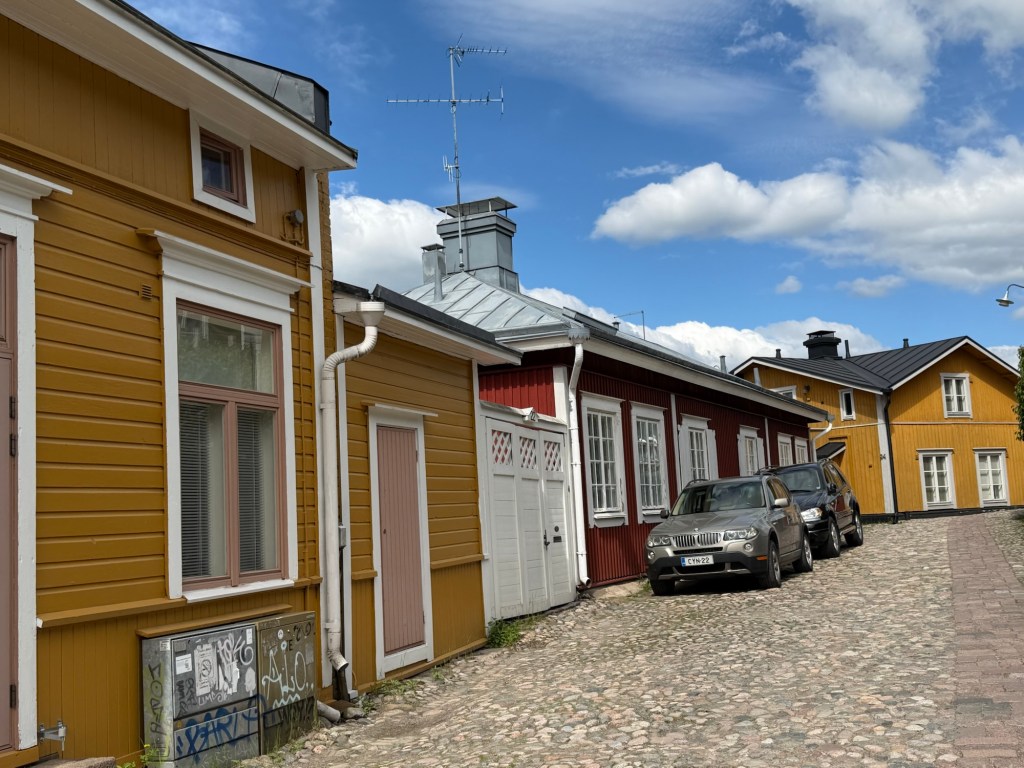

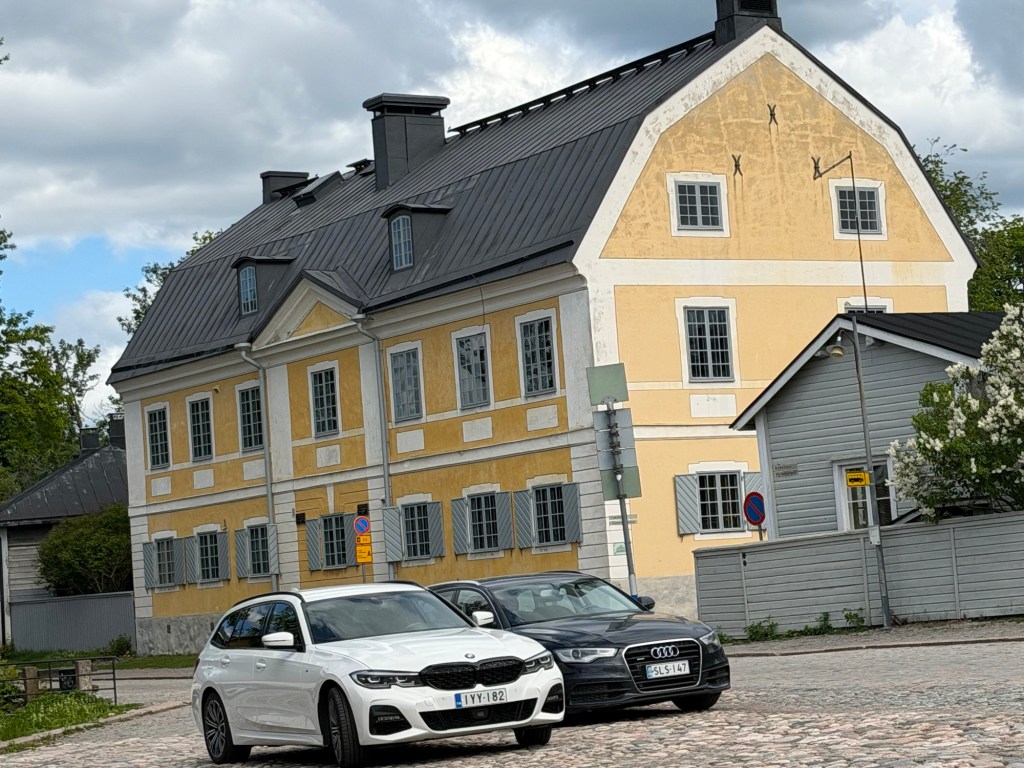
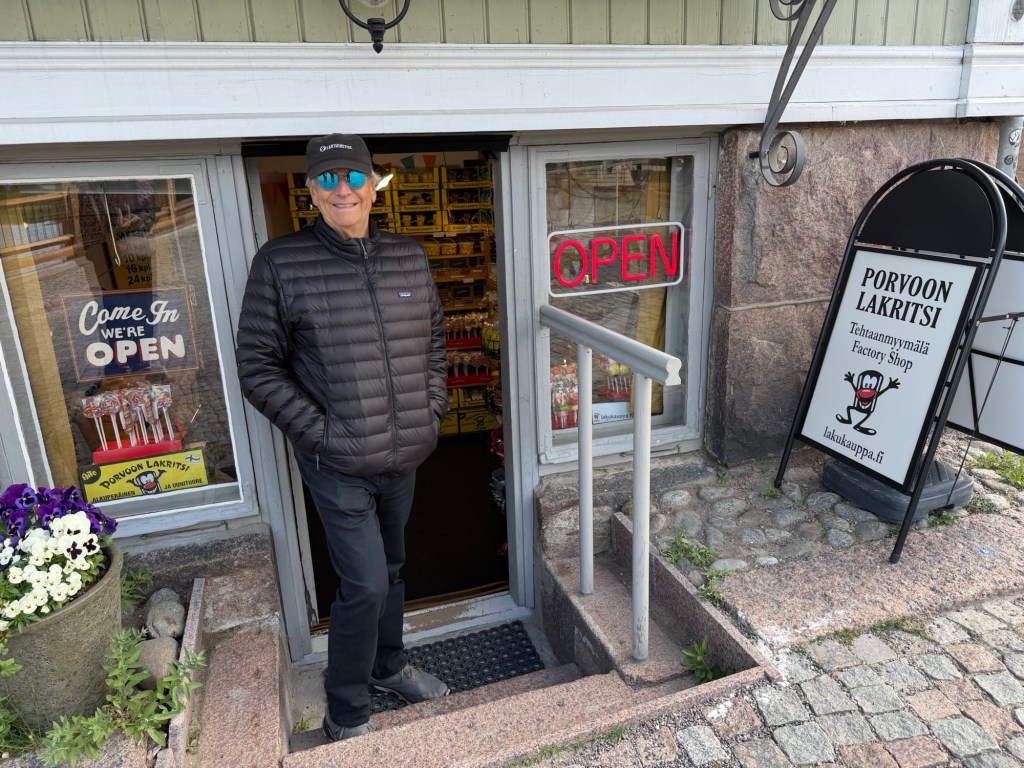
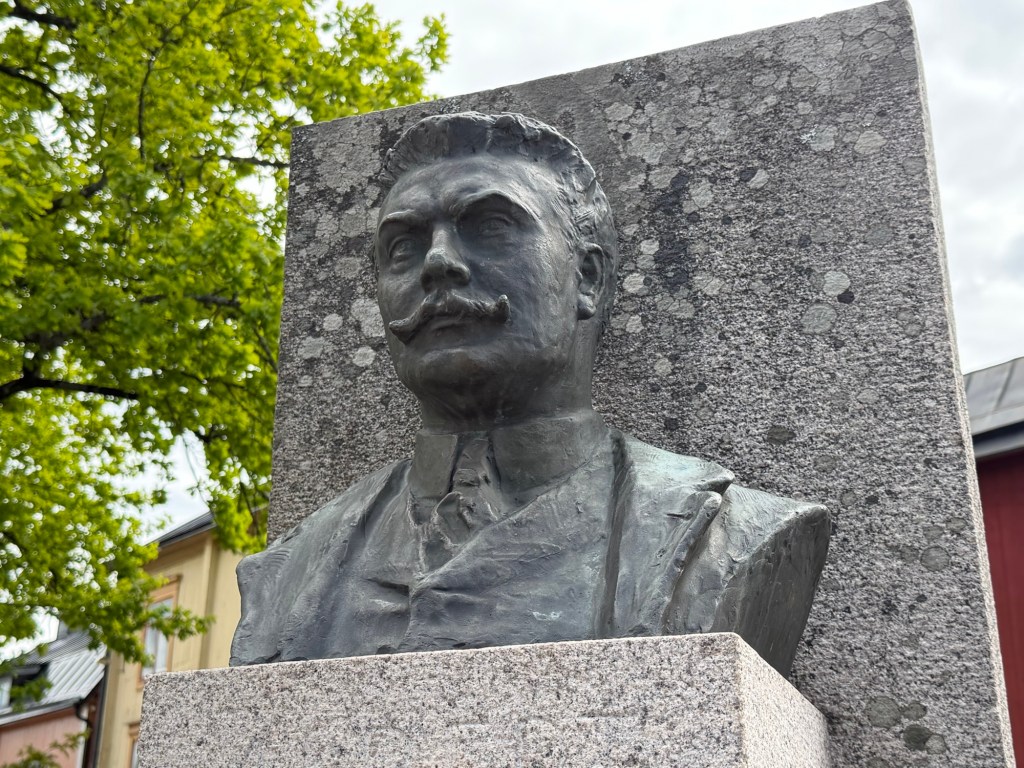
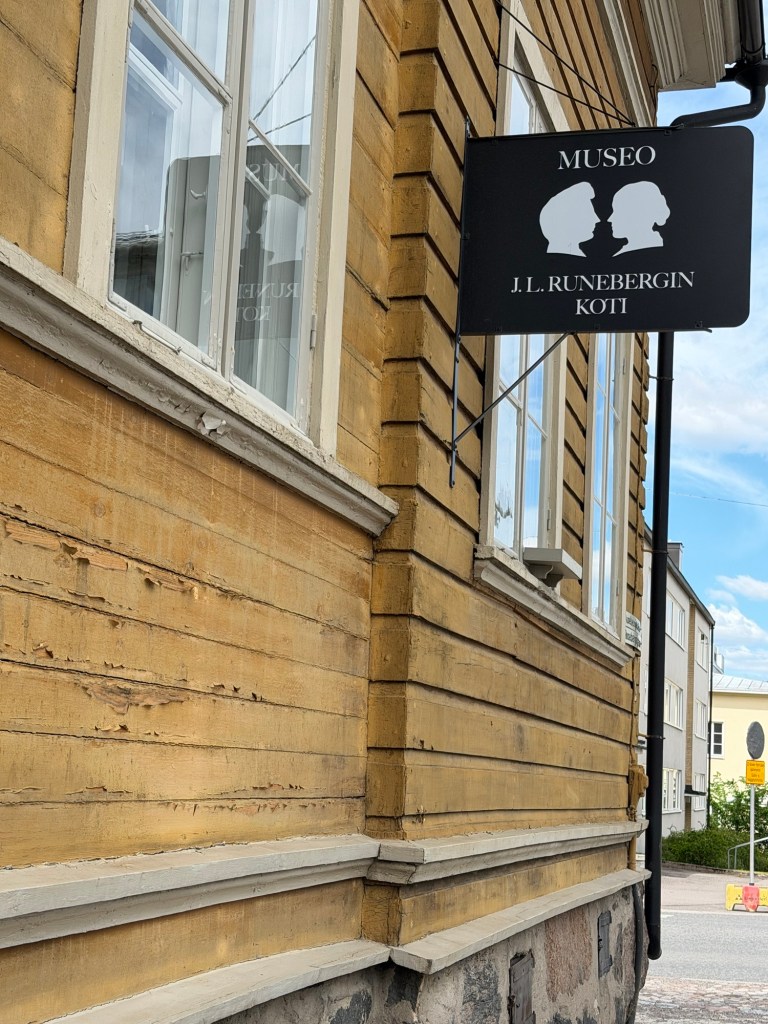
We walked all around the old town and took in the church, the waterfront warehouses, a licorice factory, a few antique shops, the home of the national poet of Finland, the neighborhood and a manor House that is now a hotel. All the wooden houses were burned to the ground more than once and were rebuilt again. The first houses were from the 14th century,

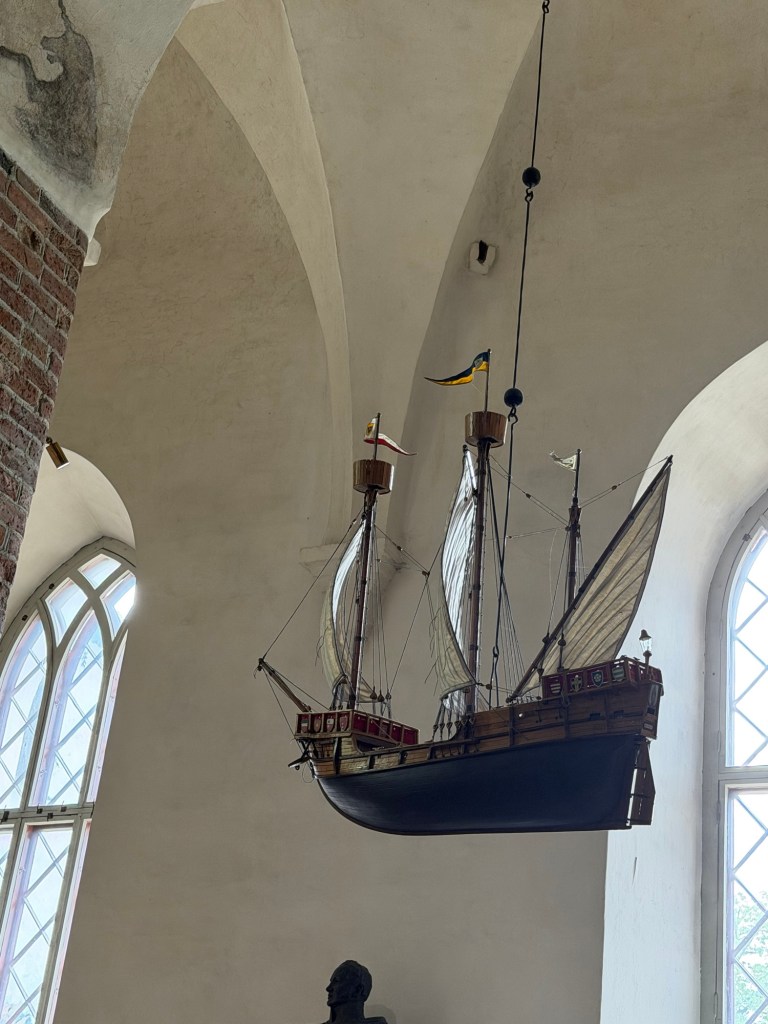
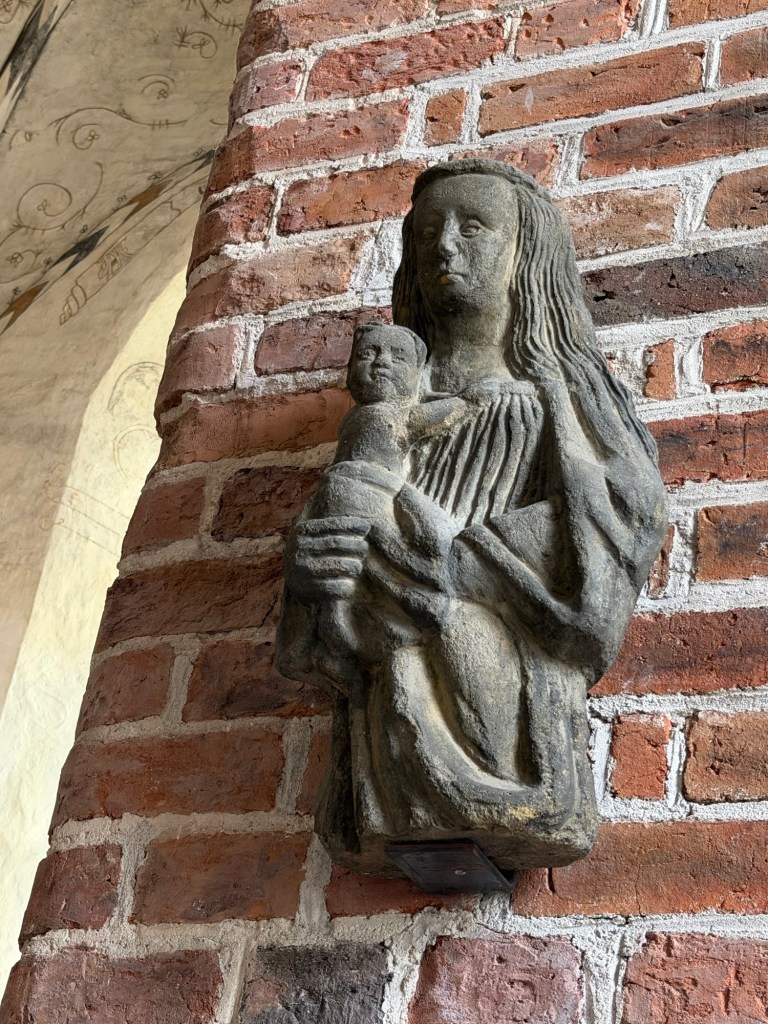
We also spent time in the church. It had been Catholic in the 1400’s, then became Lutheran in the 1500’s. Interesting elements of the church included: a unicorn painting on a wall from the 1500’s; a wooden sculpture of Jesus and Mary; and a model of a boat sailing in the air, which symbolizes the congregation sailing together to heaven.


Alexander I came to this church in 1809. He was the first Russian Tzar to come to Finland and under him, Finland became a Grand Duchy in the Russian Empire. The Diet of Porvoo meeting of the nobles, representatives of the estate, met and pledged allegiance to the Tzar. This agreement lasted until 1917, when the revolution gave Finland political and social independence.
In the mid afternoon, we had had enough of Porvoo and headed back to Helsinki. We said good bye to Olga, and rested a bit until dinner time. Dinner was at a place called Koo. Mark had fish again and I had lamb neck, a dish I had never had before. It was quite tender and tasty, but too much food.
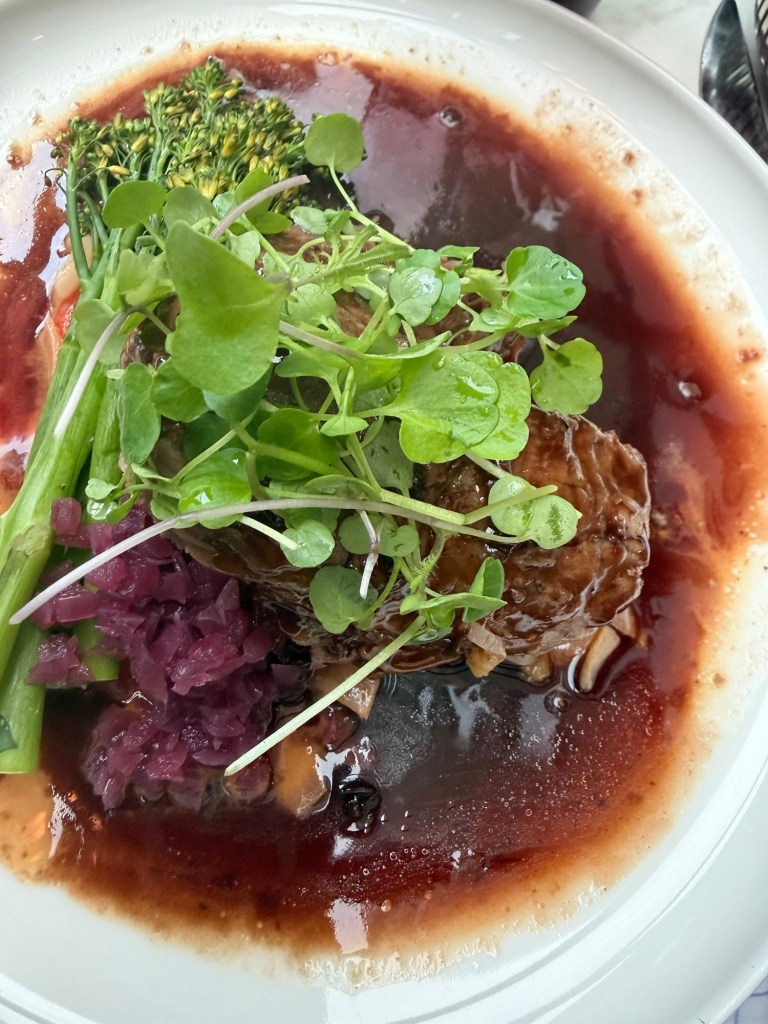
Thankfully, Mark helped me finish it and off we went to the Opera House to see some ballet. It turned out to be a competition and not a performance. So at the intermission, we Ubered back to the hotel and called it a day.
Saturday, May 30, 2026
A new guide, Emil, and the repeat driver, Velho, picked us up at 9am and off we headed for the village of Fiskars, and the oldest town and first capital of Finland, Turku. Emil was a good historian about the medieval period and filled us in on a lot of information.
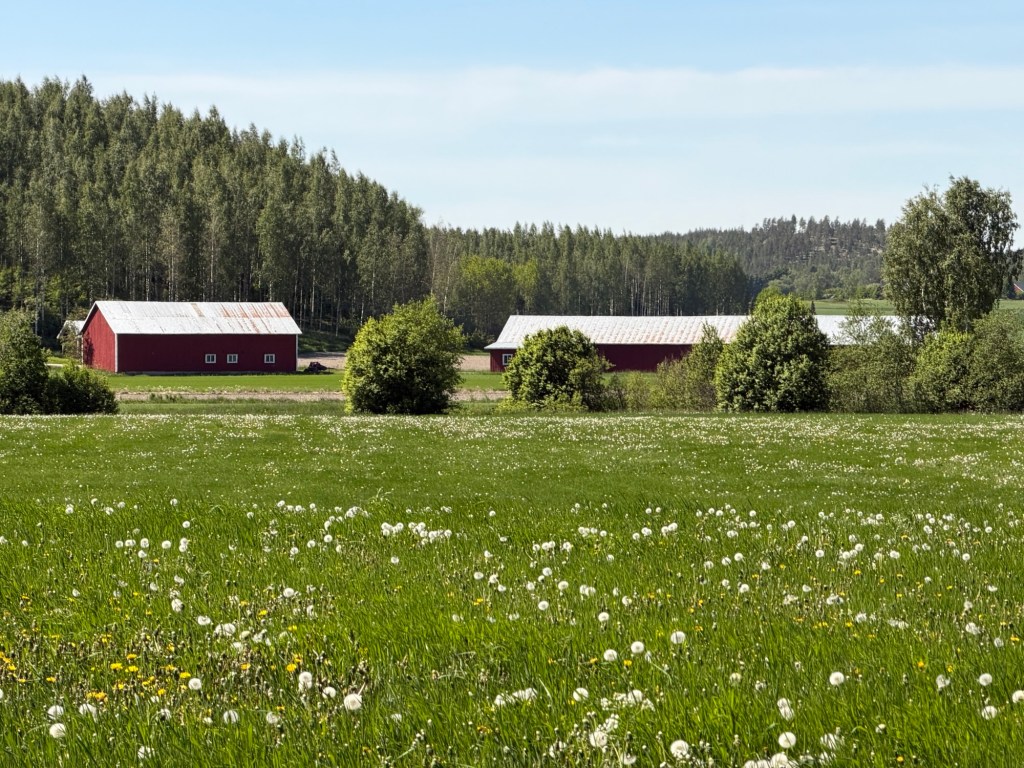

In 1649 Fiskars iron works was founded near Turku and became quite successful producing hand crafted tools such as scissors, knives and clippers. The 17th century village went through a big boom in the 19th century with big equipment such as plows that were very popular. Fiskars village is still a functioning community of 5-600 people with many artisans choosing to live in the area and make products such as coffee, ceramics, textiles, wood carvings, glass blowing, chocolate and metal works.

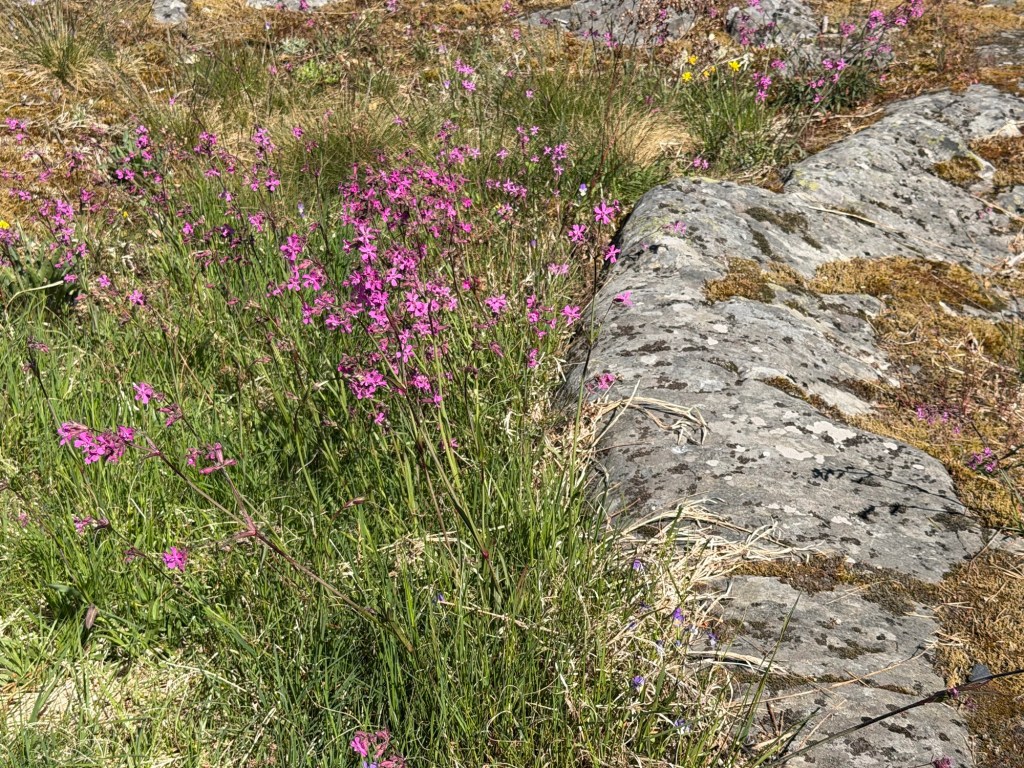
Before arriving in the village we drove to the top of a hill to catch the view of the area. There were many pink flowers that we were able to identify as Sticky Catchfly. It is the perfect name as the bottom of each flower is sticky.
Down in the valley, we visited the remains of a 13th century castle and ate our picnic lunch there. Mark and I share a sandwich of venison and blue cheese.

In medieval times churches were Swedish and Catholic. In the 16th century churches were converted to Lutheran and have remained that way.
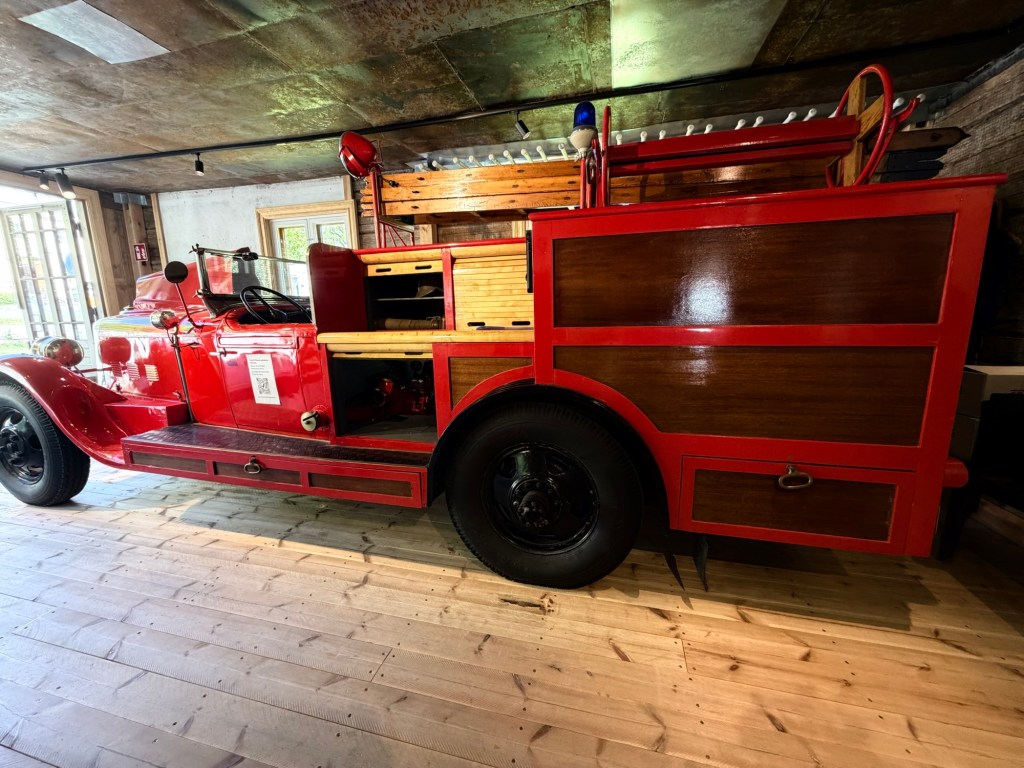
We walked the whole village and stopped in at several businesses. First was the Stutz antique fire truck from 1927. It is still used.
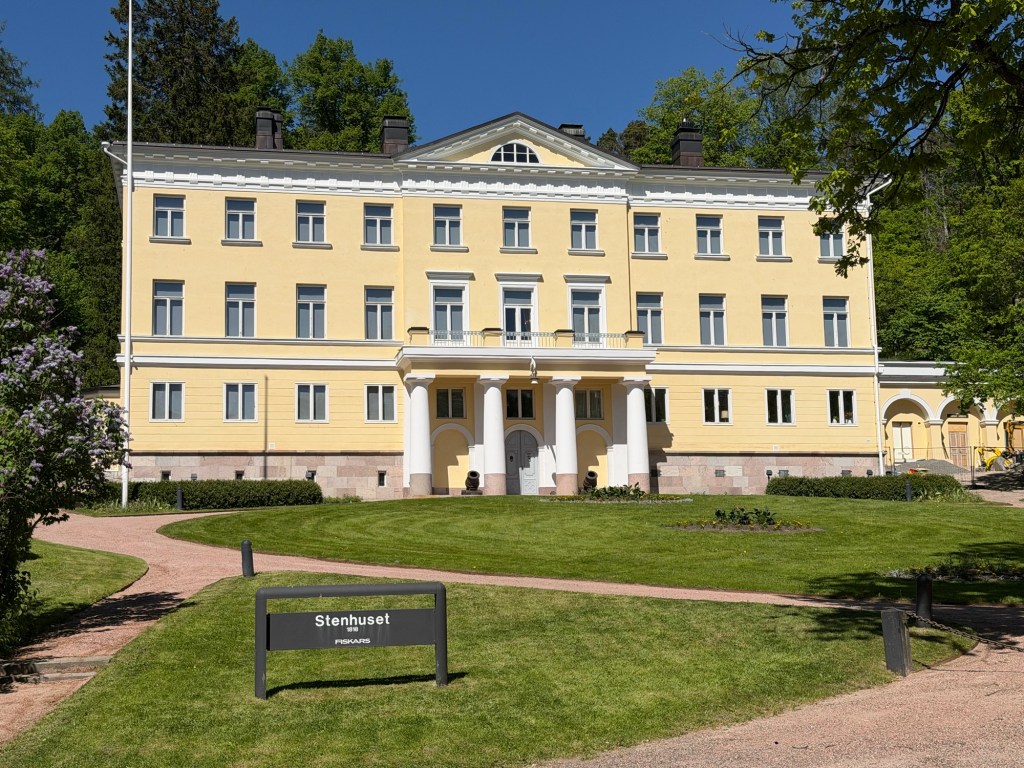
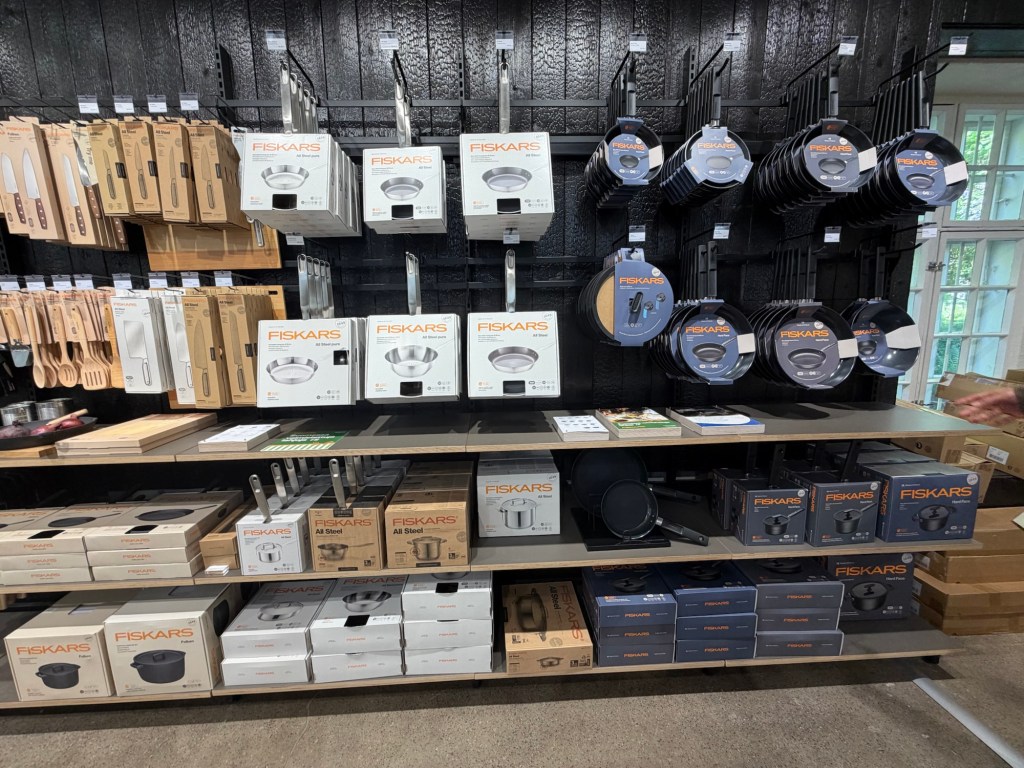
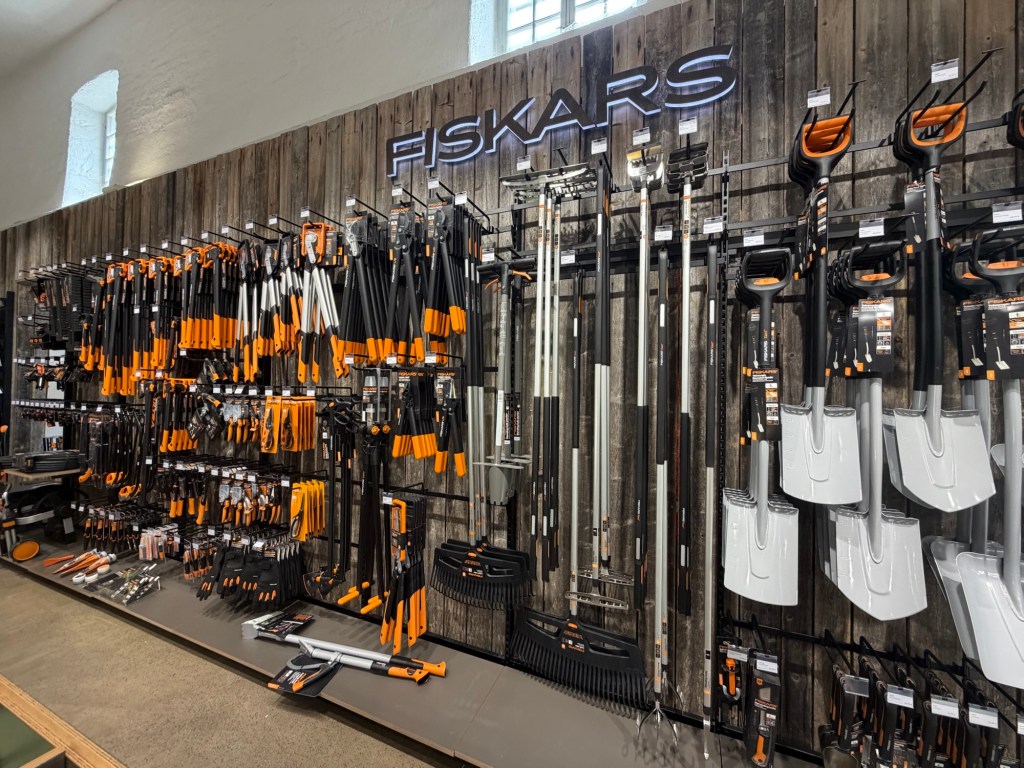
Spent a good amount of time visiting Fiskars shop full of goods for sale.
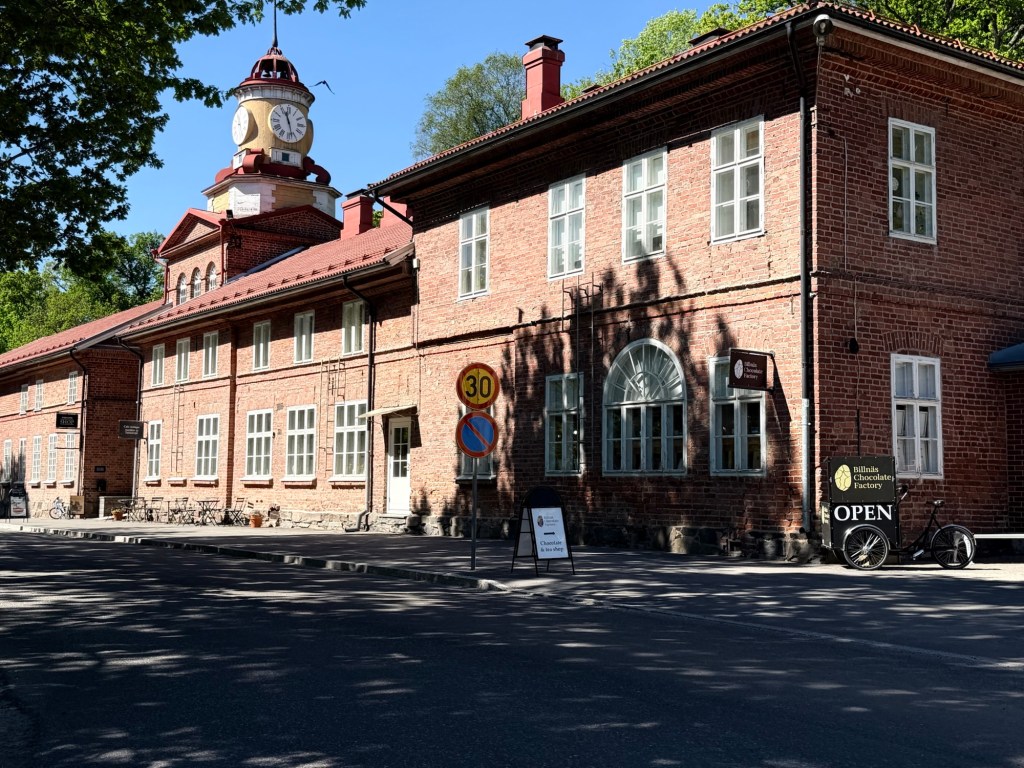
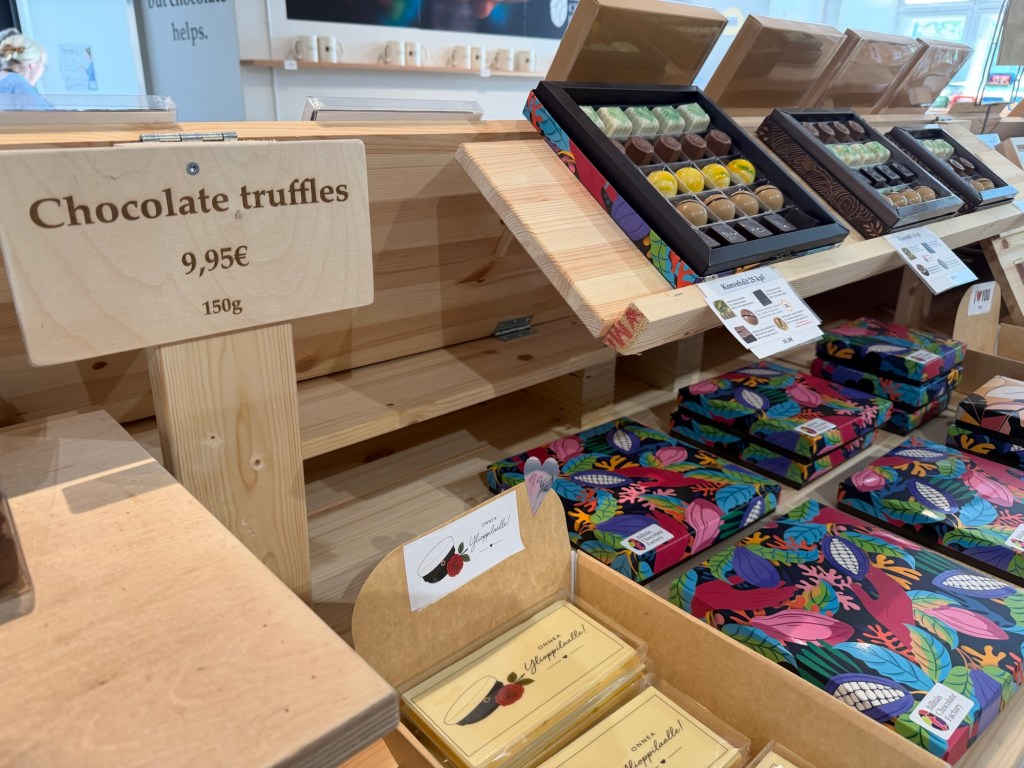
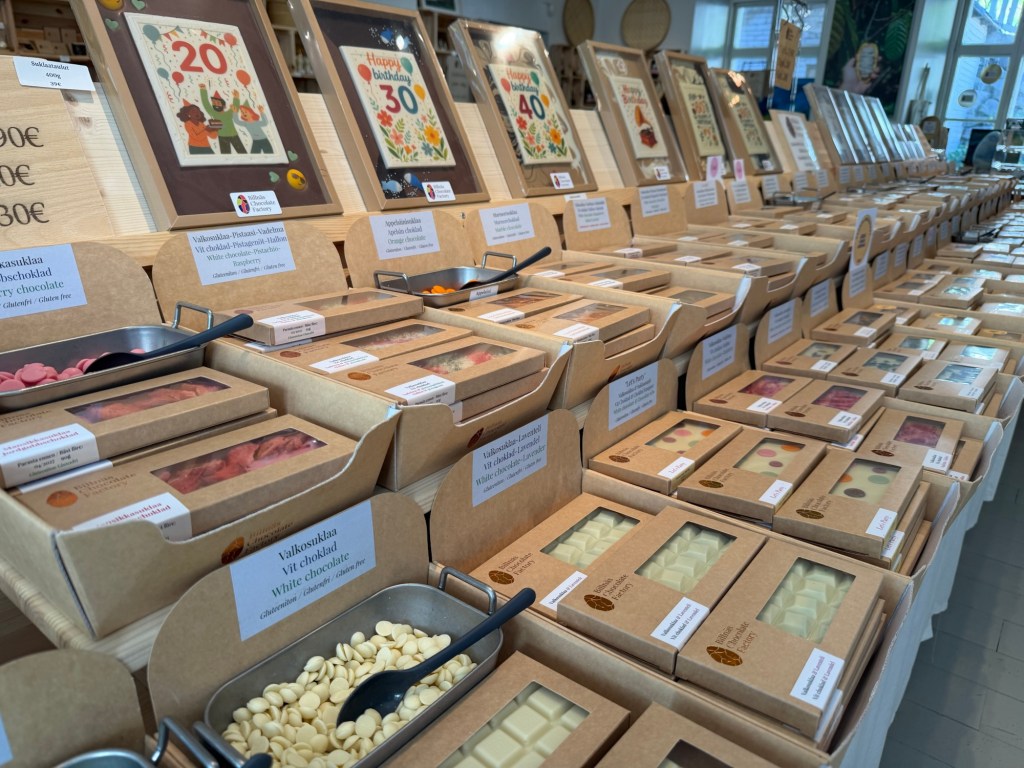
We stopped in at the local coffee producer and learned that Fins drink more coffee than any other country. We were already coffeed out. The same went for the chocolate factory.
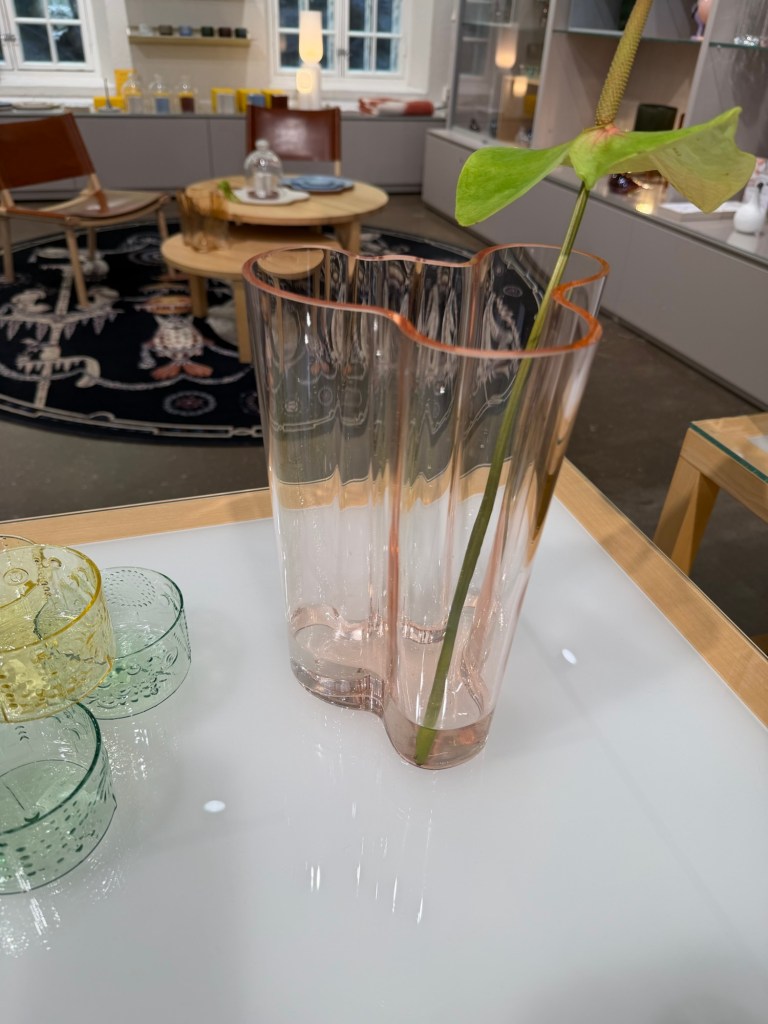

We visited the glass blower, but did not stay long as we were familiar with the process from a class we took on glass blowing in Roxbury, Massachusetts in 2021. (We had to look this info up.)

Adam Detre sculpted this elm tree trunk into a work inspired by the River Fiskars that flows next to it. The sculpture emphasizes the idea that water starts its journey somewhere unknown to us and will continue to travel to the ocean. To create a sense of distance he made the piece meaner around the trunk.
Lastly we visited the stone mill that used running water pressure to turn the mill.
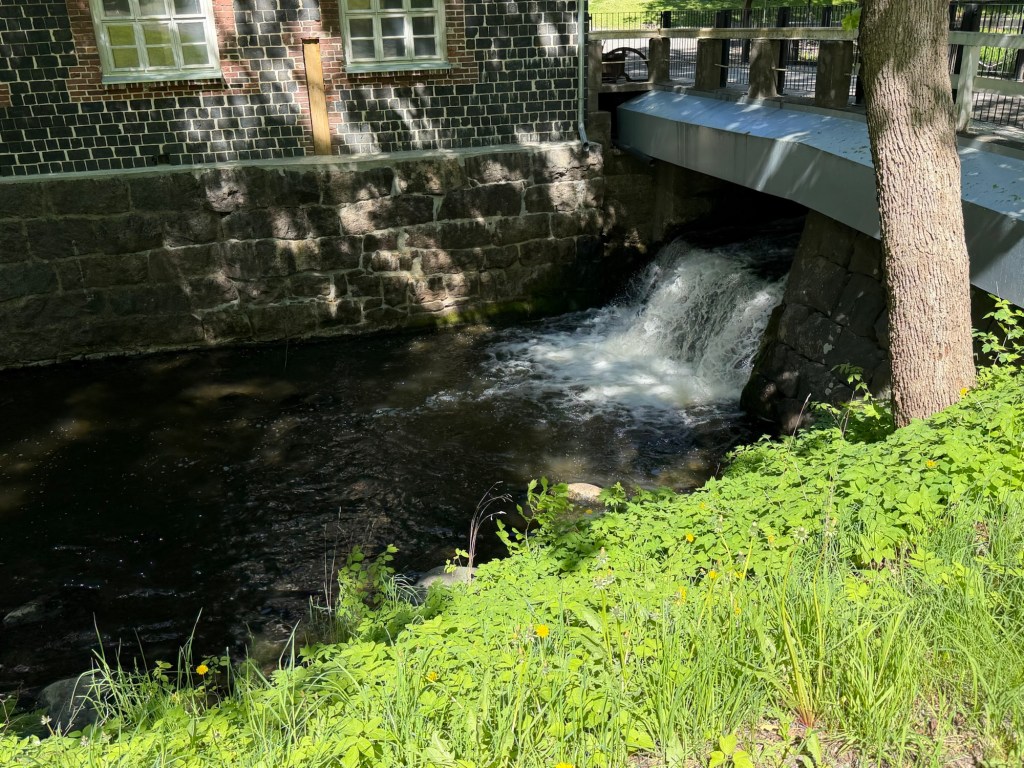
Soon we were on the road to Turku. Emil told us Finland was a province of Sweden and stayed part of Sweden until 1809, when the King of Sweden came to Turku for a Diet (political assembly) of the 4 estates (nobility, clergy, merchants and peasants). Finland became part of Russia with Swedish laws and the Swedish constitution prevailing. The Fins were loyal to Russia even as they were still Swedes until they gained their independence in 1917.

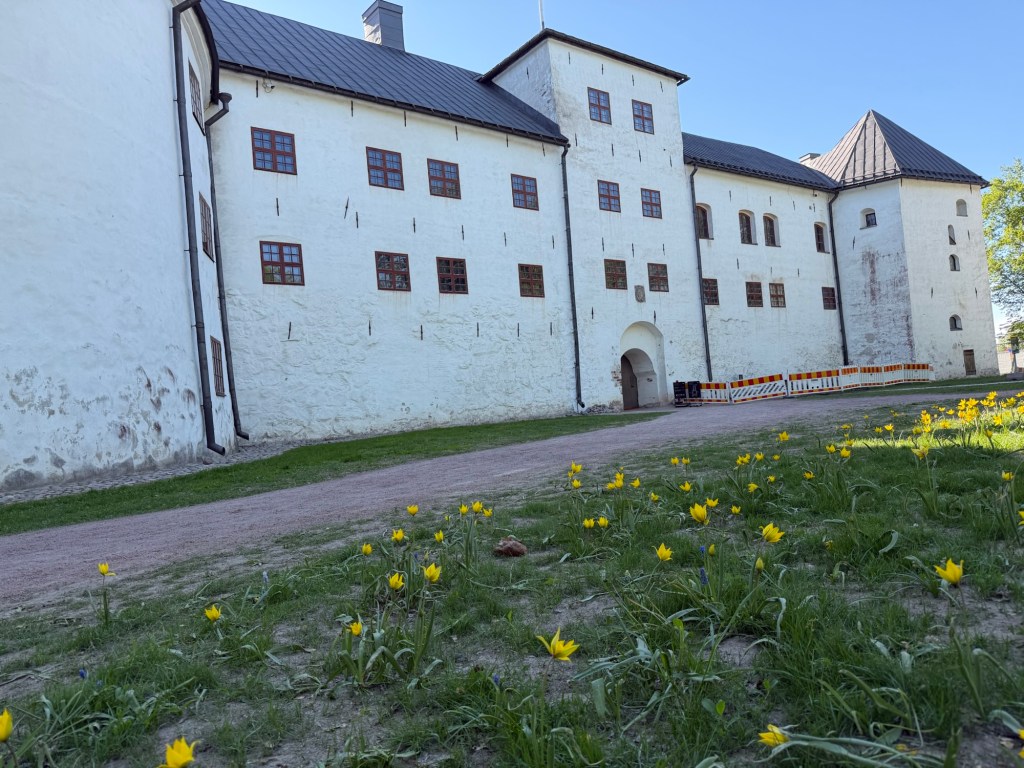

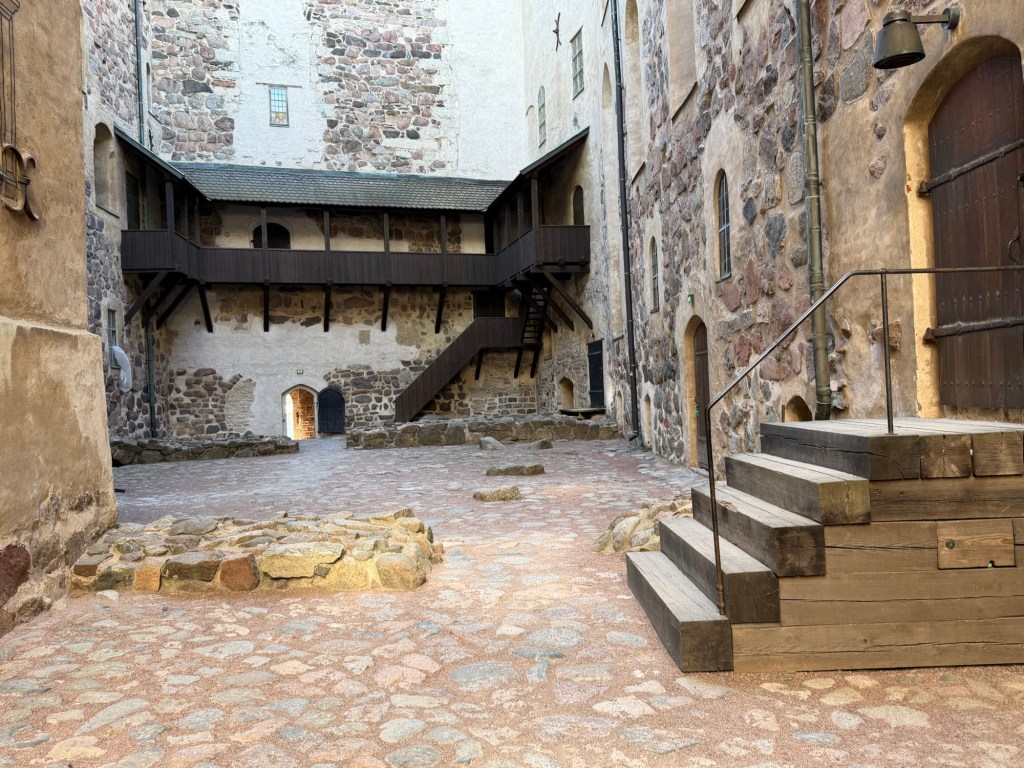
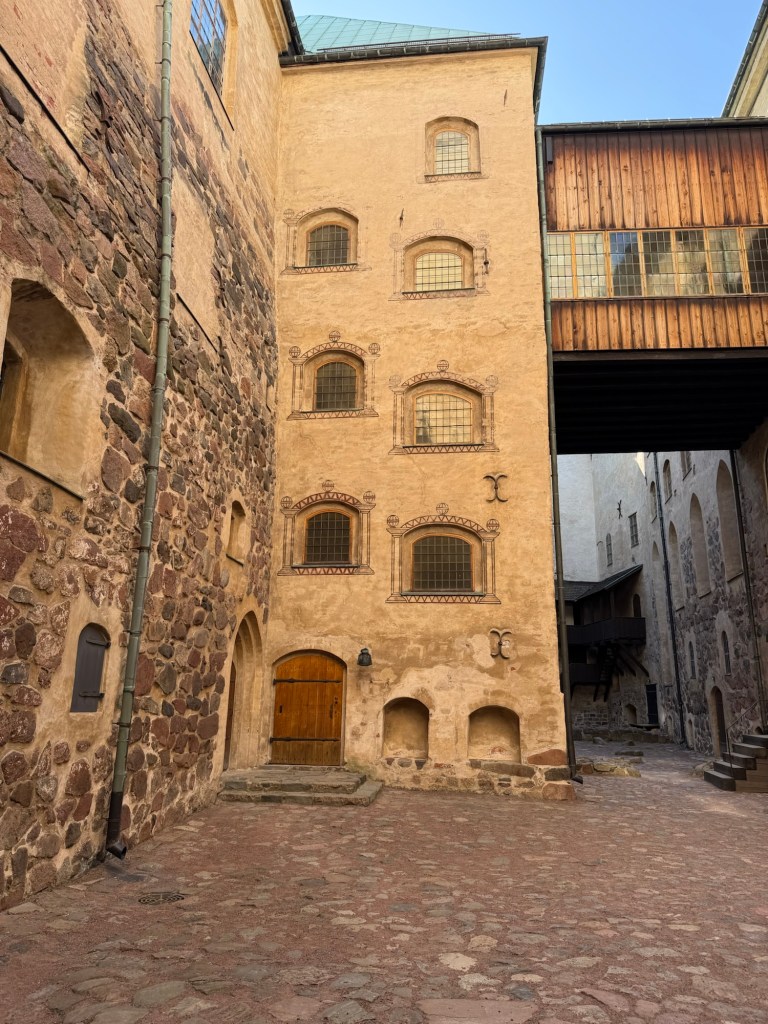
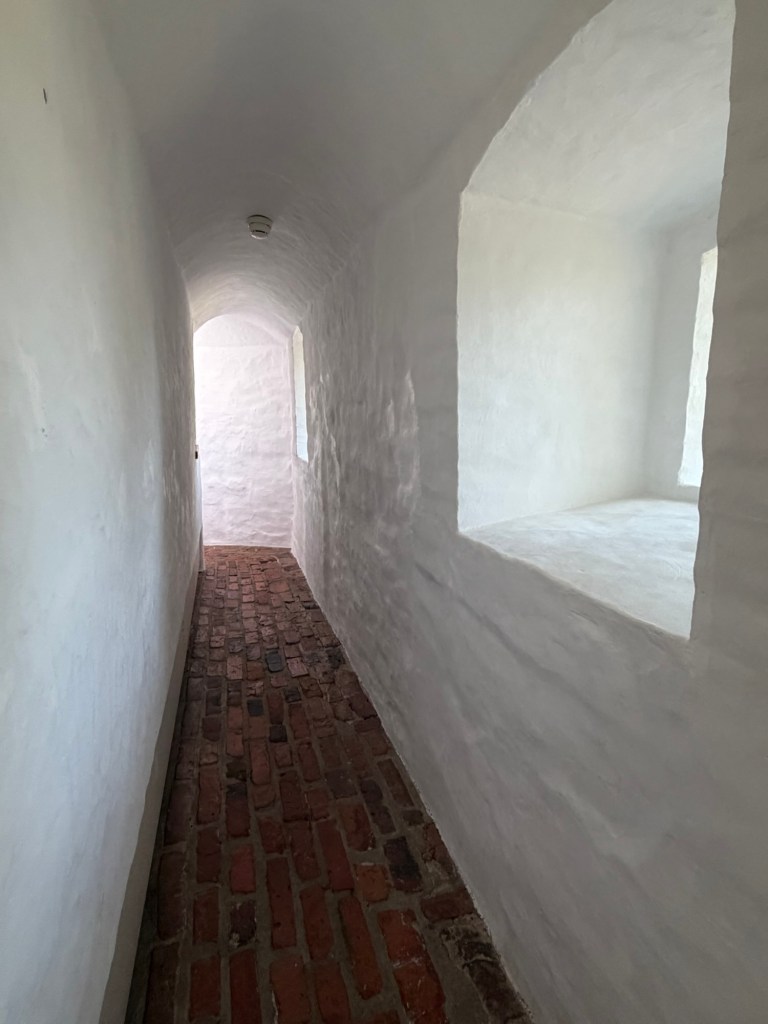
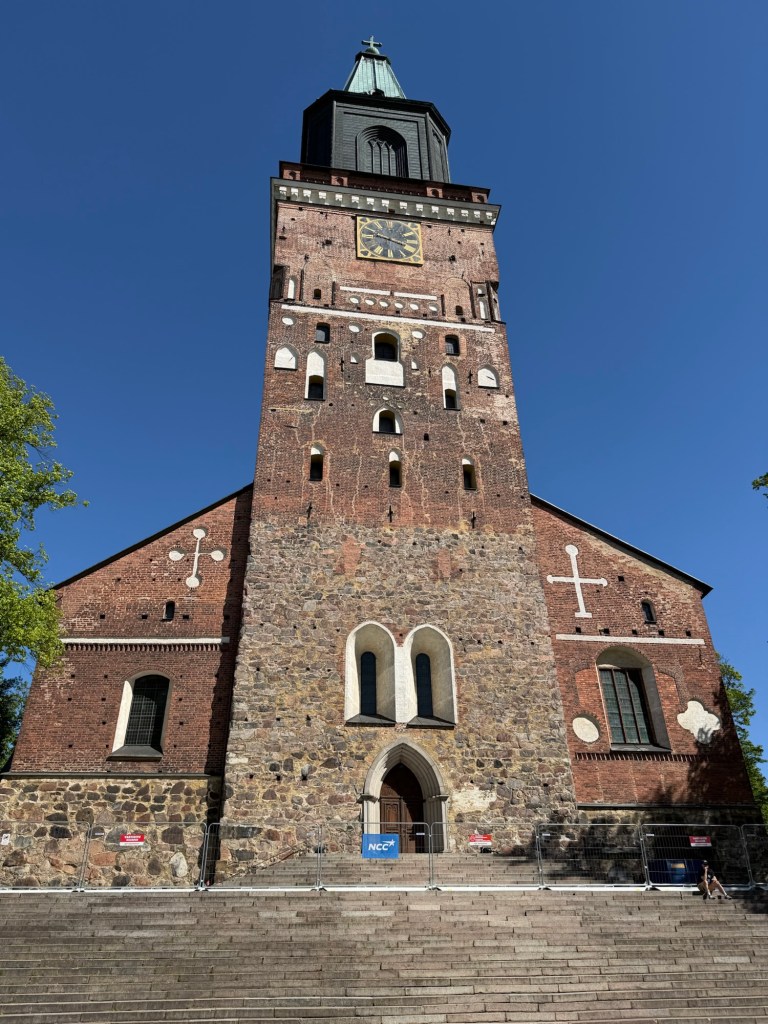
The Bishop of Turku was the most important person in Medieval Finland the 13th – 16th centuries. The reformation took place from 1520-1599. One of the Bishops of Turku was Michael Agricola ( 1510-1557), a moderate reformer, unlike Martin Luther. He is the person who translated the New Testament into Finish. Statue included a post ago.
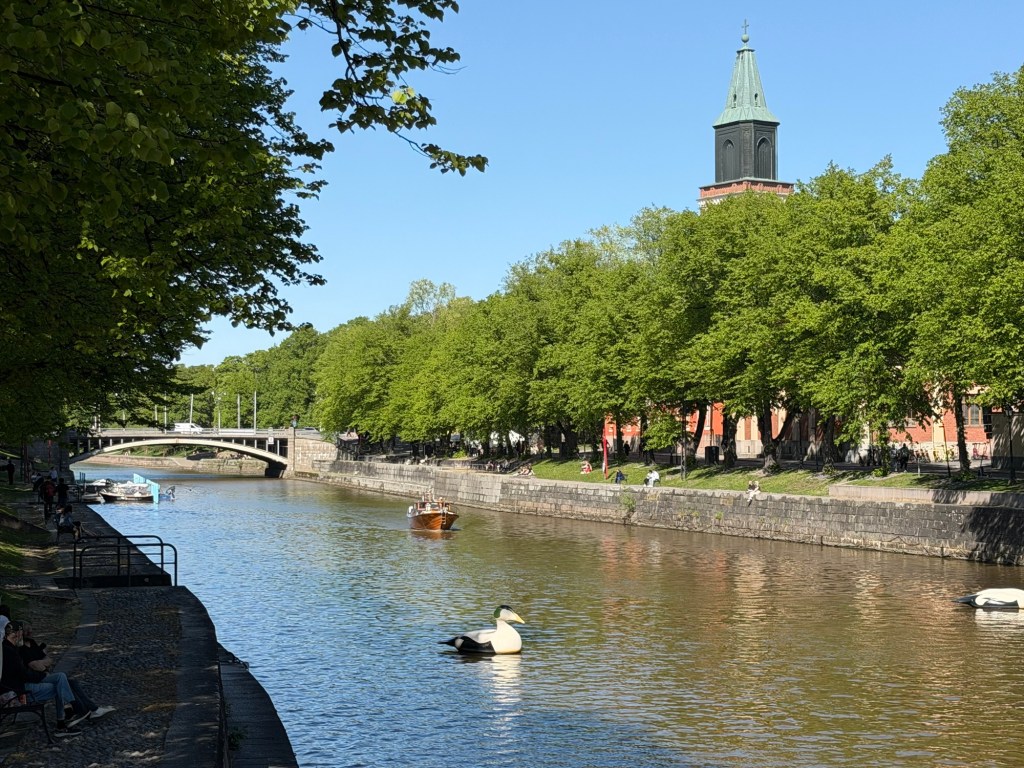
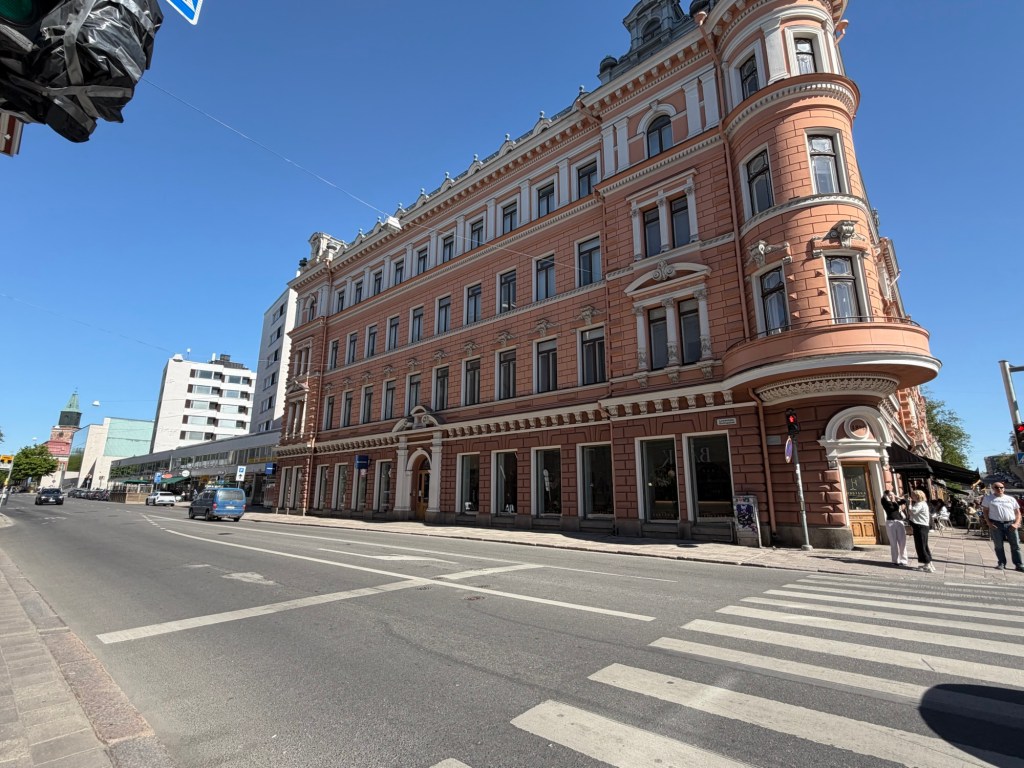
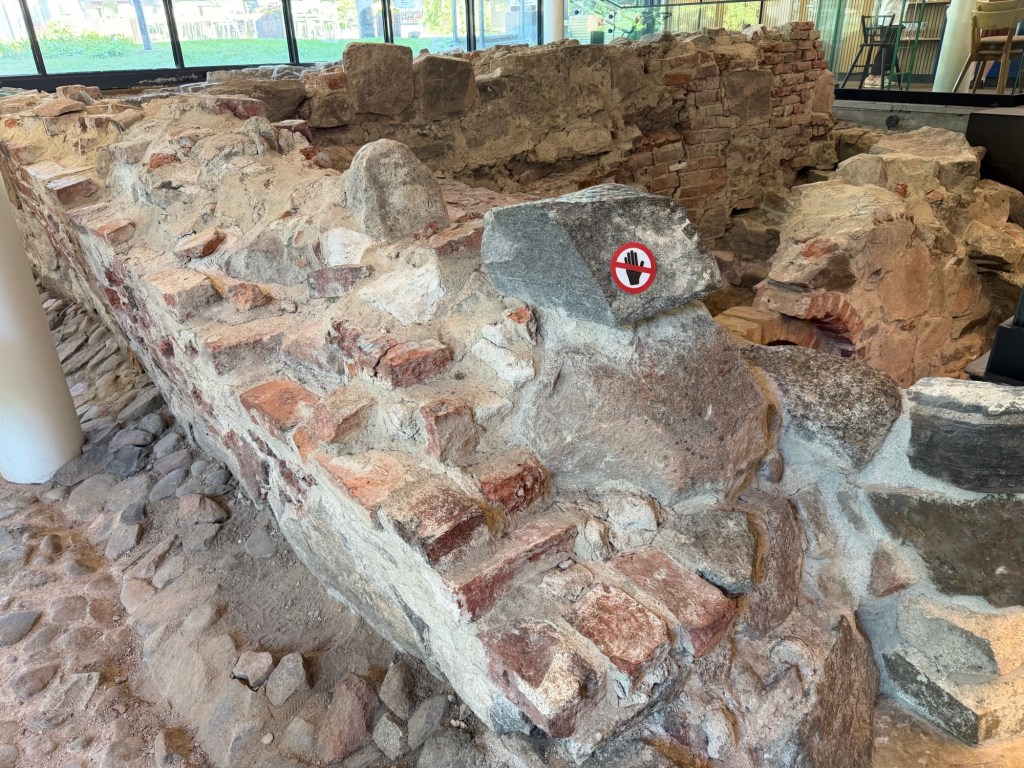
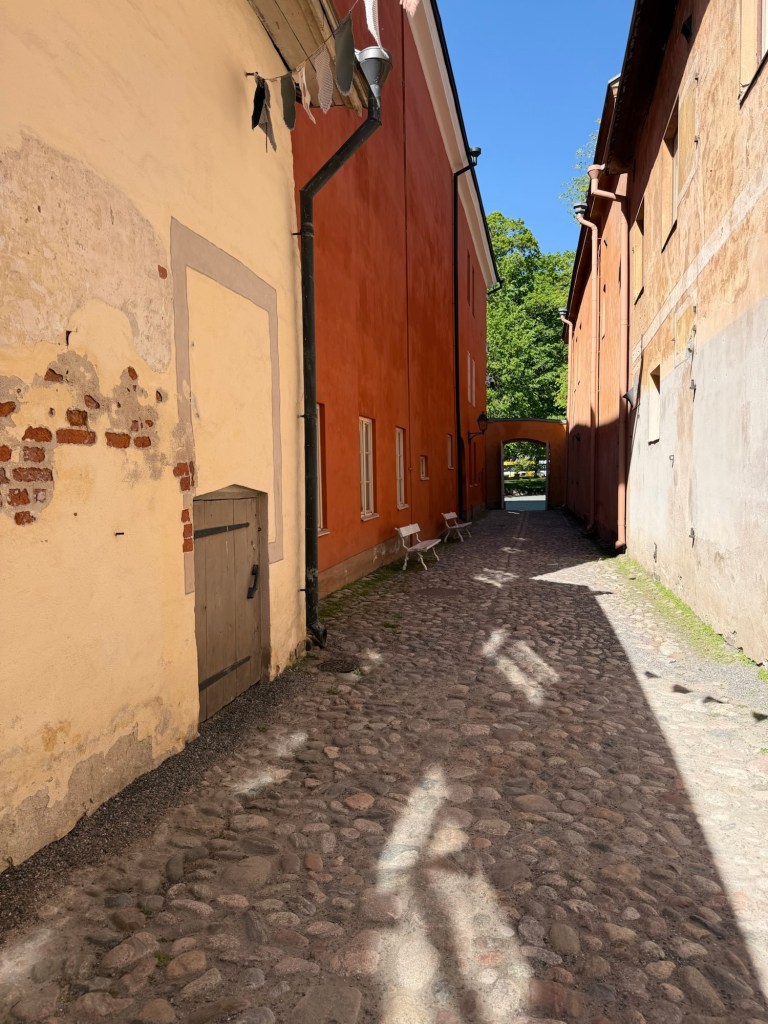
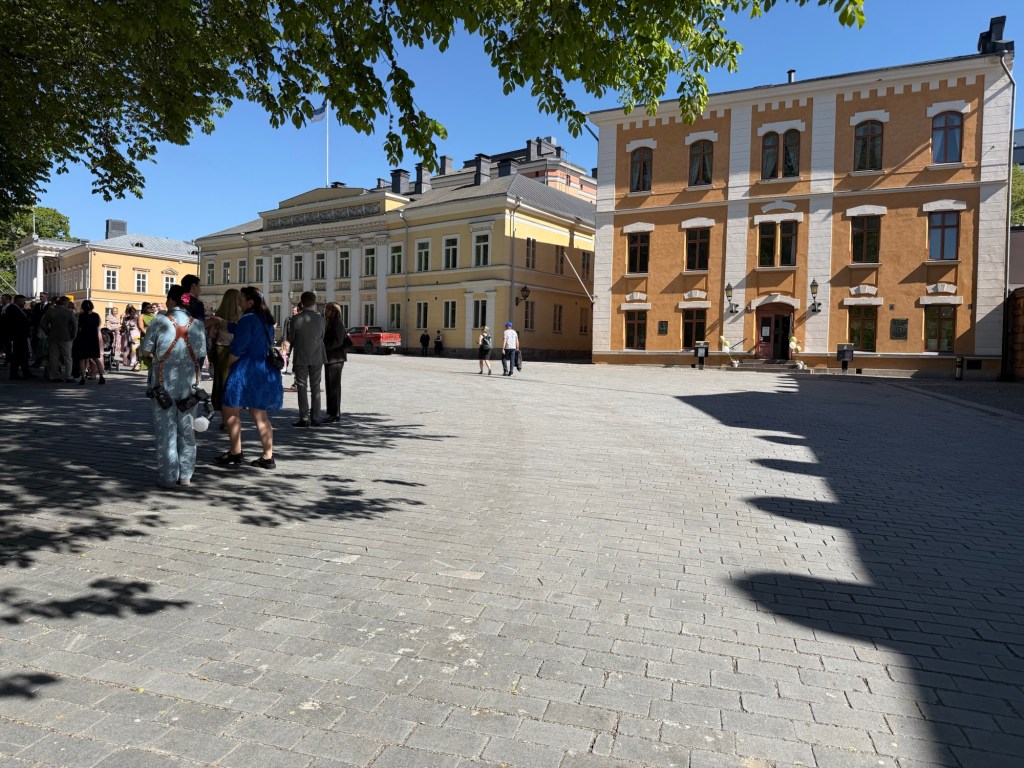
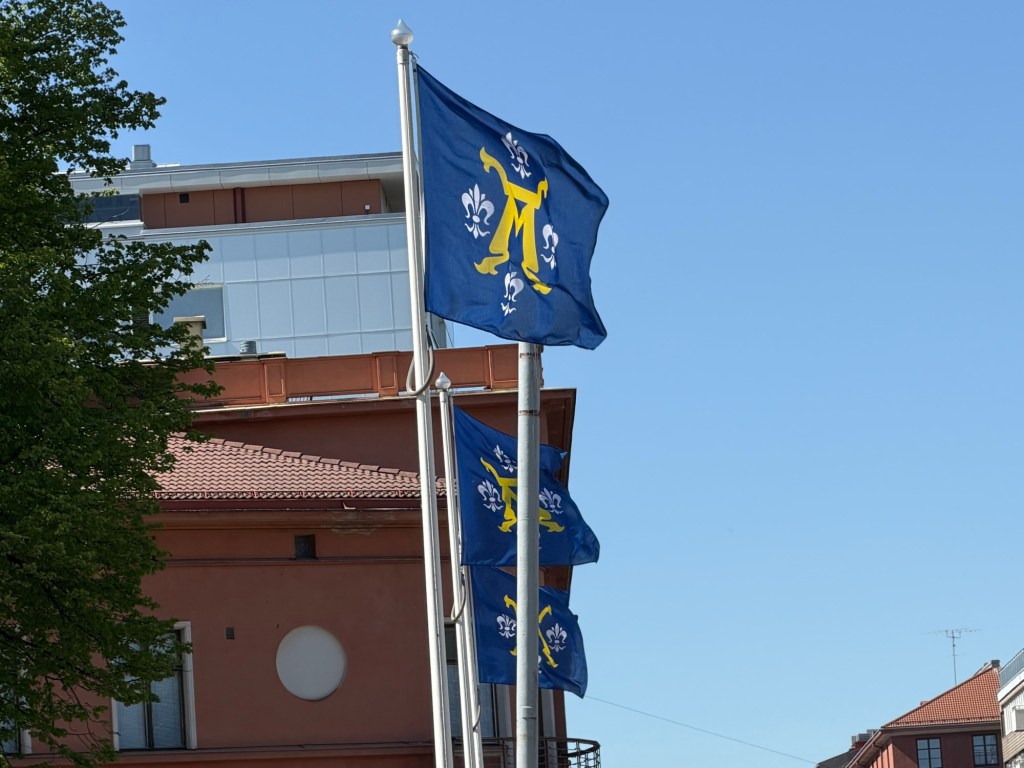
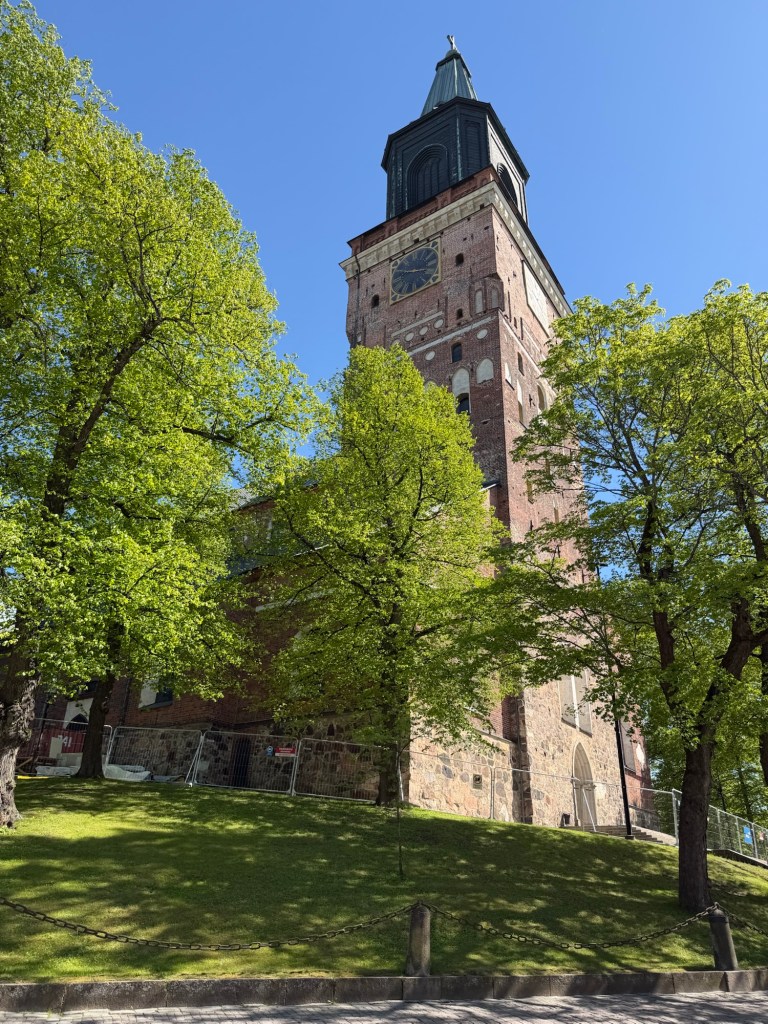


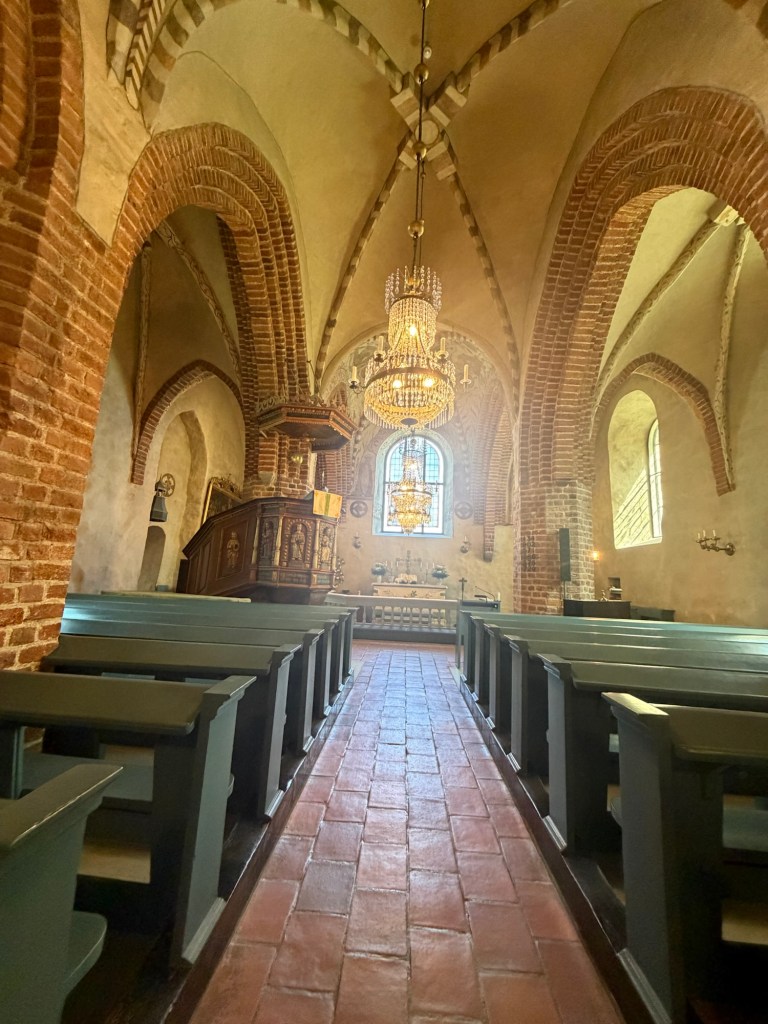
The story I remember is about the King Gustav Vasa (1496-1560) family. He was King of Sweden during the reformation (1520-1599). He gave Finland to his son John, who was then Duke of Finland. John married a Polish princess. When Gustav died they became the King and Queen of Sweden. Their son Sigmond became the King of Poland and Sweden in 1587. John’s brother and Sigmond’s Uncle Charles beats him in a civil war (1597-1599) and left Sigmond with Poland. Charles beheaded SIgmond’s Finish supporters in 1599. The Bishop of Turku became Lutheran.
That is the best I can remember from all that Emil said. If you are interested, do look up the history of the reformation and medieval times.