
Tuesday, June 9, 2026
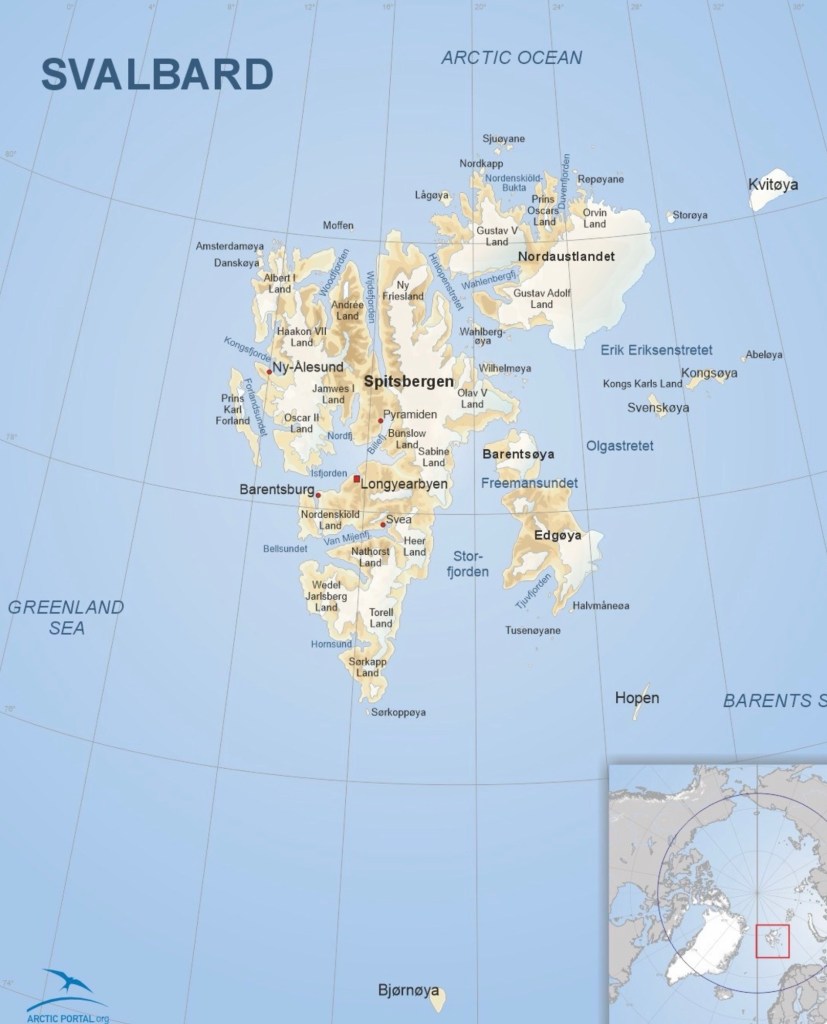
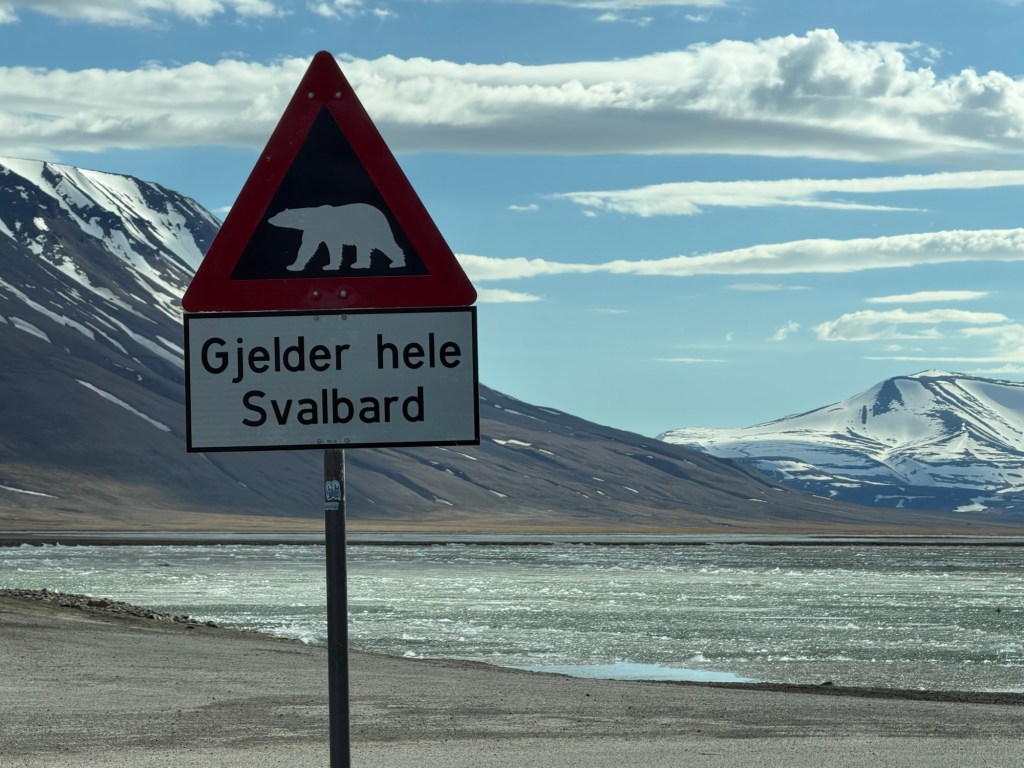
Svalbard is a remote Norwegian archipelago in the Atlantic Ocean, roughly midway between Norway and the North Pole. A 24,000 square miles, it is about the same size as West Virginia. There are 1000 glaciers and they cover 60% of all land in Svalbard.
The first documented discovery of Svalbard was by William Barentsz, a Dutch navigator in 1596. By the early 1600s Svalbard had become a fierce battleground among the English, Dutch, Danish and Norwegian fleets for the rich bowhead whale populations. As whale populations collapsed in the 1700-1800s from overhunting, hunters shifted to walrus, fox, polar bear and reindeer. Trappers would overwinter on the islands regularly.
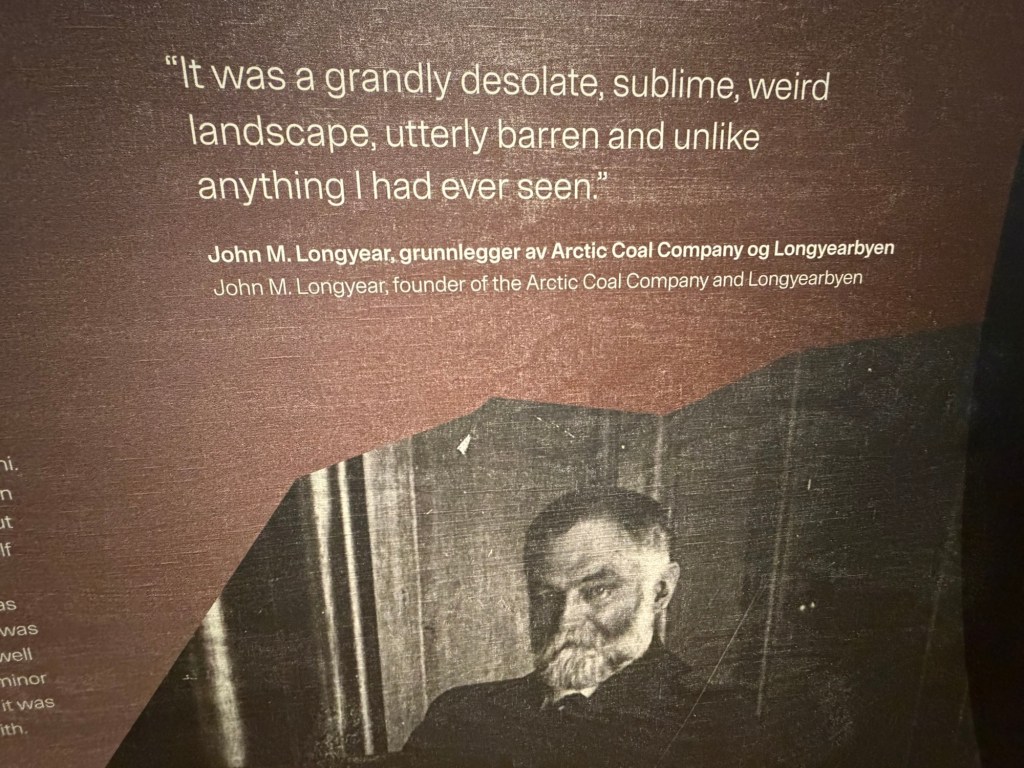
In the 1900s Arctic explorers were attracted to the islands in attempts to reach the North Pole. Also around 1900, coal deposits drew American, Norwegian, Russian and Swedish interests. The town of Longyearbyen was founded in 1906 by American entrepreneur John Monroe Longyear.
After WWI the 1920 Svalbard Treaty granted Norway sovereignty while allowing signatory nations to engage in commercial activity—a unique arrangement still in effect today. Russia maintains a mining settlement in Barentsburg, which is 100% occupied by Russians and is only 50 kilometers from Longyearbyen.
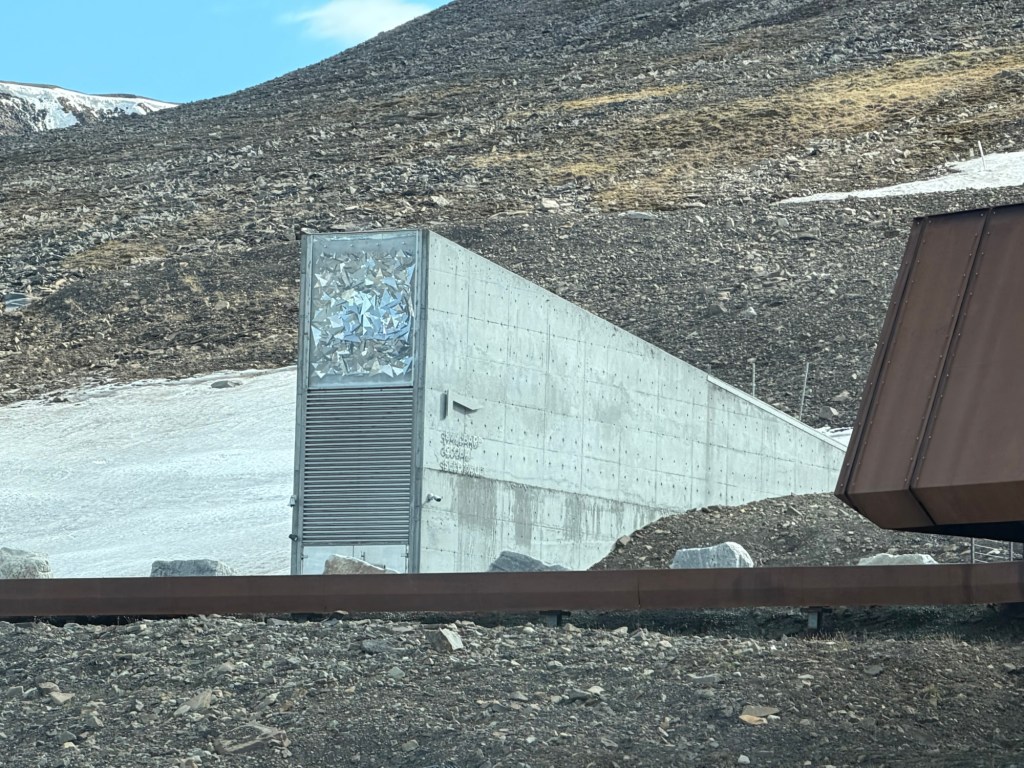
While coal mining has largely wound down, the last mine closed in 2025, the archipelago has evolved into a global hub for Arctic research and tourism, Also, The Global Seed Vault, opened in 2008, is carved into the permafrost near Longyearbyen, acting as a secure backup facility for the world’s crop seeds.
Today roughly 2,900 people from around the world live in the neutral, peaceful territory.
As for the weather we are expecting a high of 44 for one of the 4 days we will be there. Otherwise it may reach and be as low as 42 in the evening. Only a 10% chance of rain. I hope we are prepared with hats gloves and coats.

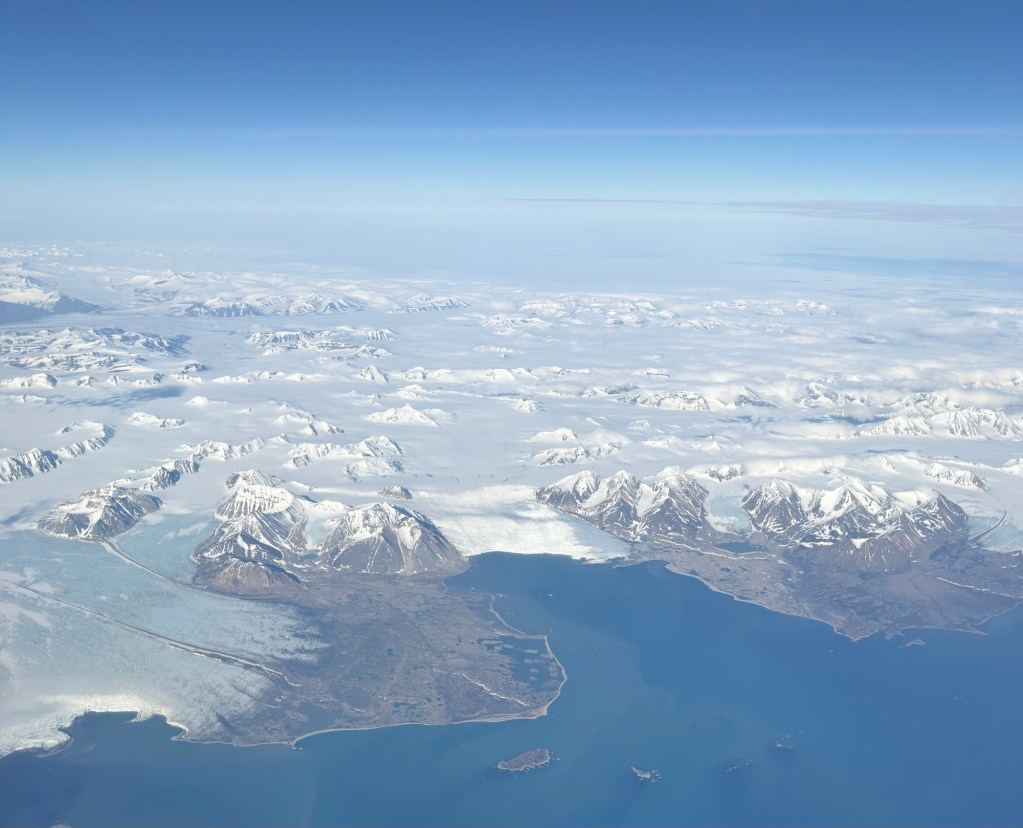
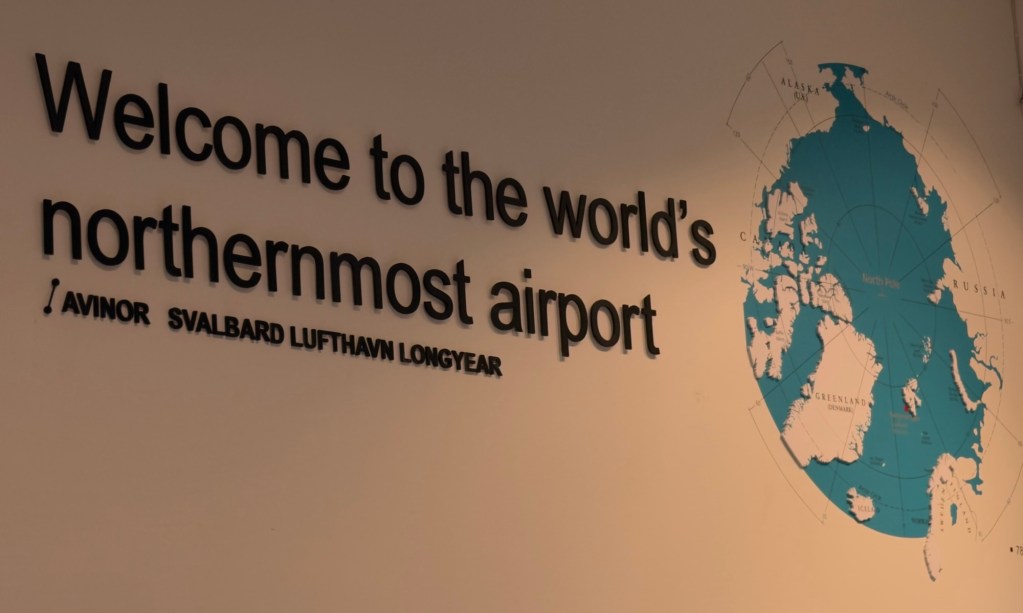
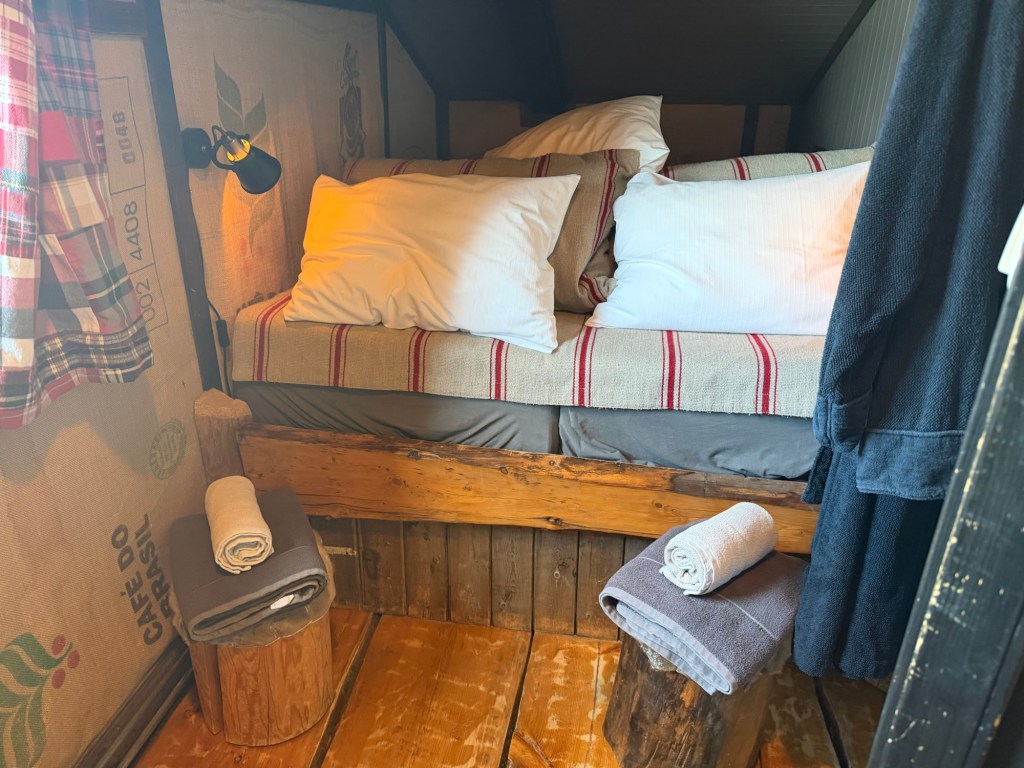
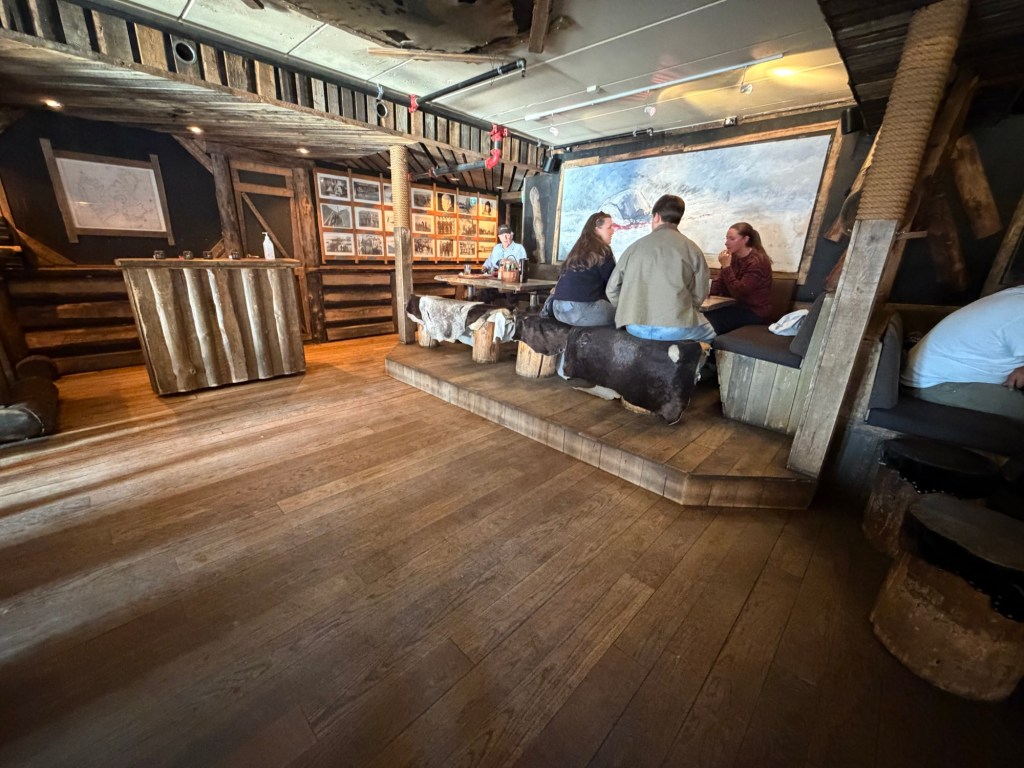
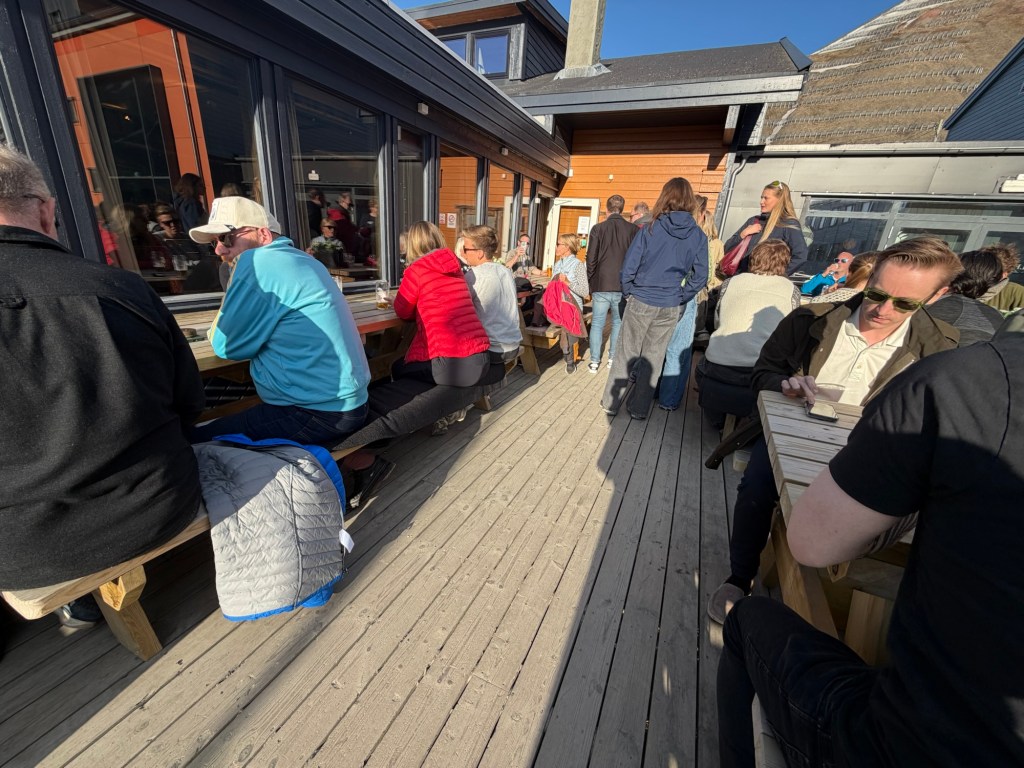
After checking into the hotel and having a light dinner, we were too tired to do anything but go to bed, in spite of the 24 hour daylight. The room had a loft bed that required climbing a notched log to get to it and a double bed that had to be climbed into feet first because 3 sides were built into the walls.
Mark managed climbing up the log while I jumped into the double bed and rummaged around with the blankets. We made it through the night and didn’t even discuss moving. We talked to the front desk clerk before going to breakfast and arranged a change. We soon were moved to a room with 2 single beds on the same floor and were content.
The buildings are very well kept up. There is a modern looking University, a hospital with 2 beds, a grocery store, a shopping center, a church and an up to date museum, which we visited.

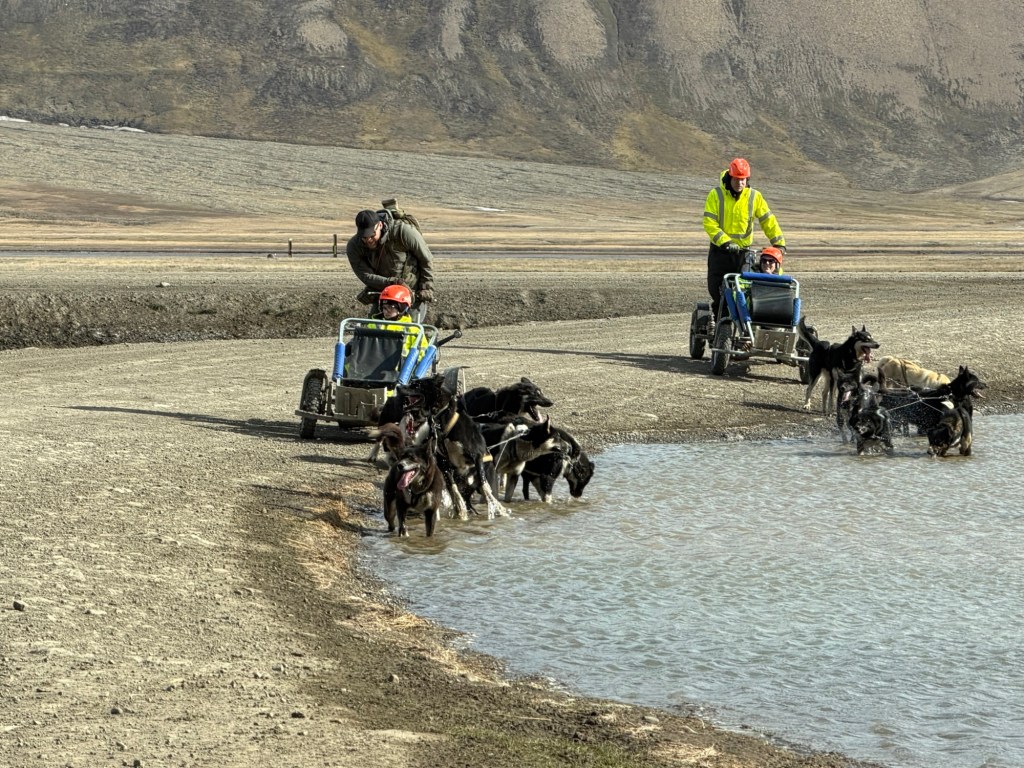

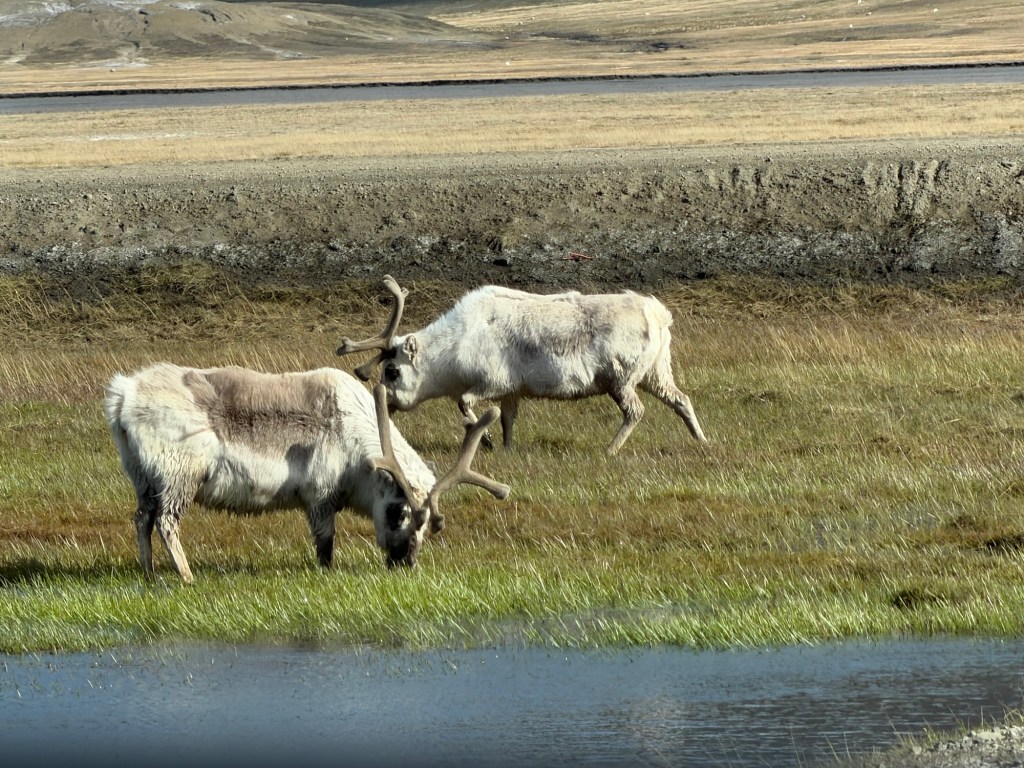

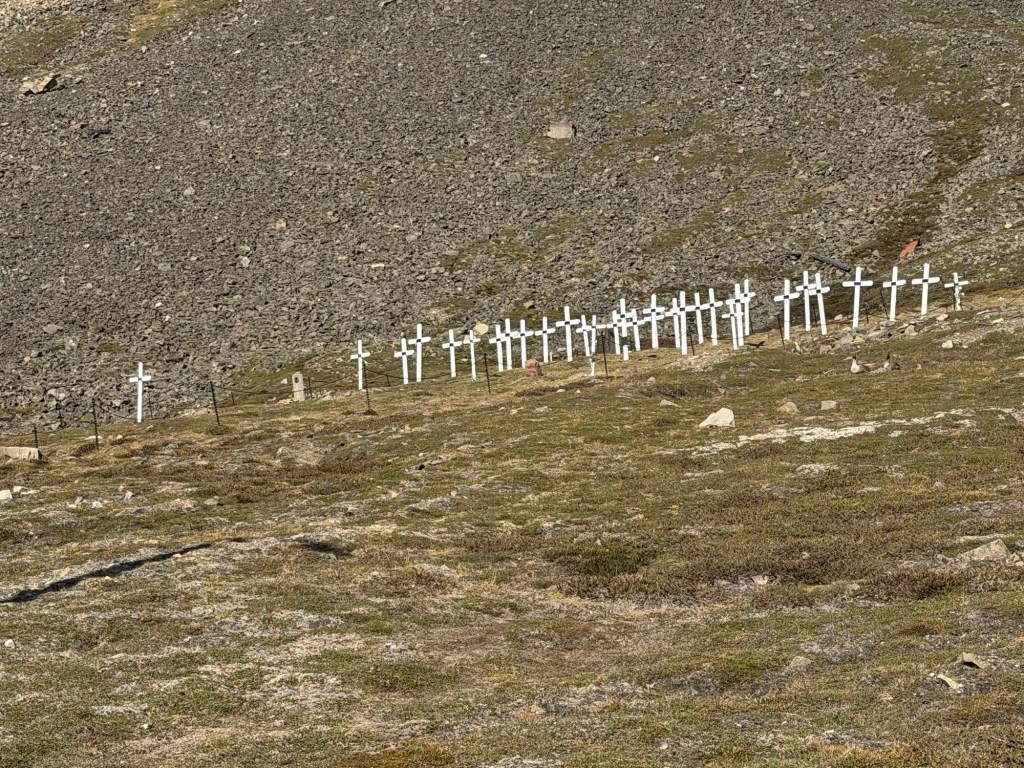
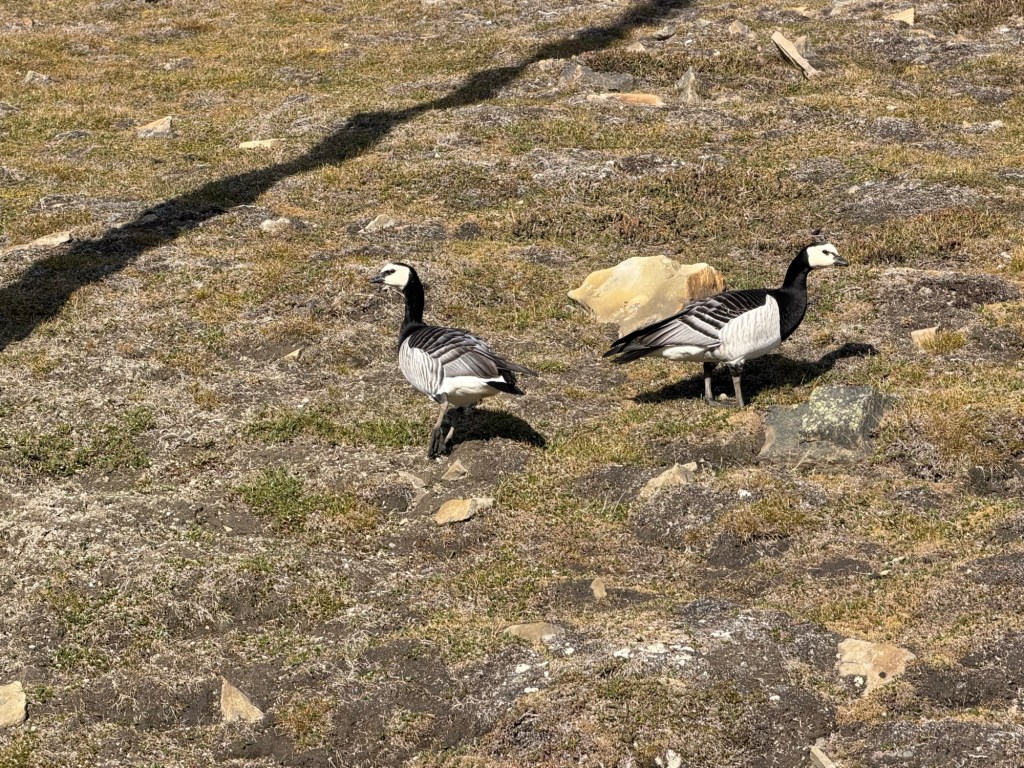
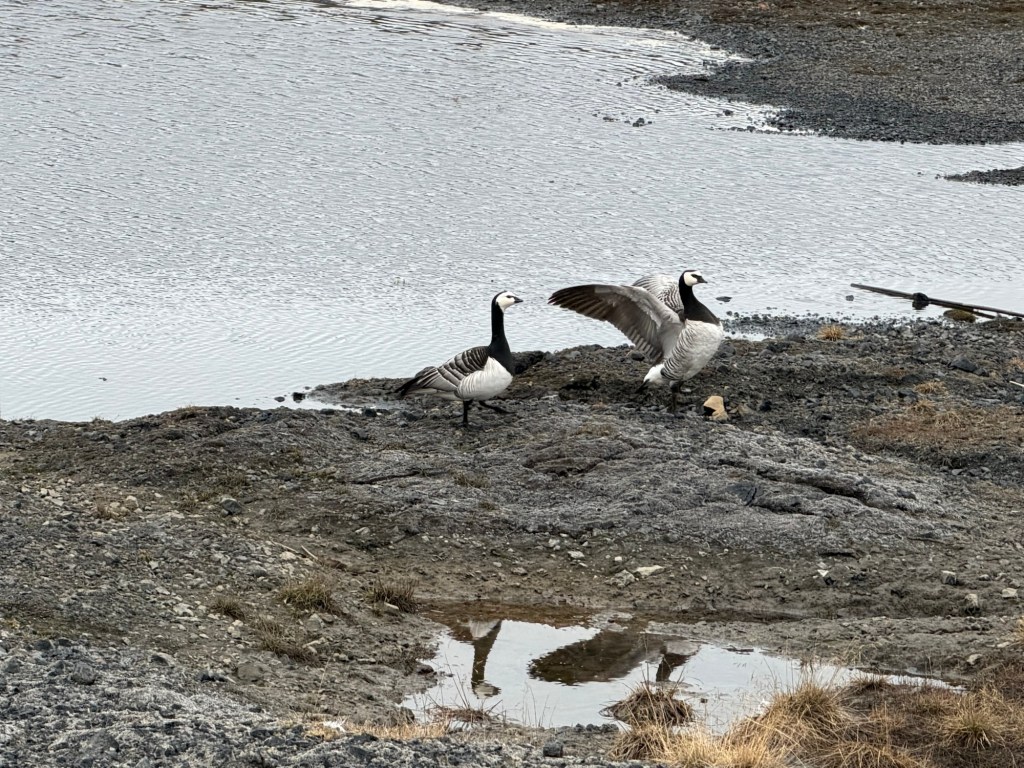
On the drive about we saw a few healthy looking reindeer, 2 summer dog sleds on wheels on the move and flocks of barnacle and pink footed geese. Neither of us had seen these birds before. Am struggling to get a good photo of them. We also saw a small cemetery from the early 1900s.

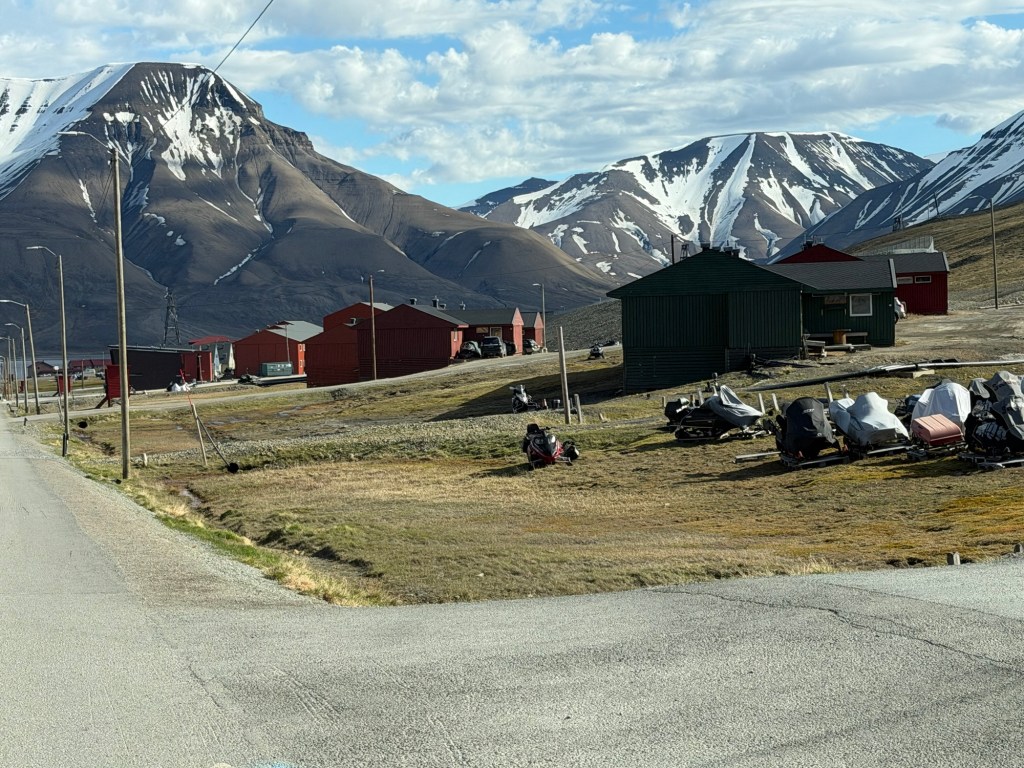
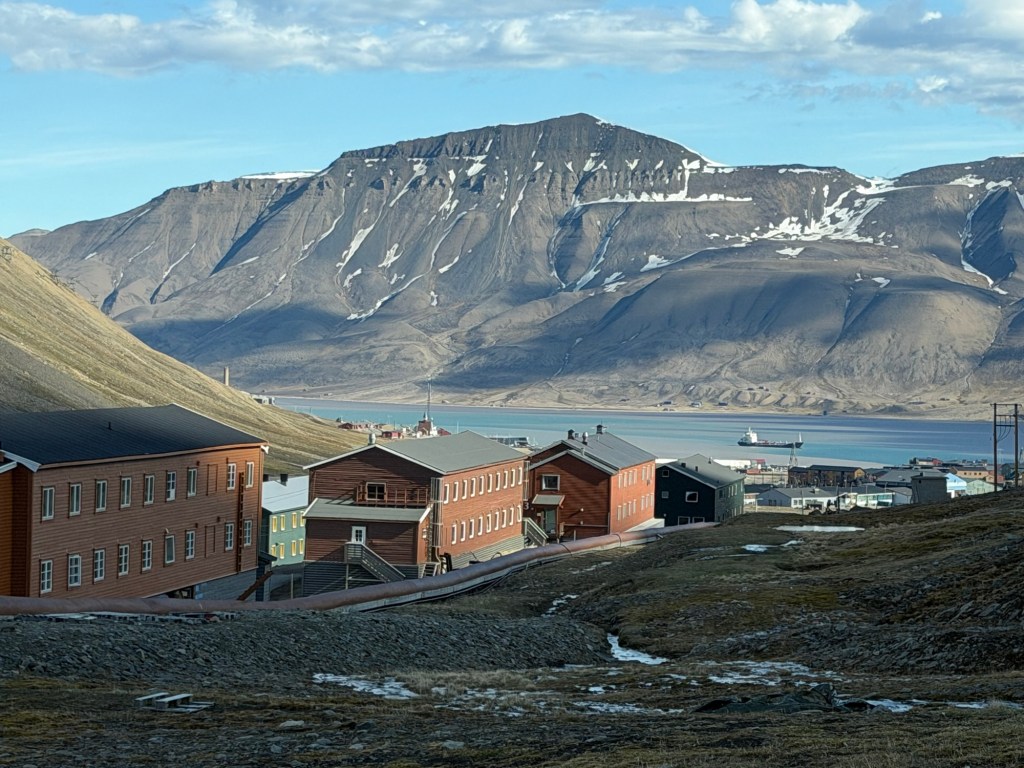
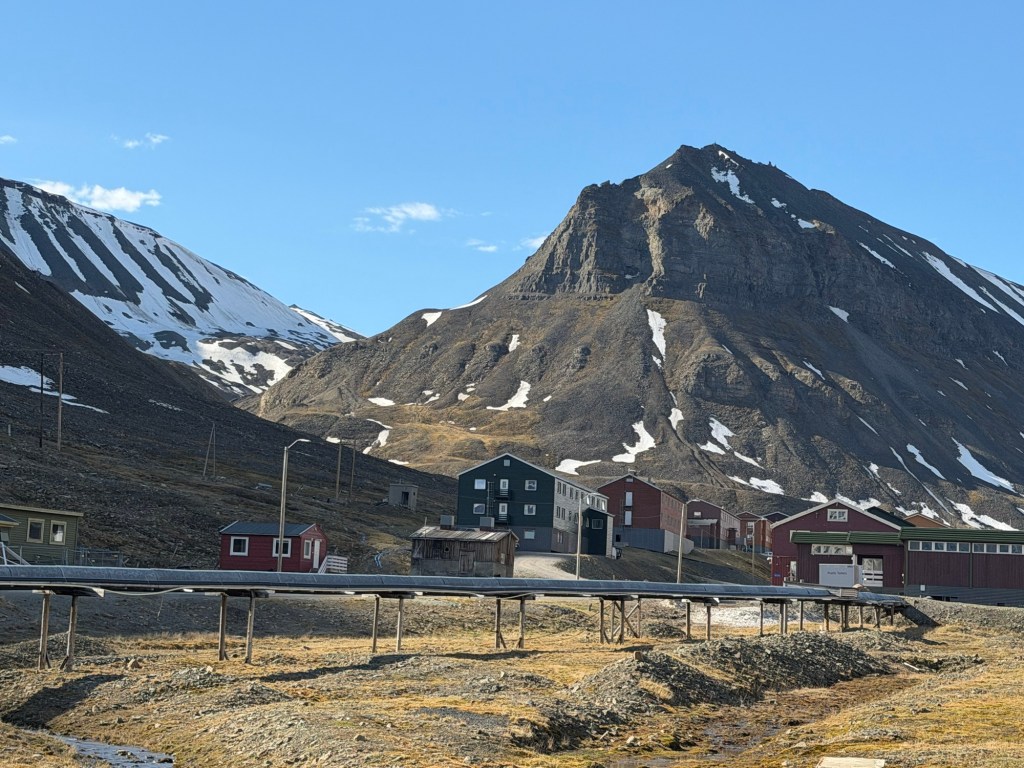

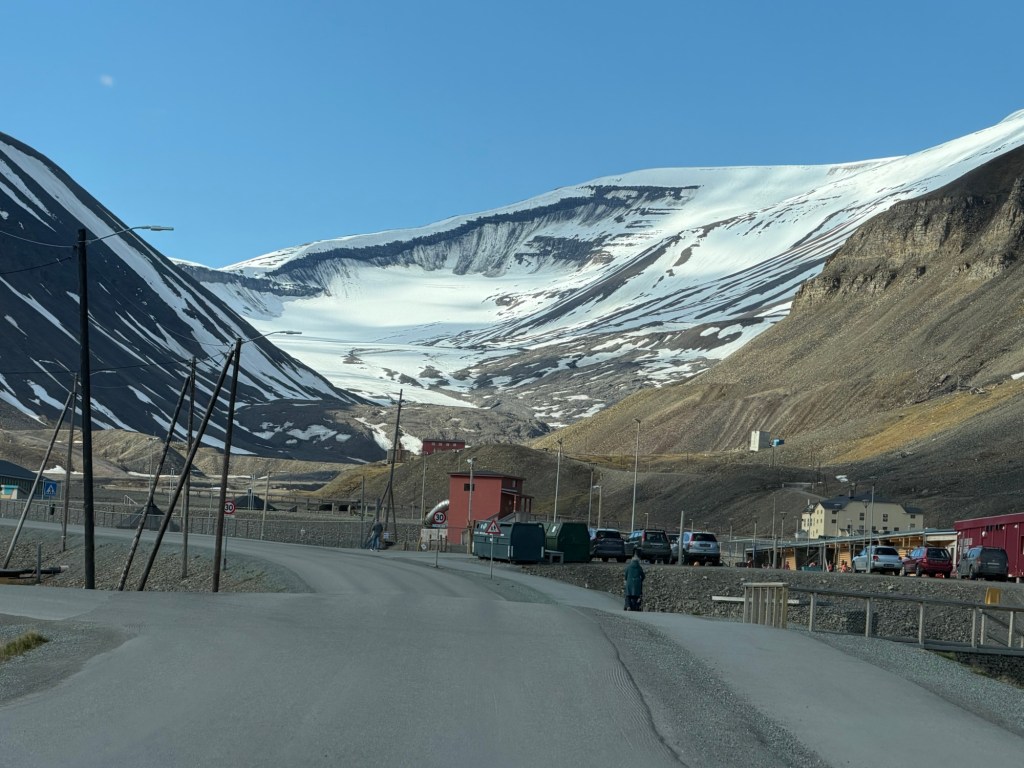
At 9am we were met by our new
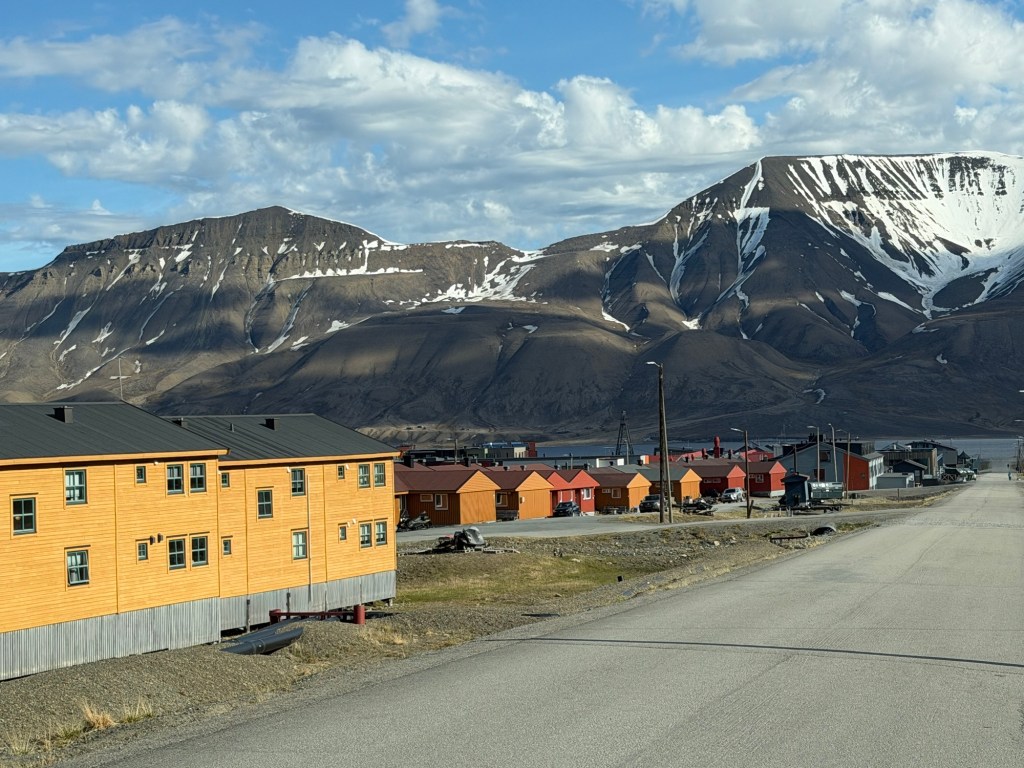
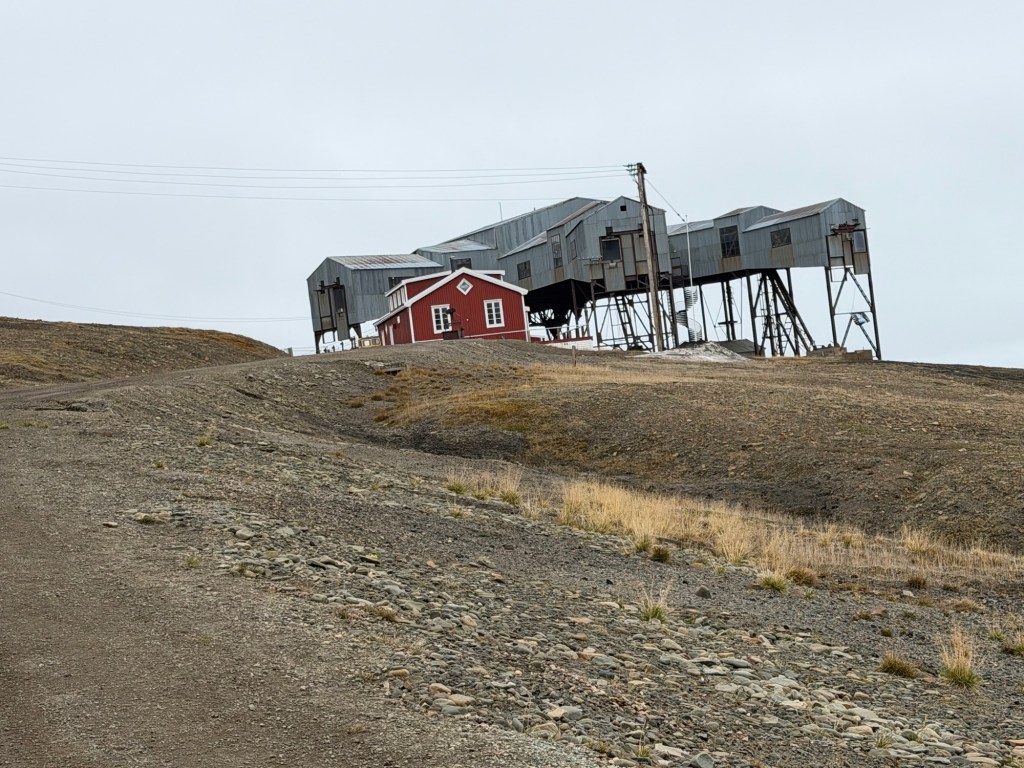
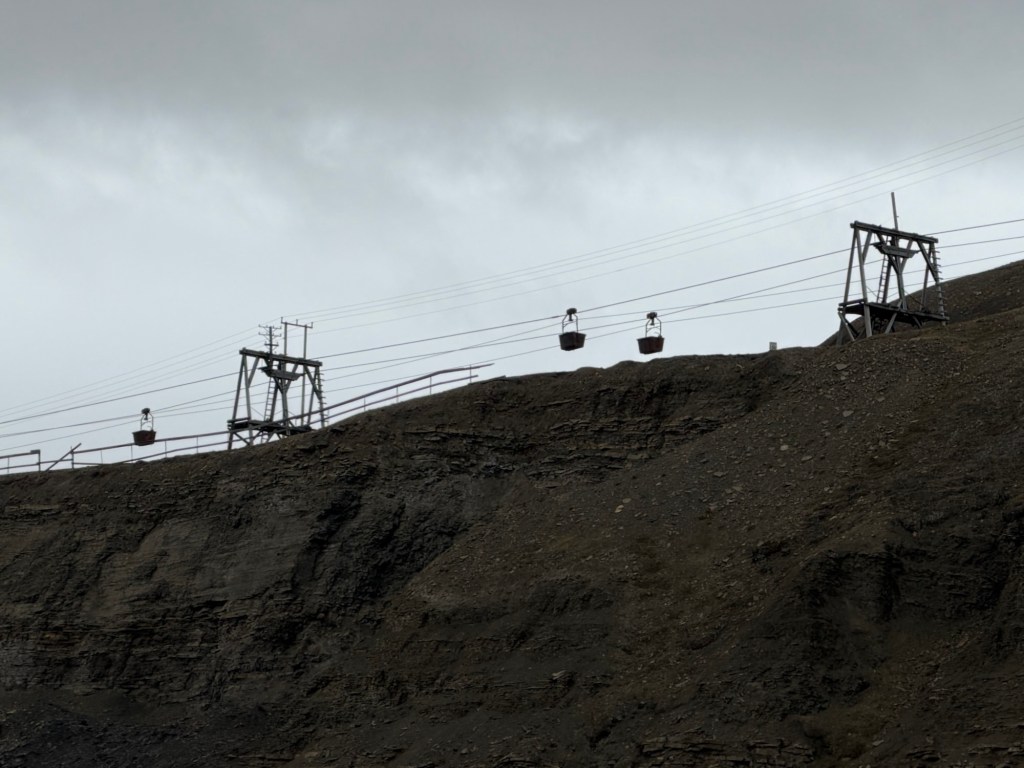
driver and guide, Runar, who drove us around the small town of Longyearbyen. We learned that the place is mostly a company town with nearly all of the houses and apartments owned by coal mining companies, even though the mines are now closed down and most of them are either abandoned or lived in by people who work in the tourist industry. We also saw a cemetery used only from 1903 to 1920. The permafrost prohibits normal burials and the deceased are taken to the mainland for burial.

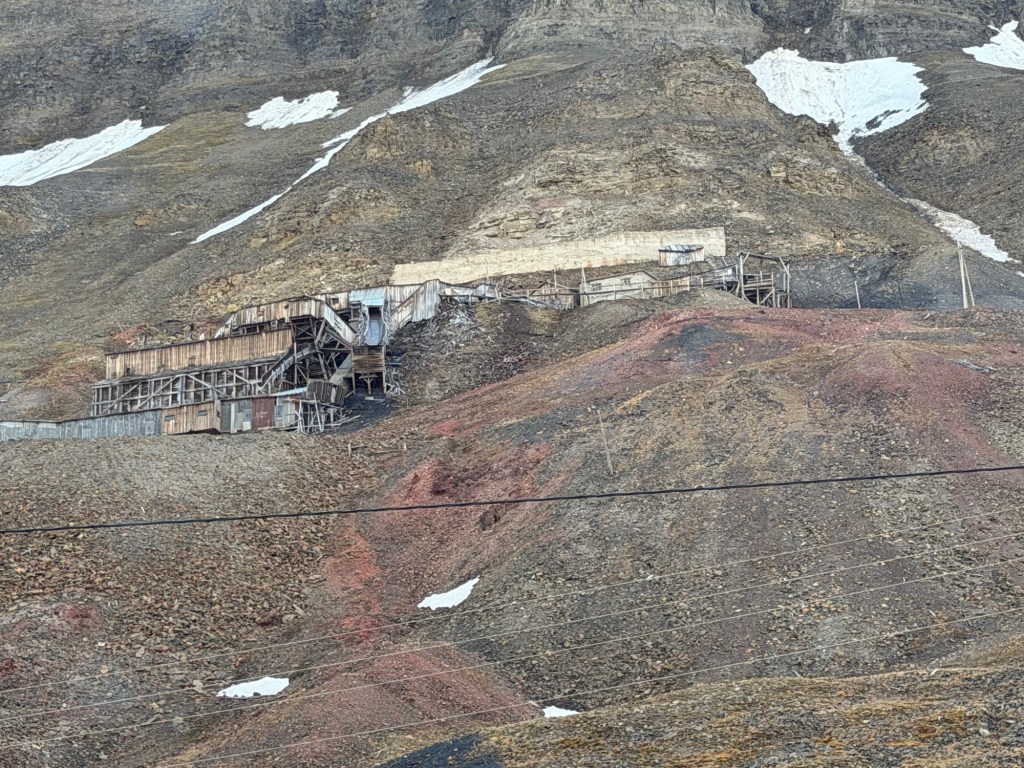
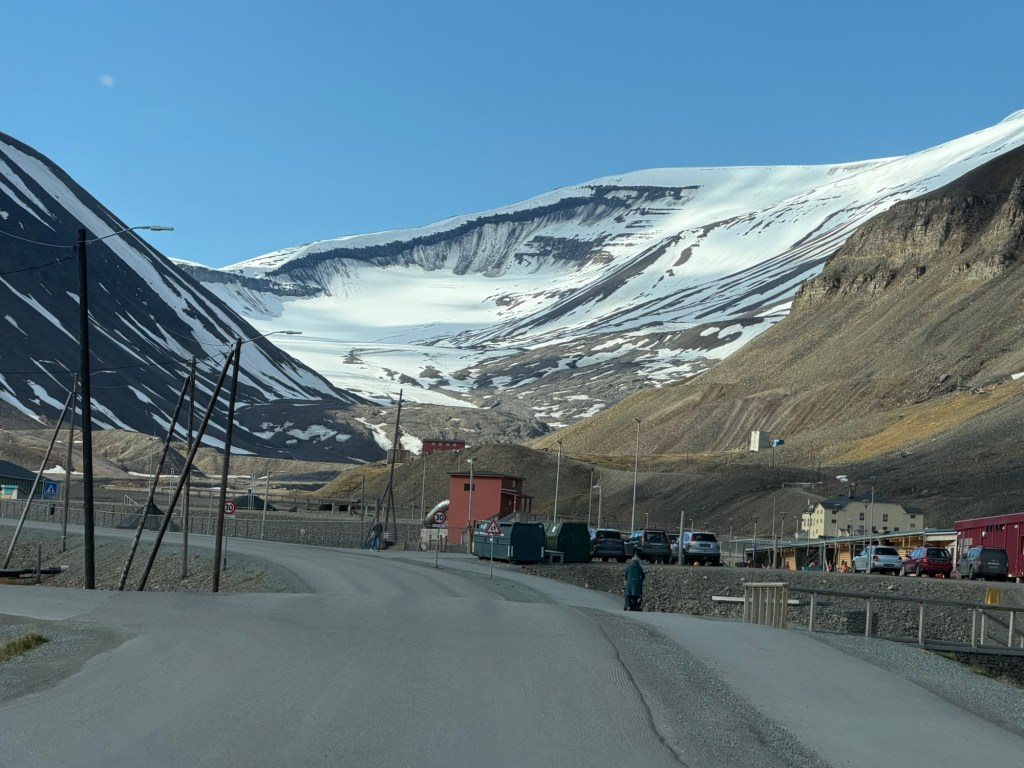
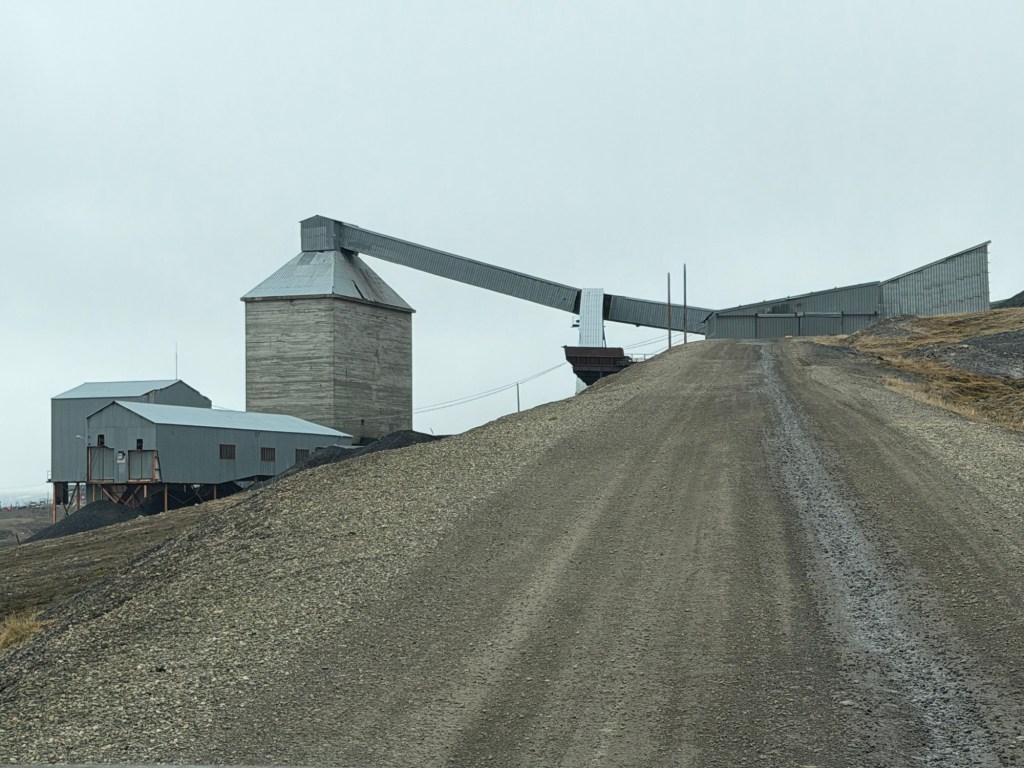
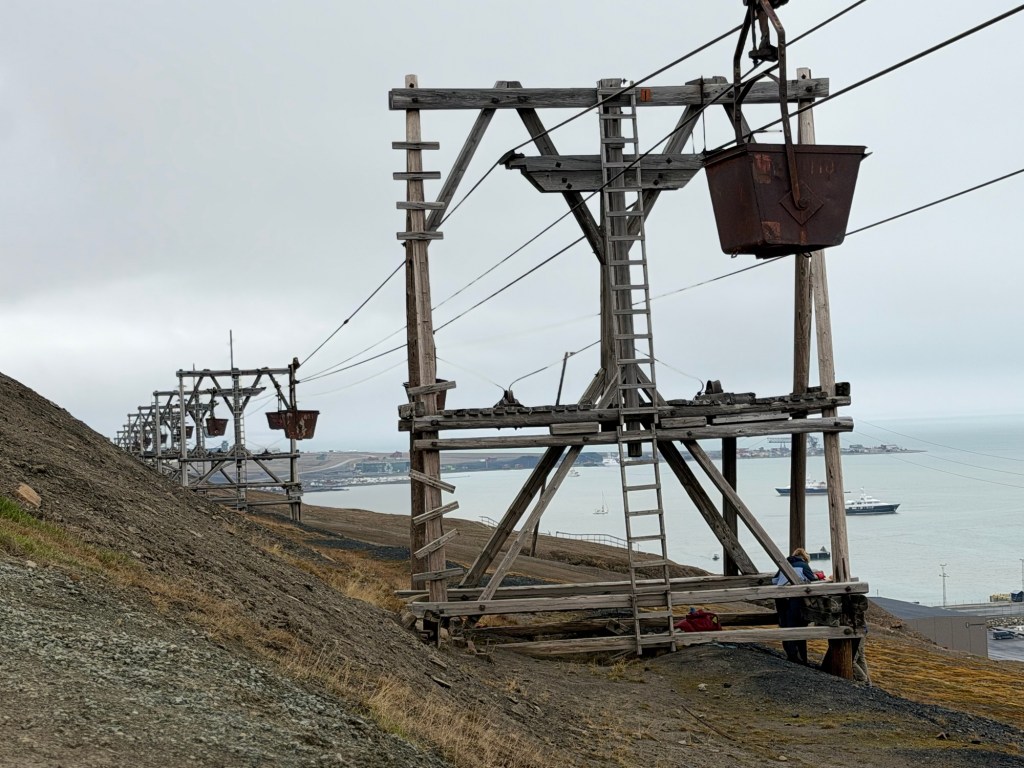
After driving everywhere there was a road, we went to the museum and spent a couple hours there. Most of the information was about the history of coal mining in Svalbard. There were 7 major mines that opened and operated in different periods. Most had been successful, but all are closed now and the current focus of Svalbard is research and tourism.


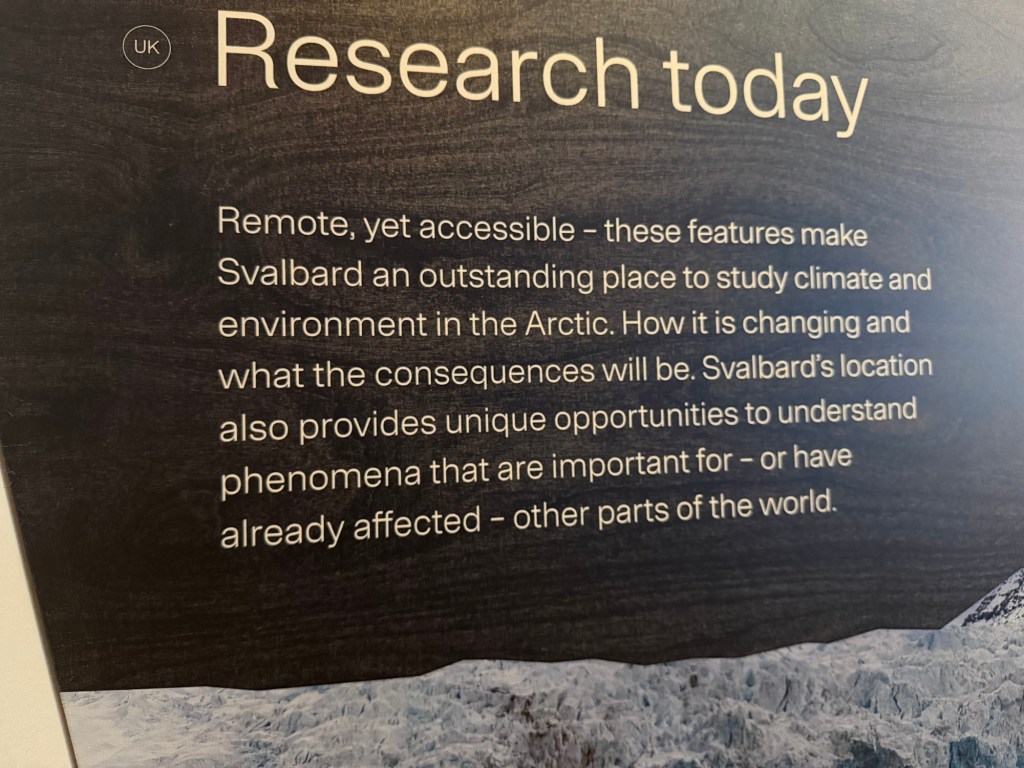
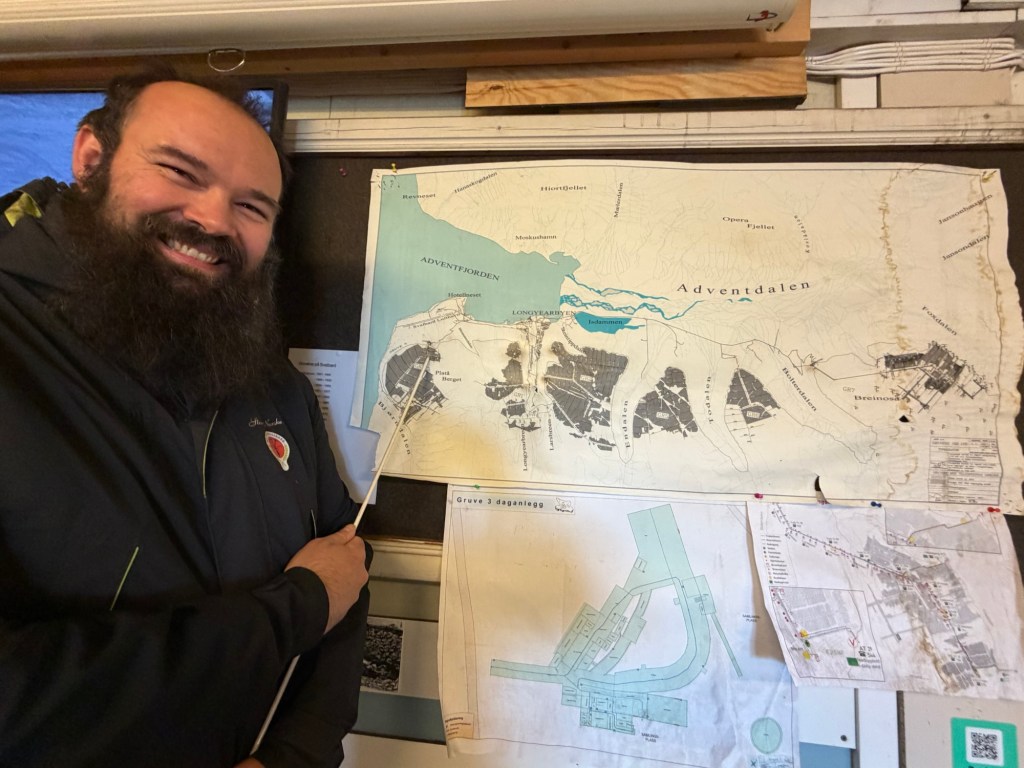
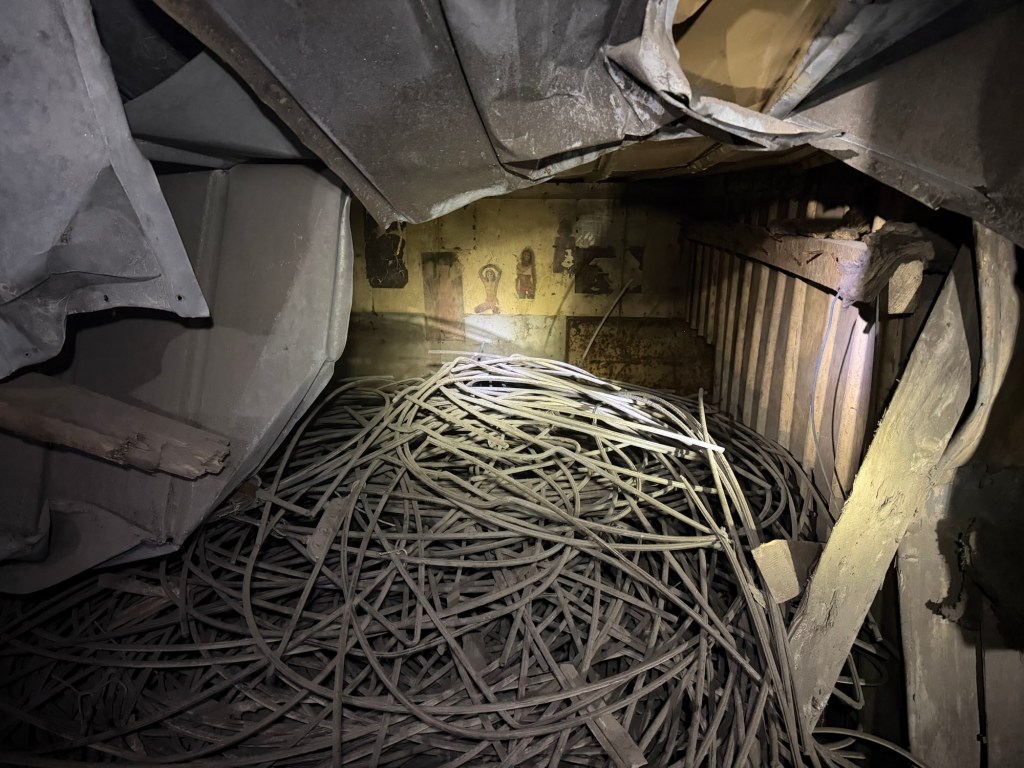
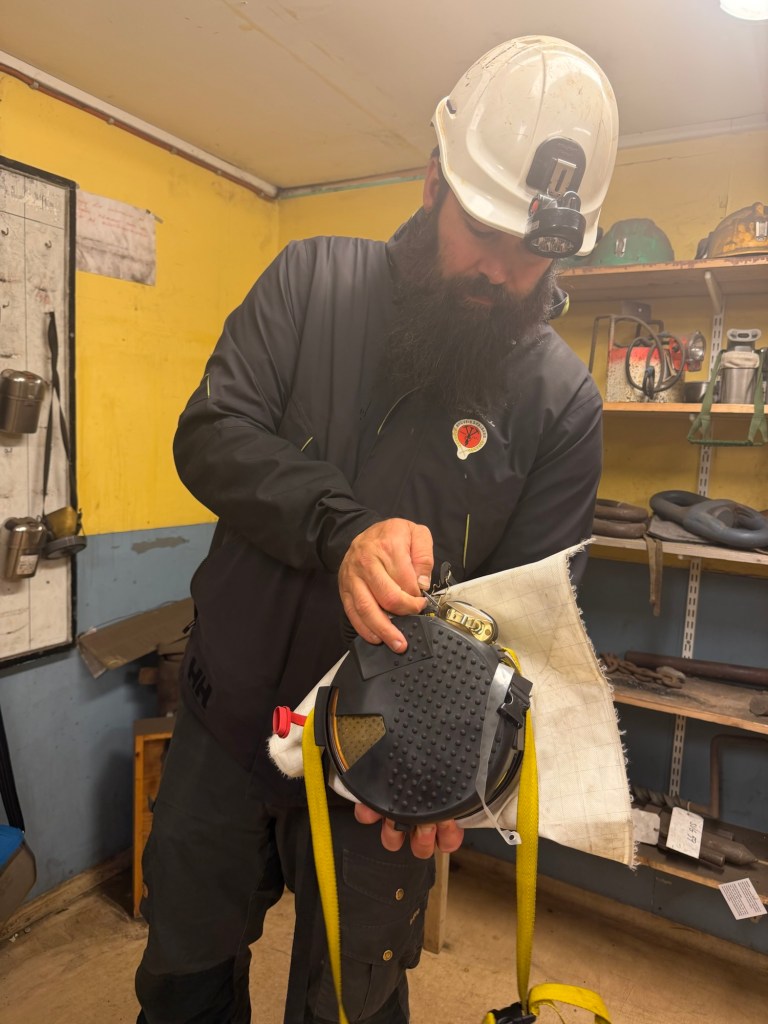
The museum gave us an in depth story, which was followed up by a tour of Mine #3. We went directly to the mine, where a knowledgeable mine guide, Anders, waited for us and talked away while we ate lunch in a mine meeting room. He gave us details about all 7 mines and their differences. He showed us a map of the mines and described #3 as that is the one we walked into. Then we put on coveralls to be warmer and started our walk.
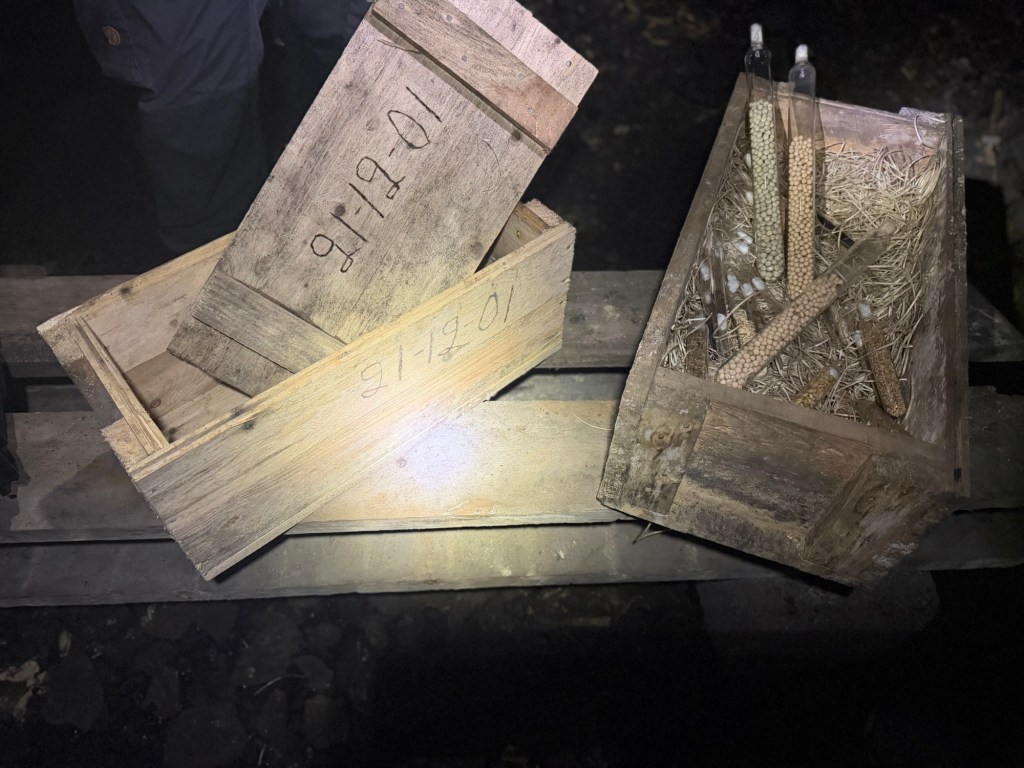
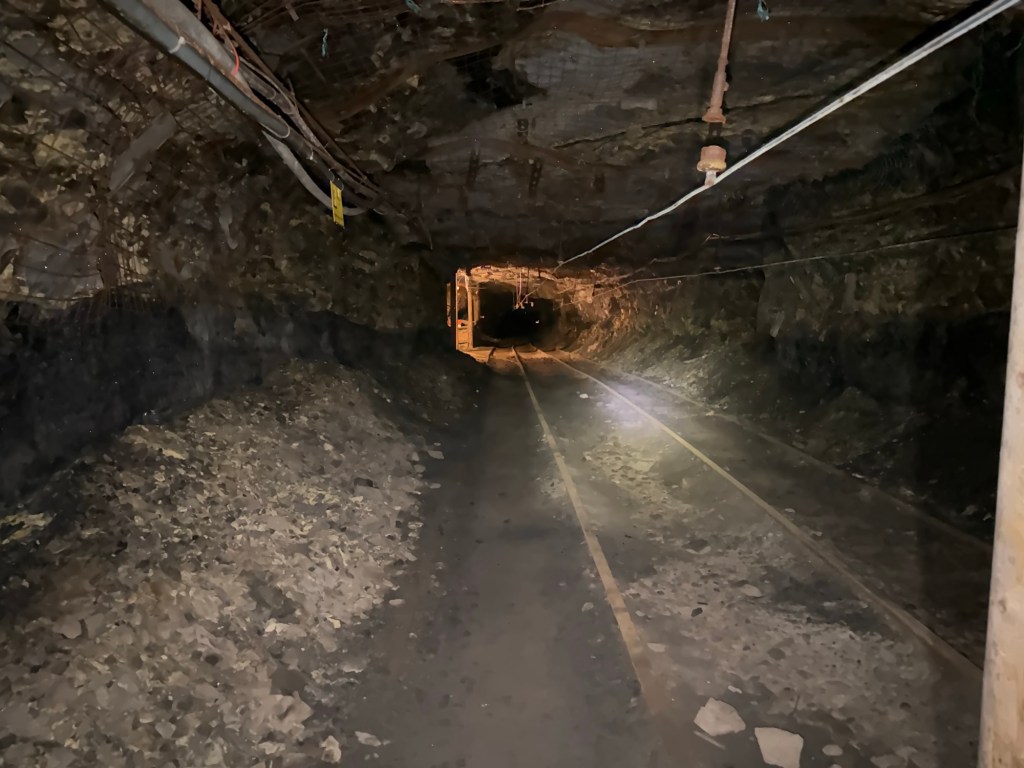
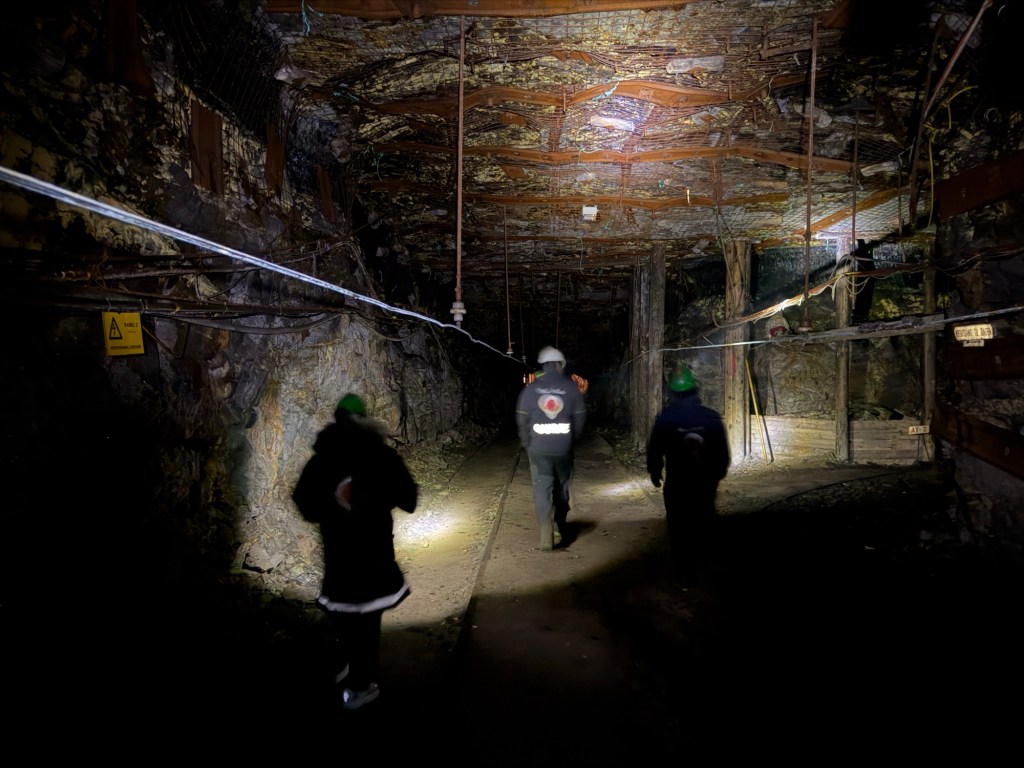
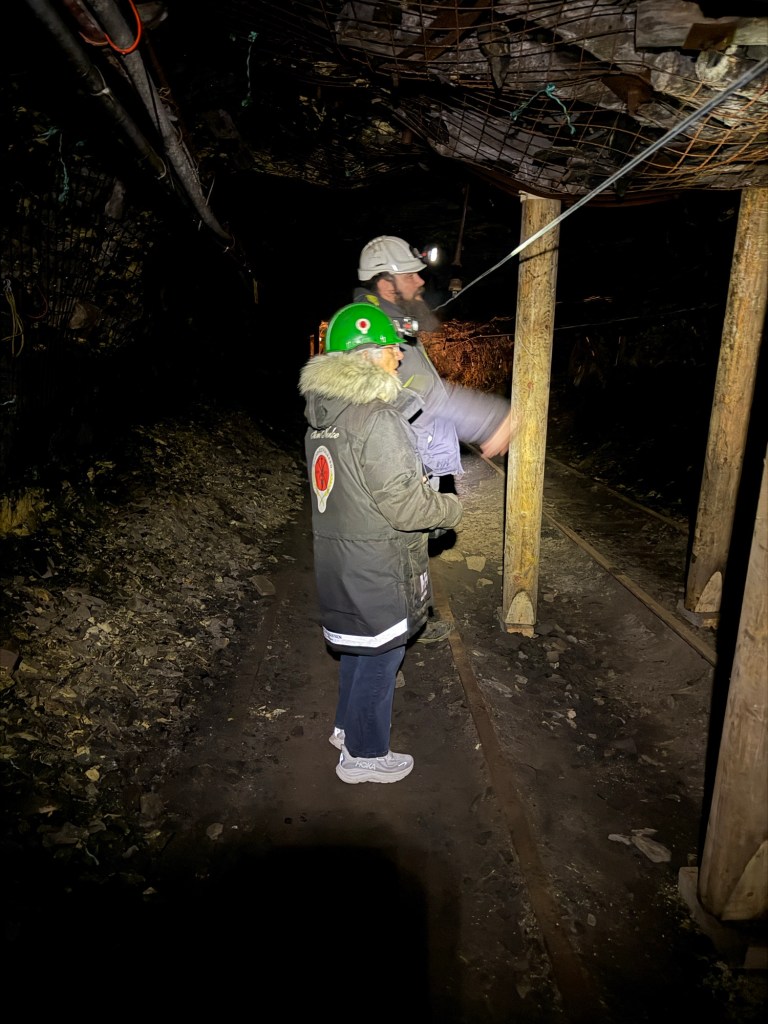
We visited a few of the coal mines,
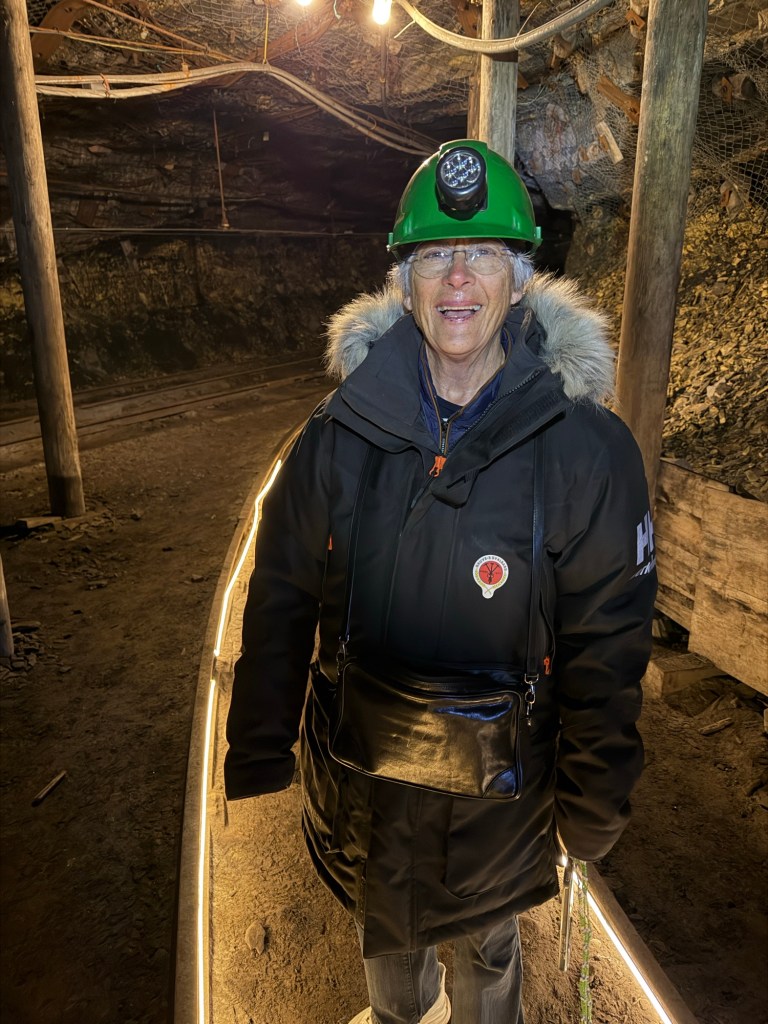
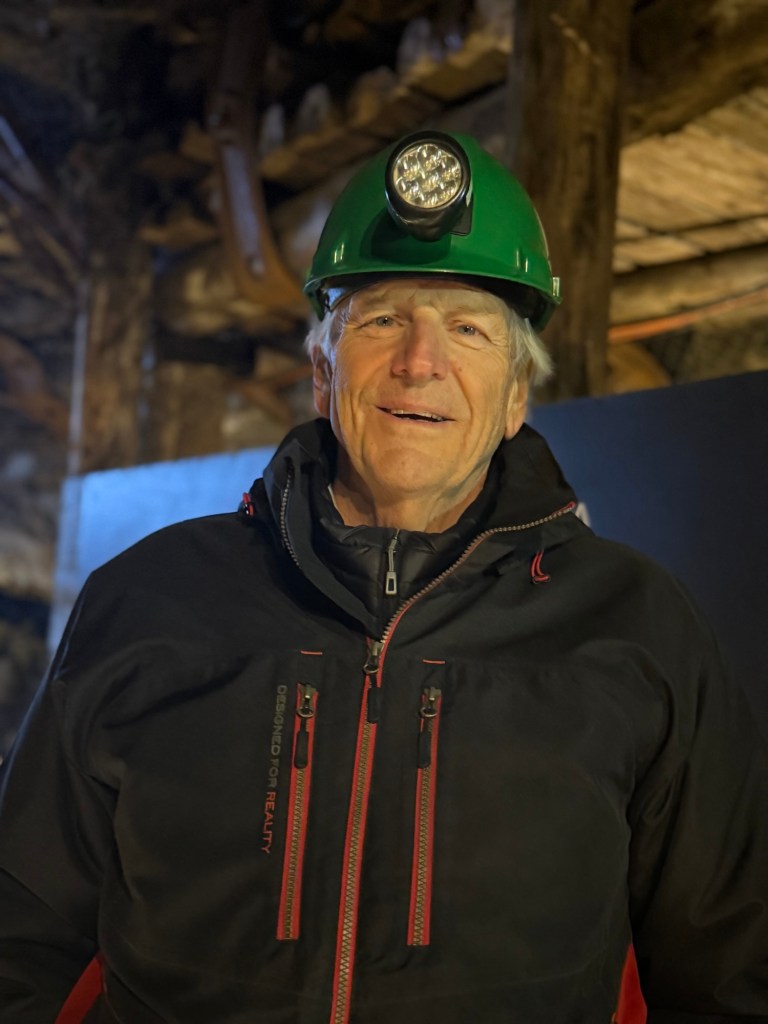
We walked about a kilometer in the mine. Anders told us to stop, had us turn off our head lights and stand silently in the dark. It was the blackest time I have ever spent. Literally could not see my hand in front of my eyes. And the silence would have been deafening if I didn’t have tinnitus. Mark said the same problem. With our lamps on, we saw thick and thin coal seams that looked like jelly in between layers of sponge cake. We were in the mine about an hour and were freezing by the time we came out. It was an interesting tour and Anders kept us listening and asking questions. There are 4-5 grades of coal. The air is full of highly flammable coal dust. The tunnels are subject to caving in and the work is hard. The men are mostly on their knees in one meter high passages, digging and blasting and shoveling out coal. Just the tour was enough exposure for us. Fortunately the town is small and the hotel is close. We were home by 4ish.
It was a long day and we still had a 4-course dinner waiting for us at 7pm.
The restaurant is called Gruvelagret. We are having a hard time with nearly all Norwegian words and this one is no exception. The place was rustic, but clean and well prepared for fine dining. The four courses included 2 I have pictured here.
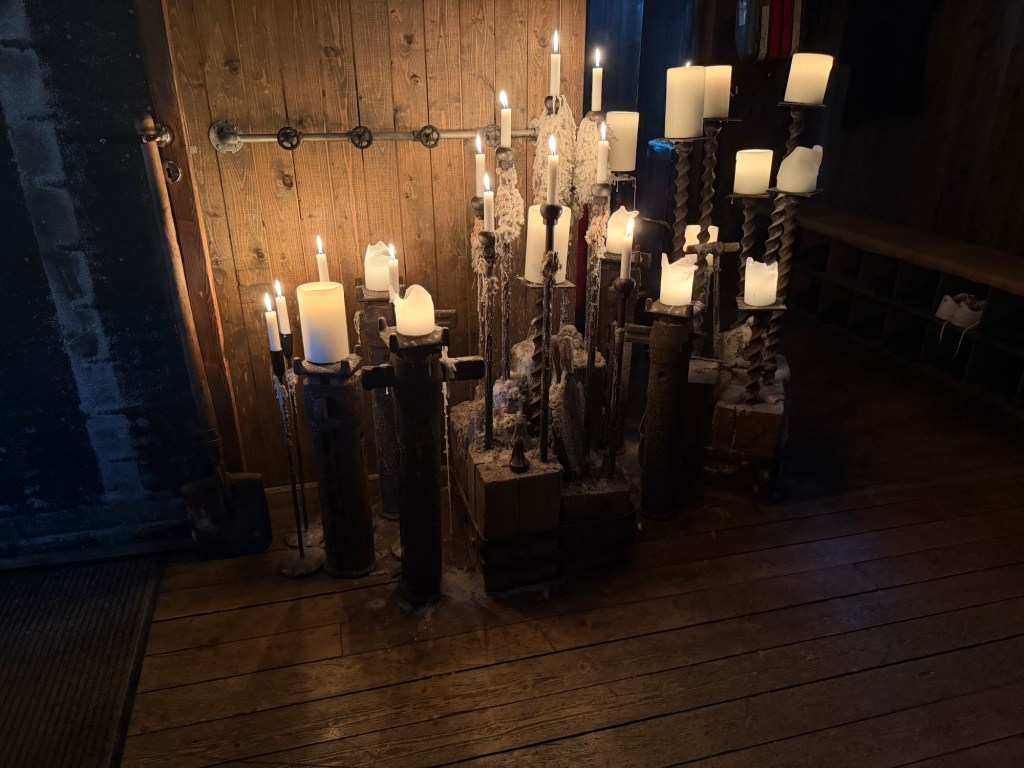

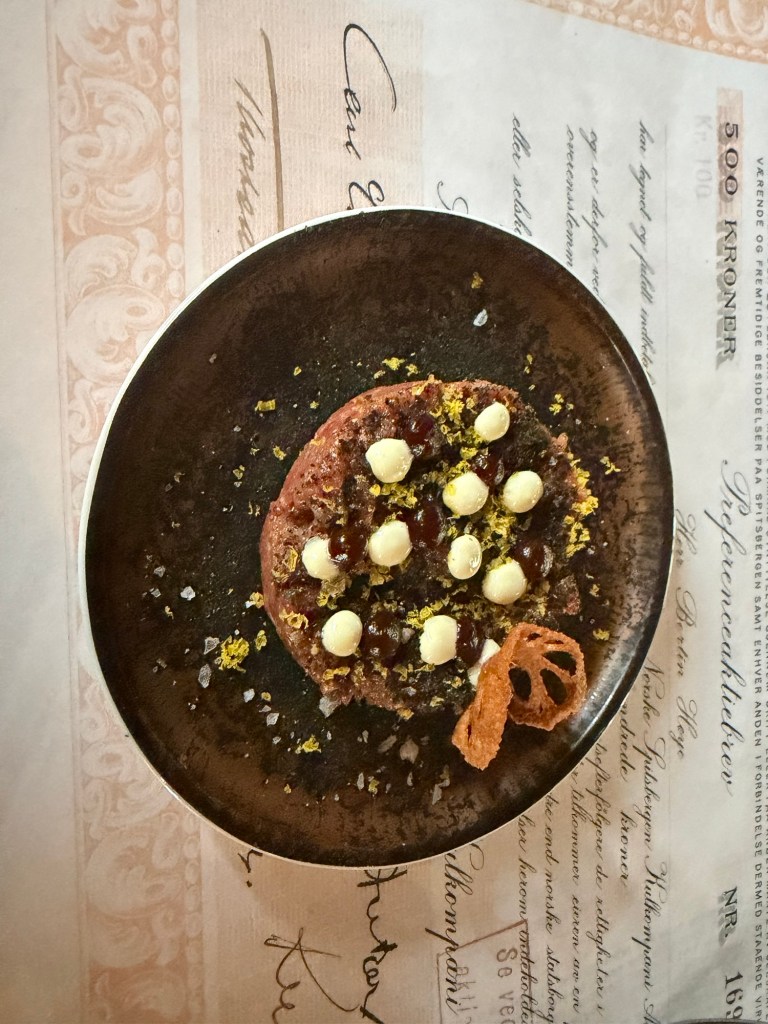

Thankfully the 4th course was a light dessert. We managed to leave at 9:30 and wasted no time going to bed even in the daylight.
Wednesday, June 10, 2026
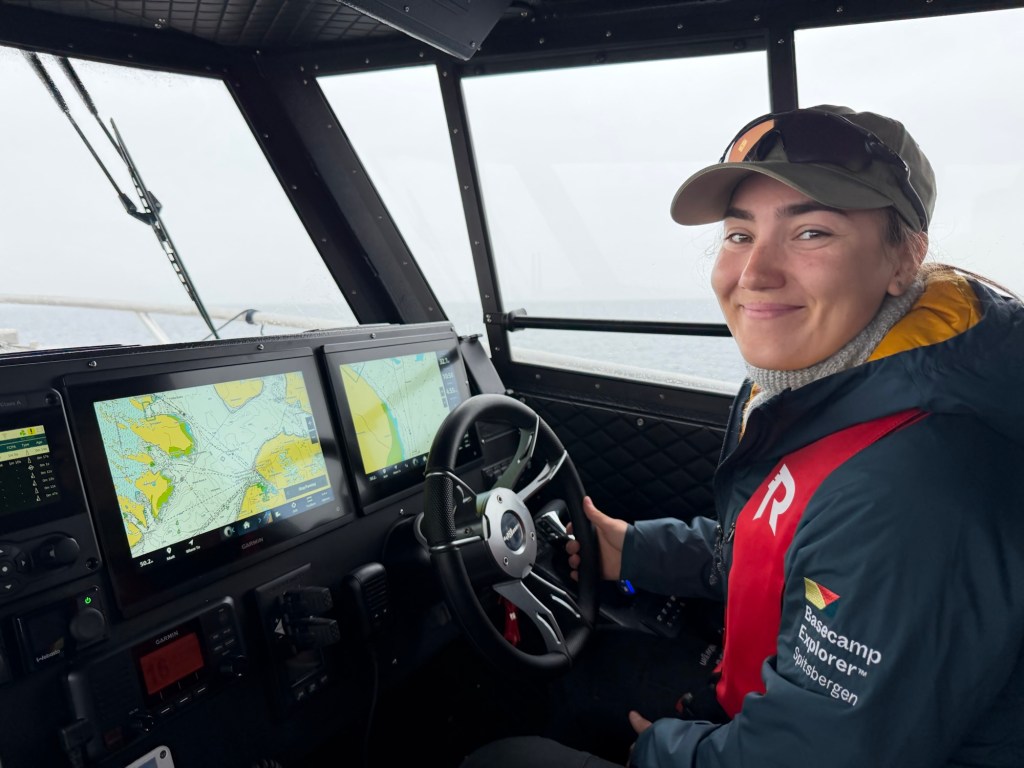
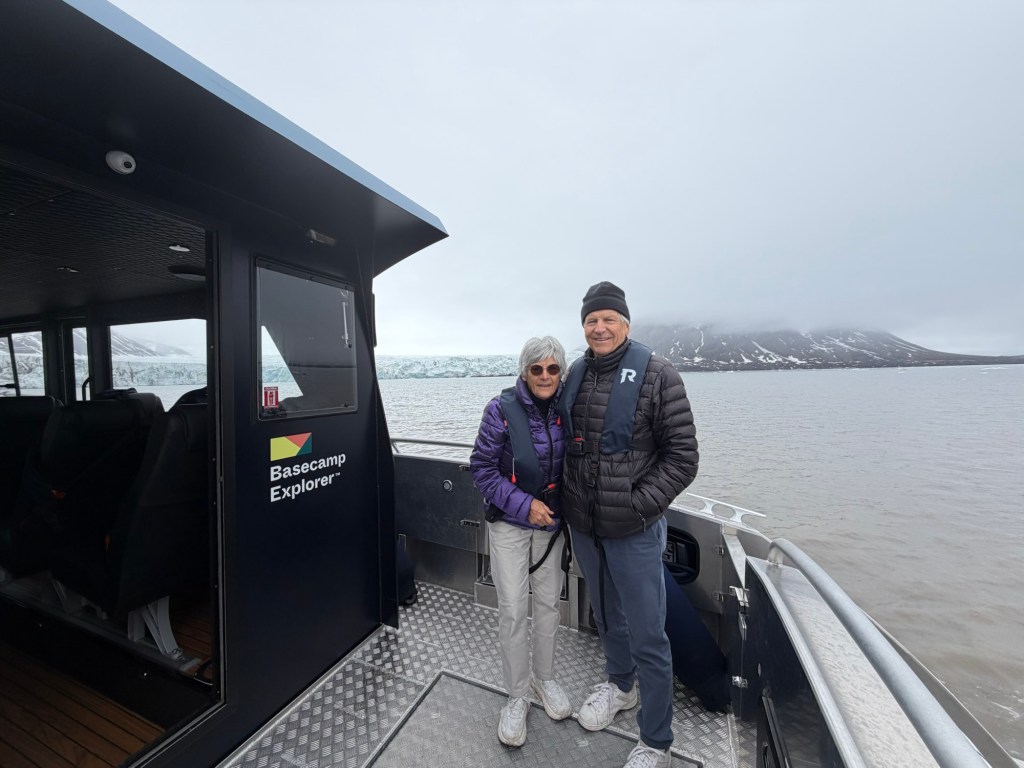
This was our day to take a boat ride. Runar, our guide, picked us up at 10 and off we went to the port to meet captain Johanne, who met us at the boat, Nordaust (Northeast). It is aluminum, 13 meters long, has 2 outboard engines with 900 horsepower and will hold about a dozen people. We and Runar are the only passengers for the day. Soon we are off to sea, heading north to a few glaciers in the Icelandic Sea. The passage north was uneventful. The sea was calm, the sky was overcast and the air was calm.
Along the way I learned some things about life in Svalbard in general and Longyearbyen in particular. There are several local restrictions: No shoes are allowed in public places, no cats allowed on the island, no births or deaths are allowed, no littering or off roading, and must carry a gun when leaving the city limits to protect from polar bears.
There are practical reason for all these restrictions. Shoes leave dirt, cats eat birds, there are no services to handle emergencies, cars tear up the landscape, there is no protection against bears when people leave town. As we were leaving town to head for the glaciers, Runar carried a gun. People do take the restrictions seriously. We have been taking off our shoes everywhere we go. No one lets you forget. On the boat however, we did not remove our shoes. That helped to keep our feet warmer. It was still a cold day.
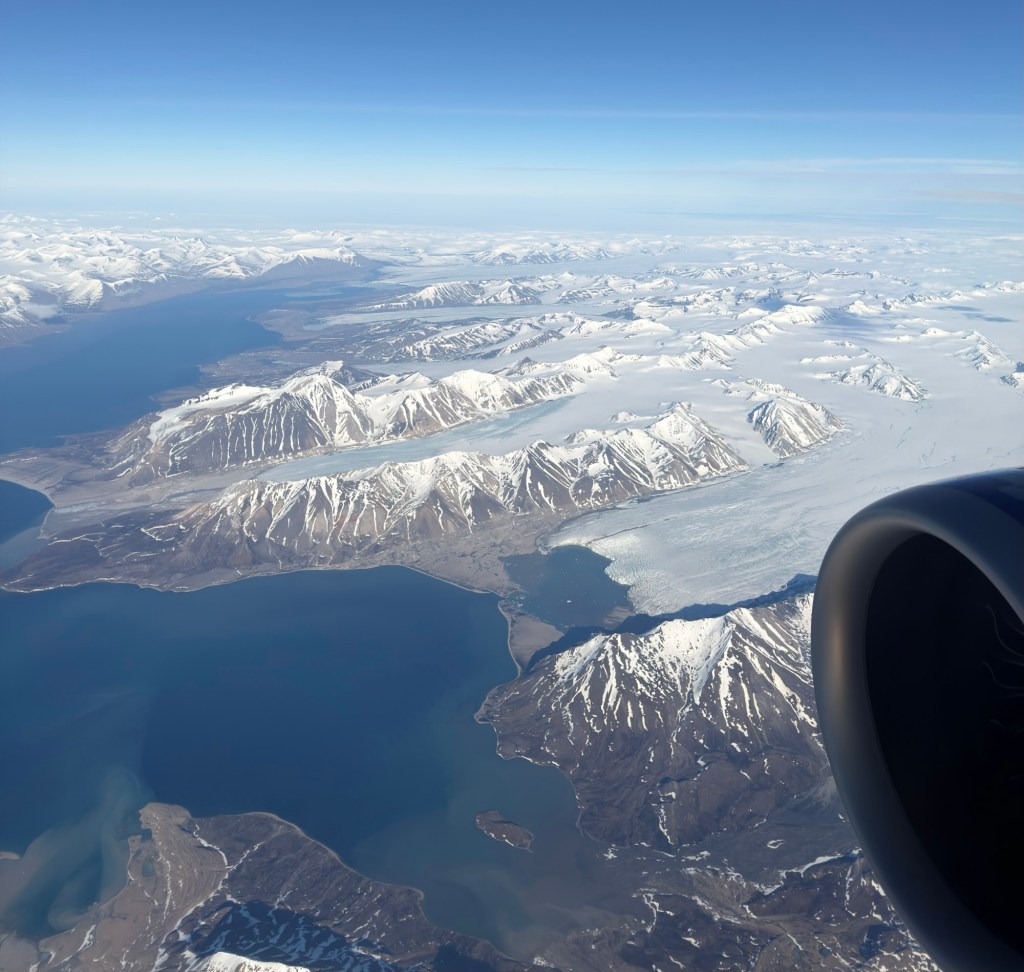
The glaciers are very much in retreat. In some places you can see the ground where there had been ice.


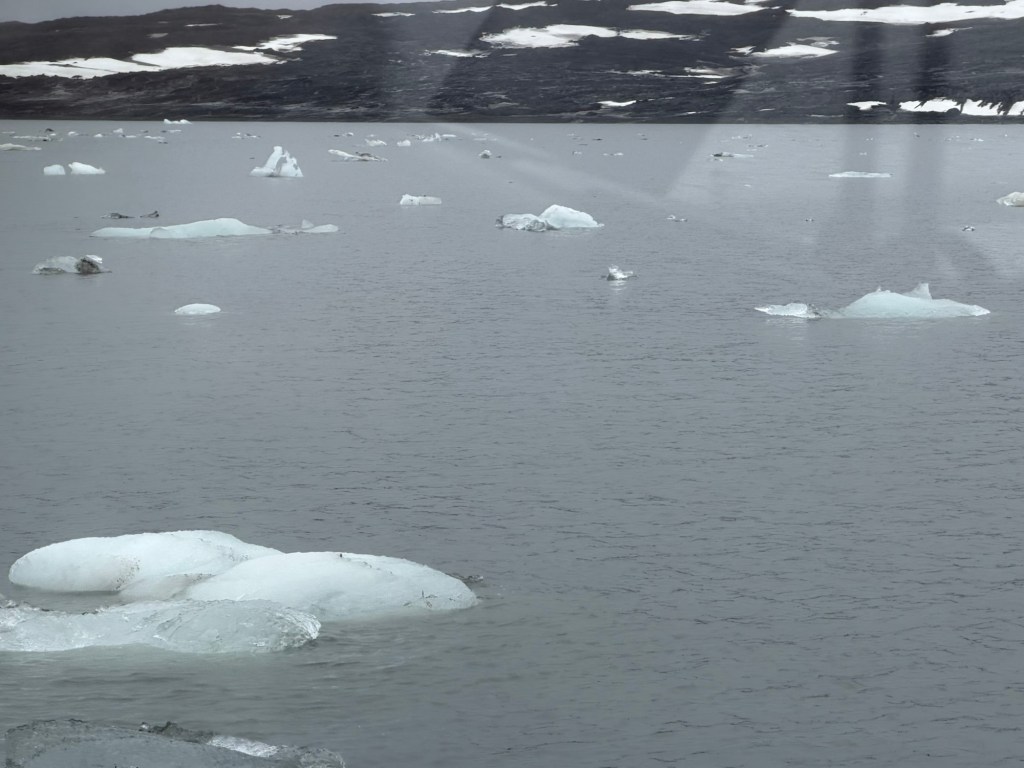
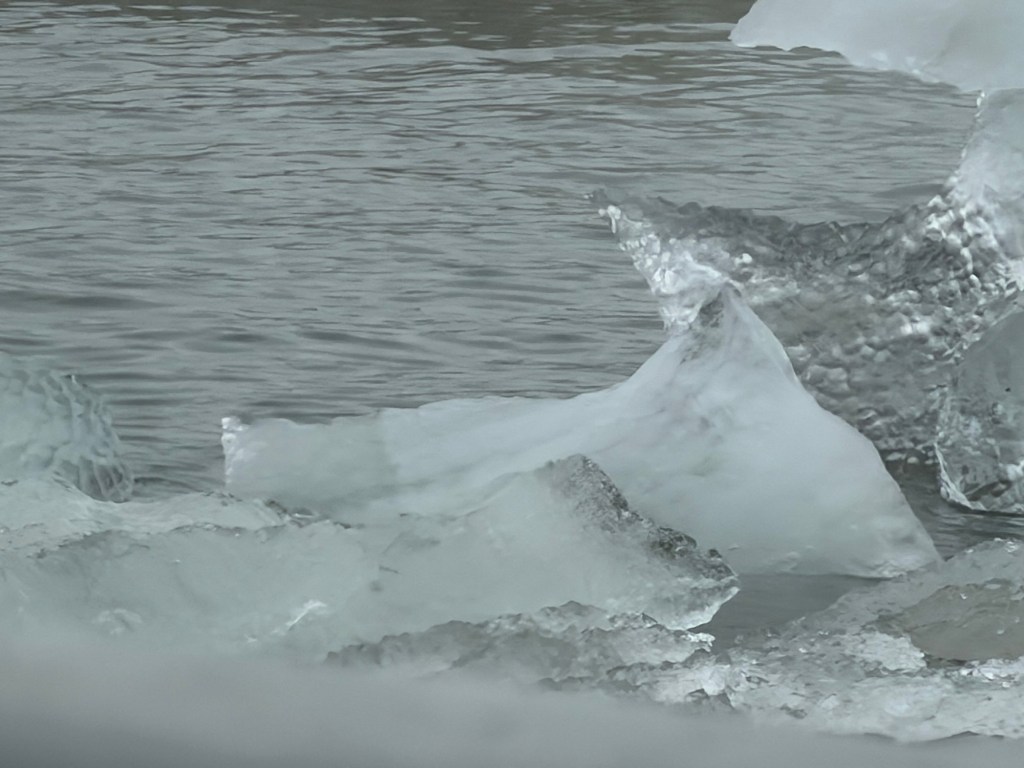
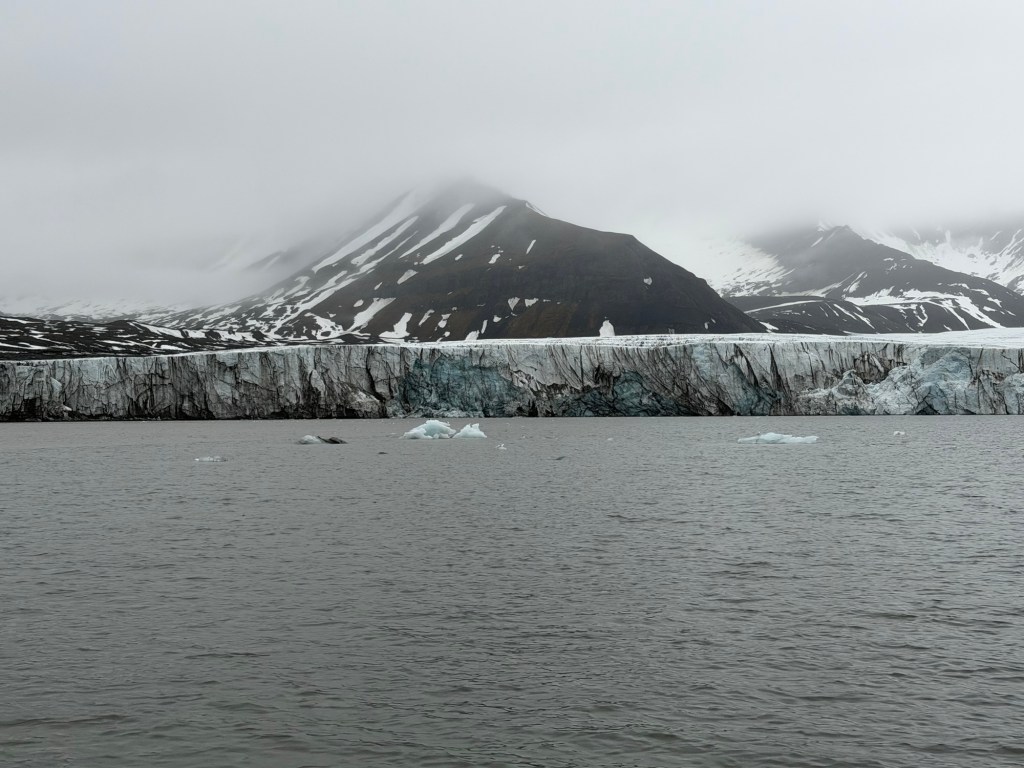

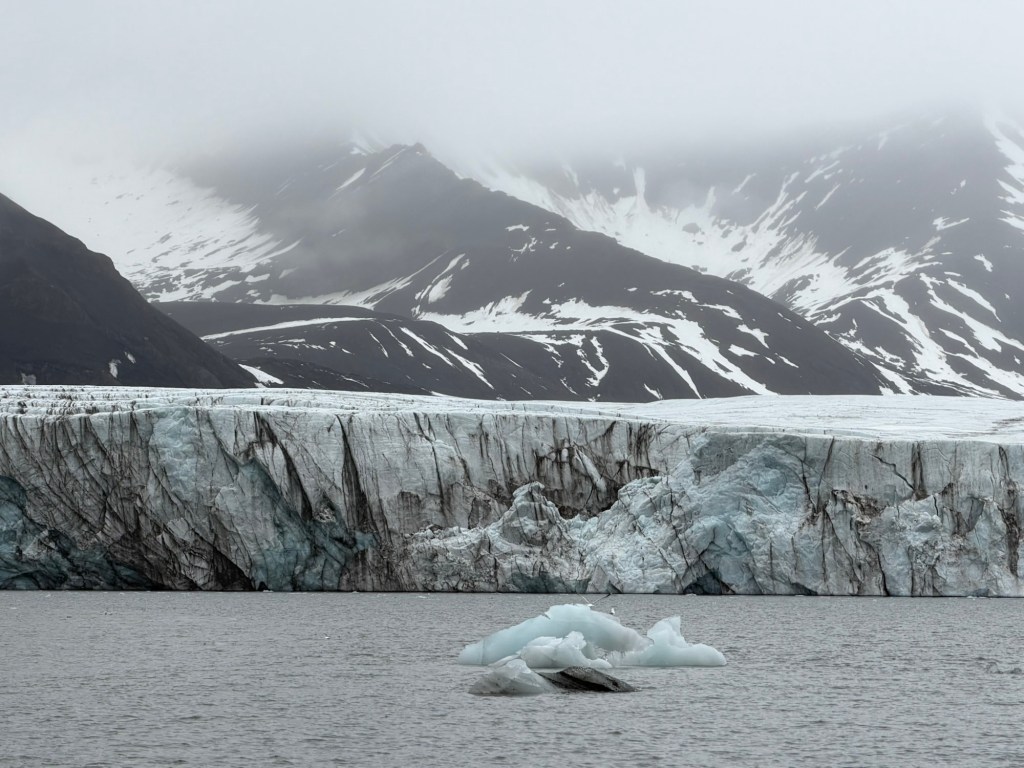
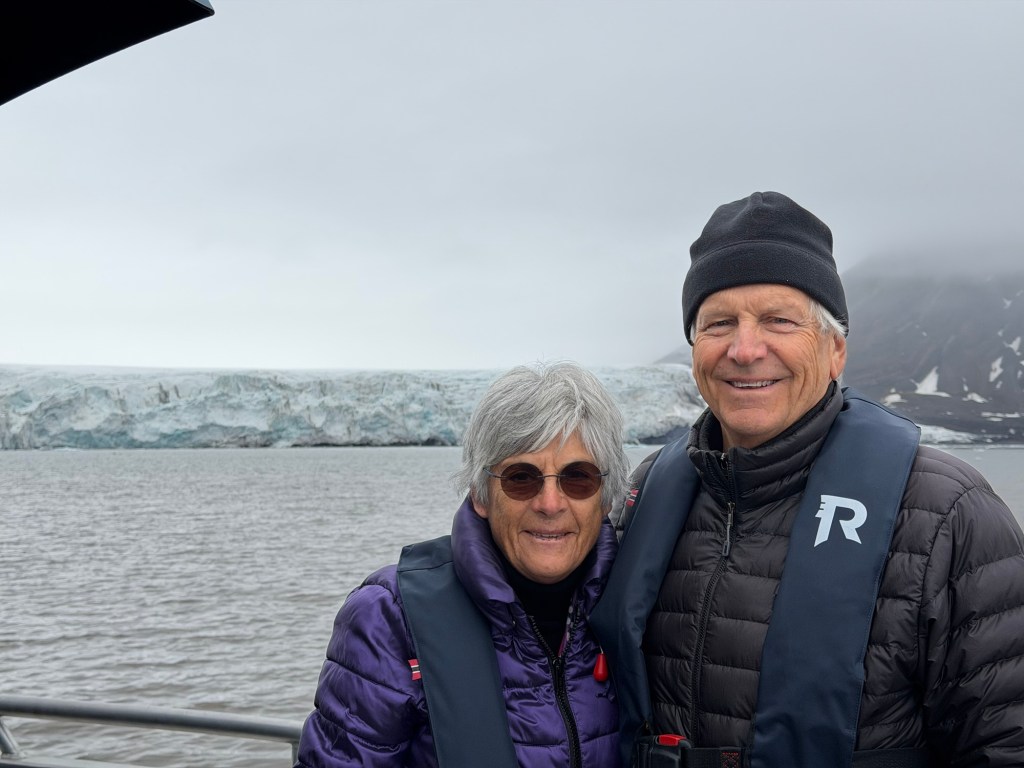
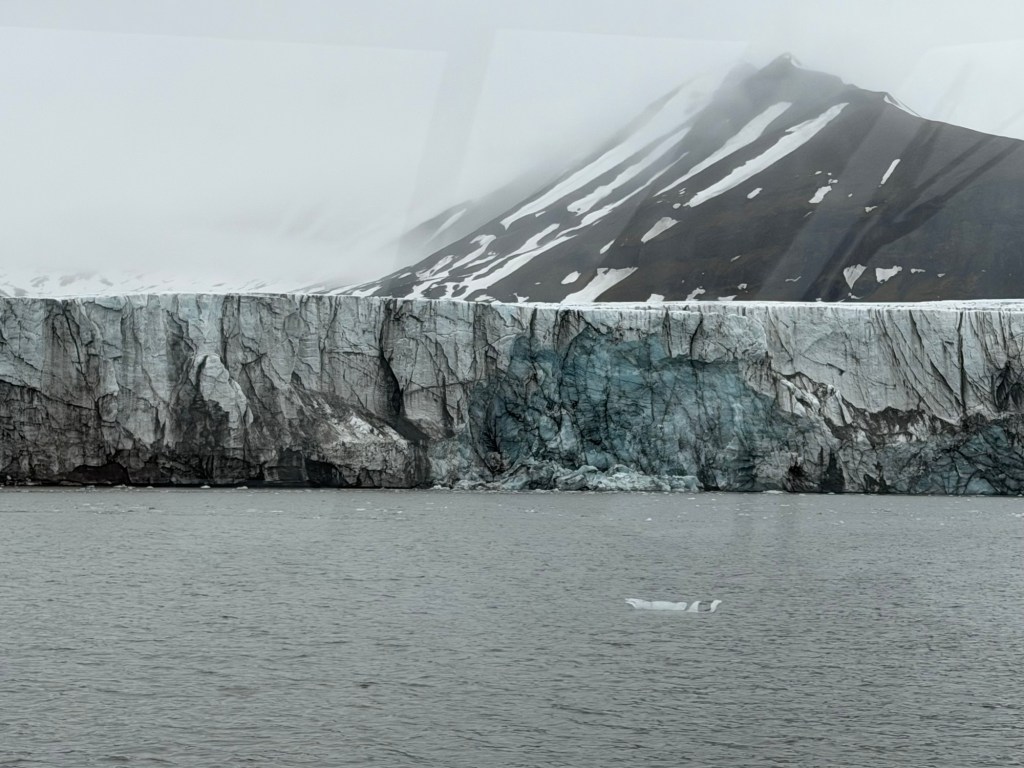
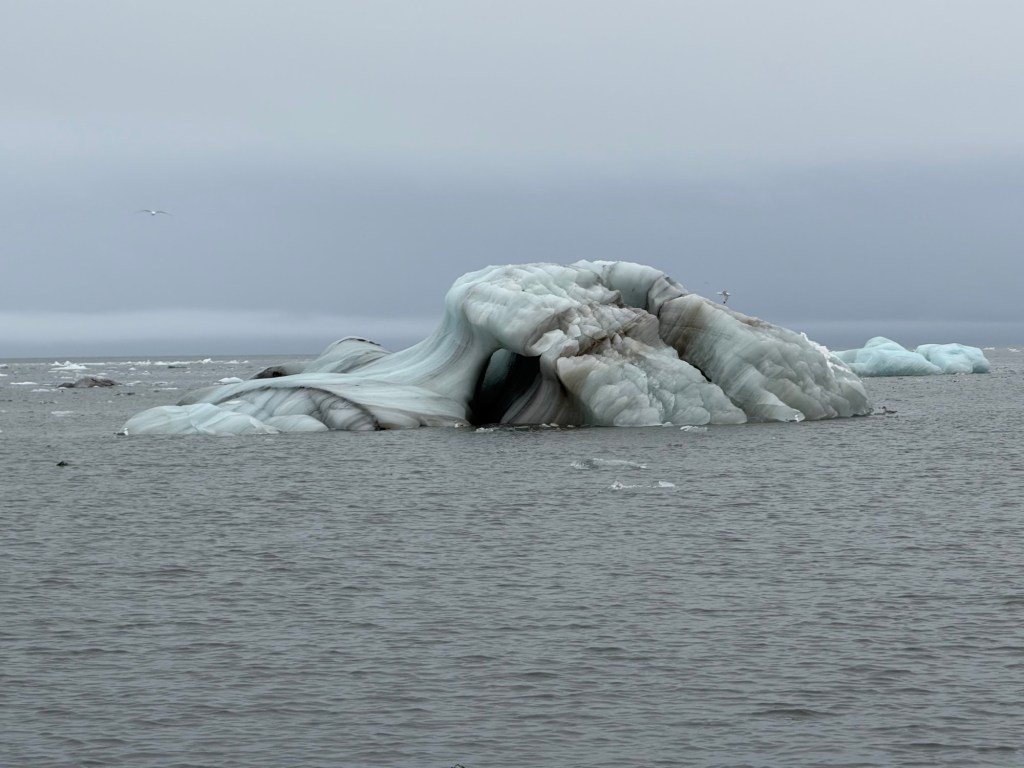

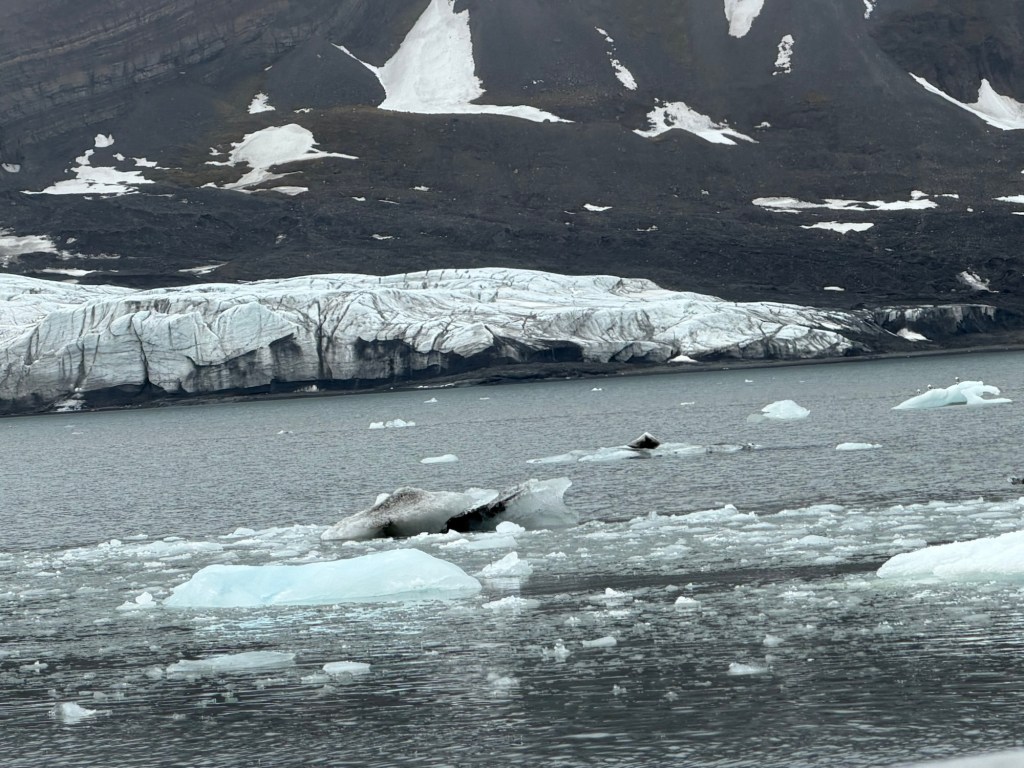

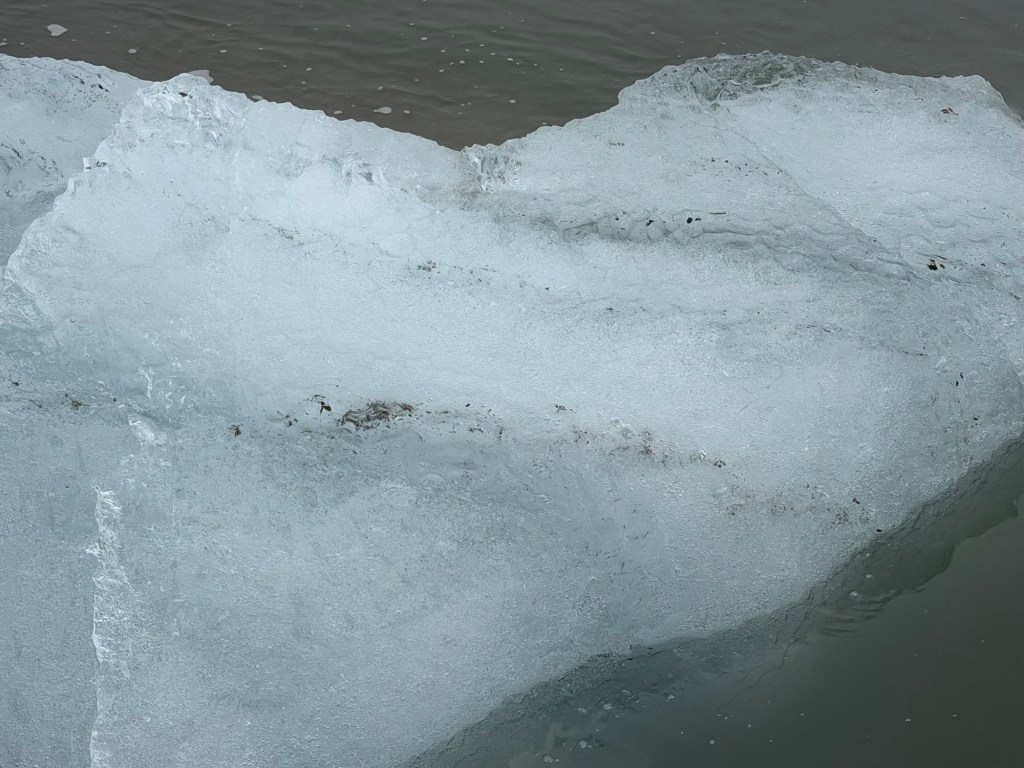
We came pretty close to the first glacier we approached, called Wahlenbergbreen or Wahlenberg glacier. We bobbed around in the calm water for quite awhile and got several photos. We experienced the sound of ice popping as a result of ice melting in the sea water. It was a unique sound that held my attention. The birds we saw included arctic terns, kittiwakes and black legged northern fulmar, a bird that was new to me.
Then we motored to another glacier that looked pretty much the same as the first one except it was enclosed by solid ice flows and the fog had rolled in. We could not get close. We did see a large bearded seal crest the surface several times.
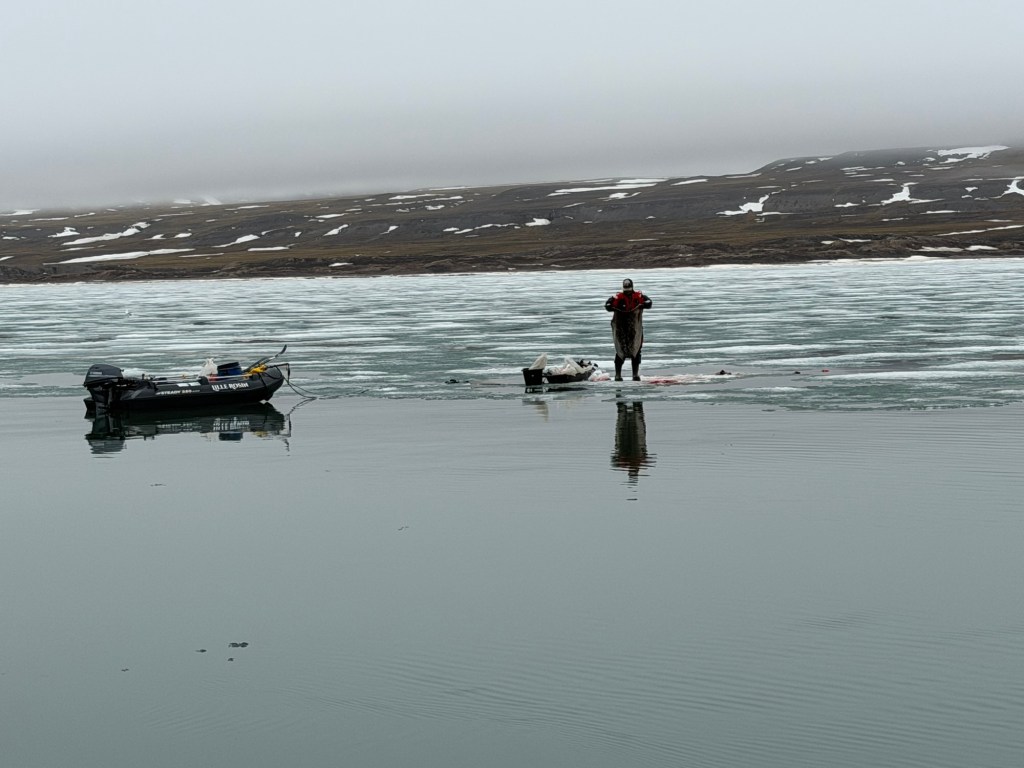

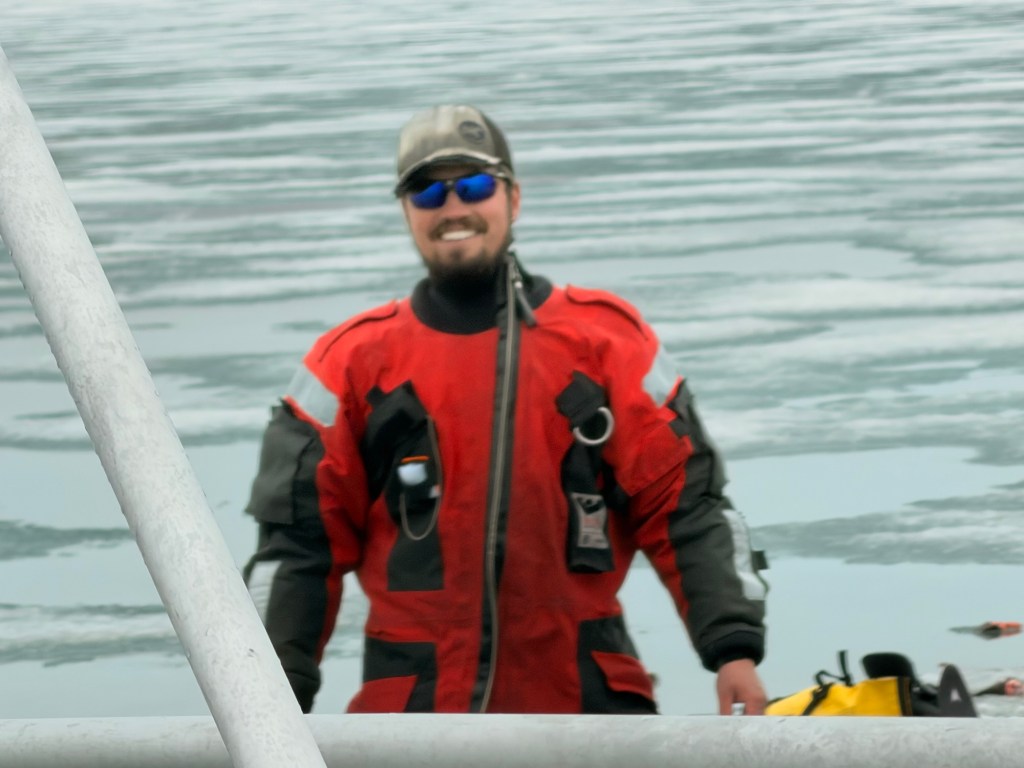
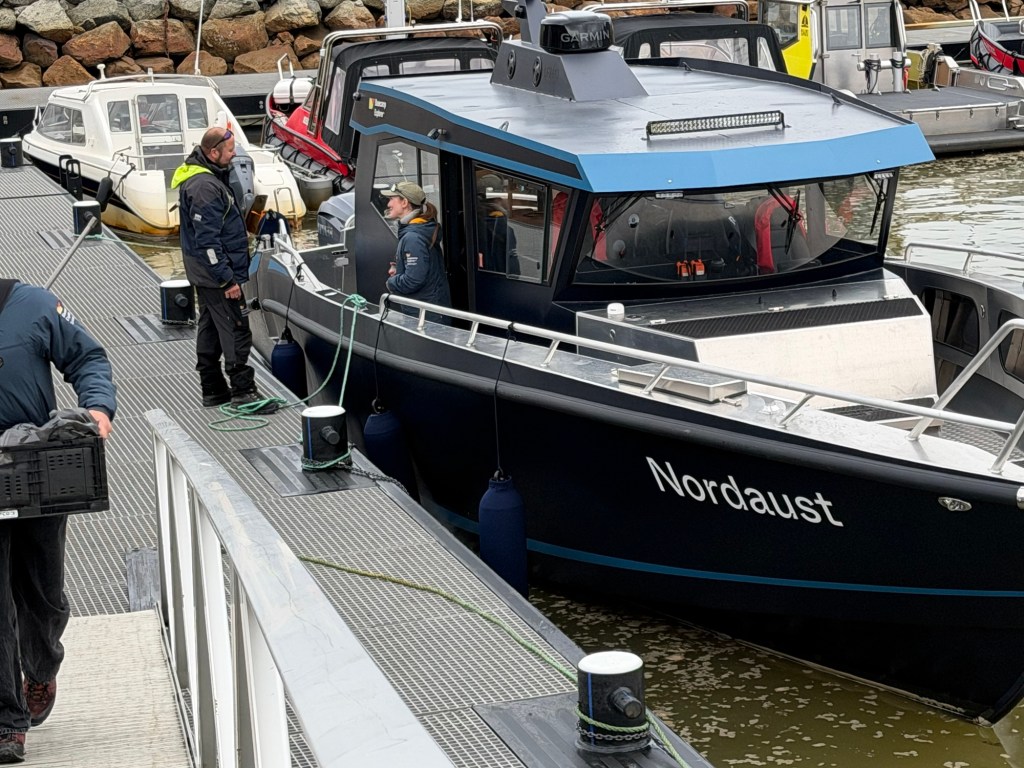
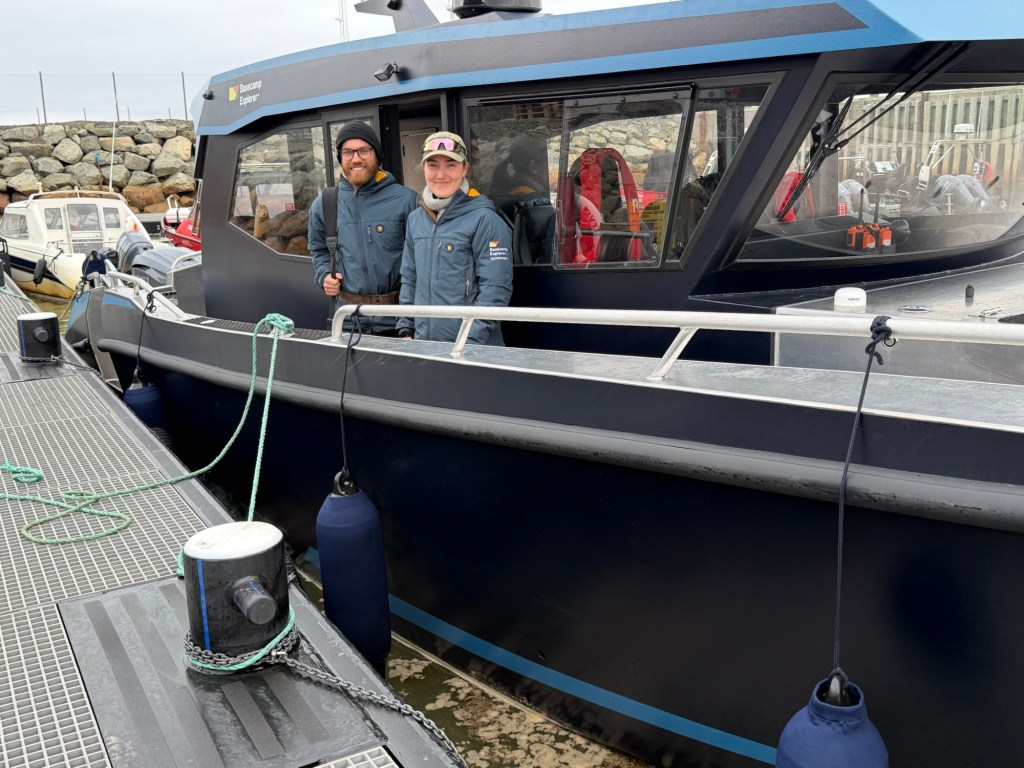
Then we encountered a man skinning a seal and found out Runar and Johanne both knew him, so we stopped and took a few photos.
Johanne, like other Norwegian’s we talked to, had been in Svalbard a few years and planned to stay a few more before going south to warmer climates. What they liked about Svalbard was: the many sports available, especially in winter, the small population, friendly people, good paying jobs and relatively low taxes. People we met were from all over the globe, especially European countries.
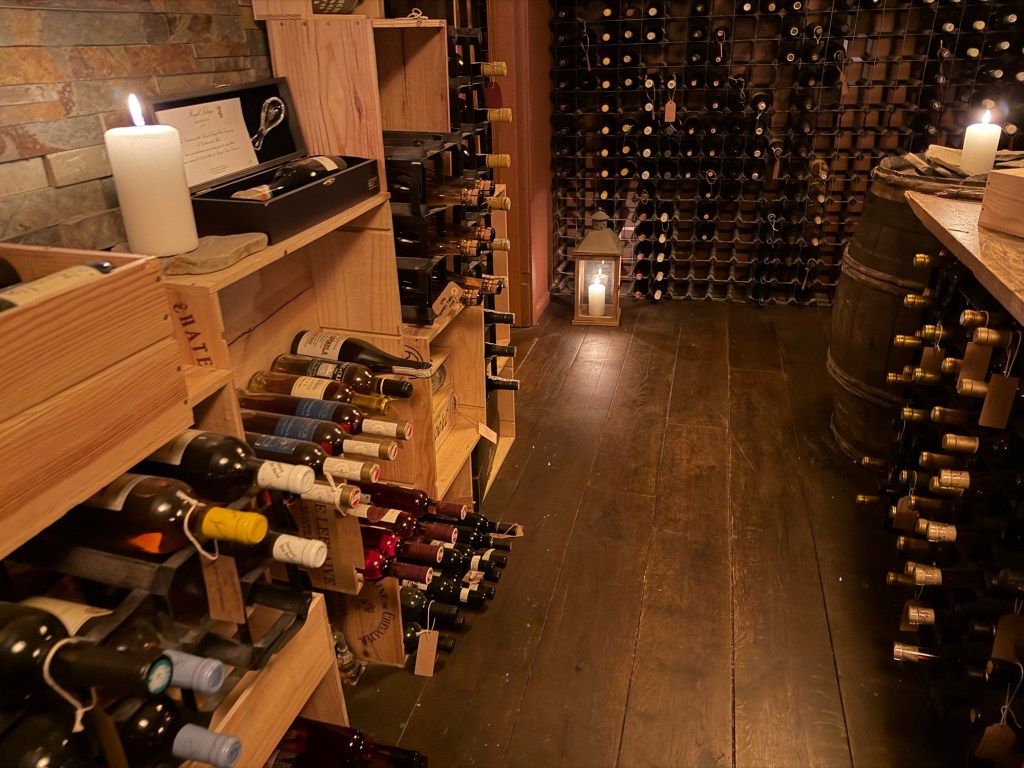
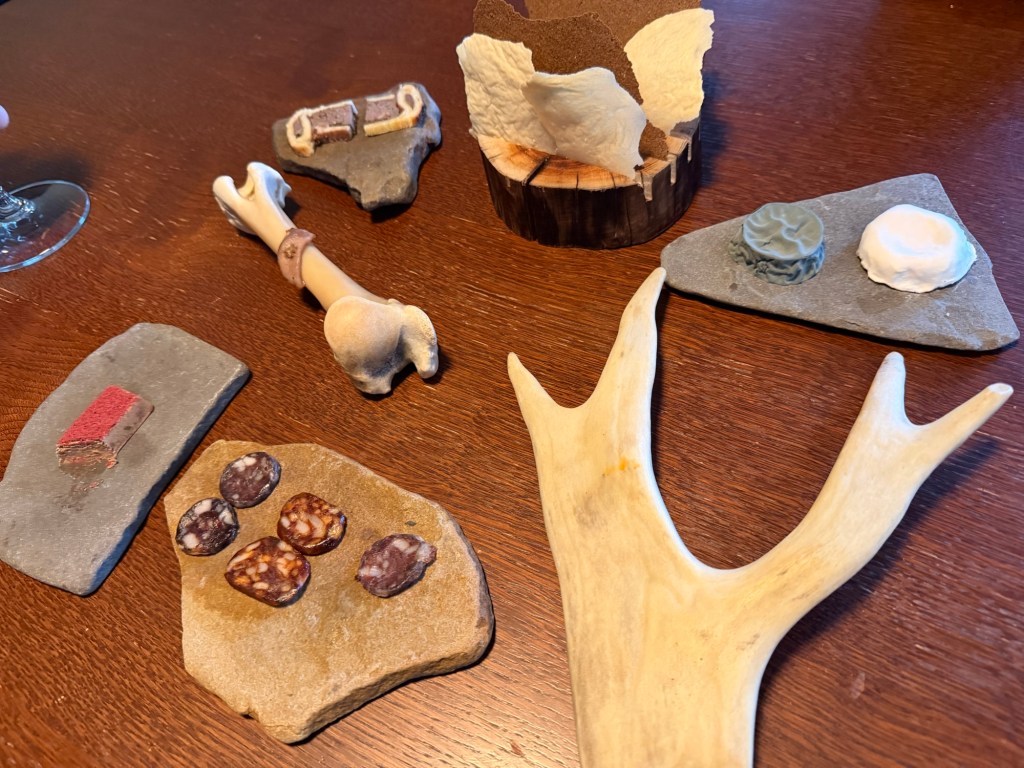
Here are some of the courses we consumed:

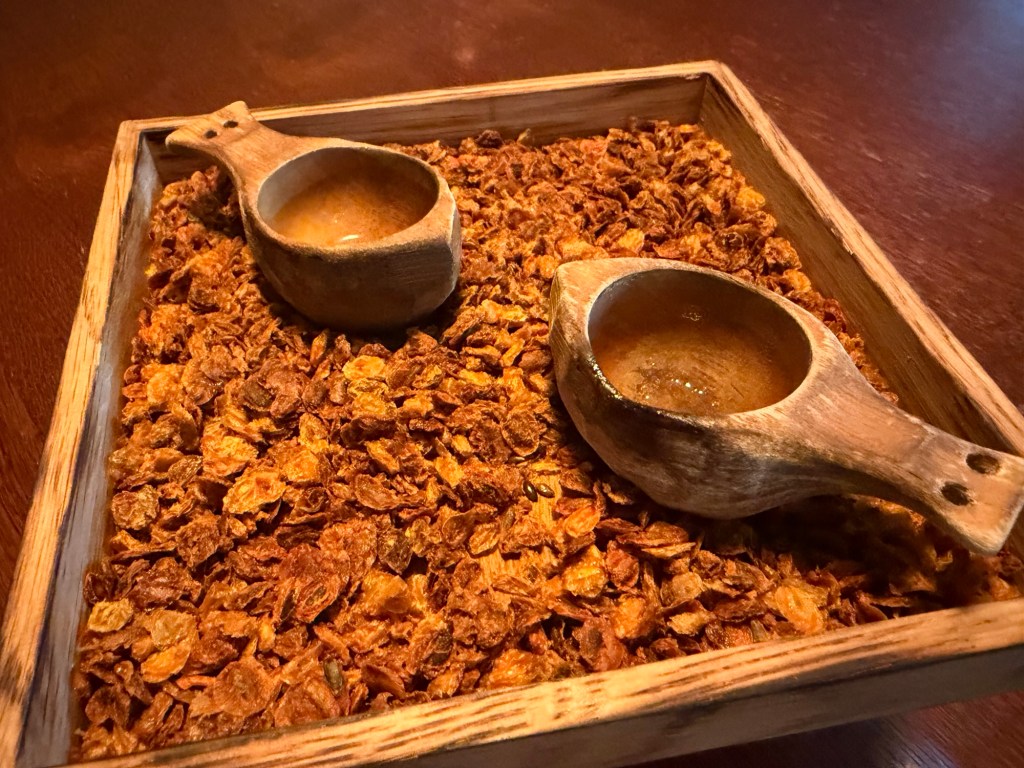
Kombucha
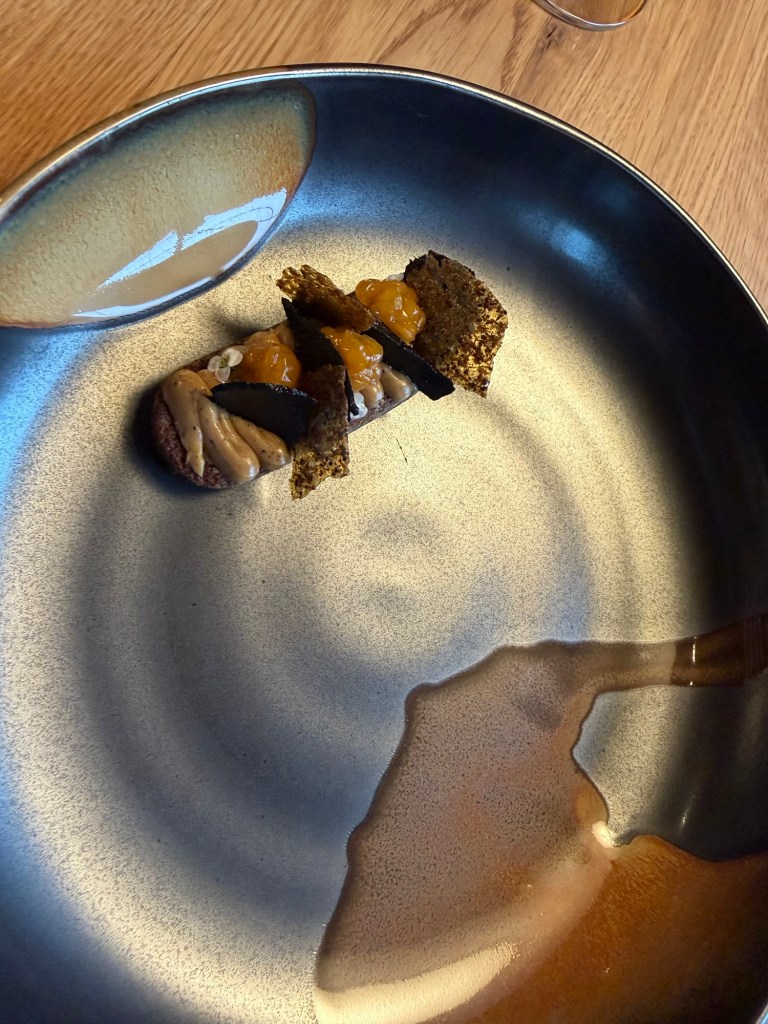
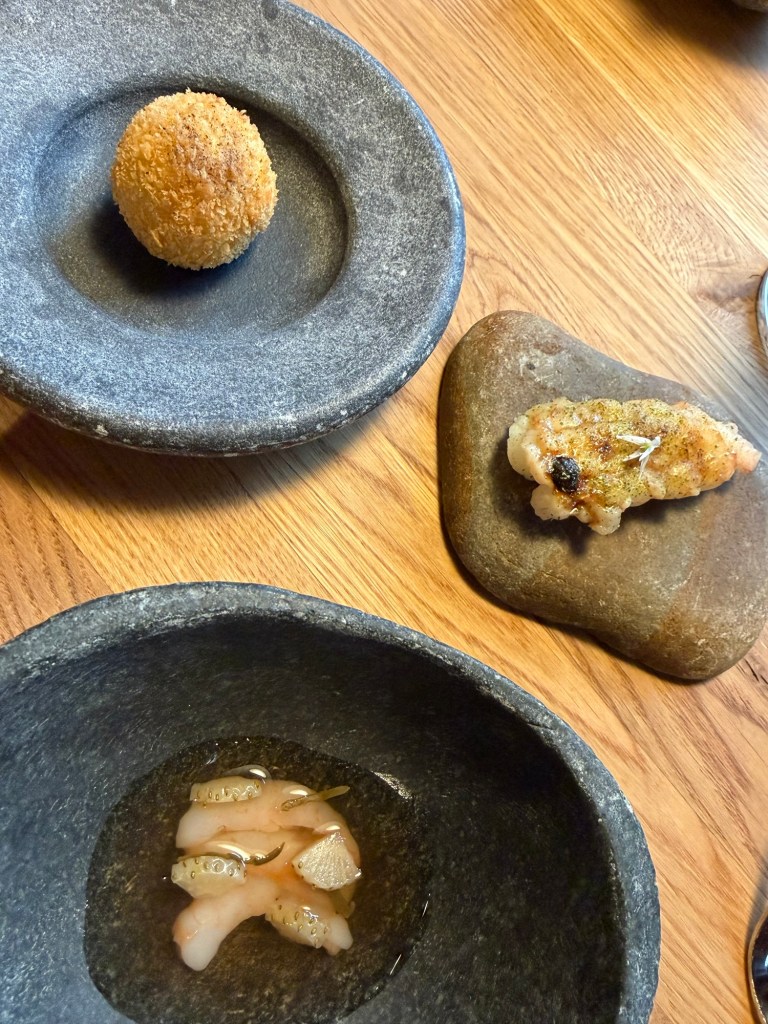
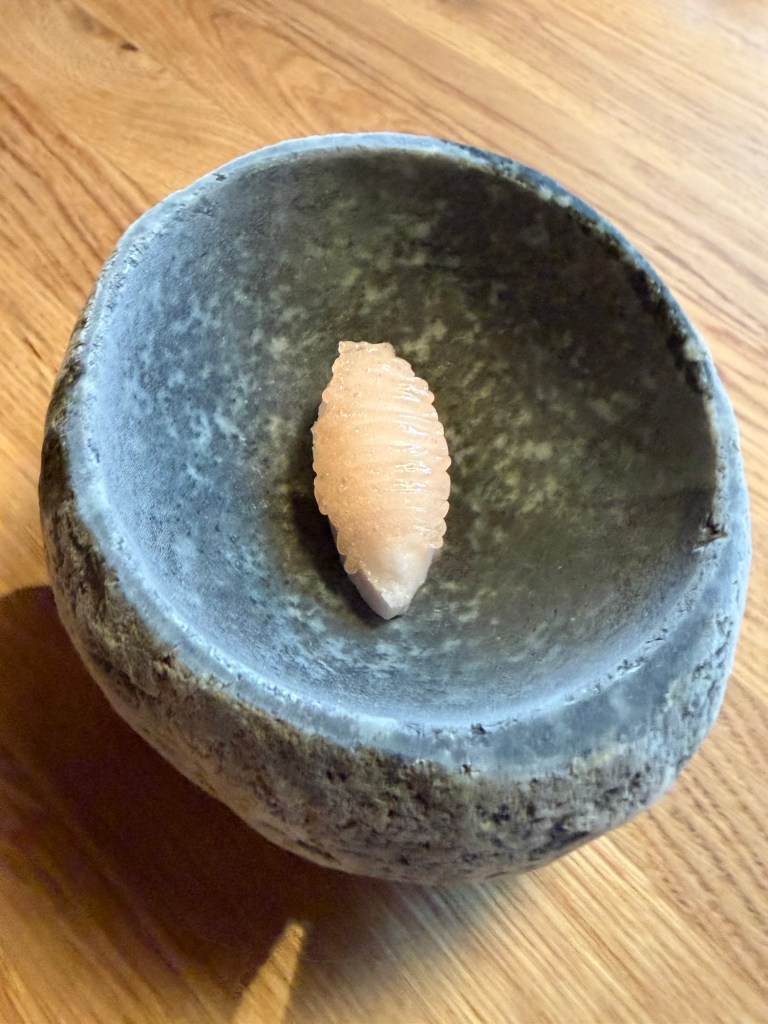
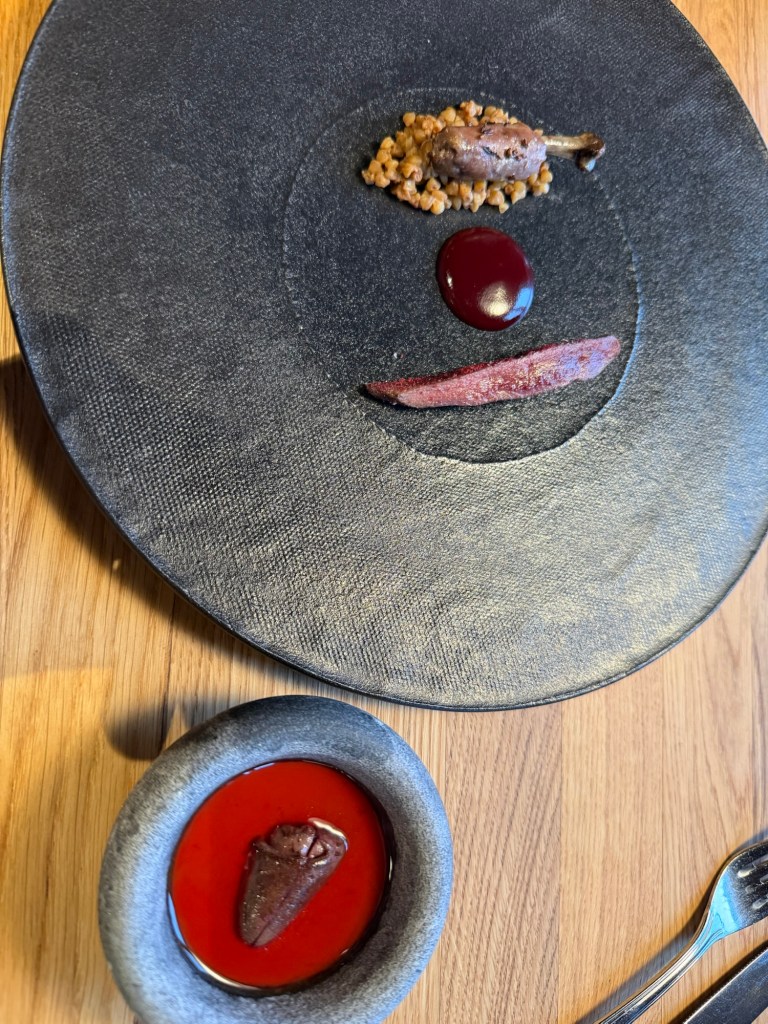
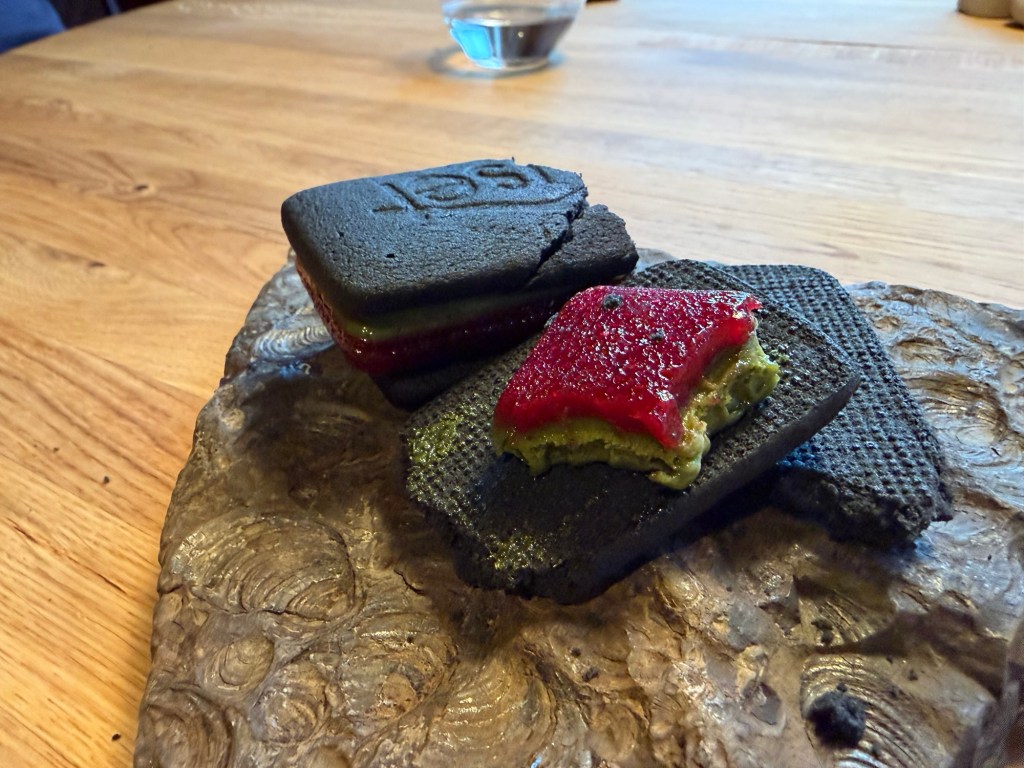
Our 14 course dinner was in an unusual concrete building built in 1951, referred to as Huset, or “house’ in English. It was popular among the miners of the day and used for many family activities as well as meals and adult social events. Our meal was interesting, if not my cup of tea. I have included photos of several of the courses. My favorite courses was reindeer, but I forgot to photograph that dish.
We were fairly stuffed after the meal and very ready to get back to our room and chill.
Thursday, June 11, 2026
This was a catch all day to see what we have missed and enjoy the day. Met Runar at 10am and went or a walk through the downtown area including the local grocery and sundries store. It. Contained everything and reminded me of SPD years ago, except it is new and cleaner than SPD.
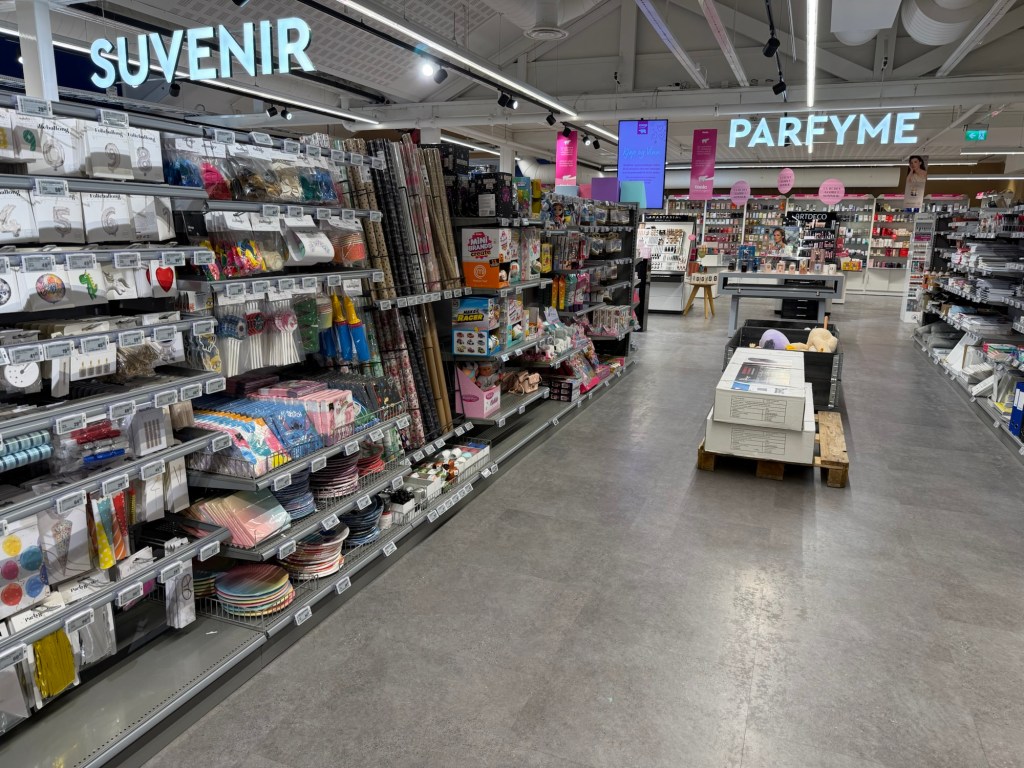

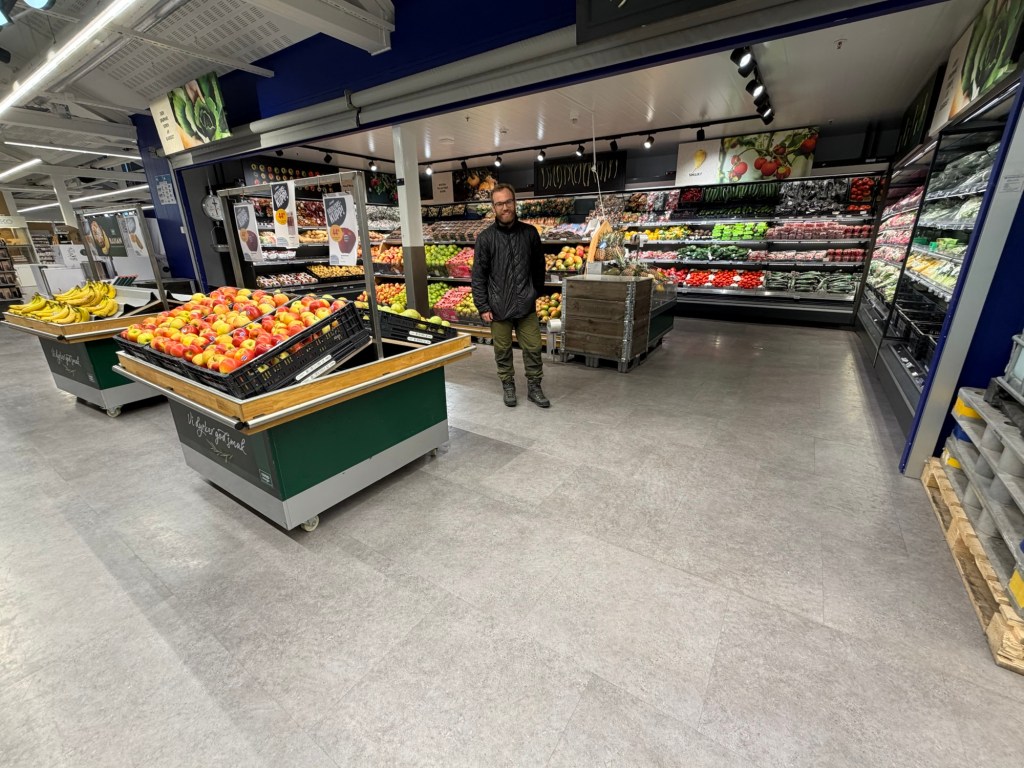
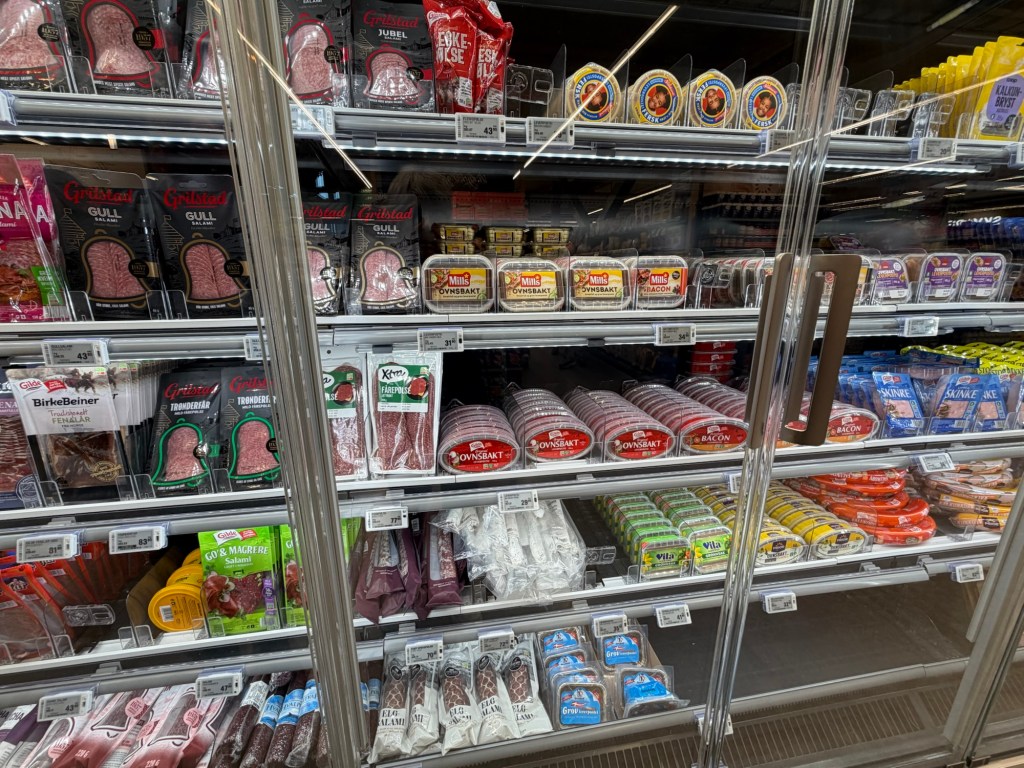
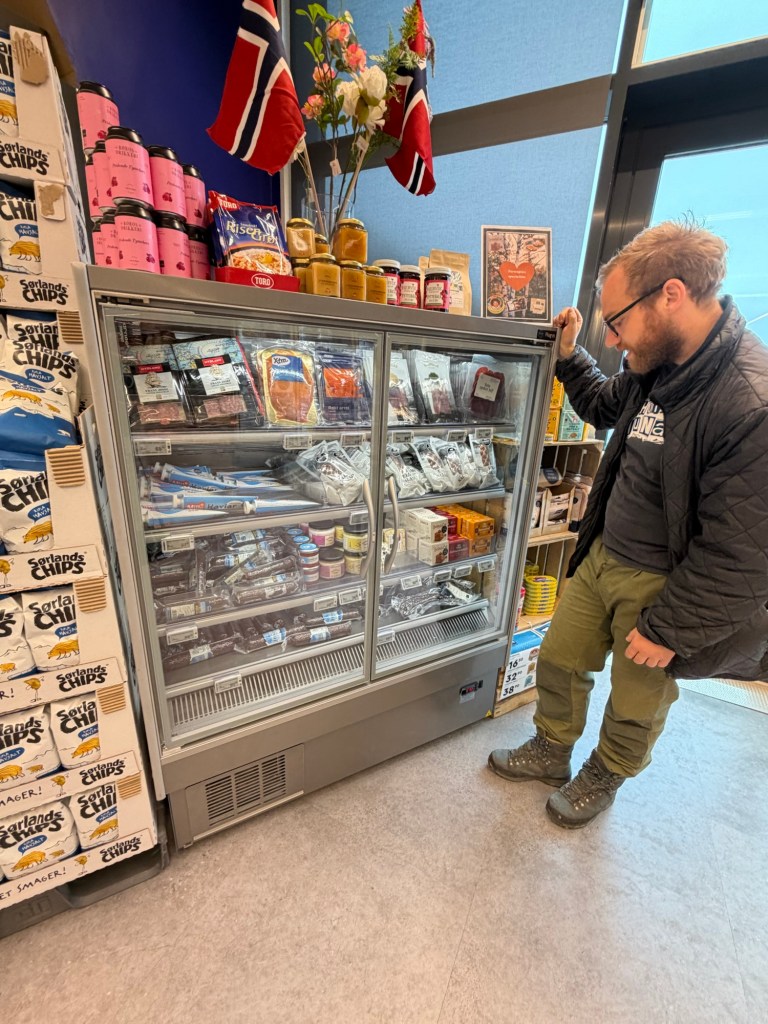
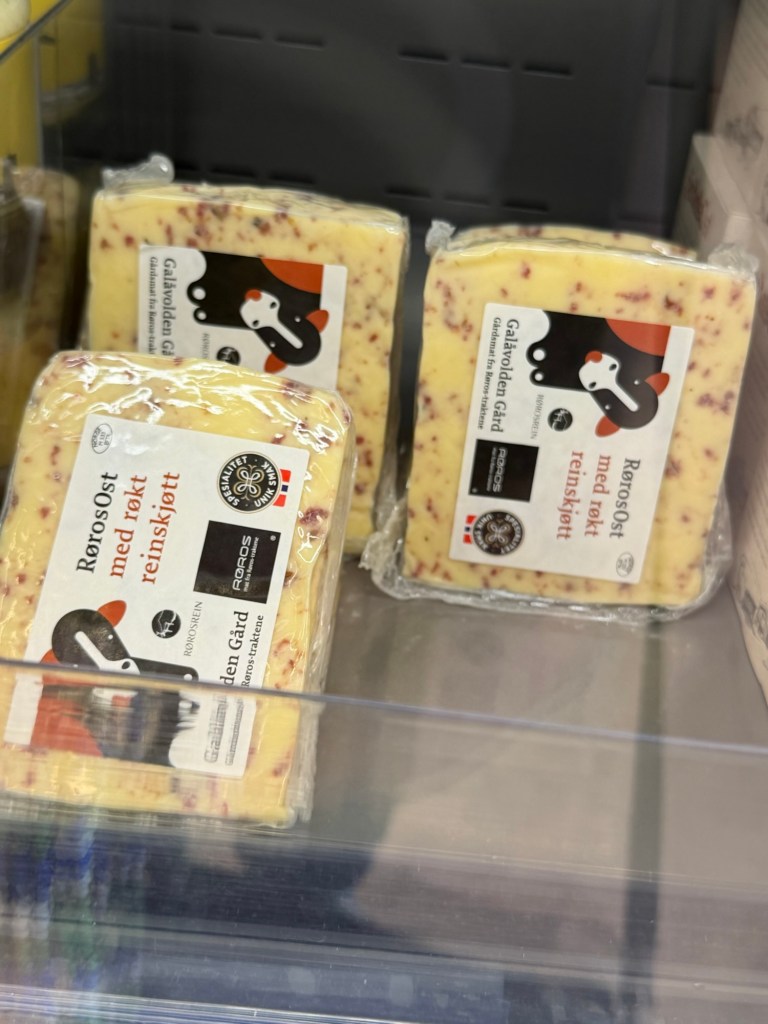

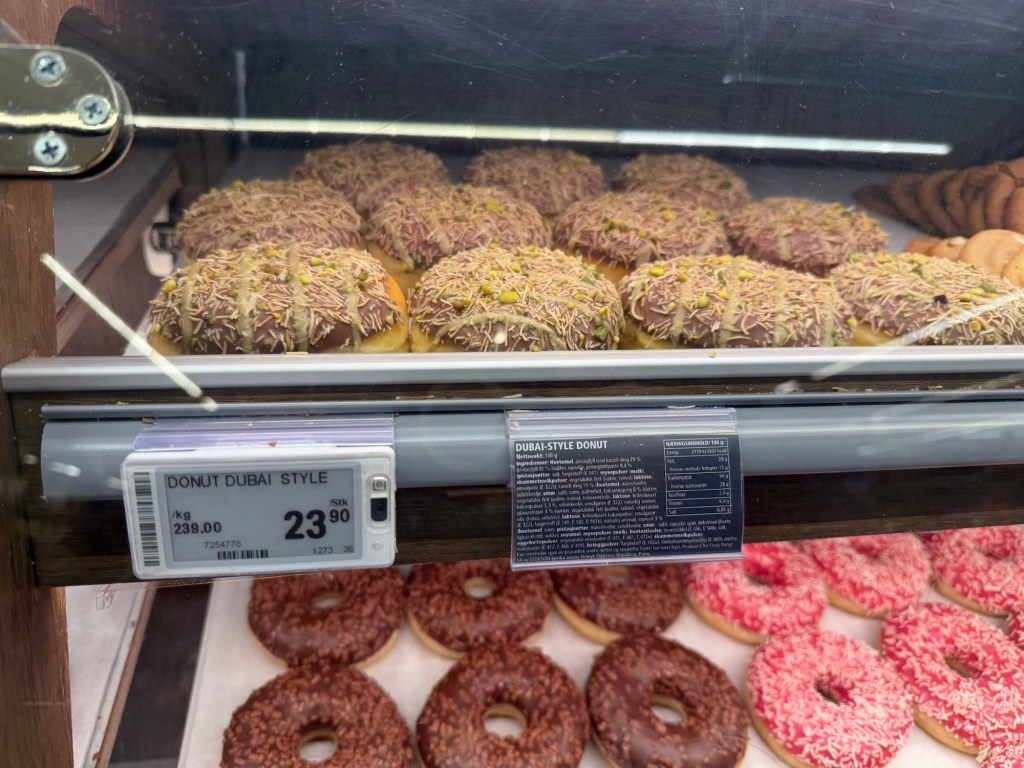
There was a pedestrian street we walked through to the town square.
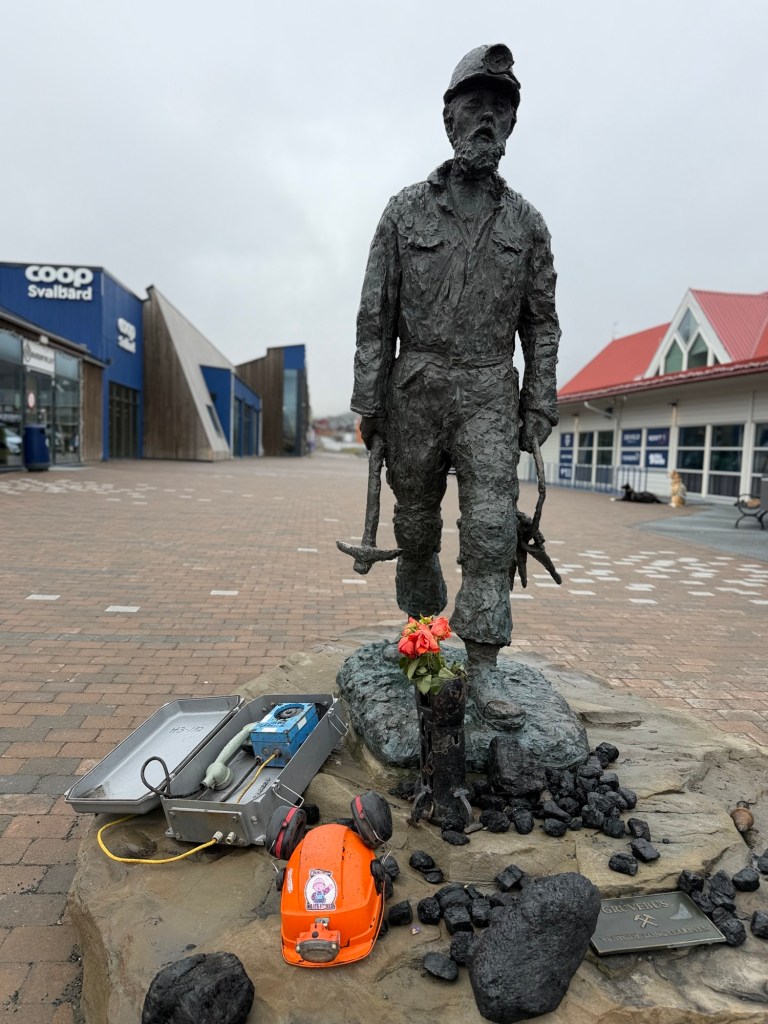
Even though it was early, many people were out and about. As we walked Runar told us one of the reasons people choose to live in Svalbard. Taxes on the Norwegian mainland are 30%. When living on Svalbard, they are 16%. One needs to stay in Svolbarg only 6 months to declare residency and receive the tax benefits. Housing is very tight and insufficient as the government does not want the island to grow. People share tiny apartments to be able to stay in town. Store Norske-the largest coal company-owns 90% of the rentable space in town. 61% of apartment dwellers are Norweigen.
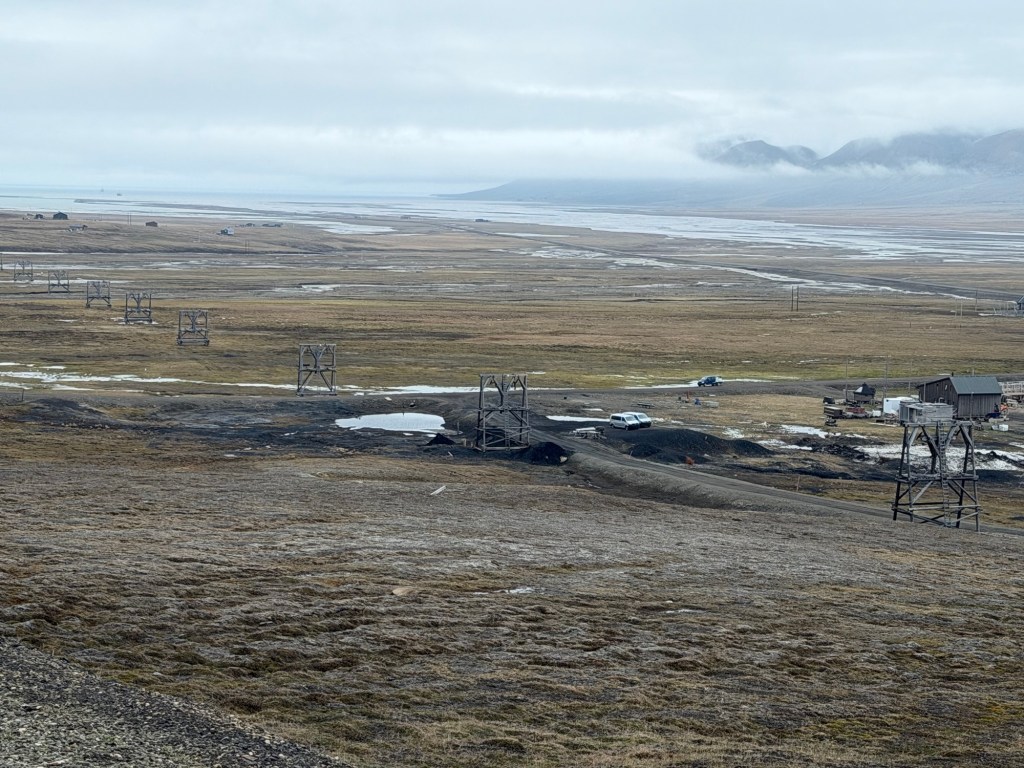
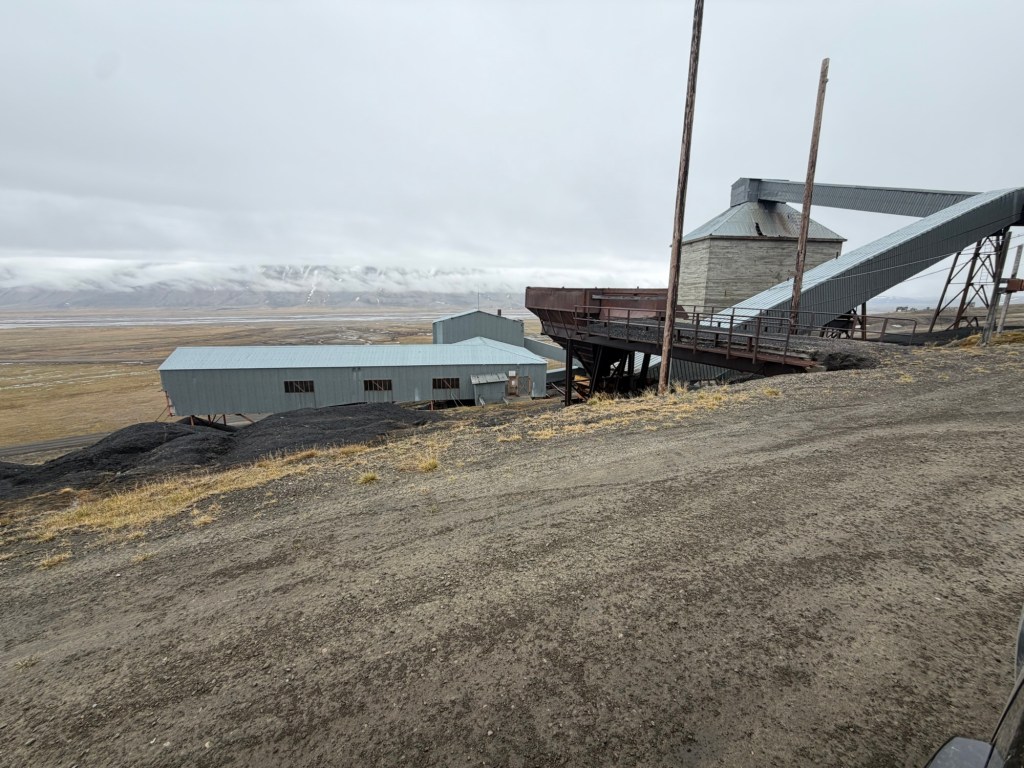
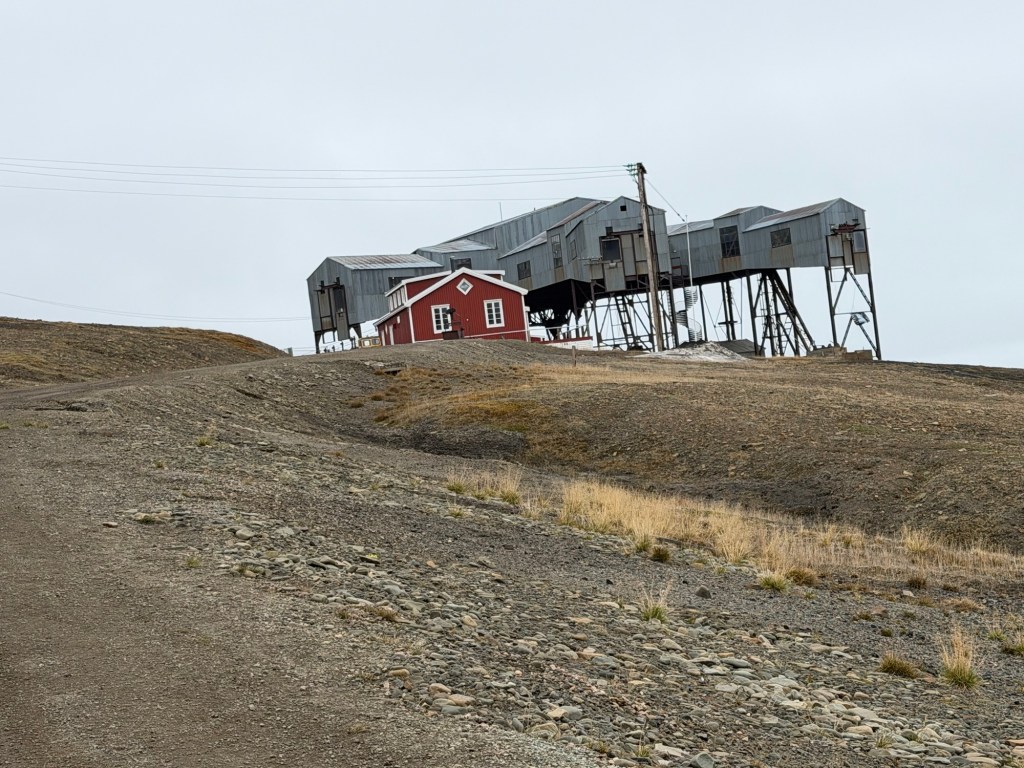
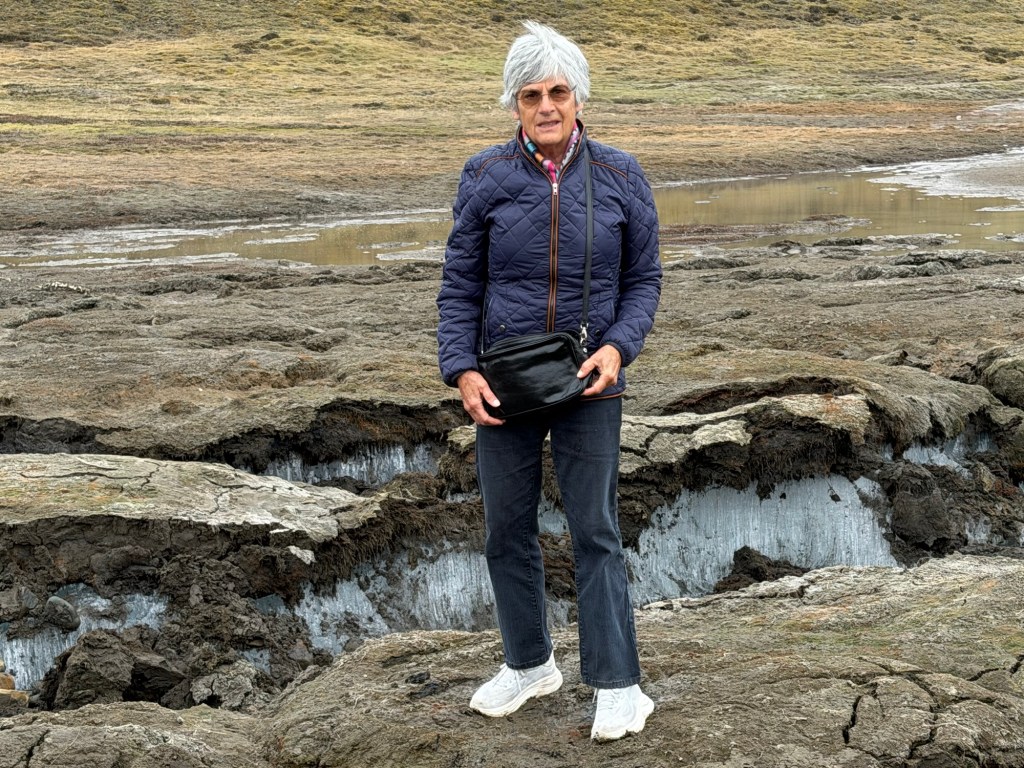
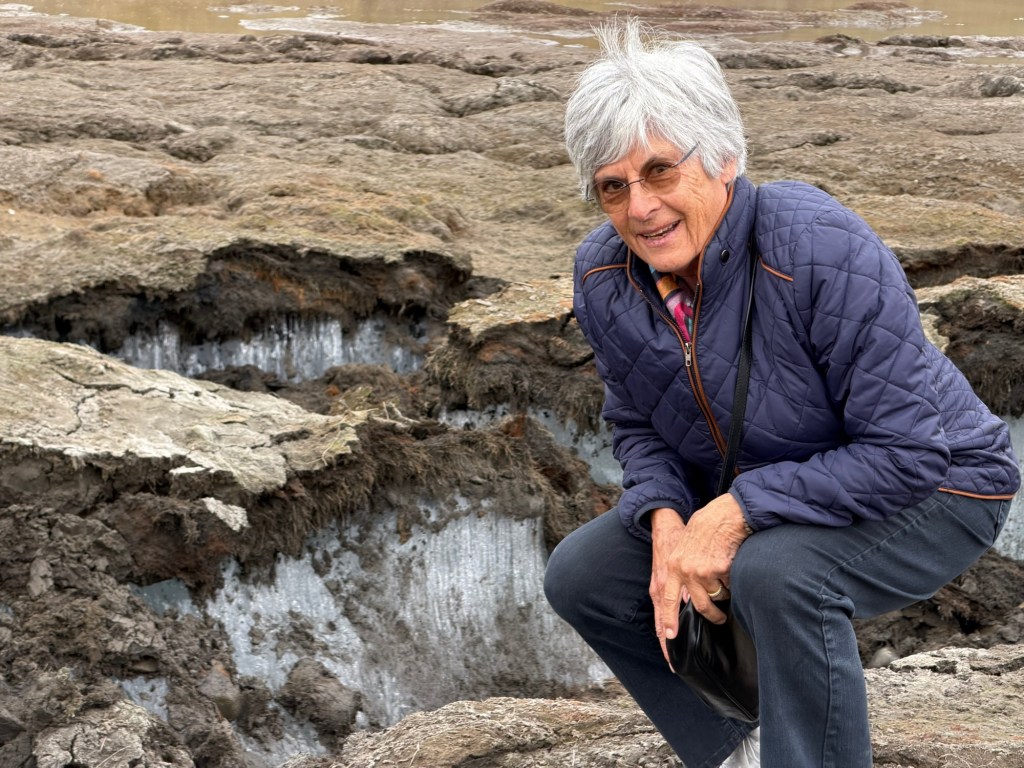
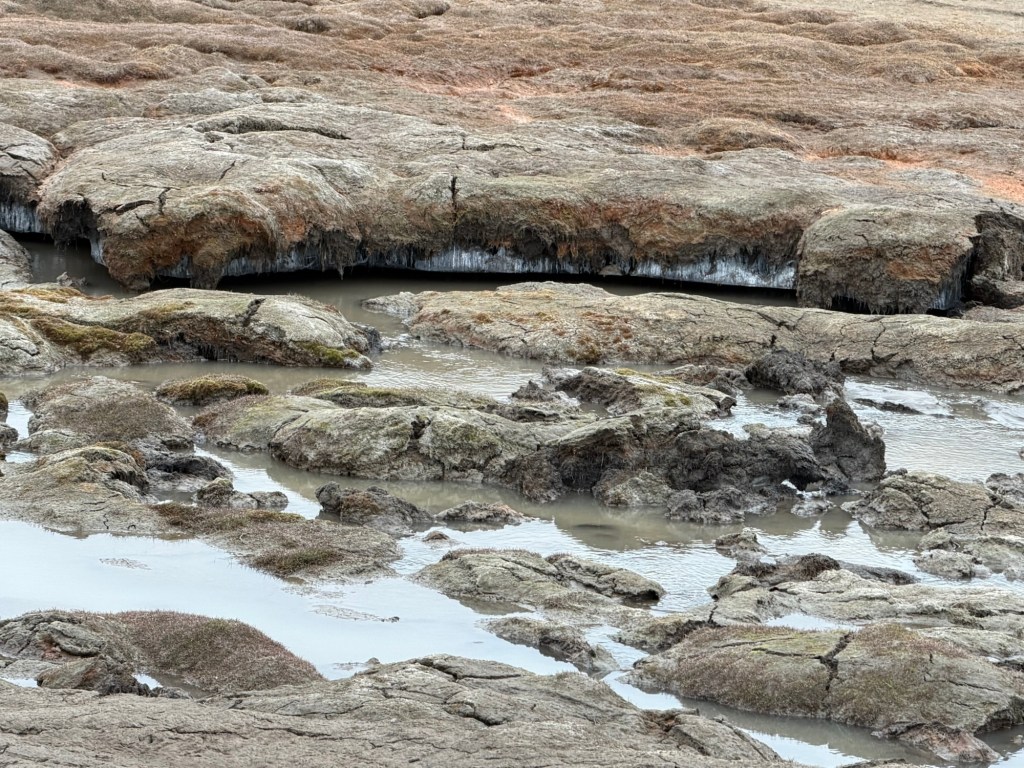
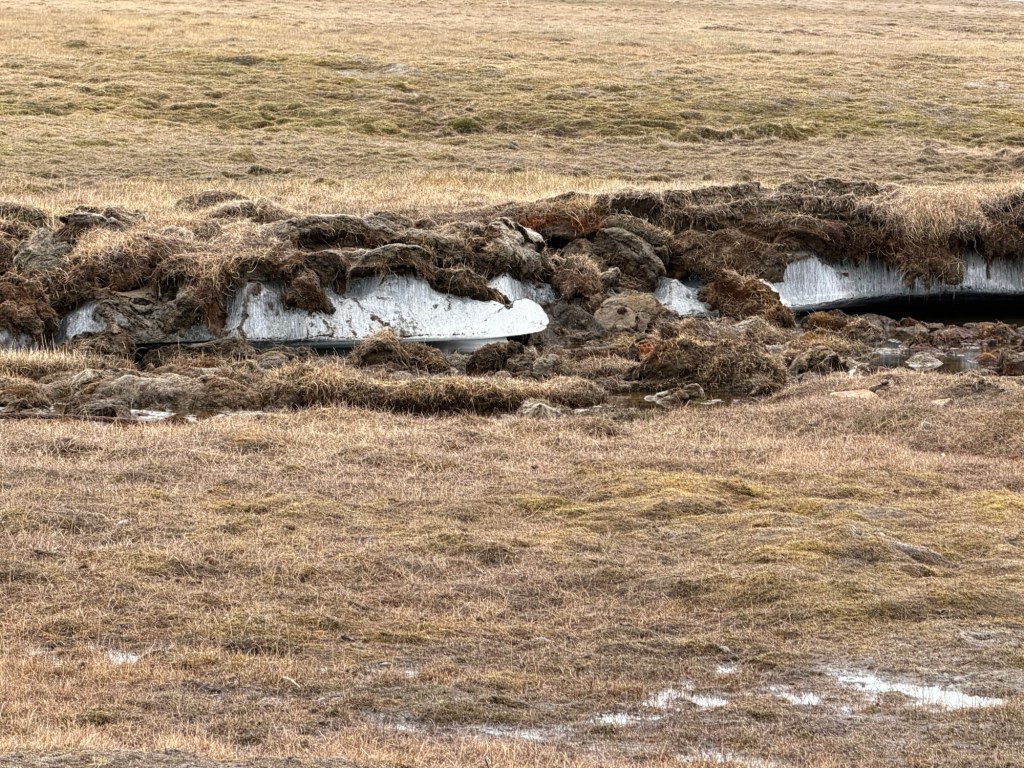
Saw what permafrost can look like when the ice is exposed,
drove around all the available roads,

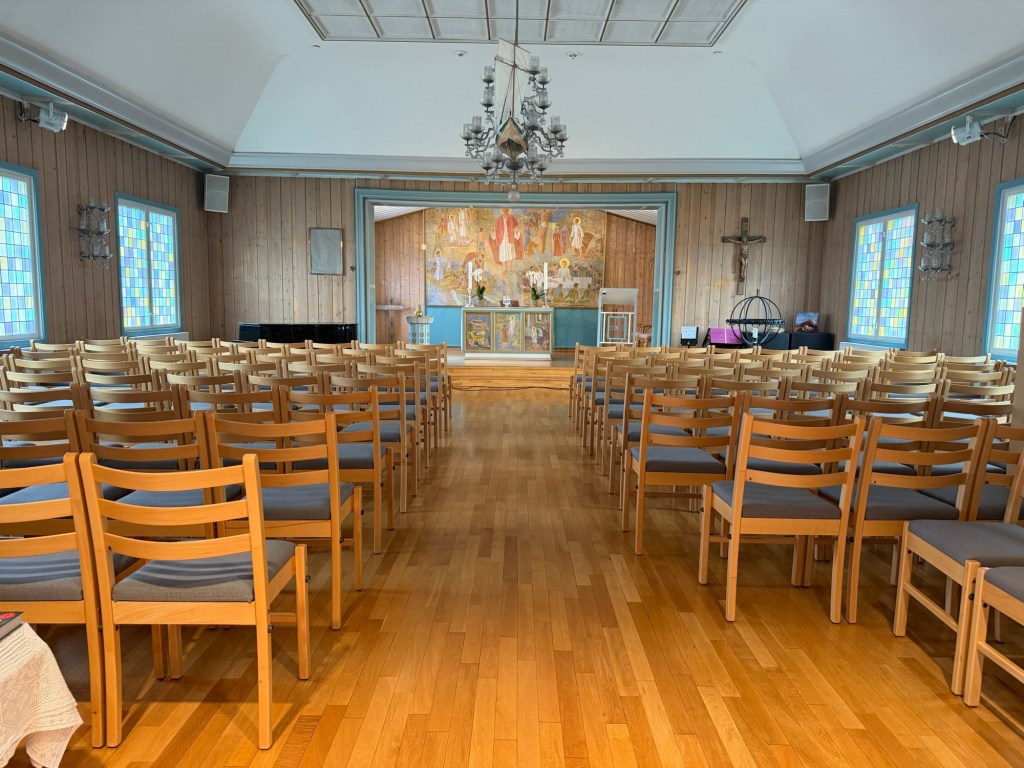
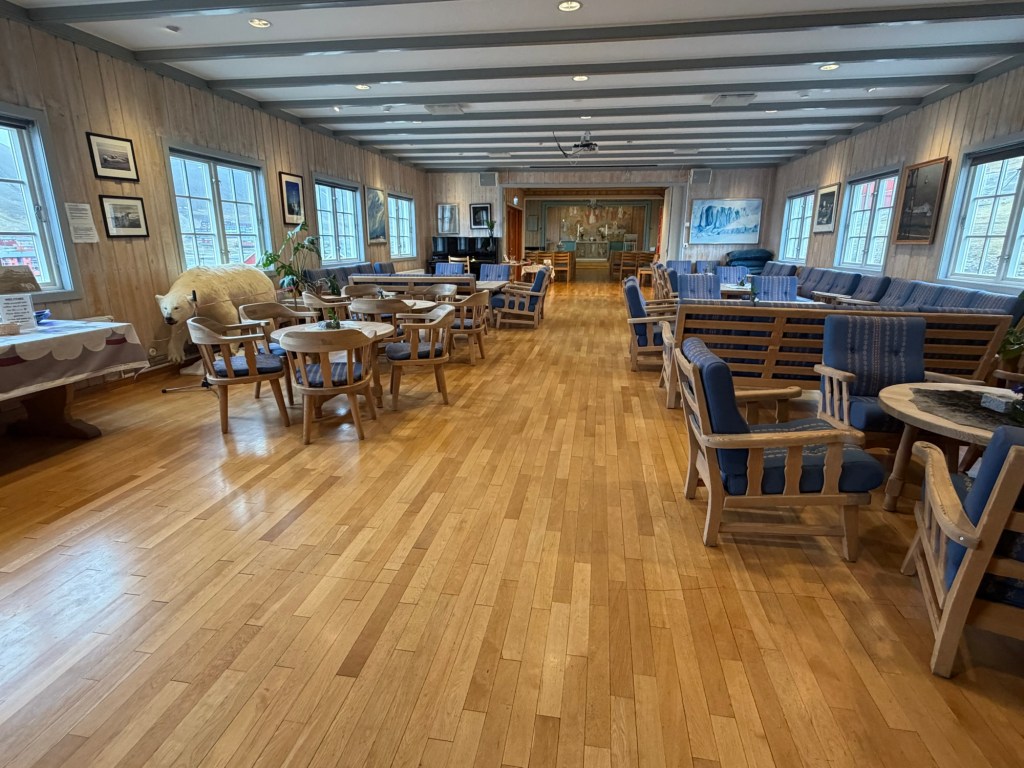
visited the northern most church in the world,
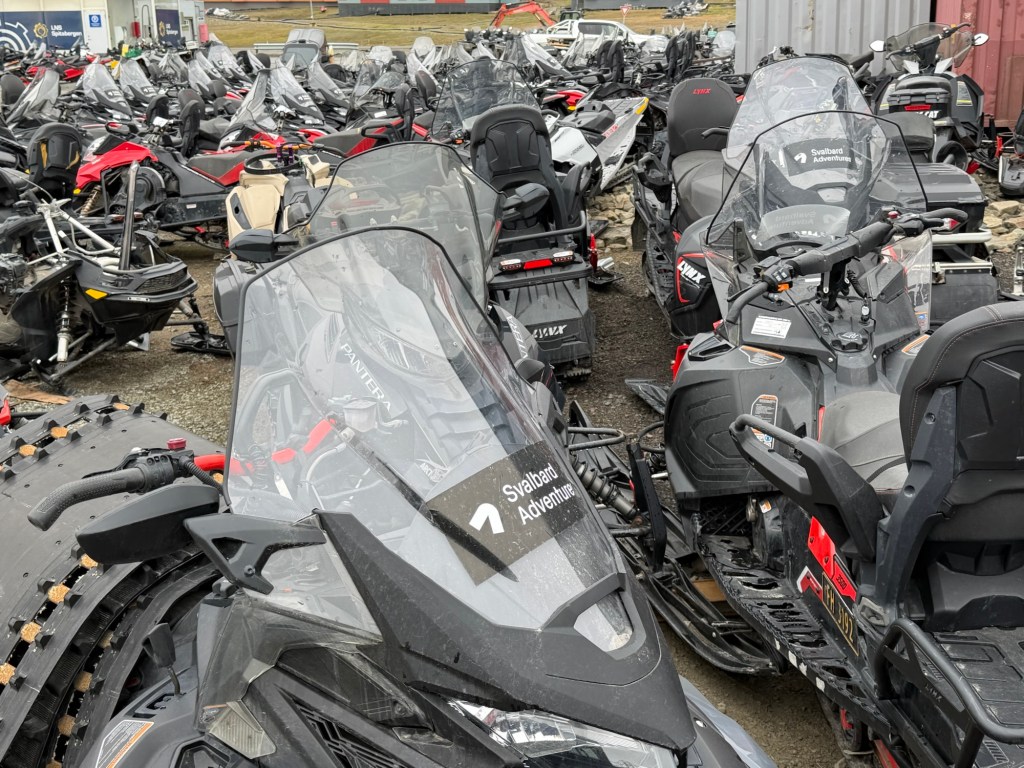
And saw where hundreds of snow mobiles are stored in the summer.
At 6pm we met with a man named Marcos Antonio who was supposed to tell us local stories. We had a nice conversation but no stories. He was born in Sweden and has been in Svalbard for 10 years and expects to remain. When I asked him what draws him to Svalbard he said few things: first was the vastness and solitude. Then he added self reliance, feeling connected to the land and constantly learning new things. We were just getting comfortable when we had to go to dinner. He agreed to meet us for breakfast in the morning. Dinner was at a place called Nansen’s. Fortunately, we had only 2 courses.

Friday, June 12, 2026
Marcos arrived at 8am and we continued our visit with him. He did tell us a true story of tragedy in Svalbard that happened in 1872-73. A ship was stuck in the ice and 17 members of the crew agreed to row north through open water to a known house named Svenskhuset on Spitsbergen, where they could survive the winter in comfort. They reached the house but eventually they all died. It was thought they suffered from scurvy, but research done in 2008 revealed that they probably died from lead poisoning from the cans the food was stored in. Everyone else survived the ordeal.
Then we were off for the airport for our flight to Oslo.